
Asking which stone coated roofing brands are “best” skips a more useful question: best by what standard? Coating technology, warranty terms, and documented testing vary significantly across manufacturers, and marketing language rarely makes those differences obvious. Buyers who evaluate brands against specific, checkable criteria end up with a far more reliable comparison than one based on general reputation alone. This guide breaks down the factors that actually separate strong roofing brands from weak ones, and how to apply them during your own sourcing process in 2026.
Why “Best Brand” Is the Wrong First Question to Ask
Every roofing manufacturer markets itself as a premium option, which makes brand reputation alone an unreliable filter for buyers doing real due diligence. A brand that performs well in one climate or project type may not be the strongest fit for a different set of conditions. The more useful approach is evaluating specific, documented criteria that predict real performance, rather than ranking brands based on marketing polish or general name recognition.
Marketing Claims Rarely Reveal Real Differences
Most manufacturers use similar language around durability, weather resistance, and long lifespan, which makes it difficult to compare brands on marketing copy alone. Buyers need to look past this language toward documented test results and warranty specifics.
The Right Brand Depends on Your Specific Project
A manufacturer with strong coastal wind performance may not be the best fit for a mountain snow-load project, and vice versa. Evaluating brands against your project’s actual climate and structural requirements produces a far more useful comparison than a generic best-of list.
Breaking Down the Criteria That Actually Separate Strong Brands From Weak Ones
A handful of concrete, checkable factors reveal far more about a manufacturer’s reliability than general reputation. These factors include coating technology and testing documentation, warranty terms and transferability, and manufacturing consistency across production runs. The table below outlines what to look for in each category.
| Evaluation Factor | What Strong Brands Typically Provide | Red Flags to Watch For |
|---|---|---|
| Coating and Testing Documentation | Third-party test certificates for wind, impact, and fire ratings | Vague performance claims without test data |
| Warranty Terms | Clear, transferable warranty covering coating and structural defects | Short warranty periods or excessive exclusions |
| Manufacturing Consistency | Documented quality control across production batches | Inconsistent color, texture, or coating thickness between orders |
| Regional Support and Availability | Established distribution and installer training in your region | Limited regional support or unclear supply chain |
Coating Technology and Third-Party Testing
Strong manufacturers provide third-party test certificates for wind uplift, impact resistance, and fire classification, rather than relying on general marketing descriptions. Buyers should request this documentation directly and confirm it applies to the specific product line under consideration.
Warranty Terms and Transferability
A strong warranty covers both material defects and coating performance over a meaningful timeframe, and ideally transfers to a new owner if the property sells. Buyers should read warranty exclusions carefully, since some terms narrow coverage significantly under specific conditions.
Manufacturing Consistency Across Orders
A reliable manufacturer maintains consistent color, texture, and coating thickness across production runs, which matters significantly on larger projects requiring multiple material orders over time. Inconsistency between batches can create visible mismatches on a finished roof.
How to Apply These Criteria During Your Sourcing Process
These evaluation criteria become most useful when applied directly during supplier conversations, rather than treated as an abstract checklist. Buyers who ask specific, documented questions during sourcing get a much clearer picture of which brands genuinely fit their project. The following examples show how this evaluation plays out across common project needs.
Verifying Coastal and Wind Performance Claims
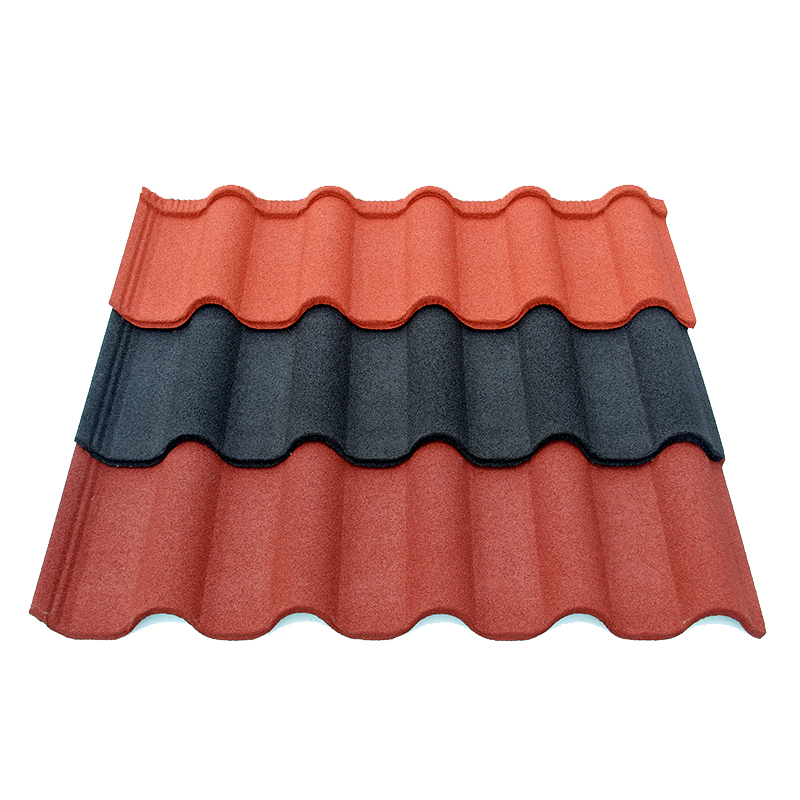
Buyers sourcing for coastal or high-wind projects should request documented wind uplift testing for the specific tile profile under consideration, such as a Bond Tile system, rather than accepting a general regional suitability claim.
Confirming Fire Classification for Wildfire Interface Zones
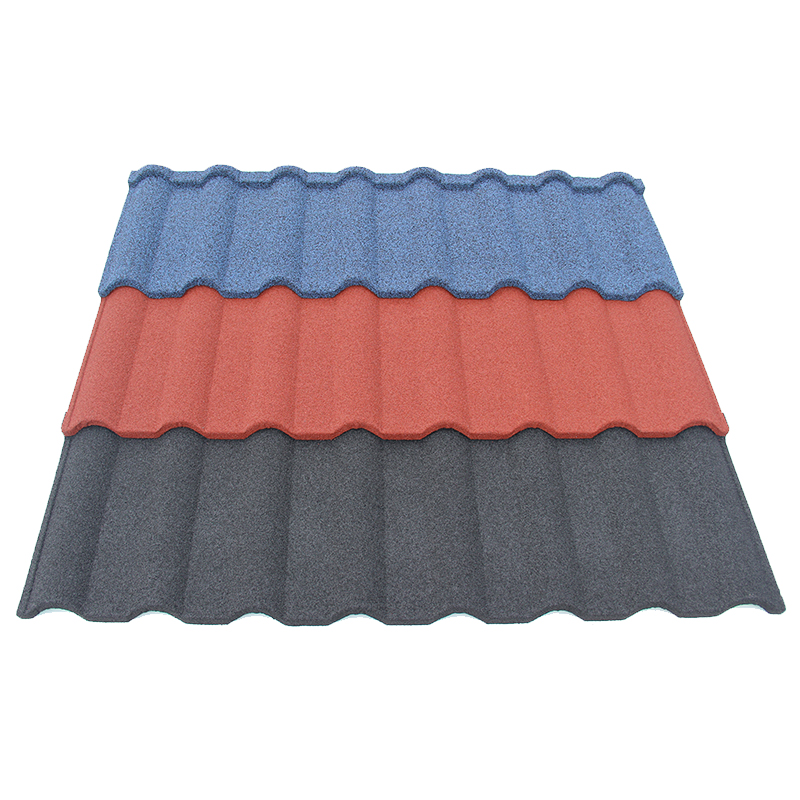
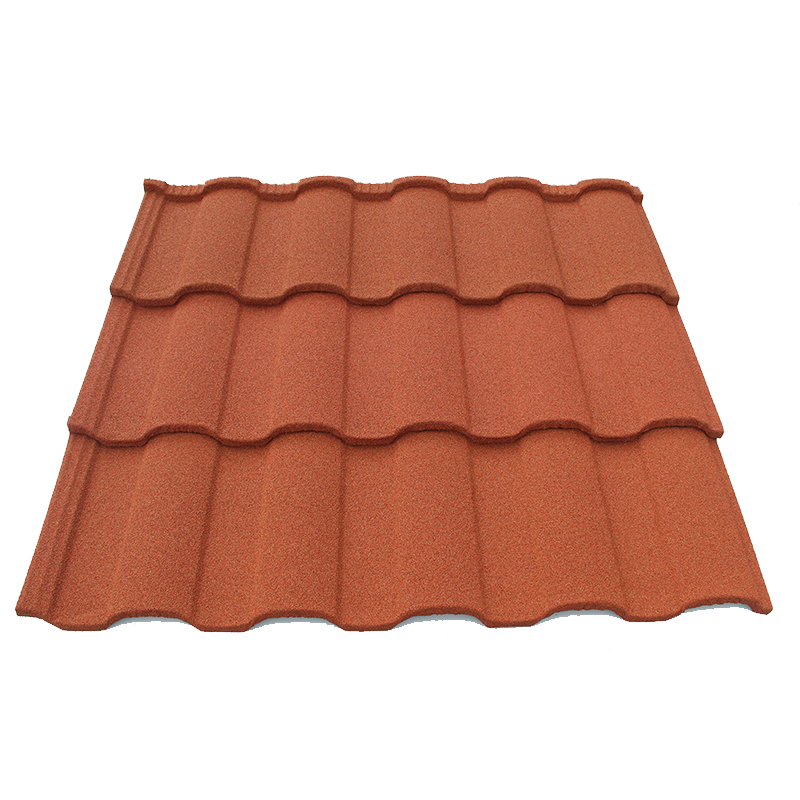
Projects near wildfire interface zones should confirm Class A fire ratings directly through manufacturer documentation for profiles like Roman Tile, since local codes often require this certification before approval.
Checking Warranty Transferability for Resale-Focused Projects
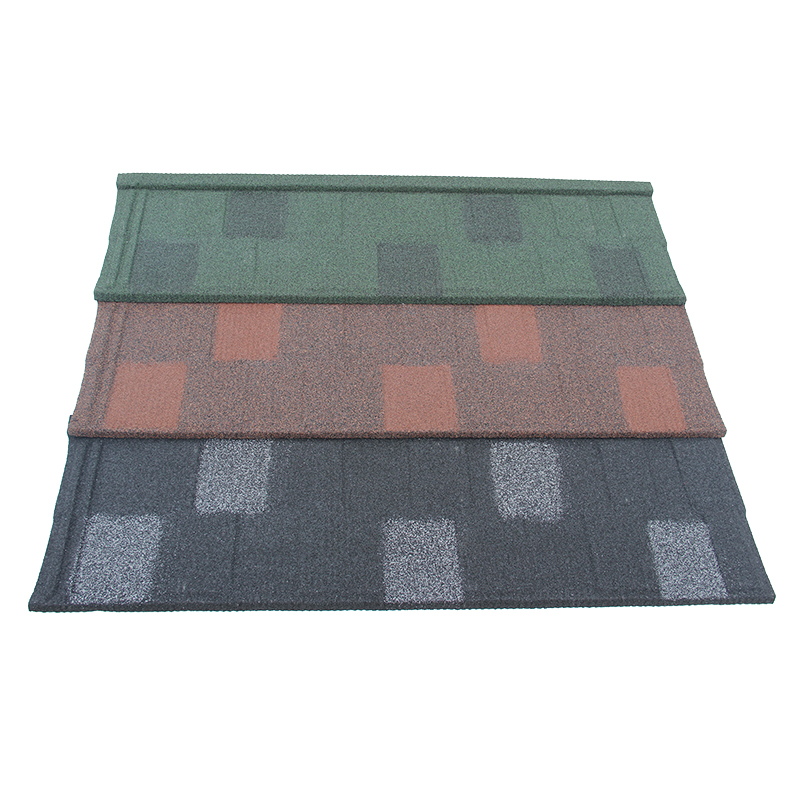
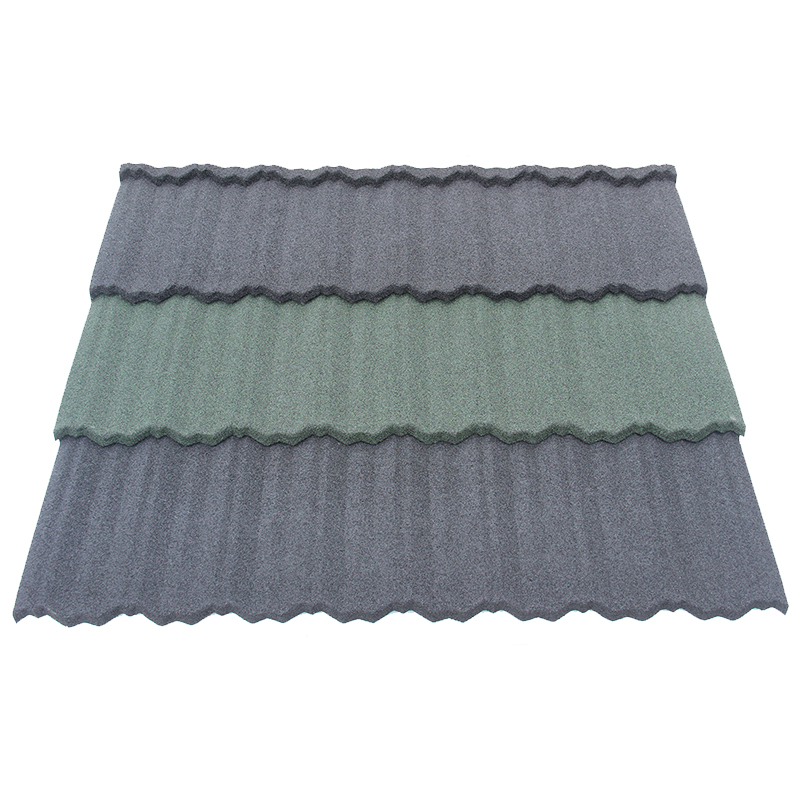
Homeowners planning to sell within the warranty period should confirm transferability terms directly, particularly for widely used profiles like Shingle Tile, since this detail can affect buyer confidence during a future sale.
Evaluating Manufacturers on Architectural and Custom Projects
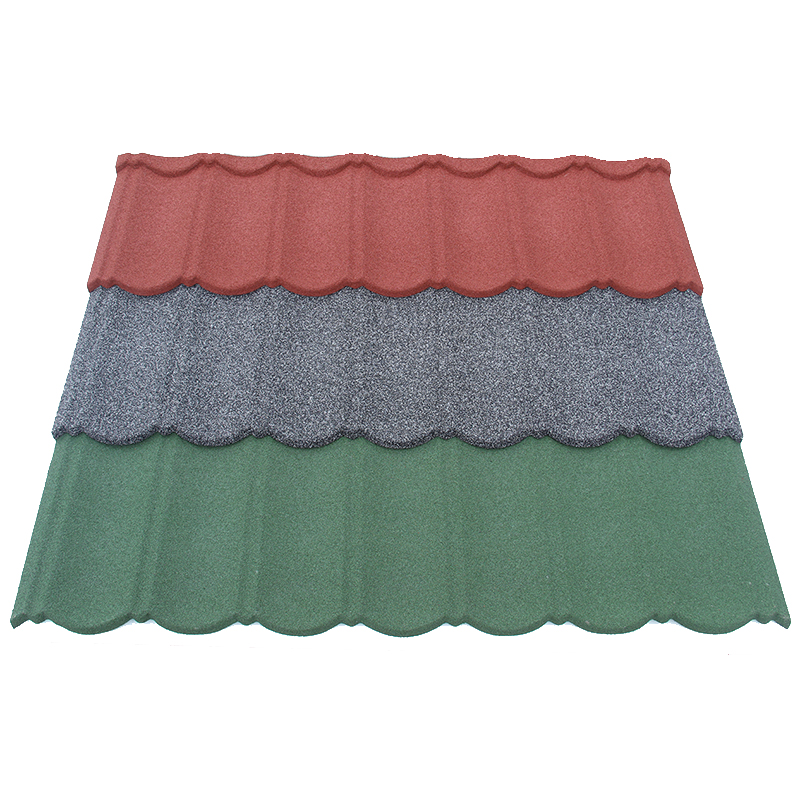
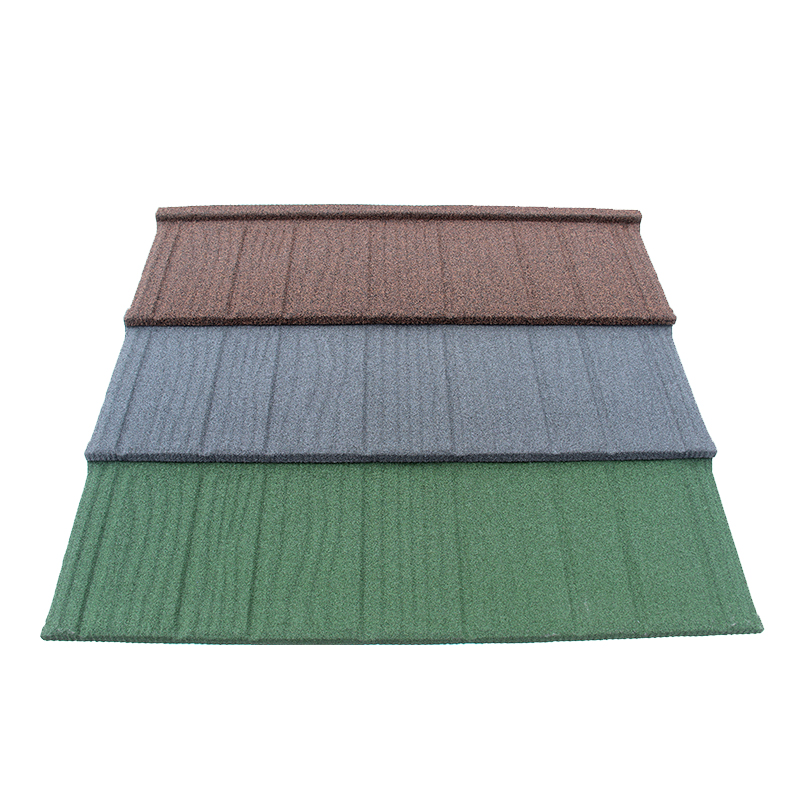
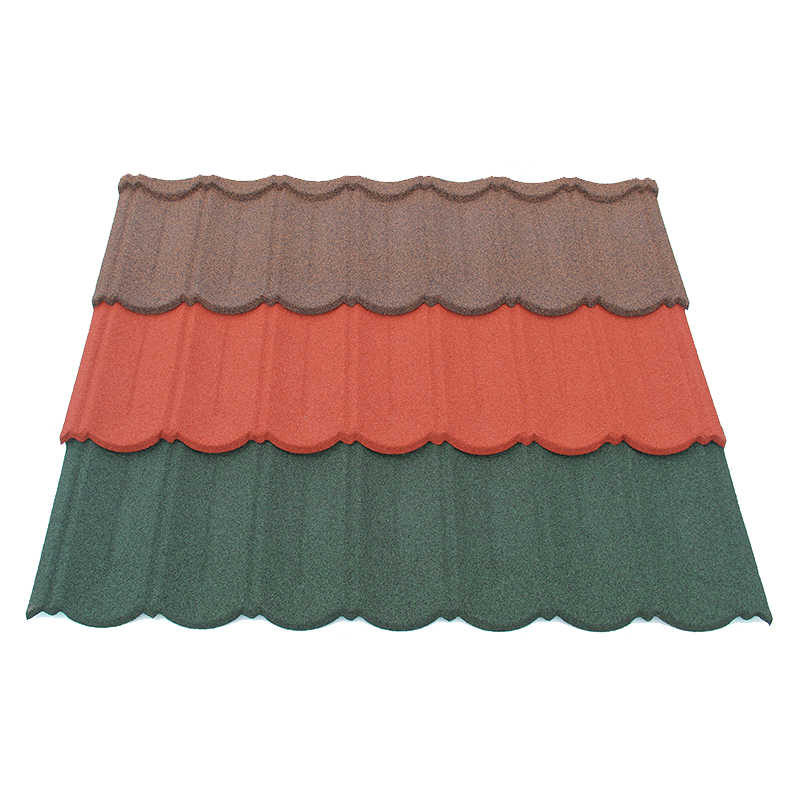
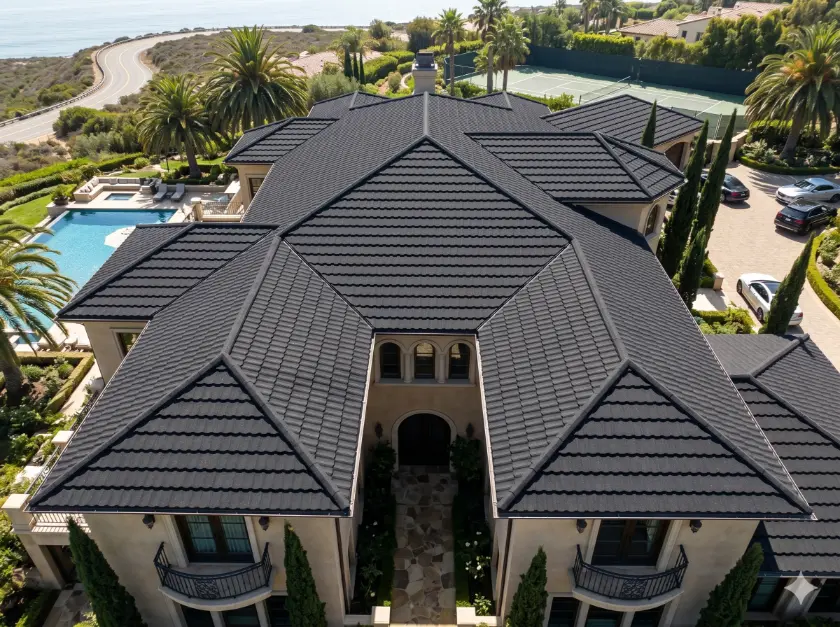
Architectural projects benefit from working with manufacturers who provide consistent supply and documented performance across a distinctive profile such as Milano Tile. Suppliers such as JCROOF illustrate this approach by providing test documentation and warranty terms directly alongside their product specifications, which gives buyers a clear basis for comparison. Rustic-style projects specifying a Shake Tile profile should apply the same documentation standard, confirming fire and weather performance rather than relying on the material’s traditional appearance alone.
Common Mistakes Buyers Make When Comparing Roofing Brands
Buyers evaluating roofing brands tend to repeat a handful of mistakes that lead to disappointing results after installation. Recognizing these mistakes helps buyers apply a more rigorous evaluation before committing to a supplier.
Relying on Online Reviews Without Verifying Test Documentation
Online reviews reflect individual experiences but rarely confirm whether a product meets documented performance standards. Buyers should treat reviews as one input alongside verified test certificates, not a replacement for them.
Assuming a Longer Warranty Automatically Means Better Coverage
A longer warranty period can still contain significant exclusions that limit real coverage. Buyers should read the specific terms rather than assuming warranty length alone reflects overall product confidence.
Skipping Regional Support Verification
Some manufacturers offer strong products but limited regional distribution or installer training, which can complicate maintenance and warranty claims later. Buyers should confirm regional support availability before finalizing a supplier choice.
- Request third-party test certificates for wind, impact, and fire ratings
- Read warranty terms in full, including specific exclusions
- Ask about manufacturing consistency across production batches
- Confirm regional distribution and installer support in your area
- Match brand evaluation criteria to your project’s specific climate and use case
Building a Brand Evaluation Checklist for 2026 Projects
A structured evaluation process protects buyers from relying on marketing claims or general reputation alone. Applying the same documented criteria across every supplier conversation produces a far more reliable comparison than an informal best-of list.
Questions to Ask Every Manufacturer During Sourcing
Ask for test documentation specific to your climate zone, full warranty terms in writing, and references for projects similar in scale to your own. Specific, documented answers separate manufacturers worth considering from those relying on reputation alone.
Applying This Framework Consistently Across Projects
Buyers and builders who apply this same evaluation framework across every project reduce the risk of inconsistent results tied to switching suppliers without proper vetting. This consistency matters as much as the initial brand choice itself.
Choosing a stone coated roofing brand in 2026 comes down to verified documentation, not marketing reputation. Buyers who apply a consistent evaluation framework across coating technology, warranty terms, and manufacturing consistency make sourcing decisions that hold up regardless of which brand ultimately wins their business.