

Hs code for stone coated metal roofing tile needs a controlled method that matches the roof system and site plan. Classification depends on the actual goods, shipment, destination, and current authority guidance, so buyers should verify rather than guess. This guide gives buyers, contractors, and maintenance teams a practical sequence to review with the responsible professional.
Use current drawings and product documents, and record any exception before work continues.
Confirm the Roof and Work Scope
First, confirm the roof profile, drawings, substrate, access plan, and current supplier instructions. The team should identify who controls the work area and who can stop the task when a condition differs from the approved brief.
Next, prepare tools, protection, and a written checklist. Keep loose items away from edges and drainage routes. Record the work date, area, weather, observations, and person responsible for the review.
Finally, inspect the completed zone against the same checklist. Photograph useful evidence, record open questions, and send the handover note to the owner and maintenance contact.
Plan Access and Surface Protection

Next, separate safe access planning from the task itself. The site lead should define ladders, platforms, exclusion zones, tool handling, and weather limits. People should not step onto an unplanned area simply because it looks convenient.
For a walking inspection, identify the intended support points and use an access method that the responsible professional accepts. For installation or maintenance, stage equipment by zone and protect completed areas from loose tools, unnecessary traffic, and dragged materials.
In addition, explain who supplies replacement parts and who approves a change. A clear responsibility list prevents an installer or cleaner from making a design decision without the right review.
- Check access, edges, drainage, and nearby surfaces.
- Keep tools and loose materials organized by work zone.
- Assign one person to record exceptions.
- Stop when weather or roof conditions change.
| Review area | Buyer question | Record |
|---|---|---|
| Roof system | Which profile and detail documents apply? | Drawing revision |
| Access | How will people reach the work area? | Access plan |
| Tools | Which equipment and protection are approved? | Tool checklist |
| Handover | Who checks and accepts the result? | Inspection note |
Use a Controlled Work Sequence
However, a good method still needs a repeatable sequence. Start in a small, defined zone, confirm the result, and then continue. The team should measure or observe before acting, complete one detail, and check it before opening the next zone.
When a person must inspect a roof, the site lead should define where that person can stand, how they reach the zone, and how they return. When the team installs components, it should stage panels, trims, and fixings by drawing detail. When the team cleans, it should remove loose debris first and choose the least aggressive documented method.
If the surface reacts unexpectedly, if a panel moves, or if the roof differs from the drawing, stop the affected activity. Photograph the condition and request a decision from the responsible supplier, designer, or professional.
Match the Method to Current Documents
Then, compare the selected method with the current product instructions, approved drawings, and site risk review. General guidance cannot confirm local compliance, warranty conditions, certification, or suitability for a particular roof.
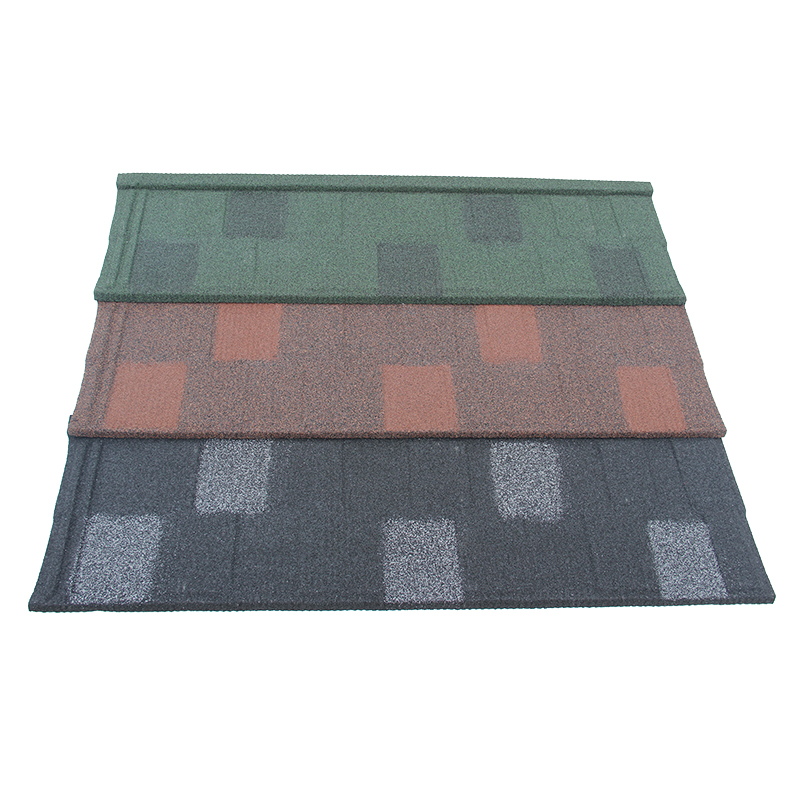
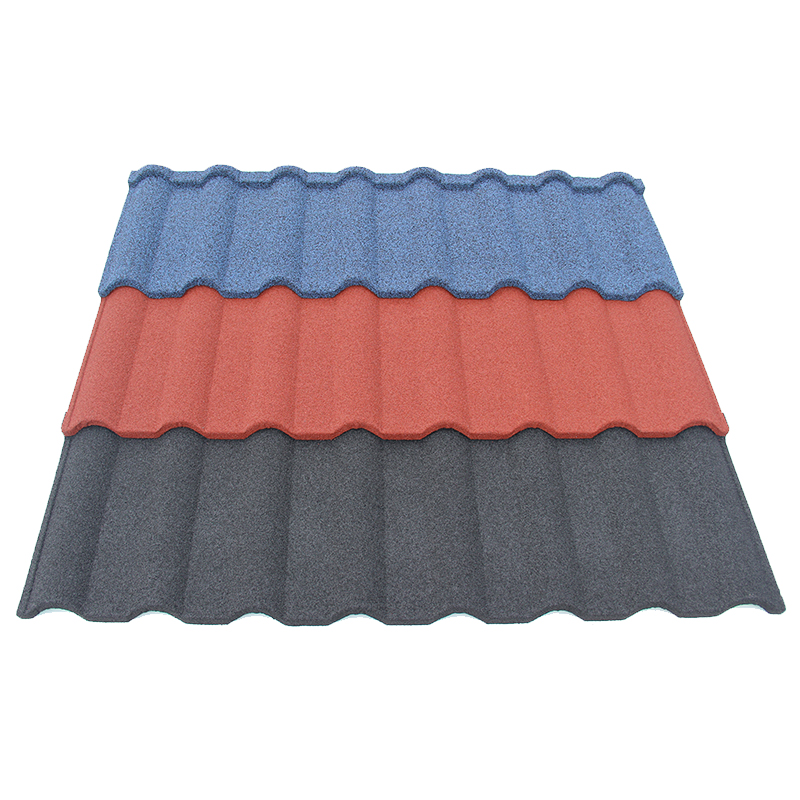
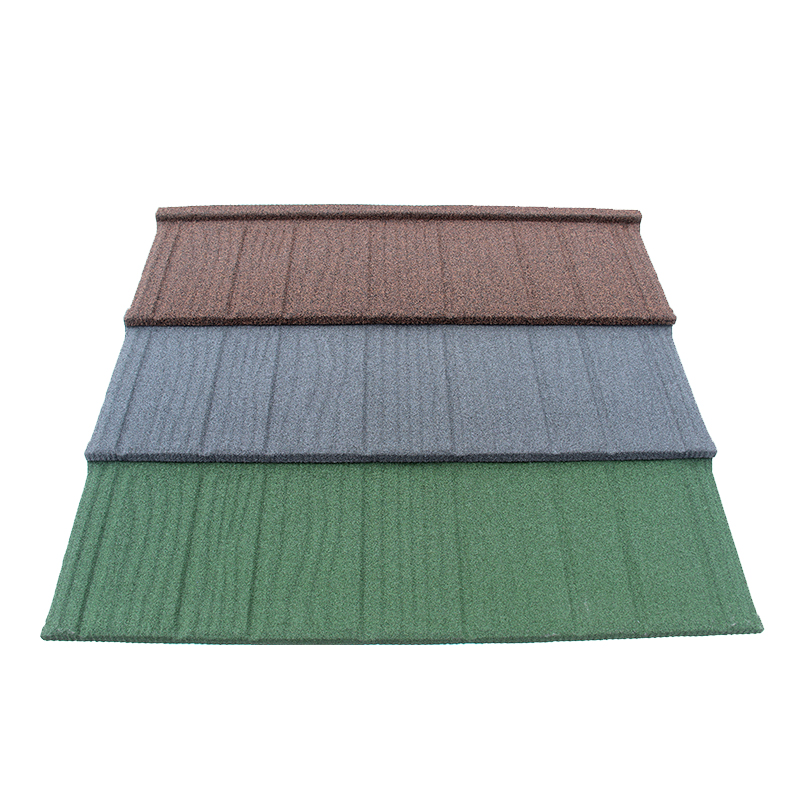
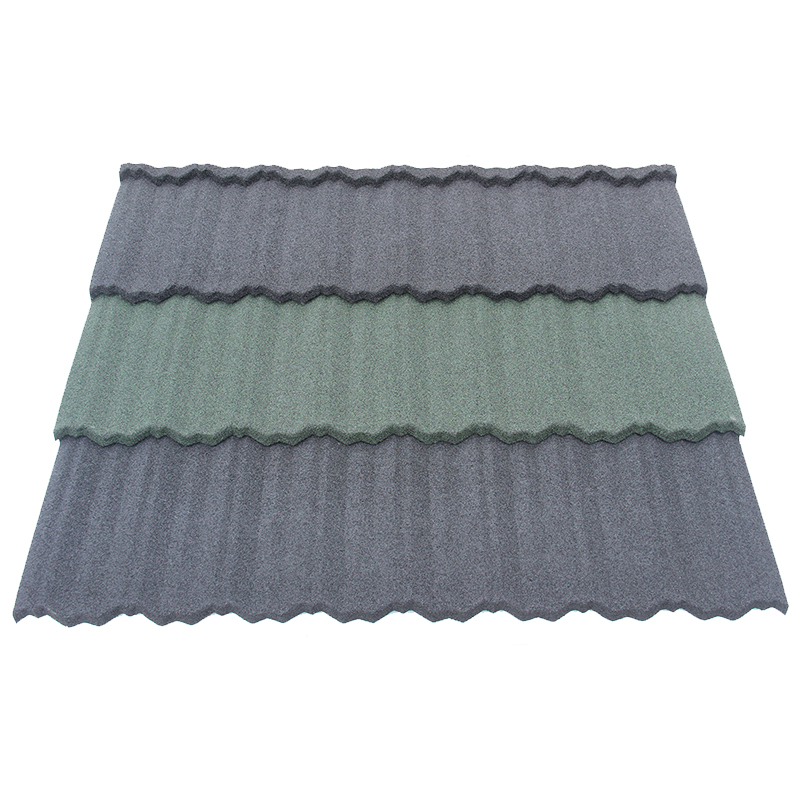
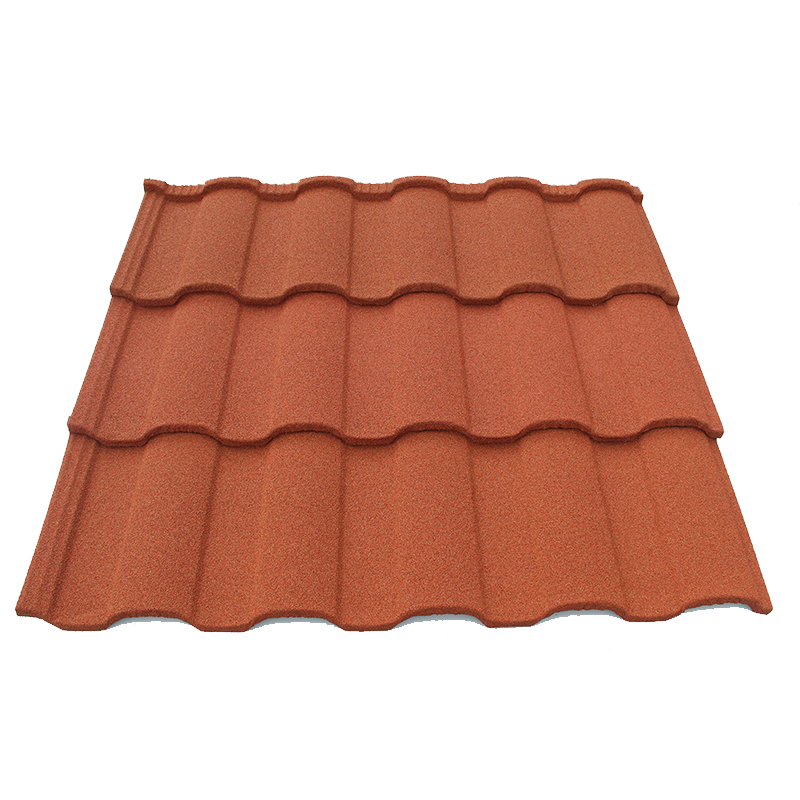
For profile context, review Bond Tile and Roman Tile. Buyers can also compare Shingle Tile with Milano Tile. Profile names do not replace the drawing or installation document.
JCROOF may be included in a supplier comparison when the buyer requests the same documents, samples, support boundaries, and clarification process from every candidate. This keeps the decision evidence-led.
- Confirm the current drawing revision.
- Check profile and detail requirements.
- Ask the responsible professional about site-specific risks.
- Record written answers before changing the method.
Inspect and Handover the Completed Work
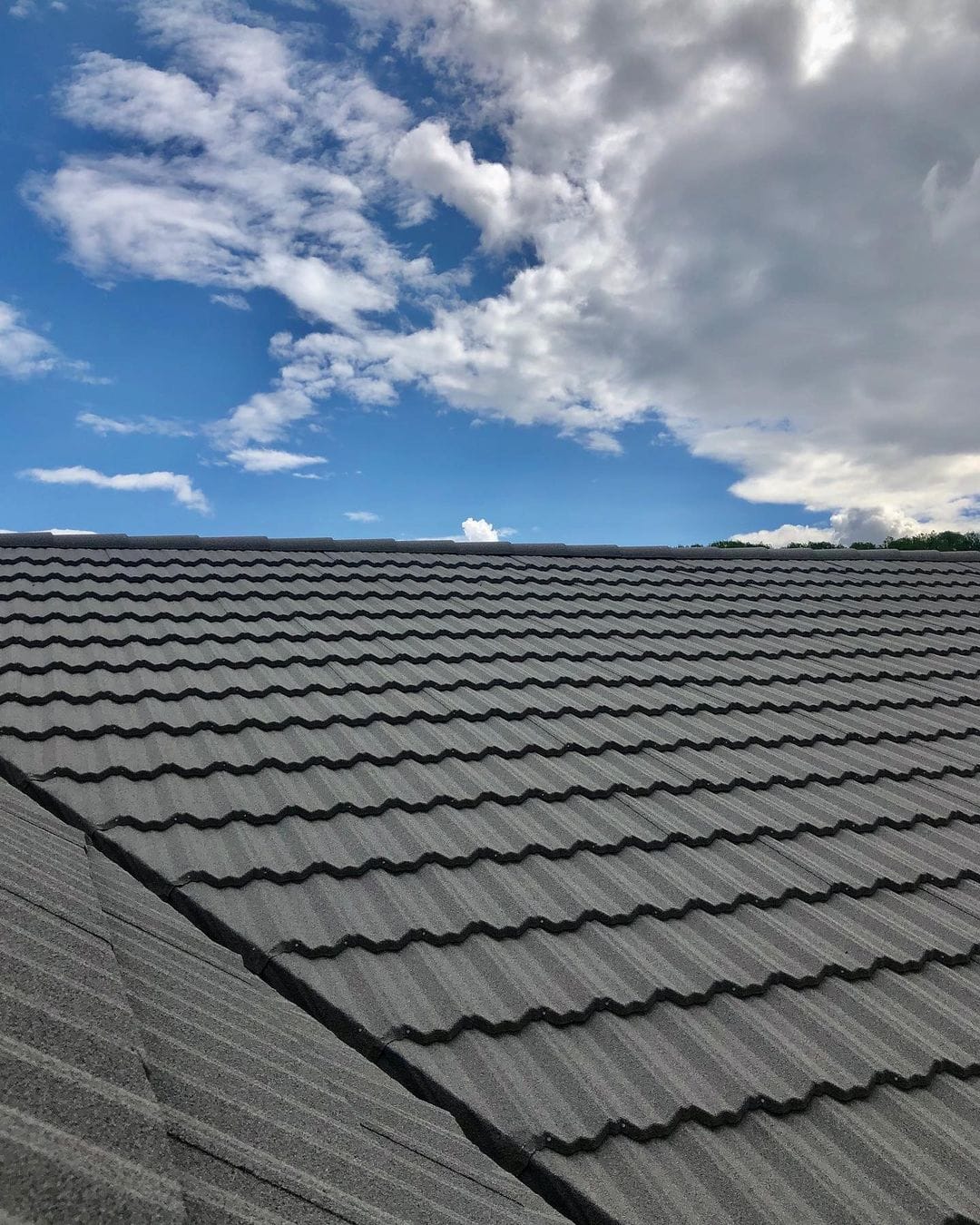
Moreover, inspect edges, laps, valleys, ridges, penetrations, drainage paths, visible damage, loose debris, and unfinished details. Compare observations with the original brief, not with memory.
Record the work area, date, method, tools, materials, photographs, inspector, and open items. Do not describe a result as compliant or warranted unless the responsible party confirms that claim in a current document.
The stone coated roofing solutions page can help organize product and supplier questions. Finally, send the handover record to the owner and maintenance contact.
Coordinate People and Future Maintenance
Additionally, agree who will review the roof after the work and where the record will remain. A future contractor should find the drawing revision, photographs, open questions, and contact details without searching old messages.
Use the same controls for a small inspection and a larger installation zone: define the scope, protect the area, follow current documents, stop at exceptions, inspect the result, and preserve the record.
This process supports practical decisions without inventing performance, legal, or project claims. It also gives procurement and site teams a shared language for discussing access, materials, responsibility, and follow-up.
Preserve the Work Record
Keep the final checklist with the property or project file. Add the next review date and the person who owns follow-up actions.
Review Access Before the First Step
Before anyone enters the roof area, the site lead should confirm the access route, support points, weather, tools, communication method, and stop-work instruction. The team should keep people below the work zone clear and protect nearby property from dropped items. A short briefing gives every worker the same boundary and makes it easier to stop an unsafe shortcut.
Record the roof condition before work begins. Note loose components, damaged edges, blocked drainage, unusual movement, and any area that the drawing does not explain. The responsible professional can decide whether the team should continue, change the route, or defer the task.
Close Each Zone Before Moving On
During work, divide the roof into clear zones and complete one zone before opening another. Keep panels, brushes, hoses, fixings, and waste organized so the team does not drag materials across finished areas. Check the zone after the task and report differences while the evidence remains visible.
Use photographs and short notes to show what the team checked. Avoid unsupported statements about structural capacity, compliance, warranty, or performance. Those statements require the applicable current documents and professional confirmation for the actual project.
Plan the Next Inspection
After handover, assign the next review date and the person who owns it. Store the drawings, photographs, work brief, supplier documents, and open questions together. This record helps a future buyer or contractor understand the roof without repeating avoidable investigation.
Frequently Asked Questions
Finally, use these answers as a concise review checklist.
Can every stone-coated roof support walking?
No. The responsible professional must confirm access, support points, roof condition, and the approved method for the actual system.
What should a worker do when the roof differs from the drawing?
Stop the affected task, record the difference, and request written direction before continuing.
Should the team use strong chemicals or improvised tools?
No. Select tools and methods from current product guidance and use the least aggressive documented approach.
What belongs in the handover note?
Include the area, date, method, photographs, inspection result, open items, and responsible follow-up owner.
Keep the Record Ready for Future Work
The project team should keep the method, drawings, photographs, and inspection record together. Clear ownership supports future maintenance and procurement decisions.