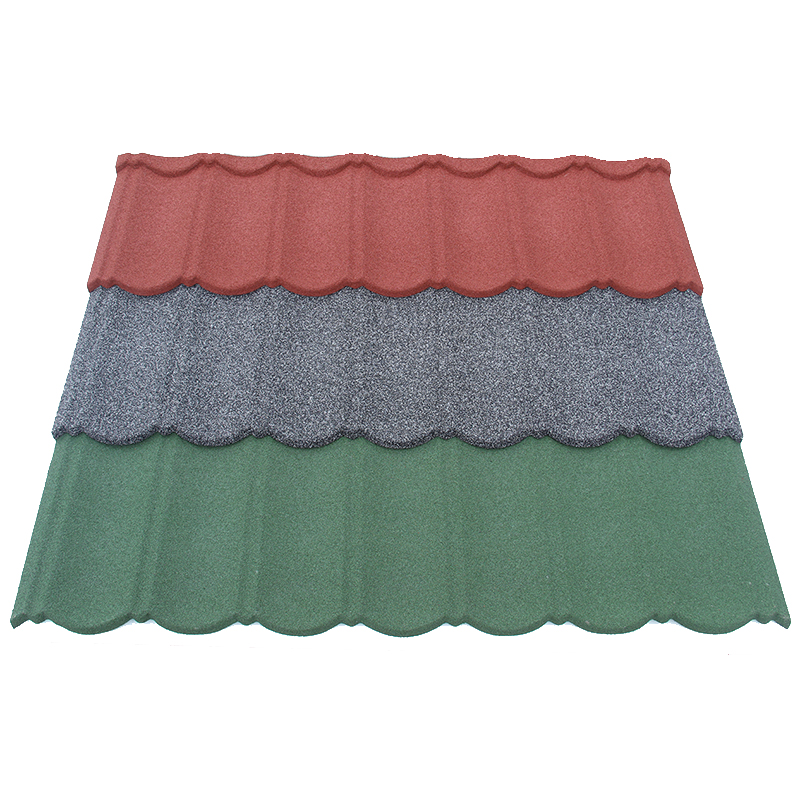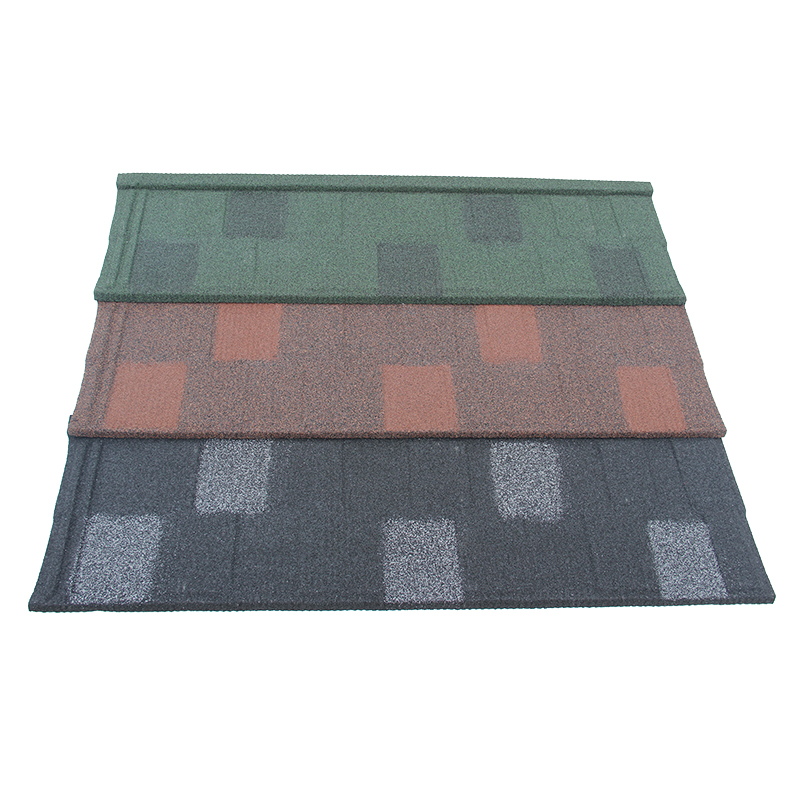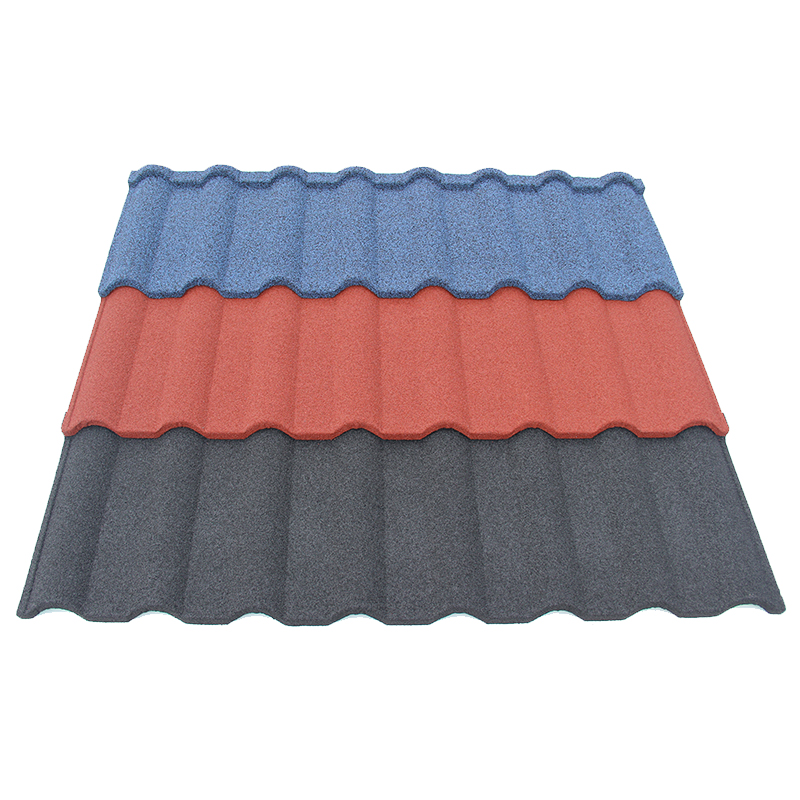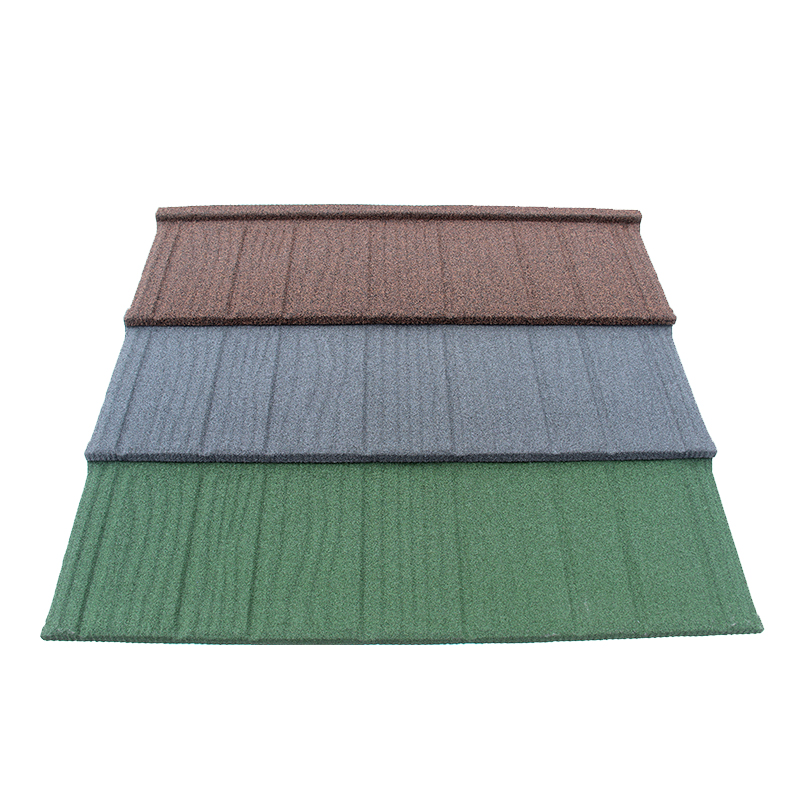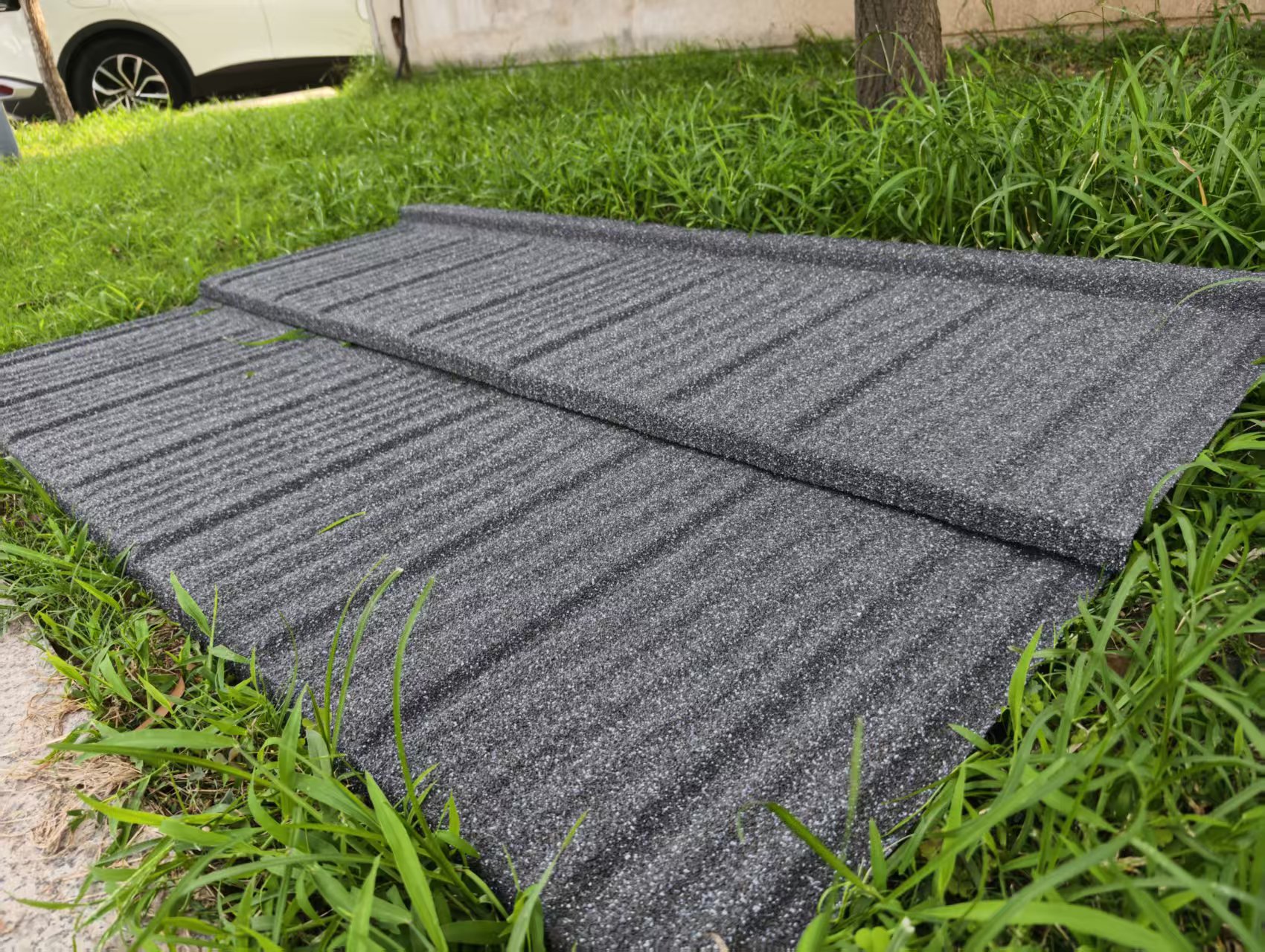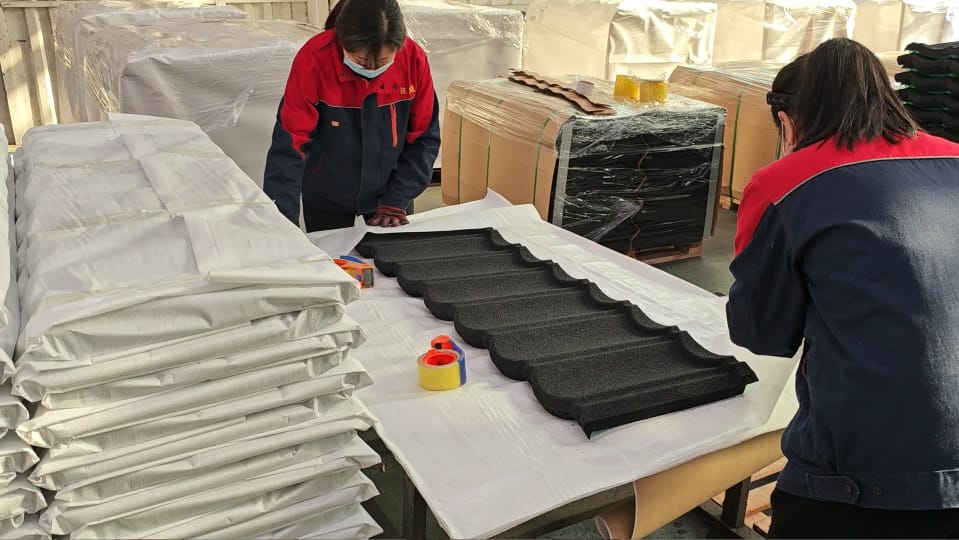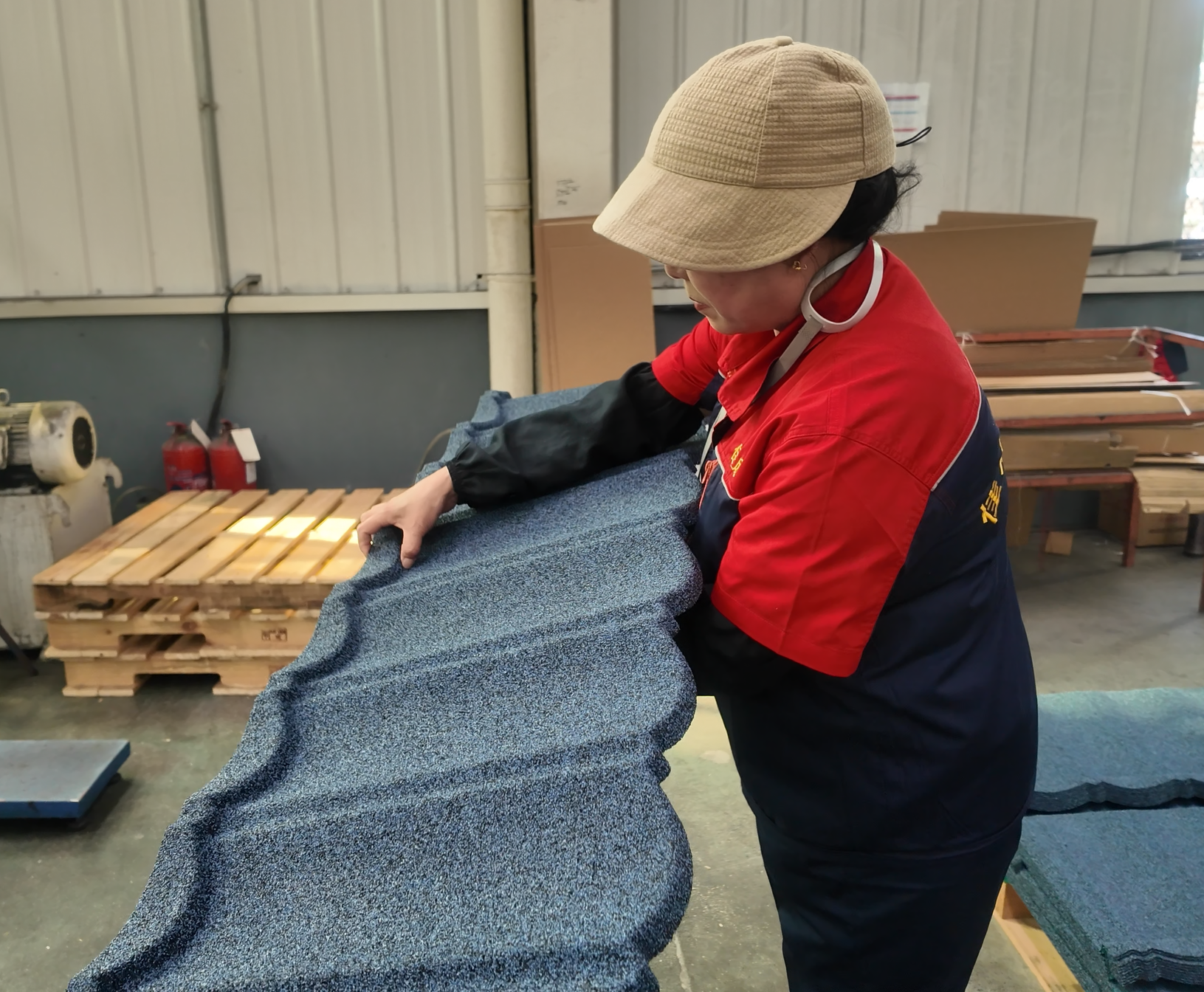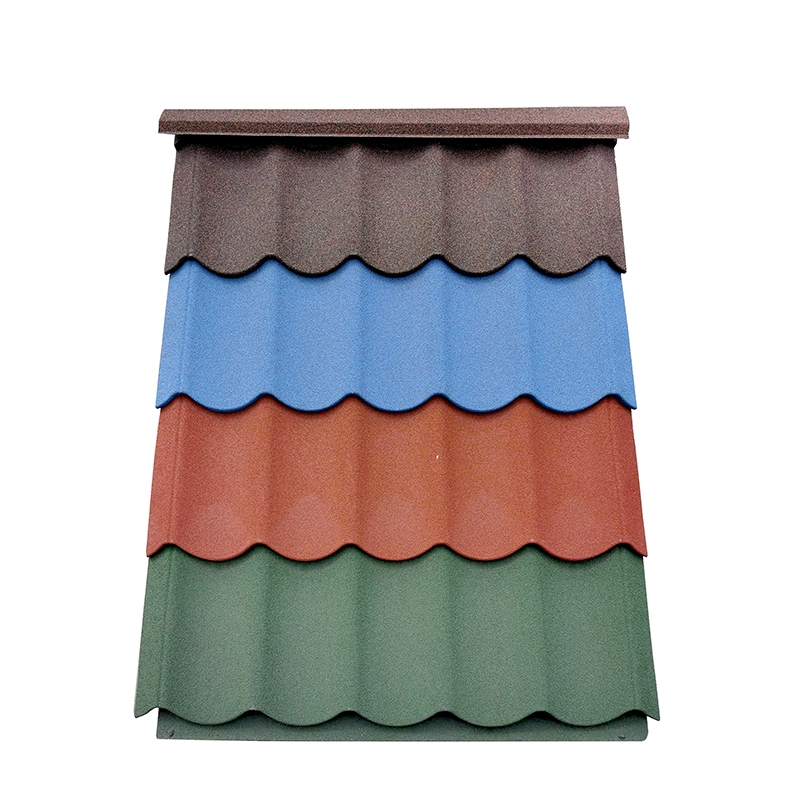


For high-volume wholesalers, the ability to distinguish between “market-grade” and “engineering-grade” materials is the primary driver of long-term profitability. Identifying high-quality stone coated metal tiles requires more than a visual inspection of the stone surface; it demands a forensic audit of the Aluzinc substrate and the chemical cross-linking of the acrylic resins. A single compromised batch can trigger systemic warranty claims that erode your market reputation. This guide provides the technical benchmarks necessary to verify the structural integrity and aesthetic longevity of imported roofing systems.
Metallurgical Auditing: Verifying the Aluzinc Envelope
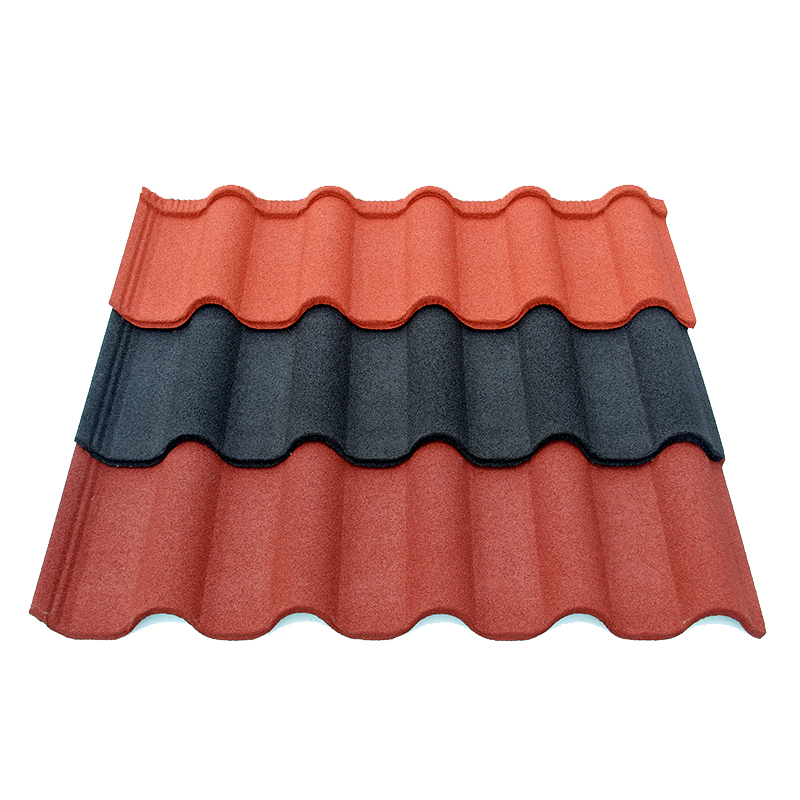
The skeletal survival of stone coated metal tiles depends on the density of the metallic coating protecting the steel core. Premium products utilize an Aluzinc alloy (55% Aluminum, 43.4% Zinc) rather than standard galvanized steel. You should verify the coating mass—specifically looking for an AZ150 rating—which provides a self-healing boundary at cut edges. A high-quality bond tile will show no signs of “edge-creep” oxidation even in high-humidity maritime environments. Manufacturers like JCROOF mandate these high-density substrates to ensure the roof outlasts the building’s first mortgage cycle.
Gauge Precision and Structural Diaphragm Strength
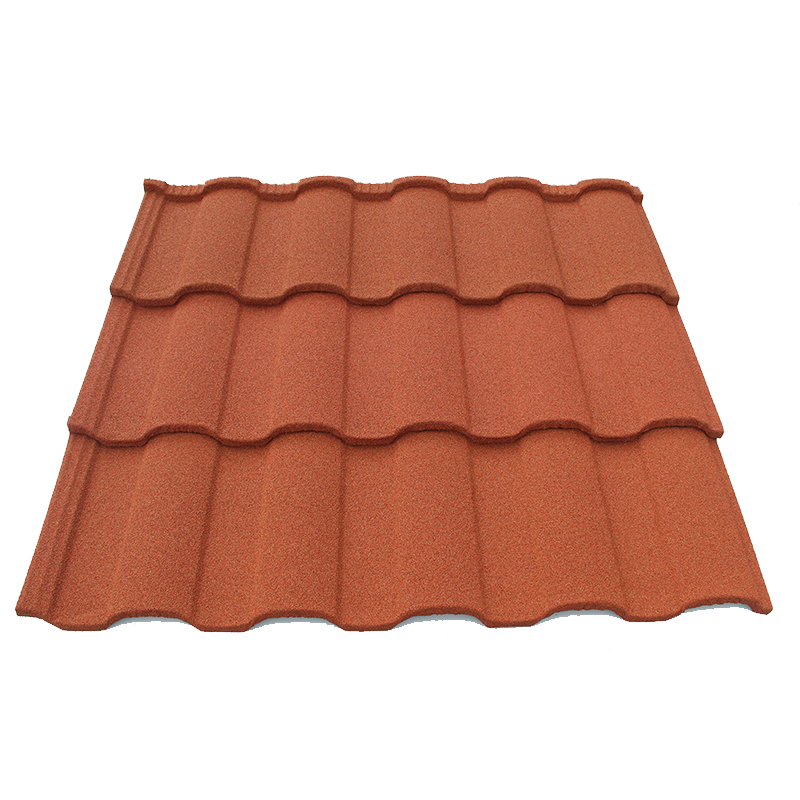
Wholesalers must audit the actual thickness of the steel core using digital micrometers. Low-bid suppliers often utilize “nominal thickness” as a mask for sub-standard 0.30mm gauges. A high-quality milano tile typically requires a 0.40mm to 0.50mm G300 structural steel base to maintain its complex architectural curves under heavy snow loads. If the steel is too thin, the tile will suffer from localized deformation during transport or installation. Always demand mill certificates that confirm the base metal’s ductility and tensile strength to ensure long-term structural reliability.
Interfacial Bonding: The Chemistry of the Acrylic Base Coat
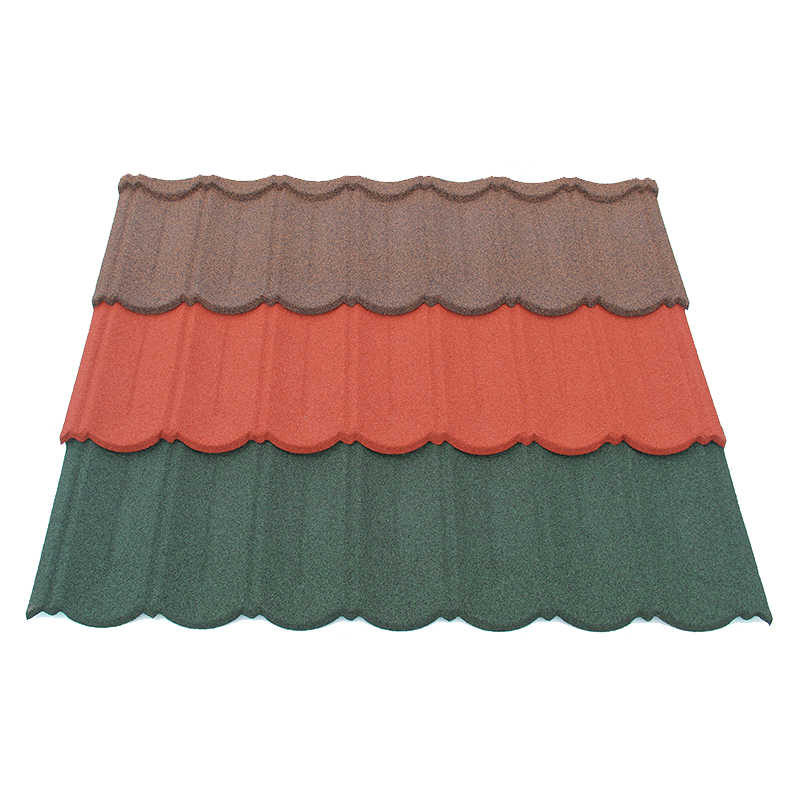
The transition between the metallic substrate and the stone granules is the most common failure point in poor-quality stone coated metal tiles. You should perform a cross-hatch adhesion test on the acrylic base coat to check for “delamination” risks. A professional-grade shingle tile utilizes a 100% pure acrylic resin with high solids content, ensuring a permanent mechanical lock. JCROOF laboratory data suggests that high-viscosity resins prevent “balding” or stone shedding during extreme diurnal temperature swings, preserving the roof’s thermal barrier performance for decades.
Sintering Benchmarks: Distinguishing Ceramic Stones from Dyed Sand
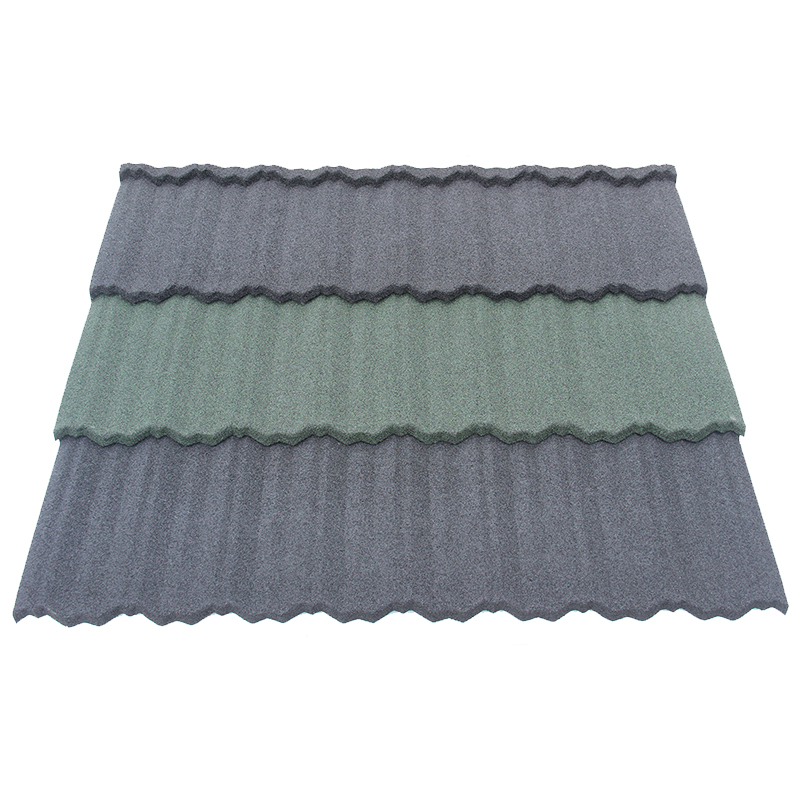
Color stability is a critical KPI for any building envelope. To identify high-quality stone coated metal tiles, you must inquire about the granule pigmentation process. Inexpensive tiles use surface-dyed sand which bleeds its hue after 24 months of UV exposure. Premium tiles utilize volcanic rock granules sintered at 800°C+, a process that fuses inorganic pigments into the stone’s crystalline structure. For an architectural profile like the shake tile, this sintering technology is the only way to ensure the roof maintains its “curb appeal” without the need for periodic repainting or maintenance.
The Anti-Fingerprint (AFP) Coating and Installation Hygiene
A high-quality stone coated metal tile includes a thin, organic AFP layer over the Aluzinc shield. This layer serves a dual purpose: it prevents hand oils from contaminating the metallic surface during handling and acts as a chemical bridge for the acrylic base coat. During your procurement audit, check for the presence of this coating, as it indicates a manufacturer’s commitment to modern assembly hygiene. This invisible layer is a key indicator of a superior manufacturing process, ensuring that the final composite structure remains impervious to moisture intrusion at the molecular level.
Interlocking Precision and Wind Uplift Resistance
The geometric accuracy of the side-laps and head-laps determines the system’s ability to resist driving rain. When inspecting stone coated metal tiles, verify that the interlocking joints snap together with zero “mechanical play.” A high-quality system utilizes a horizontal nose-fastening protocol that places the fasteners in shear strength rather than tension. This allows the unified roofing shield to survive wind speeds exceeding 200km/h. For wholesalers, providing a “cyclone-proof” solution is a powerful competitive advantage in storm-prone geographic regions.
Comparative Quality Matrix for Wholesalers
Strategic procurement requires benchmarking material samples against these engineering tiers. Use the following data to filter out high-risk vendors during your next tender process for stone coated metal tiles.
| Quality Indicator | Commercial Standard Spec | Premium Engineering Spec (JCROOF) |
|---|---|---|
| Base Shield | AZ40 – AZ90 Aluzinc. | AZ150 Heavy Aluzinc. |
| Stone Pigment | Cold-dyed sand. | 800°C Sintered Volcanic Rock. |
| Adhesive Logic | Water-diluted Acrylic. | 100% Pure High-Solid Acrylic. |
| Weight/Strength | 0.30mm – 0.35mm. | 0.45mm – 0.50mm (G300). |
Professional FAQ: Managing Technical Expectations
Wholesalers must educate their sub-distributors on why high-quality stone coated metal tiles carry a slight price premium. By shifting the conversation toward “Lifecycle Cost” and “Material Physics,” you reduce the risk of being underbid by suppliers of sub-standard iron sheets. These technical insights help anchor your market position as a provider of high-performance building solutions rather than a simple commodity broker.
How to Identify “Edge-Creep” Potential in Samples?
Look at the exposed cut edges of your samples. High-quality stone coated metal tiles will show a clean, grayish metallic sheen without dark spots or localized scaling. If the Aluzinc density is insufficient, the edges will begin to show “creeping” oxidation within months of outdoor exposure. Ensuring a high GSM (AZ150) is the most effective way to prevent this failure, especially for high-profile designs that undergo intense structural stress during the hydraulic stamping phase.
Does the Overglaze Impact Energy Efficiency?
Yes. The final transparent acrylic overglaze does more than just seal the stone granules. In high-quality stone coated metal tiles, the overglaze acts as a sacrificial shield against acid rain and bird droppings. When combined with the batten-mounted design, it contributes to a “vented cold roof” effect. This air gap allows solar heat to dissipate before it enters the building, lowering HVAC energy loads. Providing an energy-efficient roofing solution is a major selling point for modern green-building initiatives and government-funded infrastructure projects.
Final Procurement Action Plan
Success in wholesaling stone coated metal tiles requires a commitment to “spec-buying” over “price-buying.” Audit every mill certificate, perform adhesion tests on samples, and verify the sintering temperature of the stone granules. These technical pillars support a roofing system that outlasts the competition and protects your firm’s reputation. Partner with professional manufacturers who provide transparent technical support for profiles like bond tile or shingle tile. Contact our technical team today for a project-specific quality audit and structural submittal guide.