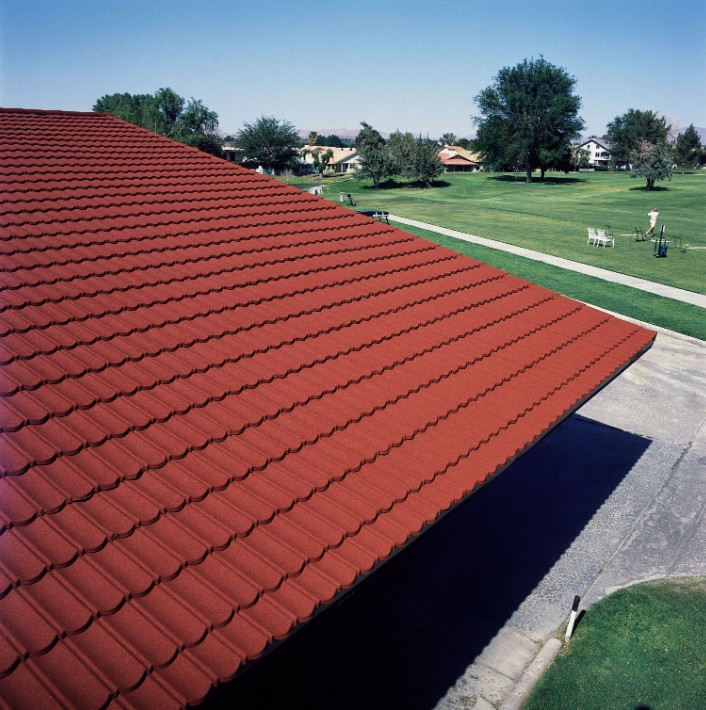
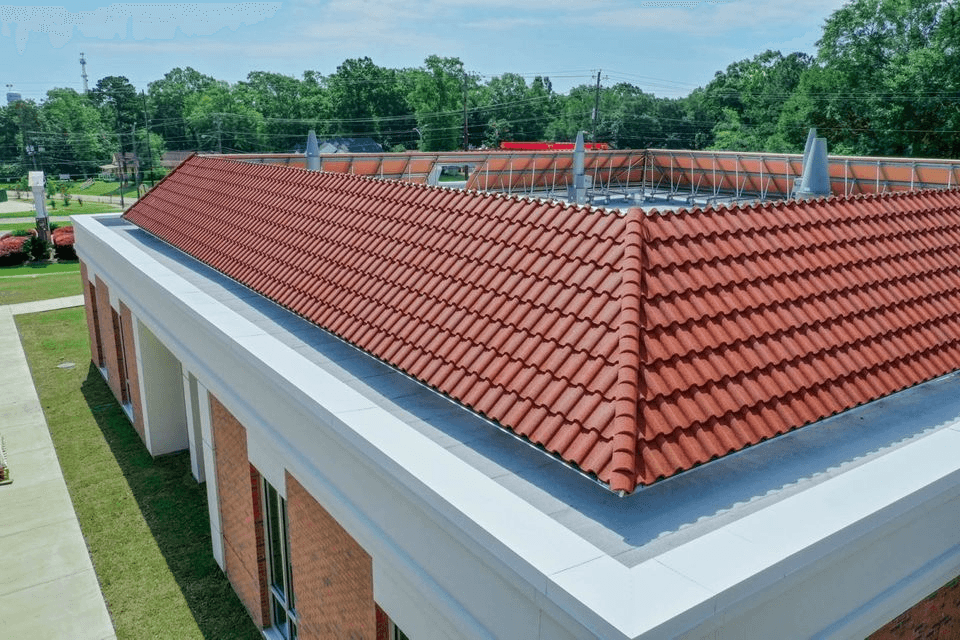
For Milano vs Bond roof tiles, choose by panel shape, customer demand, and the parts needed for each order. The two product pages list the same overall and effective sizes for the named panels. Compare their actual forms and fitting details before you give them a place in your range.
A distributor may need one profile for repeat dealer orders and another for a distinct design request. Start with the jobs that customers bring to the counter. Then see which sample and quote make sense for those jobs.
Use the same product code in the quote, order, and warehouse records. If the two profiles share a finish name, the code should still tell staff which panel to pick. That becomes more important when you stock both styles.
Give Milano vs Bond roof tiles distinct roles in the range

First, set the panels beside each other and look at their end views. Compare the shape of the arc, the spaces between the raised sections, and the lower edge. Then review the two samples from across the room.
The Milano Tile has a deep curved form in its product description. The Bond Tile page describes its arc and pressed edge. Use the current physical panels to see how those forms look beside each other.
When you can, use two samples in a similar finish. This helps staff point out the differences in shape without relying on color. Then show each panel in the finish that you plan to offer.
Ask dealers what buyers need to see
Look at recent orders and requests if you have them. Which buyers asked for a deeper curve? Which buyers sent a photo of a panel they already use?
Show the two samples to the people who take orders. Ask them to describe each one using its actual features. If the forms look close at a glance, add a clear side view to the sample board.
Keep the first range small enough for staff to explain and stock. A profile with regular demand may suit dealer stock. A second profile can begin with project orders if customers ask for it less often. Private label roofing product range guide
Link sales names to real product samples
Use one label for the profile and another field for the finish. Show the supplier and buyer codes on the board. A dealer can then send a photo of the label when they request a price.
Ask dealers to identify the existing panel before offering a repair match. Get the old order or a clear label if the customer has one. Use the current supplier drawing to check the proposed fit before the order goes ahead.
Review which projects suit each stocked option. Ask buyers about the intended roof shape, views, and site conditions. A team can then request the details for the actual project. Guide to choosing stone coated roof tile profiles
Check the panel drawings even when the listed sizes match
Both product pages list 1,340 × 420 mm as the overall size. They list 1,290 × 370 mm as the effective size and 0.48 m² as cover per panel. Confirm those figures for each exact version on the quote.
| Field on the product page | Milano Tile | Bond Tile |
|---|---|---|
| Overall size | 1,340 × 420 mm | 1,340 × 420 mm |
| Effective size | 1,290 × 370 mm | 1,290 × 370 mm |
| Listed cover per panel | 0.48 m² | 0.48 m² |
Request the drawings that show the actual curve and edge. Compare how each part meets the next part in the stated layout. Ask the supplier to identify the details that apply to each offered panel.
Compare the parts at the joints and edges
Ask for a drawing or sample setup that shows the overlap. Check how the parts sit where the profile meets the ridge, eave, or rake. For a project with hips or valleys, ask for those details too.
If the supplier lists a shared trim, ask for the part code and the fitting detail for each profile. Put those records in the product file. Keep separate codes for parts that the supplier lists for one profile only.
GERARD’s accessories catalog lists part codes and profile uses for its own tile systems, including Milano. It shows the kind of record a buyer can request for each offered profile. Confirm the parts and fit for the exact products in your order. GERARD accessories catalog
Check product evidence for the exact offer
Ask the supplier to name the base metal, thickness basis, coating, and finish for each quoted item. Record the values and units on the order sheet. Then ask which documents support the claims required for the destination.
Have the project team review the installation guide for the chosen profile and site. If a report covers a named assembly, check that its conditions match the proposed use. Keep those records with the quote for that product code.
When you ask JCROOF about both options, include the planned finish and order size. Ask for the current drawings, parts lists, and offer terms. Then give the sales team the confirmed details for each item.
Compare what it costs to stock and sell each profile
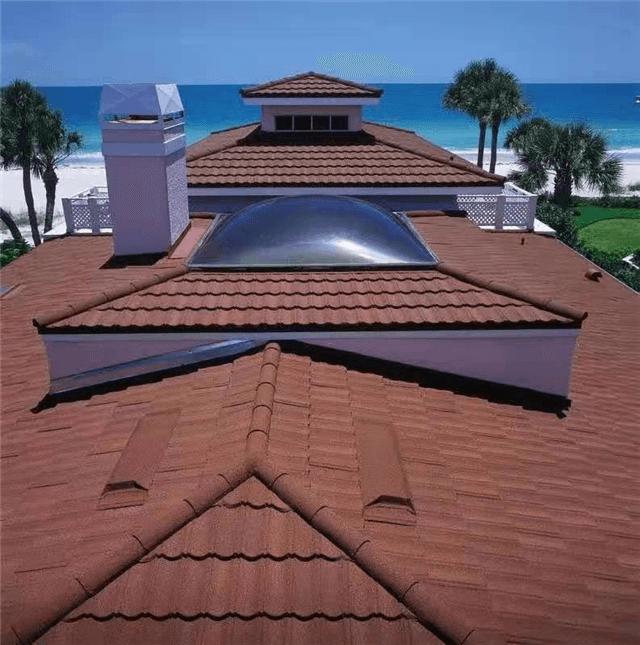
Use separate lines for each profile and finish when you ask for a quote. Request the price basis, packing units, and minimum quantities for those lines. Then check whether the supplier can load the chosen mix together.
Equal published cover gives both panels the same starting count when you use the same area and cover basis. Use the actual plans and trim lists to check the counts for a given job. Include allowances that the estimator can explain.
Ask the supplier to list the required parts on separate lines. Keep packing and delivery terms consistent between the two quotes. The full offer will then show any differences in scope and price. Stone coated roof tile profile prices
Check the cost of carrying both profiles
List the panel and finish combinations that you expect to sell. Add any parts that need stock beside each combination. Then look at which items you can reorder at a useful quantity.
If one profile sells mostly for large jobs, consider how much stock you need between those orders. Ask dealers how much notice they can give for a project. Compare that notice with the supplier’s current lead time.
If you test both profiles, set a clear basis for the trial. Track the number of quotes, actual sales, and requests for parts by code. Use those records to decide what to reorder.
Compare one dealer order with a project request
For example, a dealer may ask for repeat lots of the same Bond finish. Another buyer may need Milano in a single finish for a group of homes. List the panels and trim for each job before deciding what to keep in stock.
Check how long stock will sit between likely orders. Ask the supplier whether a later order can use the same finish and part codes. Record the lead time and confirmed pack size beside each choice so the team can plan the next purchase.
Keep the price sheet clear for dealer orders
Show the finish code, unit, pack size, and the scope of each price. If a dealer asks for a roof package, request the roof plan and full parts list. Quote the identified items so they can check what the package covers.
Give the quote a date and keep it with the offer details. If the supplier changes a pack count or minimum, update the dealer sheet. Have sales staff use the current sheet for new orders.
Put both profiles into the catalog and warehouse records
Photograph the panel face and end view in the same light. Show the actual profile name and finish code below each image. Use the physical board when a dealer needs to compare a curve or shade in person.
Give the warehouse a clear label for each code. Include the profile, finish, supplier reference, and pack count. Match those fields to the purchase order and packing list when the goods arrive.
Ask staff to check the profile code when a customer wants to add panels to an earlier job. A prior invoice or pack label can give them a place to start. Then confirm the current offer before promising a match.
Use one record for changes
If the supplier changes a panel shape, finish, or part code, ask for the date and version. Check which drawings and sample boards need a new review. Share the change with sales and the warehouse before the new stock arrives.
Keep the older code tied to the jobs it served. If customers still need parts for those jobs, record what remains available and how the supplier will confirm the fit. This gives staff a clear answer for repeat requests.
Use quote and sales records to decide which profile earns shelf space. Keep a profile on the project list if buyers order it mainly for named jobs. Update the catalog and stock plan together when demand changes.
Choosing which profiles to stock? Send us an inquiry with your market, finish choices, and expected order mix. Our specialists will reply and help you compare the offers.