
Global commercial real estate development involves massive financial risks and complex logistical hurdles. Procurement officers face immense pressure to secure high-performance building materials while maintaining lean corporate budgets. Specifically, the exterior building envelope dictates the ultimate survival and valuation of the entire property. Selecting the wrong architectural cladding leads to catastrophic structural failures and astronomical maintenance costs. Therefore, B2B buyers must interrogate their potential supply chain partners rigorously. You cannot simply accept marketing brochures at face value. You must audit the engineering tolerances, chemical compositions, and manufacturing scale of your vendors. Sourcing Premium stone coated roofing requires a highly technical procurement strategy globally. This advanced metallurgy offers absolute structural security, but only if manufactured correctly. Consequently, understanding exactly what to ask a manufacturer empowers procurement teams completely. This comprehensive auditing guide outlines the critical questions you must ask before signing any commercial contracts. Ultimately, executing this technical interrogation guarantees your massive capital investments remain highly profitable and indestructible.
1. Inquiring About Core Metallurgy and Steel Specifications
The structural survival of any commercial roof depends absolutely on its underlying metallic substrate. This hidden steel core dictates how the building envelope handles extreme kinetic impacts and heavy dead loads. Furthermore, it determines the material’s resistance against relentless atmospheric corrosion over a fifty-year lifespan. Cheap factories routinely substitute high-performance industrial alloys with substandard galvanized steel. They do this simply to artificially pad their own profit margins on massive wholesale orders. Consequently, these inferior panels succumb to aggressive red rust and catastrophic structural failure rapidly. Therefore, procurement officers must interrogate the manufacturer’s metallurgical standards rigorously before proceeding.
Verifying the AZ150 Aluzinc Standard
First and foremost, you must ask the manufacturer exactly what type of steel they utilize. Do they use basic galvanized steel or authentic AZ150 Aluzinc? Elite manufacturers utilize AZ150 Aluzinc steel exclusively for their architectural cladding. Specifically, this unique aluminum-zinc alloy provides massive native resistance against atmospheric corrosion. The zinc chemically sacrifices itself to heal exposed cut edges perfectly. Consequently, it prevents aggressive red rust from compromising the panel globally. If a supplier attempts to push cheaper galvanized alternatives, you must walk away immediately. Strict metallurgical auditing is absolutely non-negotiable for commercial buyers seeking long-term asset valuation.
Steel Thickness and Kinetic Rigidity
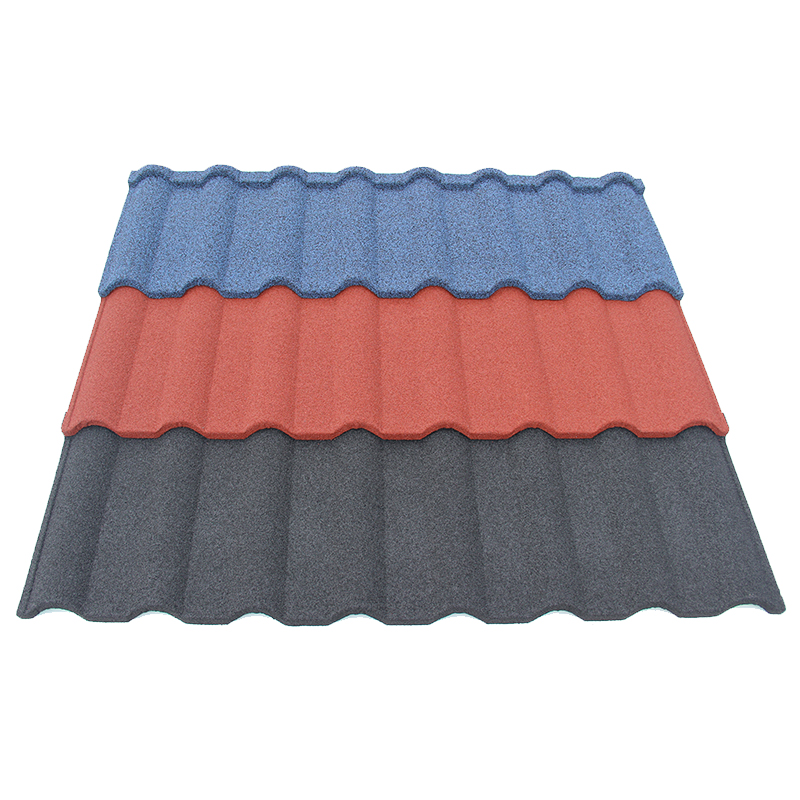
Moreover, you must ask about the specific micrometer thickness of their steel coils. Do they offer 0.4mm or 0.5mm core thicknesses for different commercial applications? Heavy industrial facilities require maximum kinetic rigidity to survive massive hail bombardment and foot traffic. For example, specifying a robust Bond Tile profile with a 0.5mm core ensures absolute structural survival. This thicker steel absorbs massive kinetic energy safely without fracturing or permanently deforming. Conversely, ultra-thin steel will buckle instantly under an HVAC technician’s boot. Therefore, demanding precise thickness tolerances prevents catastrophic kinetic failures across your corporate property.
2. Questioning the Chemical Coating and Aesthetic Longevity
Maintaining vibrant, luxurious corporate curb appeal is directly tied to uncompromising chemical engineering. In the high-end commercial real estate market, visual degradation translates directly into massive financial depreciation. Substandard suppliers actively cut corners on their manufacturing lines by utilizing cheap chemical paints. Furthermore, they use chemically dyed river sand and inferior industrial adhesives that fail under extreme weather. Consequently, intense tropical ultraviolet radiation destroys these temporary pigments incredibly rapidly. Therefore, identifying these cosmetic shortcuts before authorizing a purchase order is essential for B2B buyers.
High-Temperature Sintered Basalt vs. Dyed Sand
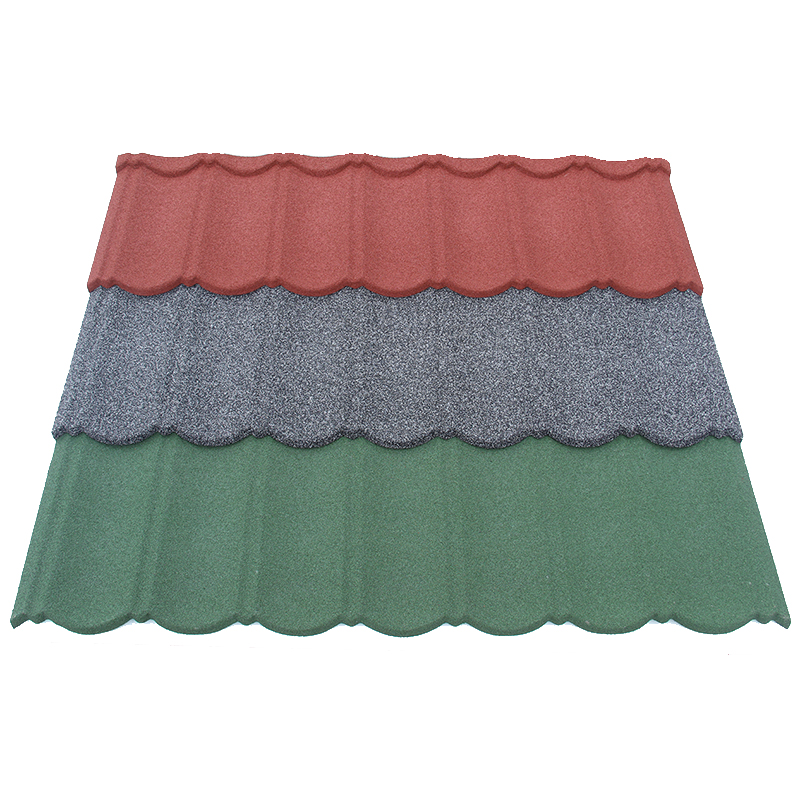
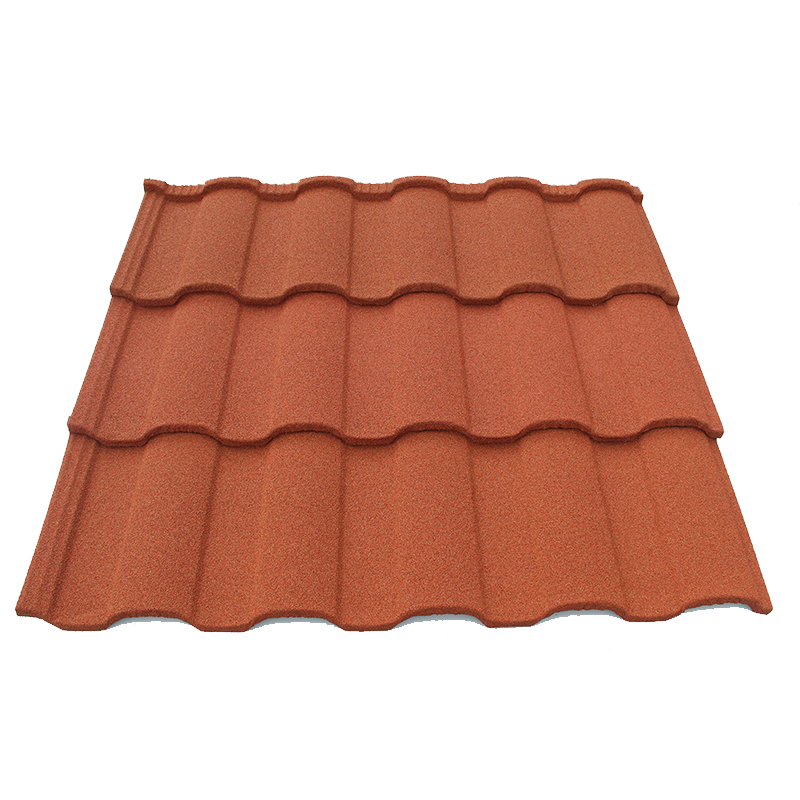
You must ask the factory how they color their protective stone granules. Do they use cold chemical dyes or high-temperature sintered basalt chips? Authentic, permanent architectural customization requires high-temperature sintered basalt exclusively. Industrial kilns fire inorganic pigments directly into natural volcanic rock at extreme temperatures. This complex process guarantees absolute color permanence globally. For instance, a luxury coastal resort might specify a sweeping Milano Tile for Mediterranean prestige. If the manufacturer uses dyed sand, the beautiful terracotta color will bleach into an ugly gray quickly. Therefore, verifying the sintering process protects your property’s aesthetic valuation entirely.
The Purity of the Acrylic Resin Binder
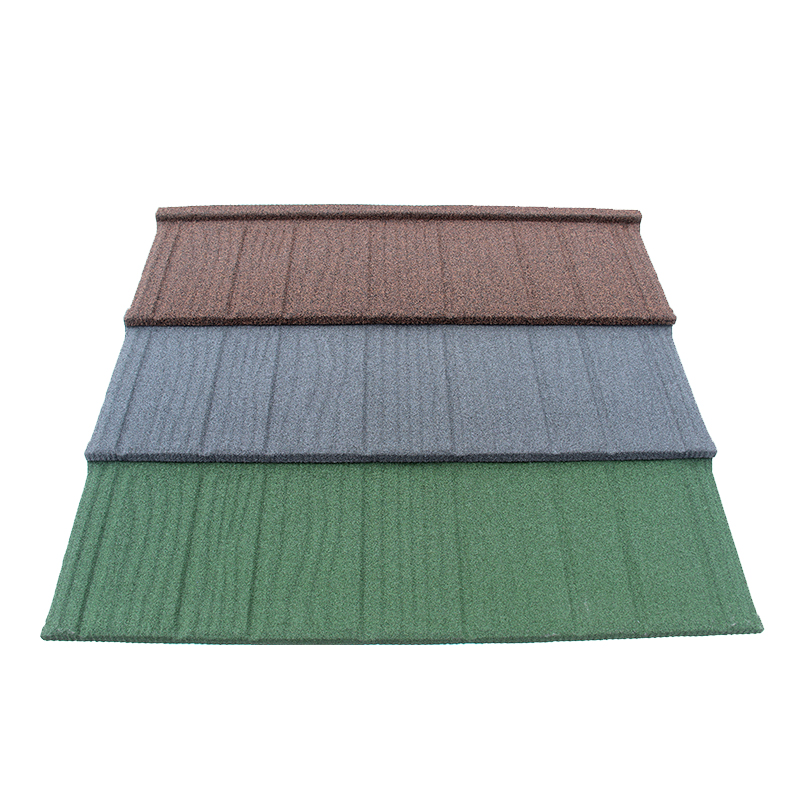
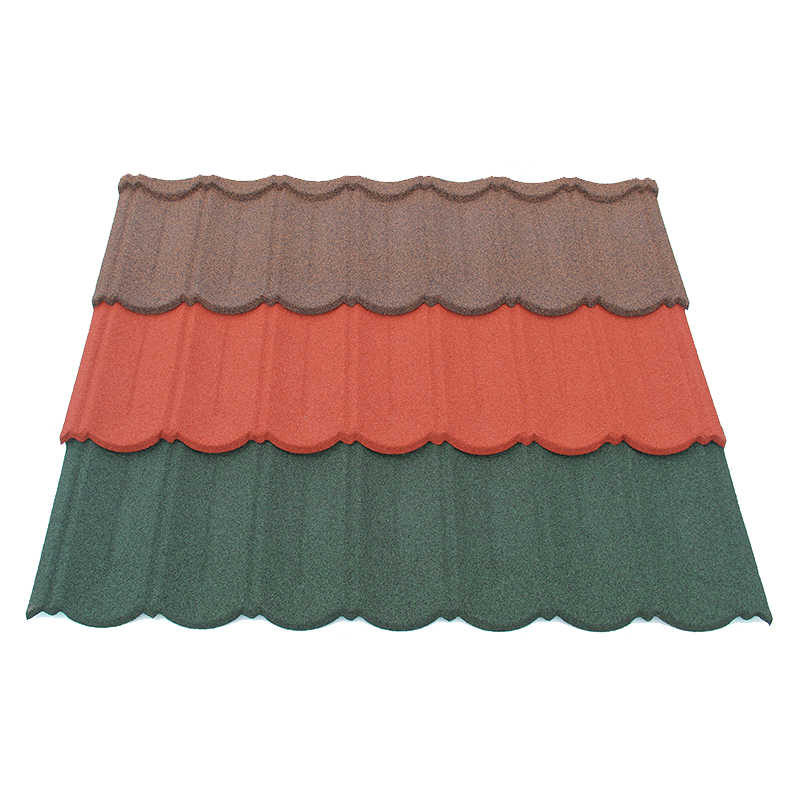
Additionally, you must ask about the chemical purity of their transparent overglaze. Do they utilize a 100% pure, UV-stabilized acrylic resin to lock the system together? This resin is critical for biological defense and long-term moisture management. A heavily textured Shake Tile mimics the rugged beauty of natural hand-split timber beautifully. However, if the manufacturer uses a cheap, porous adhesive, the resin degrades rapidly. Subsequently, aggressive black algae and fungal mold will anchor directly into the porous sand. Consequently, demanding pure acrylic resin eliminates massive biological maintenance expenses entirely.
3. Interrogating Aerodynamic Engineering and Installation Tolerances
A supplier that merely sells building materials without understanding structural physics is a highly dangerous vendor. Commercial roofing must be treated as a complete, dynamic aerodynamic system always. It is not just a static collection of overlapping steel sheets nailed to a wooden deck. If a manufacturing partner provides vague installation manuals, they fundamentally misunderstand their own product. Consequently, partnering with ignorant suppliers inevitably leads to immediate structural failures and massive property damage. Therefore, procurement teams must ask specific engineering questions to verify the manufacturer’s technical competence.
Mandating Structural Tile Battens
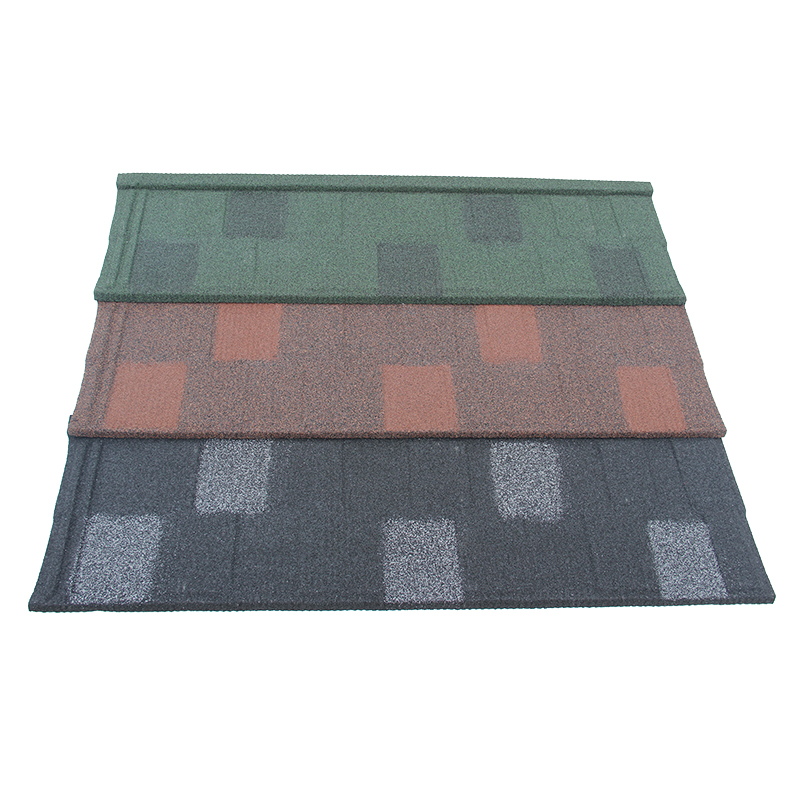
You must ask the manufacturer if their system requires a structural batten grid. Advanced interlocking metal roofing systems require structural tile battens for proper, secure installation. This raised horizontal grid provides the exact mechanical anchor points needed for concealed fastening. For sleek corporate campuses utilizing a flat, minimalist Shingle Tile, precise interlocking edges are mandatory. A supplier claiming their tiles can be slapped directly onto any flat plywood deck is highly suspicious. Strict adherence to the batten requirement guarantees that the commercial roof resists extreme aerodynamic uplift. Furthermore, it provides vital Above-Sheathing Ventilation to slash corporate HVAC cooling costs.
Geometric Integrity in Deep Profile Hydraulic Stamping
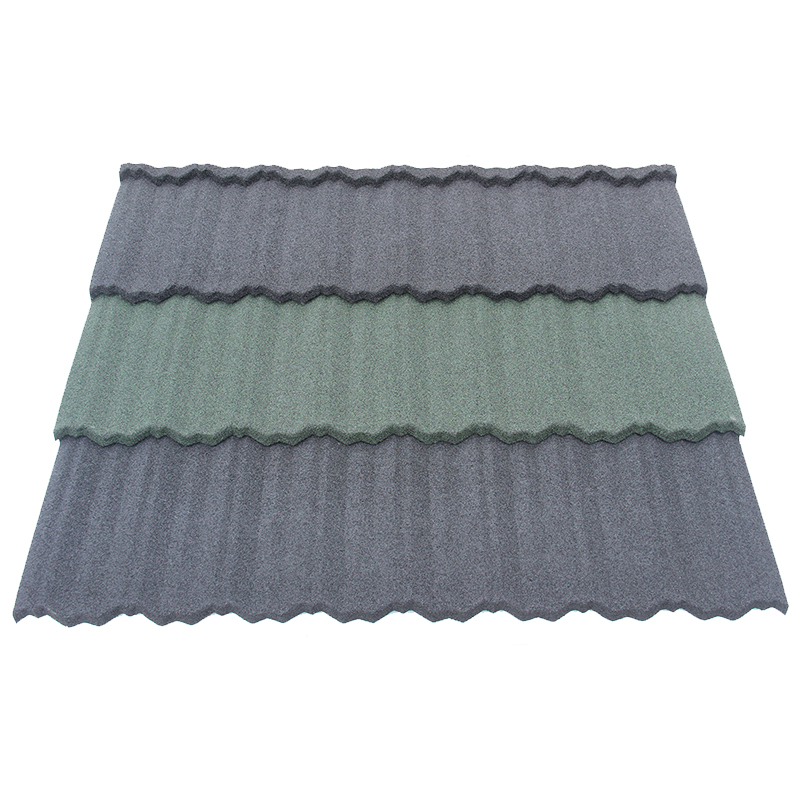
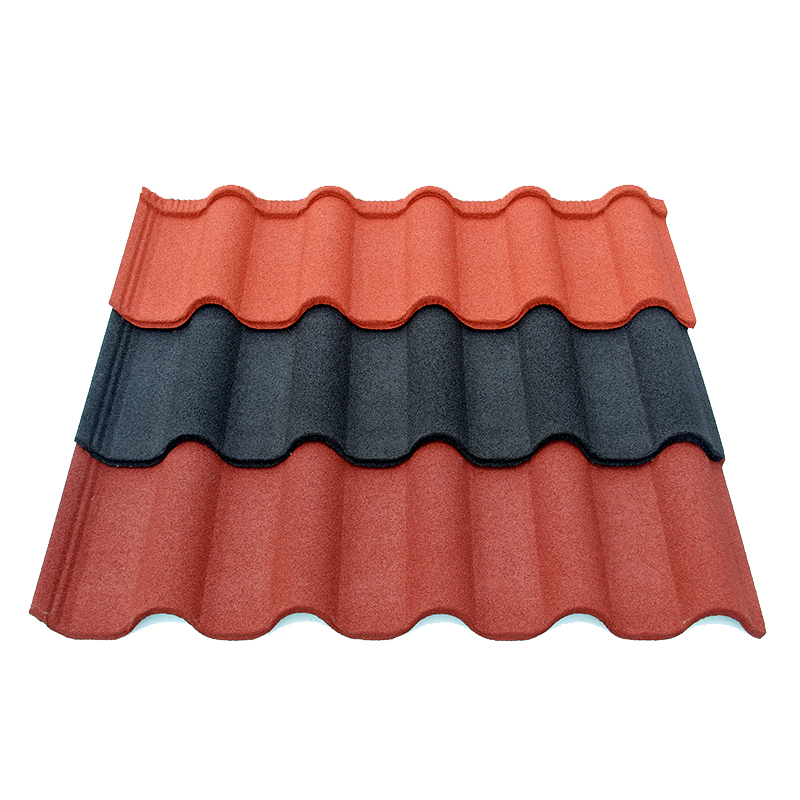
Furthermore, ask the factory how they manage steel stretching during deep hydraulic stamping. The stunning visual depth of a premium roof is created through massive hydraulic pressure. However, engineers must calculate this pressure perfectly to prevent stretching the steel core too thin. Deeply channeled profiles, like the classic Roman Tile, require extreme hydraulic tonnage to form their curves. If a supplier misunderstands these stretching tolerances, the lowest drainage valleys become dangerously thin. Consequently, standing water will easily eat through these weakened valleys. A knowledgeable supplier inherently mandates specific core thicknesses for deeply stamped profiles.
4. Evaluating Manufacturing Scale and Supply Chain Reliability
The global construction supply chain frequently sees opportunistic trading companies masquerading as elite factories. These retail brokers sell substandard building materials to unsuspecting overseas developers constantly. Scaling massive international commercial subdivisions requires absolute batch consistency and strict maritime delivery timelines. When procurement officers inadvertently source Premium stone coated roofing from middlemen, they introduce massive logistical chaos. A complete inability to verify actual, heavy-duty industrial scale is an immediate, catastrophic red flag. Therefore, you must audit the supplier’s physical manufacturing footprint before opening any Letter of Credit.
Verifying Direct Factory Operations and Output
Ask the supplier to prove they operate a dedicated, large-scale production facility. Can they provide live video tours or independent ISO manufacturing certifications upon request? Elite B2B partners operate under highly respected, unified brand identities globally. For example, JCROOF possesses at least 11 years of dedicated, focused manufacturing expertise. Operating from a massive 10,000-square-meter facility, they maintain a weekly production capacity of 140,000 pieces. This massive industrial scale ensures rapid global fulfillment without disrupting your construction critical path. Trusting an established industrial expert eliminates dangerous supply chain bottlenecks entirely.
Managing Global Maritime Logistics and Packaging
Additionally, you must ask how they package their materials for international maritime shipping. Improper packaging guarantees that heavy steel panels will crush each other during rough ocean transit. Ask if they utilize reinforced wooden pallets and heavy-duty shrink wrapping natively. Do they calculate shipping container space to maximize your freight ROI efficiently? A true factory-direct exporter understands that logistics are just as important as the manufacturing process itself. Consequently, demanding professional packaging protocols prevents you from receiving containers full of damaged, unusable scrap metal.
5. Clarifying Warranty Terms and Long-Term Liabilities (FAQ)
Fifty-year corporate structural warranties represent incredible financial value for commercial real estate portfolios. However, these legal guarantees require strict compliance with factory protocols to remain valid. Opportunistic suppliers frequently insert hidden clauses designed specifically to void your warranty instantly. Therefore, a supplier without a deeply established history represents an incredible financial liability for the B2B buyer. The warranty is completely worthless if the manufacturing entity ceases to exist after five years. Consequently, procurement officers must clarify the exact terms of the warranty before signing.
Installation Clauses and Voided Warranties
You must ask the manufacturer exactly what actions will void their structural warranty. Do they require professional, certified contractors to perform the installation globally? Many manufacturers will deny claims if they discover improper fastening or incorrect batten spacing. Furthermore, ask if walking on the panels incorrectly during maintenance voids the aesthetic guarantee. Understanding these strict operational parameters allows you to train your facility managers properly. Ultimately, professional installation acts as a necessary corporate insurance policy for your massive capital investment.
Independent Laboratory Testing and Certifications
Finally, ask the supplier to provide independent laboratory testing documentation for their panels. Do their products hold certified Class 4 Impact Resistance or Class A Fire ratings? Verify these documents through third-party testing agencies to ensure they are not forged. A legitimate manufacturer will proudly display their engineering certifications to potential B2B buyers. Conversely, a trading broker will deflect these requests or provide blurry, outdated documentation. Rigorous documentation auditing is the final, crucial step in securing Premium stone coated roofing safely.
| Audit Category | Questions You MUST Ask the Manufacturer | The Acceptable B2B Response |
|---|---|---|
| Core Metallurgy | Do you use galvanized steel or authentic AZ150 Aluzinc? | We utilize AZ150 Aluzinc exclusively for long-term cathodic corrosion defense. |
| Chemical Coatings | Are your stones chemically dyed or sintered at high temperatures? | We specify high-temperature sintered basalt chips for permanent, UV-stable colors. |
| Installation Engineering | Do your panels require a structural batten grid for installation? | Yes, we mandate tile battens for maximum hurricane wind uplift defense. |
| Manufacturing Scale | Can you prove your weekly production capacity and facility size? | Yes, we operate a 10,000 sqm facility delivering 140,000 pieces weekly. |
| Warranty Terms | Can you provide independent lab testing to back your 50-year warranty? | Yes, here are our independent Class 4 Impact and Class A Fire certifications. |