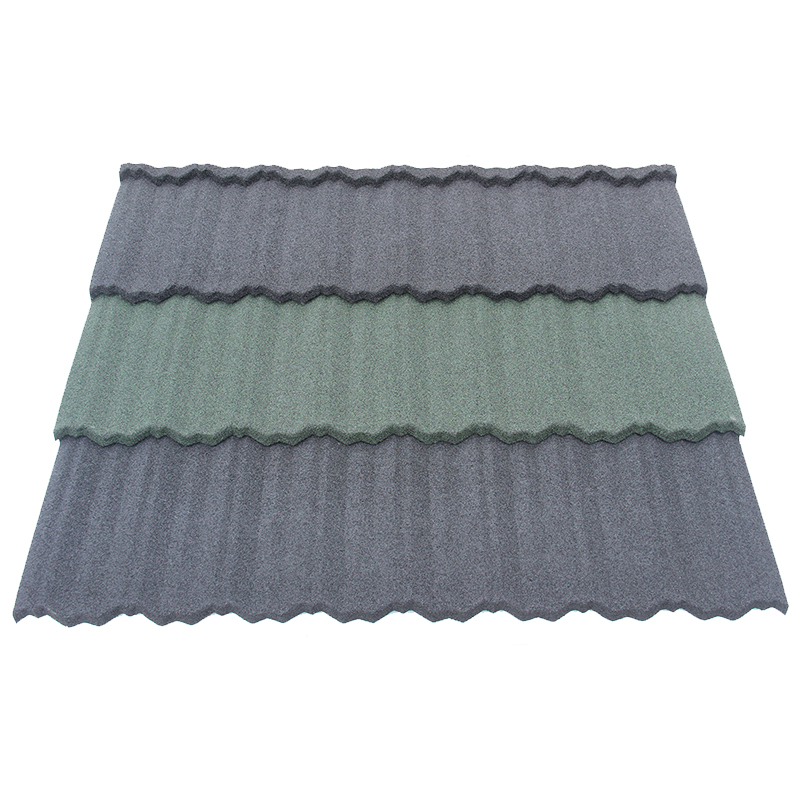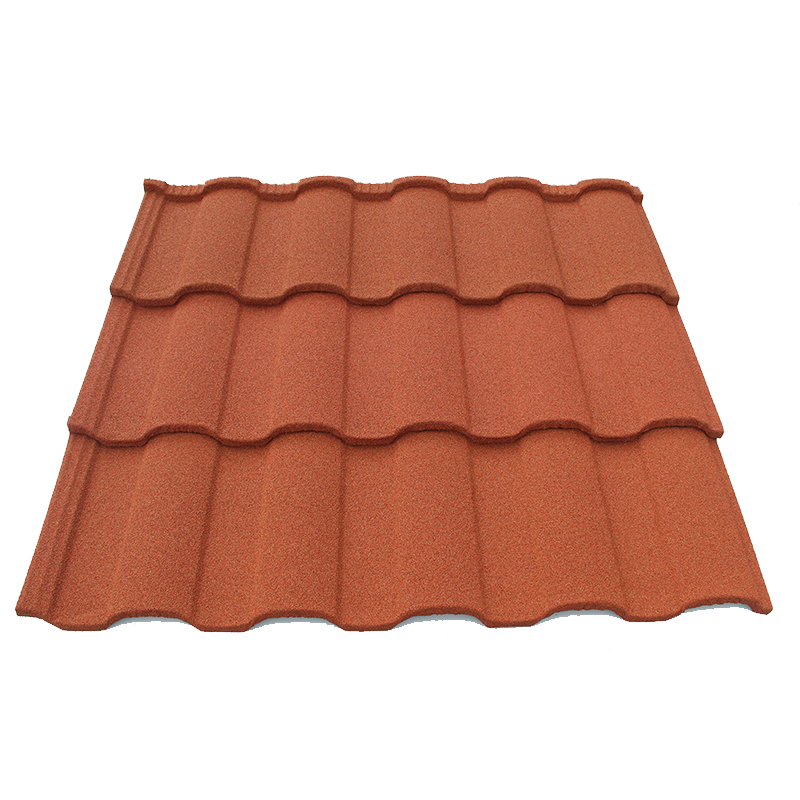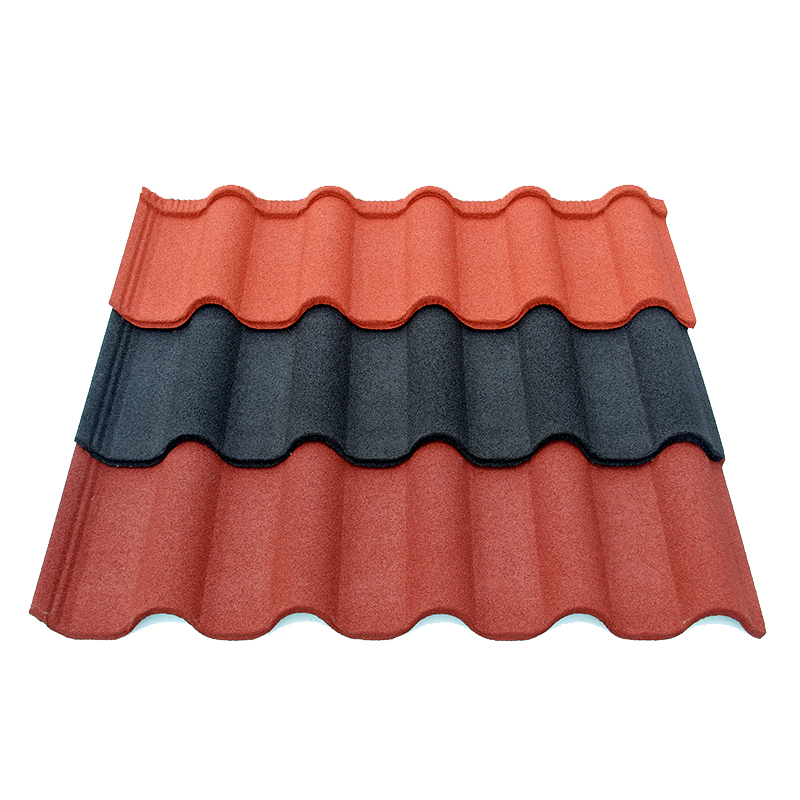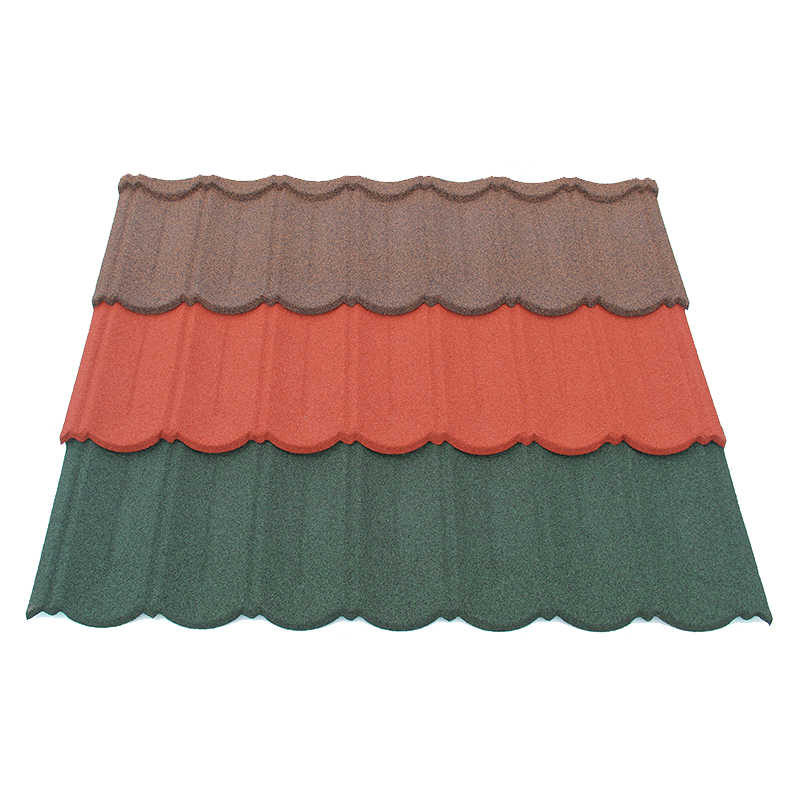

When sourcing building materials for large-scale commercial projects, understanding complete product limitations is absolutely vital. Therefore, analyzing stone coated metal roof disadvantages is essential for procurement professionals. Purchasing teams often praise lightweight steel for its incredible longevity and durability. However, this premium material presents specific logistical and financial challenges. Furthermore, installation complexities can severely disrupt tight construction schedules. Consequently, B2B buyers must evaluate these potential drawbacks very carefully. This comprehensive guide breaks down the primary industry concerns. We will thoroughly explore upfront cost factors, specialized labor requirements, and ongoing maintenance needs. Ultimately, this specialized knowledge empowers better global supply chain decisions. Moreover, it helps wholesale distributors set accurate expectations for their contractor clients.
Initial Capital Investment and Supply Chain Logistics
The most immediate barrier for many developers is the substantial upfront financial requirement. Sourcing premium steel roofing naturally demands a much larger initial capital outlay. Consequently, wholesale distributors must tie up vital cash flow in warehouse inventory. Therefore, understanding these complex financial dynamics is absolutely crucial for B2B success. This specific knowledge helps procurement teams correctly justify the initial high expenses.
High Upfront Material Expenses
Premium raw materials directly drive up the wholesale factory purchase price. High-grade galvanized or galvalume steel forms the highly durable base layer. Moreover, specialized acrylic resins bind the natural crushed stone chips securely. These high-quality components significantly increase standard factory production costs. Consequently, international buyers face much higher invoice totals per shipping container. Therefore, this premium pricing can easily deter budget-conscious residential property developers. Furthermore, building material distributors must employ highly strategic sales tactics. They must clearly explain the long-term lifecycle value to their clients. Otherwise, skeptical buyers may simply choose cheaper traditional asphalt alternatives. Thus, managing client expectations regarding initial price remains consistently challenging.
Inventory Holding and Warehouse Costs
Storing bulky roofing materials consumes highly valuable commercial warehouse space. Although steel panels are relatively lightweight, their dimensional profiles require careful stacking. Consequently, wholesale suppliers must dedicate significant square footage to this product category. Therefore, extended inventory holding periods can gradually reduce overall business profit margins. Furthermore, offering a diverse color palette requires stocking multiple different product variations. This necessary variety further complicates efficient inventory management strategies. Moreover, slow-moving colors tie up capital that could be deployed elsewhere. Thus, precise demand forecasting is mandatory to avoid costly overstocking situations. Distributors must balance product availability against these rising storage overhead costs.
Freight Complexities and Container Optimization
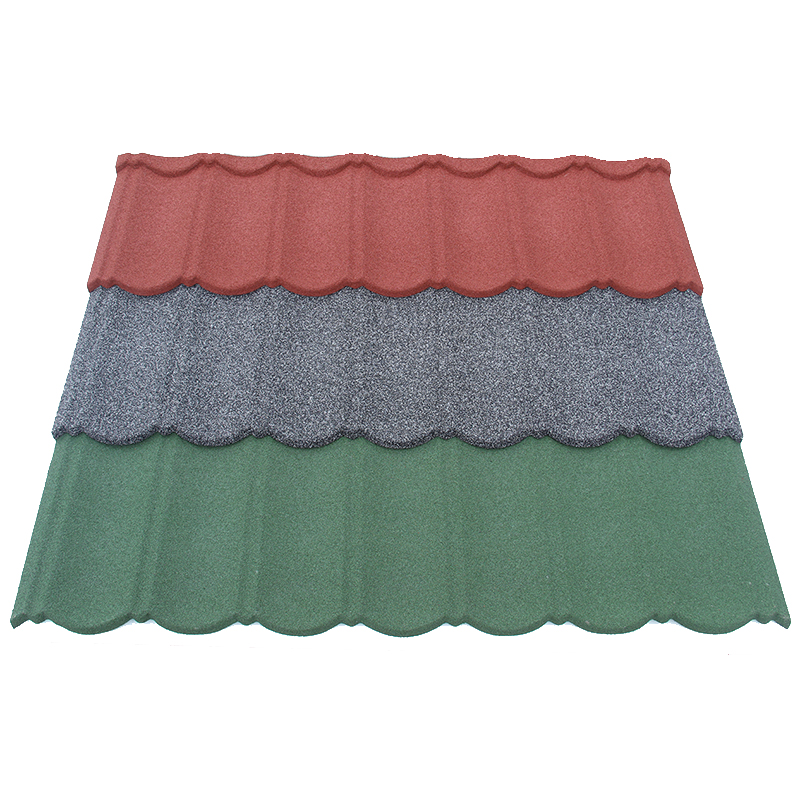
Shipping heavy building materials internationally creates very distinct logistical hurdles. Proper container loading is vital to prevent damage during rough ocean transit. Therefore, maximizing container space without crushing the bottom panels is difficult. Furthermore, wholesalers must collaborate closely with experienced global freight forwarders. For example, shipping a traditional Bond Tile order requires precise wooden pallet stacking. Consequently, these strict logistical demands add hidden freight costs to procurement. Moreover, improper handling at the destination port can ruin entire pallets. Thus, establishing strict standard operating procedures for logistics is a necessity.
Specialized Installation and Labor Constraints
Applying these coated steel panels is never a standard, everyday roofing job. It requires specialized tools, specific techniques, and extensive technical training. Consequently, finding qualified installation contractors often delays major construction timelines. Therefore, suppliers must frequently provide active technical support to their buyers. This extra effort ensures successful, waterproof, and aesthetically pleasing applications.
The Severe Shortage of Qualified Contractors
Standard residential roofers usually only understand overlapping basic asphalt shingles. However, interlocking metal panels demand precise measuring, bending, and cutting techniques. Installers must exclusively use manual benders and specialized metal cutting snips. Furthermore, using abrasive power saws severely damages the protective zinc coating. This common mistake immediately causes premature rusting at the exposed cut edges. Consequently, developers must actively source highly specialized and experienced labor. Naturally, these niche experts consistently command much higher daily labor rates. Moreover, the steep learning curve for new crews ruins productivity. Thus, untrained labor significantly impacts commercial construction budgets and daily schedules.
Complex Batten System Requirements
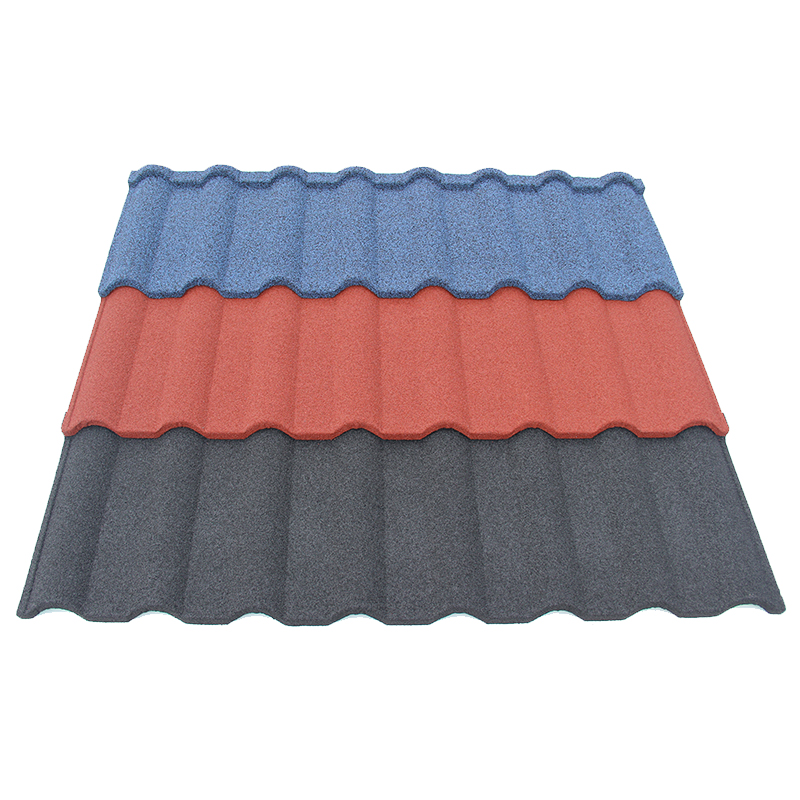
Many panel profiles legally mandate a specialized wooden or steel batten grid. These battens create vital ventilation space directly beneath the metal roof. However, installing this structural grid is extremely labor-intensive and highly tedious. It demands precise measurements and perfectly level alignment across the deck. Furthermore, uneven battens prevent the steel panels from interlocking securely together. This specific installation flaw compromises both final aesthetics and strict weather resistance. For instance, an elegant Roman Tile design requires exact, unwavering batten spacing. If the framing is misaligned, the interlocking installation will ultimately fail. Therefore, batten requirements represent a clear disadvantage for rapid deployment projects.
The Cost of Specialized Fasteners and Accessories
Standard roofing nails are completely useless for this premium steel application. Installers must use specialized, color-matched, corrosion-resistant pneumatic screws or nails. Consequently, these specific fasteners are significantly more expensive than generic hardware. Therefore, procurement teams must carefully calculate these accessory costs during bidding. Furthermore, complex roof designs require numerous custom flashings, ridge caps, and valley trays. These tailored accessories add substantial material costs to the final invoice. Moreover, standard local hardware stores rarely stock these specific matching components. Thus, supply chain delays frequently occur if fastener inventory runs unexpectedly low.
Structural Vulnerabilities and Retrofitting Complexities
Upgrading older commercial buildings always introduces critical structural engineering considerations. The existing building framework must adequately support the new rigid roofing system. Consequently, retrofitting older structures often uncovers hidden, expensive renovation requirements. Therefore, structural engineers must meticulously assess load-bearing capacities before final approval. This rigorous inspection process prevents dangerous and costly structural failures.
Deck Integrity and Surface Preparation
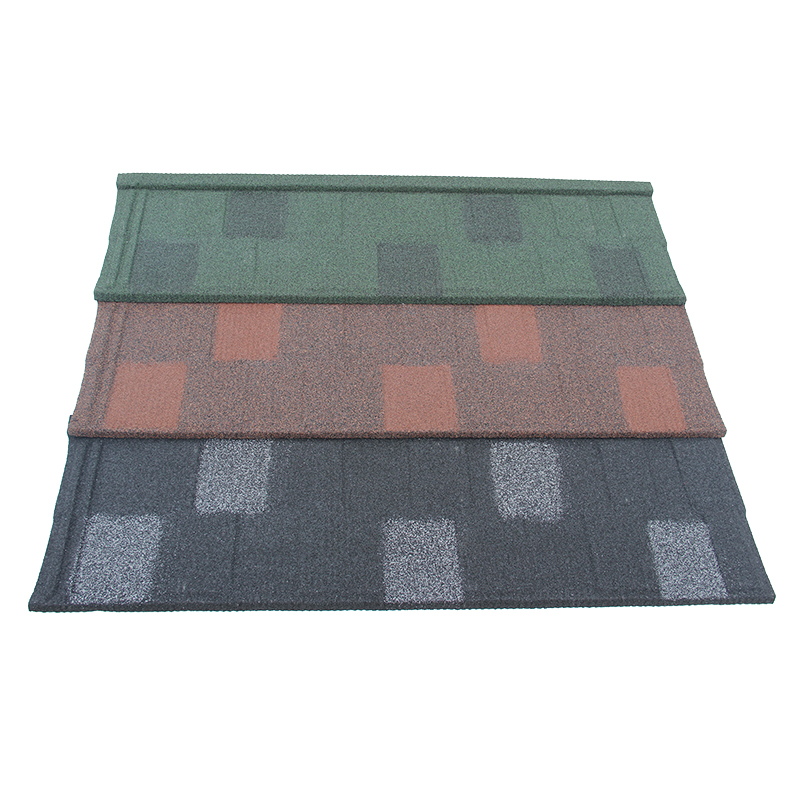
The underlying wooden roof deck requires completely rigorous and thorough inspection. Furthermore, general contractors must immediately replace any rotting or weakened plywood. The panel interlocking mechanism relies on a perfectly flat, secure foundation. Consequently, surface undulations cause the rigid steel panels to warp visibly. This aesthetic issue is especially true for modern, low-profile architectural designs. Installing a sleek Shingle Tile makes underlying deck imperfections highly visible. Therefore, comprehensive surface repairs are a strict, non-negotiable project prerequisite. These mandatory repairs frequently add completely unexpected costs to renovation budgets. Thus, extensive structural preparation remains a notable barrier for hesitant clients.
Vulnerability to Foot Traffic Damage
Despite their extreme weather resistance, these panels are surprisingly delicate underfoot. The formed steel core can easily dent under concentrated, heavy human weight. Therefore, contractors must walk only on specific, reinforced batten support zones. Furthermore, careless foot traffic easily crushes the beautifully raised tile profiles. Subsequent property tradesmen, like HVAC technicians, often cause accidental surface damage. Consequently, commercial facility managers must strictly control all future roof access. Repairing a permanently dented panel is a highly complicated extraction process. Moreover, walking on wet stone chips is extremely slippery and hazardous. Thus, ongoing maintenance access requires careful planning and strict safety protocols.
Acoustic Considerations Without Proper Insulation
Bare metal roofs are notoriously loud during heavy rainstorms or hail. While the stone coating dampens noise, it does not eliminate it entirely. Consequently, buildings without proper attic insulation suffer from noticeable interior echoing. Therefore, developers must often invest in additional acoustic soundproofing materials. Furthermore, retrofitting older homes might require installing solid decking to reduce noise. This extra insulation layer adds further material and labor expenses. Moreover, commercial clients in tropical storm regions frequently complain about acoustic discomfort. Thus, acoustic management is a distinct disadvantage that requires proactive mitigation.
Environmental Maintenance and Aesthetic Risks
These premium roofing systems are certainly not entirely maintenance-free over time. Harsh environmental factors gradually impact the exterior appearance and overall performance. Consequently, property owners must implement proactive, routine structural inspection schedules. Therefore, ignoring these specific environmental challenges leads to premature aging. Proactive maintenance effectively preserves the building’s overall market value and safety.
Granule Loss During Extreme Weather
The natural stone coating provides distinct, premium architectural beauty and texture. However, these colored granules gradually dislodge and wash away over time. Heavy hail impacts and torrential rain effectively accelerate this natural shedding process. Furthermore, high winds easily blow loose stone chips into gutter systems. Over several decades, this consistent loss exposes the underlying black acrylic layer. Consequently, this shedding significantly diminishes the roof’s initial visual appeal. Retaining vibrant color on a classic Mediterranean Milano Tile is vital. Noticeable granule loss severely detracts from high-end residential property values. Thus, buyers must accept this slow, inevitable aesthetic degradation.
Algae Proliferation in Humid Climates
Aggressive organic growth remains a persistent issue in humid tropical zones. The highly textured stone surface effectively traps airborne dust and dirt. Furthermore, this rough texture retains moisture long after heavy rainfall stops. Consequently, it creates an absolutely ideal breeding ground for green algae. Unlike smooth painted metal, the rough chips completely resist natural self-cleaning. Therefore, facility maintenance teams must schedule periodic, gentle soft-wash chemical treatments. However, using overly harsh chemicals completely ruins the essential acrylic binder. Moreover, high-pressure washing instantly strips the protective stone coating away. Thus, specialized cleaning requirements represent a distinct ongoing maintenance disadvantage.
Color Fading and UV Degradation
Intense equatorial sunlight eventually impacts even the most premium roofing materials. While natural stone resists fading better than paint, slight discoloration occurs. Consequently, extreme ultraviolet exposure slowly breaks down the clear acrylic overglaze. Therefore, roofs in desert environments may lose their glossy, wet-look finish. Furthermore, matching replacement panels to a faded roof is nearly impossible. This creates patchy aesthetics if partial roof repairs are ever required. Moreover, inferior generic brands suffer from rapid, catastrophic color bleaching. Thus, specifying high-quality, UV-resistant coatings is absolutely essential for longevity.
Strategic Sourcing and Risk Mitigation Strategies
Understanding these specific product limitations helps procurement teams plan highly effectively. Anticipating logistical and installation hurdles allows wholesale buyers to optimize supply chains. Consequently, strategic planning transforms potential drawbacks into highly manageable operational steps. Therefore, proactive vendor management is absolutely essential for long-term success. This analytical approach successfully scales global B2B material distribution operations.
Matching Profiles to Regional Climates
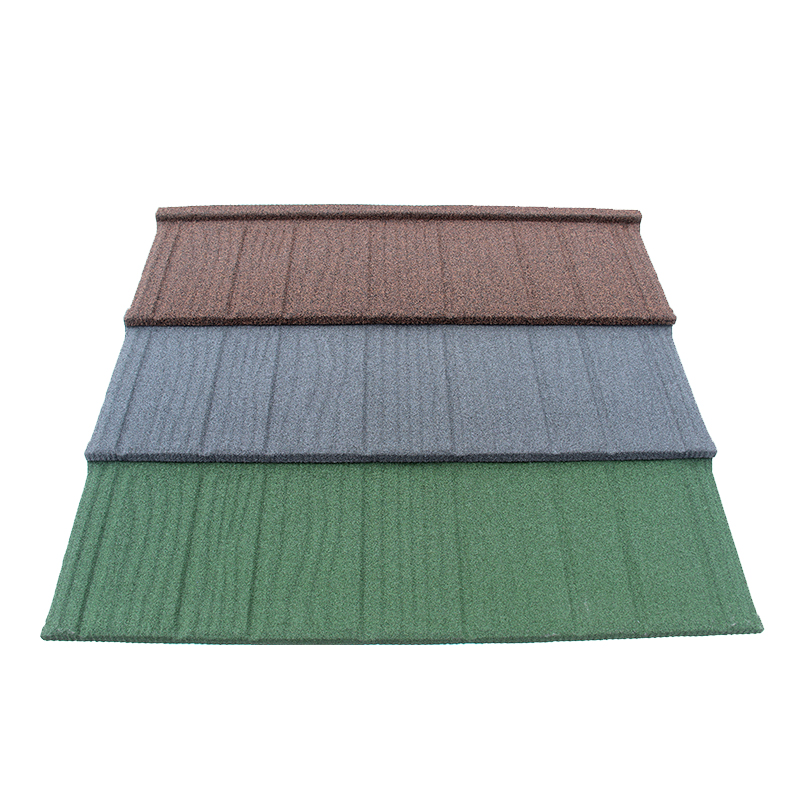
Selecting inappropriate tile designs causes severe long-term maintenance and structural issues. Wholesale buyers must carefully analyze local weather patterns before finalizing orders. Furthermore, heavily textured surfaces might unfortunately trap excess winter ice and snow. Conversely, hurricane-prone zones demand deeply interlocking, highly wind-resistant panel designs. Specifying a deeply grooved Shake Tile perfectly suits rustic architectural themes. However, these deep grooves easily collect rotting leaves in heavily forested areas. Therefore, aligning profiles precisely with local environments prevents future property disasters. Procurement experts must constantly guide their clients toward appropriate profile selections. Thus, detailed climate analysis mitigates inherent product disadvantages highly effectively.
Developing Comprehensive Maintenance Protocols
Facility managers must proactively address the inherent maintenance challenges of stone-coated steel. Establishing clear, written maintenance guidelines prevents accidental damage from untrained personnel. Furthermore, scheduling bi-annual inspections helps identify minor granule loss early. Consequently, maintenance teams can gently clean debris before severe algae takes root. Therefore, providing these protocols adds significant value to B2B supply contracts. Moreover, it protects the manufacturer’s warranty by ensuring proper care. Thus, education is the best defense against environmental product degradation.
Selecting a Qualified Manufacturing Partner
The ultimate risk mitigation strategy demands incredibly strict vendor qualification protocols. Purchasing from cheap, generic factories guarantees inconsistent granule adhesion and rust. Furthermore, inferior acrylic glues fail rapidly under intense environmental UV exposure. Consequently, this leads to catastrophic aesthetic failures and angry retail customers. Therefore, partnering with an established, premium brand like **JCROOF** is vital. Reliable manufacturers consistently utilize advanced, weather-resistant acrylic binder technologies. Moreover, they provide comprehensive technical data and detailed installation training manuals. This expert factory support completely overcomes standard installation and maintenance hurdles. Thus, careful global supplier selection fiercely protects your overall business investment.
Summary of Disadvantages and Mitigation Strategies
To assist procurement managers in decision-making, below is a comparative matrix. This table outlines the primary challenges and practical B2B solutions.
| Identified Disadvantage | Business Impact | Recommended Mitigation Strategy |
|---|---|---|
| High Upfront Material Cost | Strains initial project cash flow and deters budget buyers. | Calculate lifecycle ROI; target premium architectural projects. |
| Requires Specialized Labor | Increases installation costs and delays construction timelines. | Partner with manufacturers offering certified contractor training. |
| Granule Shedding Over Time | Gradual aesthetic degradation and gutter accumulation. | Source tiles with advanced acrylic binders; implement gutter guards. |
| Vulnerability to Foot Traffic | Accidental denting and crushing of raised tile profiles. | Establish strict roof access protocols; walk only on batten lines. |
| Algae Growth in Humid Zones | Creates unappealing green/black streaks on the roof surface. | Schedule routine soft-washing; avoid high-pressure cleaning. |