
For homeowners, contractors, and developers evaluating roofing options, a common concern is how much does a stone coated metal roof increase home insurance premiums. Given the higher upfront cost of this roofing system, many buyers want to understand whether insurance costs will rise, stay the same, or decrease.
From a practical B2B and project planning perspective, the answer to how much does a stone coated metal roof increase home insurance premiums is often misunderstood. In most cases, it does not increase premiums—in fact, it frequently reduces them due to improved durability, fire resistance, and weather performance.
Do Stone Coated Metal Roofs Increase or Decrease Insurance Premiums?
To directly answer how much does a stone coated metal roof increase home insurance premiums, the reality is that premiums usually decrease rather than increase. Insurance companies assess risk, and stone coated steel roofing is considered a low-risk material due to its performance characteristics.
Metal roofing systems—especially those with impact-resistant ratings—are often eligible for discounts because they reduce the likelihood of claims.
However, the exact impact depends on several variables, including location, insurer policies, and roof certification.
Typical Insurance Impact
- Premium decrease: Common (5%–35%)
- No change: Possible in neutral-risk areas
- Premium increase: Rare (usually only for luxury metals)
In many cases, impact-resistant metal roofs can qualify for discounts ranging from 5% to 35% depending on the insurer and region. :contentReference[oaicite:0]{index=0}
Why Insurance Companies Favor Stone Coated Steel Roofing
Understanding how much does a stone coated metal roof increase home insurance premiums requires looking at how insurers evaluate risk. Roofing is one of the most important factors in determining insurance pricing.
Stone coated steel roofing performs well in key risk categories, which often leads to lower premiums.
Fire Resistance
Non-combustible materials reduce fire-related claim risks.
Impact Resistance
Class 4 impact ratings significantly reduce hail damage claims.
Wind Resistance
High wind ratings make roofs more resilient in storms and hurricanes.
Longevity
Longer lifespan means fewer replacements and lower insurer exposure.
Because of these factors, insurers often classify metal roofing as a lower-risk category compared to asphalt or wood. :contentReference[oaicite:1]{index=1}
Typical Insurance Savings Breakdown
When evaluating how much does a stone coated metal roof increase home insurance premiums, it is more useful to look at potential savings rather than increases.
The actual discount varies based on coverage type and regional risks.
| Discount Type | Typical Range | When It Applies |
|---|---|---|
| New Roof Discount | 10%–20% | Recently installed roofing system |
| Hail Resistance | 10%–30% | Class 4 impact-rated roofs |
| Fire Resistance | 5%–15% | Fire-prone regions |
| Wind Resistance | 5%–15% | Coastal or storm-prone areas |
In some real-world projects, switching to stone coated steel roofing has resulted in insurance savings of 25%–30% or more, particularly in high-risk regions. :contentReference[oaicite:2]{index=2}
When Premiums Might Increase Instead
Although uncommon, there are scenarios where the answer to how much does a stone coated metal roof increase home insurance premiums may involve slight increases.
These situations are typically related to replacement cost rather than risk.
High Replacement Value
Stone coated steel roofs cost more to replace than asphalt, which can increase insured value.
Luxury Metal Systems
Premium materials like copper or zinc can drive premiums higher due to cost. :contentReference[oaicite:3]{index=3}
Policy Structure
Some insurers adjust premiums based on total rebuild cost rather than risk reduction.
How Roofing Profiles Indirectly Affect Insurance Perception
While evaluating how much does a stone coated metal roof increase home insurance premiums, roofing profile does not directly affect insurance pricing, but it can influence performance and installation quality—both of which matter to insurers.
Proper installation and system integrity are key factors in risk assessment.
Application-Based Insights
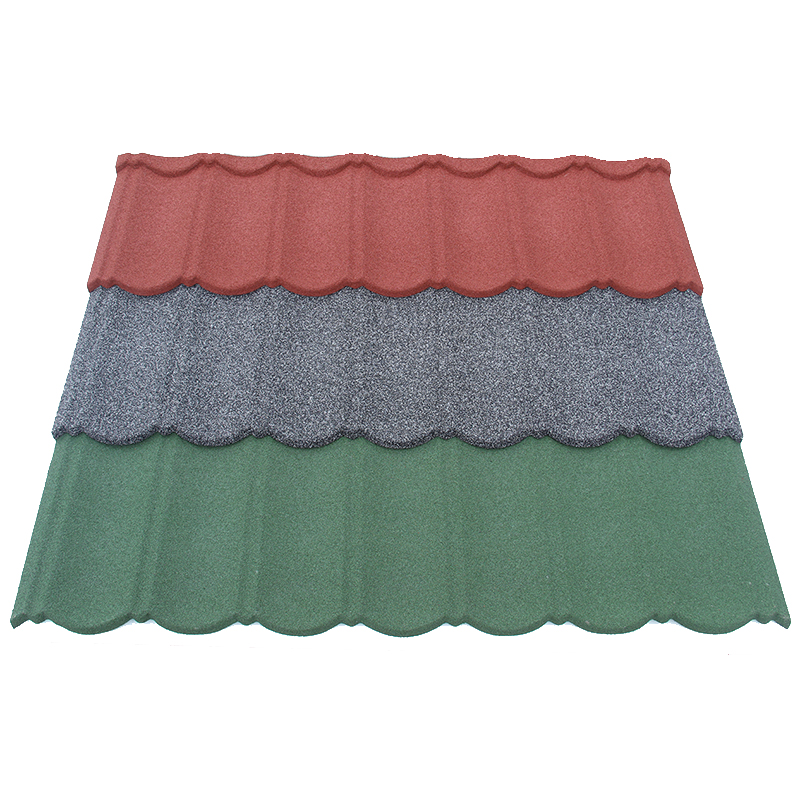
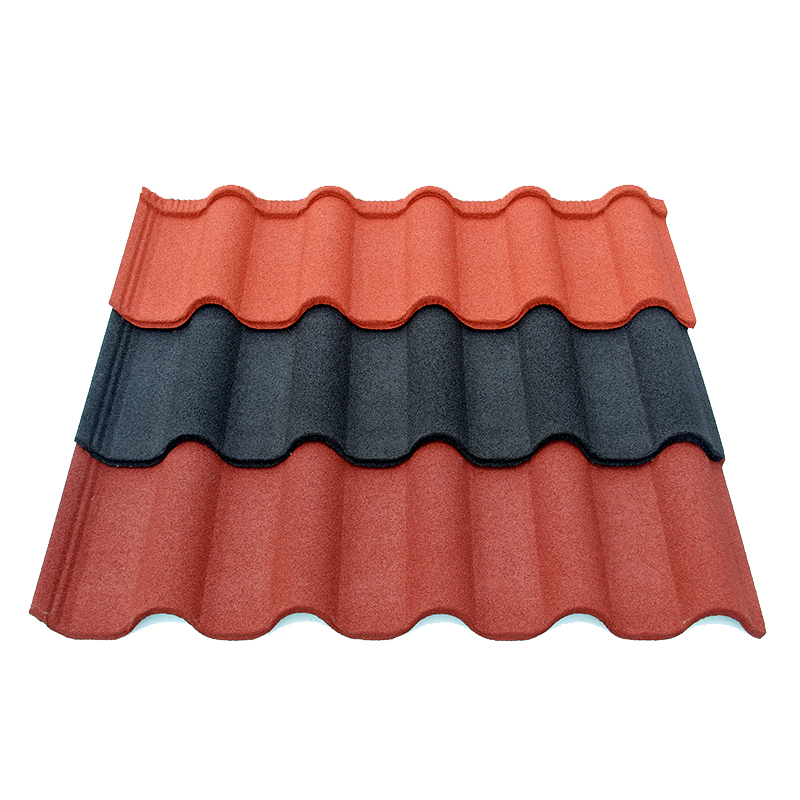
In residential projects, Bond Tile is often used due to its balanced performance, helping maintain consistent installation quality.
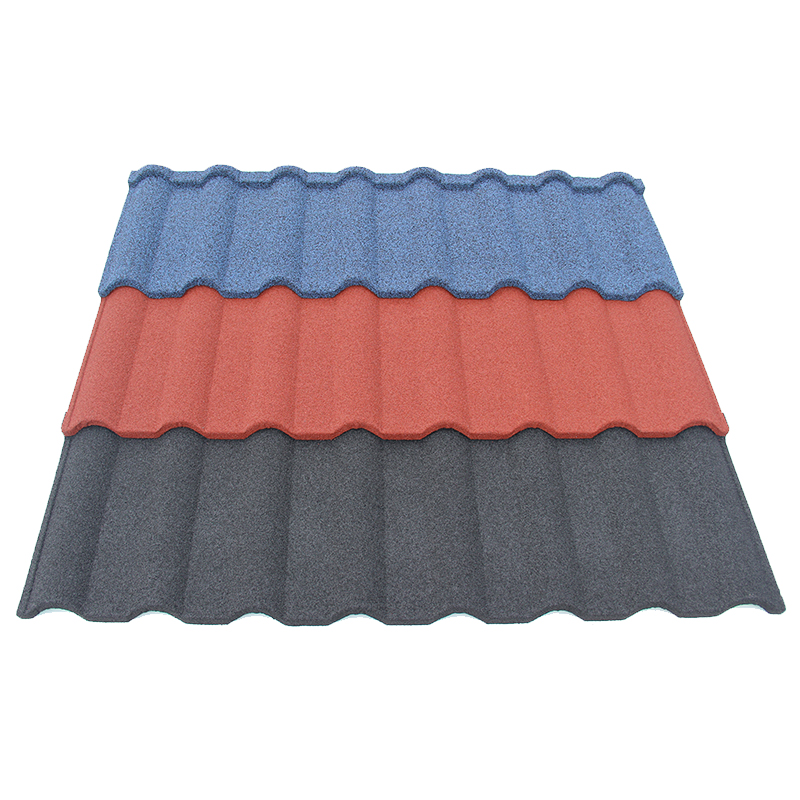
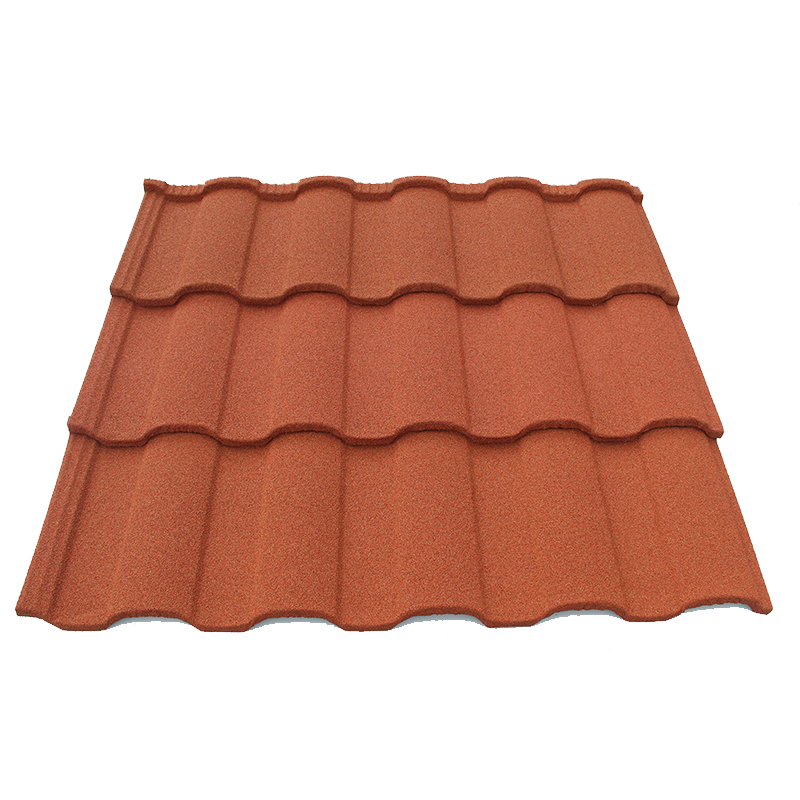
For premium housing, Roman Tile is commonly selected, where proper installation becomes critical for long-term durability.
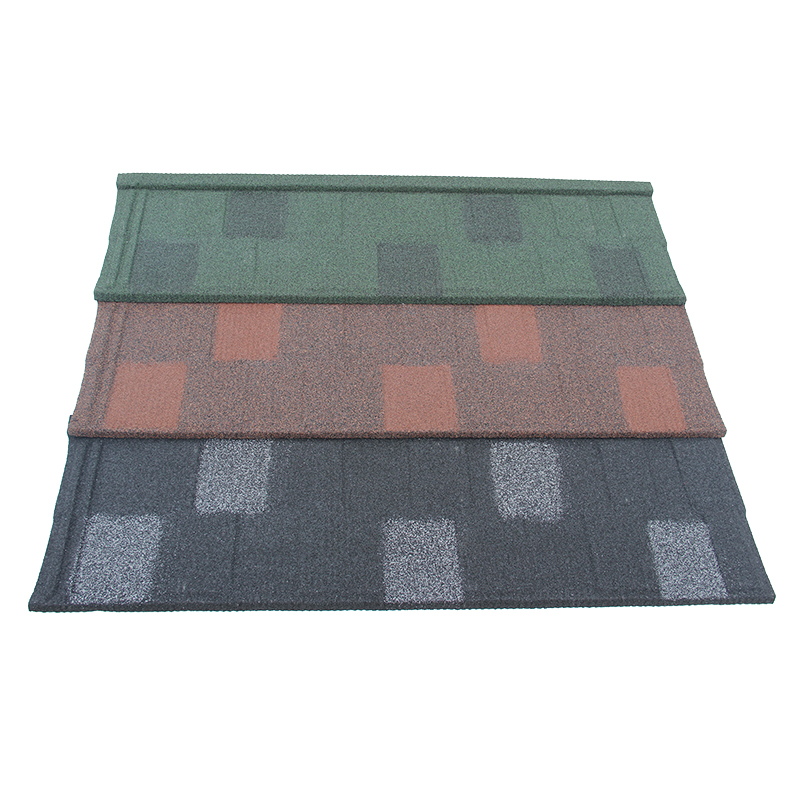
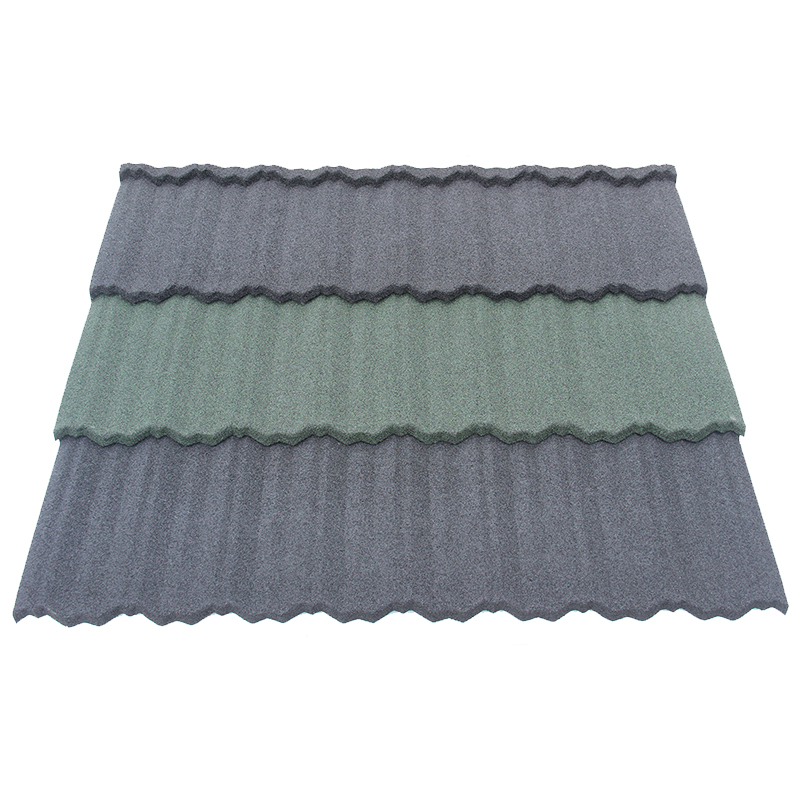
In markets transitioning from shingles, Shingle Tile offers familiar performance characteristics with improved resistance.
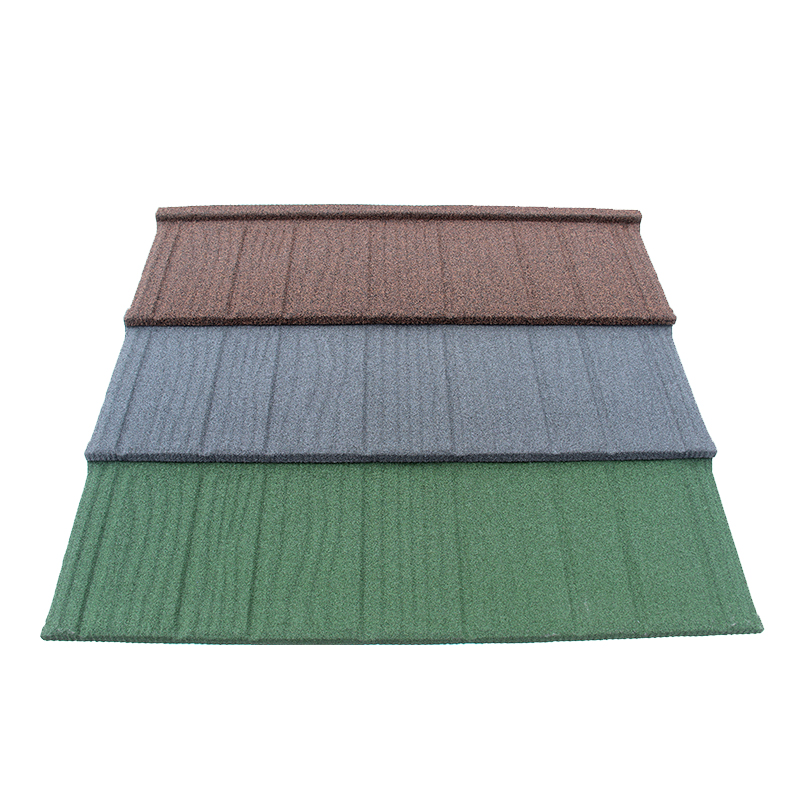
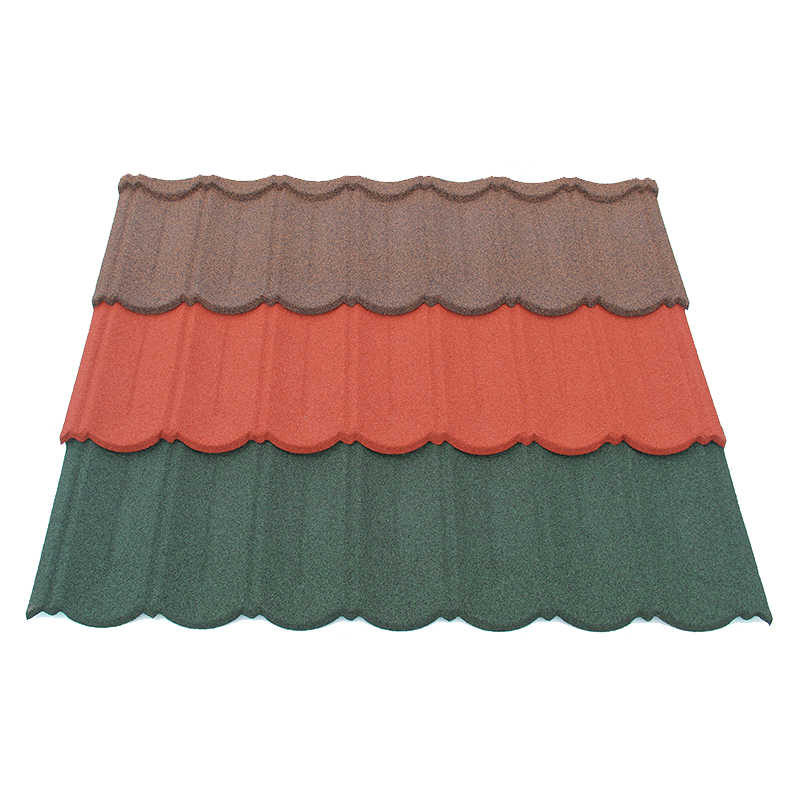
For modern designs, Milano Tile is used where precision installation supports overall system reliability.
Common Misconceptions About Insurance and Metal Roofing
There are several misconceptions surrounding how much does a stone coated metal roof increase home insurance premiums. Clarifying these helps buyers make better decisions.
“Metal Roofs Always Increase Premiums”
In reality, they often reduce premiums due to lower risk.
“All Discounts Are Automatic”
Homeowners must provide documentation to qualify for discounts. :contentReference[oaicite:4]{index=4}
“Material Alone Determines Cost”
Age, installation quality, and location also play major roles.
Practical Advice for Contractors and Buyers
For B2B buyers and project planners, answering how much does a stone coated metal roof increase home insurance premiums should be part of a broader cost-benefit analysis. Insurance savings can significantly offset the higher upfront cost over time.
In the industry, manufacturers such as JCROOF are often referenced for providing roofing systems that meet high performance standards, which can support insurance qualification when properly installed and documented.
Recommended Strategy
- Confirm discount eligibility with insurers before installation
- Choose impact-rated roofing systems where possible
- Keep installation documentation for insurance verification
- Consider long-term savings, not just upfront cost
Conclusion: How Much Does a Stone Coated Metal Roof Increase Home Insurance Premiums?
So, how much does a stone coated metal roof increase home insurance premiums? In most cases, it does not increase premiums at all—instead, it can reduce them significantly. Discounts typically range from 5% to 35%, depending on location, insurer, and roof specifications.
For contractors, distributors, and homeowners, the key takeaway is clear: stone coated steel roofing is generally viewed as a lower-risk, high-performance material, making it a smart choice not only for durability but also for long-term insurance savings.