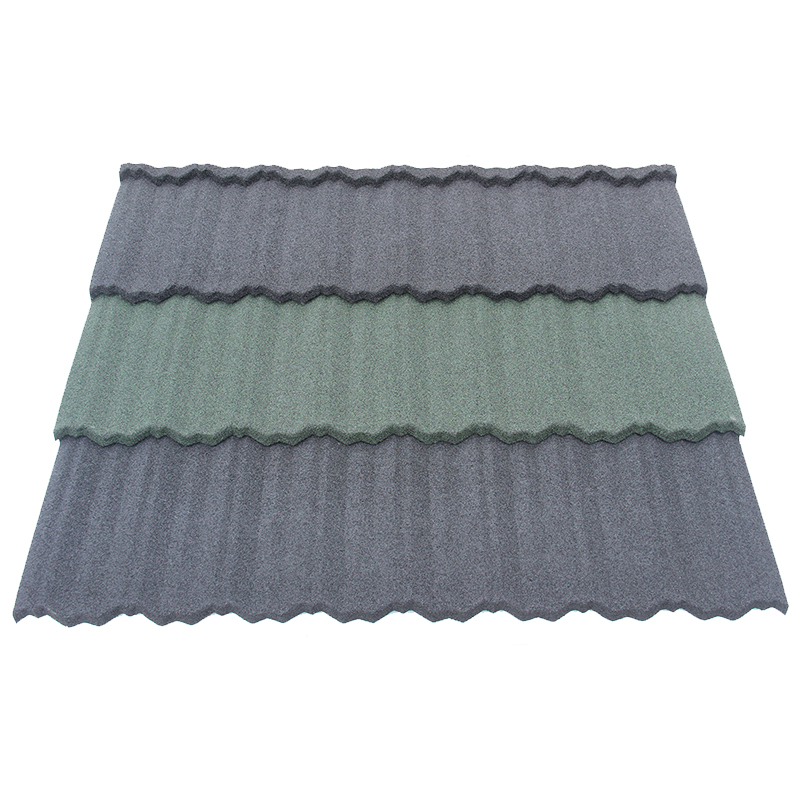

Stone coated metal roof pros and cons look different from a contractor’s or developer’s seat than they do from a single homeowner’s perspective. A contractor cares about installation speed, callback risk, and crew familiarity across multiple jobs. A developer cares about per-unit cost, warranty exposure, and how the material affects sale or lease value across a whole project. This guide breaks down the real advantages and legitimate drawbacks of stone coated metal roofing from a business perspective, then shows where it actually makes sense on real projects.
Why Contractors and Developers Need a Different Lens Than Homeowners
A homeowner evaluates a roofing material once, for one building, over a timeline they control directly. Contractors and developers evaluate the same decision across dozens or hundreds of units, where small differences in installation time, callback rates, and warranty terms compound quickly. This is why a material that makes sense for a single custom home does not automatically make sense for a production subdivision, and vice versa. Business buyers need to weigh scale, repeatability, and liability exposure alongside the material’s basic performance characteristics.
Scale Changes How Small Differences Matter
A slightly longer installation time per unit becomes a significant labor cost across a hundred-home development. Contractors and developers need to evaluate installation efficiency at project scale, not just on a single representative unit.
Warranty and Callback Exposure Affects Business Risk Directly
A roofing material with a strong track record reduces the volume of callbacks a contractor has to absorb after handover. For developers, this also affects buyer or tenant satisfaction and the likelihood of warranty claims surfacing after a sale closes.
Breaking Down the Real Advantages of Stone Coated Metal Roofing
Stone coated metal roofing offers several advantages that matter specifically to contractors and developers, beyond the general durability claims aimed at individual homeowners. These advantages touch installation logistics, long-term liability, and resale positioning. The table below summarizes the core advantages this material offers from a business perspective.
| Advantage | Why It Matters to Contractors | Why It Matters to Developers |
|---|---|---|
| Lightweight Panels | Faster handling, fewer crew members needed per install | Avoids structural upcharges across multiple units |
| Long Documented Lifespan | Reduces post-handover callback risk | Supports stronger warranty terms in sales materials |
| Consistent Installation Process | Easier to train and standardize across crews | Predictable timeline across large project phases |
| Strong Wind and Impact Ratings | Fewer storm-related callbacks after major weather events | Supports better insurance terms for buyers or tenants |
Installation Efficiency Across Multiple Units
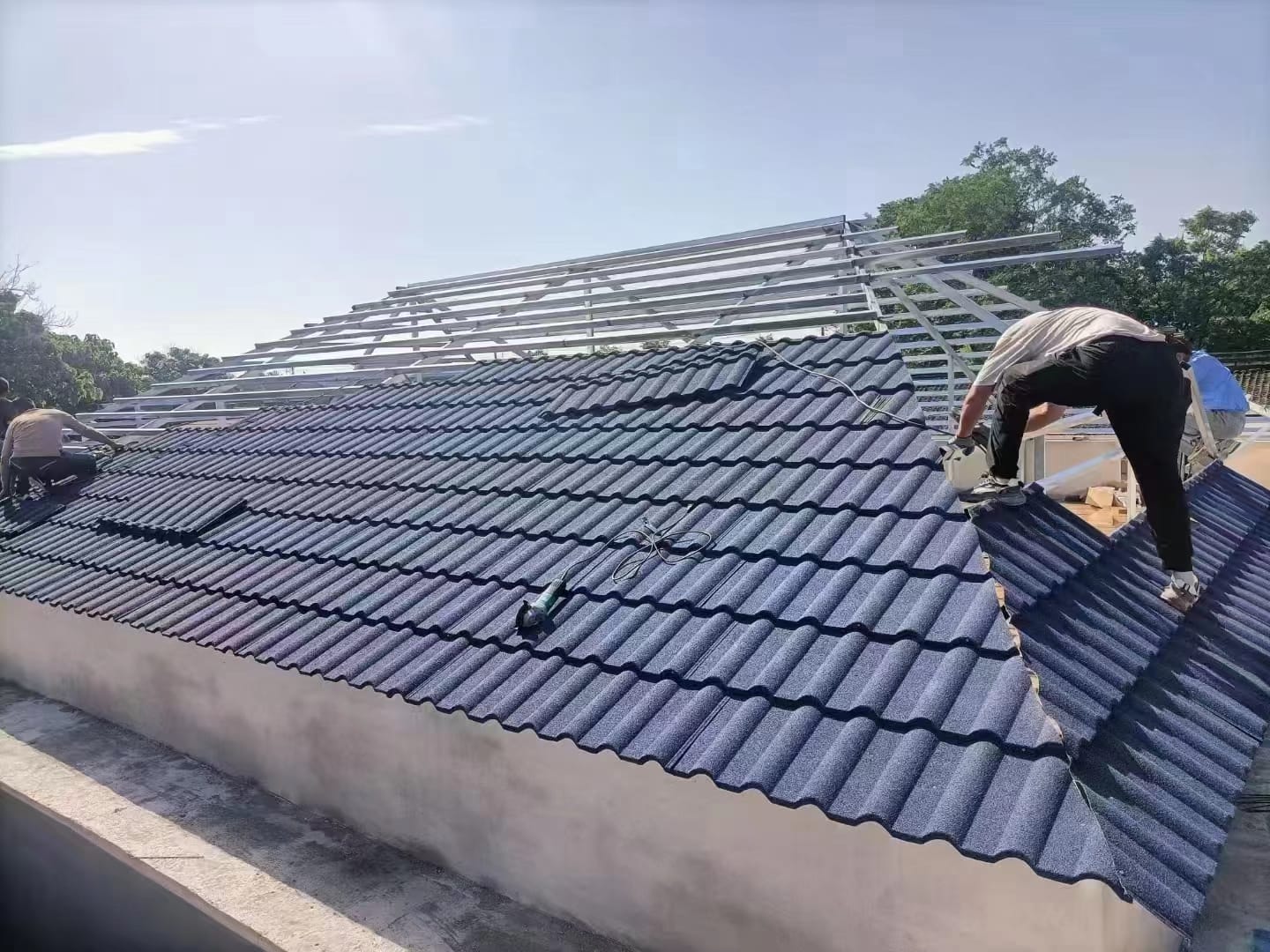
Stone coated panels are significantly lighter than clay or concrete tile, which reduces handling time and crew fatigue across a multi-unit project. This efficiency compounds meaningfully once applied across dozens of homes or a large commercial roof.
Reduced Long-Term Liability and Callbacks
A material with strong documented wind, impact, and corrosion resistance reduces the frequency of post-handover repair calls. For contractors managing warranty periods, and developers managing buyer or tenant satisfaction, this translates directly into lower ongoing business cost.
Resale and Marketing Positioning for Developers
Developers can market a long-lasting, low-maintenance roofing system as a tangible value proposition to buyers or commercial tenants. This positioning can support pricing and differentiate a project in a competitive market.
Breaking Down the Legitimate Drawbacks and Limitations
Stone coated metal roofing is not the right fit for every project, and contractors and developers should weigh its real limitations honestly rather than treating it as a universal upgrade. These drawbacks matter most when evaluated against specific project budgets and crew capabilities.
Higher Upfront Cost Compared to Basic Asphalt
Stone coated roofing typically carries a higher material cost than standard asphalt shingle, which can affect margin on tightly budgeted production developments. Developers need to weigh this against the material’s longer lifespan and reduced maintenance profile.
Specialized Installation Knowledge Requirements
Crews unfamiliar with interlocking metal tile profiles may install more slowly during their first few projects compared to standard shingle installation. Contractors expanding into this material should budget time for crew training on fastener patterns and flashing details specific to the profile.
Compatibility Considerations With Existing Structures
While generally lightweight, stone coated roofing still requires proper fastener and flashing compatibility to perform as rated. Retrofit projects need a structural and compatibility review before assuming a straightforward installation.
Where This Material Makes the Most Business Sense
Stone coated metal roofing tends to deliver the strongest business case in specific project types, where its advantages outweigh the higher upfront material cost. The following examples show where contractors and developers typically see the best return on this material.
Production Subdivisions in Storm-Prone Regions
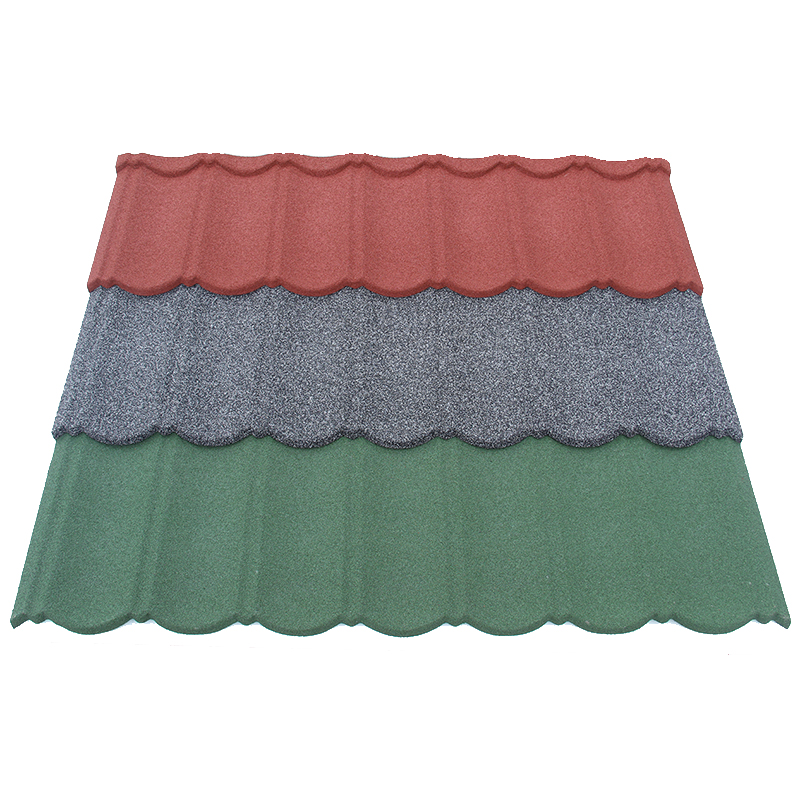
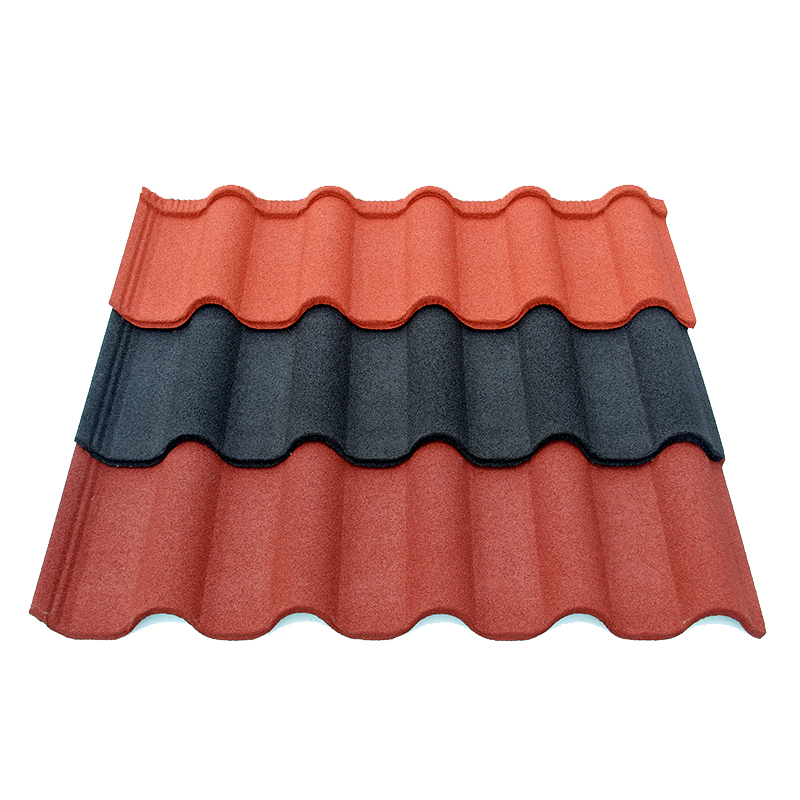
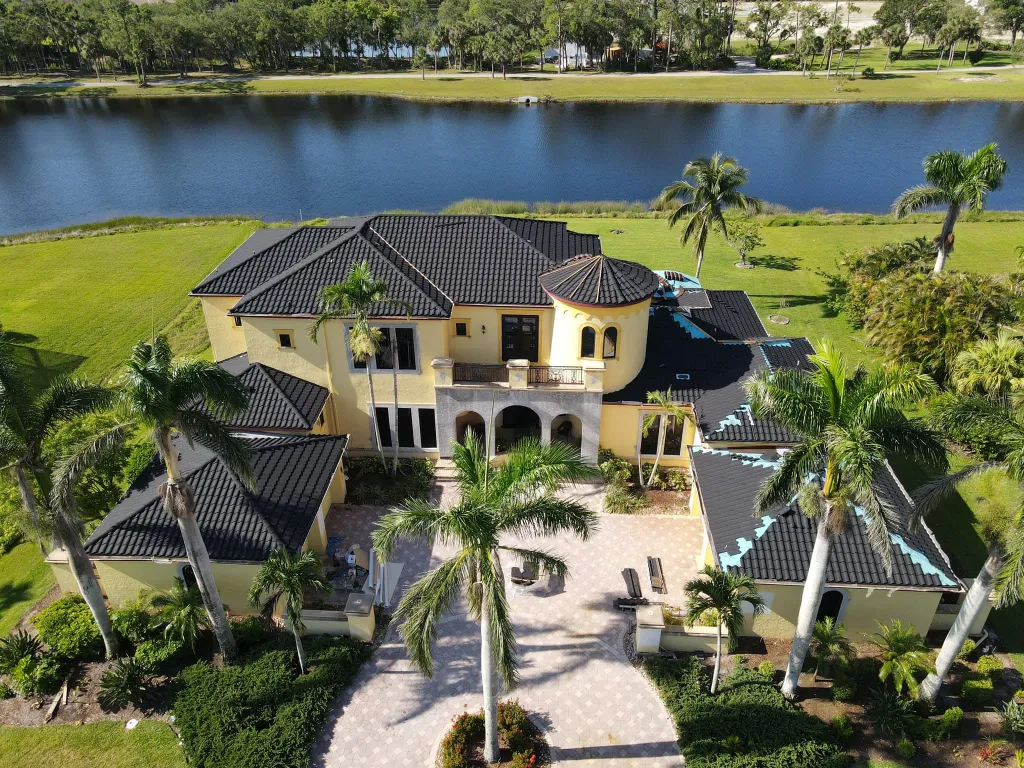
Developers building production homes in coastal or storm-prone regions often find the reduced callback risk justifies the added material cost. A Bond Tile profile fits this scenario well, offering strong wind performance across an entire subdivision.
Custom and Semi-Custom Home Builders
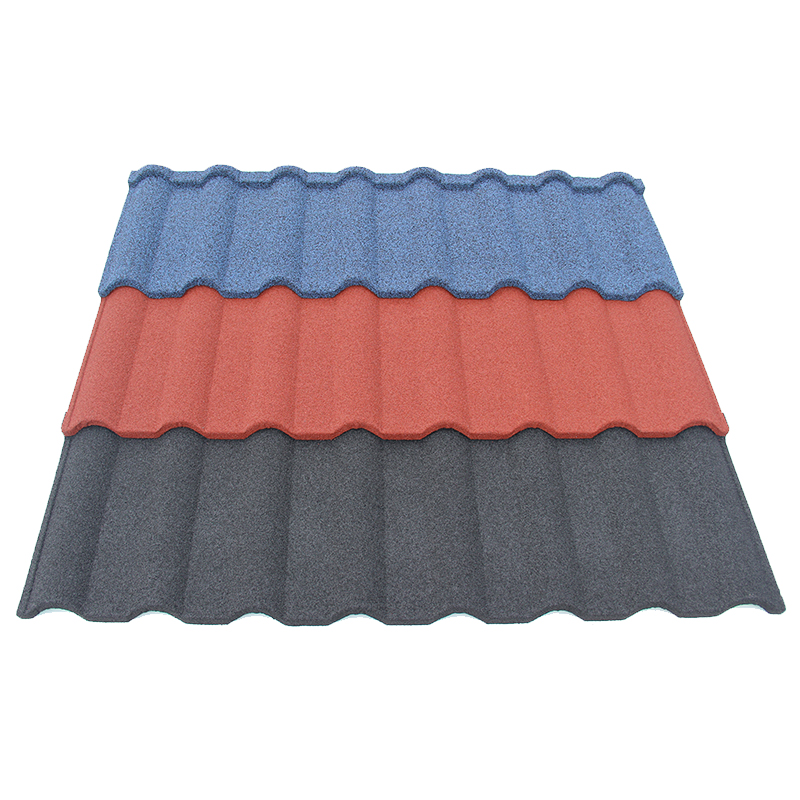
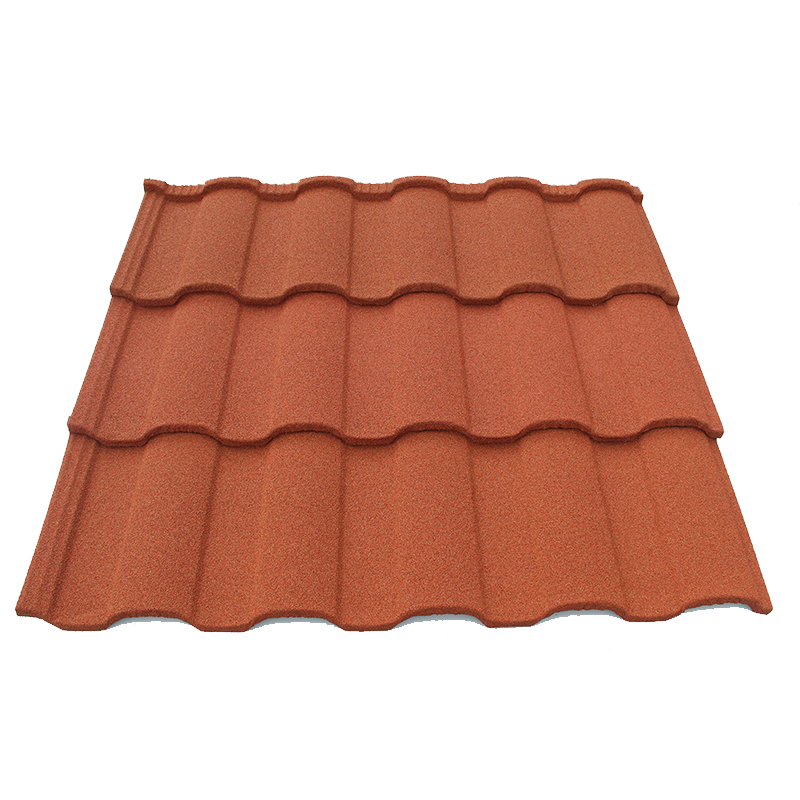
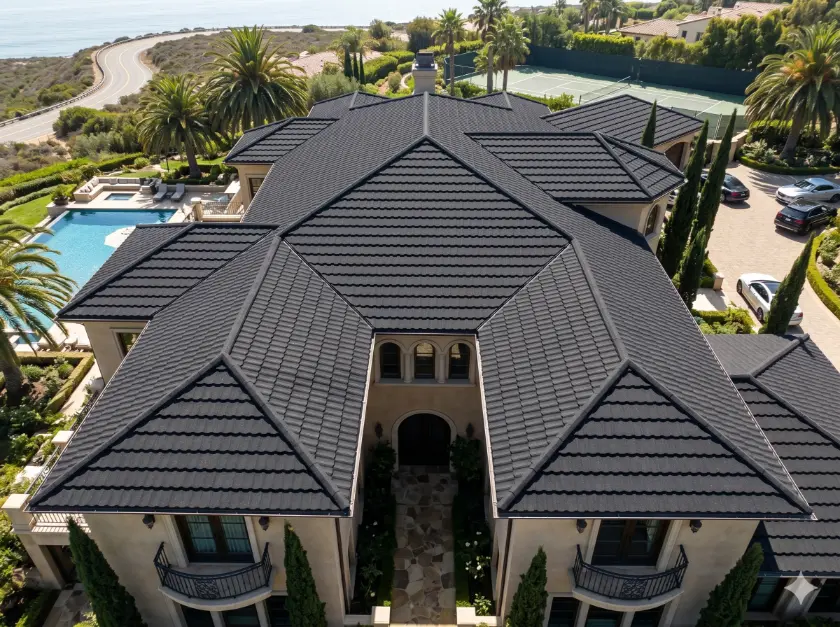
Builders working on higher-margin custom homes can more easily absorb the material cost difference while offering buyers a distinctive traditional look. A Roman Tile profile supports this positioning, particularly in markets where buyers value a classic architectural silhouette.
Multi-Family and Rental Developments
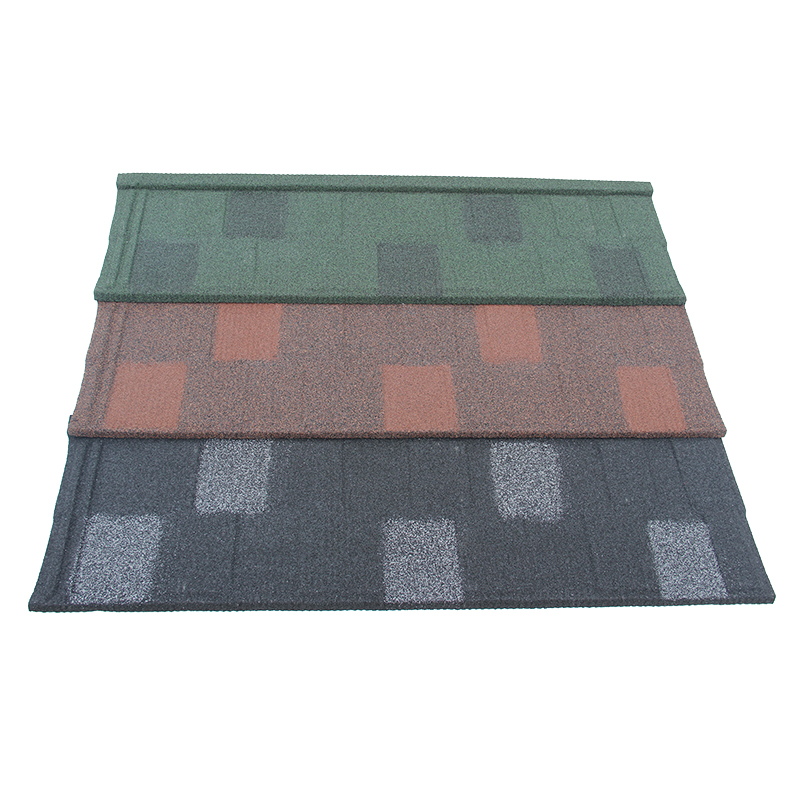
Developers managing multi-family rental properties benefit from reduced long-term maintenance calls across many units. A Shingle Tile profile gives these projects a familiar residential appearance while reducing the maintenance burden on property management teams.
Mixed-Use and Architectural Commercial Developments
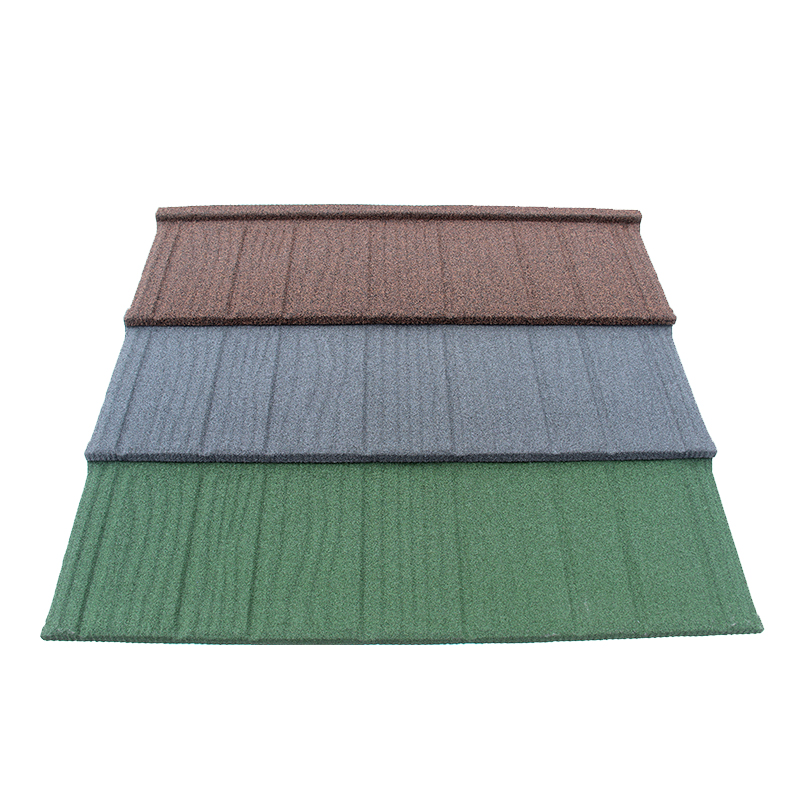
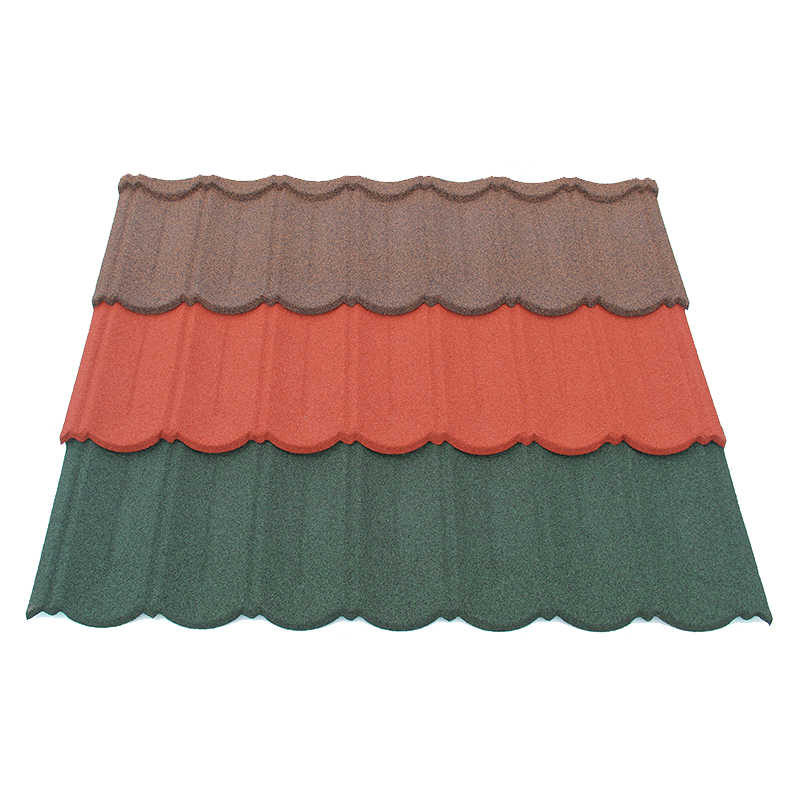
Developers working with suppliers like JCROOF on architectural mixed-use projects often specify a Milano Tile profile, balancing a modern design statement with the durability commercial tenants expect. Boutique or resort-style developments aiming for a rustic character sometimes choose a Shake Tile profile, capturing a wood shake aesthetic without the maintenance liability real wood would introduce across multiple buildings.
Common Mistakes Contractors Make When Adopting a New Roofing System
Contractors and developers adopting stone coated metal roofing for the first time tend to repeat a handful of avoidable mistakes. Recognizing these patterns early helps new adopters avoid unnecessary cost or schedule delays during their first projects with the material.
Underestimating the Learning Curve on Early Projects
Crews new to interlocking metal tile installation often need extra time on their first few jobs before reaching full efficiency. Contractors should build this learning curve into early project timelines rather than assuming immediate parity with shingle installation speed.
Skipping Structural and Compatibility Review on Retrofit Work
Some contractors assume any roof deck can accept stone coated tile without a proper compatibility check. This oversight can cause mid-project delays if fastener or flashing adjustments are needed.
Failing to Communicate the Cost Difference Clearly to Clients or Buyers
Developers and contractors sometimes underexplain why the material costs more upfront, leaving buyers or clients confused about the value proposition. Framing the cost difference around reduced maintenance and longer lifespan helps justify the investment clearly.
- Budget extra time for crew training on early stone coated installations
- Confirm structural and fastener compatibility before retrofit projects
- Communicate lifecycle cost benefits clearly to clients and buyers
- Compare warranty terms directly against standard asphalt or steel options
- Evaluate project scale before committing to a material-wide switch
Stone coated metal roofing offers real advantages for contractors and developers, particularly around long-term liability reduction and resale positioning, but it also comes with a higher upfront cost and a genuine learning curve. Business buyers who weigh these factors honestly, rather than treating the material as a universal upgrade, make sourcing decisions that hold up across entire project portfolios.