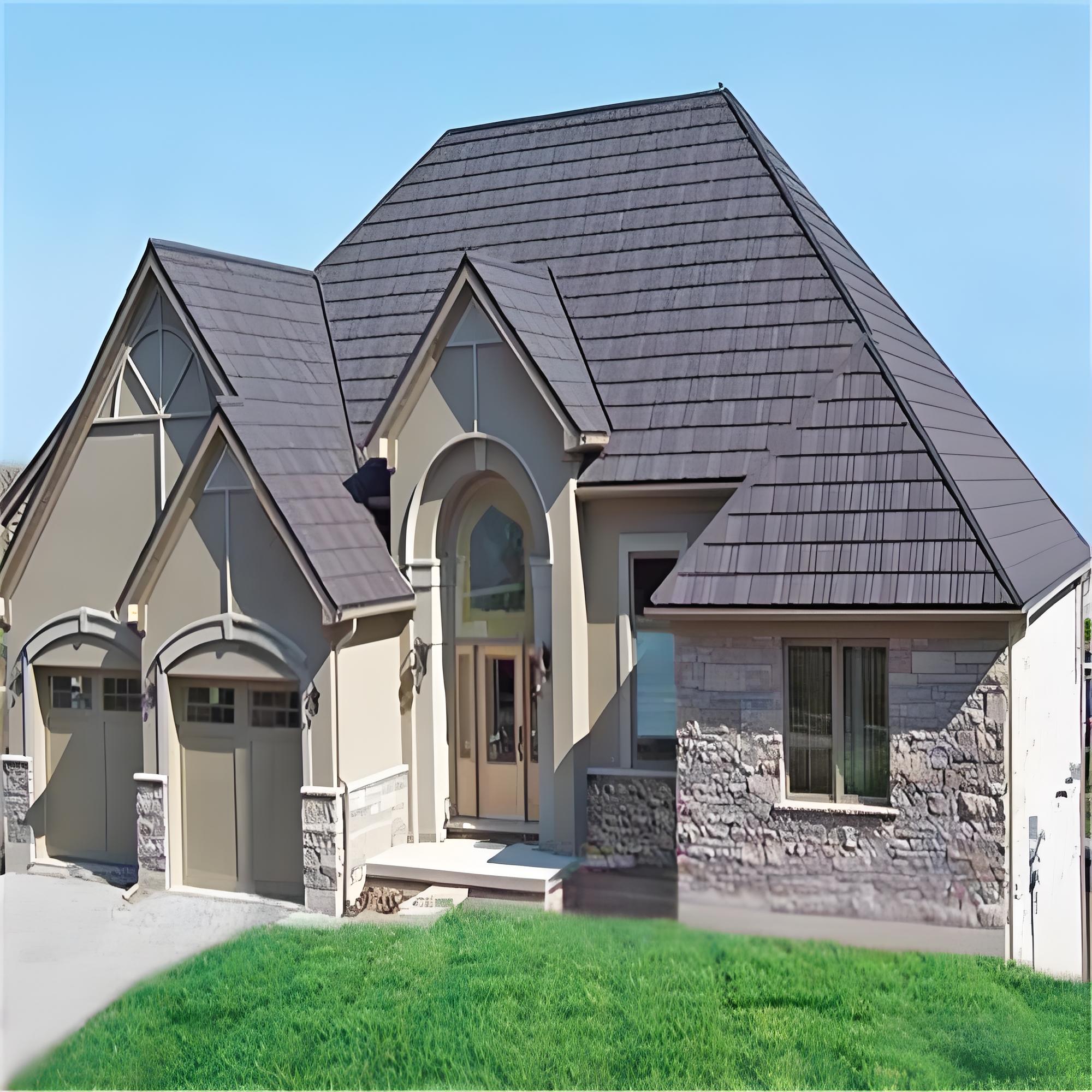
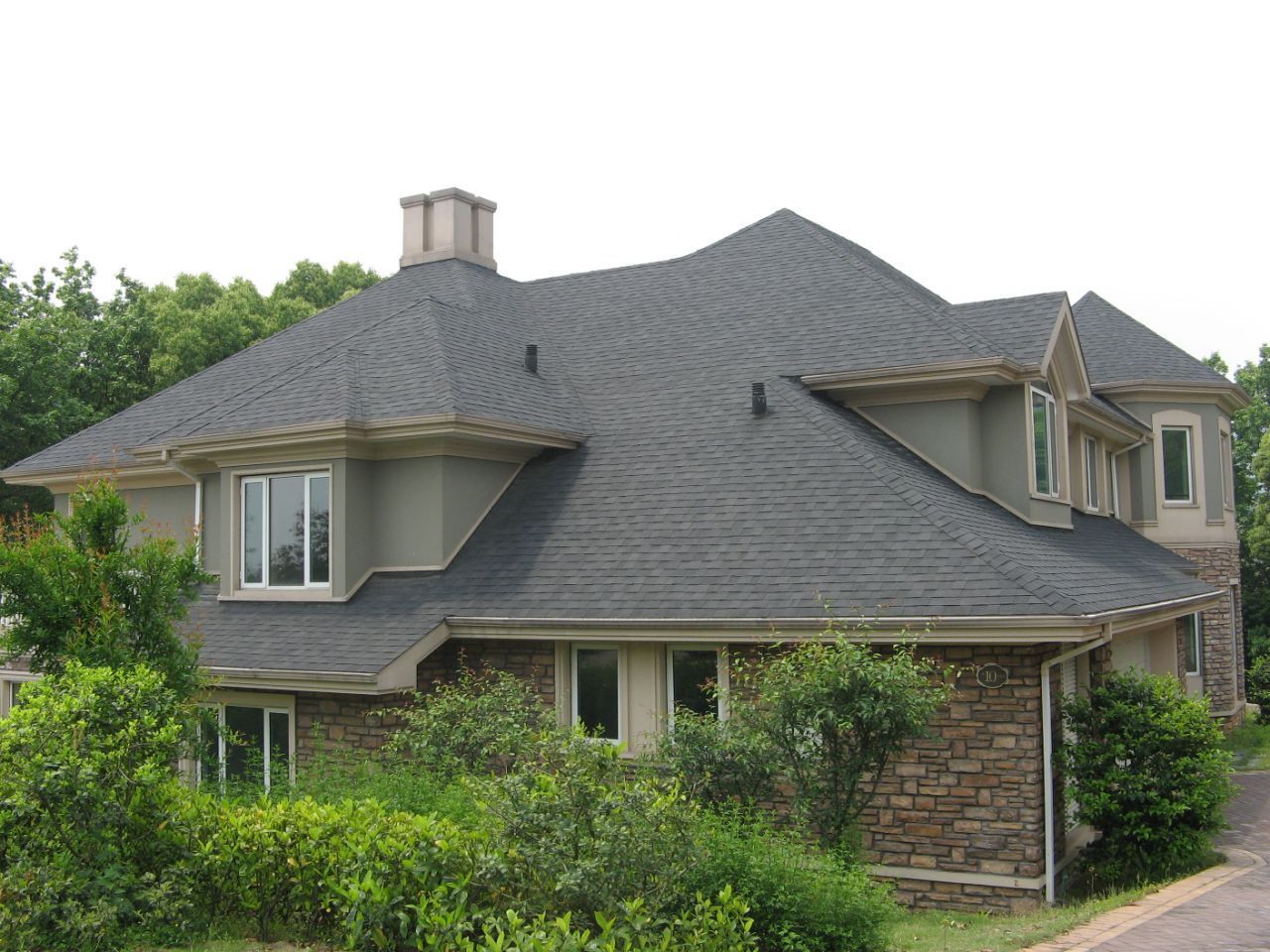
For a “stone coated metal roofing coastal areas” inquiry, verify the actual exposure and the supplier’s written suitability conditions. Review material specifications, compatible components, corrosion evidence, and maintenance requirements together. A stone-coated appearance does not establish suitability for every marine location.
Coastal projects need a defined purchasing brief because exposures and roof arrangements differ. Salt-related concerns also extend beyond the visible tile surface. Fasteners, flashing, supporting materials, and construction interfaces need their own review.
This guide helps importers and project buyers organize that review. It does not assign a universal safe distance from the sea or predict a service life. The selected system requires product-specific confirmation and acceptance by the responsible project team.
Define the coastal exposure before selecting roofing

Describe the actual location and roof conditions before requesting a recommendation. Share information that helps the supplier understand the proposed exposure. The word coastal alone leaves too much uncertainty for a useful technical response.
Describe the actual site and roof conditions
Provide the site location, building use, roof configuration, and relevant environmental information. Ask the project’s professionals which exposure conditions need particular attention. Keep their assessment connected to the specification used for purchasing.
Record whether the roof includes sheltered areas, complex junctions, or locations difficult to inspect. Identify nearby processes or equipment that could affect roof materials. Ask the supplier what additional information is needed to assess those conditions.
Distance from saltwater can be relevant, but a generic distance rule cannot settle every product decision. Obtain the actual manufacturer’s written restrictions and definitions. Do not transfer a distance limit from another brand or an unrelated material warranty.
For distributor stock serving several coastal markets, identify the intended applications separately. One broad product description may not support every destination. Give resellers clear product limitations rather than allowing a general coastal claim to expand with each resale.
Document unresolved exposure questions before accepting the quotation. Assign someone to obtain the missing information and coordinate technical review. Leaving the decision to the installer after delivery can restrict the available alternatives.
Separate corrosion, wind, and water requirements
A coastal roof can need several different kinds of evidence. Keep corrosion suitability, wind resistance, and water-management details identifiable in the project review. Evidence supporting one characteristic does not automatically answer the others.
Ask the designer to confirm the applicable wind and roof-interface requirements. Review the proposed assembly against those requirements independently of corrosion claims. A salt-spray report cannot establish the roof’s resistance to wind uplift.
Consider the building’s moisture and ventilation strategy through the relevant professional review. Ask which product and installation details apply. Do not select underlayment or ventilation components solely because their marketing mentions coastal weather.
Keep appearance approval separate from technical acceptance. A color sample can help the owner assess the proposed finish. It cannot confirm the suitability of hidden metal coatings, fasteners, or flashing interfaces.
Evaluate coating evidence without inventing service life
Request a material and finish specification that identifies the actual proposed product. Connect available reports to that specification. A report becomes useful when the reviewer can tell what was evaluated and how it relates to the shipment.
Request a defined material and finish specification
Identify the substrate, metallic coating description, finish system, and relevant measurement definitions. Ask the supplier to explain any unexplained coating abbreviation. Keep the specified values and acceptance methods in the order documents.
For a Milano Tile selection, request the documents for the proposed version. A shared profile name does not prove that products from different sources use the same materials. Review each proposed supply against the agreed requirements.
Ask how the supplied product is identified through production and delivery. Link samples, reports, and packing records through usable product references. Otherwise, paperwork for one finish or material version can become detached from the delivered goods.
Request the manufacturer’s instructions for cut edges, handling damage, and approved repair methods where applicable. Have the project team review these before installation. Do not assume an unrelated paint or sealant is compatible with the selected finish.
The JCROOF company page provides a starting point for supplier background. For coastal use, request written confirmation for the actual product and exposure. General company information cannot replace the project’s product-specific technical decision.
Read laboratory corrosion results within their limits
Ask for the test method, specimen description, exposure conditions, evaluation criteria, and complete results. Check whether the sample represents the proposed product. A test duration without those details gives buyers little basis for comparison.
ASTM’s B117 description concerns a controlled salt-spray environment. It cautions against predicting natural exposure performance from salt-spray results alone. Do not convert a reported number of hours directly into years of roof service.
Compare reports only after identifying differences in specimens and evaluation methods. Ask the technical reviewer whether the results support the intended decision. A larger hour count may be unhelpful when the underlying tests answer different questions.
Separate a laboratory result from a warranty promise. The report describes the evaluated specimen under stated conditions. The warranty defines a different commercial commitment that requires its own review.
Review the complete roof for compatibility
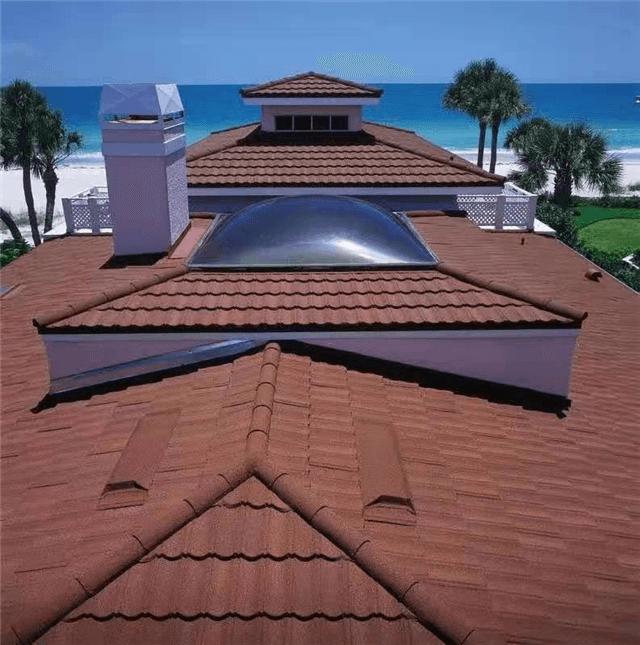
The roof includes more than the exposed panels. Check the materials and interfaces that connect those panels to the building. A complete review should identify who approves each component and any proposed substitution.
Check fasteners, flashing, and material interfaces
Specify fasteners by their approved material, dimensions, and application reference. Ask the supplier and designer to confirm compatibility for the intended environment. Avoid replacing the specified item with a generic stainless or coated alternative without review.
Check flashing, gutters, penetrations, and nearby equipment for material interfaces requiring attention. The Metal Construction Association’s corrosion bulletin discusses incompatible metals, moisture, and contaminated runoff. Use it as background for questions about the actual roof configuration.
Ask the project team to assess contact and runoff from adjoining materials. Identify necessary separation or other approved detailing in the drawings. Do not improvise a material compatibility solution from a general chart alone.
Include supporting materials and treatment chemicals in the review where relevant. Obtain the specific system requirements and identify restrictions. A visually hidden interface still belongs in the project’s acceptance process.
Require written review before changing an accessory material because a local substitute is readily available. Record which component and location the approval covers. A substitution accepted at one junction does not automatically apply across the roof.
Coordinate storage, installation, and maintenance
Confirm the manufacturer’s packing and storage instructions before delivery. Discuss how the project will protect materials during delays. Have the responsible site team assess storage conditions and handling arrangements.
Give installers the approved product-handling, cutting, cleaning, and repair information. Ask how debris and damaged components will be managed. Coastal suitability should not depend on unrecorded assumptions about how work will be performed.
Plan the inspection and maintenance approach with the owner before completing the roof. Ask what access, cleaning, and records the actual manufacturer requires. Do not invent a universal washing interval or cleaning chemical for all stone-coated products.
Consider whether the owner can realistically carry out those requirements. Difficult access or unclear responsibility can undermine an otherwise well-documented plan. Resolve practical maintenance questions before presenting the selected system as accepted.
Confirm coastal acceptance in writing
Use a review sheet that links exposure information, proposed materials, evidence, and approval. Keep confirmed conditions separate from assumptions. The result should explain why this particular product is being considered for this particular project.
Use a coastal purchasing review sheet
The following matrix organizes common questions without prescribing a universal product specification. Adapt it with the supplier and qualified project team. Add any destination-specific approval requirements identified by the responsible reviewers.
| Review area | Information to request | Acceptance question |
|---|---|---|
| Site exposure | Location and relevant environmental assessment | Has the proposed use been described adequately? |
| Product materials | Defined substrate, coating, and finish | Does the shipment match the reviewed version? |
| Corrosion evidence | Identified specimens and complete test results | What conclusions do the results support? |
| Components | Approved fasteners and accessory materials | Are the interfaces compatible? |
| Roof details | Reviewed penetrations and adjoining materials | Are contact and runoff concerns resolved? |
| Installation | Applicable handling and repair instructions | Can the contractor follow them? |
| Warranty | Complete applicable wording and exclusions | Is the proposed exposure covered? |
| Upkeep | Product-specific care and access plan | Can the owner meet the requirements? |
Ask reviewers to record conditions attached to their acceptance. If more information is required, leave the item open. Avoid turning a conditional supplier response into an unconditional statement in your own sales material.
Keep the approved exposure description with the purchase record. When the intended destination changes, reopen the relevant suitability questions. A previous assessment should not silently follow the product into a materially different environment.
Review warranty conditions and handover records
Obtain the actual warranty wording for the supplied product and intended market. Review the covered parties, stated scope, exclusions, maintenance obligations, and claim process. Ask the appropriate adviser to clarify any commercial terms requiring interpretation.
Confirm whether the warranty makes specific distinctions between appearance, material corrosion, and other outcomes. Do not combine them into one invented performance guarantee. Keep approved marketing statements consistent with the wording actually provided.
At handover, retain product identification, approved component information, installation records, and care instructions. Give the owner the contacts and records needed for later questions. This makes replacement and maintenance decisions more traceable.
For a coastal roofing inquiry, provide the exposure description before asking for a general recommendation. Request product-specific materials, evidence, compatible components, and written limitations. Approve the system through the relevant review, then preserve those conditions through installation and ownership.