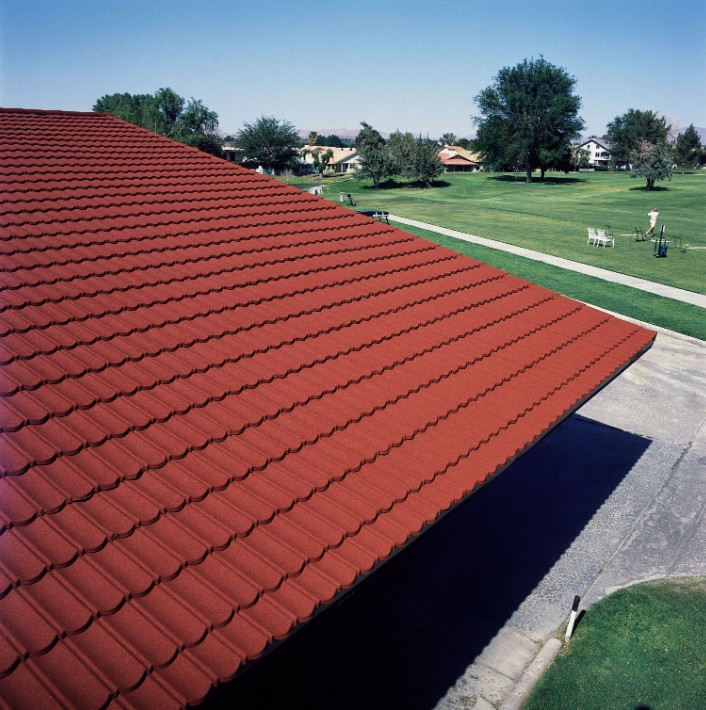
Stone coated metal roofing high wind performance must be evaluated for a defined assembly and an actual project. Obtain the project’s wind design requirements, then compare them with applicable product evidence. A promotional wind-speed claim cannot establish that a proposed roof satisfies those requirements.
Importers and contractors need more than a strong-looking tile or a certificate logo. They need to know which product was evaluated, how it was fixed, and what supporting construction was included. They must also confirm whether the proposed installation matches those conditions.
This guide explains the purchasing and evidence review process. It does not calculate wind loads or prescribe fastening patterns. Qualified project professionals must determine the required design and whether the submitted evidence supports the intended construction.
Start with the high-wind project requirements
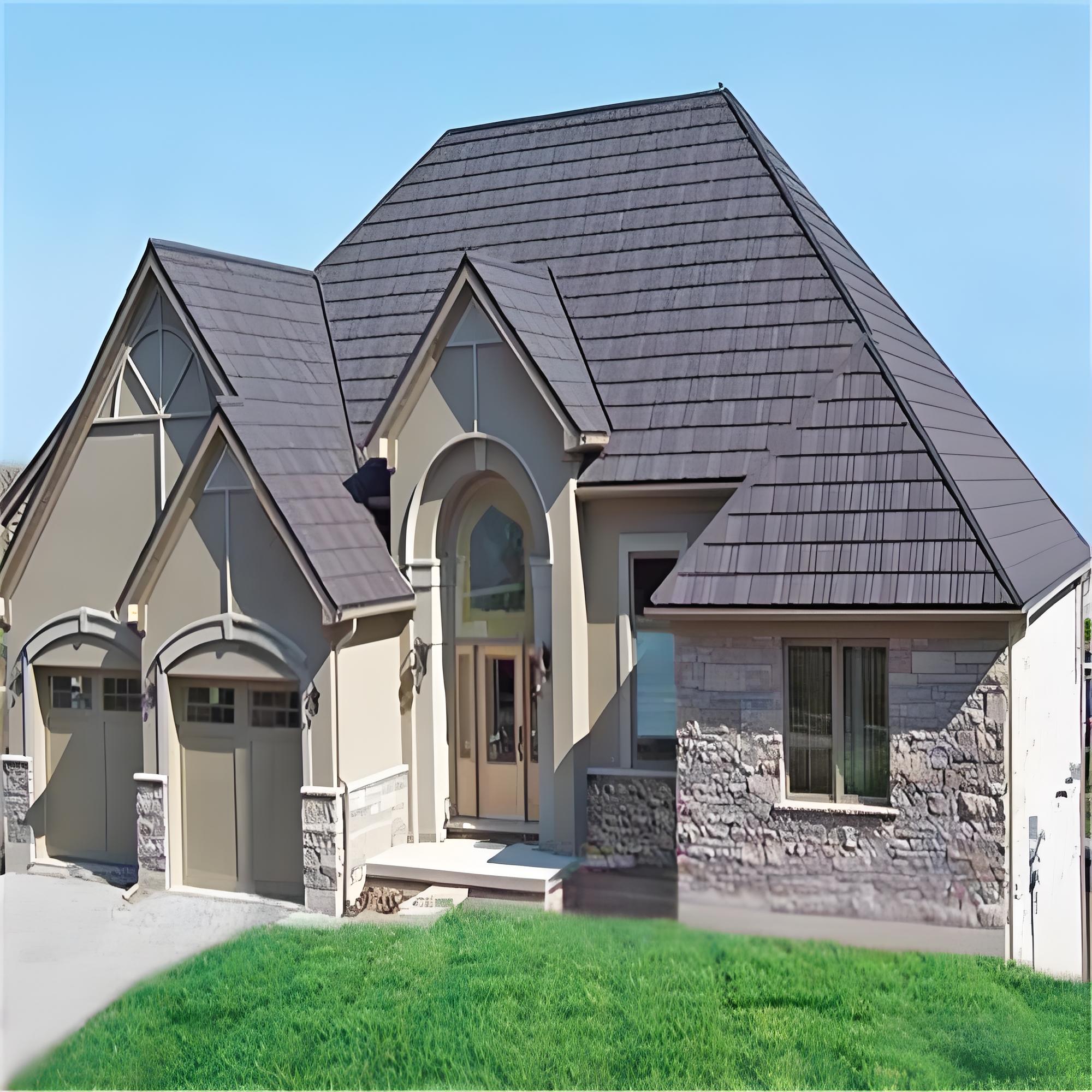
Ask the project team for a written design basis before requesting a wind-performance quotation. Identify the location, building characteristics, governing requirements, and required approval process. This helps suppliers respond to a defined application instead of an undefined request for hurricane resistance.
Obtain the design basis from the project team
Have the responsible professional identify the wind requirements applying to the roof covering and its connections. Ask which construction details and roof areas need separate consideration. Keep that information linked to the current project drawings.
For United States projects, the ASCE Hazard Tool provides location-specific hazard information. Its availability illustrates why location matters when establishing design inputs. A map result alone does not select or approve a roofing assembly.
Give the supplier the relevant project information and requested evidence format. State the units used for design pressures and other requirements. Ask the project reviewer to resolve unclear assumptions before comparing submissions.
Building height, roof geometry, exposure, and other design inputs require qualified assessment. Do not let a supplier’s general product recommendation substitute for that assessment. The purchasing brief should show which requirements are confirmed and which remain open.
Where several projects share an order, keep their requirements separate. A product accepted for one building is not automatically accepted for every destination. Identify the documents that support each proposed use.
Separate different performance questions
Wind uplift resistance, resistance to wind-driven rain, and resistance to flying debris answer different questions. Ask the reviewer which evidence the project requires for each. Do not treat a report addressing one question as proof of every weather-related claim.
Likewise, a corrosion assessment does not establish wind resistance. A strong laboratory uplift result does not establish coastal durability. Keep these evidence streams separate while coordinating them within the overall system selection.
Ask what any headline speed represents and how the figure was obtained. Identify its units, conditions, supporting document, and stated limitations. Do not convert it into a universal acceptance statement for all roofs using that product category.
The same discipline applies to installation photographs and storm testimonials. They may describe an observed situation without documenting the proposed assembly’s design capacity. Use them as background only when the relevant engineering evidence is still needed.
Read wind evidence as an assembly record
Request the complete relevant report, listing, or approval rather than a cropped cover page. Identify the issuing organization and the exact product or construction reference. Check that the document applies to the supplied product version.
Identify the tested product and construction
Record the profile, material description, supports, attachment details, and any stated limitations. Compare these with the supplier’s proposed shipment. Ask for clarification when a report names a different profile or product version.
Intertek’s UL 580 overview describes evaluation of roofing assemblies under static and dynamic uplift loading. The practical point is that the assembly configuration matters. A material label alone does not describe the evaluated construction.
Ask the supplier to identify the tested fasteners and supporting substrate. Confirm which construction details the report includes and which need separate review. Keep the actual document references beside the proposed order items.
With JCROOF, request information tied to the selected profile and intended project. Ask the supplier to identify available supporting records and any differences from your specification. Do not assume that a company introduction establishes a particular wind rating.
If the proposed product differs from the evidence, record the difference explicitly. Send it to the appropriate technical reviewer. A commercial assurance that the products are similar should not silently replace the documented configuration.
Distinguish a test result from design acceptance
UL’s explanation of roof wind certifications describes UL 580 as a comparative uplift assessment. It also notes that some structural connections and local details may fall outside the evaluated construction. Read the specific construction record to understand its scope.
An uplift classification is not a wind-speed number in miles per hour. Do not relabel a classification or test pressure as a universal storm speed. Ask the project’s professional reviewer to relate the applicable evidence to the design requirements.
Keep test pressure, allowable design values, and project demand clearly identified. They are not interchangeable labels for the same number. The responsible reviewer should determine any required adjustments and acceptance criteria.
Confirm whether an approval is current and applicable in the intended jurisdiction. Do not assume an overseas listing automatically satisfies local requirements. Obtain the required review before committing the product to that project.
Match the proposed roof to the accepted construction
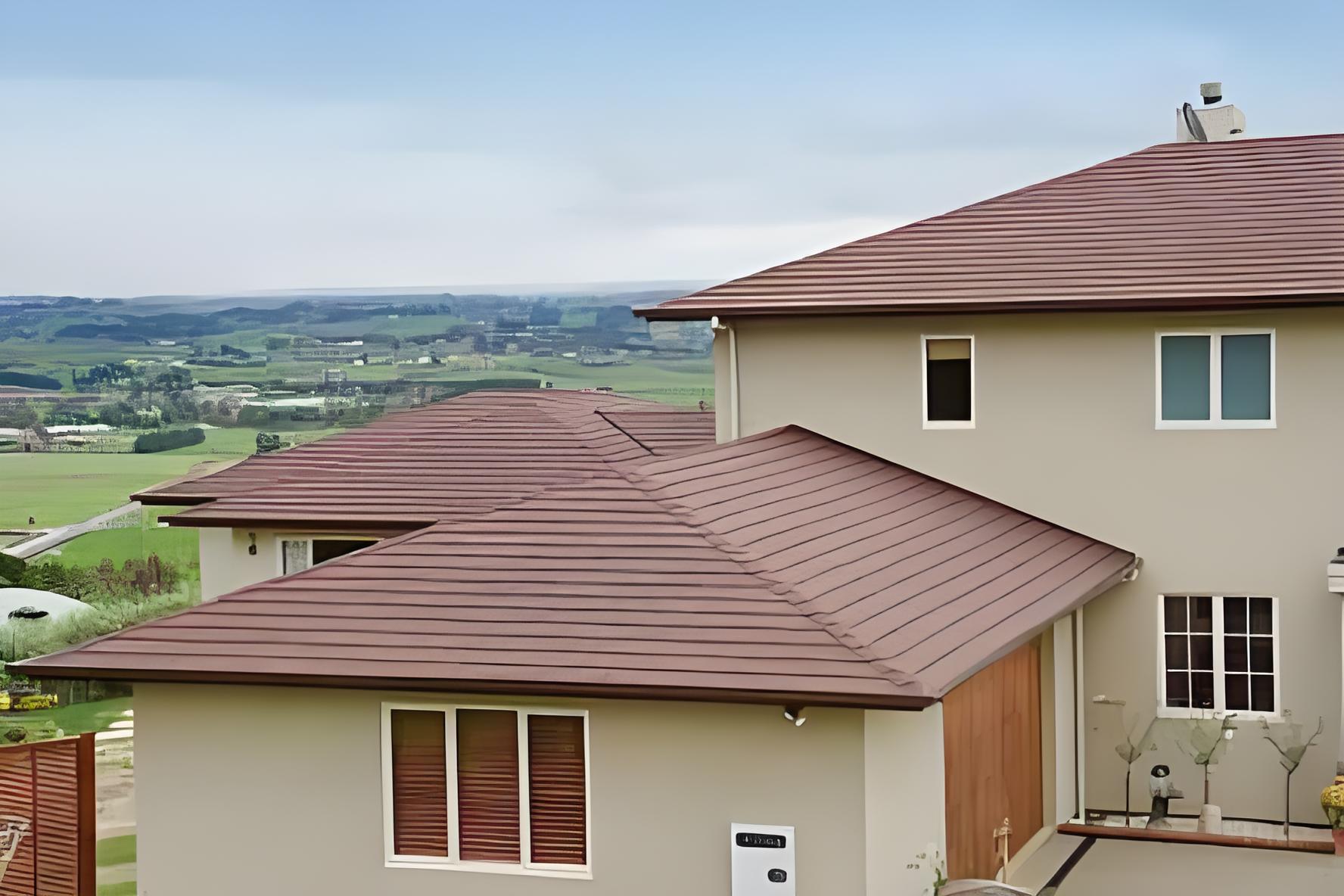
Technical acceptance must continue into procurement and installation. Translate the accepted system into identifiable components and drawings. Otherwise, a valid evidence package can become disconnected from the materials delivered to site.
Review fixings, supports, and roof zones
Confirm the specified fastener type, dimensions, material, and application reference. Check that the purchasing schedule preserves those identifiers. Do not replace them with a general description such as roofing screws.
Ask the designer to identify the roof zones and applicable attachment details. Keep the approved zone drawing available to the installation team. Avoid applying a convenient field-roof detail to every perimeter and corner without review.
Review the supporting deck, battens, or other secondary structure against the accepted assembly. Confirm who checks their condition and attachment before concealment. Strong field tiles cannot compensate for an unreviewed connection elsewhere in the system.
For a Shingle Tile option, obtain the matching system documentation. Do not copy another profile’s fixing method because the visible finish looks similar. Installation details need an explicit connection to the supplied product.
Keep any existing-roof assumptions visible during refurbishment. Ask the responsible team to inspect and approve the underlying construction. A previous roof’s survival does not establish capacity for a revised assembly.
Control edges, openings, and substitutions
Review ridges, hips, eaves, valleys, and penetrations with the appropriate project professionals. Identify which details require supplementary evidence or project-specific design. These interfaces should not be left as undocumented site improvisations.
Coordinate roof-mounted equipment and later access requirements before the roof is completed. New penetrations or attachments can alter the accepted details. Make the responsible approval process clear to other trades.
Require technical review before changing fasteners, supports, or component materials. Record the proposed alternative and its effect on the accepted construction. A supply shortage does not establish equivalence between two parts.
Keep approvals traceable to the relevant drawing and order revision. Tell purchasing, the supplier, and the installation supervisor when the accepted details change. This prevents different teams from building different versions of the same roof.
Carry wind requirements through purchasing and installation
Use a review matrix that connects project requirements to submitted evidence and actual products. Assign an owner for unresolved items. The matrix should show whether acceptance is complete, conditional, or still pending.
Use an evidence review matrix
Record document identifiers rather than merely writing certificate received. Include the relevant product and construction references. That gives the reviewer a useful starting point when checking whether the shipment matches the accepted submission.
| Review area | Evidence or input | Decision needed |
|---|---|---|
| Project demand | Qualified design basis and roof-zone details | What must the assembly resist? |
| Product identity | Exact profile and version | Does the evidence cover this product? |
| Test construction | Complete report or listing | What arrangement was evaluated? |
| Fixings and substrate | Defined components and attachment references | Does the proposal match? |
| Local details | Edge, opening, and interface drawings | Is additional review required? |
| Jurisdiction | Applicable approval requirements | Is the submission acceptable locally? |
| Substitutions | Documented comparison and approval | Is the change authorized? |
| Site verification | Delivery and installation records | Was the accepted system installed? |
Send focused questions when information is missing. Ask for the exact construction reference or component identifier needed to resolve the issue. A broad request for more certificates often produces paperwork without closing the technical gap.
Keep commercial approval separate from technical acceptance. Purchasing can negotiate price while the technical team reviews suitability. Identify any conditions that must close before production or installation is released.
Verify delivery and record installation changes
At delivery, compare product and component identifiers with the approved schedule. Separate unexplained substitutions for review before they enter the work. Record the affected quantities and package references.
Agree inspection stages before important connections become concealed. Keep records of the approved attachment details and any accepted changes. Photographs can support identification, but they do not independently establish design adequacy.
At handover, provide the accepted product records and current construction details to the owner. Explain the process for reviewing future penetrations or replacement components. Later work should preserve the basis on which the roof was accepted.
For a high-wind roofing inquiry, send the project’s requirements and request evidence for a defined assembly. Compare the actual product, support, fixings, and details. Approve the roof through qualified review, then verify that the delivered and installed construction follows that approval.