

In high-wind coastal regions, especially in hurricane-prone zones, roofing performance is not evaluated by appearance or cost alone but by verified resistance under extreme uplift pressure. For procurement teams and engineering contractors working with stone coated metal roofing tile, the critical question is whether the system can maintain structural integrity when wind speeds reach 150mph or higher. This is not a theoretical benchmark—it is a real design threshold used in many coastal building codes.
Unlike conventional roofing systems that fail through edge lift or fastener pull-out, stone coated steel systems rely on a combination of interlocking design, mechanical fastening, and substrate rigidity. However, performance varies significantly depending on installation quality, steel gauge, and profile geometry. This is why hurricane resistance should always be evaluated as a system behavior rather than a material claim.
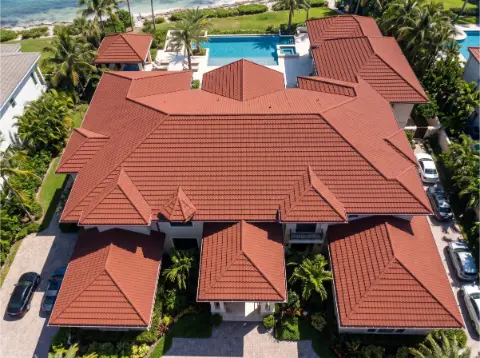
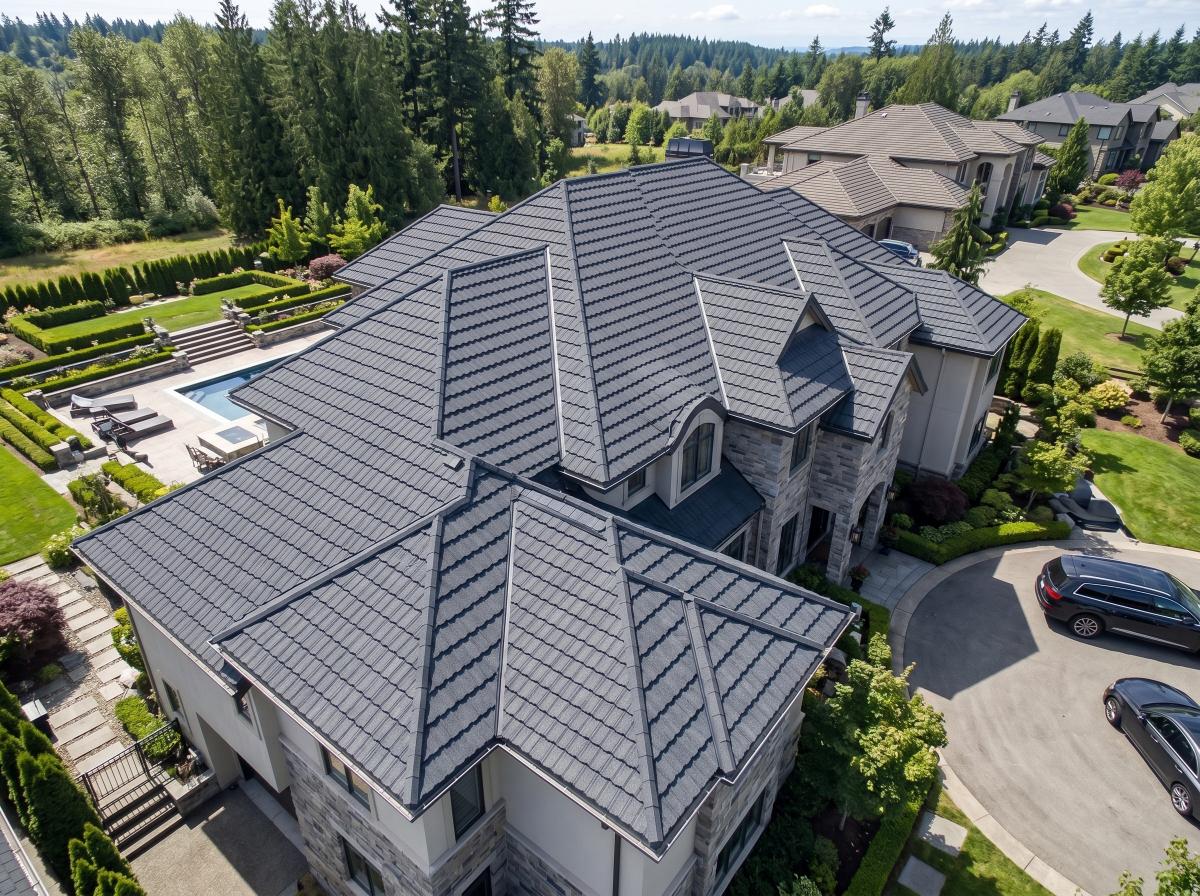
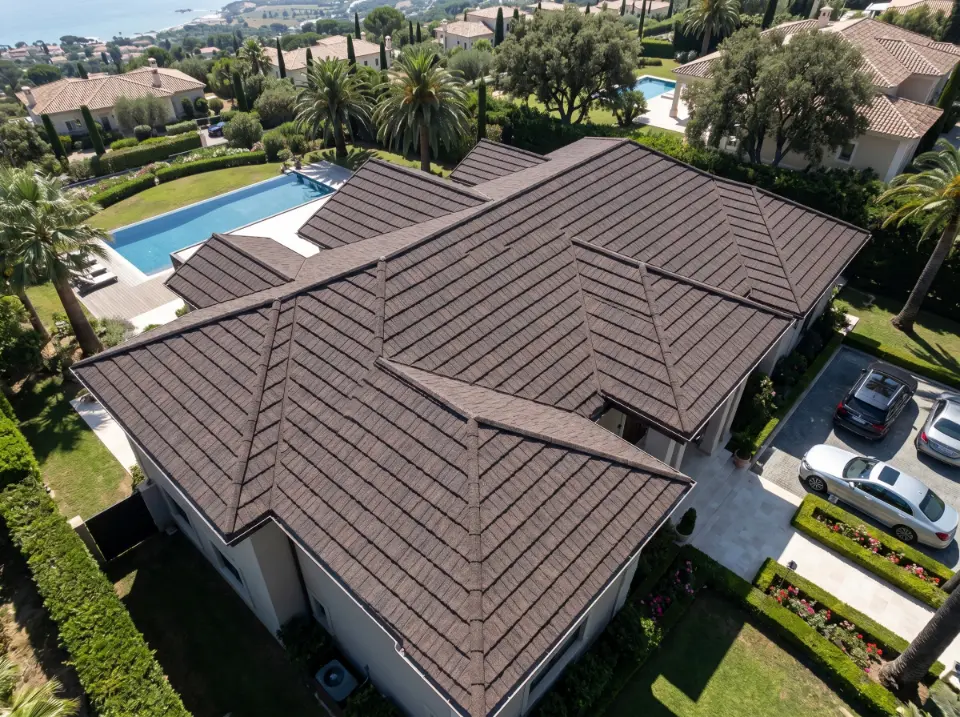
In real engineering applications, stone coated metal roofing tile systems are increasingly specified for coastal housing, resort developments, and industrial facilities because they offer a balance between aesthetic flexibility and high wind uplift resistance—when properly installed.
Why 150mph Wind Resistance Is a Structural System Problem, Not a Material Feature
A common misunderstanding in roofing procurement is assuming that wind resistance is a property of the roofing sheet itself. In reality, resistance to hurricane-level wind loads is determined by the entire roof assembly, including fastening method, substrate thickness, deck structure, and edge detailing.
In extreme wind events, failure does not begin in the center of the roof. It typically starts at the edges, ridges, or weak fastening points where uplift forces concentrate. This is where system design becomes critical for stone coated metal roofing tile installations.
Properly engineered systems distribute wind pressure across multiple locking points, preventing localized failure even under sustained hurricane conditions.
Primary Failure Mechanisms in High-Wind Events
- Edge lift due to insufficient fastening density
- Ridge cap detachment under uplift suction
- Fastener pull-out from weak decking
- Panel flutter caused by improper overlap design
Why System Integration Matters More Than Material Type
Even high-quality steel panels can fail if the fastening system is not designed for uplift resistance. Conversely, properly installed systems can outperform expectations even under extreme wind loads.
How Stone Coated Roofing Systems Resist Hurricane-Level Wind Pressure
The wind resistance of a stone coated metal roofing tile system comes from three engineering mechanisms working together: mechanical anchoring, aerodynamic profile design, and distributed load transfer. Each layer of the system plays a role in preventing progressive failure.
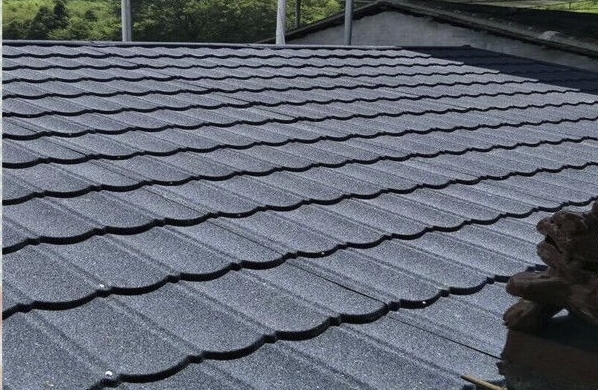
Unlike flat metal sheets, stone coated systems use interlocking profiles that reduce direct wind exposure at panel edges. The stone granule surface also helps disrupt airflow, reducing suction forces that typically cause uplift in smooth metal surfaces.
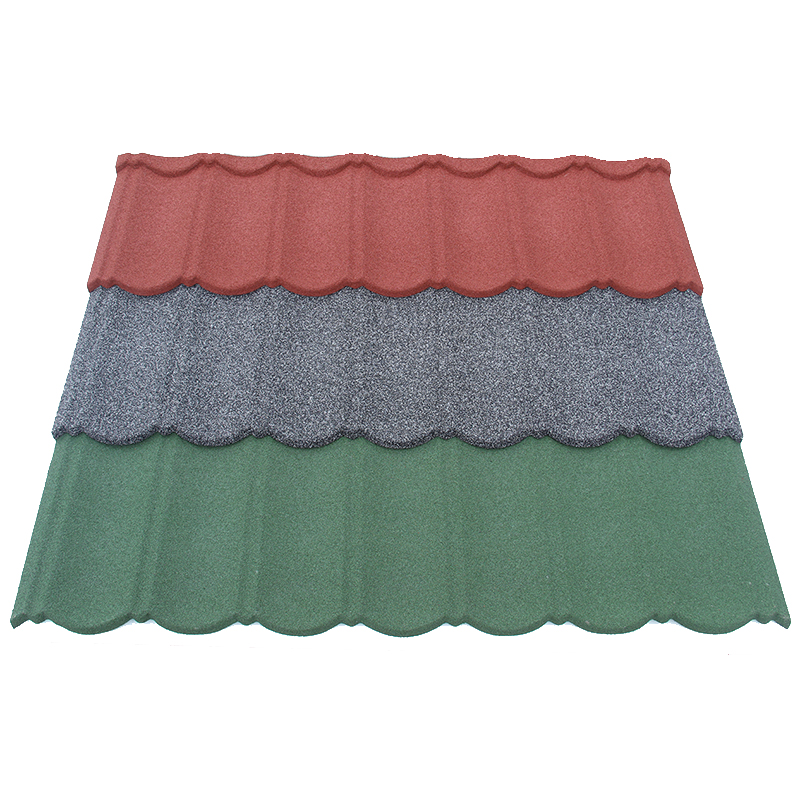
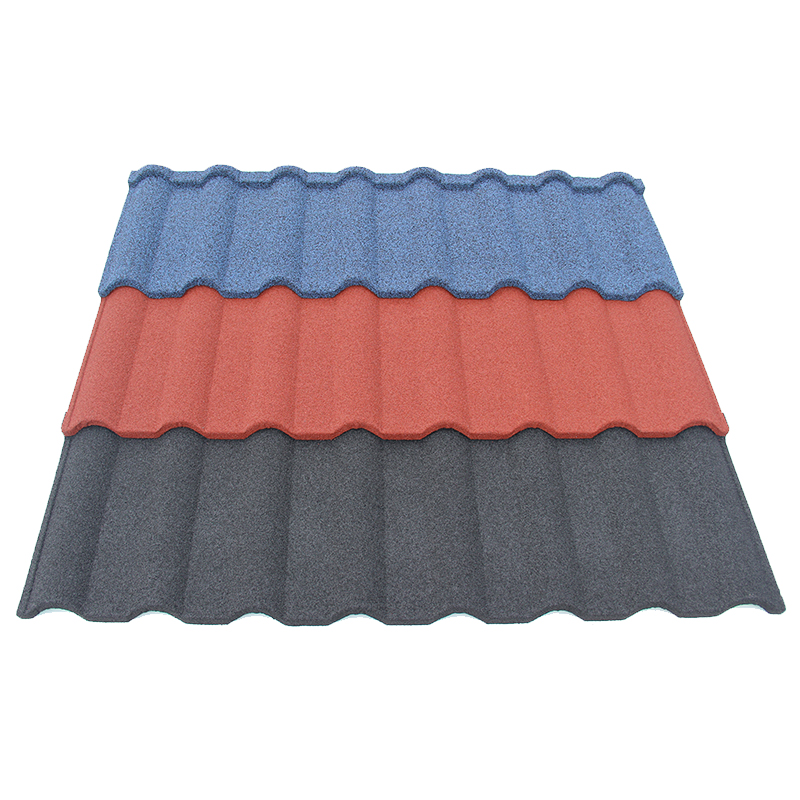
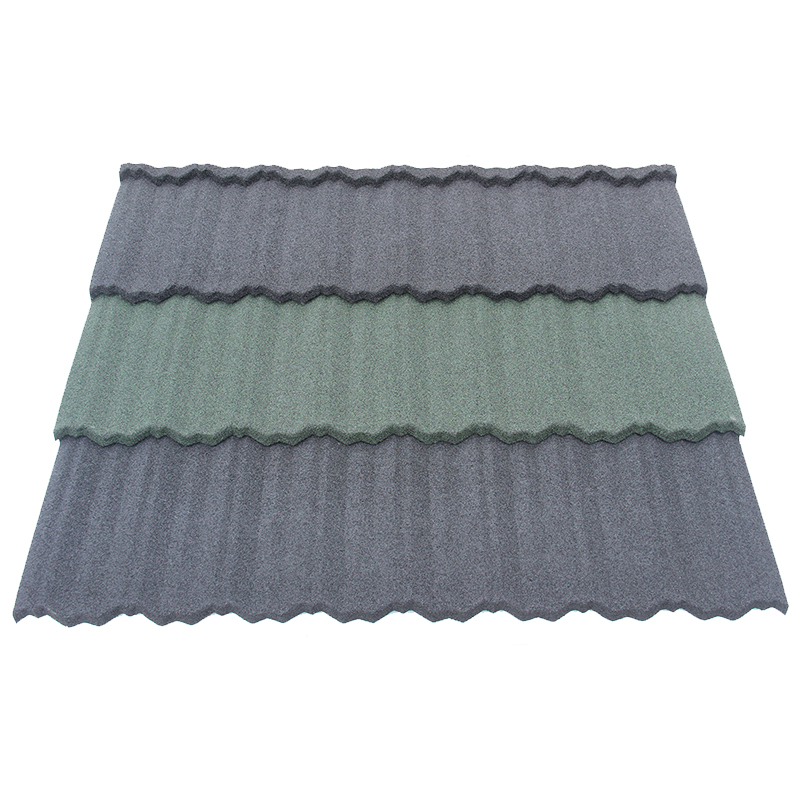
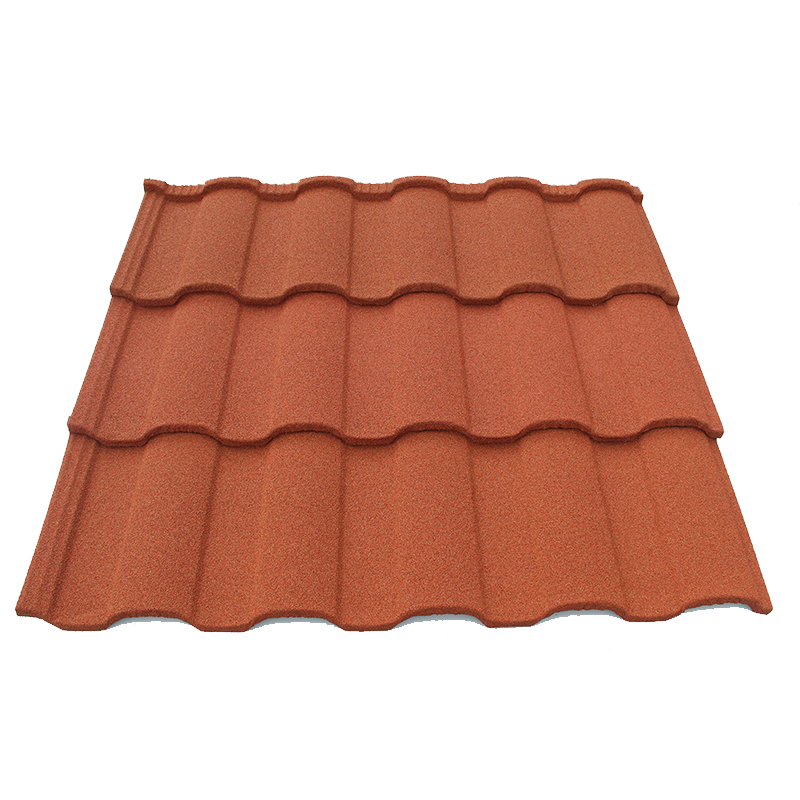
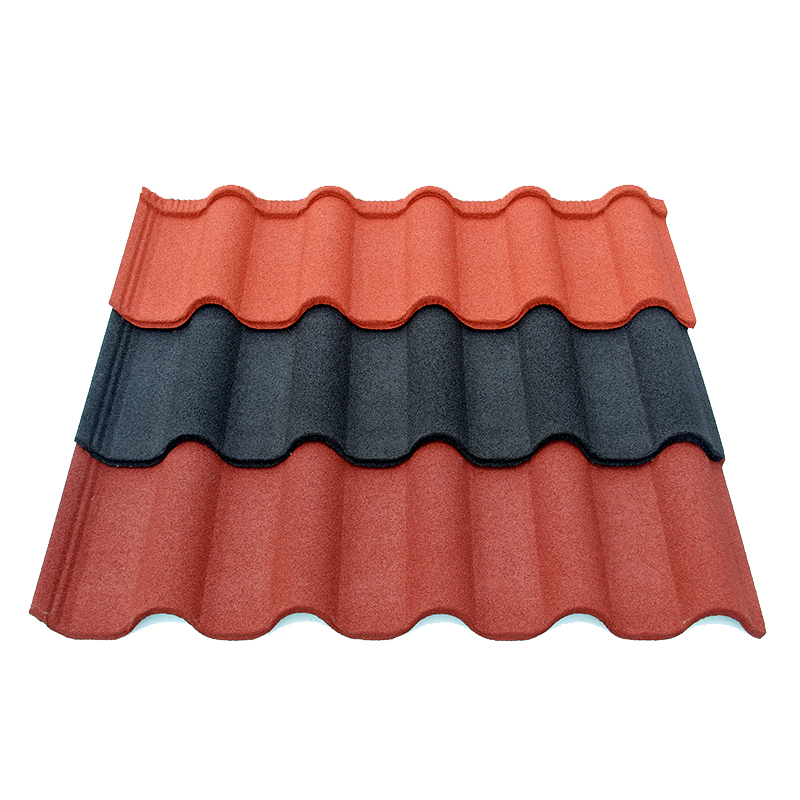
In engineered applications, profiles such as Roman Tile and Milano Tile are often selected for large residential developments due to their balance between aesthetics and improved wind dispersion geometry.
Wind Resistance Mechanism Breakdown
- Mechanical fastening anchors panels to structural deck
- Interlocking edges prevent progressive peeling
- Surface texture disrupts wind flow patterns
Role of Roofing Profile Geometry
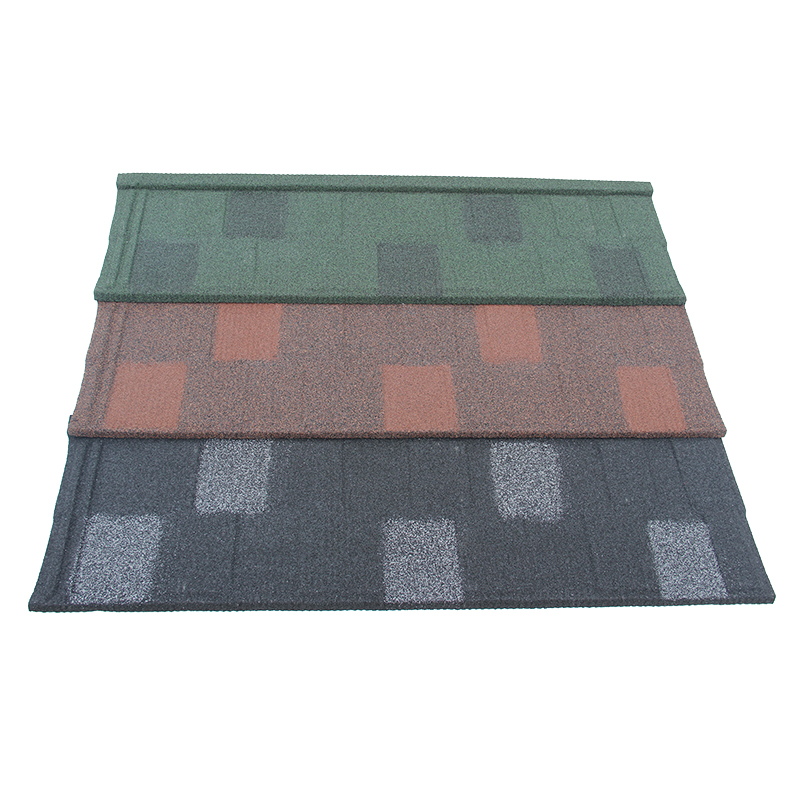
Different tile profiles influence airflow behavior. For example, Shingle Tile systems tend to perform well in layered overlap conditions, while Bond Tile is often selected for cost-sensitive projects requiring standardized installation with predictable wind performance.
Real-World Performance in Coastal and Hurricane-Prone Regions
In real project environments, the difference between failure and survival under hurricane conditions is rarely the roofing material alone—it is installation discipline and system specification. Poor fastening patterns or reduced clip density can significantly reduce wind resistance even in high-quality systems.
Field experience shows that properly installed stone coated metal roofing tile systems can withstand severe storm conditions when design standards are followed. However, deviations in installation practices often lead to localized failures that propagate across roof sections.
Manufacturers with controlled production standards, such as JCROOF, typically integrate wind load testing and fastening guidelines to ensure system consistency across export markets.
Common Real-World Failure Triggers
- Reduced fastener spacing to cut installation cost
- Incorrect ridge and edge detailing
- Use of non-compatible underlayment systems
- Improper overlap alignment during installation
Profile Performance in Field Conditions
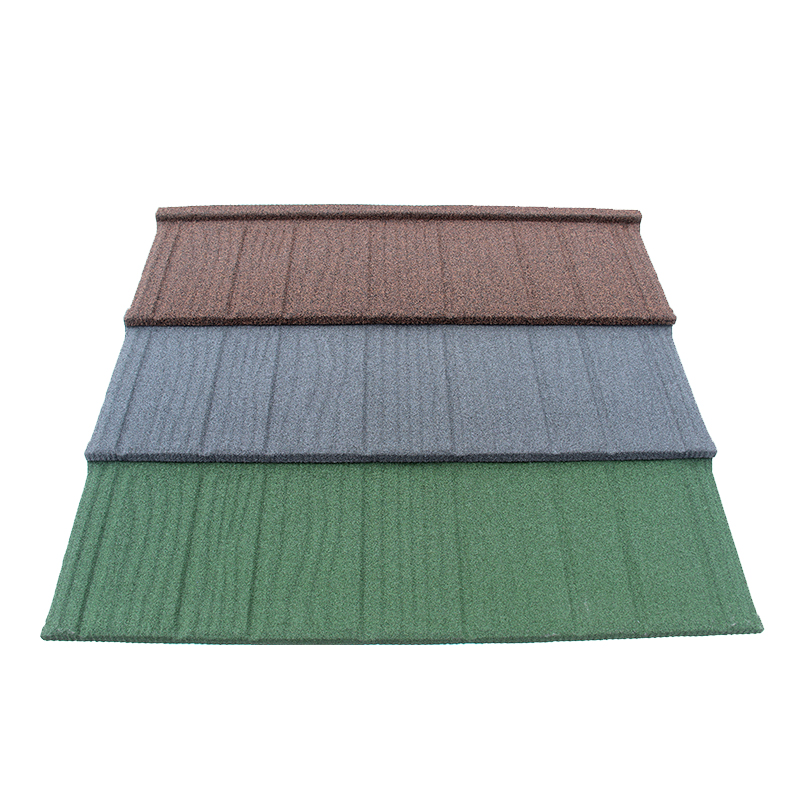
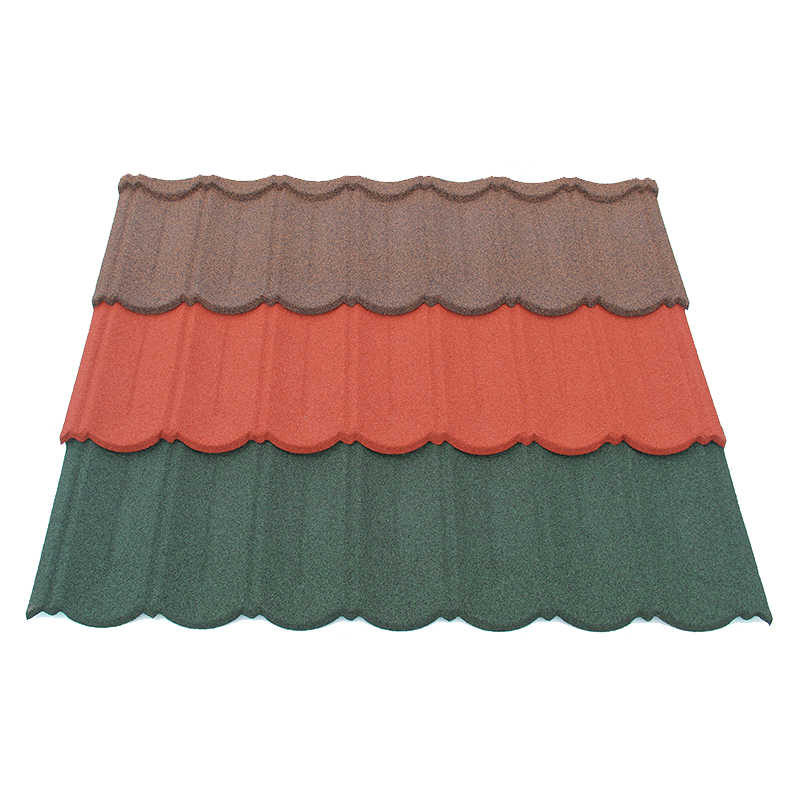
In coastal projects, Shake Tile is often used in villa and resort developments due to its deeper profile engagement, which improves resistance to uplift separation when properly installed.
Engineering Requirements for 150mph Wind Design Compliance
To achieve reliable performance under hurricane-level wind speeds, roofing systems must meet specific engineering criteria beyond standard building requirements. For stone coated metal roofing tile systems, this includes substrate strength, fastening density, and verified installation methods.
Wind-rated systems are not defined by appearance but by tested uplift resistance values measured under controlled laboratory conditions. These values must be translated into real installation specifications to ensure field performance matches design intent.
This is especially important in export markets where the same product may be installed under different structural standards.
Key Engineering Requirements
- High tensile strength steel substrate
- Certified fastening system with uplift rating
- Edge reinforcement and ridge locking design
- Controlled batten or deck spacing
Installation Discipline vs Product Specification
Even the best-designed roofing system will underperform if installation practices are inconsistent. Wind resistance is ultimately validated at the system level, not the product level.
Conclusion: Can Stone Coated Roofing Survive 150mph Winds?
A properly engineered stone coated metal roofing tile system can perform reliably under hurricane-level wind conditions when designed and installed according to structural requirements. The key factor is not whether the material is “strong enough,” but whether the system is fully integrated to resist uplift forces as a unified structure.
In real-world applications, failures are almost always linked to installation shortcuts rather than material limitations. When engineering standards are followed, these systems provide stable performance in high-risk coastal environments, including residential, commercial, and industrial developments.
Manufacturing consistency, fastening design, and installation control—when aligned under suppliers like JCROOF—are what ultimately determine performance reliability under extreme wind conditions.