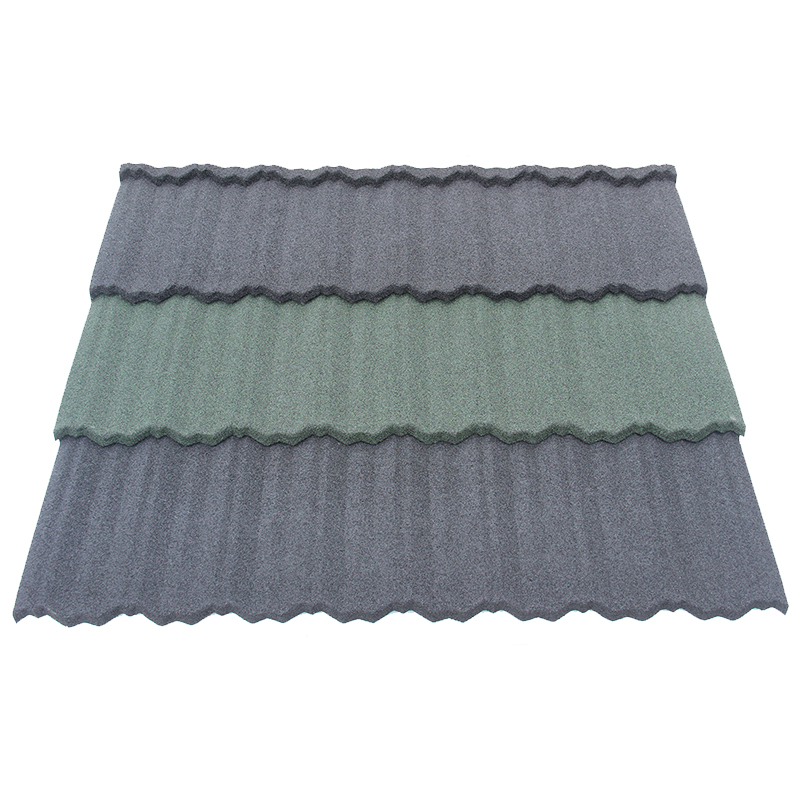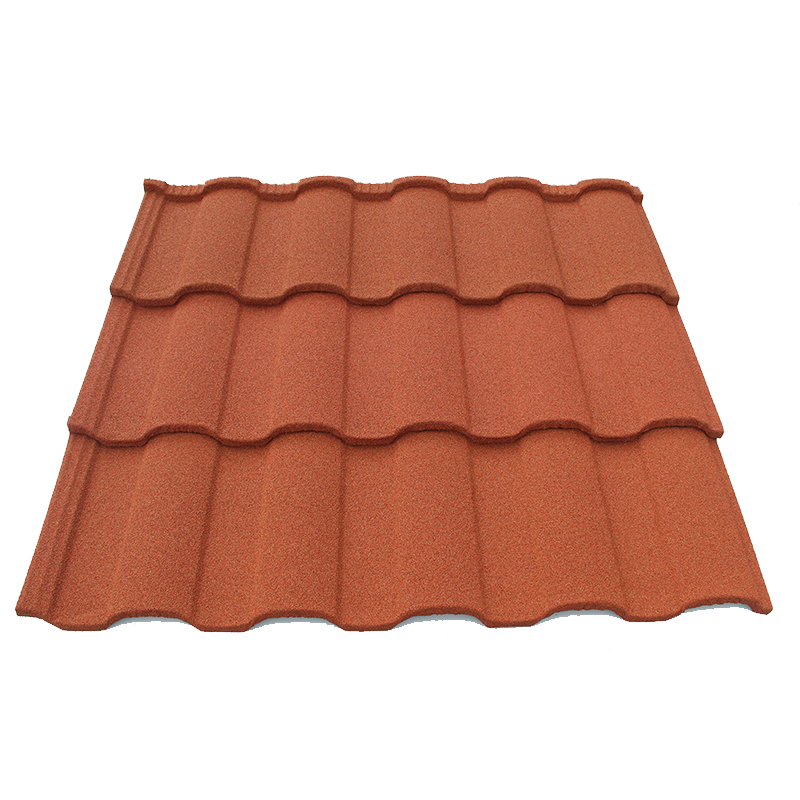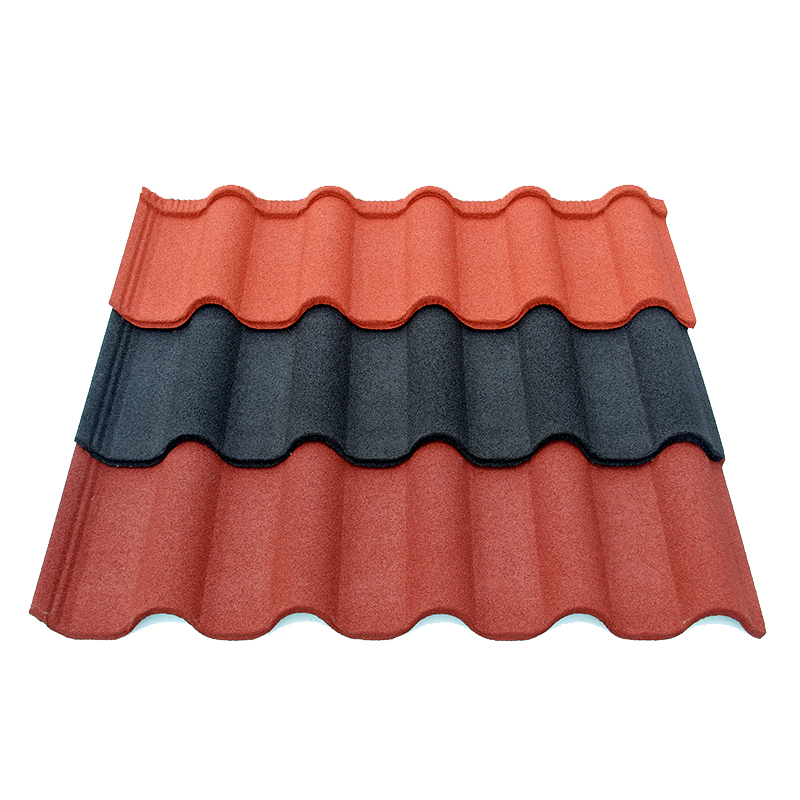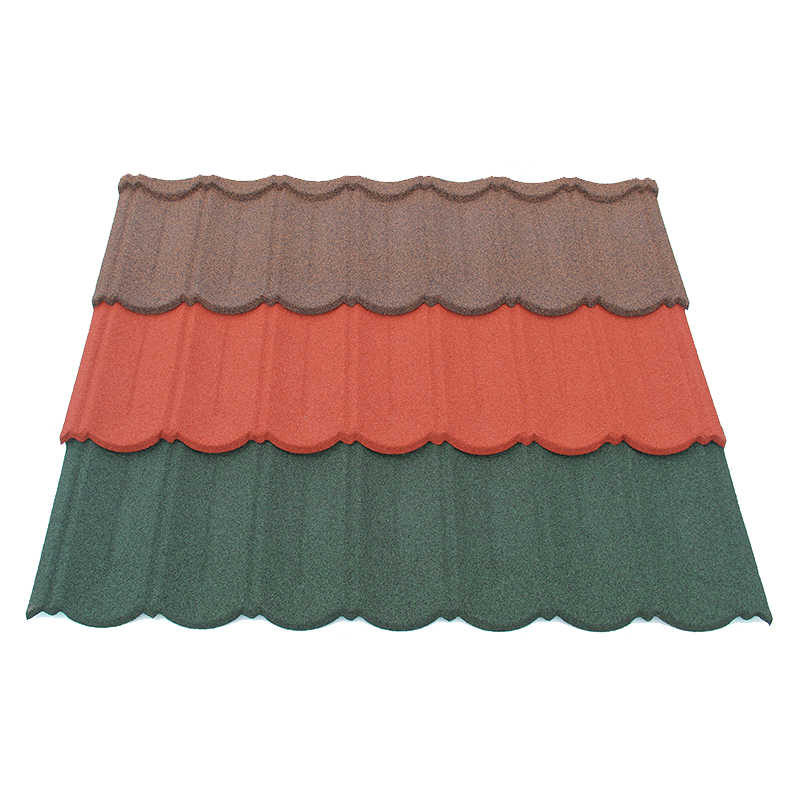


For large-scale residential and commercial developments, evaluating the stone coated metal roofing installation cost requires a shift from simple labor estimates to a comprehensive lifecycle analysis. While the initial setup of a batten-mounted system involves higher precision than direct-to-deck asphalt, the elimination of “tear-off” expenses and future roof replacements provides a superior return on investment. This guide breaks down the technical variables—including batten grid geometry and shear fastening protocols—that dictate the total project expenditure for high-performance steel building envelopes.
Labor Efficiency: The Batten Grid and Sub-structure Precision
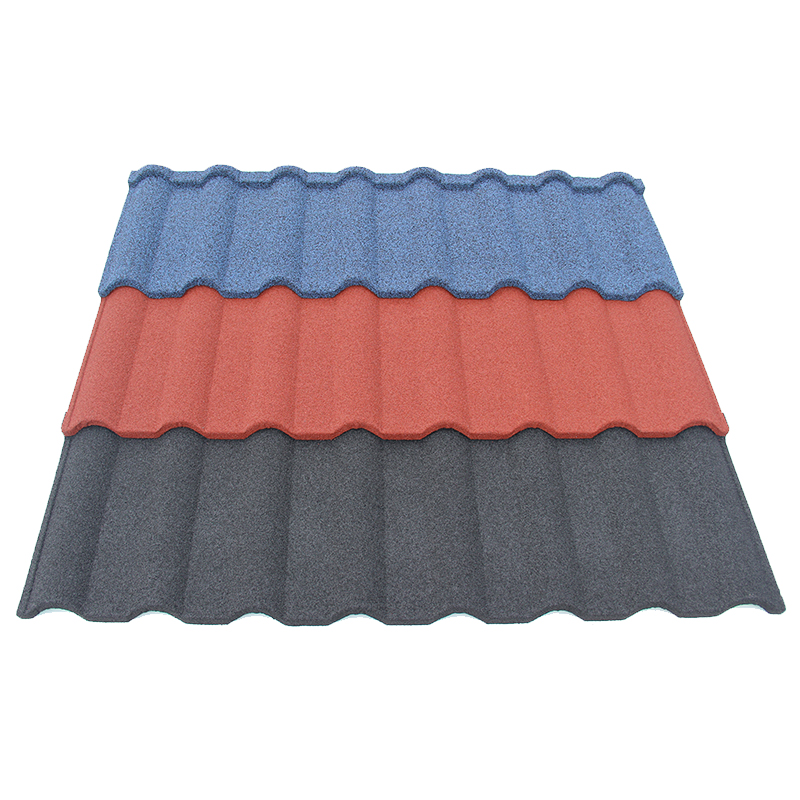
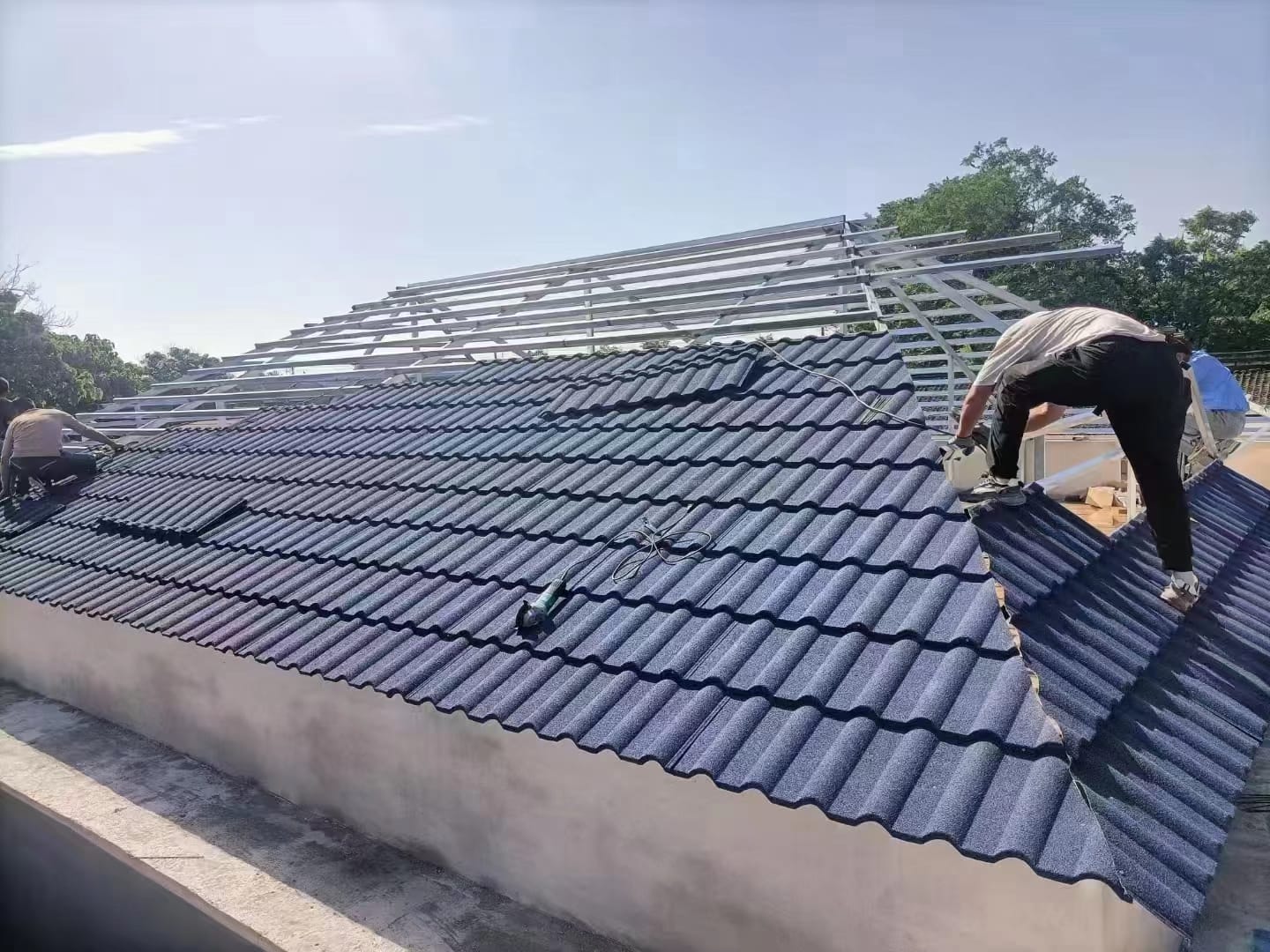
A significant portion of the stone coated metal roofing installation cost is dedicated to the preparation of the structural batten grid. Unlike bitumen-based products, these modular steel tiles require a precision-verified 370mm center-to-center alignment to ensure a watertight interlocking seal. JCROOF engineering standards emphasize that a correctly aligned grid allows for rapid panel coverage, reducing the total man-hours on-site. For a standard classic tile profile, this systematic approach ensures that the installation remains a “one-time” event, protecting the developer from the recurring labor costs associated with traditional material failure.
Complexity and the milano tile Eave Detail
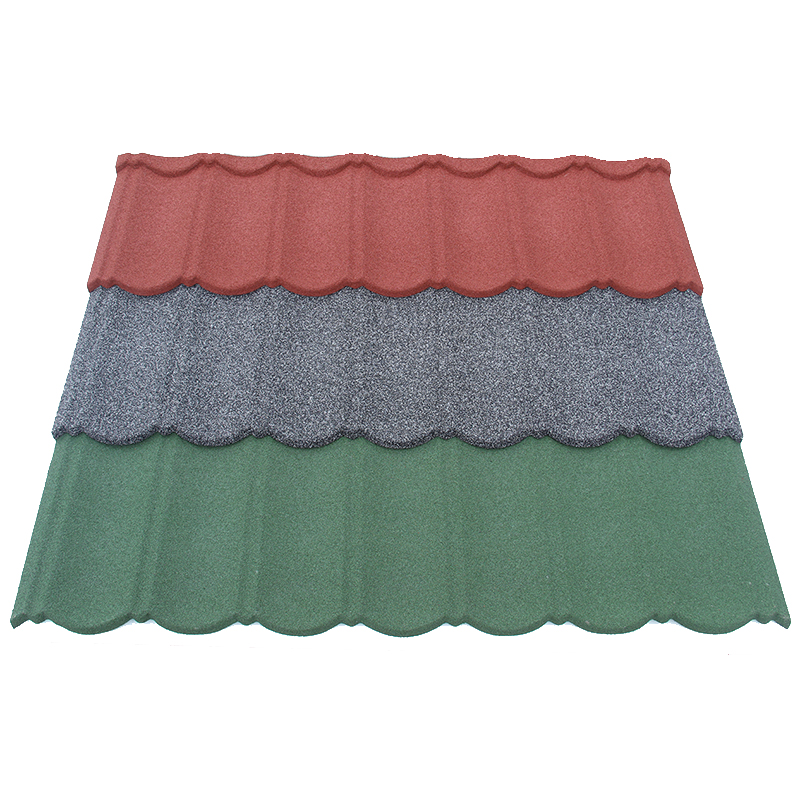
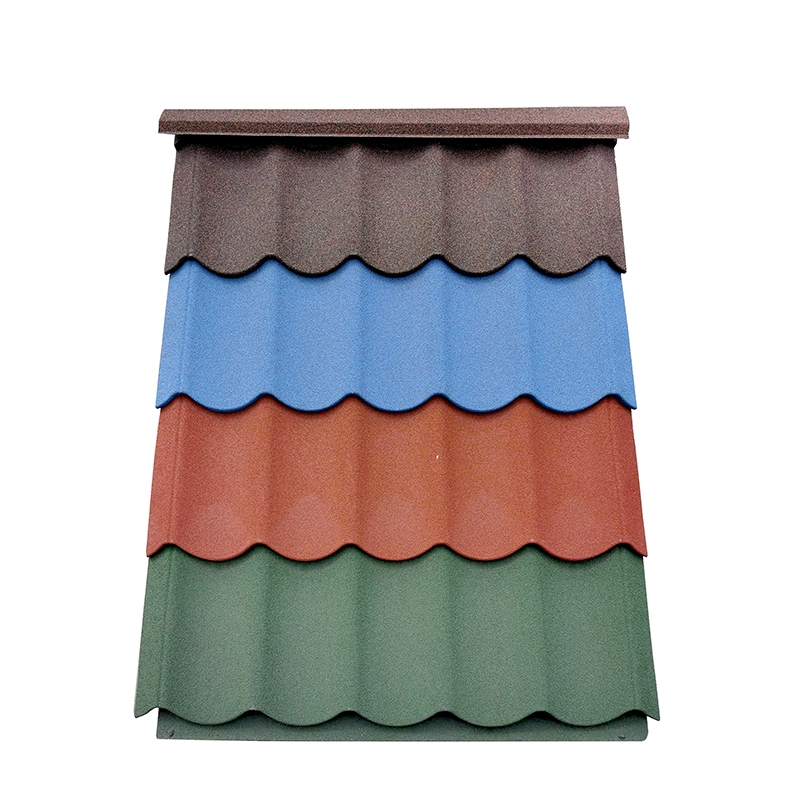
Roof geometry, such as steep pitches, valleys, and intricate eaves, can influence the stone coated metal roofing installation cost. High-profile designs like the milano tile require specialized starter battens and precision flashing to maintain the architectural curve and ensure proper drainage. While these technical details may slightly increase the initial labor bid, they prevent the water backflow and wind-driven rain penetration that typically trigger expensive post-installation remediations. Professional crews trained in these specific profile requirements can minimize material waste and optimize the project’s bottom line.
The ROI of Shear Fastening: Reducing Storm Damage Liabilities
The mechanical logic of the fastening protocol is a hidden factor in the stone coated metal roofing installation cost. Traditional roofing often fails during storm events because vertical fasteners rely on simple tension. Modular metal tiles utilize a horizontal “nose-fixing” technique that places the nails in shear strength. This allows a unified bond tile shield to survive wind speeds exceeding 200km/h. For B2B procurement managers, this engineered security translates into lower insurance premiums and a dramatic reduction in localized storm-damage repair costs over the building’s fifty-year service life.
Thermal Management and the shingle tile Air Gap
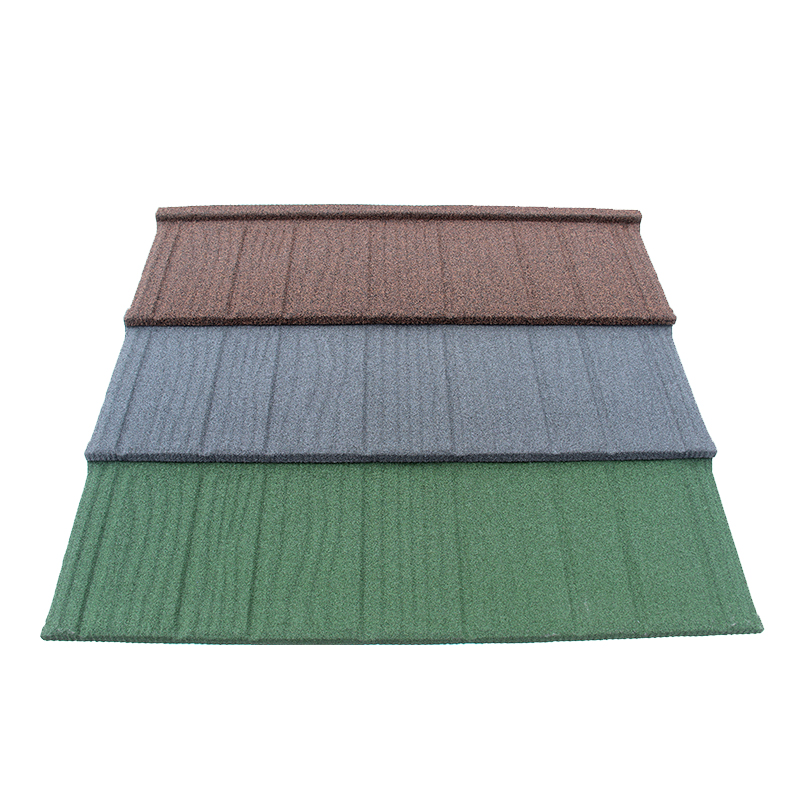
Modern building codes increasingly prioritize energy efficiency as a component of the stone coated metal roofing installation cost. The air gap created by the batten system functions as a passive thermal barrier, allowing solar heat to dissipate through convection. For a sleek shingle tile, this “vented cold roof” design can lower HVAC operational costs by up to 20%. JCROOF laboratory data confirms that this passive cooling effect provides a monthly energy dividend that eventually pays back the initial material and labor premium, making the system a favorite for sustainable government infrastructure projects.
Comparative Installation Matrix: Steel vs. Traditional Materials
Strategic buyers must understand the “cost of durability” when budgeting for the stone coated metal roofing installation cost. Use the following data to benchmark the long-term operational savings of modular steel systems compared to traditional bitumen or clay alternatives.
| Installation Factor | Standard Asphalt Shingles | Stone-Coated Metal (AZ150 Grade) |
|---|---|---|
| Tear-off & Disposal | Mandatory ($$$). | Optional (Roof-over possible). |
| Fastening Logic | Vertical Tension (Weak). | Horizontal Shear (Strong). |
| Thermal Barrier | Direct heat transfer. | Batten-vented air gap. |
| Service Life | 12 – 18 Years. | 50+ Years. |
Professional FAQ: Solving Site-Level Cost Challenges
Successful project delivery involves managing the technical expectations of the developer and the installation crew. Many “cost overruns” during the stone coated metal roofing installation cost phase are actually symptoms of sub-structure misalignment or incorrect fastener selection. By providing on-site training and adhering to the “shear fastening” protocol, you establish your firm as a technical authority. These insights help procurement managers defend high-quality building material choices and ensure a profitable, durable outcome for the property owner.
Can a shake tile installation reduce total building weight?
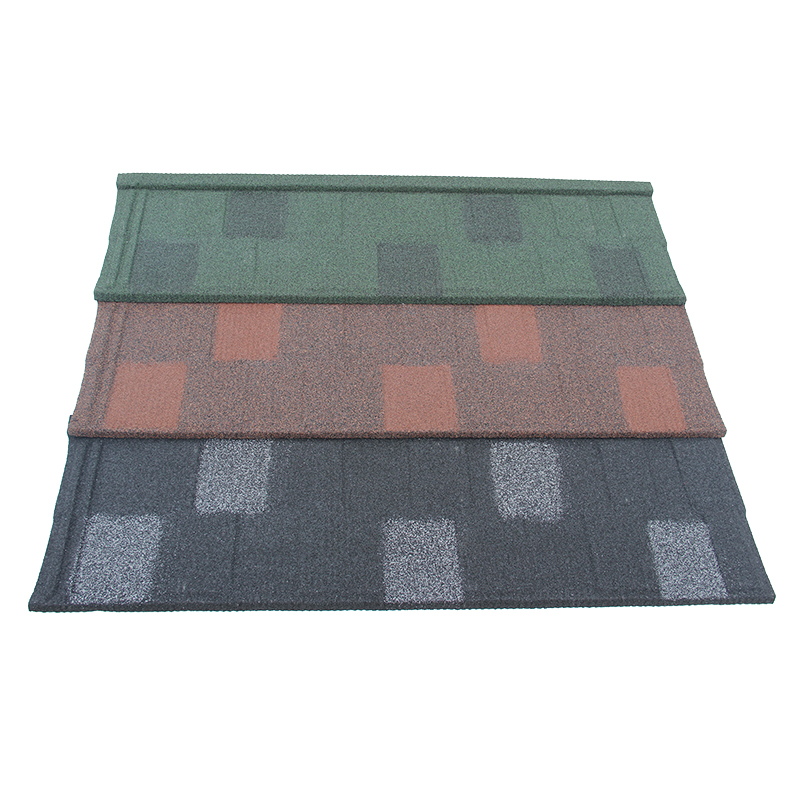
Yes. Because modular metal systems like the shake tile weigh only 1.5 lbs per square foot—nearly 85% lighter than clay or concrete—they allow for significant savings in the building’s structural skeleton. This weight reduction can lower the stone coated metal roofing installation cost indirectly by reducing the volume of timber or steel needed for the rafters. For renovation projects, this “lightweight” advantage often eliminates the need for expensive structural reinforcement, making the stone-coated system the most cost-effective choice for modern building envelopes.
Final Procurement Action Plan
Maximizing your ROI on the stone coated metal roofing installation cost requires a shift to “spec-buying.” Focus your technical audit on Aluzinc GSM (AZ150), G300 structural ductility, and the 800°C sintering benchmarks of the volcanic stone granules. These three engineering pillars support a roofing system that will outlast any bitumen-based alternative. Partnering with professional manufacturers provides the laboratory data and technical manuals needed to win large-scale government and commercial tenders. Contact our technical team today for a project-specific structural audit and material submittal guide.