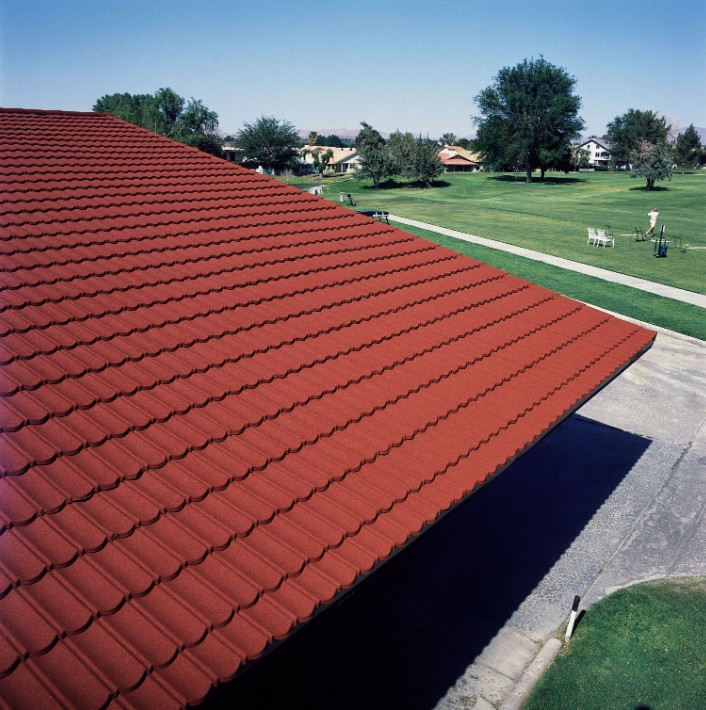
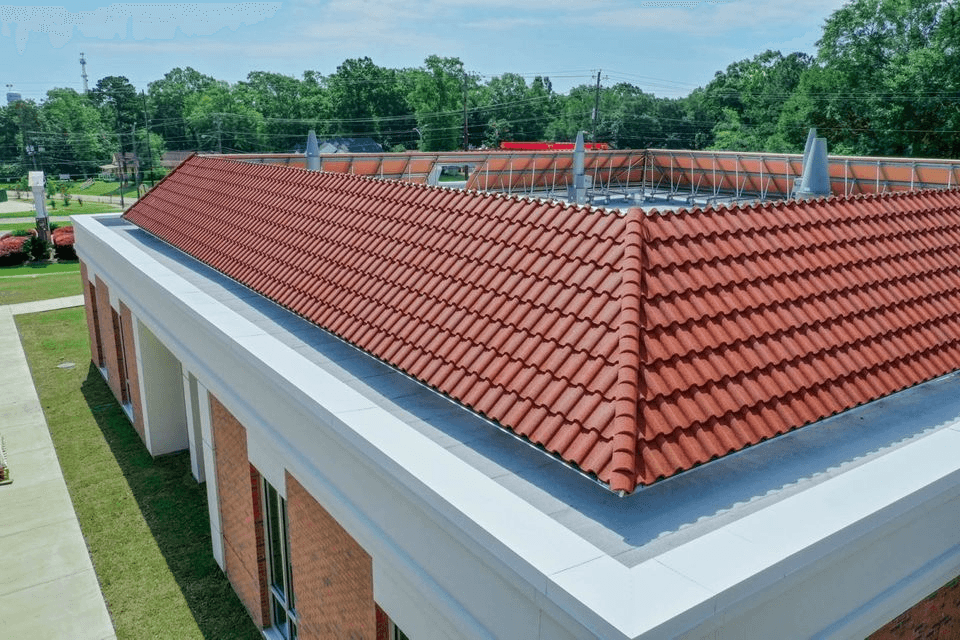
Stone coated metal shingle color approval needs a reference that shows the actual finish on the chosen product. A small chip can narrow the choice. Before final approval, review the finished panel, its visible blend, and the agreed comparison conditions.
A shingle panel contains shapes and surface details that a flat chip may not show. These features create shadows that interact with the finish. Therefore, separate the color decision from the effect of the panel form.
For importers and distributors, a useful approval also needs a clear record. Identify the sample, finish code, profile, and decision owner. Then give the supplier and receiving team the same basis for later checks.
Define the stone coated metal shingle color approval target
Start with the customer’s actual need. They may want a darker roof, a softer blend, or a tone that suits existing walls. Those requests describe different goals and need different review comments.
Ask which feature matters most. A main brown tone may matter more than the amount of dark flecking. Alternatively, the buyer may want a fairly quiet surface without strong contrast.
Translate the preference into a clear sample request. Include the chosen profile and any existing color reference. Also explain whether the buyer wants a current offered finish or a new proposal.
Keep the shade and contrast distinct
The overall shade is the broad color impression of the panel. Contrast concerns the difference between its lighter and darker areas. A sample can have the right broad shade yet show more contrast than the buyer expects.
For a blended finish, review the main tone and the visible accent tones. Then assess whether the mix reads as intended across the panel. Avoid reducing the decision to a familiar color name alone.
The solid and blended color guide explains why those categories describe appearance rather than technical quality. Use that distinction when building the shortlist. A blend is not automatically a better or more durable finish.
Use the actual product identity
For Shingle Tile, connect the color request to its offered profile and finish code. A loose granule sample may support an early discussion. It should not silently approve a finish on every other panel form.
Record the buyer’s code and supplier reference together. If the supplier uses several similar names, ask which one controls the order. This prevents the sales name from becoming the only matching instruction.
When approaching JCROOF, send the target shade, profile, and intended use together. Ask the supplier which proposed finish it can assess for that request. Retain its response, including any stated limits.
Move from a chip to a finished panel review
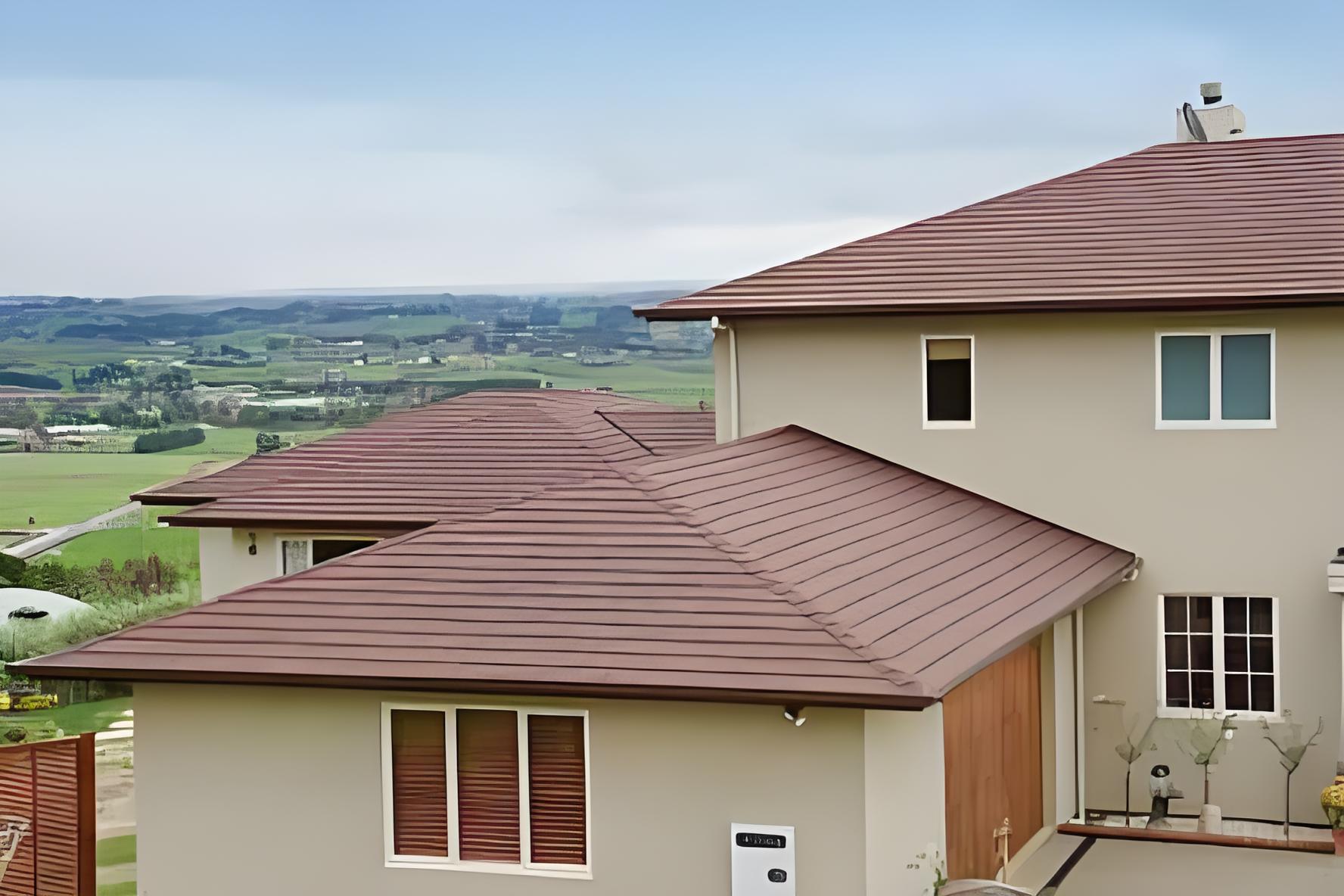
A chip helps remove clearly unsuitable choices. It may show a general tone or a small area of granules. However, it cannot always communicate the appearance of a whole shingle panel.
As the choice narrows, ask what physical sample the supplier can provide for review. Confirm its purpose, identity, and relationship to the proposed order. Also ask whether it represents an existing finish or a development sample.
The DECRA metal shingle page warns that lighting and digital displays can change the apparent roof color. That warning concerns its displayed products. It supports using actual product references when a screen image cannot settle the decision.
Choose evidence for the decision stage
| Reference | Suitable early use | Question still open |
|---|---|---|
| Digital swatch | Build a first shortlist. | How does the physical surface look? |
| Printed color card | Compare broad shade families. | Does the finished panel show the same effect? |
| Small coated chip | Discuss a limited surface area. | How does contrast read across the product? |
| Full panel | Review shade on the chosen form. | How does the finish read across several panels? |
| Several identified panels | Review the broader color field. | What acceptance method will govern later checks? |
Choose the next sample based on the unanswered question. Do not request a larger sample merely as a routine step. Explain which feature the buyer still needs to assess.
Understand the sample’s origin
Ask whether the sample came from current production, retained stock, or a proposed trial. Record the supplier’s explanation. The answer helps show what the buyer can reasonably compare with the future order.
If a sample predates a product revision, ask whether it still represents the current offer. A familiar label does not resolve that point. Also check that its surface remains suitable for review.
The manufacturer sample evaluation guide explains how a sample’s purpose and identity shape its value. Use it to avoid confusing an attractive presentation piece with evidence for every production claim. Keep material and performance checks separate from color review.
Compare color under consistent viewing conditions
First, place the reference and proposed sample side by side. Give them the same light and orientation. Otherwise, a shadow difference may look like a color difference.
Keep the surface condition comparable as well. Remove packaging that blocks the view and note any visible dirt or damage. Do not alter the finish with an unapproved cleaning method before review.
Agree the main viewing conditions with the supplier and customer. Also record any additional views needed for the project. The aim is a comparison that another reviewer can understand and repeat.
Look close and then step back
At close range, assess the visible granules and accent tones. Then step back to judge the broad shade. Both views matter when the roof should suit a whole building.
For a blend, review several panels if the question concerns the broader field. Keep each panel identifiable during the review. Also record the arrangement rather than relying on memory after the samples move.
Look for features the buyer can describe clearly. These may include an overly dark field or a strong contrasting accent. Specific comments help the supplier prepare a useful response.
Separate color from shadows and shape
An apparent dark band may come from the panel form, color placement, or both. Compare the same area under consistent conditions before deciding which feature caused it. Ask the supplier to explain the proposed panel and finish together.
Do not change the intended panel arrangement simply to create a preferred color photograph. The layout should follow the relevant product guidance. Otherwise, the review may promise an appearance that the actual roof should not reproduce.
If the customer dislikes the form rather than the finish, reopen that decision. A different granule tone may not solve the concern. Keep profile selection and color selection connected without treating them as the same approval.
Use photographs as a supporting record
Photograph the full panel, the comparison setup, and the sample labels. Add a closer image when it helps show the comment. These images can explain the review to people who could not attend.
However, do not expect every device to display the same shade. Avoid deciding a disputed match from separately edited phone images. Return to the agreed physical reference and comparison method where those control the decision.
Record what the color decision approves

The approval should name the physical reference and the features accepted. Add the date, reviewer, and finish revision. Then connect the record to the actual purchase order.
Use clear status terms such as pending, accepted, or rejected. If a correction remains open, record it beside the relevant feature. An approval with hidden conditions gives the next team an uncertain instruction.
The custom color approval guide explains how retained references support later comparisons. For a shingle order, make sure the reference identifies the chosen panel form. Also distinguish color acceptance from approval of dimensions or other product requirements.
Define the comparison basis
Keep these details with the final color decision:
- Identify the profile, buyer code, supplier code, and finish name.
- Record the physical samples and their revisions.
- Describe the accepted broad tone and visible contrast.
- State the viewing conditions and comparison method.
- List visible accessories included in the review.
- Name the person who can approve later changes.
- Identify any remaining conditions before the next release.
If the parties use instrument readings, agree the method before setting a limit. A number needs an identified reference and measurement conditions. Ask the technical team how the reading supports the visual decision.
Avoid borrowing a numerical tolerance from an unrelated coating or product. A precise-looking figure is not useful without a suitable method. The agreed basis should reflect the actual surface and buying requirement.
Include the visible accessories
A roof may have visible ridge pieces, edge details, and other parts. Identify which items need the same finish or a compatible alternative. Then record any accepted difference before the order proceeds.
A matching color name alone does not guarantee the intended relationship. Different shapes can show different amounts of light and shadow. Review the proposed parts together where that matters to the customer.
Keep physical fit separate from the color decision. A suitable shade does not prove an accessory belongs to the panel system. The technical team should check the actual product references and relevant instructions.
Preserve the reference through delivery and repeat orders
After approval, decide where the physical reference will stay. Label it clearly and protect its surface from avoidable damage. Also make sure the supplier and buyer know which record controls the order.
If both parties retain samples, confirm their relationship before separating them. Record which pieces belong to the accepted set. Otherwise, later reviewers may compare goods against different versions.
At delivery, identify the actual shipment and its finish codes before comparing appearance. Use the agreed method and record any concern with lot details. Keep questionable goods identifiable while the responsible teams review the evidence.
Investigate differences before drawing conclusions
First, check the product identity and reference revision. Then check lighting, orientation, and surface condition. These steps help the team understand whether it faces a comparison problem or a possible finish issue.
If a concern remains, describe it using the original approval terms. Share useful photographs and preserve the relevant panels. Do not invent a new acceptance limit after the goods arrive.
Agree the next action with the supplier and customer where needed. A recorded review supports a fair decision. It also helps the team explain any correction without making unsupported promises.
Give repeat orders a complete finish reference
For a repeat purchase, include the earlier order and accepted finish identity. Ask whether any relevant product or finish detail has changed. An unchanged sales name does not establish the same physical result.
Check the retained sample before using it again. If its condition raises doubt, agree how to replace or review the reference. Record that decision rather than quietly making a new sample the standard.
When future matching matters, discuss the requirement before promising it to a customer. Ask the supplier how it will assess the next offer. Keep any specific commitment in the agreed order records.
Need help reviewing a metal shingle color? Send us an inquiry with your profile and target finish. Our team will reply and help you clarify the approval steps.