Stone coated roofing solid vs blended colors is mainly an appearance and range planning decision. A solid finish presents a more unified tone. A blended finish combines visible tones, but its look depends on the actual sample and profile.
Neither label proves better roof performance. Buyers should assess the exact product’s technical evidence separately. Meanwhile, the color decision should serve the brand, the building styles, and the stock plan.
For a private label launch, start with a focused palette and clear product codes. Then compare physical samples and customer needs. Adding every available shade can make sales, stock, and repeat orders harder to manage.
Understand stone coated roofing solid vs blended colors
Solid color describes a finish that reads mainly as one shade. It does not mean a perfectly flat surface. Stone texture and the panel shape can still create visible light and shadow.
Blended color describes a finish with more than one visible tone. The mix may look subtle or strongly varied. Therefore, the word blended needs a physical reference before it can guide a purchase.
These are useful buying descriptions, rather than universal technical grades. Ask each supplier how it uses the terms. Then connect its description to a finish code and sample.
Compare the visual effect
| Decision point | Solid finish | Blended finish |
|---|---|---|
| Overall tone | Usually reads as one main shade. | May read as several tones or one mixed field. |
| Close view | Texture can remain clear. | Accent granules may become more visible. |
| Larger arrangement | Shows the main shade across panels. | Shows how contrast repeats across panels. |
| Sales description | Needs a clear shade reference. | Needs shade and contrast references. |
| Repeat order | Needs the approved finish identity. | Needs the approved finish and blend identity. |
Use this comparison to prepare questions. It does not define the result for every finish. The finished panel remains more useful than a generic category label.
The Metal Roofing Alliance’s colors and coatings guide describes granular finishes as a distinct metal roof coating option. It also lists tile, shake, and shingle profiles. That overview does not establish one color system or performance level for all products.
Separate color from technical claims
Do not rank solid and blended finishes by strength based on appearance alone. Also avoid assuming a blend lasts longer because it hides changes. Those claims need evidence for the exact product.
Similarly, the words light, dark, and cool describe different things in product discussions. A visual shade does not establish a tested heat rating. Ask for product-specific records when a thermal claim matters to the buyer.
Keep those technical checks outside the aesthetic score. Otherwise, a sales team may turn a preferred look into an unsupported promise. A clear palette sheet should distinguish appearance from documented performance.
Build the palette around real customer choices
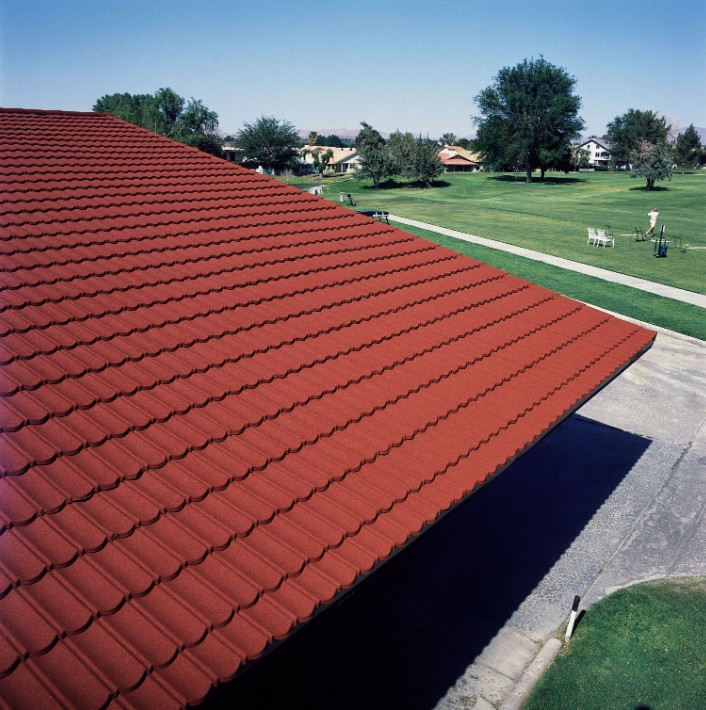
First, identify the customers the new range should serve. A dealer stocking common home styles faces different needs from a named project buyer. The palette should reflect those needs before it expands.
Review recent requests, lost quotes, and actual sales where records exist. Note the building finishes that customers want to match. Then group demand by tone and use, rather than collecting color names alone.
For example, two suppliers may use different names for similar browns. Conversely, one shared name may hide very different samples. Compare the physical choices before treating them as separate market needs.
Give each finish a clear role
Choose the job each color should perform in the range. One may serve broad repeat demand. Another may address a specific design request or project channel.
For a first offer, avoid several near-duplicate shades without a clear sales reason. Each extra line needs labels, samples, stock space, and reorder attention. Therefore, compare its likely use with those added tasks.
A blend can add variety without adding a new panel shape. However, it still creates a distinct finish choice. Do not assume the same stock and sales plan will suit it.
Use the private label product range guide to connect color choices with the wider assortment. Keep profile, finish, and specification together when counting product lines. A short color list can still create many stock combinations.
Review buildings as a whole
Compare roof samples with the walls, trim, and other fixed finishes. Start with the main exterior colors that customers cannot easily change. Then assess whether the roof should create contrast or a quieter background.
Keep the decision tied to the building context. A blend that looks lively on a small display can feel different across a large roof. A solid finish can also appear varied because of shadows and panel shape.
Ask dealers to explain why a sample suits their market. Record the building type and the customer’s preference. This gives the buying team more useful evidence than a general vote for the prettiest chip.
Review each finish on the proposed profile
Choose the panel profile before giving final color approval. A curved form and a flatter pattern can present the same tone differently. Therefore, review the actual combination that the buyer plans to sell.
For Bond Tile, compare the proposed solid and blended samples on that profile. If Shingle Tile joins the range, assess its finish separately. Do not transfer approval merely because the shade name matches.
When discussing a range with JCROOF, provide the intended profile and palette roles together. Ask which finishes the supplier can propose for each line. Confirm the actual options before preparing your sales material.
Use several views of the same samples
First, inspect the samples closely for tone and texture. Then view several panels together from farther away. Also keep the orientation consistent during comparisons.
The larger arrangement helps reveal the overall field. For blends, look at how accent shades repeat across panels. For solids, assess whether the main shade gives the intended visual effect.
Use comparable light for both options. Do not place one sample under a lamp and the other beside a window. Also record any further viewing conditions that the parties agree to use.
Photos can support dealer feedback and record sample layouts. However, screen images should carry a clear explanation of their limits. Keep final decisions connected to the accepted physical references.
Define what makes a blend acceptable
Avoid approving a blend with only a vague brown mix description. Identify the main tone, contrast level, and unwanted accent shades. Then connect those notes to the selected sample arrangement.
Decide whether the buyer accepts visible variation across panels. If so, agree how the supplier and buyer will review it. Do not invent a universal tolerance for all stone-coated finishes.
For a solid finish, also record the expected overall tone. The category name does not remove the need for a clear reference. Both options benefit from the same disciplined approval trail.
Keep accessories in the review. Ask which visible parts use the same finish and which use a compatible alternative. Then show those decisions in the product record before releasing the range.
Compare the commercial effect of each palette

Solid and blended labels do not establish a fixed price difference. Request current offers for the actual profiles, finishes, and quantities. Then compare the complete order on the same delivery basis.
Ask whether the finish changes the minimum quantity or sample process. Also ask whether any charge applies to preparation or packaging. Record the supplier’s answer instead of assuming a standard custom fee.
The custom roofing color cost guide explains how to compare these offer details. Use it when a proposed blend or shade needs a separate quote. A higher unit price and a larger minimum create different business decisions.
Count stock combinations before ordering
Build a simple sheet with one line per profile, finish, and specification. Add the planned quantity and the expected sales channel. Then identify which lines serve firm demand and which test a new idea.
Keep the test clear. A new blend should answer a useful market question. For example, it may test demand for stronger visual contrast within an existing profile.
Avoid spreading the first order evenly across every color without evidence. Some lines may serve repeat sales, while others serve occasional projects. The stock plan should reflect that difference.
Also consider sample boards, sales images, and label updates. A finish that the team cannot explain clearly may slow the buying process. Therefore, include the sales task when assessing the palette.
Protect the repeat order decision
Ask how the supplier identifies each approved finish in later orders. Keep the code, sample revision, and past order together. A marketing name alone offers a weak reorder instruction.
Do not assume a blended finish can hide an unmatched replacement. A different tone or contrast pattern may still stand out. Ask the supplier about the proposed match before promising it to customers.
Use the reorder planning guide when assigning stock review dates. Track demand for each actual product line. Also distinguish ordinary sales stock from a reserve held for a named project.
Launch with clear names, samples, and change rules
Give every finish a buyer code and a clear public name. Then map that code to the supplier’s reference. Keep the same mapping across quotes, labels, stock records, and sample boards.
Avoid naming a finish by a performance claim that lacks evidence. A name can describe tone or style without promising heat savings or color life. Also check that translated names identify the same sample.
Prepare a useful palette sheet
Show the profile, finish type, code, and approved sample identity. Include a representative image with a note about screen color limits. Then state how the customer can review the actual finish.
For blends, use images that show the whole panel and a close view. One view reveals the overall tone. The other helps explain the visible mix of granules.
Train the sales team to describe the difference in plain terms. They should explain appearance without ranking technical quality by color type. Also give them a clear route for unusual matching requests.
Review the range after actual sales
Once the range sells, compare stock movement with the original plan. Record requests for missing shades and reasons for rejected samples. Then decide whether a new finish addresses a real gap.
Keep revised samples separate from earlier versions. If the supplier proposes a change, review its visual and commercial effect. Update the code mapping or revision before selling the new version.
A useful private label palette makes customer choices easier to explain and stock easier to manage. Solid and blended finishes can both serve that goal. Choose their roles through samples, market evidence, and clear order records.
Planning a solid or blended roofing palette? Send us an inquiry with your profiles and target market. Our team will reply and help you review the finish choices.