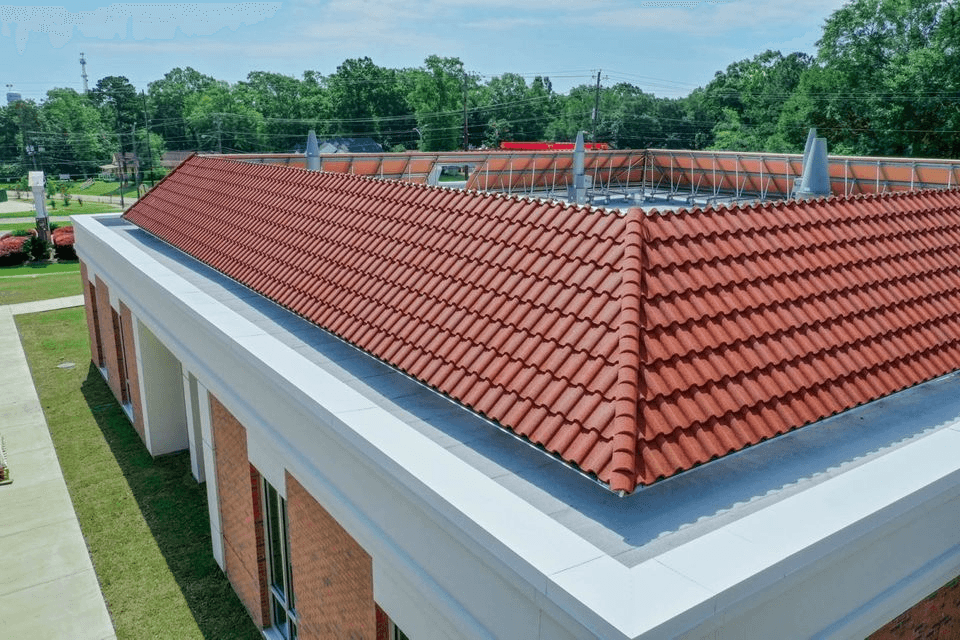
Stone coated metal shingle patterns depend on panel shape, surface detail, color placement, and the arrangement across the roof. A product photograph shows only part of that picture. Compare a full panel and several rows before deciding how the finished roof should look.
The word pattern can mean different things in a supplier discussion. One buyer means the stamped shingle shapes. Another means the light and dark areas across the roof. First, identify which feature you want to compare.
For distributors, this distinction helps prevent a familiar product name from hiding a different appearance. For project buyers, it makes sample reviews more useful. The aim is a clear visual choice tied to the actual product.
Separate the layers in stone coated metal shingle patterns
A formed panel may suggest several smaller shingles within one piece. Its raised edges and surface details help create that effect. Meanwhile, the granule finish adds tone and visible texture.
Those features work together, but they answer different buying questions. A new finish may change contrast without changing the formed shape. A different forming tool may change the shape even when the color name stays familiar.
Ask the supplier to explain the product using clear references. A profile code should identify the panel form. A finish code should identify the proposed surface appearance.
Distinguish form from color placement
Panel form means the shape and visible relief in the finished piece. Look at the apparent shingle widths, lower edge, and raised details. These features help define the roof’s visual rhythm.
Color pattern means the distribution of visible tones across the surface. Some finishes read as one main shade. Others show stronger contrast or darker areas that highlight the apparent shingle shapes.
Compare these features separately before judging their combined effect. If a buyer wants less contrast, changing the panel shape may be unnecessary. Likewise, changing the granule tone may not remove a strong raised edge.
For Shingle Tile, request the drawing and sample for the offered version. Keep the profile identity beside the finish reference. A broad description such as architectural shingle look is not a complete product definition.
Connect the form to the actual tooling
A die or forming tool helps shape the panel during manufacture. However, a machinery photograph does not show the complete finished result. Ask which product version the sample represents and how the factory identifies it.
If a supplier proposes a revised form, compare finished panels against the accepted version. Review the visible relief as well as relevant interfaces. Similar appearance alone does not establish equivalent fit.
The roof tile tooling guide explains how drawings, tools, and finished products should remain connected. Use that discussion when a die change affects the proposed pattern. Avoid treating a new tool as automatic proof of the same product.
Look at the roof field rather than one isolated panel

A roof field is the broad area of panels between its edges and details. It repeats shapes over a much larger area than a hand sample. Therefore, a pleasing single piece can still leave unanswered questions about the finished view.
Look at how rows, apparent joints, and darker areas relate across several panels. Ask whether the intended effect is quiet or strongly varied. Then compare the layout with the product’s own installation guidance.
The DECRA Shake XD and Shingle XD installation guide addresses random patterns between courses for its systems. This shows why layout belongs in appearance review. Its instructions do not establish an installation method for another manufacturer’s panels.
Check repetition at a useful scale
Place several panels in the supplier’s approved arrangement for a visual review. Do not invent offsets or overlap rules to create a preferred image. A display should represent the product’s intended arrangement.
First, look for repeated shapes within each panel. Then look for repetition between neighboring panels and rows. A strong feature may become more obvious when it repeats across the display.
Record what the buyer notices rather than using vague approval language. It may be a visible row line, repeated dark patch, or dominant edge. Those observations help the supplier understand the desired appearance.
Include the building and viewing position
The same display can look different close up and from farther away. At close range, the eye sees granules and smaller details. From a distance, the overall tone and larger shapes become more important.
Also consider the building’s roof form and normal viewing points. A broad roof plane offers a different view from a small, broken roof. Ask the project team which elevations matter most to the visual decision.
Keep the surrounding walls and trim in mind. A busy exterior may call for a calmer roof appearance. However, that is a design preference rather than a universal rule for every building.
Review samples with a clear comparison method
Use samples to answer specific questions about the proposed pattern. Ask for enough of the finished product to show the feature under review. A tiny surface chip cannot demonstrate the relationship between rows.
If you compare alternatives, keep the lighting and orientation consistent. Otherwise, a stronger shadow may seem like a deeper panel form. Also compare similar views before deciding that one profile looks more varied.
The manufacturer sample guide explains how sample purpose affects the evidence you need. Define the purpose before requesting the sample. This makes the supplier’s response easier to assess.
Build a useful visual review sheet
| Feature | What to compare | Record to keep |
|---|---|---|
| Apparent shingle shapes | Width, outline, and visible relief. | Named panel and full-face photograph. |
| Row effect | Repeated lines and transitions between panels. | Display layout and product guidance. |
| Surface contrast | Main tone and darker or lighter areas. | Finish code and accepted reference. |
| Close appearance | Granules, edges, and smaller details. | Close photograph and review notes. |
| Distant appearance | Overall rhythm and visual balance. | Wider view and viewing position. |
Use the sheet to organize the decision, rather than as a universal pass standard. Agree the actual acceptance basis with the supplier. Visual preferences need clear references just as technical requirements do.
Use photographs with their limits in mind
A roof photograph can help show the broad effect of a pattern. However, confirm which product, finish, and version it actually shows. A general project image may not represent the current offer.
Ask for a full view and a closer view of the same display. Keep image editing from hiding the feature under discussion. Also note any difference in light or angle between comparison images.
Do not infer material grade or roof performance from appearance. A pattern can suggest a familiar roofing style without sharing its technical properties. Those questions need the relevant product and assembly evidence.
Turn the visual choice into a clear order brief

Once the buyer selects a pattern, identify the accepted product rather than relying on a marketing name. Add the drawing, finish, and sample references to the order brief. Also record any part of the visual review that remains open.
When discussing an offer with JCROOF, send the desired appearance and product references together. Ask which proposed panel addresses that request. Keep the reply with the sample review so the decision remains traceable.
Specify what the buyer accepts about the form and what it accepts about the finish. A signed color choice should not silently approve a different panel shape. Likewise, a profile approval should not settle a later color change.
Ask focused questions before release
Use these questions to resolve the remaining gaps:
- Which product code and drawing identify the offered panel form?
- Which sample shows the current profile and finish combination?
- What guidance controls the intended row arrangement?
- Which visible details differ from the reference image?
- Do any proposed changes affect matching accessories or other interfaces?
- Who may approve a revised sample or drawing?
Ask the supplier to explain exceptions in writing. If the displayed sample differs from the intended bulk product, identify the difference. Then decide whether a further review is needed before release.
Keep visual and technical checks connected
A buyer may prefer one apparent shingle width or edge detail. However, the technical team should still review the actual system. Appearance does not settle overlap, fixing, roof slope, or accessory compatibility.
Do not ask installers to alter the intended arrangement purely to change the pattern. Obtain product-specific guidance for the actual roof. A visual display is useful only when it represents a suitable system.
Keep the accepted photographs with the identified physical reference. Also preserve the supplier’s guidance that explains the display. Together, they show what the buyer reviewed without turning an image into a complete specification.
Compare price and later changes without losing the reference
Different patterns may involve different products, finishes, or production requirements. Ask for current offers against the same quantity and delivery basis. Do not assume that every visual change carries a standard surcharge.
The profile price comparison guide helps buyers keep the compared scope visible. A cheaper panel may describe a different form or finish. Resolve those differences before comparing totals.
Clarify existing choices and new development
Ask whether the requested appearance matches an existing offered profile. If it does, identify the current reference and available finish choices. Then confirm the actual terms for the proposed order.
If the request needs new development, ask the supplier to define the work involved. It may need a drawing review or new samples. Any tooling, review, or preparation charge needs an order-specific agreement.
Avoid promising a custom pattern before the supplier assesses it. A reference photograph may show features that the proposed product cannot reproduce. Make those limits clear before presenting the option to customers.
Preserve continuity for repeat purchases
Retain the product code, drawing revision, finish reference, and accepted display record. These details help explain the original visual choice. They also give the supplier a clear starting point for a repeat order.
If the panel form, tool, or finish changes, review the affected references. Ask whether the earlier appearance approval still applies. An unchanged trade name alone cannot answer that question.
At receipt, keep goods identifiable while the team checks the agreed version. If the appearance raises a concern, record the panel and lot details. Then compare against the accepted reference before deciding the next action.
Choosing a shingle pattern for your roofing range? Send us an inquiry with your reference images and profile needs. Our team will reply and help you review the options.