
A roofing supplier checklist turns a decision that often gets made on gut feeling into a documented, repeatable process. Buyers sourcing stone coated roofing materials frequently compare price quotes side by side without confirming the supplier’s product documentation, financial stability, or actual delivery track record. This guide breaks down the core categories every roofing supplier checklist should cover, how to apply that checklist across different sourcing scenarios, and the common mistakes that make a checklist worthless in practice.
Why a Written Checklist Beats a Gut-Feel Supplier Decision
Sourcing decisions made on impression alone tend to favor whichever supplier presents the most polished sales pitch, not necessarily the one best equipped to deliver consistent material on schedule. A written checklist forces buyers to verify specific, checkable facts rather than relying on confidence built purely through conversation. This matters most on larger projects, where a supplier’s reliability affects timeline and budget far more than any single sales interaction could reveal.
Verbal Assurances Rarely Hold Up Under Pressure
A supplier’s verbal commitment to reliable lead times means little once a project hits a real bottleneck. Written documentation, references, and contract terms hold up under pressure in a way that a confident sales conversation simply cannot.
A Checklist Protects Against Decision Fatigue on Large Projects
Buyers managing multiple supplier conversations at once risk losing track of which vendor actually met which requirement. A written checklist keeps this comparison organized and prevents last-minute decisions based on incomplete recall.
Breaking Down the Core Categories Every Roofing Supplier Checklist Should Cover
A complete roofing supplier checklist needs to cover product documentation, financial and operational stability, logistics reliability, and warranty and support terms. Each category reveals a different type of risk that a simple price comparison would miss entirely. The table below outlines what to verify in each core category.
| Checklist Category | What to Verify | Why It Matters |
|---|---|---|
| Product Documentation | Test certificates for wind, impact, and fire ratings | Confirms claims meet code and insurance requirements |
| Financial and Operational Stability | Years in business, production capacity, order history | Reduces risk of mid-project supply disruption |
| Logistics and Lead Time Reliability | Documented delivery history and current lead time estimates | Protects project schedules from unexpected delays |
| Warranty and Support Terms | Full written warranty language and support responsiveness | Determines what recourse exists if problems arise later |
Product Documentation and Test Certificates
Buyers should request specific, verifiable test certificates for wind uplift, impact resistance, and fire classification rather than accepting general marketing claims. This documentation matters most when local code or insurance requirements demand proof of a specific rating.
Financial and Operational Stability
A supplier’s years in business, current production capacity, and order history all indicate how likely they are to remain a stable partner throughout a project’s full timeline. Buyers should ask directly about capacity relative to their order volume, not just assume availability.
Logistics and Lead Time Reliability
Suppliers should be able to provide a documented delivery history and realistic current lead time estimates rather than vague assurances. Buyers working on time-sensitive projects should weight this category heavily during their evaluation.
Applying the Checklist Across Different Sourcing Scenarios
The same checklist categories apply across nearly every sourcing scenario, but the specific verification steps shift depending on the project type and product line involved. The following examples show how this checklist plays out across common sourcing situations.
Verifying Wind Documentation for Coastal Orders
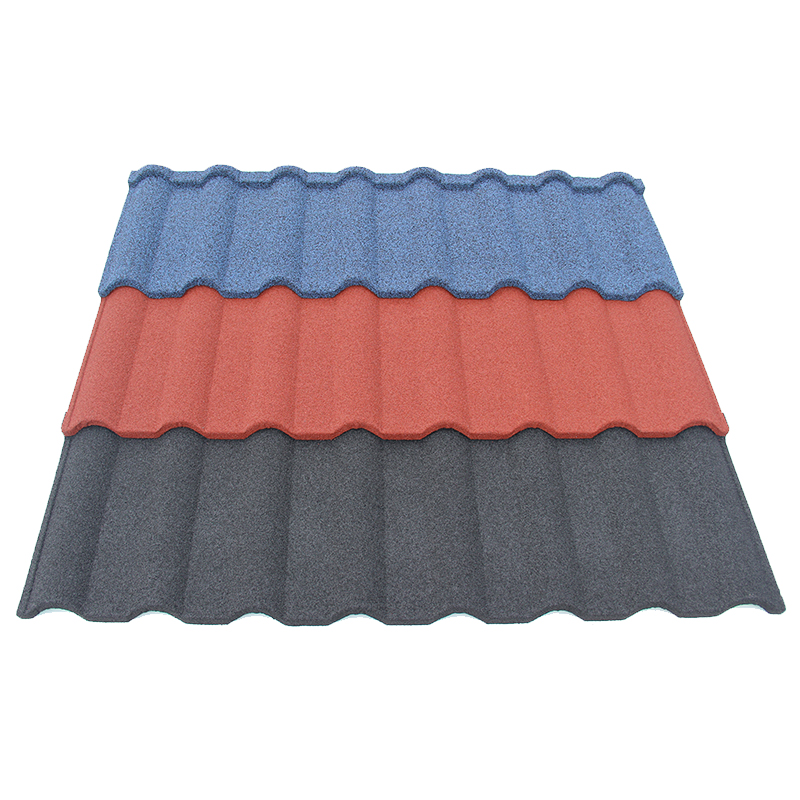
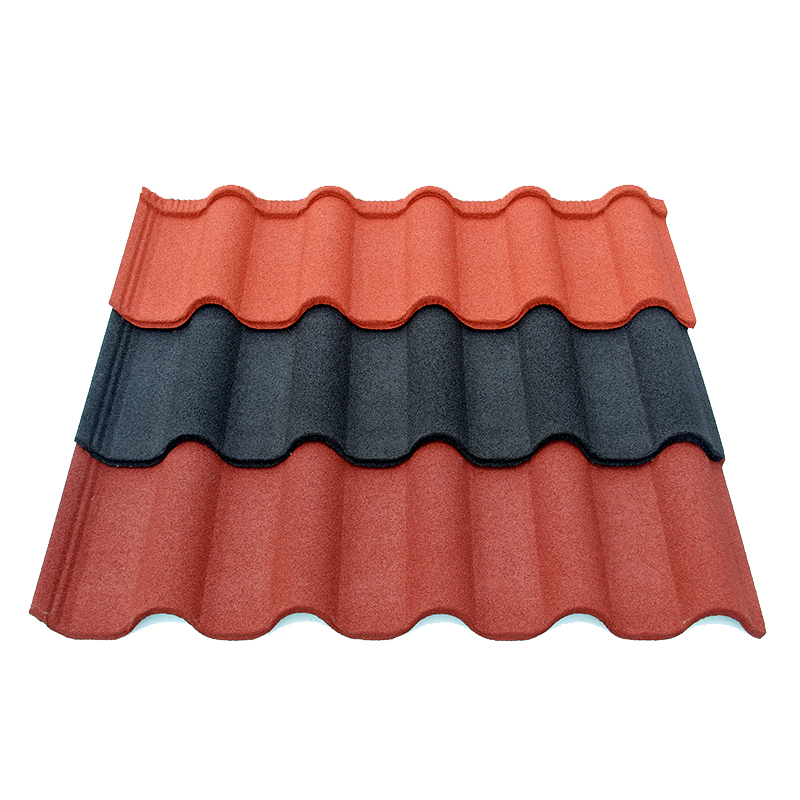
Buyers sourcing a profile like Bond Tile for a coastal project should specifically confirm wind uplift test documentation for that exact profile, rather than a general brand-wide rating that may not apply to every product line.
Confirming Fire Ratings for Wildfire Interface Projects
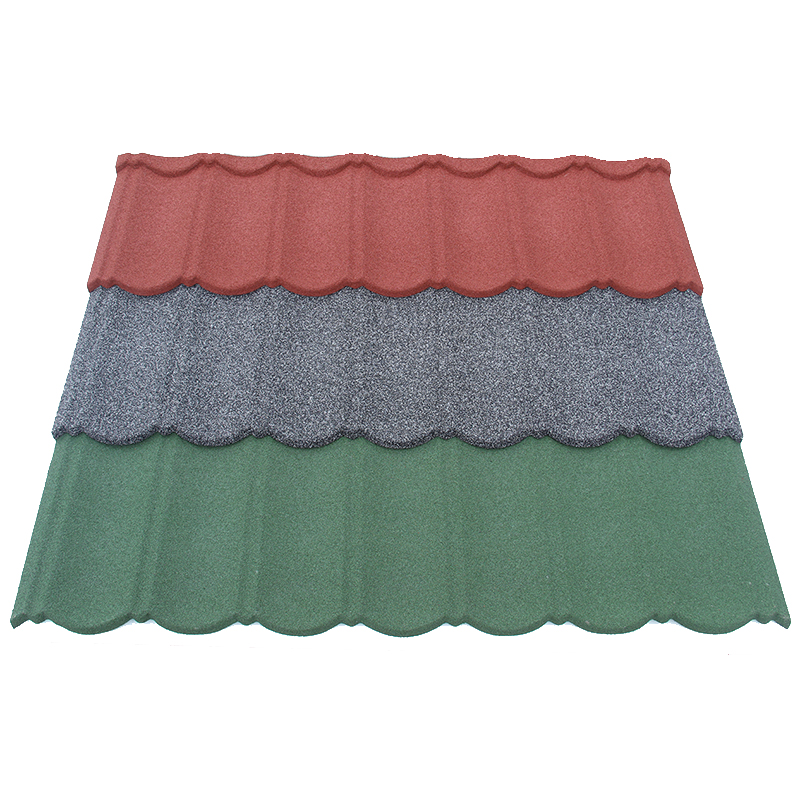
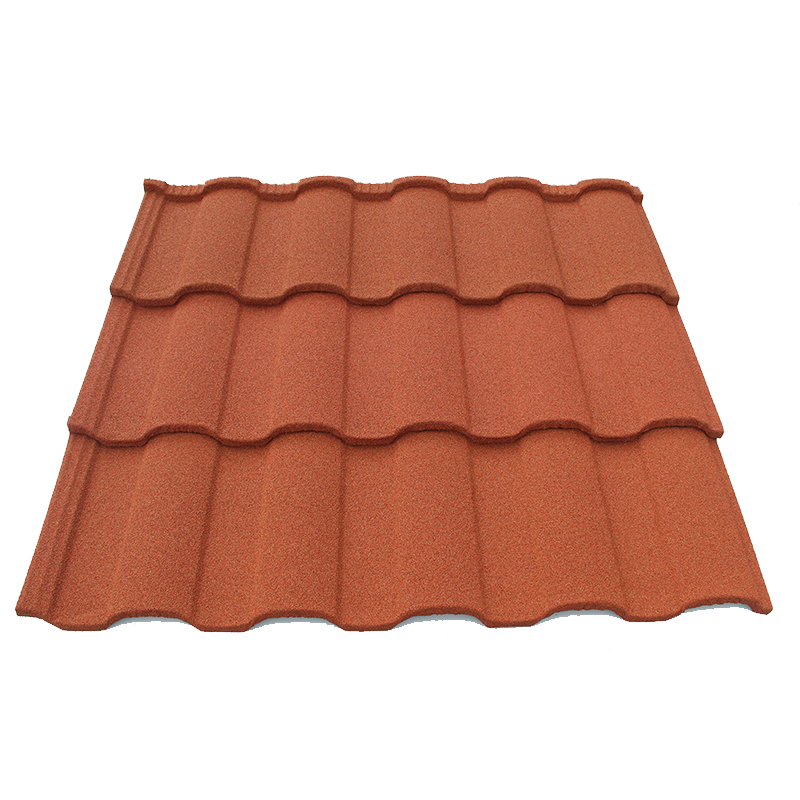
Projects near wildfire interface zones should verify Class A fire documentation directly for the specific profile under consideration, such as Roman Tile, since local code often requires this certification before permit approval.
Checking Lead Time Reliability for High-Volume Residential Orders
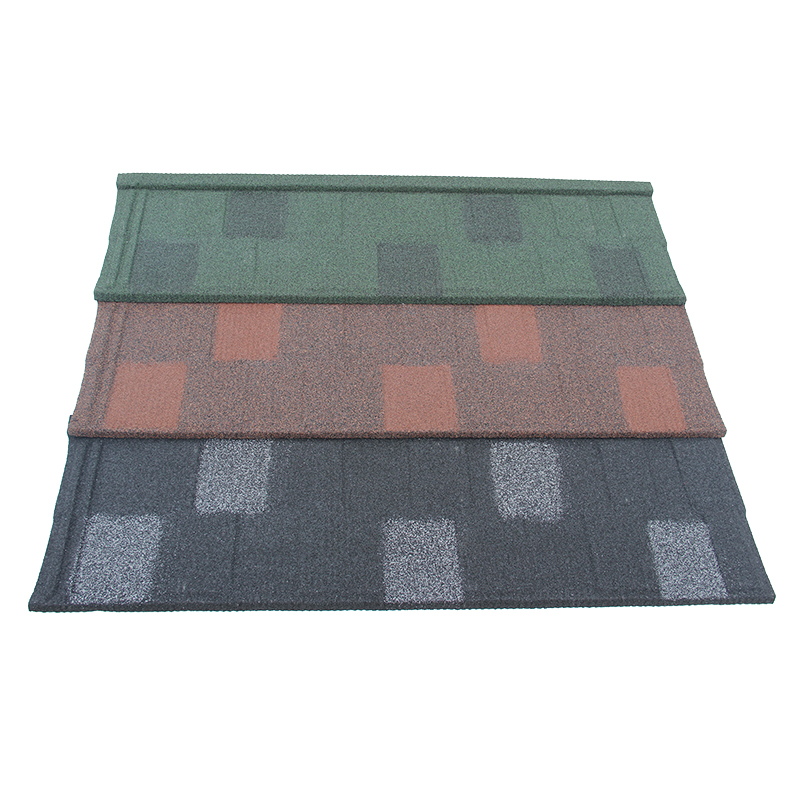
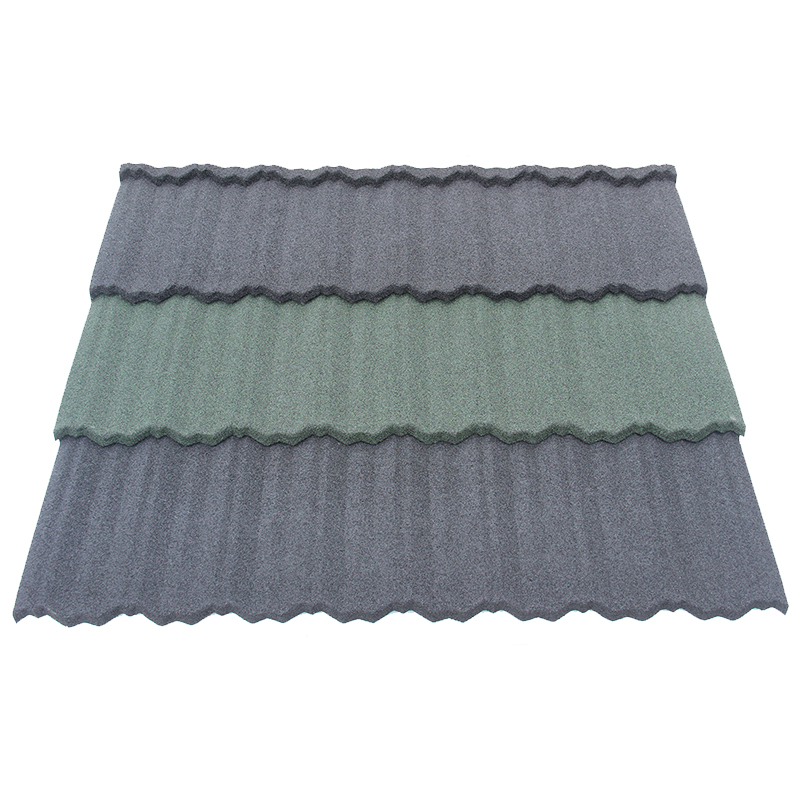
Buyers sourcing a high-volume profile like Shingle Tile across multiple homes should confirm the supplier’s current lead time and capacity, since volume orders are more vulnerable to delay than single-project purchases.
Evaluating Support for Architectural and Custom Orders
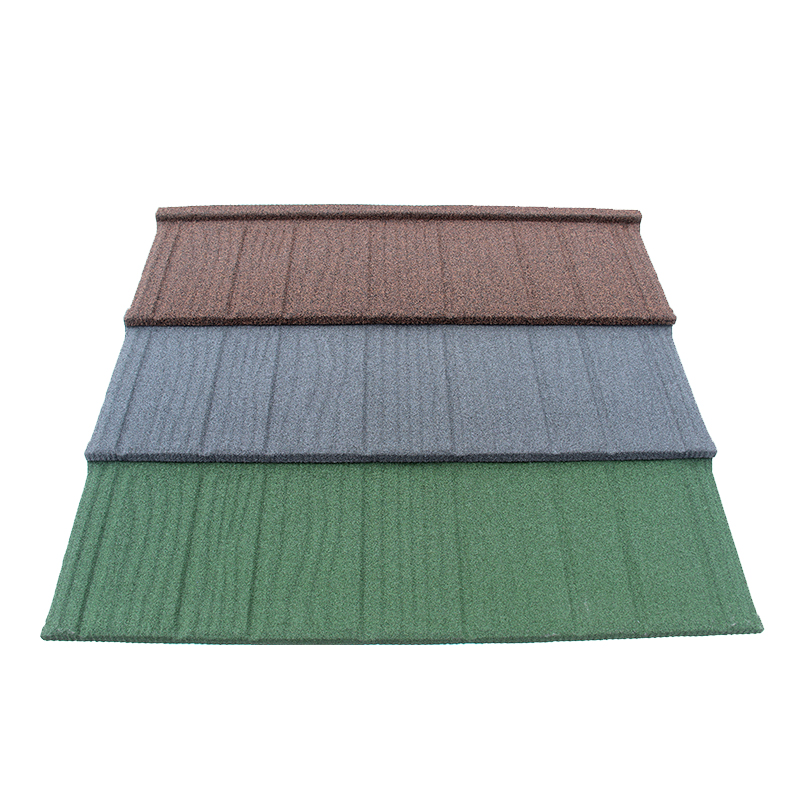
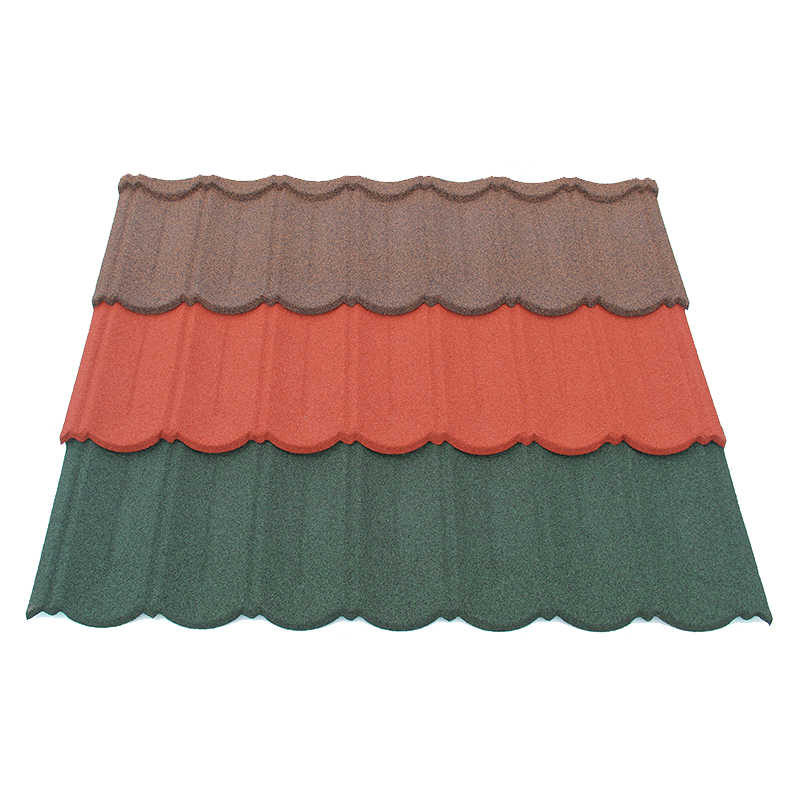
Architectural projects specifying a distinctive profile such as Milano Tile benefit from a supplier that provides responsive technical support during specification. Suppliers such as JCROOF illustrate this by pairing product documentation with direct support during the sourcing process, which gives buyers a practical reference point when building their own checklist. Buyers sourcing a textured profile like Shake Tile should apply the same support and documentation standard, confirming the supplier can answer profile-specific installation questions directly.
Common Mistakes That Make a Supplier Checklist Useless
A checklist only protects buyers if it gets applied consistently and verified against real documentation. Several common mistakes undermine even a well-designed checklist during actual sourcing conversations.
Accepting Verbal Answers Instead of Written Documentation
Buyers sometimes check off a checklist item based on a verbal assurance during a sales call, without ever receiving the actual written documentation. This defeats the purpose of the checklist, since verbal claims carry no weight if a problem arises later.
Skipping the Checklist for Suppliers That Seem Familiar or Reputable
A supplier’s general reputation can tempt buyers to skip the checklist entirely, assuming a well-known name automatically satisfies every category. Even reputable suppliers should be verified against the same documented standard applied to any other candidate.
Treating the Checklist as a One-Time Exercise
Supplier reliability can change over time, particularly regarding capacity and lead times. Buyers working with the same supplier across multiple projects should revisit the checklist periodically rather than assuming an initial evaluation remains valid indefinitely.
- Request written test certificates rather than accepting verbal assurances
- Confirm current production capacity and lead times directly, not from memory of past projects
- Read full warranty and support terms before finalizing any order
- Apply the checklist consistently, even to suppliers with strong general reputations
- Revisit the checklist periodically for ongoing supplier relationships
Turning Your Checklist Into an Ongoing Supplier Management Process
A roofing supplier checklist delivers the most value when it becomes an ongoing part of supplier management, not a one-time evaluation before a single purchase. Buyers who revisit and update their checklist across multiple projects build a more reliable, long-term supply relationship.
Standardizing the Checklist Across Your Organization
Teams managing multiple sourcing decisions benefit from a shared, standardized checklist, ensuring every project team member evaluates suppliers against the same criteria rather than individual judgment calls.
Using the Checklist to Guide Supplier Conversations, Not Just Score Them
A well-designed checklist doubles as a conversation guide during supplier calls, prompting buyers to ask specific, documented questions rather than accepting general reassurances at face value.
A roofing supplier checklist replaces gut-feel sourcing decisions with a documented, repeatable evaluation process. Buyers who verify product documentation, financial stability, logistics reliability, and warranty terms consistently make sourcing decisions that hold up throughout the life of a project, regardless of which supplier ultimately wins their business.