
A stone coated roofing buying guide needs to cover more than just what the material looks like on a sample board. Buyers researching this category are usually weighing it against asphalt shingle, clay tile, or standard metal panels, and the decision touches weight, cost, climate performance, and supplier reliability all at once. This guide breaks down what stone coated roofing actually is, the factors that should drive your buying decision, and the questions worth asking before you sign a contract.
What Stone Coated Roofing Is and Why Buyers Are Considering It
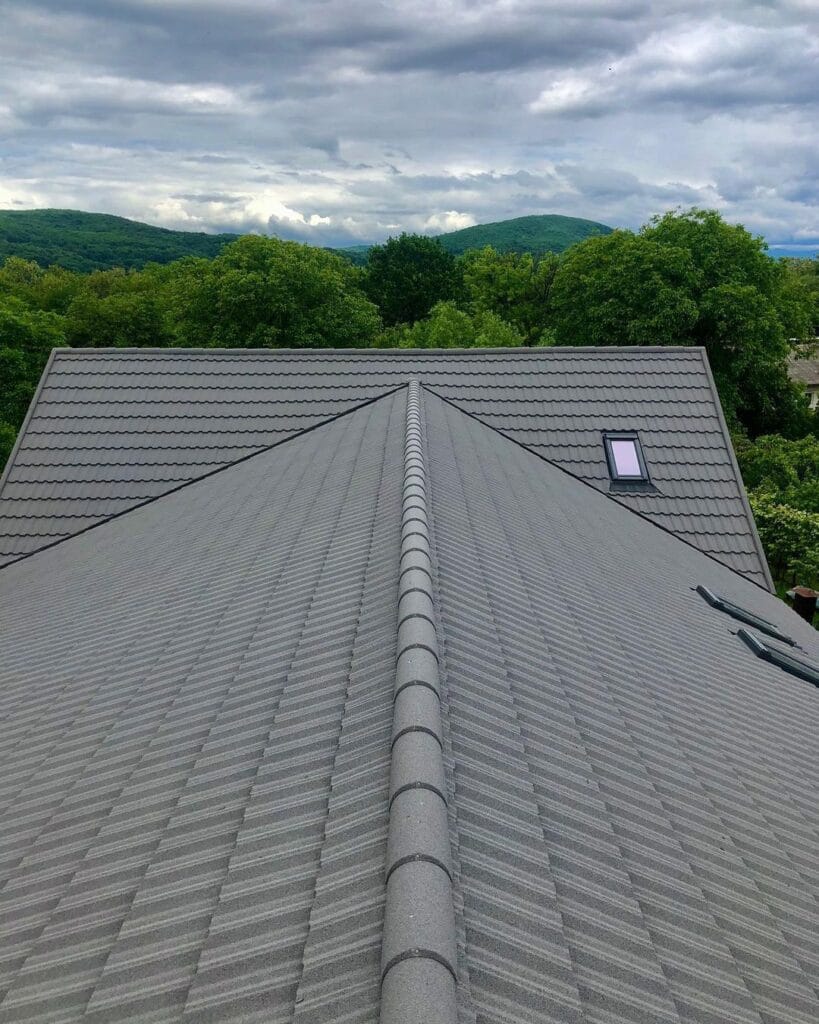
Stone coated roofing combines a steel or aluminum-zinc metal base with a granule coating bonded under high heat, creating a textured surface that replicates traditional shingle, tile, or shake profiles. This combination gives buyers a familiar residential appearance without the weight of real clay or concrete tile, and with significantly more durability than standard asphalt shingle. Buyers typically start researching this category after an aging roof forces a replacement decision, or during new construction planning where long-term durability matters more than the lowest upfront cost.
A Middle Ground Between Traditional Tile and Standard Shingle
Stone coated roofing occupies a specific niche between heavy traditional tile and shorter-lived asphalt shingle, offering a longer service life than shingle without the structural demands of real clay or concrete. This positioning explains much of its growing popularity among buyers comparing multiple material categories.
Why Buyers Are Increasingly Comparing It to Standard Metal Panels
Buyers who might otherwise choose a standard steel panel sometimes shift toward stone coated roofing once they see the textured, traditional appearance available at a similar durability level. This aesthetic flexibility is a major factor in the category’s growing consideration among residential buyers.
Breaking Down the Factors That Should Drive Your Buying Decision
Buyers evaluating stone coated roofing need to weigh weight, testing documentation, cost, and climate suitability together rather than focusing on any single factor in isolation. Each of these categories affects a different part of the ownership experience, from installation through decades of actual use. The table below summarizes the core factors worth evaluating before making a purchase decision.
| Factor | What to Check | Why It Matters |
|---|---|---|
| Weight and Structural Fit | Panel weight relative to your existing or planned roof deck | Determines whether structural reinforcement is needed |
| Testing Documentation | Wind, impact, and fire ratings for your specific profile | Confirms the product meets local code and insurance requirements |
| Total Installed Cost | Material, labor, and any structural work combined | Reveals the true project cost beyond the material quote alone |
| Climate Suitability | Performance data specific to your region’s weather patterns | Ensures the product performs as expected under real conditions |
Weight and Structural Compatibility
Stone coated panels are significantly lighter than clay or concrete tile, which usually means they fit within standard roof deck load limits without added structural work. Buyers on retrofit projects should still confirm this directly rather than assuming compatibility across every existing structure.
Testing Documentation and Code Compliance
Buyers should request specific wind uplift, impact resistance, and fire classification documentation for the exact profile they are considering, since ratings can vary between product lines even within the same manufacturer. This documentation matters most in regions with strict local code amendments.
Total Installed Cost Versus Material Price Alone
A fair cost comparison includes labor and any required structural work, not just the per-square material price. Buyers who compare only material cost often misjudge the true price difference between stone coated roofing and lighter or heavier alternatives.
How to Match Stone Coated Roofing to Your Specific Project
The right profile and specification within the stone coated category depends heavily on your project’s climate, architectural style, and budget. The following examples show how buyers typically match this material to different project scenarios.
Coastal and High-Wind Properties
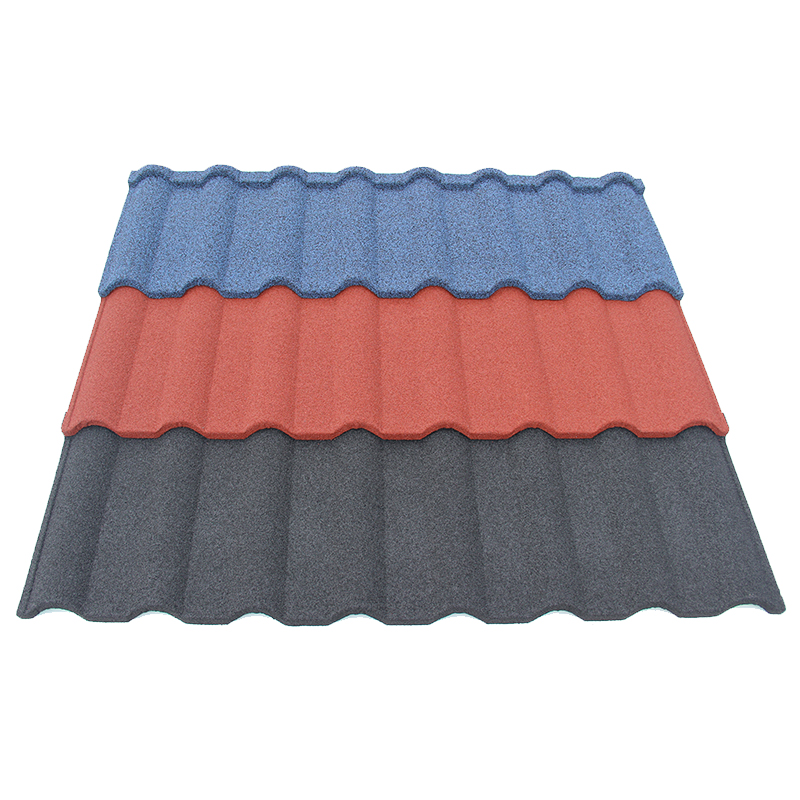
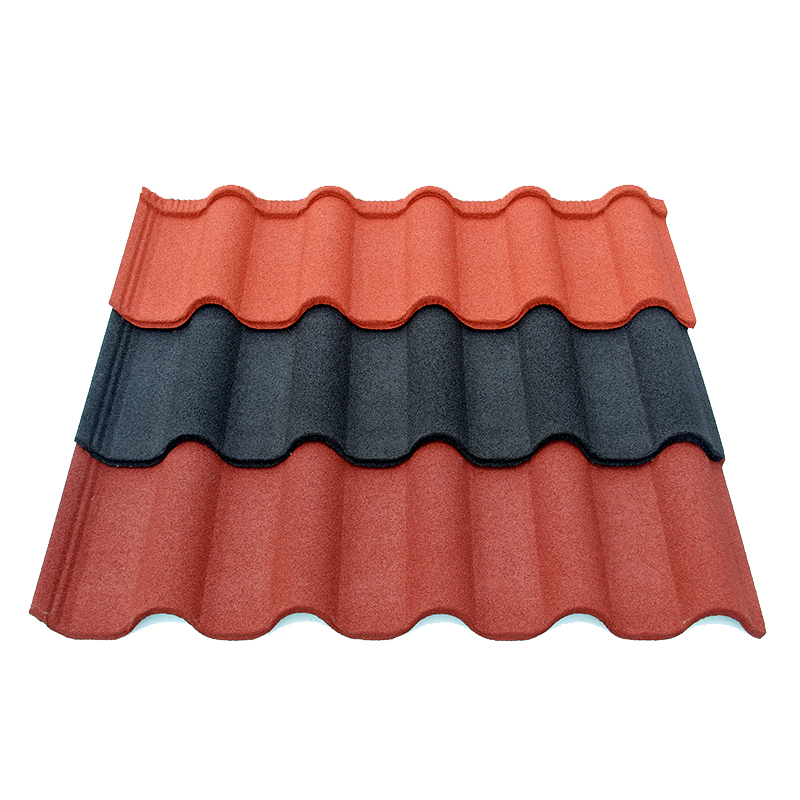
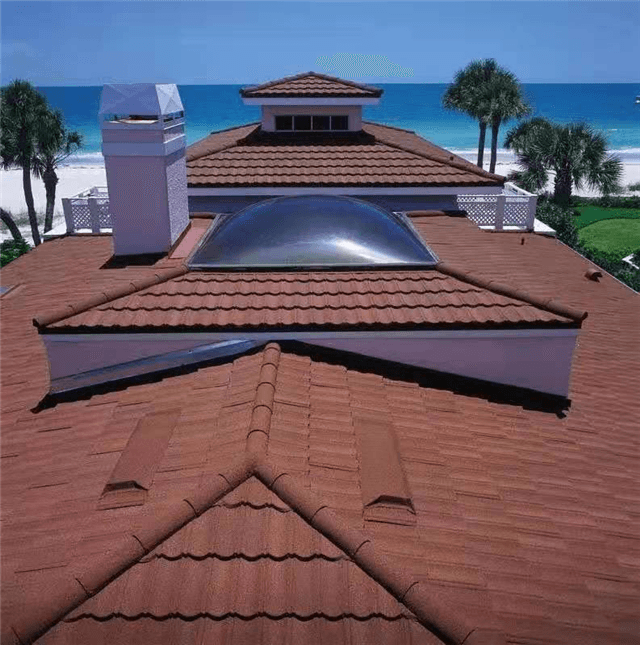
Buyers in coastal regions should prioritize documented wind and corrosion resistance above other factors. A Bond Tile profile fits this scenario well, combining an interlocking design with coating technology built for sustained salt and wind exposure.
Traditional and Historic-Style Homes
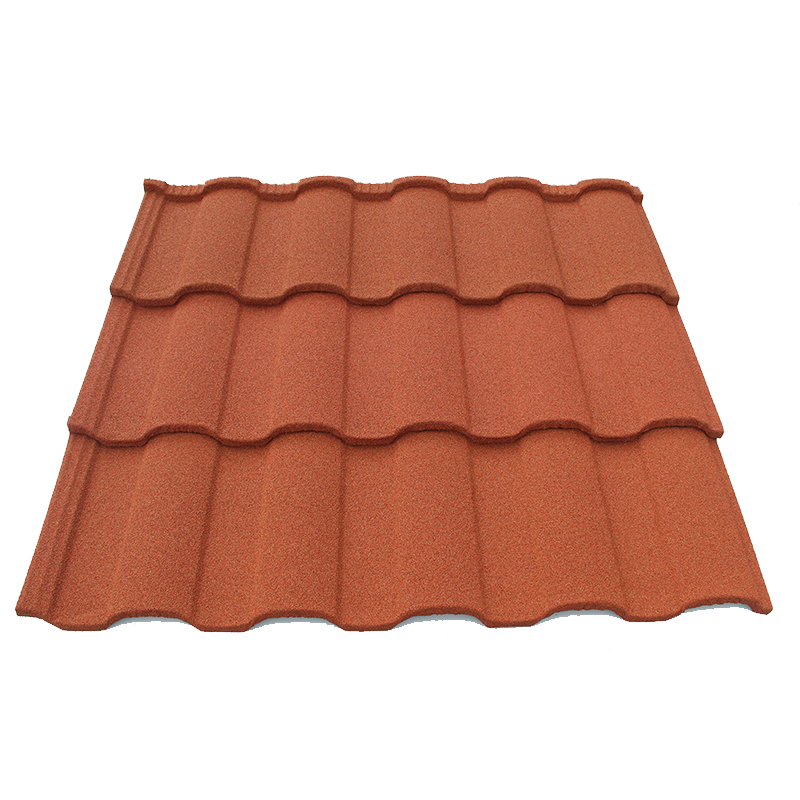
Homeowners wanting to preserve a classic architectural silhouette often specify a Roman Tile profile, gaining a traditional look while avoiding the weight concerns real clay or concrete tile would introduce.
Standard Residential Reroofing Projects
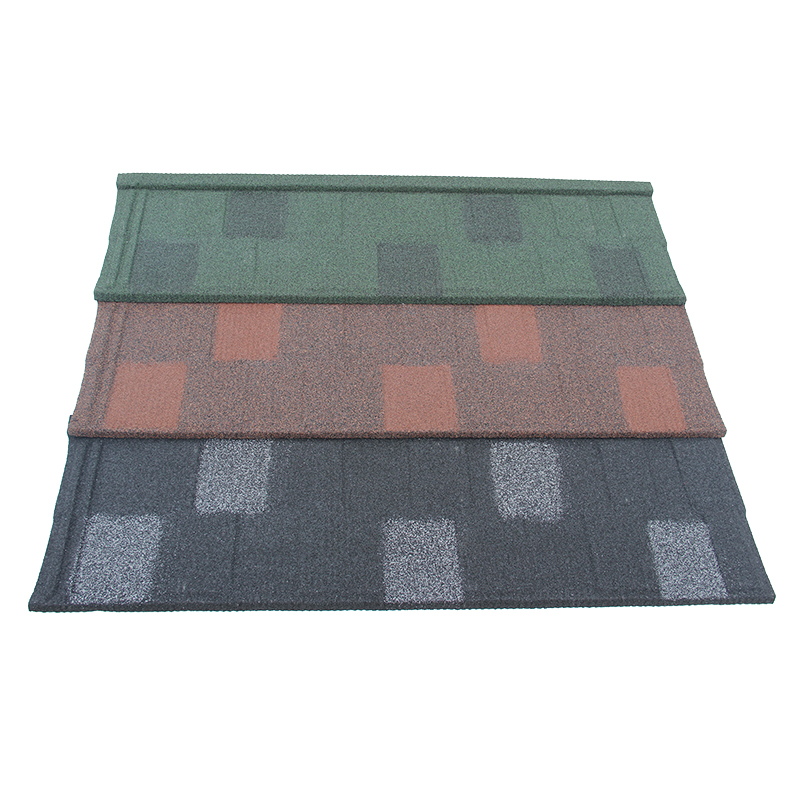
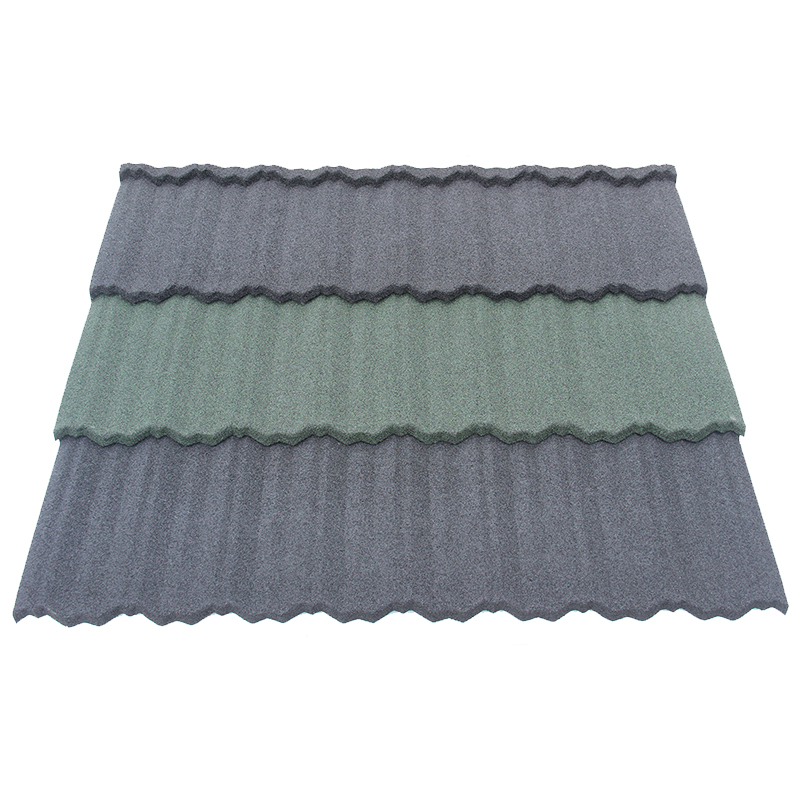
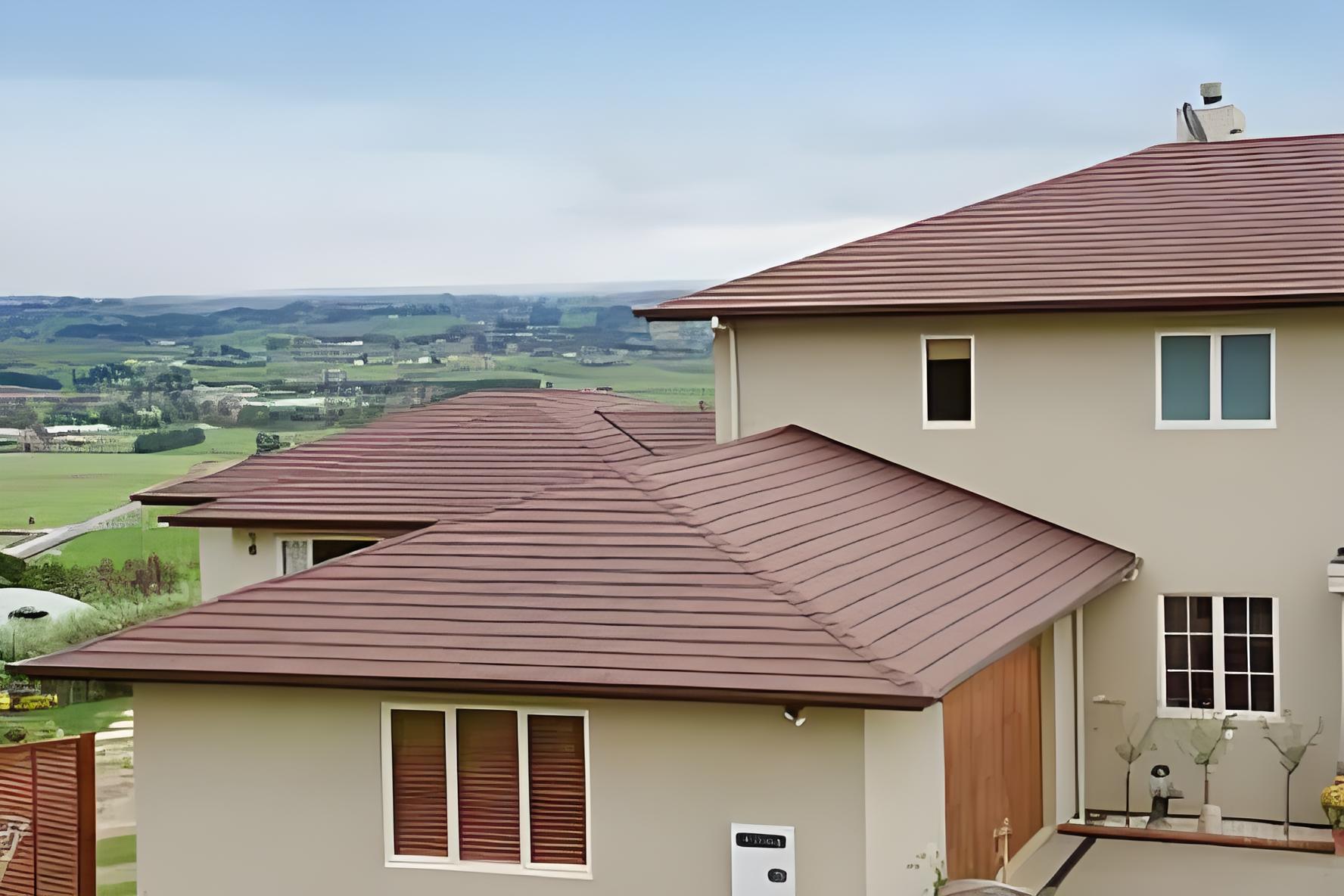
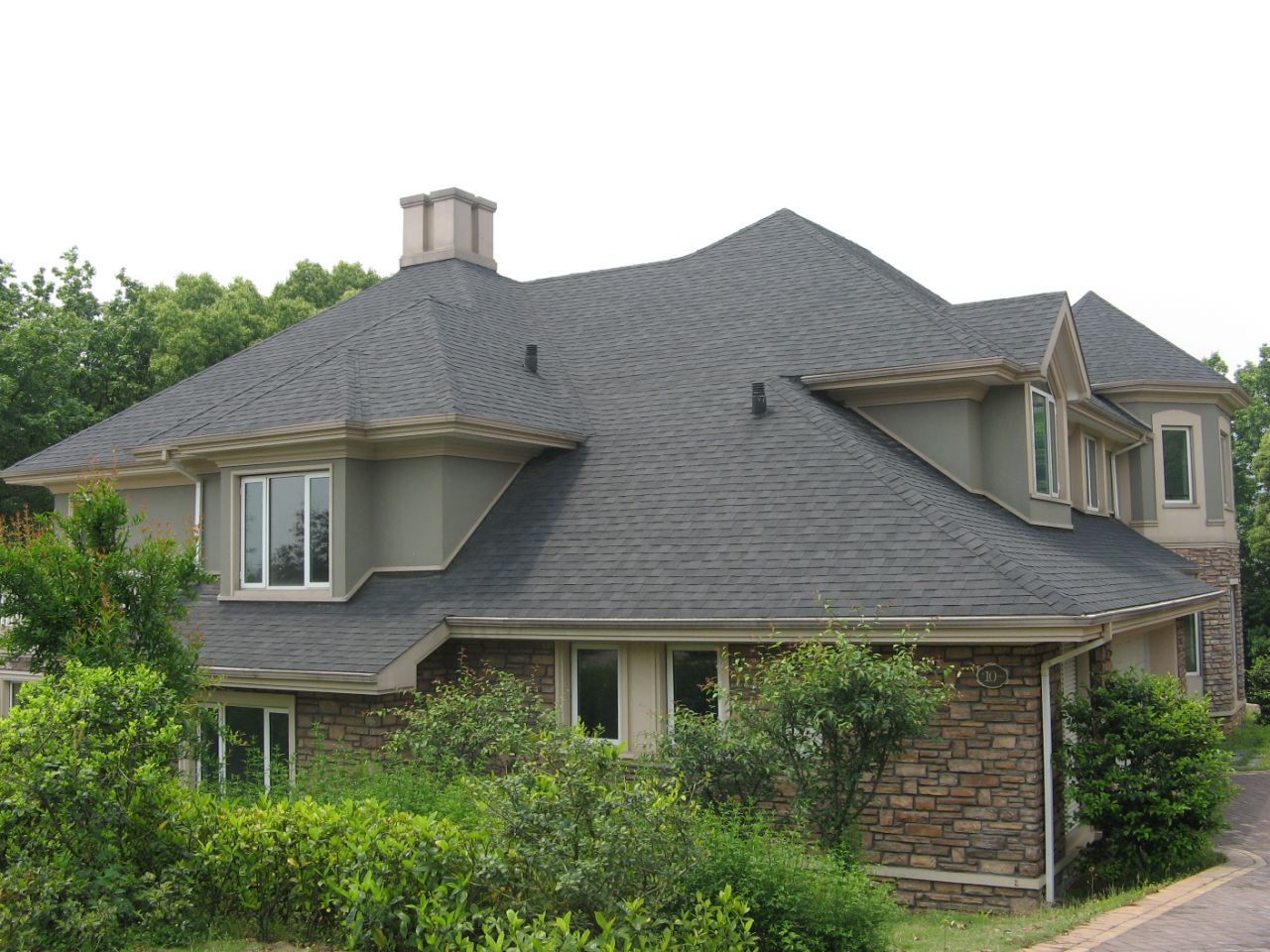
Buyers replacing worn asphalt shingle on a typical suburban home commonly choose a Shingle Tile profile, since it delivers a familiar look alongside a significantly longer expected service life.
Architectural and Design-Focused Builds
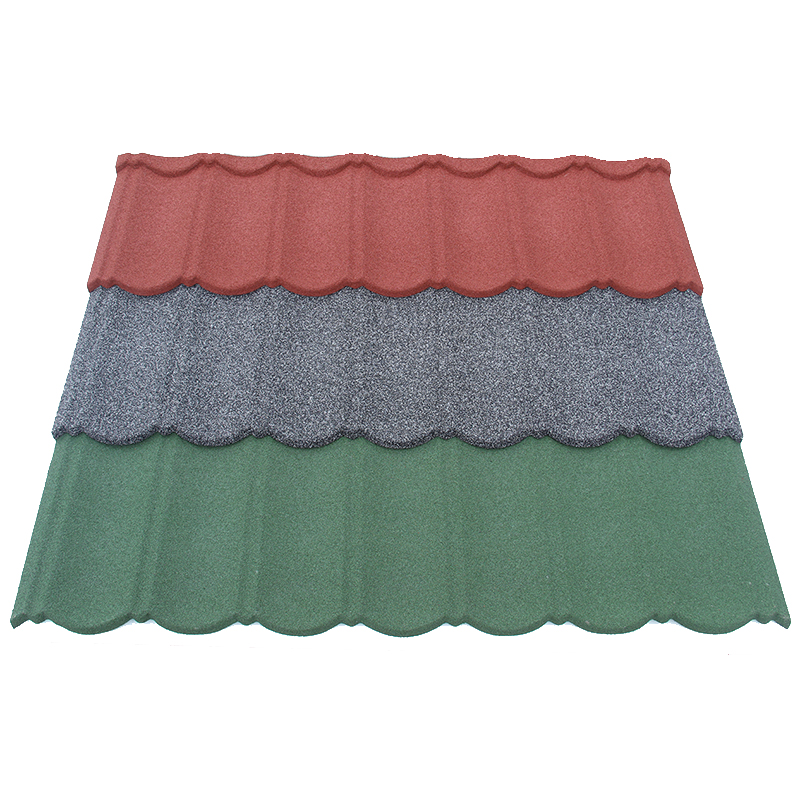
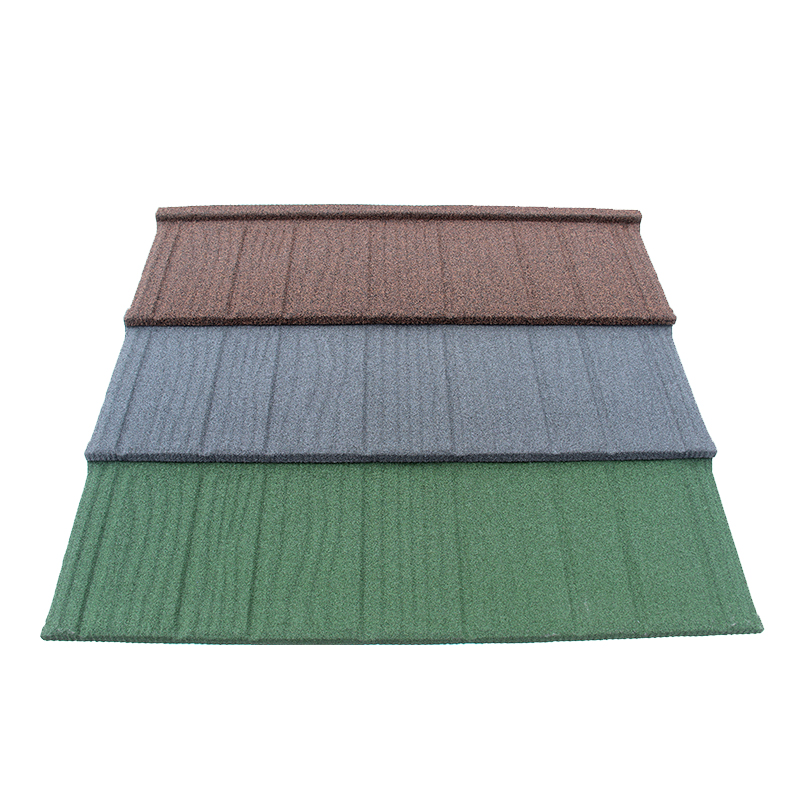
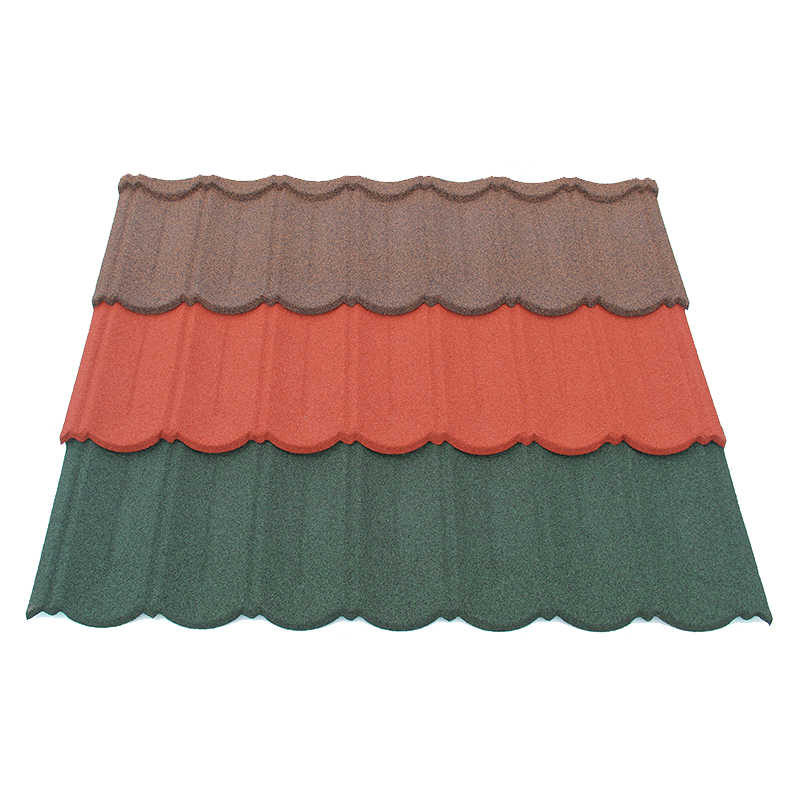
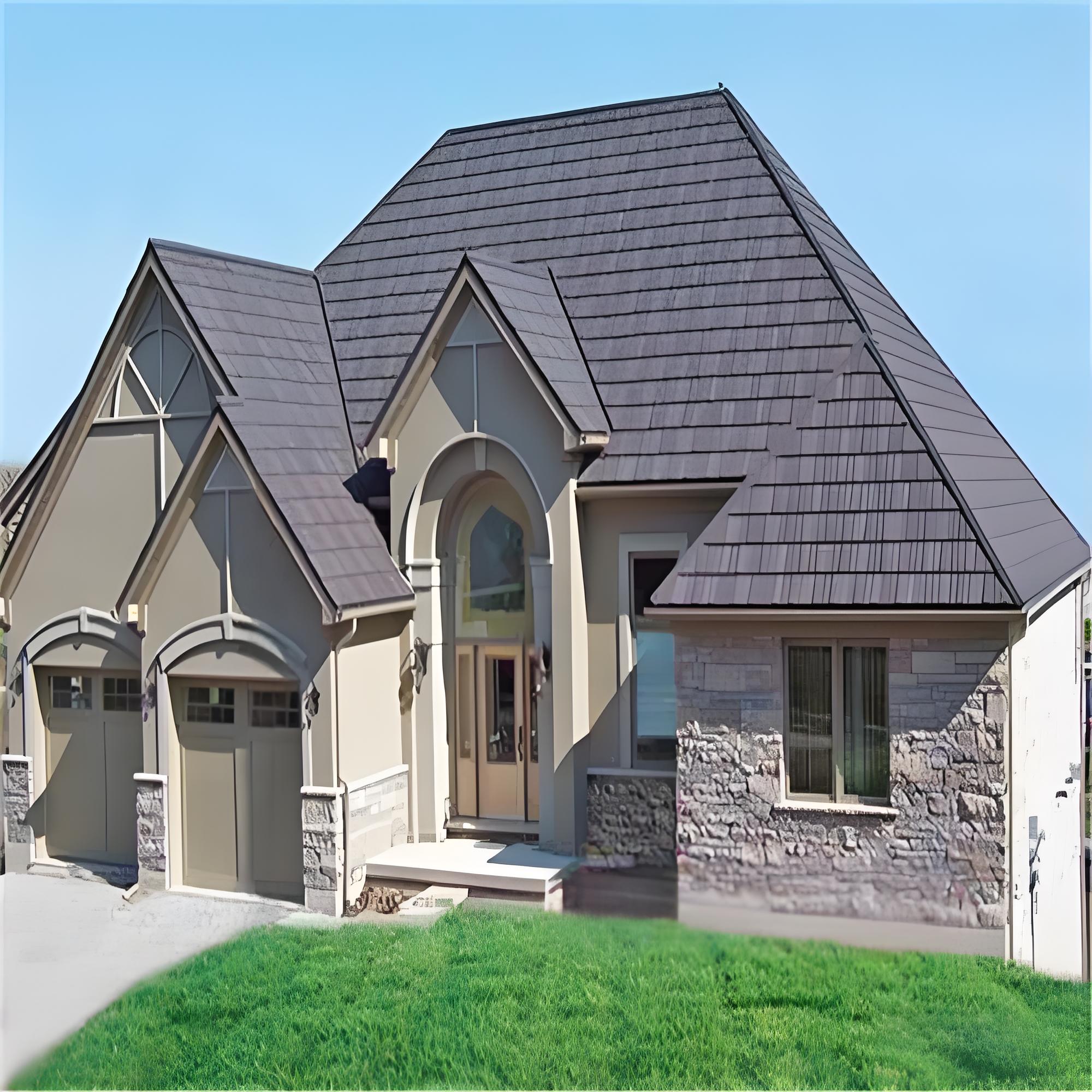
Buyers pursuing a distinctive architectural statement sometimes work with suppliers like JCROOF to specify a Milano Tile profile, achieving a modern look without sacrificing the durability the category is known for. Rustic-style properties aiming for a wood shake aesthetic often choose a Shake Tile profile instead, capturing that texture without the fire and rot risks tied to real wood.
Common Mistakes First-Time Buyers Make
Buyers new to this category tend to repeat a handful of avoidable mistakes during their first purchase. Recognizing these patterns early helps first-time buyers avoid costly surprises during and after installation.
Comparing Only the Material Price Across Suppliers
Buyers sometimes select a supplier based purely on the lowest material quote, without confirming installation cost, warranty terms, or documented performance ratings. This narrow comparison frequently misrepresents the true value of a given quote.
Skipping a Structural Assessment on Retrofit Projects
Even though stone coated roofing is relatively lightweight, buyers should still confirm structural compatibility on older homes rather than assuming every roof deck can accept the new system without review.
Assuming Every Profile Within the Category Performs Identically
Wind, impact, and fire ratings can vary between profiles even within the same manufacturer’s product line. Buyers should verify documentation for the exact profile they plan to purchase, not just the general product category.
- Confirm structural compatibility before finalizing a retrofit project
- Request documented ratings for the exact profile you plan to purchase
- Compare full installed cost, not just per-square material pricing
- Verify supplier warranty terms and transferability in writing
- Match profile choice to your project’s specific climate and architectural style
Finalizing Your Purchase: Questions to Ask Before You Sign
Before finalizing a purchase, buyers should confirm a short list of specific details directly with their chosen supplier. These questions help ensure the final decision reflects documented facts rather than general impressions from a sales conversation.
Questions to Ask About Product Performance and Documentation
Ask for wind, impact, and fire test certificates specific to your region and chosen profile, along with a clear explanation of what the warranty does and does not cover.
Questions to Ask About Installation and Ongoing Support
Ask whether the supplier can recommend installers experienced with the specific profile, and what support is available if questions arise during or after installation.
Buying stone coated roofing comes down to matching weight, documentation, cost, and climate suitability to your specific project, rather than choosing based on appearance or price alone. Buyers who work through these factors systematically end up with a roofing decision that holds up for decades rather than one they second-guess after the first storm season.