
For distributors, contractors, and project buyers, one of the most practical challenges when sourcing stone coated roofing (stone coated steel roofing) is quickly distinguishing high-quality products from low-quality ones—especially during factory visits, sample reviews, or trade shows.
The reality is that while full performance testing requires lab data, many quality differences in stone coated metal roofing can be identified visually within minutes. Knowing what to look for can help you avoid costly procurement mistakes and long-term project risks.
This guide focuses on fast, field-level evaluation methods that professionals use to assess product quality at a glance.
Surface Appearance: The First and Most Obvious Indicator
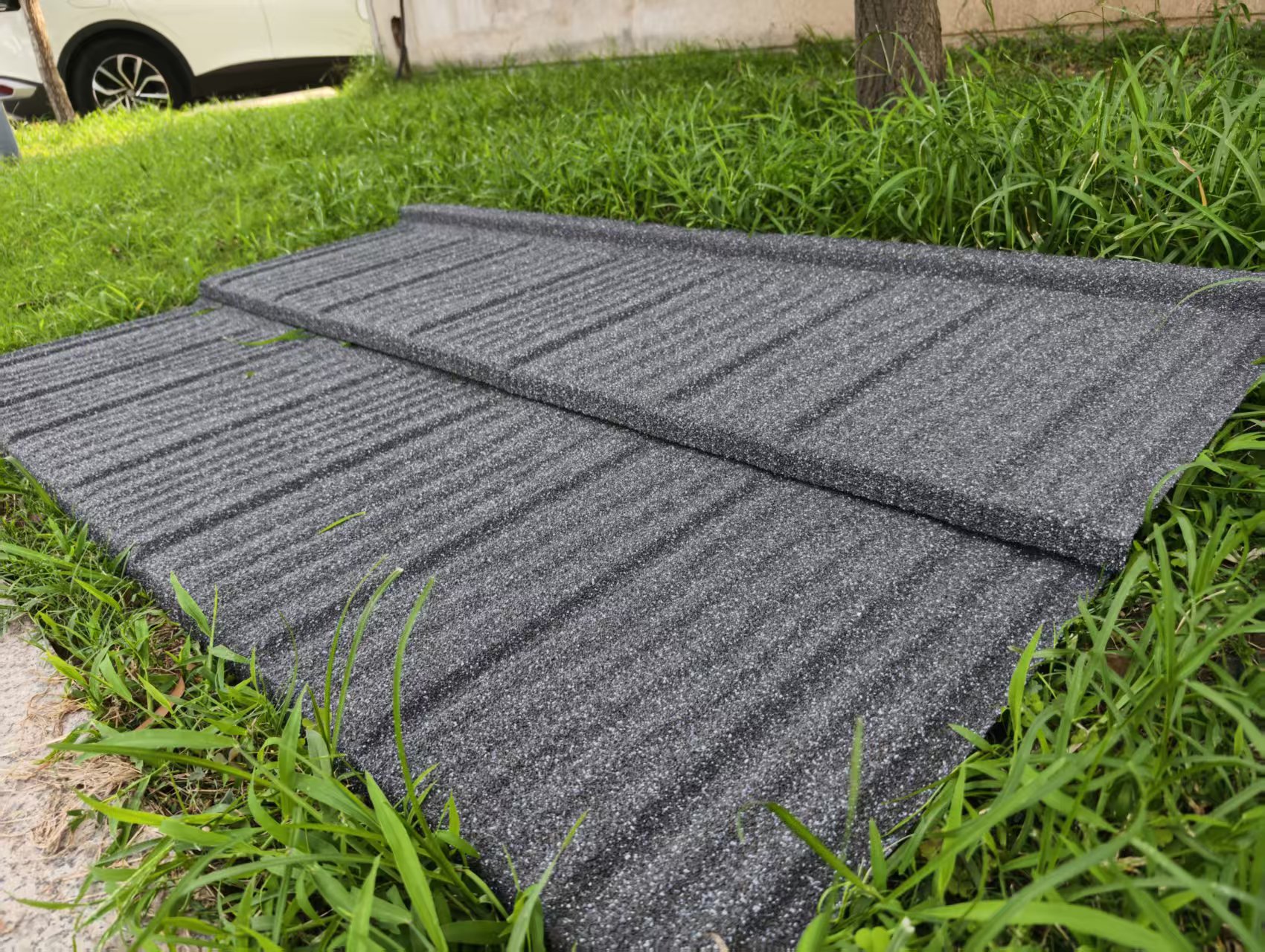
The surface of stone coated roofing is the most immediate visual cue. High-quality products present a consistent, well-bonded stone layer, while low-quality ones often show uneven texture, color inconsistency, or exposed base areas.
Because the stone granule layer also protects the steel substrate, surface defects are not just cosmetic—they directly affect durability.
At a glance, a trained eye can quickly identify whether the coating process meets industry standards.
What to Look For
- Uniform stone distribution with no bald spots
- Consistent color tone across the panel
- No visible glue marks or patchy coating
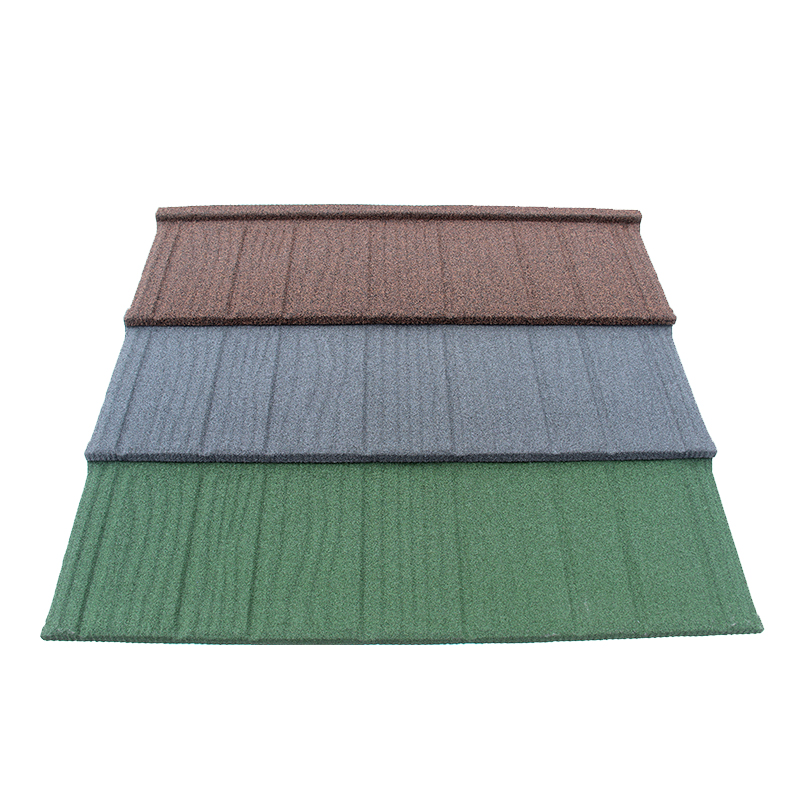
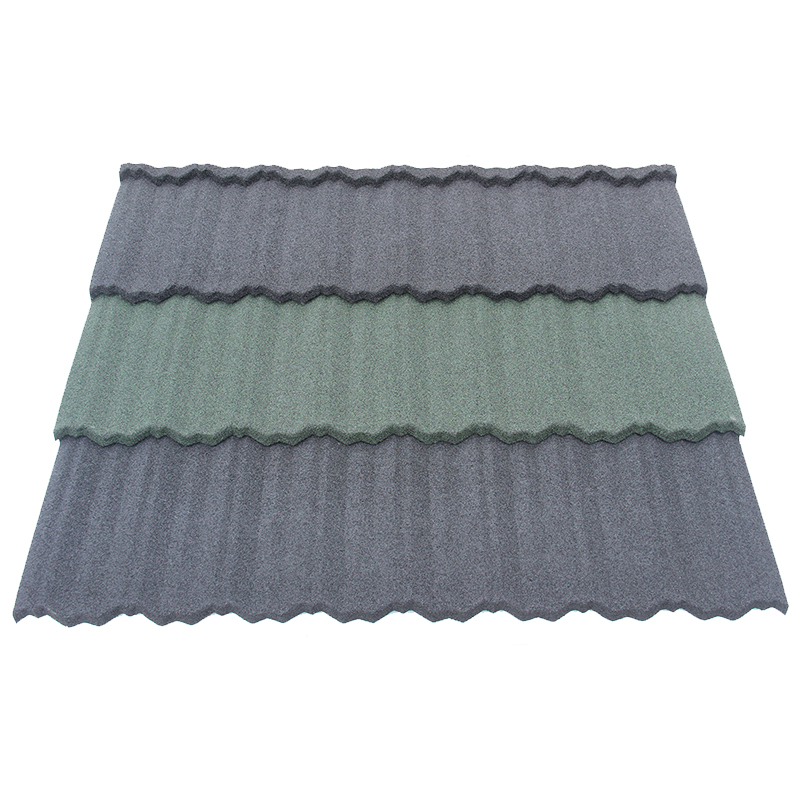
In well-finished profiles like Bond Tile, the surface should appear dense and evenly textured across both flat and contoured areas.
Stone Adhesion: A Quick Durability Check
One of the fastest ways to assess quality is by checking how firmly the stone granules are bonded to the surface. Poor adhesion is a common issue in low-quality stone coated steel roofing and leads to premature fading and exposure of the base metal.
This can often be evaluated without tools.
A simple hand rub test can reveal a lot.
Quick Field Test
- Rub the surface lightly with your hand
- Check if granules fall off easily
- Look for powder residue or loose particles
Minimal granule loss is normal, but excessive shedding indicates weak adhesive quality.
Edge Finishing and Cutting Quality
The edges of stone coated roofing panels are often overlooked, but they provide strong clues about manufacturing precision. Clean, well-protected edges indicate controlled production processes.
Rough or poorly coated edges may expose the steel substrate to corrosion.
This is especially important for long-term performance in harsh environments.
Signs of High vs Low Quality
- High-quality: smooth cuts, coated edges, no burrs
- Low-quality: jagged edges, visible raw metal, uneven coating
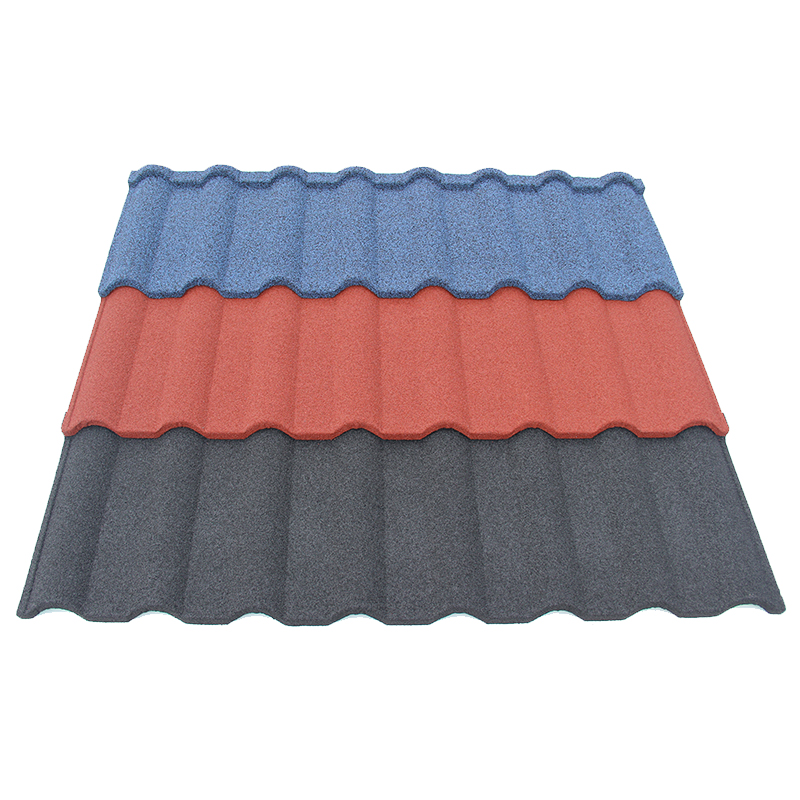
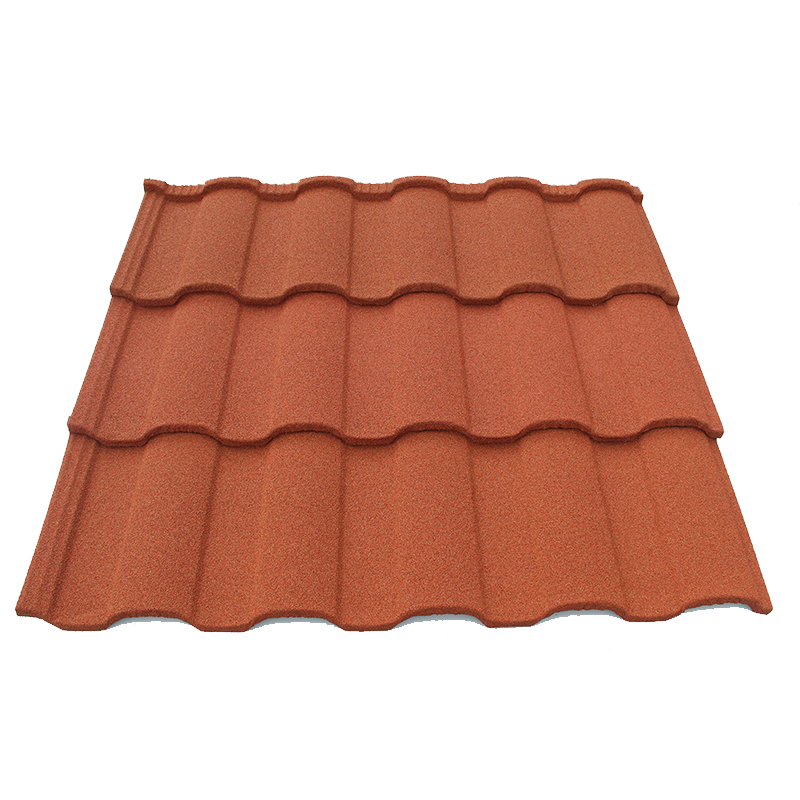
In curved profiles such as Roman Tile, edge consistency should remain uniform even along complex shapes.
Panel Rigidity and Structural Feel
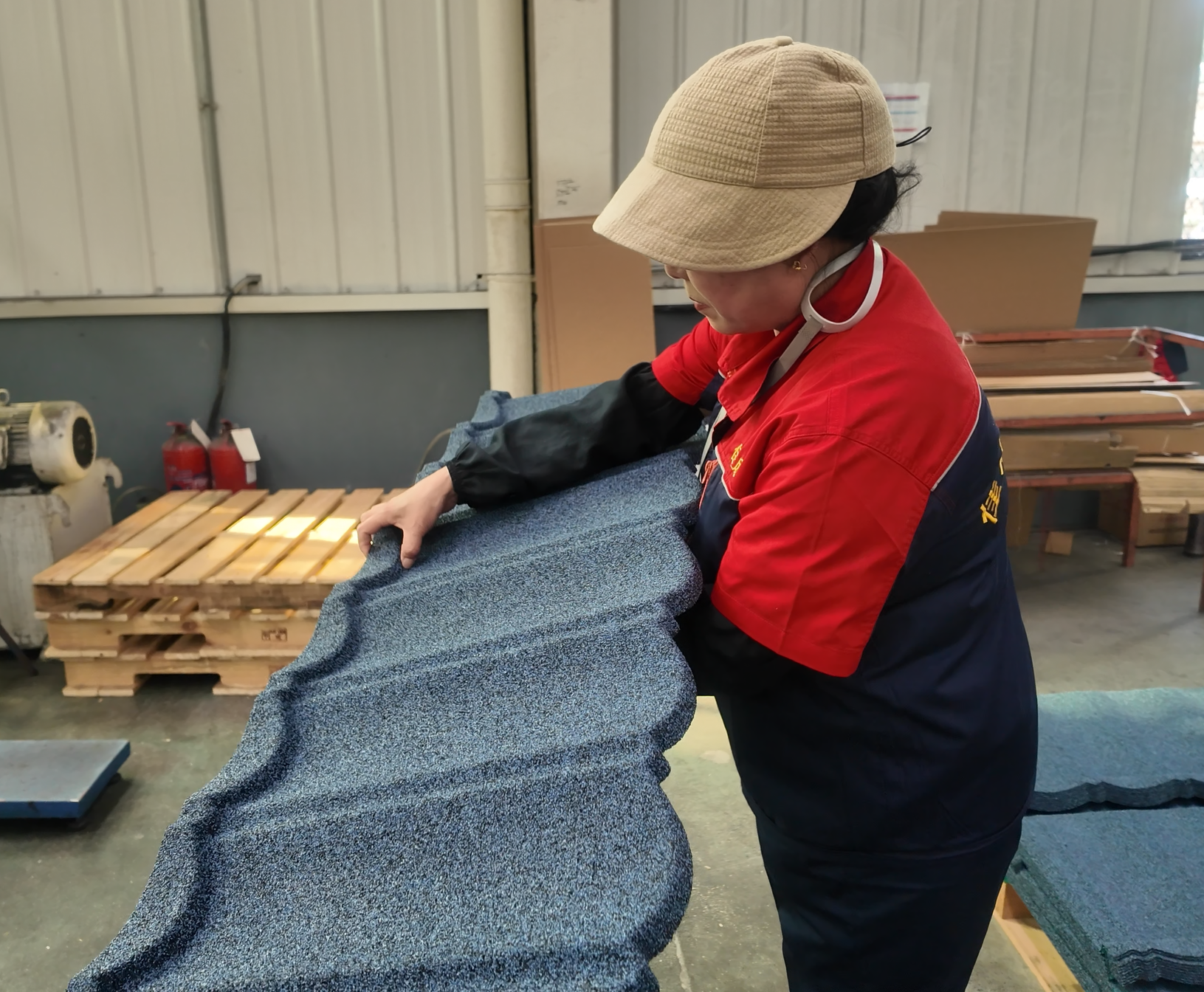
While thickness measurements require tools, you can still get a general sense of panel strength by handling the product. High-quality stone coated metal roofing feels solid and maintains its shape when lifted.
Low-quality panels may feel overly flexible or “thin,” indicating reduced structural integrity.
This difference becomes critical during installation and long-term use.
What to Check
- Does the panel hold its shape when lifted?
- Is there excessive flexing under light pressure?
- Does it feel consistent across different panels?
Backside Coating and Corrosion Protection
Many buyers focus only on the visible surface, but the backside coating is equally important. This layer protects the steel from moisture and condensation coming from below.
Low-quality products often cut costs here, resulting in thin or uneven protective coatings.
A quick flip of the panel can reveal this immediately.
Backside Inspection Points
- Uniform protective coating coverage
- No bare metal exposure
- Smooth and consistent finish
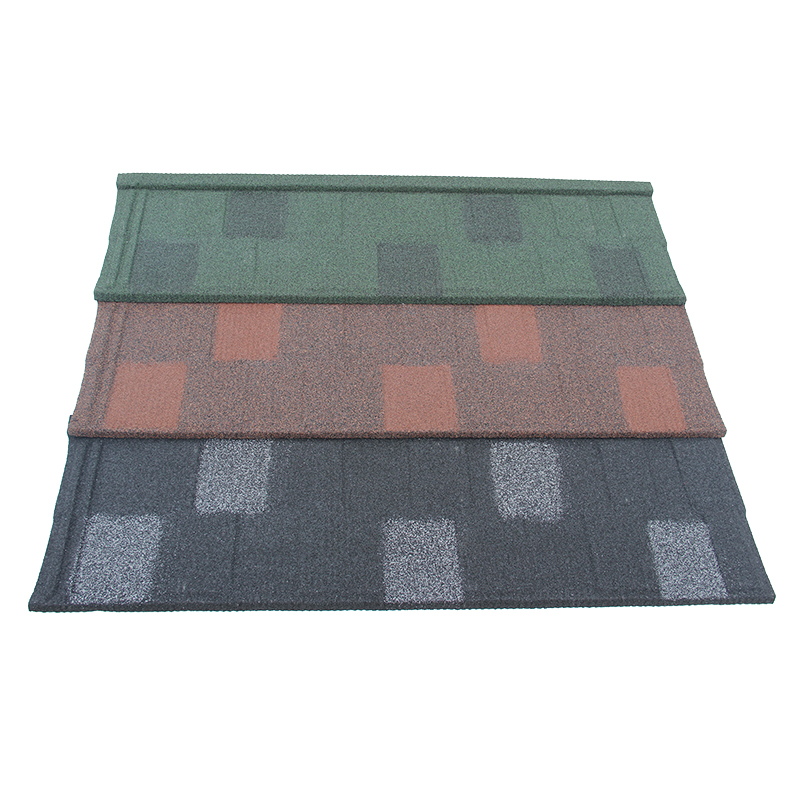
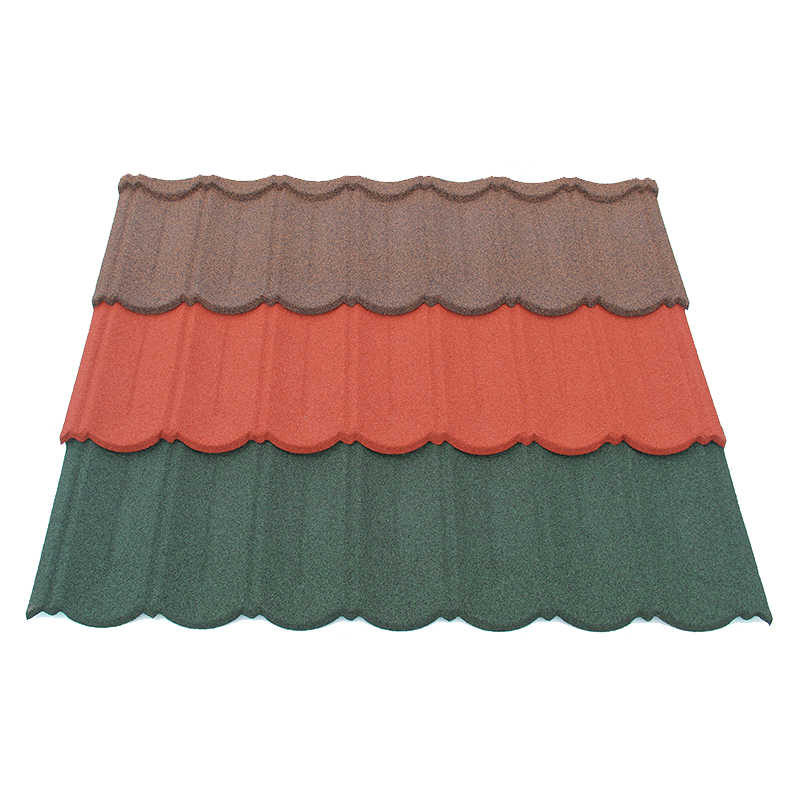
In flatter systems like Shingle Tile, backside coating quality is especially important because of more uniform contact with underlayment.
Consistency Across Multiple Pieces
High-quality stone coated roofing is produced with strict process control, resulting in consistent appearance and dimensions across batches. In contrast, low-quality products often show variation from piece to piece.
This inconsistency can create installation issues and visual defects on completed roofs.
Always compare multiple panels—not just one sample.
What to Compare
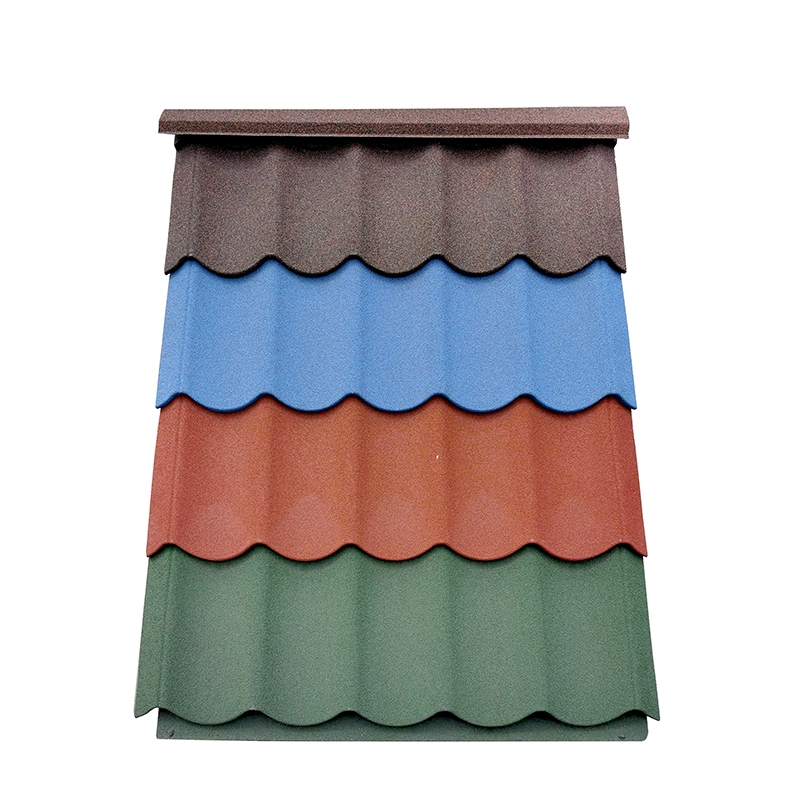
- Color consistency between panels
- Uniform shape and dimensions
- Consistent coating thickness and texture
Weight Per Sheet (Quick Estimation)
While exact weight requires measurement, experienced buyers can estimate relative weight by handling the product. Extremely lightweight panels may indicate thinner steel or reduced coating layers.
Weight alone is not a definitive indicator, but it can support other observations.
Consistency in weight across panels is also important.
Packaging and Handling Quality
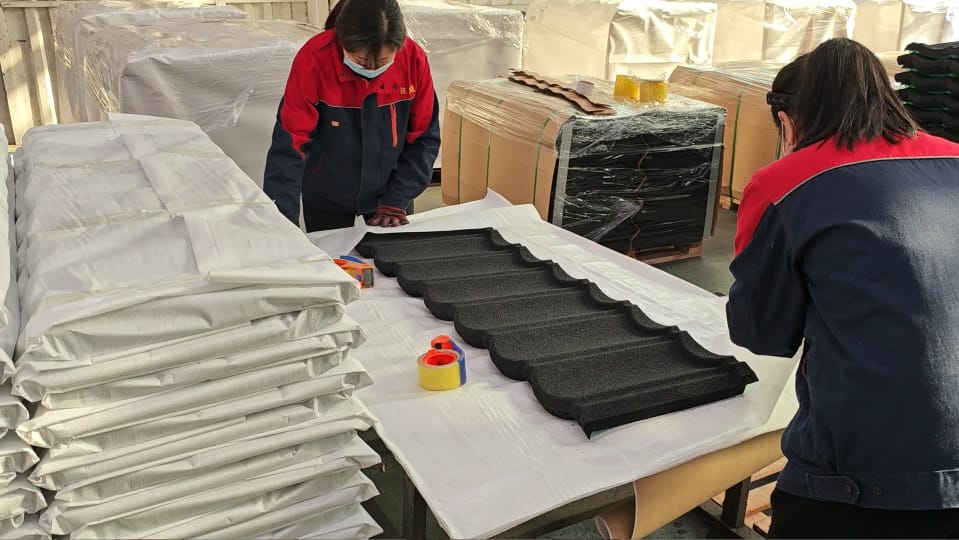
Even before installation, packaging quality reflects the manufacturer’s standards. Poor packaging often leads to damaged edges, loose granules, and scratched surfaces.
This is especially relevant for export and long-distance shipping.
High-quality suppliers invest in proper protection during transit.
Packaging Indicators
- Secure stacking and wrapping
- Protection at corners and edges
- Minimal granule loss inside packaging
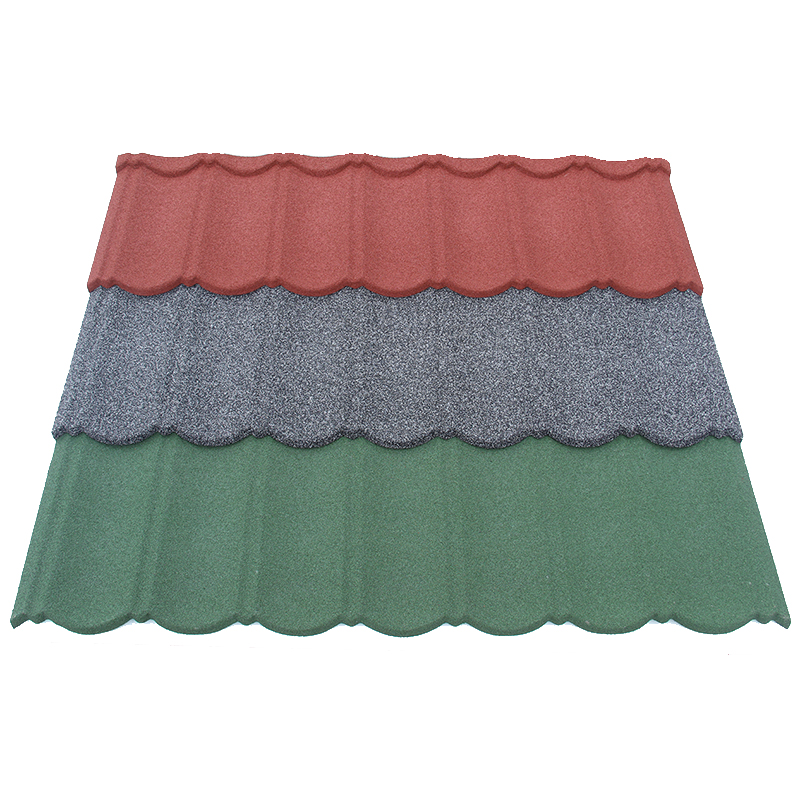
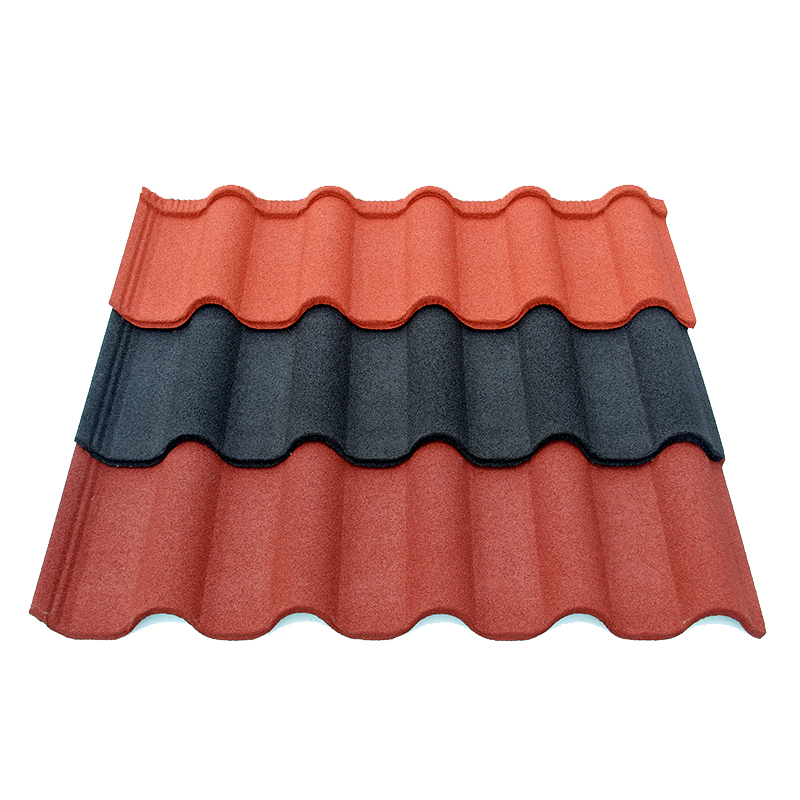
In premium designs like Milano Tile, maintaining surface integrity during transport is critical for final appearance.
Common Mistakes When Evaluating Quality
Many buyers rely on limited or misleading indicators when assessing stone coated roofing quality. Avoiding these mistakes improves decision accuracy.
Frequent Errors
- Judging based on color alone
- Evaluating only a single sample
- Ignoring backside coating quality
- Overlooking granule adhesion
Practical Advice for Buyers and Distributors
From a B2B sourcing perspective, quick visual inspection is a valuable first step—but it should be combined with technical verification such as material specifications and certifications.
Reliable manufacturers maintain consistency across production, not just in sample pieces.
Suppliers such as JCROOF typically emphasize both visual quality and system-level performance, which is critical for long-term project success.
Recommended Approach
- Perform visual inspection on multiple panels
- Check adhesion and coating consistency
- Verify technical specifications and certifications
- Request real project references when possible
Conclusion: How to Spot Quality at a Glance
So, how do you identify low-quality stone coated roofing at a glance? Focus on surface uniformity, stone adhesion, edge finishing, backside coating, and overall consistency. These visual indicators provide immediate insight into manufacturing quality.
For professional buyers, combining these quick checks with technical validation ensures that the selected stone coated steel roofing system meets both performance and durability expectations.