

Stone coated roofing vs concrete tile installation differences affect far more than the labor quote on a bid sheet. Installation speed determines how quickly a building gets weatherproofed. Skill requirements shape how many qualified crews are available in a given region. Breakage rates during handling and fixing affect both material waste and final cost. This guide breaks down the real installation differences between these two roofing systems, and how those differences translate into project outcomes across common build scenarios.
Why Installation Efficiency Deserves as Much Attention as Material Performance
Material specifications often dominate roofing conversations, while installation logistics get treated as a secondary concern. In practice, however, the two are inseparable. A roofing material that installs slowly, requires rare specialist skills, or generates high breakage rates during handling can turn a competitive material price into an expensive total project cost. Consequently, buyers who evaluate installation requirements alongside product performance make more accurate total cost comparisons than those who focus on material price alone.
Installation Time Directly Affects Project Cash Flow
A faster installation gets a building weatherproofed sooner, which protects interior work from weather damage and allows following trades to start earlier. On large projects, this schedule compression can translate into meaningful cost savings beyond the roofing trade itself.
Skill Requirements Shape Crew Availability and Labor Cost
Some roofing systems require specialized installation skills that limit the pool of available crews in any given region. As a result, a material that demands rare expertise can drive labor costs higher than the material price difference would suggest, particularly in markets where qualified installers are scarce.
Breaking Down the Core Installation Differences
Stone coated roofing and concrete tile differ across four key installation dimensions. These are weight and handling logistics, installation speed per square, breakage and waste rates, and the skill level required for correct fitting. Together, these factors determine the true labor cost and timeline impact of choosing one material over the other. The table below summarizes how these two systems typically compare during installation.
| Installation Factor | Concrete Tile | Stone Coated Metal Roofing Tile |
|---|---|---|
| Weight and Handling | Heavy, requires more lifts and staging effort | Light, easier to handle and position on site |
| Installation Speed | Slower, careful placement required to avoid breakage | Faster, interlocking panels cover area efficiently |
| Breakage and Waste Rate | Higher, surface chips under foot traffic and impact | Lower, coated steel resists breakage during handling |
| Skill Level Required | Moderate to high, experience needed for correct laying | Moderate, interlocking system guides correct alignment |
Weight, Handling, and Site Logistics
Concrete tile’s substantial weight creates real logistical challenges during installation. Pallets are heavier, rooftop staging is more demanding, and the risk of structural overloading during the installation phase is higher. Stone coated roofing panels, by contrast, are significantly lighter and easier to move from ground to rooftop. As a result, crews can stage and position material faster without the same risk of temporary overloading on partially completed structures.
Installation Speed and Coverage Rate
Concrete tile installation requires careful, deliberate placement to avoid surface chipping and ensure correct alignment across the field. Stone coated metal roofing tile’s interlocking design, however, naturally guides correct positioning, which reduces the time each tile requires for alignment checking. Consequently, experienced crews typically cover more area per day with stone coated systems than with concrete tile under equivalent conditions.
Breakage and Material Waste During Installation
Concrete tile chips and cracks under foot traffic during installation, which generates waste beyond the standard cutting allowance. This waste adds both material cost and cleanup time to the project. Stone coated roofing tile’s coated steel base, on the other hand, flexes rather than cracks under the same handling conditions. Therefore, breakage rates during installation tend to be significantly lower, which reduces total material consumption and on-site waste.
How These Installation Differences Play Out Across Project Types
Installation efficiency advantages compound differently depending on project scale, crew availability, and site conditions. The following examples show how stone coated roofing vs concrete tile installation comparisons drive real decisions across common project scenarios.
Large Residential Developments With Tight Schedules
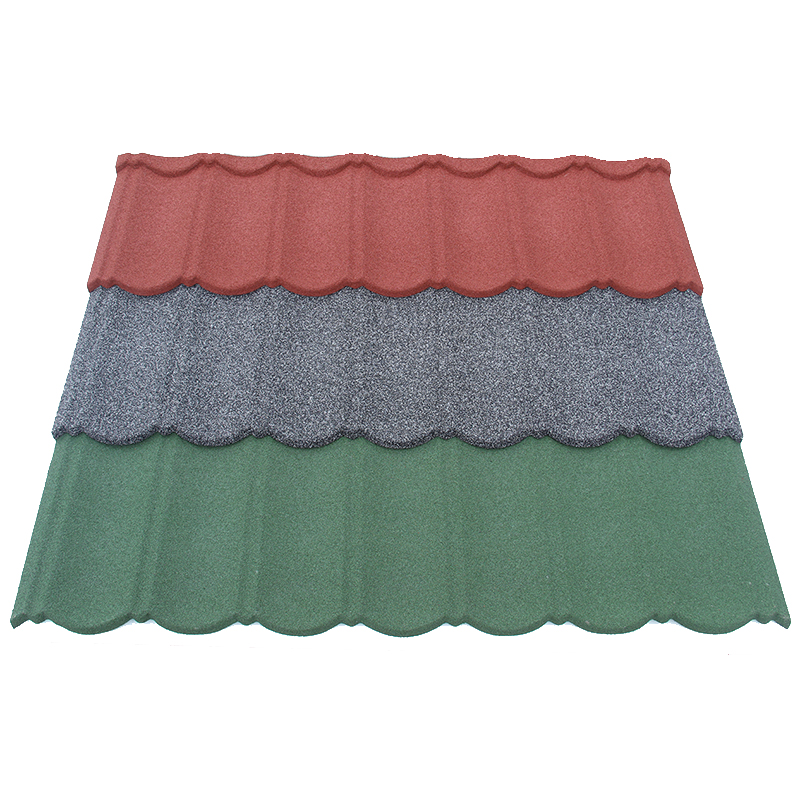
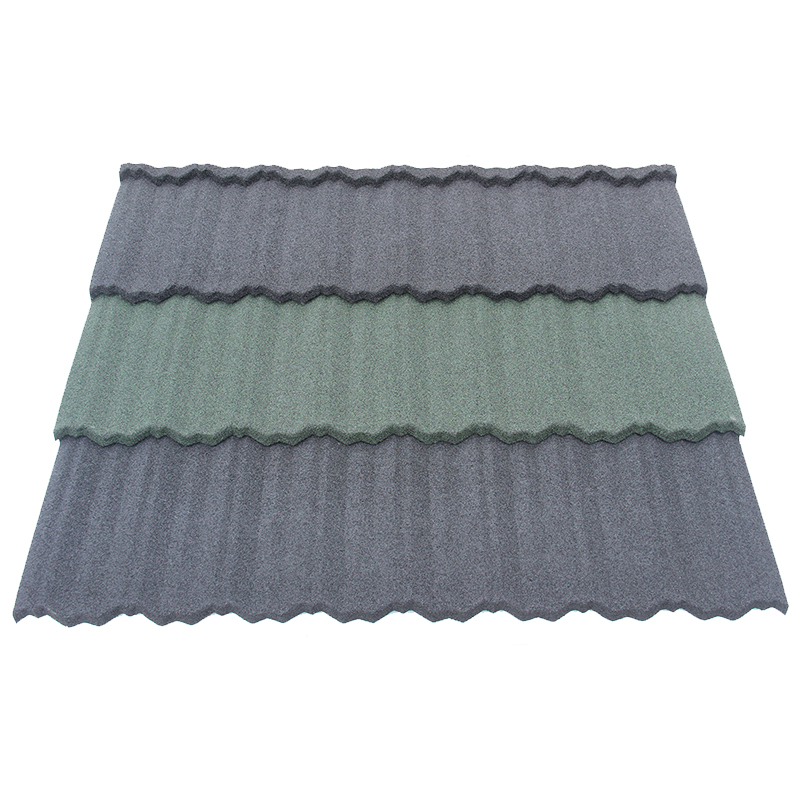
Developers building multiple homes simultaneously benefit most from installation speed advantages. A Bond Tile profile installed across a full subdivision allows crews to move between homes faster, compressing the overall roofing phase and allowing interior trades to follow sooner on each completed building.
Retrofit Projects on Occupied Buildings
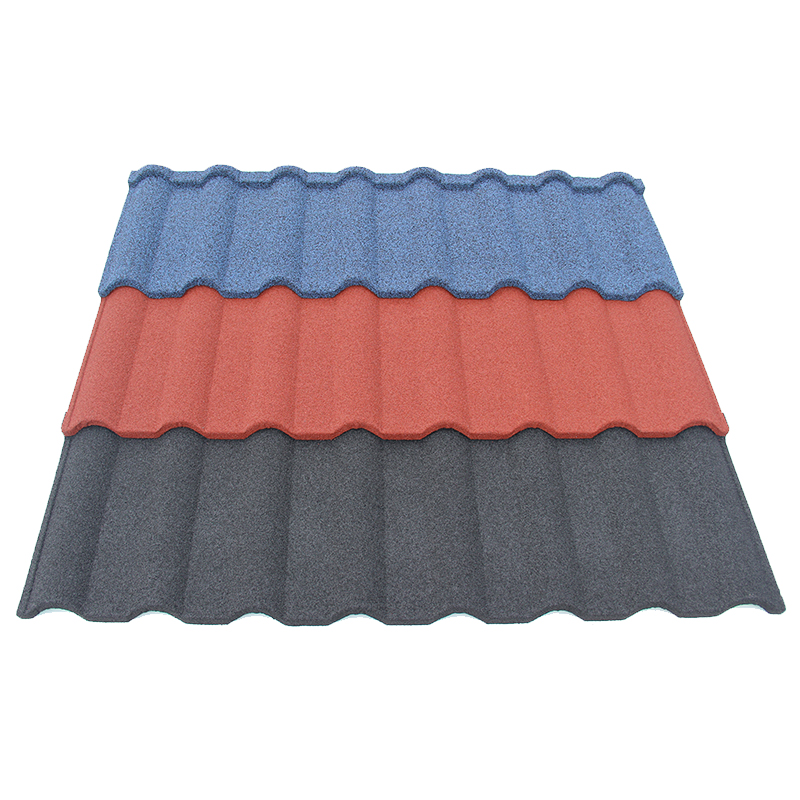
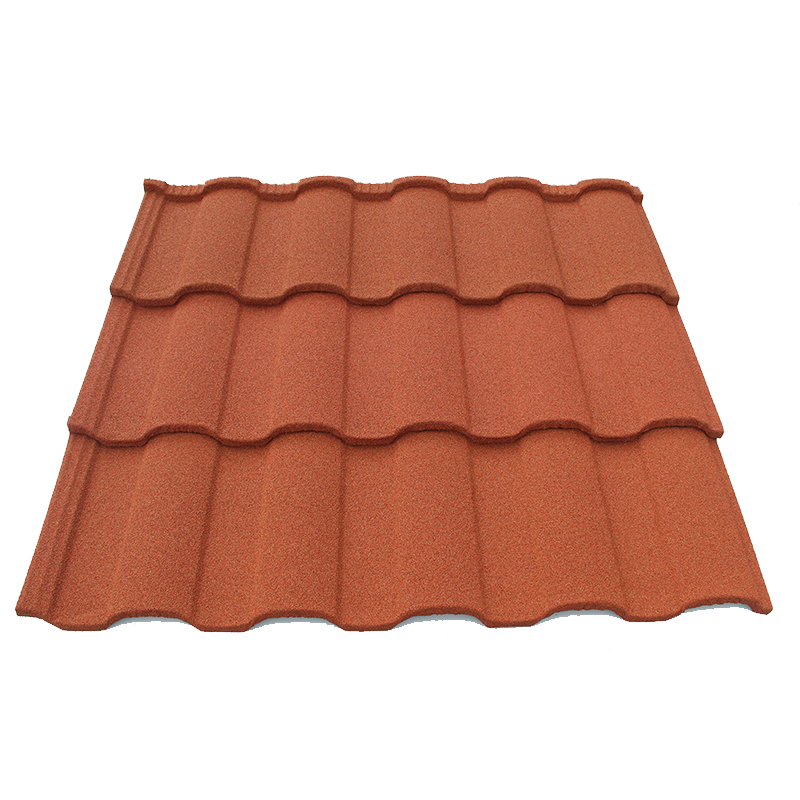
Occupied buildings need roofing completed as quickly as possible to minimize disruption to occupants. A Roman Tile profile’s faster installation rate reduces the period during which a building is exposed to weather between old roof removal and new roof completion, which is particularly valuable on occupied residential or commercial properties.
Projects in Regions With Limited Skilled Labor
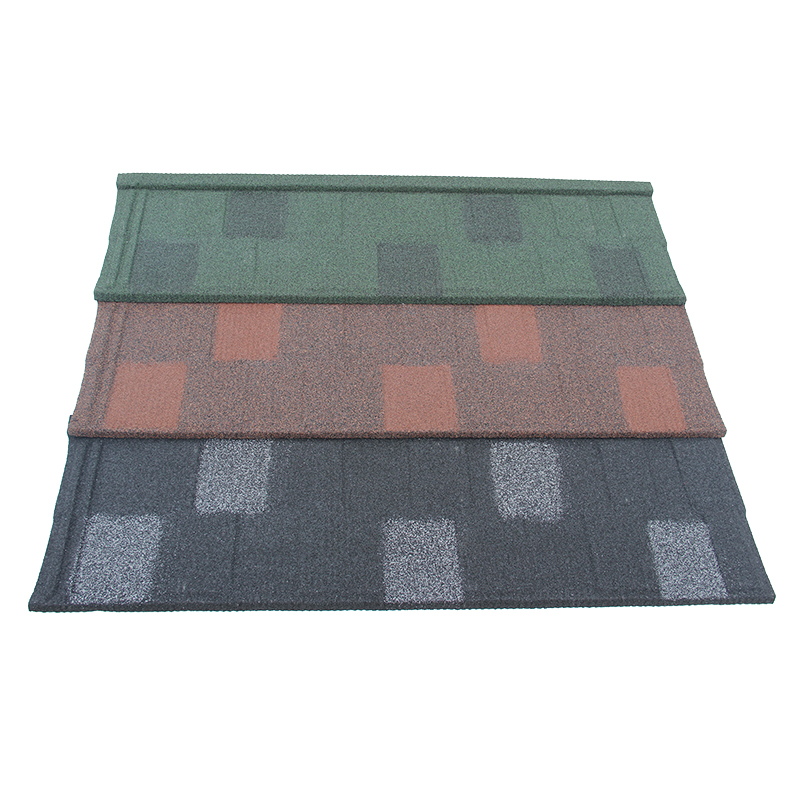
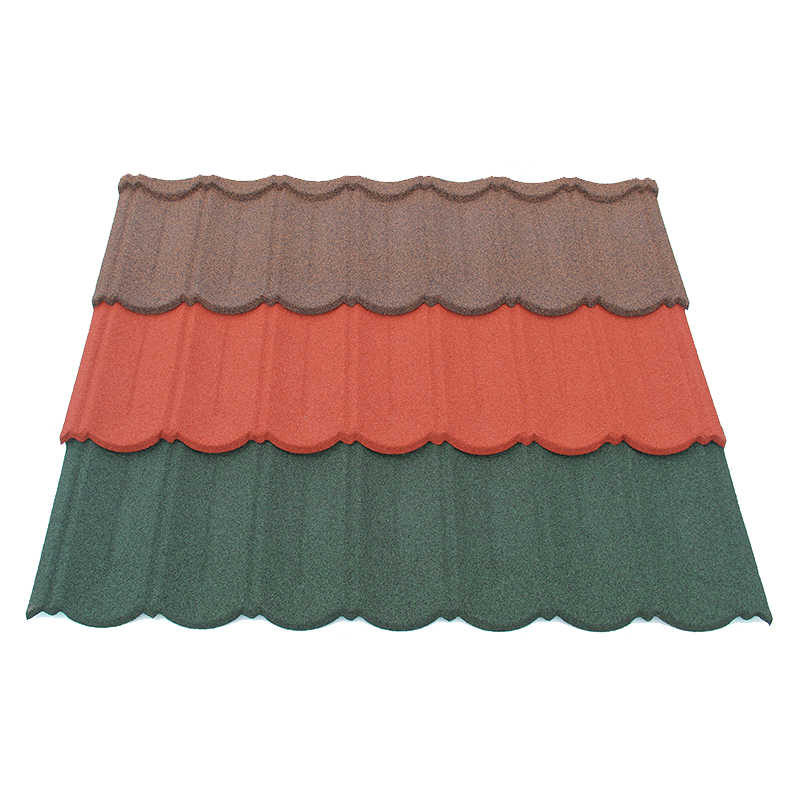
In markets where experienced roofing crews are scarce, an interlocking system that guides correct installation reduces the skill gap between experienced and newer installers. A Shingle Tile profile’s alignment system allows less experienced crews to install correctly with lower supervision requirements than concrete tile would demand. Consequently, more local labor becomes usable on the project without sacrificing installation quality.
Architectural Projects With Complex Rooflines
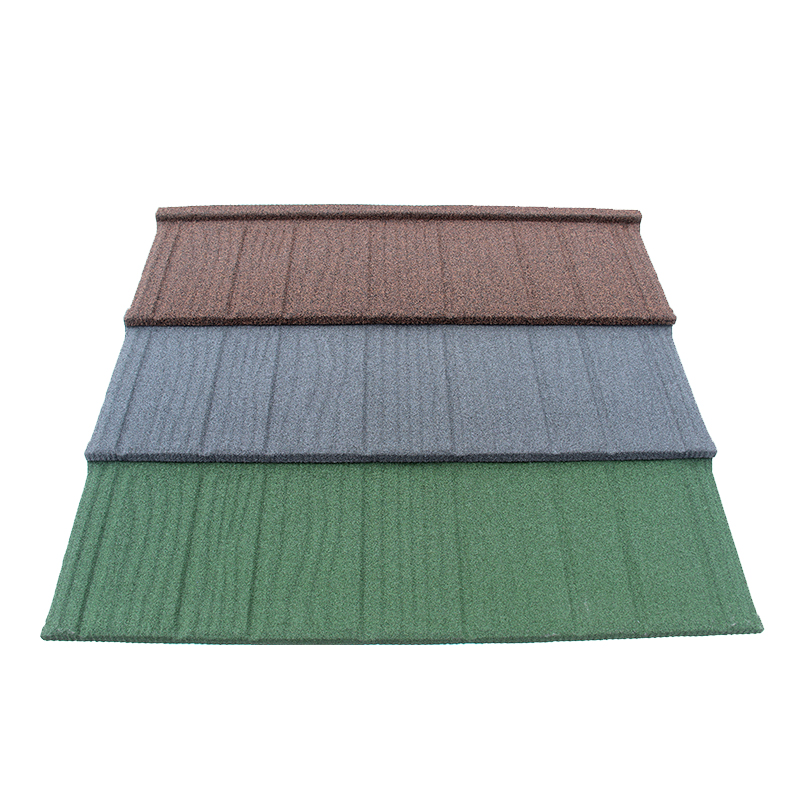
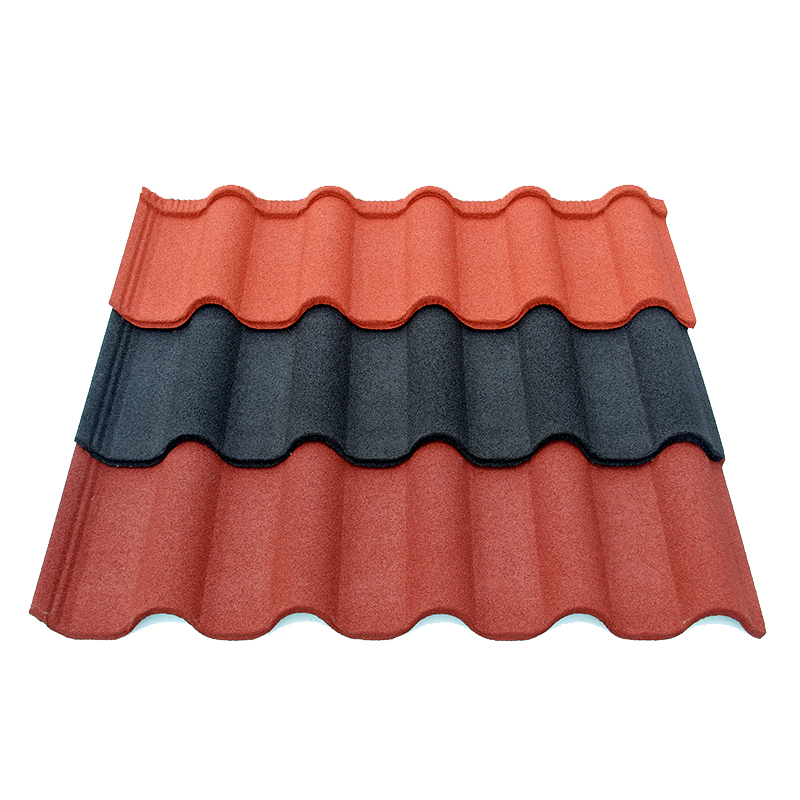
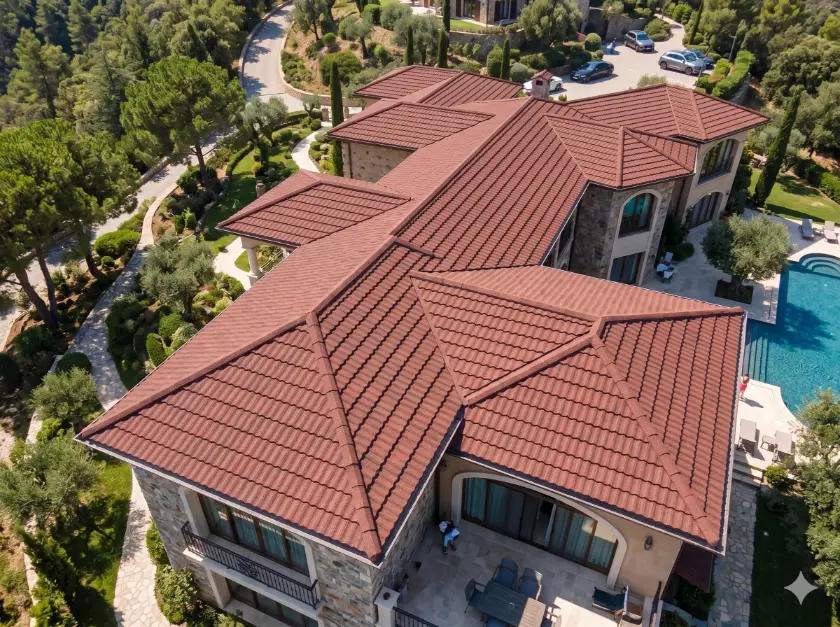
Complex roof geometries with multiple valleys, hips, and ridge changes demand precise tile cutting and fitting around transitions. Suppliers such as JCROOF often support these projects by providing detailed installation guides for profiles like Milano Tile, which helps crews manage complex geometry efficiently without excessive waste. Similarly, a Shake Tile profile benefits from the same installation guidance, since its textured surface requires precise alignment to maintain a consistent visual pattern across the finished roof.
Common Mistakes When Planning a Concrete Tile or Stone Coated Roofing Installation
Installation planning mistakes are among the most common sources of cost overruns on roofing projects. Many of these mistakes stem from applying generic assumptions to a specific project’s site conditions and crew capabilities. Recognizing these patterns early helps buyers and contractors avoid them before work begins.
Underestimating Concrete Tile Breakage in the Installation Budget
Standard material takeoffs often underestimate breakage rates during concrete tile installation, particularly on complex rooflines with significant cutting requirements. As a result, projects frequently need additional material mid-installation, which delays completion and adds procurement cost at the worst possible time.
Assuming Crew Familiarity With Both Systems
Crews experienced with concrete tile may not be equally comfortable with stone coated roofing’s interlocking system, and vice versa. Therefore, project managers should confirm crew familiarity with the specific system before scheduling, rather than assuming roofing experience transfers automatically between material types.
Ignoring Temporary Load Risk During Staging
Staging heavy concrete tile on a partially completed structure creates temporary load conditions that can exceed the structure’s designed capacity. However, this risk is rarely addressed explicitly in installation planning. Buyers should confirm temporary staging load limits with the structural engineer before scheduling a concrete tile installation.
- Increase breakage allowance in concrete tile material takeoffs, especially on complex rooflines
- Confirm crew familiarity with the specific roofing system before scheduling installation
- Assess temporary staging load limits before roofing material is lifted onto the structure
- Factor installation speed differences into the overall project schedule, not just the roofing phase
- Request system-specific installation guides from the supplier before work begins
Making an Installation-Informed Material Decision
Stone coated roofing vs concrete tile installation differences represent a real and measurable part of total project cost, even though they rarely appear explicitly on a material price comparison. Faster installation, lower breakage rates, and broader crew accessibility together create a meaningful cost and schedule advantage that compounds as project scale increases.
Questions to Ask Before Finalizing Your Roofing Material Choice
Ask for installation speed benchmarks from your chosen supplier for the specific profile under consideration. In addition, confirm breakage allowance recommendations and crew training requirements before finalizing your material budget. These details often reveal cost differences that a straight material price comparison would miss entirely.
Stone coated roofing vs concrete tile installation comparisons consistently show an efficiency advantage for stone coated systems across most project types. Nevertheless, the right choice still depends on matching installation requirements to your specific crew capabilities, project timeline, and site conditions. Buyers who evaluate these factors together make more accurate total cost projections than those focusing on material price alone.