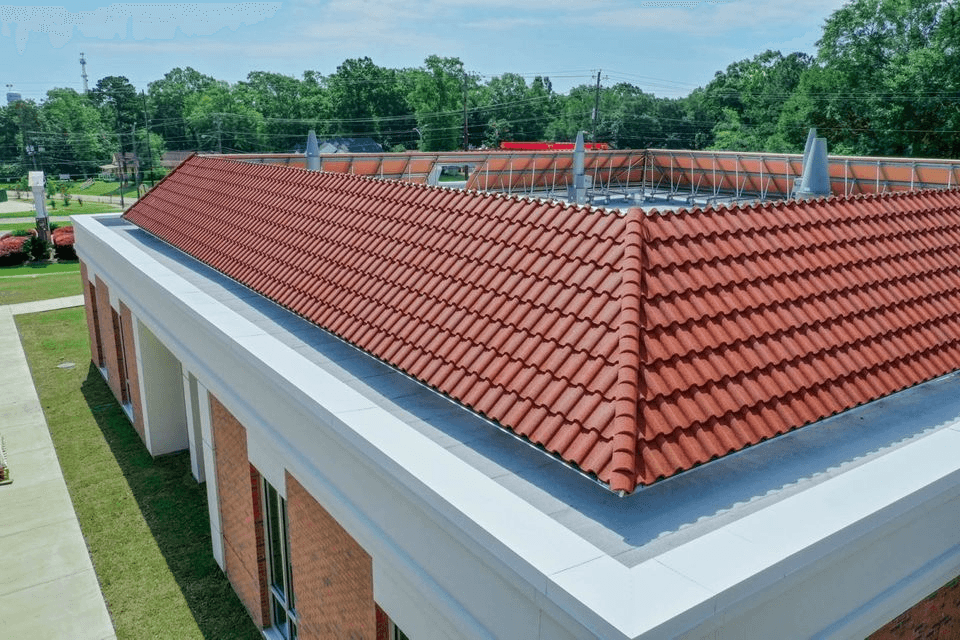
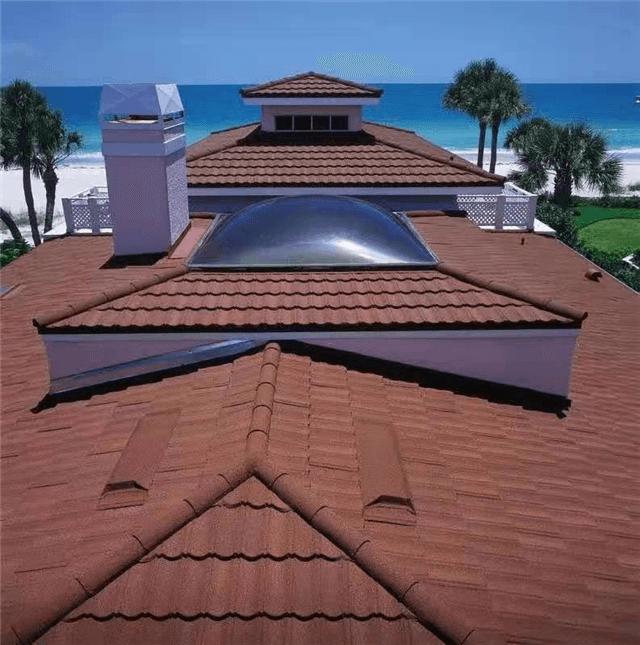
The stone coated shingles batten vs direct to deck choice starts with the exact product and its assembly documents. Ask which method the offered profile supports and under what conditions. Then have the project team review the proposed roof. Neither method is a universal option for every stone coated shingle.
For buyers, this is a scope question before it becomes a price question. The support arrangement affects what the order and site package need to include. It also changes which drawings and fixing details installers must follow. A panel photograph cannot settle those decisions.
Start by asking the supplier to name the full system behind its quote. Then compare that system with the actual project. This creates a sound buying record without asking purchasing staff to design the roof themselves.
Define the stone coated shingles batten vs direct to deck choice
In a batten system, the roof panels use a specified arrangement of support strips. In a direct-to-deck system, the panels fasten to the specified deck within the defined roof build-up. These labels describe broad arrangements. They do not explain every layer, junction, or fixing point.
Identify the product before discussing the method
Ask for the maker, profile, product code, and current installation guide. Also request a drawing of the proposed assembly. A generic claim that metal shingles work both ways is too broad. The answer must refer to the version you plan to buy.
For a Shingle Tile inquiry, request the documents for that exact offered model. Ask the supplier to identify the support and deck details it proposes. Keep any alternative arrangement separate until the project reviewer accepts it. Do not infer a second method from the profile name.
The DECRA component guide page illustrates why exact product identity matters. It lists Shingle XD as direct-to-deck and DECRA Tile as installed on battens. These descriptions apply to those named DECRA products. They do not approve either method for another maker’s shingles.
Ask what the labels leave open
Direct-to-deck does not mean that installers can omit all other roof layers. Ask which underlay, support condition, and fixing detail the guide requires. Likewise, a batten proposal still needs to describe the structure below the strips. The system name is only the start of that review.
Separate field panel support from local supports at ridges or other junctions. A detail may use timber at one location without making the entire roof a batten system. Therefore, ask the supplier to explain the drawing as a whole. Avoid deciding from one cropped detail.
Use the metal shingle specification guide to gather the wider product records. Link the named assembly to the material, finish, and purchase scope. This helps the buying team keep one consistent version through approval and delivery.
Match the documents to the actual project

The project team needs enough context to assess the proposed system. Record the roof location, planned use, shape, slope, and known support conditions. Also say whether the work concerns a new build or an existing roof. Mark details that still need a site check.
Describe the deck and supporting structure
Ask the project reviewer to identify the deck type and its relevant condition. Then check that the proposed guide covers that basis. If the roof has gaps, damage, or uncertain records, obtain the required review. Do not let a quote assume that the existing deck is suitable.
For battens, request the proposed material, size, layout, and fixing documents. Ask what they attach to and which drawing defines that connection. These are review questions rather than values buyers should select from a general article. Keep the responsible designer’s decisions with the project records.
For direct-to-deck, request the stated deck requirements and panel fixing details. Ask whether the proposed deck matches the guide and supporting evidence. A familiar board name does not answer every question about thickness, support, or fastening. The relevant reviewer must assess the actual conditions.
Treat an existing roof as its own question
Ask the contractor what inspection and preparation the proposal includes. Existing layers, damage, and roof edges may change the work scope. Also identify any local approval requirements through the project team. Do not assume battens make every roof suitable for covering over.
If someone proposes retaining old roofing, request the documented basis for that plan. Record the inspected conditions and the person who accepts the proposal. Then reconcile it with the named product instructions. An example from another house cannot approve your project.
Also ask how the proposed roof meets walls, valleys, eaves, and existing fittings. A change in roof build-up can affect those junctions. Have the team review the details before ordering the main panels. Otherwise, the material shipment may arrive before the required parts are clear.
Review fasteners, layers, and junctions as one assembly
A buying comparison should show how the parts work together. It should also identify which party supplies each part. The panel, supports, deck, fasteners, and junction details belong in the same review. A list of separate product names cannot replace that link.
Request a complete document set
Ask the supplier for the current guide and any relevant evaluation or test records. Check the named product, assembly, revision, and stated conditions. Then give the records to the qualified project reviewer. A headline rating does not establish the scope of the underlying evidence.
Use this comparison sheet to expose missing information. It does not prescribe engineering values or approve either arrangement.
| Review area | Information to obtain |
|---|---|
| Product | Profile, code, version, and installation guide. |
| Support | Proposed battens or deck and their approved details. |
| Fasteners | Specified type, location, and attachment basis. |
| Roof layers | Required underlay and other defined layers. |
| Junctions | Applicable ridge, valley, edge, and wall details. |
| Evidence | Records matching the proposed product and assembly. |
| Project review | Named reviewer, open questions, and approval status. |
If a report describes one support arrangement, do not silently extend it to another. Ask how the proposed change affects the report’s relevance. Also check whether the fasteners and substrate still match. Keep the answer within the reviewer’s stated scope.
Keep fixing questions specific
Ask which fastener schedule applies to the exact proposed assembly. Request the source for its type, placement, and attachment details. Do not borrow a screw count or spacing from another profile. A similar panel shape does not prove the same fastening design.
Likewise, confirm who supplies fixings and checks any proposed substitute. If local sourcing forms part of the plan, provide the full required description. A supplier should not have to guess from “roof screws” on an order. Record any accepted change before work starts.
The shingle dimensions guide explains why a current drawing matters for panel identity and coverage. Use the same drawing discipline when reviewing joints and support details. Keep overall panel size separate from the installed layout.
Review air and moisture claims with the project team
An air space shown in a section drawing does not establish a complete ventilation plan. Ask the designer how the proposed roof manages air and moisture. Also identify which details govern openings and drainage paths. Avoid turning the word “batten” into a promise of lower cooling bills.
The same caution applies to claims about noise, condensation, or comfort. These depend on the wider roof and building design. Request evidence suited to the actual claim. Keep any unresolved benefit outside the firm sales description.
Compare complete offers instead of counting battens

First confirm which assemblies the exact product and project can use. Then ask contractors to price those accepted options. If only one arrangement has a supported basis, a second price is not automatically a usable alternative. Resolve that gap before ranking totals.
Align the material and work scope
List main panels, roof parts, fixings, underlay, supports, and required preparation. Also include removal, access, disposal, and repairs where relevant. Ask each contractor to state exclusions clearly. An omitted item should remain an open cost rather than appear as zero.
For a batten offer, identify who provides the strips and their fixing package. For direct-to-deck, identify the required deck preparation and related work. Do not assume one method always uses less labor or costs less overall. Ask for current prices based on the actual roof.
Use the same roof area and layout for both estimates. Confirm effective coverage before calculating panel quantities. Then show cutting and project allowances separately. A lower panel count caused by a different area basis is not a genuine price saving.
Agree who resolves gaps and changes
Name the people responsible for product documents, site inspection, design review, and installation. Also state who approves a change when conditions differ from the plan. The buyer should know where to send an unresolved question. Verbal agreement between unrelated teams can leave the order unclear.
When discussing the proposed system with JCROOF, include the project context and current assembly questions. Ask the supplier to confirm its offered product and documents. Keep the reply with the quote. Company information alone cannot establish project approval.
If a contractor proposes changing from one method to another, request a written comparison. Review the effect on documents, parts, evidence, cost, and warranty terms. Then record the accepted decision before proceeding. A site change should not create a second, undocumented version of the roof.
Release an order that installers can follow
Before placing the order, reconcile the quote, panel drawing, parts list, and accepted assembly. Check that all files describe the same product and method. Also list any conditions that must close before installation. A purchase signature should not hide unresolved technical questions.
Keep the approved version easy to find
Issue a short document register with file names, revisions, and responsible contacts. Give the installer access to the same accepted records. Remove obsolete working copies from the live job folder. Keep historical versions separately so past decisions remain traceable.
Ask the receiving team to check product codes and supplied parts against the order. Record shortages or mismatches before materials move into routine use. If the delivered version differs, follow the agreed review process. Do not assume a familiar carton means every system detail stayed unchanged.
Plan for later service questions
Keep the final assembly record with the product and purchase files. Future repair work may need the correct profile, parts, and guide. Also ask who provides instructions for safe access and maintenance. Neither method name tells someone where to walk on a finished roof.
After the first project, collect actual questions from installers and receiving staff. Use confirmed gaps to improve the next buying brief. Then update the records through the same approval route. This turns a broad method comparison into a clearer repeat-order process.
Checking the support method for a shingle order? Send us an inquiry with your profile, destination, and project details. Our team will reply and help clarify the documents needed.