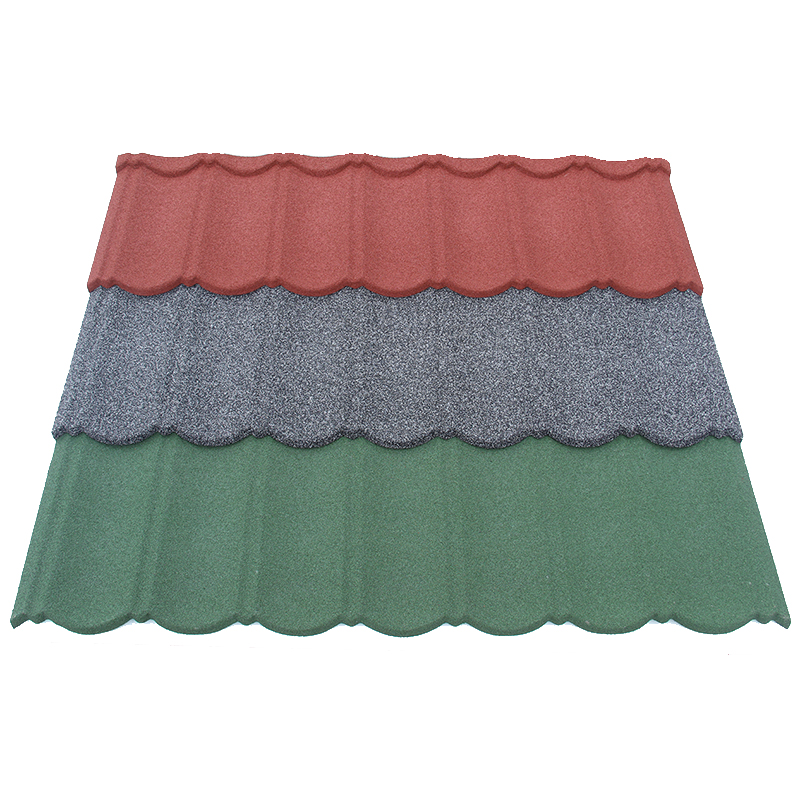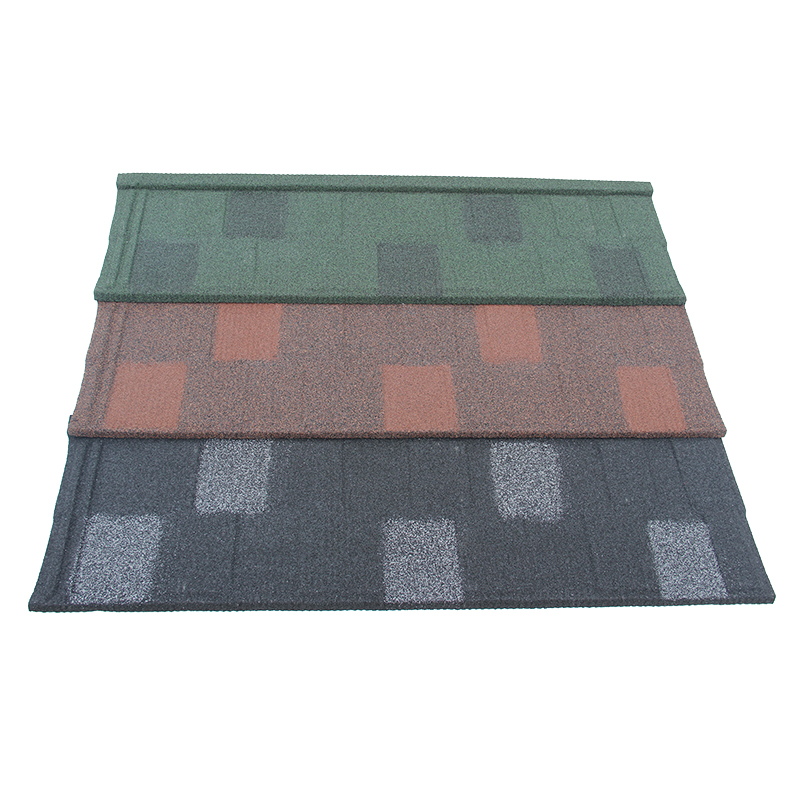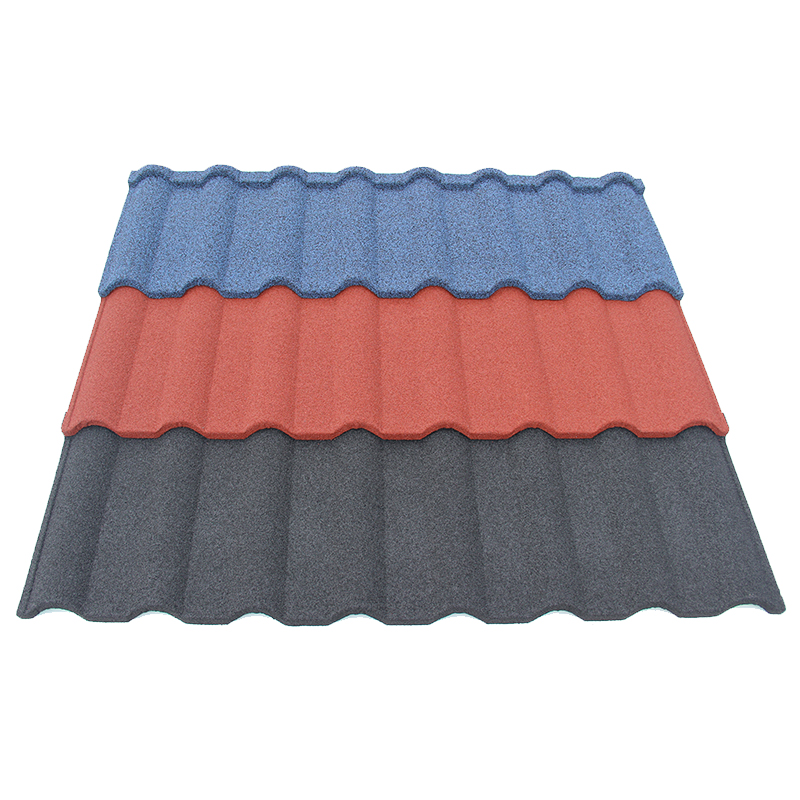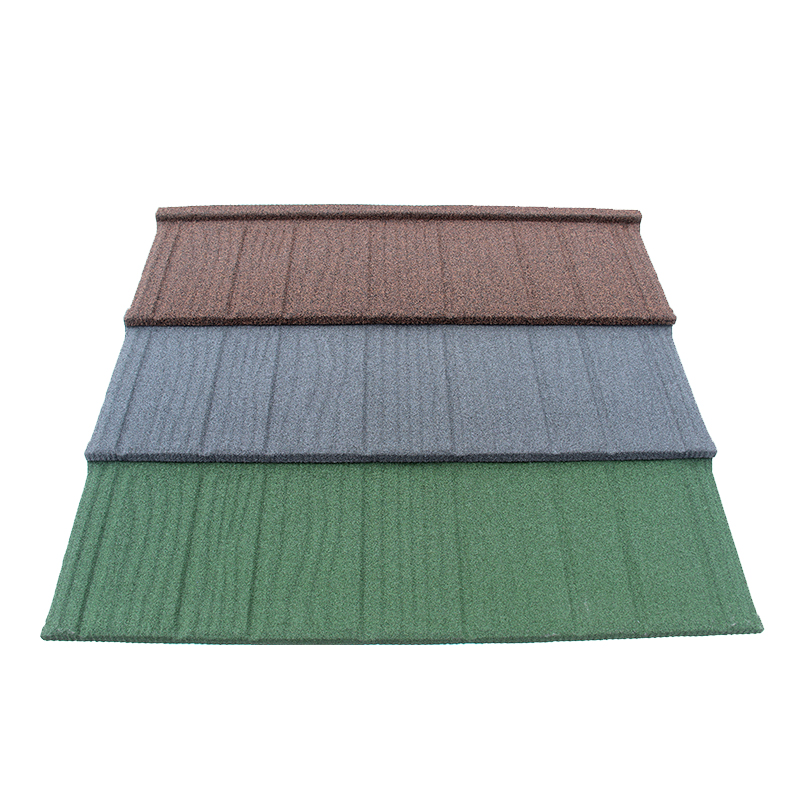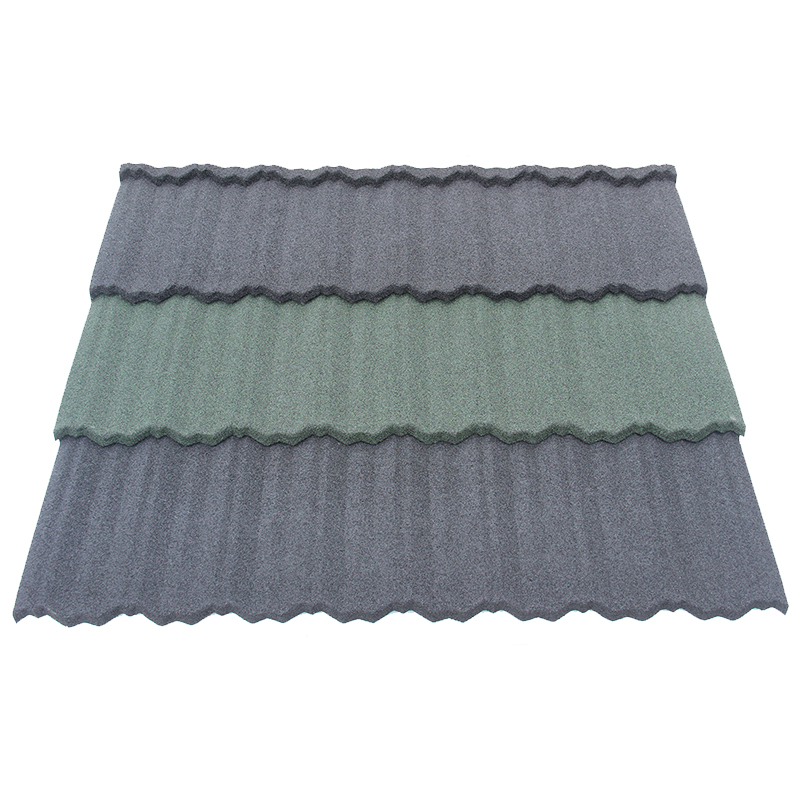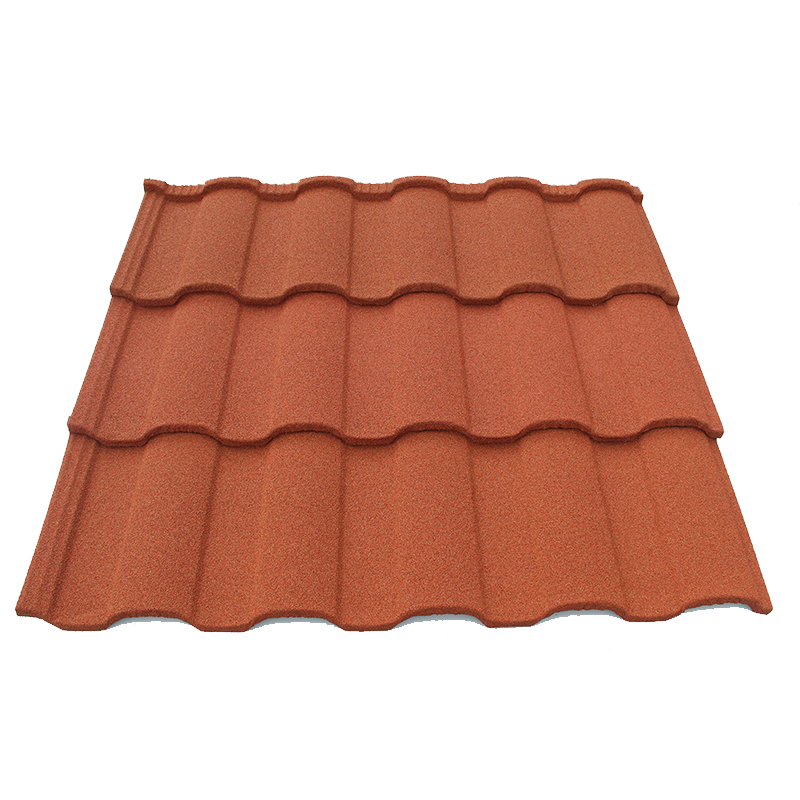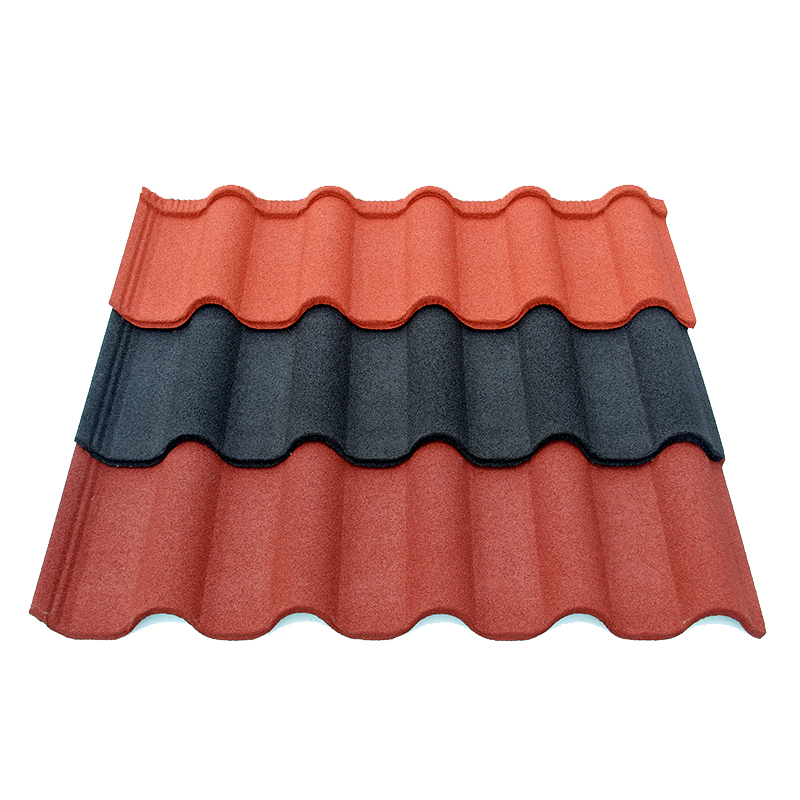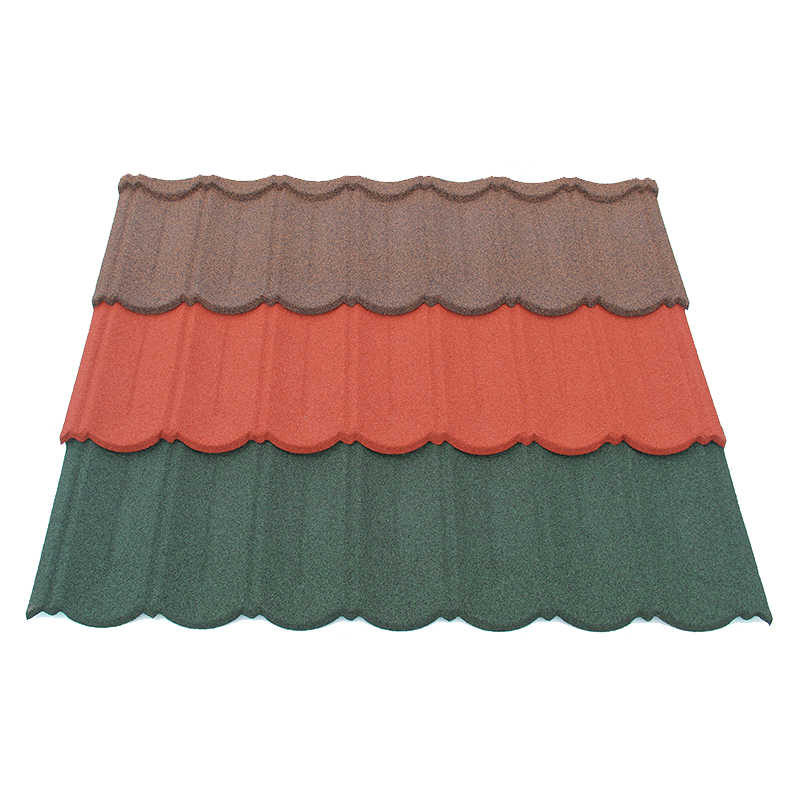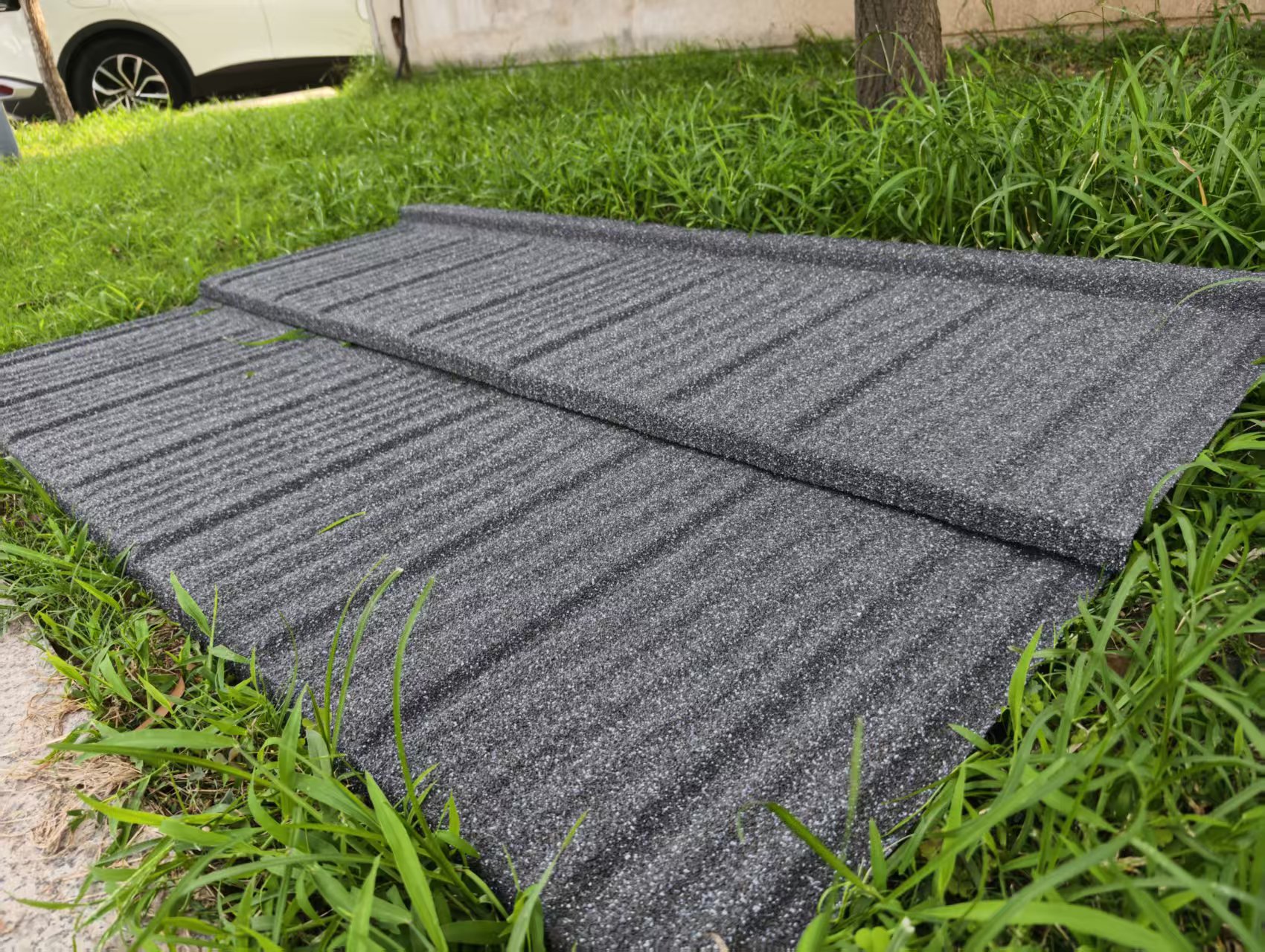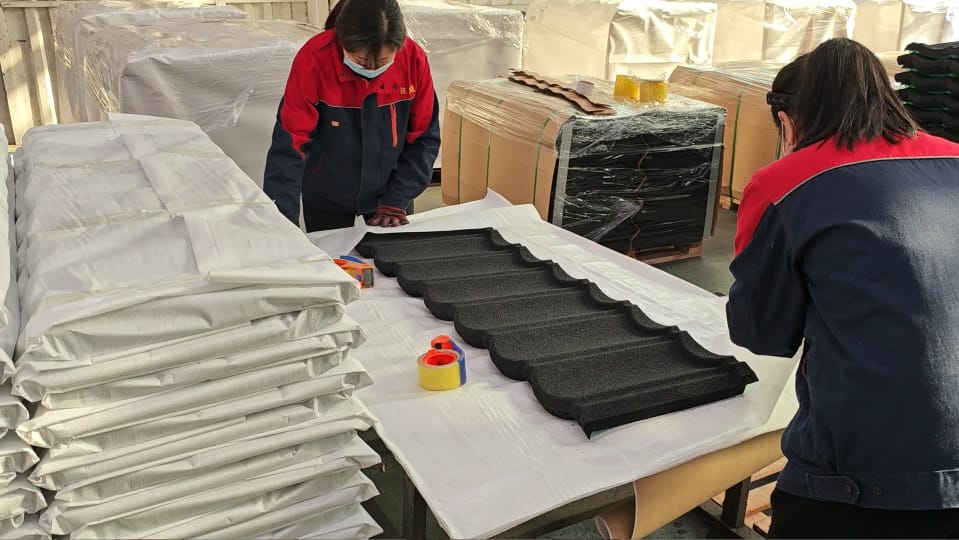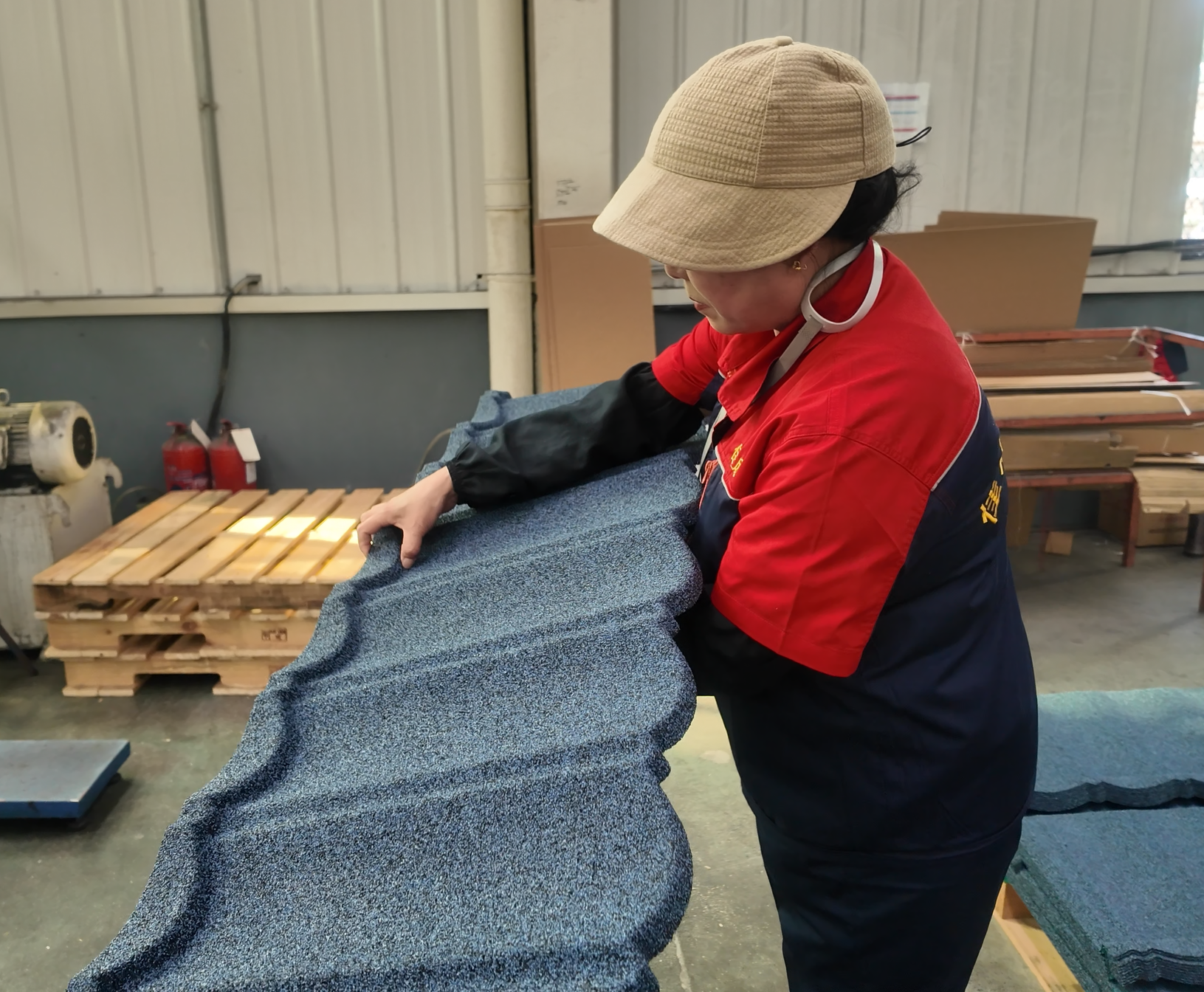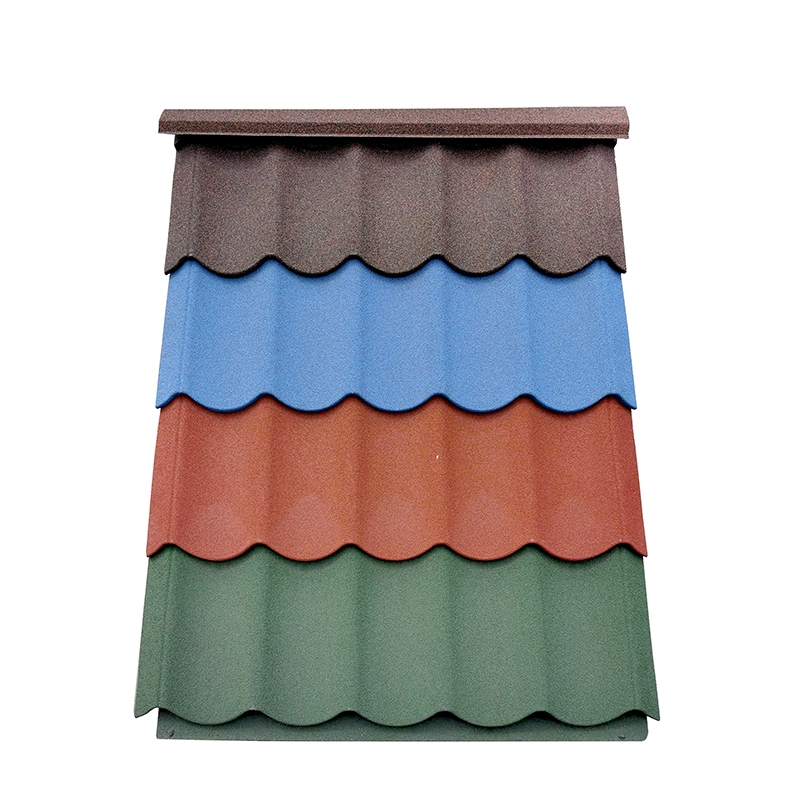

For large-scale infrastructure and premium residential developments, the roof is the primary shield against atmospheric degradation. The stone coated steel roofing durability is not a marketing claim; it is a calculated result of multi-layer chemical bonding and metallurgical shielding. Unlike traditional bitumen or clay, these modular systems are engineered to survive fifty years of extreme UV exposure and cyclonic wind pressure. This technical guide decodes the structural variables that ensure a zero-defect building envelope and a superior lifecycle Return on Investment (ROI).
Metallurgical Resilience: The AZ150 Aluzinc Shield
The skeletal foundation of a high-performance roof depends on the anti-corrosive density of its metallic envelope. While standard galvanized steel relies on pure zinc, the stone coated steel roofing durability is driven by a 55% Aluminum-Zinc alloy core. This Aluzinc shield provides a “self-healing” boundary at cut edges, preventing the edge-creep oxidation that plagues lower-grade iron sheets. JCROOF engineering standards prioritize an AZ150 coating weight to ensure that even a bond tile maintains its structural rigidity in high-humidity maritime environments for over half a century.
Structural Diaphragm Strength and Stamping Integrity
The hydraulic stamping process used to create deep profiles requires high-tensile G300 structural steel. If the base metal lacks the necessary ductility, invisible micro-fractures can develop during the forming of a milano tile, exposing the iron core to moisture. Premium stone coated steel roofing durability mandates a precision annealing process to ensure the metal maintains its geometric memory. This structural stability ensures the roof can handle concentrated foot traffic and heavy snow loads without localized deformation or coating failure.
Interface Bonding: The Role of High-Viscosity Acrylic Resins
The transition between the metallic substrate and the stone surface is the most common failure point in sub-standard roofing. You must audit the chemical cross-linking of the acrylic base coat to ensure long-term stone coated steel roofing durability. A professional-grade shingle tile utilizes 100% pure acrylic resin with high solids content, creating a permanent mechanical lock for the granules. JCROOF laboratory data confirms that high-viscosity resins prevent “balding” or stone shedding during 100°C diurnal temperature swings, preserving the roof’s thermal barrier properties.
Sintered Volcanic Stone: The Ultimate UV Defense
Color stability and UV deflection are critical KPIs for any high-end building envelope. The surface layer of stone coated steel roofing durability relies on volcanic rock granules sintered at temperatures exceeding 800°C. This ceramic-fusing process makes the inorganic pigment a permanent part of the stone’s crystalline structure, rendering it impervious to acid rain and intense solar radiation. Unlike surface-dyed sand which bleeds color within twenty-four months, these sintered stones ensure the roof maintains its architectural prestige without the need for periodic repainting or maintenance.
Horizontal Fastening and Wind Uplift Resistance
Traditional roofing systems often fail during storms because their vertical fasteners are placed in tension. The technical brilliance of stone coated steel roofing durability lies in the horizontal “nose-fastening” protocol into the side of the structural batten. This places the fastener in shear strength, allowing a unified milano tile or bond tile shield to survive wind speeds exceeding 200km/h. This engineered fastening logic reduces long-term warranty liabilities and ensures the asset remains watertight during hurricane-force events.
Passive Ventilation and Condensation Management
Direct-to-deck roofing often traps moisture against the substructure, leading to rot and mold. The batten-mounted installation required for stone coated steel roofing durability creates a continuous air gap that functions as a passive thermal barrier. This “vented cold roof” design allows solar heat to dissipate through convection before it enters the attic space. This air gap also ensures that any condensation evaporates rapidly, protecting the wooden or steel rafters from the hygroscopic stress typically associated with tropical or humid geographic zones.
Comparative Lifecycle Matrix: Steel vs. Traditional Materials
Strategic procurement requires benchmarking the “cost of durability” against the “price of purchase.” Use the following matrix to justify the investment in stone coated steel roofing durability for your next architectural tender or government project.
| Durability Factor | Standard Asphalt Shingles | Stone-Coated Steel (AZ150 Grade) |
|---|---|---|
| Core Stability | Bitumen (Prone to drying). | Aluzinc Steel (G300 Structural). |
| UV Resistance | Low (Cracking/Curling). | Extreme (Sintered Stone Shield). |
| Wind Rating | 90 – 110 mph. | 140+ mph (Horizontal Fix). |
| Average Life | 12 – 18 Years. | 50+ Years. |
Professional FAQ: Solving the Durability Dilemma
Successful project delivery involves managing the technical expectations of the developer and the installation crew. Many “problems” reported in the field are actually symptoms of poor site management rather than stone coated steel roofing durability issues. By providing technical training and adhering to the “shear fastening” standard, you establish your firm as a technical authority. These insights help procurement managers defend high-quality material choices to project stakeholders and homeowners.
How Does Salt Spray Impact the Service Life?
In maritime environments, the salt air can be highly corrosive to standard iron. However, the high-performance stone coated steel roofing durability is specifically designed to resist salt-air humidity through its multi-layer Aluzinc and acrylic shield. For a bond tile installed near the coast, we recommend an AZ150 coating to maximize the self-healing boundary at cut edges. This ensures the roof remains rust-free and structurally sound, preserving the building’s architectural integrity for decades without the need for specialized anti-corrosive treatments.
Is the Stone Surface Resistant to Heavy Hail?
Yes. The combination of G300 high-tensile steel and a thick, stone-infused acrylic matrix provides exceptional impact resistance. While heavy hail can puncture or crack brittle clay or asphalt, the structural memory of a shingle tile allows it to maintain its water-tight integrity after impact. This resilience ensures that the roof does not require localized repairs after a major weather event, which is a significant factor in lowering the Total Cost of Ownership (TCO) for the building owner.
Final Procurement Action Plan
The key to maximizing stone coated steel roofing durability is a shift from “price-buying” to “spec-buying.” Focus your technical audit on Aluzinc GSM, G300 structural ductility, and the 800°C sintering benchmarks of the stone granules. These three engineering pillars support a system that will outlast the competition. Partner with professional manufacturers like JCROOF who provide transparent technical submittals for profiles like bond tile or milano tile. Contact our technical team today for a project-specific climate stress analysis and structural audit.