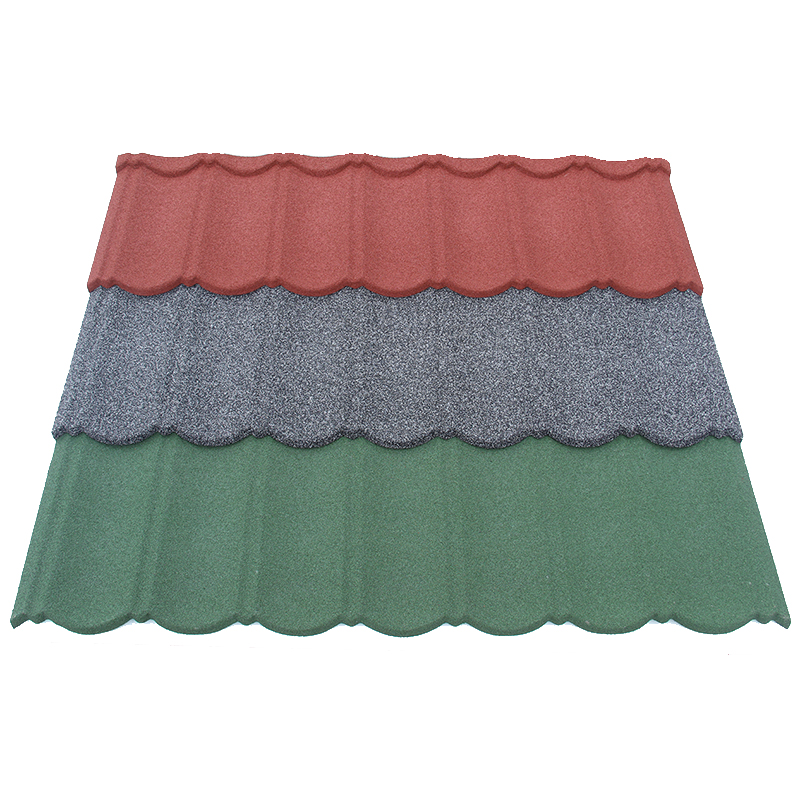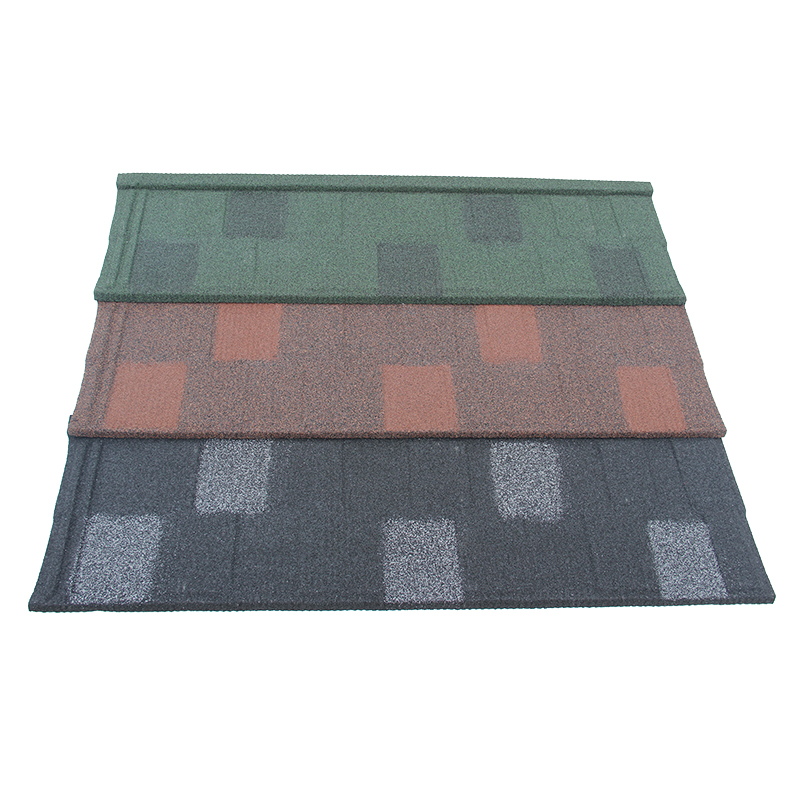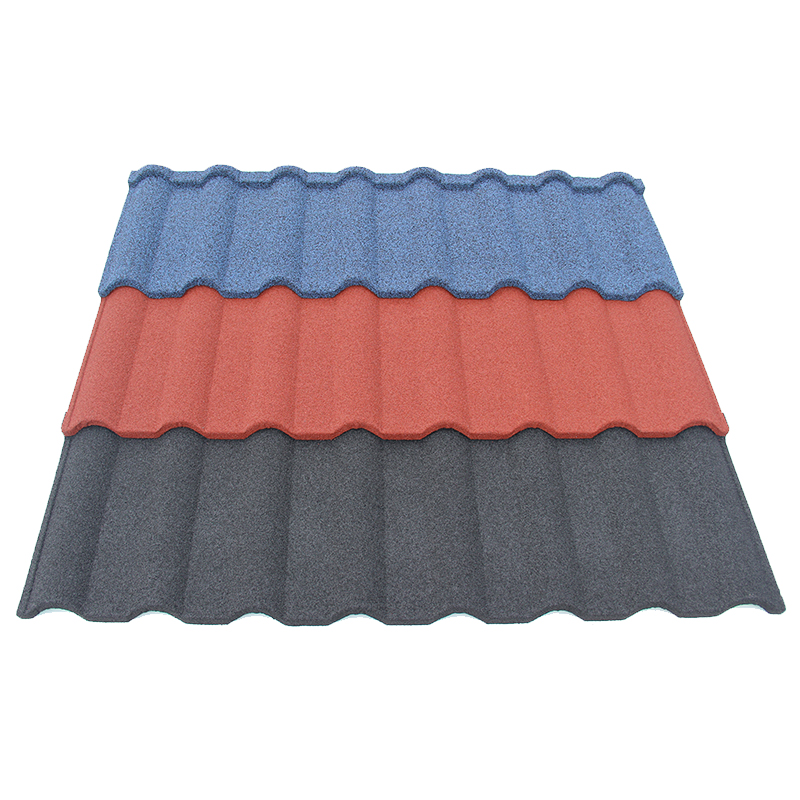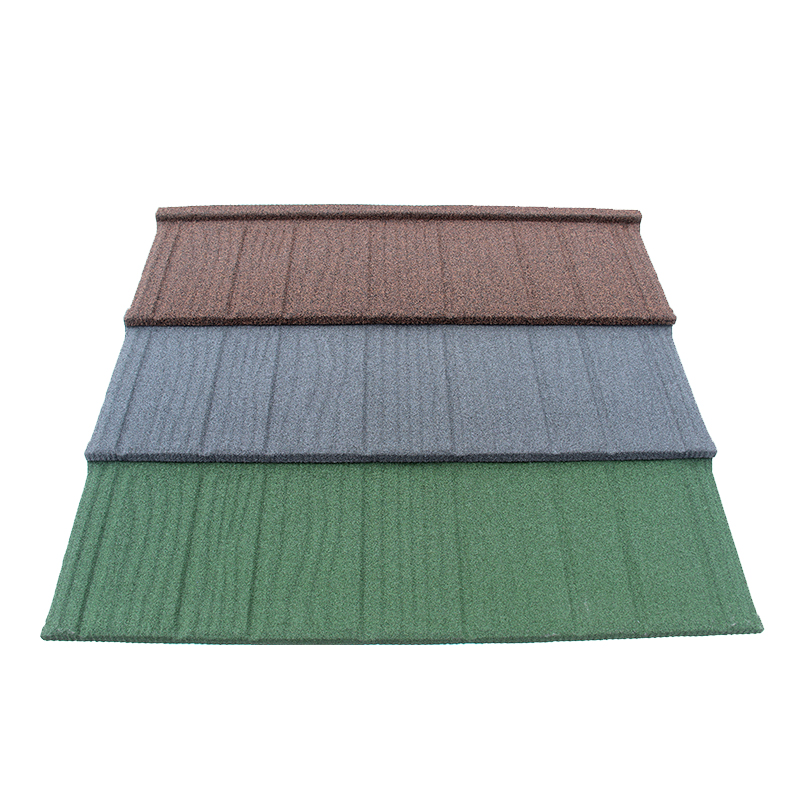


When evaluating roofing systems for residential or commercial projects, one key cost factor often overlooked is labor. Many buyers focus heavily on material pricing, but in reality, installation costs can significantly impact the total project budget. This leads to a common question: cost of labor for stone coated roofing vs. standard metal panels—how different are they, and what drives the difference?
From a B2B perspective, understanding the cost of labor for stone coated roofing vs. standard metal panels is essential for accurate project estimation, contractor selection, and profitability analysis. While stone coated systems generally require higher labor input, they also offer advantages that can offset installation complexity in the long run.
Why Labor Costs Differ Between Roofing Systems
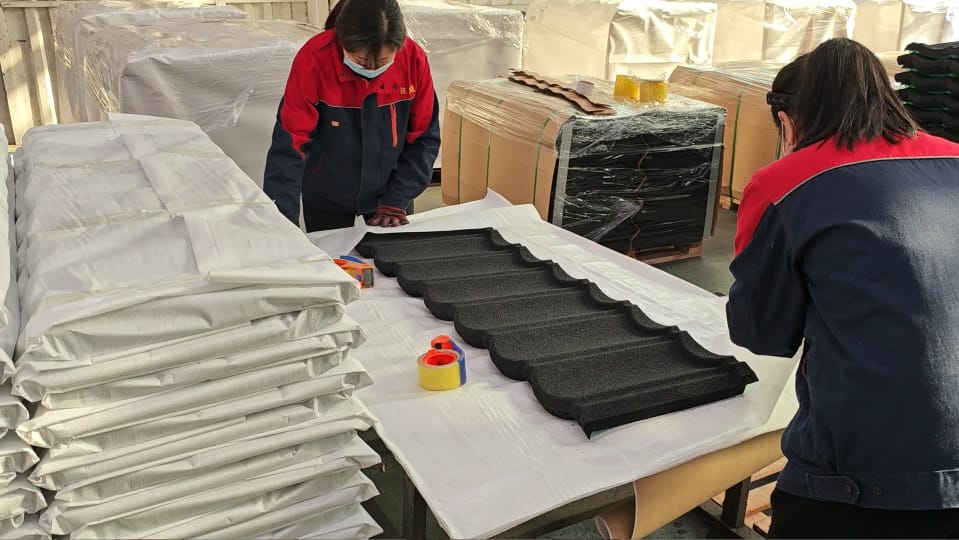
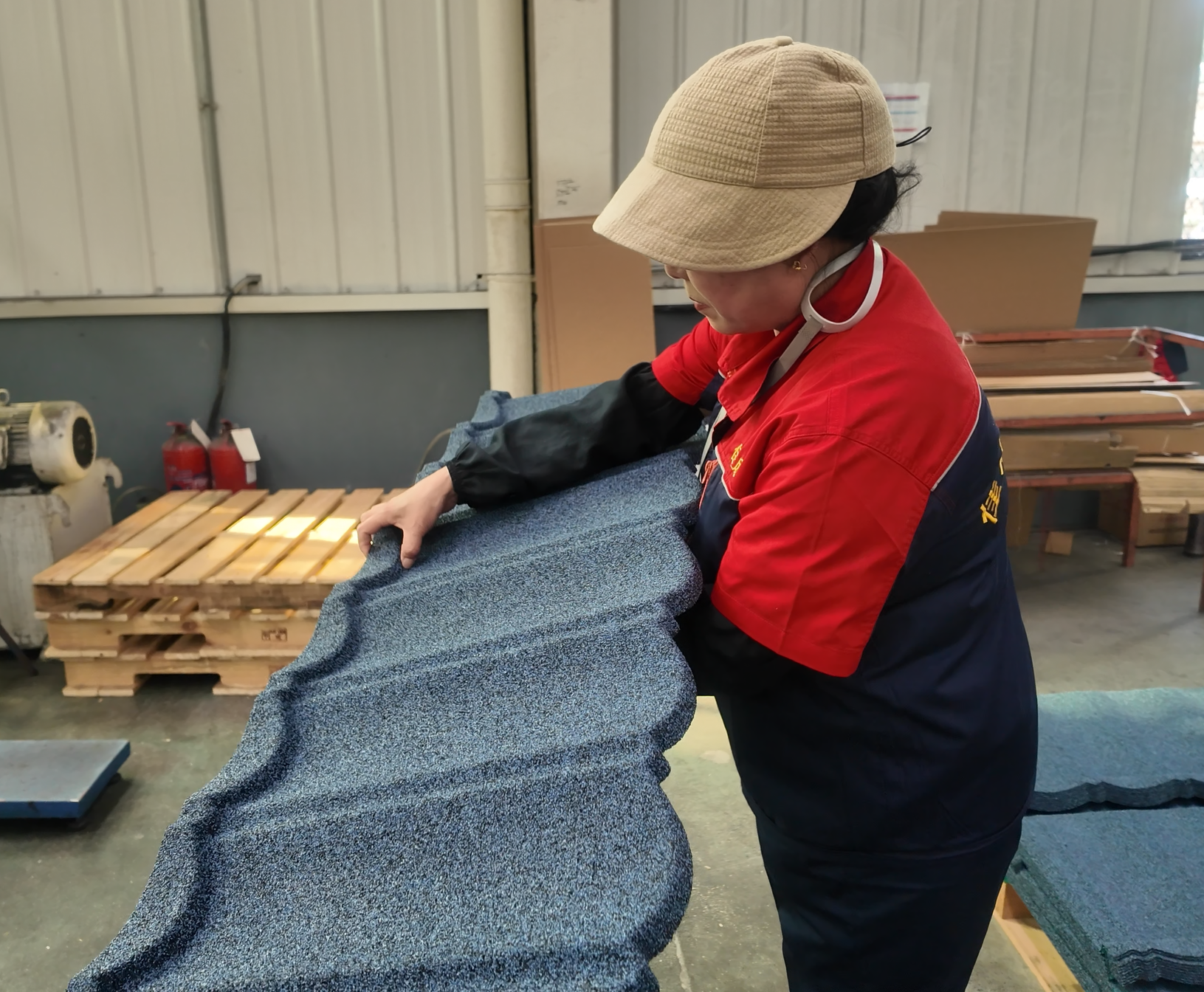
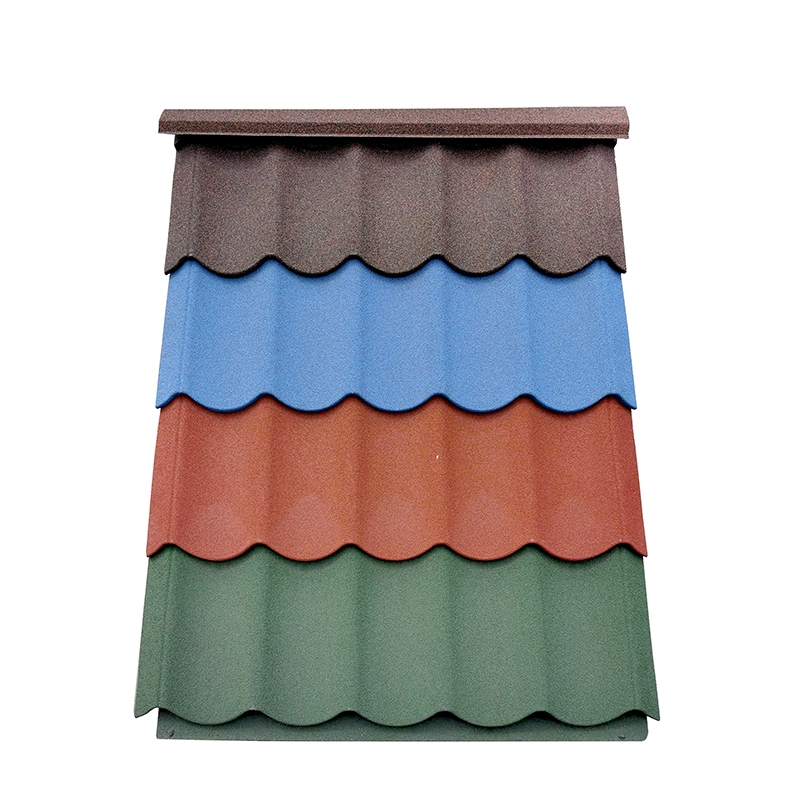
To fully understand the cost of labor for stone coated roofing vs. standard metal panels, it is important to consider how each system is installed. Standard metal panels are typically large-format sheets that cover more area quickly, while stone coated roofing consists of smaller, tile-like components that require more detailed installation.
This difference in format directly affects installation time, labor skill requirements, and overall cost structure.
For contractors, the trade-off is between speed (metal panels) and precision (stone coated tiles).
Key Labor Cost Drivers
- Installation complexity and detailing
- Panel size and coverage efficiency
- Required skill level of installers
- Project layout and roof design
Typical Labor Cost Comparison
When comparing the cost of labor for stone coated roofing vs. standard metal panels, the difference is usually noticeable but varies by region and project type.
Stone coated roofing tends to have higher labor costs due to the installation process, while metal panels benefit from faster coverage.
| Roofing Type | Labor Cost (per m² / sq.ft) | Installation Speed | Skill Requirement |
|---|---|---|---|
| Stone Coated Steel Roofing | Medium–High | Moderate | High |
| Standard Metal Panels | Low–Medium | Fast | Medium |
In most markets, stone coated roofing labor can be 20%–50% higher than standard metal panels, depending on roof complexity and installer experience.
Installation Process Differences
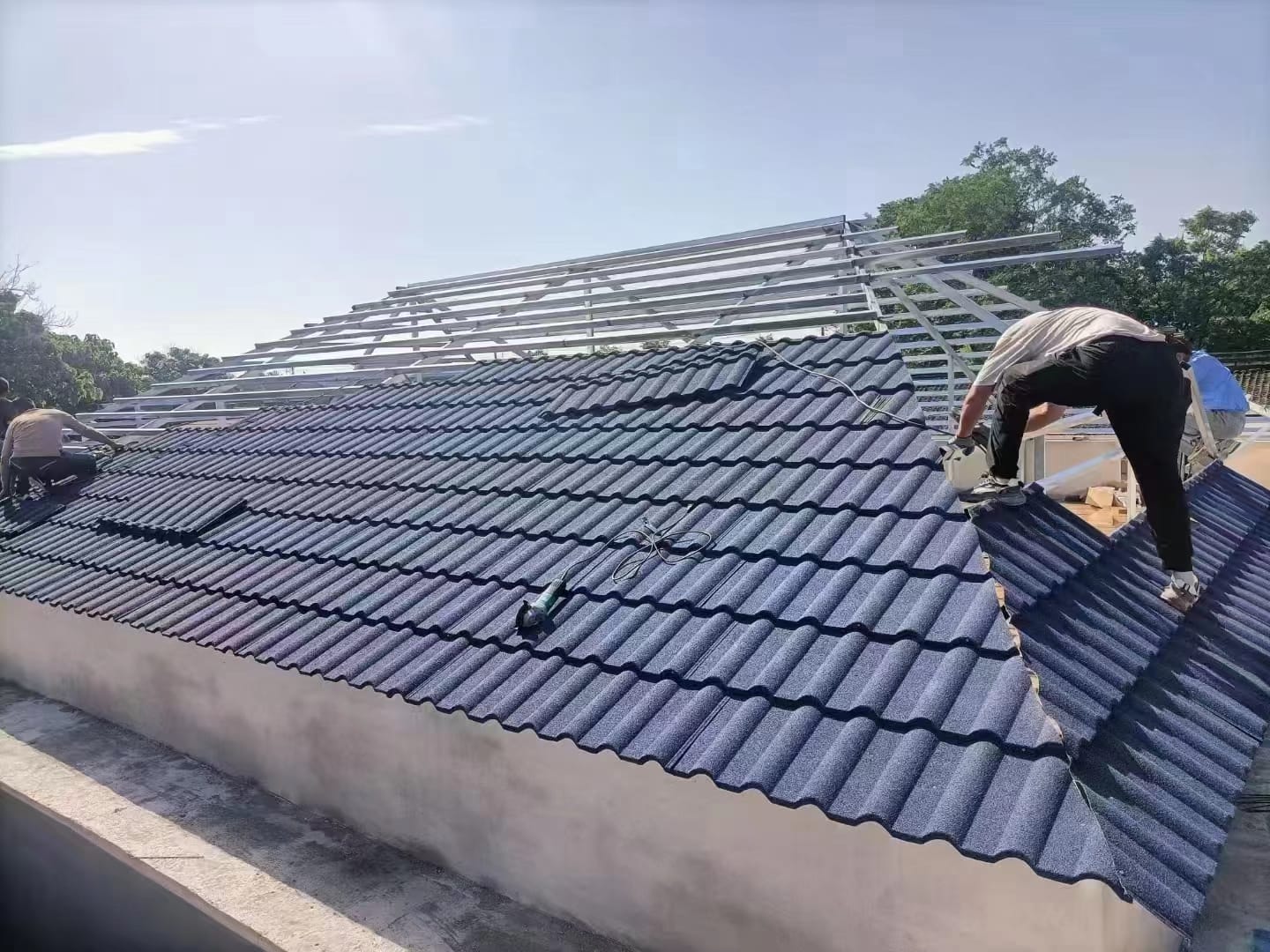
Another key factor influencing the cost of labor for stone coated roofing vs. standard metal panels is the installation process itself. Each system requires different steps, tools, and levels of precision.
Understanding these differences helps explain why labor costs vary.
Stone Coated Roofing Installation
- Installation over battens or direct-to-deck systems
- Individual tile placement and alignment
- Detailed work around valleys, ridges, and edges
- More cutting and fitting required
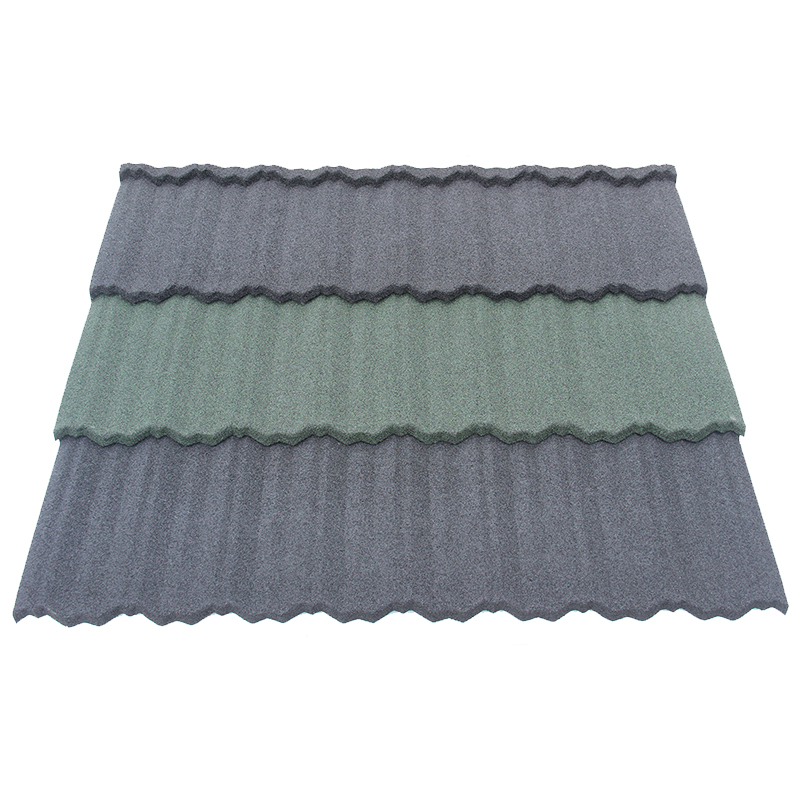
For example, when installing Bond Tile, contractors often focus on precise alignment across rows to maintain consistent visual appearance, which increases labor time compared to large panels.
Standard Metal Panel Installation
- Large sheets cover more area per panel
- Fewer joints and overlaps
- Faster fastening process
- Less detailed cutting in simple layouts
This makes metal panels more efficient for large, simple roof designs.
Impact of Roof Design on Labor Costs
When analyzing the cost of labor for stone coated roofing vs. standard metal panels, roof complexity plays a major role. Complex designs increase labor costs for both systems, but the impact is more significant for stone coated roofing.
Multi-slope roofs, dormers, and intricate layouts require more cutting, fitting, and detailing.
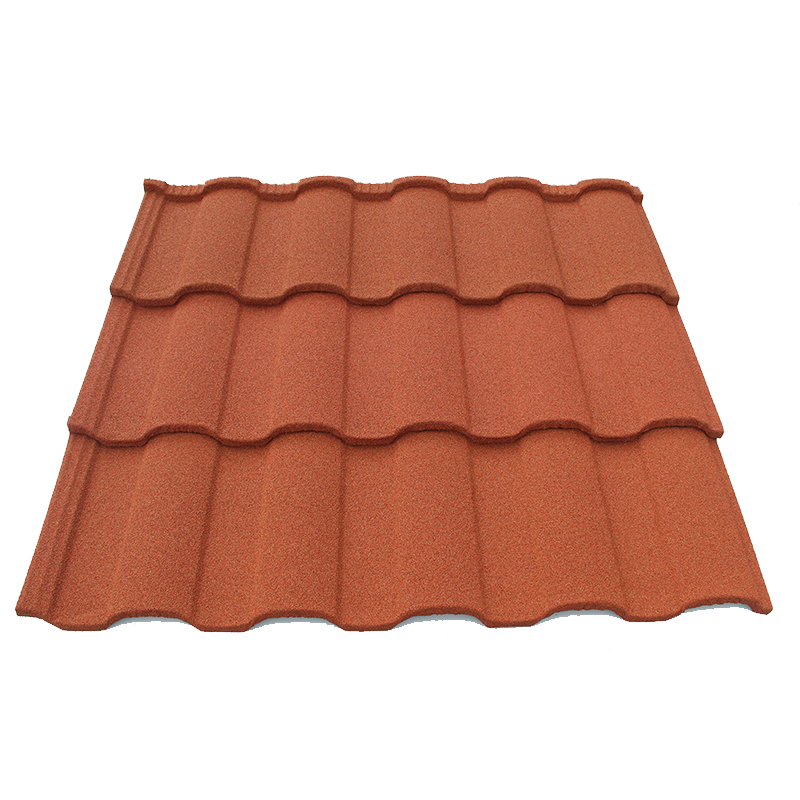
In projects using Roman Tile, for instance, deeper profiles require careful handling around valleys and ridges, which adds to installation time in complex roof structures.
Simple Roofs
- Metal panels are highly efficient
- Stone coated systems still require more time
Complex Roofs
- Labor gap between systems narrows
- Stone coated roofing provides better adaptability
Skill Level and Labor Availability
Another important aspect of the cost of labor for stone coated roofing vs. standard metal panels is the availability of skilled labor. Stone coated roofing requires trained installers familiar with tile-based systems, while metal panels are more widely understood.
This difference can influence both labor cost and project timelines.
In regions where experienced installers are limited, labor costs for stone coated roofing may increase further due to specialization.
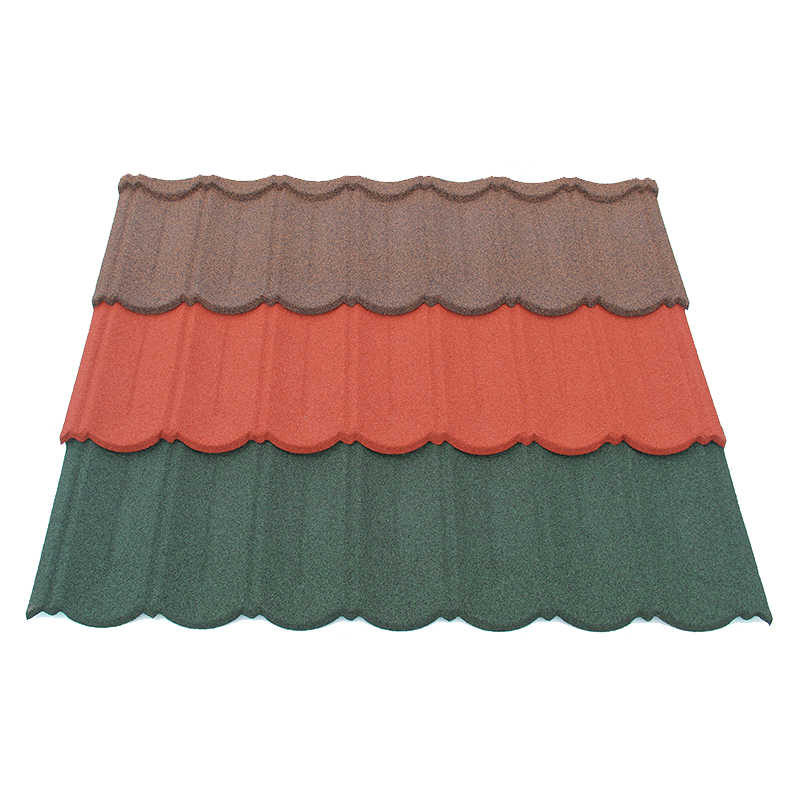
For example, installing Shingle Tile may seem straightforward, but achieving proper overlap, fastening, and alignment still requires trained personnel to avoid long-term issues.
Long-Term Value vs. Initial Labor Cost
Although the cost of labor for stone coated roofing vs. standard metal panels is higher upfront, it is important to consider long-term value. Labor cost is a one-time expense, while performance benefits extend over decades.
Stone coated roofing often delivers better durability, aesthetics, and reduced maintenance requirements, which can offset higher installation costs.
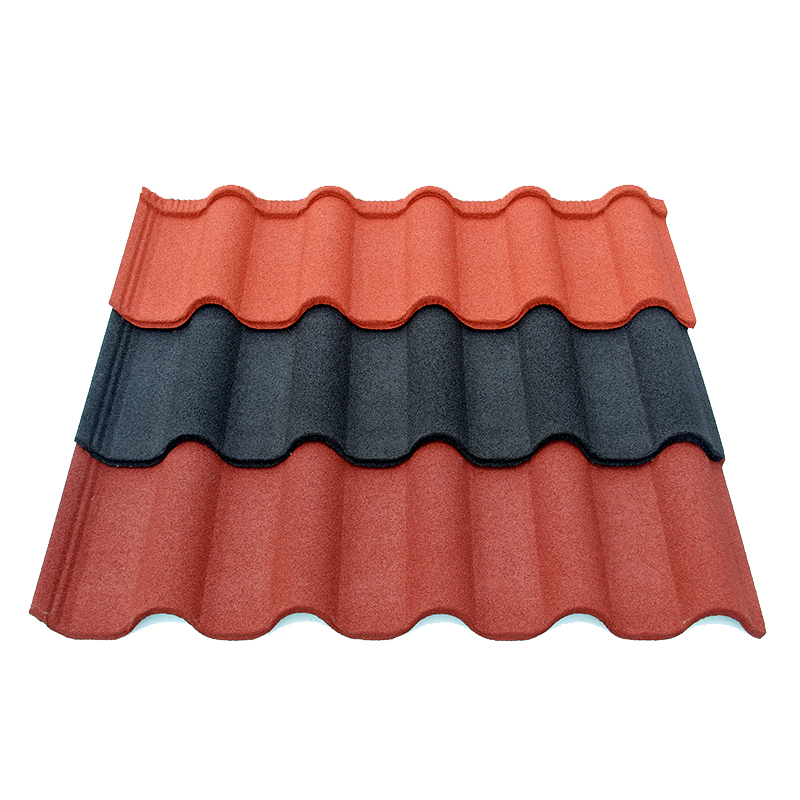
In premium projects using Milano Tile, the visual quality and long-term performance often justify the additional labor investment, especially in high-end residential developments.
Cost vs Value Consideration
- Higher initial labor cost for stone coated roofing
- Lower maintenance and replacement frequency
- Improved property value and market positioning
Common Mistakes When Estimating Labor Costs
Many project estimations fail because they do not accurately account for the cost of labor for stone coated roofing vs. standard metal panels. Avoiding these mistakes is critical for budget control.
Underestimating Installation Time
Tile-based systems require more detailed work.
Ignoring Roof Complexity
Complex layouts significantly increase labor requirements.
Choosing Based Only on Material Cost
Lower material cost does not always mean lower total project cost.
Using Untrained Installers
Can lead to rework, increasing overall labor expenses.
Practical Advice for Contractors and Buyers
For B2B buyers and contractors, understanding the cost of labor for stone coated roofing vs. standard metal panels is essential for making informed decisions. The goal is to balance installation cost with long-term performance and project requirements.
In the industry, manufacturers such as JCROOF are often referenced for providing system-based installation guidance, which helps reduce labor inefficiencies and improve consistency across projects.
Recommended Strategy
- Evaluate total project cost, not just material price
- Match roofing system to project complexity
- Work with experienced installers
- Consider long-term value when budgeting
Conclusion: Cost of Labor for Stone Coated Roofing vs. Standard Metal Panels
So, how does the cost of labor for stone coated roofing vs. standard metal panels compare? Stone coated roofing generally requires higher labor investment due to its detailed installation process and higher skill requirements. Standard metal panels, on the other hand, offer faster installation and lower labor costs for simple projects.
For contractors and distributors, the key is to align the roofing system with project goals. In high-end or complex designs, stone coated roofing often delivers better long-term value despite higher labor costs, while metal panels remain a practical choice for cost-sensitive or large-scale applications.