
Commercial real estate development is experiencing a massive environmental paradigm shift globally today. Consequently, international investors demand highly sustainable, energy-efficient corporate architecture consistently. Obtaining prestigious green building certifications like LEED or BREEAM is now a strict financial mandate. Furthermore, certified commercial buildings command significantly higher lease rates and premium market valuations. However, achieving these strict environmental standards requires flawless B2B material procurement. Traditional building envelopes rely on highly wasteful, energy-inefficient petrochemical materials natively. Therefore, property developers must identify advanced engineering solutions to meet rigorous green performance metrics. Procuring sustainable metal roofing systems provides the ultimate architectural answer globally. This advanced industrial metallurgy delivers exceptional energy efficiency and absolute structural longevity effortlessly. Ultimately, understanding how these systems contribute to green certifications empowers procurement officers completely. You can execute massive commercial projects highly profitably while protecting the global environment simultaneously. Let us explore the precise environmental mechanics of sustainable architectural cladding today.
1. The Core Principles of Green Building Roofing Materials
Green building standards focus strictly on minimizing the environmental footprint of commercial facilities globally. Therefore, architectural cladding must actively reduce energy consumption and eliminate massive material waste. Furthermore, it must prevent urban heat island effects and promote global circular economies continuously. Consequently, B2B procurement teams must evaluate materials based on strict environmental engineering metrics. Ignorance in this initial phase guarantees failed certifications and massive corporate financial liabilities globally.
Thermal Emissivity and Solar Reflectance
The primary goal of sustainable architecture involves reducing interior cooling loads natively. Advanced steel panels utilize highly reflective chemical coatings to deflect intense solar radiation continuously. Therefore, the roof acts as an active thermal shield rather than a massive heat sink. Consequently, corporate HVAC operational expenditures (OPEX) drop significantly during peak summer months globally. This immediate reduction in energy consumption is a core requirement for any green certification.
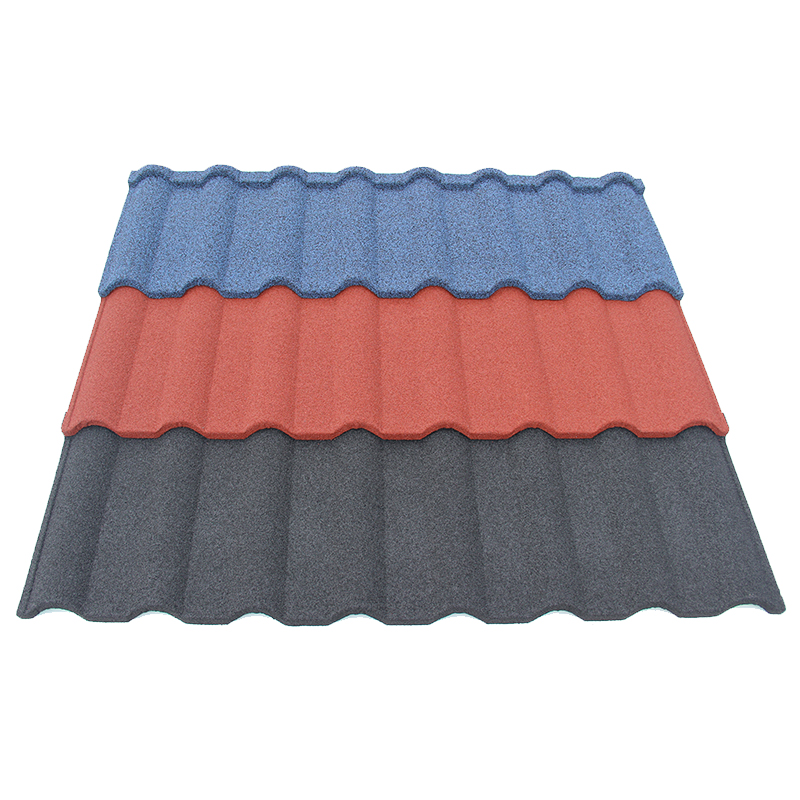
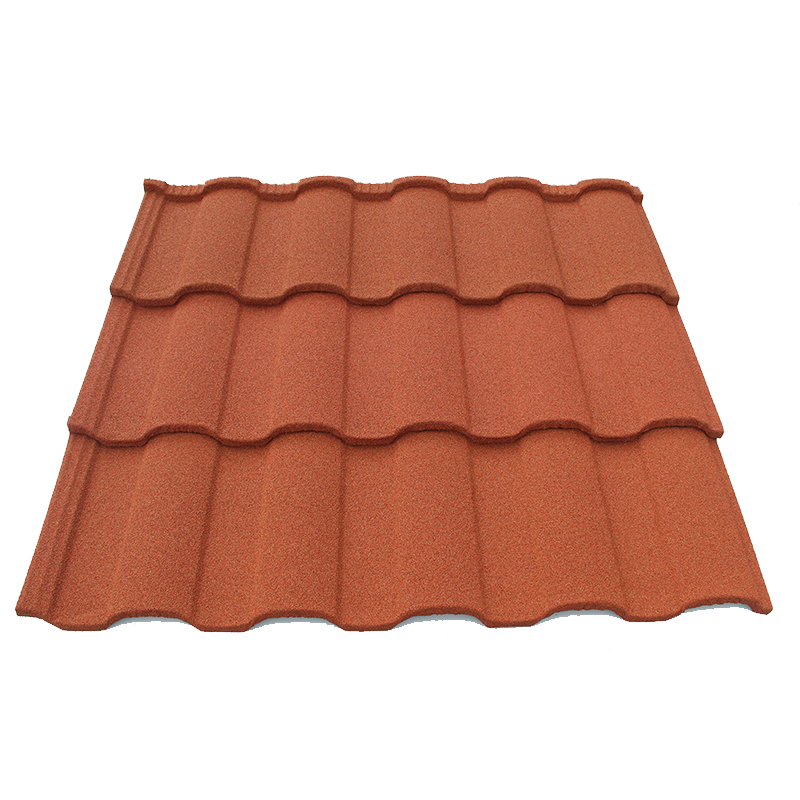
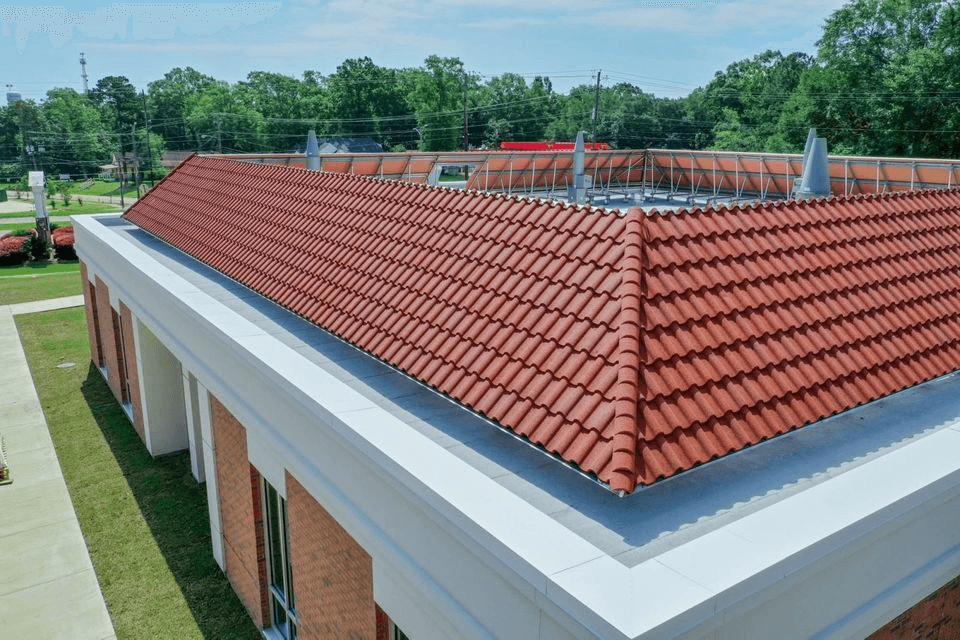
A deeply channeled Roman Tile maximizes this specific thermal efficiency perfectly. Its deep geometric valleys facilitate massive ambient airflow, cooling the exterior surface rapidly. Furthermore, this specific profile evacuates heavy tropical rainfall efficiently without absorbing environmental heat natively. Therefore, property managers maintain comfortable building interiors while utilizing significantly less grid electricity. Ultimately, high solar reflectance protects both the lean corporate budget and the surrounding environment.
Recycled Content and the Circular Economy
Traditional asphalt shingles generate millions of tons of toxic landfill waste annually. In stark contrast, advanced steel architecture champions the global circular economy flawlessly and permanently. Sustainable metal roofing systems consist of highly recycled industrial steel natively. Furthermore, the entire architectural panel is 100% recyclable at the end of its fifty-year lifespan. Therefore, facility managers never contribute to toxic environmental landfills during future structural upgrades.
This massive reduction in lifecycle waste perfectly aligns with global environmental sustainability mandates today. Consequently, procurement officers secure maximum green building points for utilizing recycled material streams. Choosing highly recyclable materials demonstrates profound corporate environmental responsibility to global shareholders. Indeed, sustainable procurement completely eliminates the massive carbon footprint associated with demolition waste.
2. Navigating LEED and BREEAM Certification Requirements
Achieving LEED or BREEAM certification requires precise documentation and flawless material selection globally. Specifically, procurement officers must secure valuable points across multiple strict environmental categories consistently. The exterior building envelope heavily influences both Energy and Atmosphere (EA) and Materials and Resources (MR) credits. Therefore, choosing the correct architectural cladding directly dictates corporate certification success or failure. Understanding these specific scoring frameworks is an absolute mandate for commercial developers today.
Securing Energy and Atmosphere (EA) Credits
Energy efficiency is the most heavily weighted category in global green building certifications today. Therefore, minimizing corporate energy consumption is absolutely critical for achieving Platinum or Gold status. Advanced steel roofs reduce thermal transfer natively, slashing the baseline energy requirements of the facility. Furthermore, they provide a highly secure platform for advanced renewable energy integration seamlessly. Facility managers utilize this stable metal platform to mount solar arrays flawlessly.
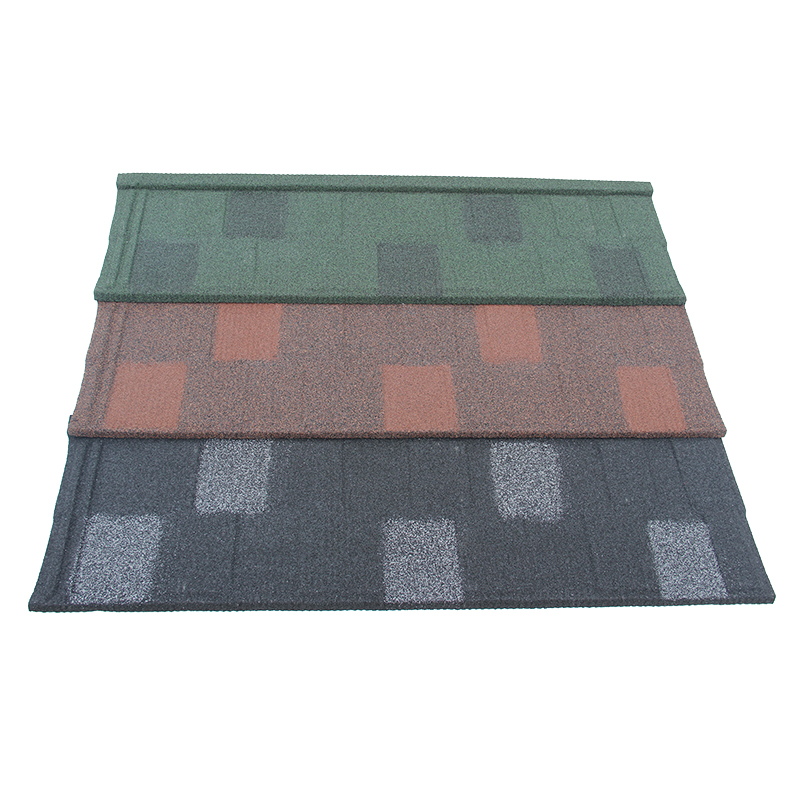
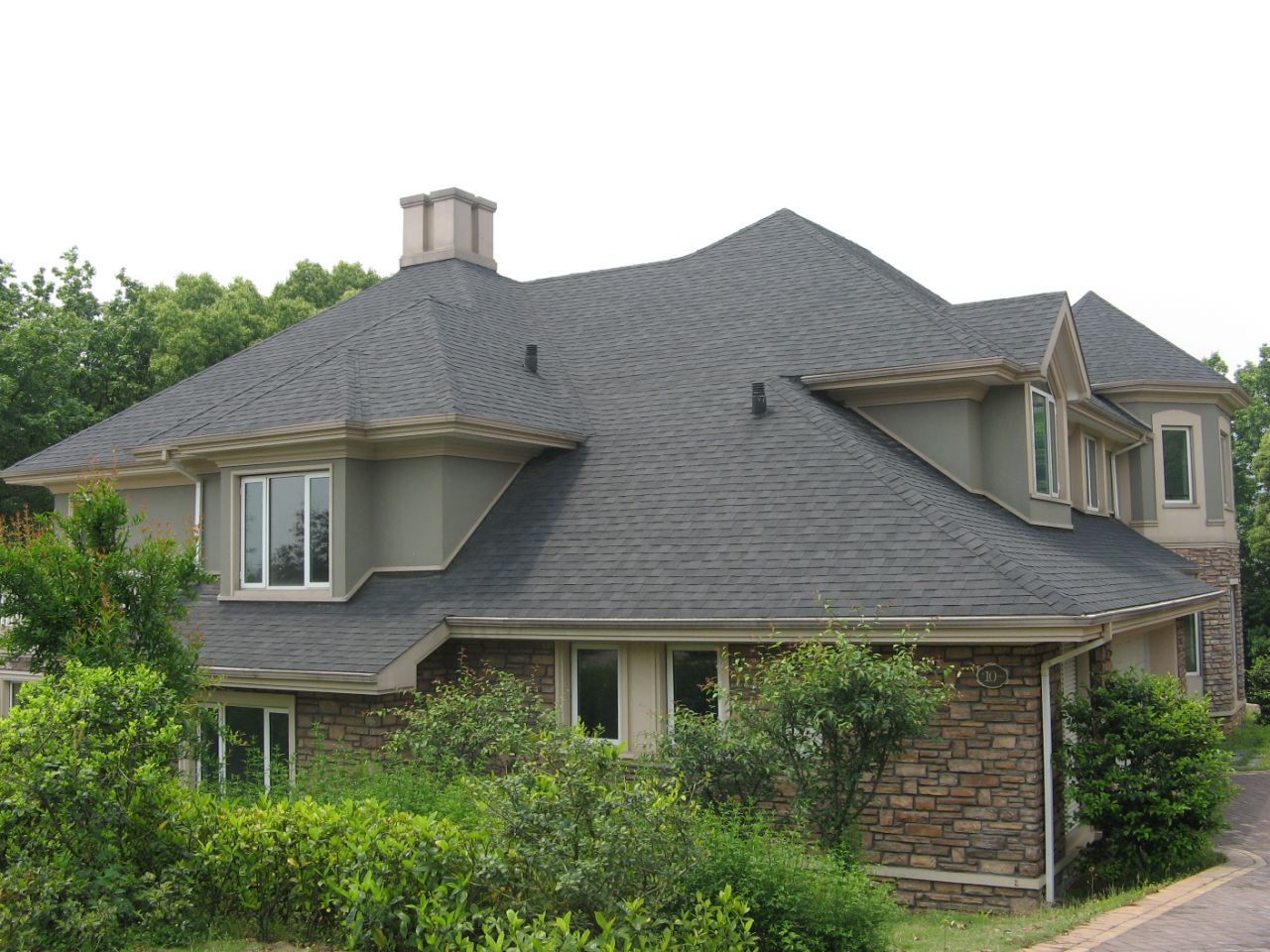
For sleek modern corporate campuses, specifying a flat Shingle Tile is an ideal strategy. This minimalist profile allows for seamless, highly efficient solar panel integration globally. Consequently, the building generates renewable energy while maintaining perfect architectural geometric alignment natively. Ultimately, this specific combination maximizes Energy and Atmosphere credits effortlessly and highly securely. Developers achieve massive energy independence while satisfying strict aesthetic zoning requirements completely.
Optimizing Materials and Resources (MR) Credits
The Materials and Resources category rewards developers for utilizing highly sustainable supply chains globally. You must audit your global manufacturing partners to verify their environmental protocols strictly. Elite factories minimize their carbon footprint through highly efficient, low-waste manufacturing processes continuously. Therefore, partnering with responsible industrial producers is a major requirement for MR point accumulation. Procurement officers cannot source materials from highly polluting, unregulated trading brokers.
Specifically, JCROOF operates precisely within this elite, environmentally conscious B2B manufacturing tier reliably. They optimize heavy industrial production while minimizing raw material waste and energy consumption completely. Therefore, sourcing materials from an established, responsible manufacturer secures vital MR credits reliably. Documenting this responsible B2B procurement strategy ensures smooth certification audits for your commercial property. Ultimately, a transparent supply chain guarantees flawless environmental compliance globally.
3. Structural Longevity as a Major Sustainability Metric
True sustainability requires building massive commercial structures that last for several decades minimum. Replacing a failed commercial roof every fifteen years is a severe environmental disaster globally. It requires massive amounts of new raw materials and generates incredible logistical carbon emissions continuously. Therefore, absolute structural longevity is a fundamental pillar of modern green building science. B2B buyers must demand indestructible materials to protect both their budgets and the environment.
Mitigating Urban Heat Islands
Rapid urbanization creates massive heat islands that raise local temperatures dangerously globally today. Dark, heat-absorbing asphalt roofs contribute significantly to this severe environmental crisis constantly. However, premium steel panels utilize pure acrylic glazes and high-temperature sintered basalt chips. Therefore, these advanced materials reflect solar energy, actively cooling the surrounding urban environment seamlessly. This physical deflection of solar energy prevents cities from overheating dangerously during summer months.
Consequently, green building frameworks reward developers who deploy these advanced reflective materials globally. This strategic procurement choice improves local air quality and reduces massive urban energy demands. Indeed, sustainable metal roofing systems actively heal the surrounding metropolitan environment continuously. Therefore, urban developers must mandate reflective steel panels to meet strict municipal building codes.
Kinetic Resilience and Extreme Weather Defense
Climate change drives incredibly violent, unpredictable severe weather events across the globe continuously. Fragile building materials shatter during hurricanes, generating thousands of tons of toxic storm debris. Therefore, sustainable architecture requires absolute kinetic resilience against severe atmospheric punishment natively. Replacing a destroyed roof generates a massive, unnecessary carbon footprint for the property owner. Sustainable buildings must survive massive environmental impacts flawlessly and permanently.
For heavy-duty industrial warehouses, specifying a robust Bond Tile is absolutely essential today. This heavy-duty profile resists Category 5 hurricane wind uplift effortlessly and securely globally. Consequently, the commercial facility survives extreme storms intact, preventing massive environmental waste generation entirely. The highly ductile steel core absorbs kinetic energy natively without fracturing structurally. Ultimately, true sustainability means building an indestructible corporate asset once.
4. Practical Application: Selecting the Right Profile for Green Projects
B2B procurement requires matching specific aesthetic visions to strict environmental engineering needs seamlessly. Advanced hydraulic stamping technology replicates traditional building materials perfectly and sustainably today. Consequently, developers achieve breathtaking visual prestige without utilizing environmentally destructive raw materials. Strategic profile selection protects the corporate budget, the architectural brand, and the planet continuously. Therefore, customizing the commercial skyline requires highly precise B2B procurement choices globally.
Rainwater Harvesting and Hydrological Efficiency
Water conservation is a massive financial and environmental priority in sustainable commercial architecture globally. Many green facilities utilize advanced rainwater harvesting systems for graywater plumbing or irrigation. Therefore, the commercial roof must provide a completely sterile, non-toxic runoff surface continuously. Cheap asphalt roofs leach toxic petrochemicals into the runoff water, destroying harvesting efforts immediately. Procurement teams must demand chemically pure exterior glazes to protect the corporate water supply.
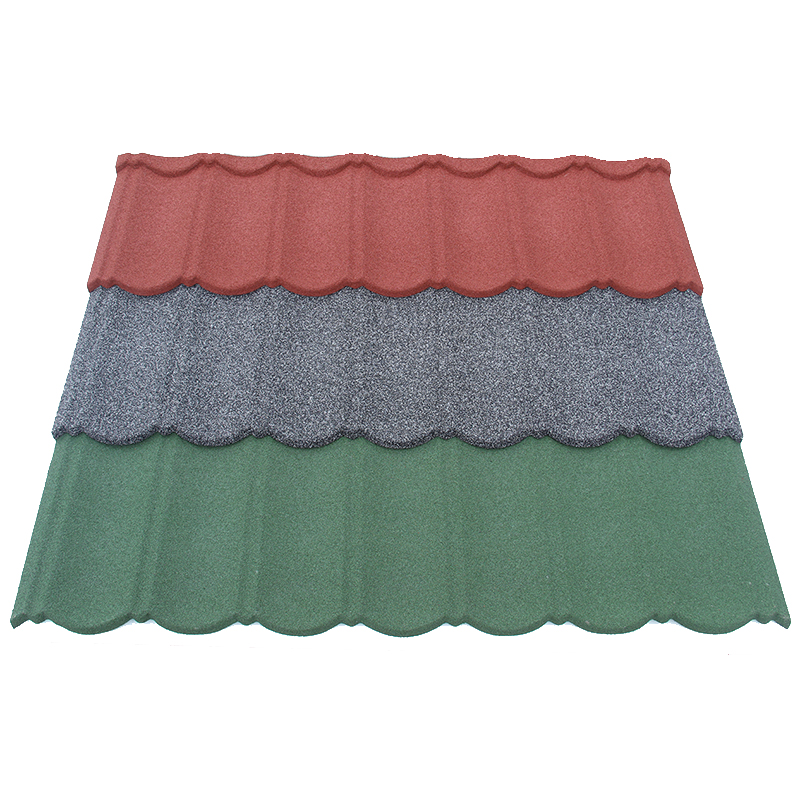
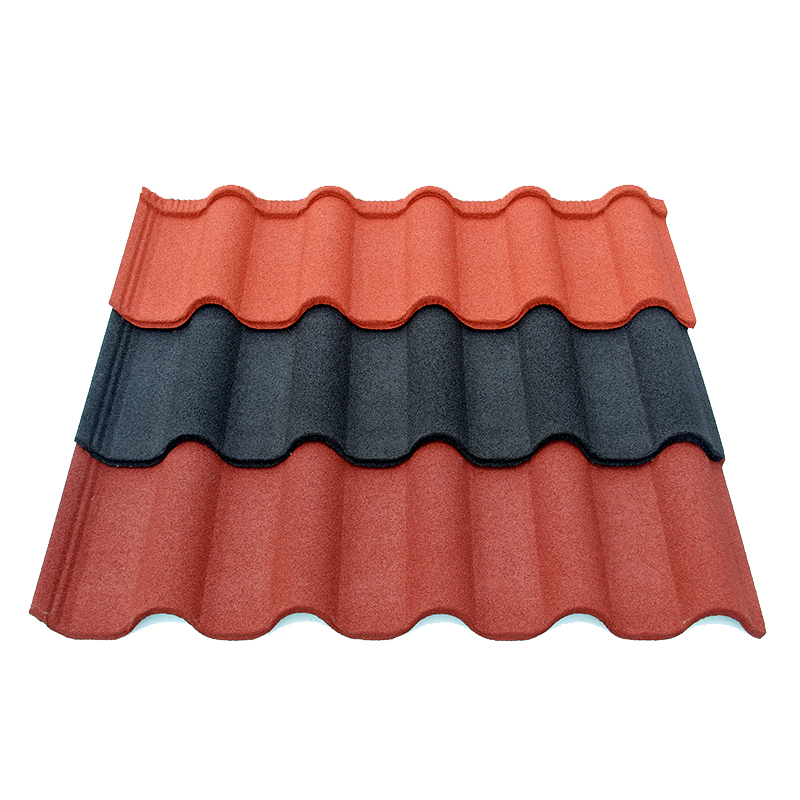
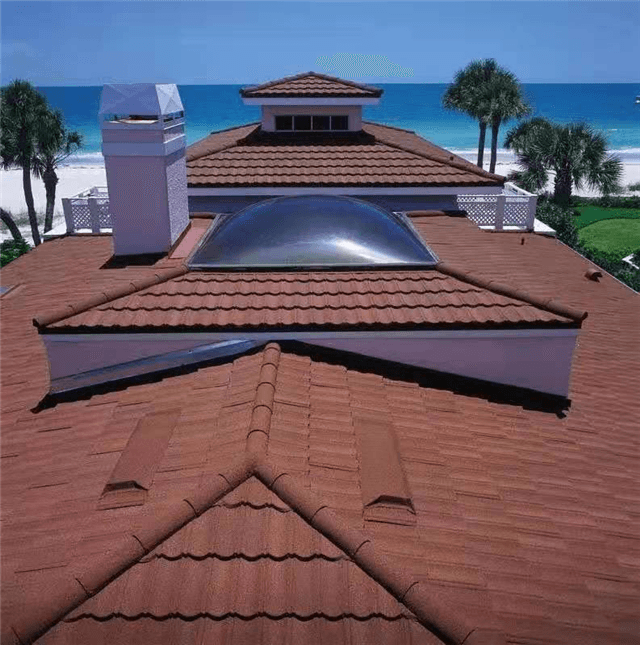
A sweeping Mediterranean Milano Tile handles this specific environmental requirement exceptionally well natively. Its pure acrylic glaze contains absolutely no toxic petrochemicals that could poison the water supply. Consequently, luxury eco-resorts harvest pure, clean rainwater efficiently while maintaining breathtaking historical prestige. Facility managers utilize this clean runoff to irrigate massive landscaping projects highly sustainably. Ultimately, this hydrological efficiency secures massive points in the Water Efficiency (WE) LEED category.
Blending Organic Aesthetics with Modern Metallurgy
Luxury forest eco-lodges frequently demand rustic, organic appearances to attract premium international tourism. Historically, developers utilized natural cedar shakes, which contributed to severe global deforestation natively. Furthermore, natural wood requires highly toxic chemical treatments to prevent rapid biological rot globally. These toxic chemicals inevitably wash into the surrounding soil, destroying the local ecosystem. Therefore, natural timber is an unacceptable material for true green building certifications today.
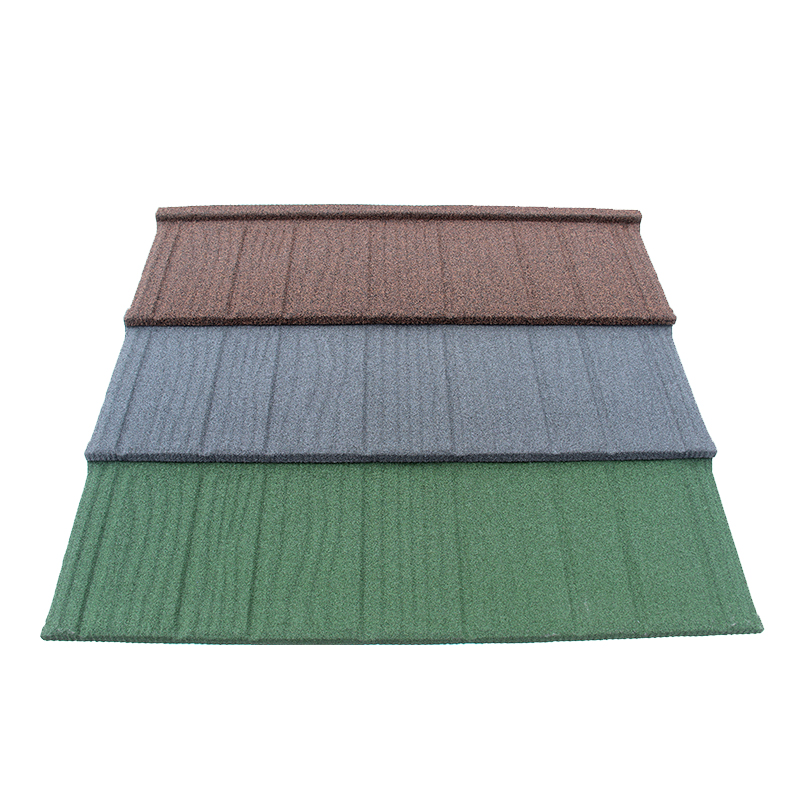
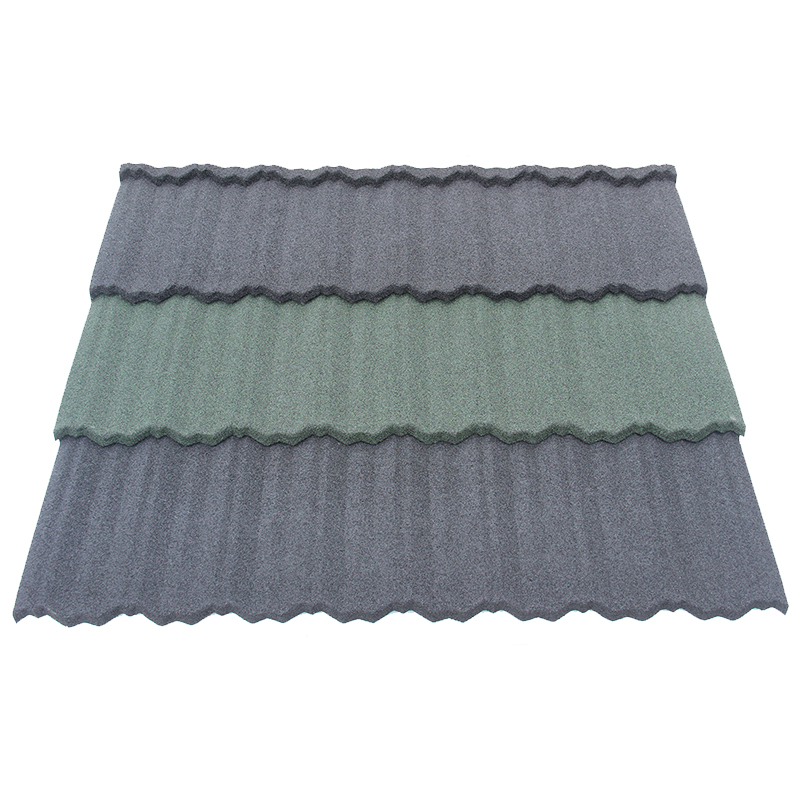
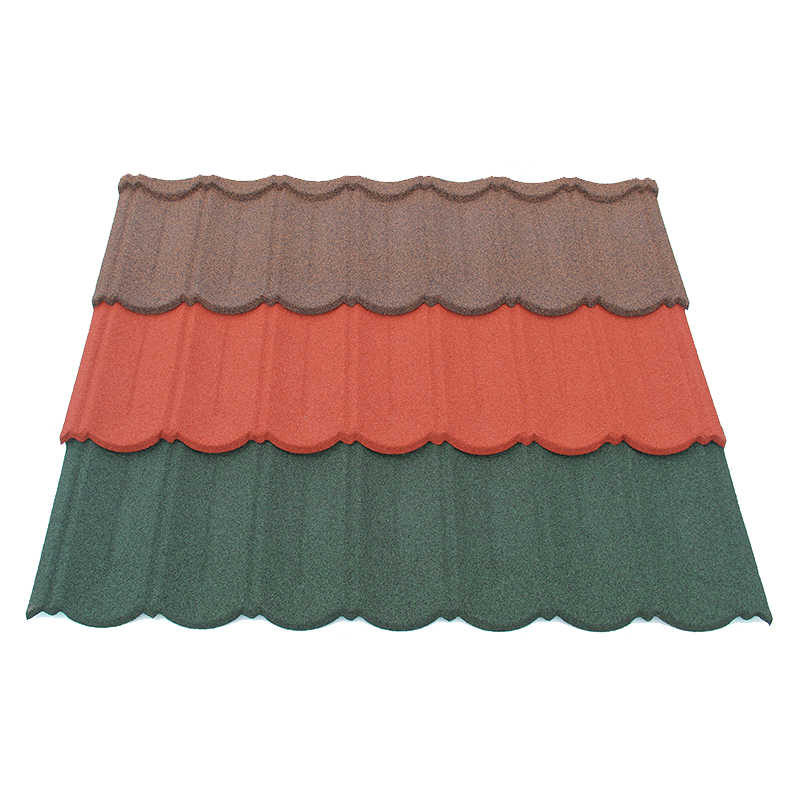
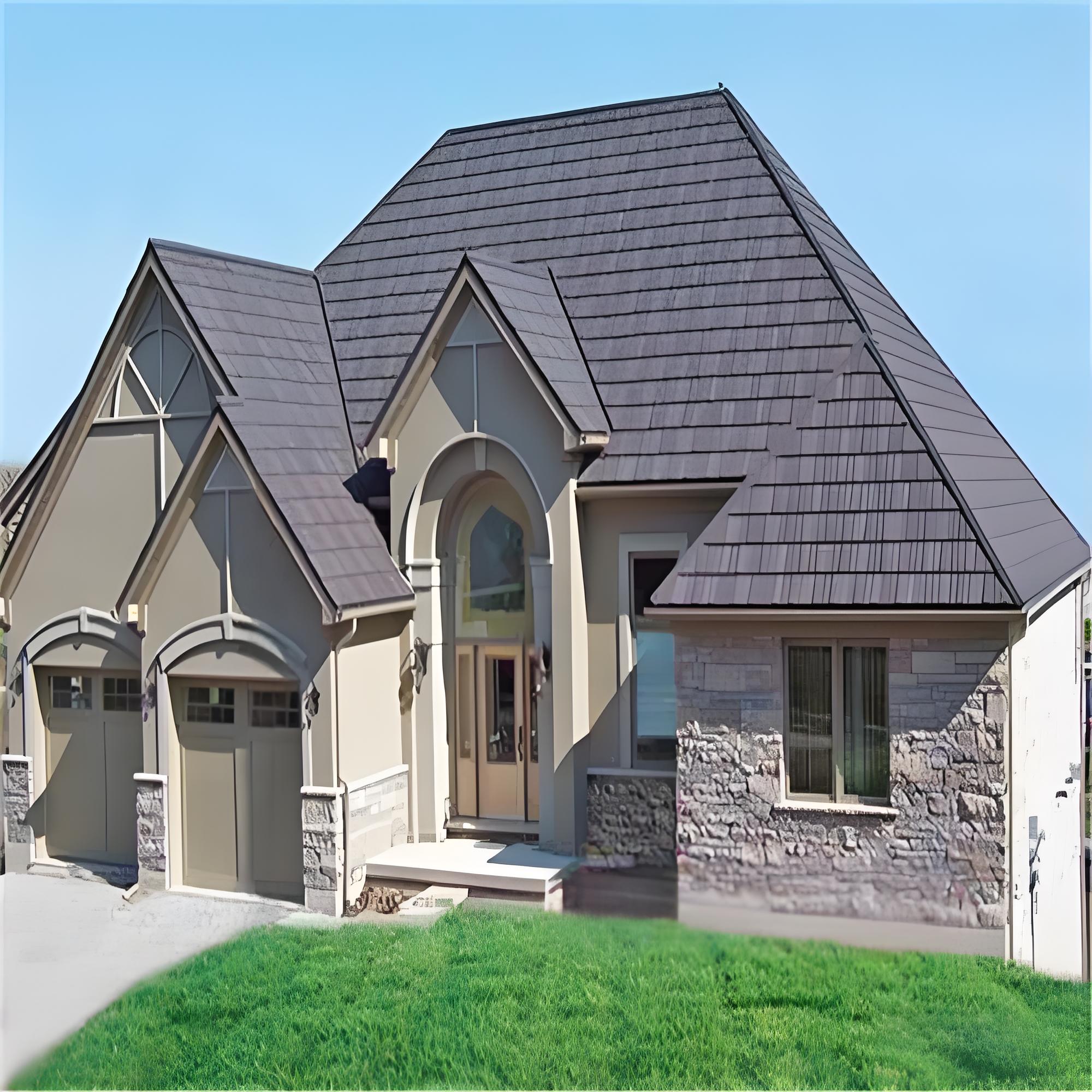
Today, developers can specify a heavily textured Shake Tile to achieve this exact look safely. This advanced profile mimics natural hand-split timber beautifully without harming ancient forests natively. Therefore, developers secure breathtaking organic beauty while championing true environmental sustainability effortlessly. Furthermore, the steel core requires absolutely zero toxic chemical treatments during its fifty-year lifespan. Consequently, the local ecosystem remains completely pristine and uncontaminated.
5. Common B2B Procurement Mistakes in Sustainable Roofing (FAQ)
Procurement teams often encounter severe greenwashing when sourcing architectural materials internationally today. Opportunistic trading brokers frequently label highly toxic, cheap materials as “eco-friendly” falsely. Furthermore, improper structural installation destroys the environmental benefits of even the best metallurgical materials. Therefore, B2B buyers must understand the exact engineering answers to common sustainability questions. Educating your procurement team ensures smooth project certification and flawless environmental execution continually.
Are all metal roofs automatically considered “green”?
This is a highly dangerous and incredibly common procurement myth globally today. Cheap, uncertified galvanized iron sheets rust rapidly and require highly toxic anti-corrosion paints. Consequently, they fail quickly structurally and end up in local landfills within a decade. Therefore, cheap metal represents a massive environmental liability, not a sustainable solution. True sustainability requires advanced metallurgy that survives for five decades effortlessly.
Conversely, sustainable metal roofing systems utilize authentic AZ150 Aluzinc steel strictly natively. This advanced alloy provides active cathodic protection, guaranteeing a clean, fifty-year structural lifespan. Furthermore, the pure acrylic glaze contains zero volatile organic compounds (VOCs) natively. Therefore, only premium, highly certified metallurgy qualifies for true green building points and certifications. B2B buyers must audit chemical compositions rigorously to verify true sustainability claims.
Does the installation method impact green building certification?
Yes, the structural installation methodology directly dictates the energy efficiency of the entire system. Sustainable metal roofing systems require a raised structural batten grid for proper installation globally. This specific timber grid creates Above-Sheathing Ventilation (ASV), which is absolutely critical for cooling. The continuous airspace allows trapped thermal energy to escape the building envelope effortlessly.
If a rogue contractor nails panels directly to the flat deck, this vital airflow is destroyed. Consequently, the commercial roof acts as a massive heat sink natively. This dramatically increases interior HVAC cooling loads and guarantees failure for EA credits. Therefore, certified professional installation is an absolute mandate for securing green building certifications safely. Proper engineering execution is just as important as the physical material itself.
| Sustainability Metric (LEED Focus) | Traditional Asphalt / Heavy Clay | Sustainable Metal Roofing Systems |
|---|---|---|
| Structural Longevity (Waste Reduction) | Short lifespan (15-20 years). Generates massive toxic landfill waste globally. | Permanent asset (50+ years). 100% highly recyclable at the end of its lifecycle. |
| Thermal Emissivity (Energy & Atmosphere) | Absorbs severe heat. Drastically increases corporate HVAC operational expenditures. | Reflects intense solar radiation. Reduces cooling loads via Above-Sheathing Ventilation. |
| Rainwater Harvesting Safety (Water Efficiency) | Leaches highly toxic petrochemicals and heavy metals into the water supply. | Utilizes pure acrylic glaze. Provides completely sterile, non-toxic water runoff continuously. |
| Kinetic Resilience (Storm Waste Mitigation) | Shatters or blows off during hurricanes, creating massive environmental debris. | Withstands Category 5 winds effortlessly. Prevents structural waste generation entirely. |
| Material Sourcing (Materials & Resources) | Relies on environmentally destructive petroleum extraction and heavy mining. | Contains highly recycled industrial steel. Manufactured via energy-efficient B2B processes. |