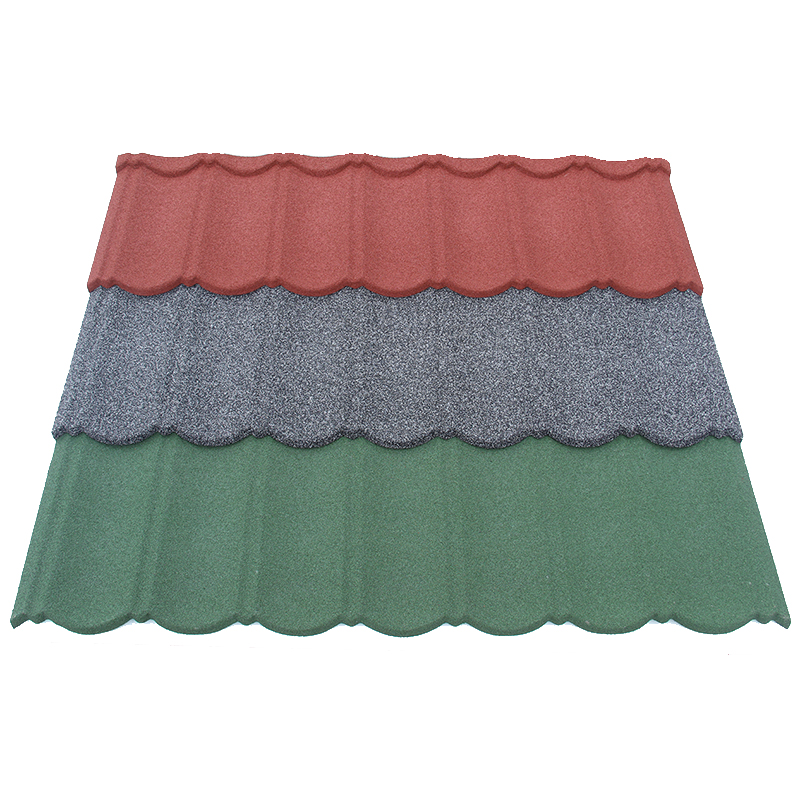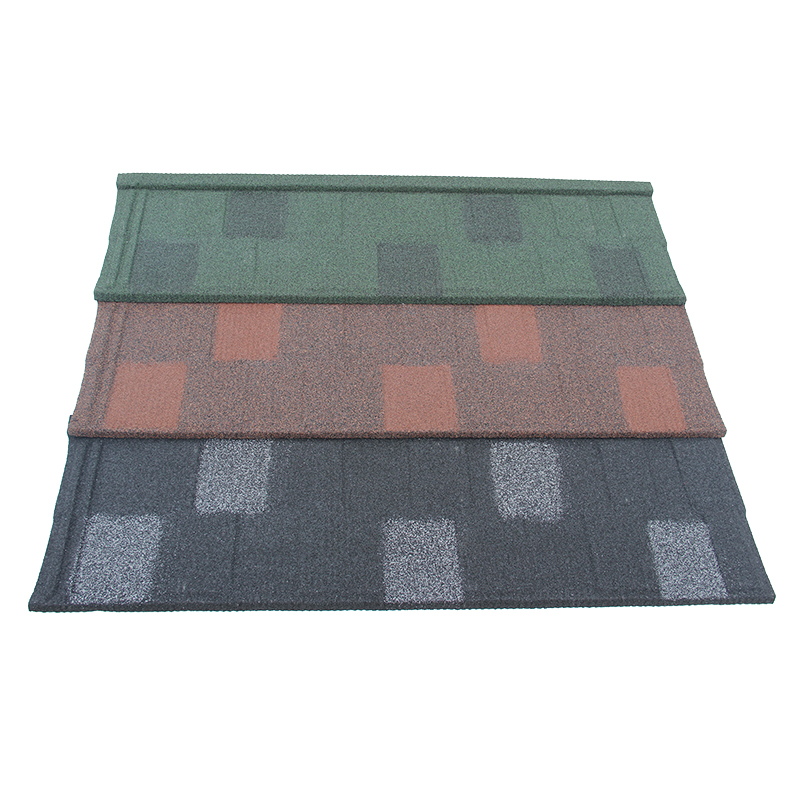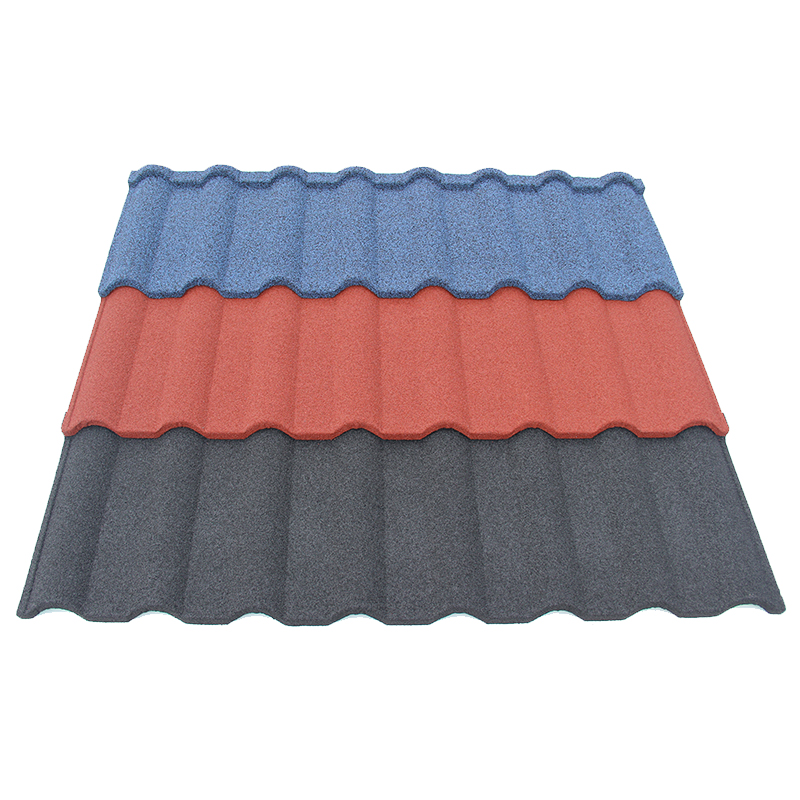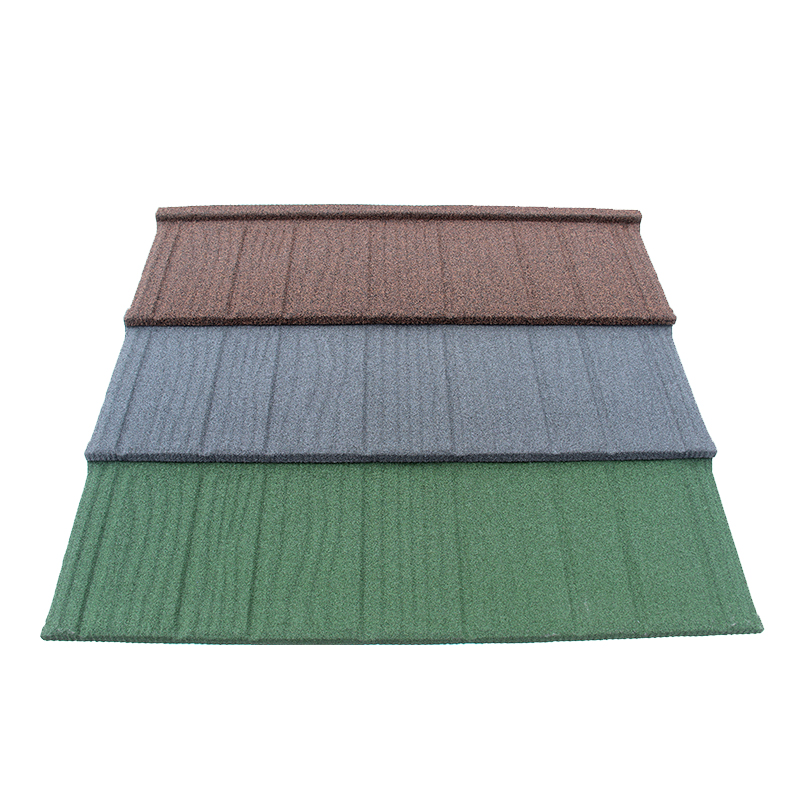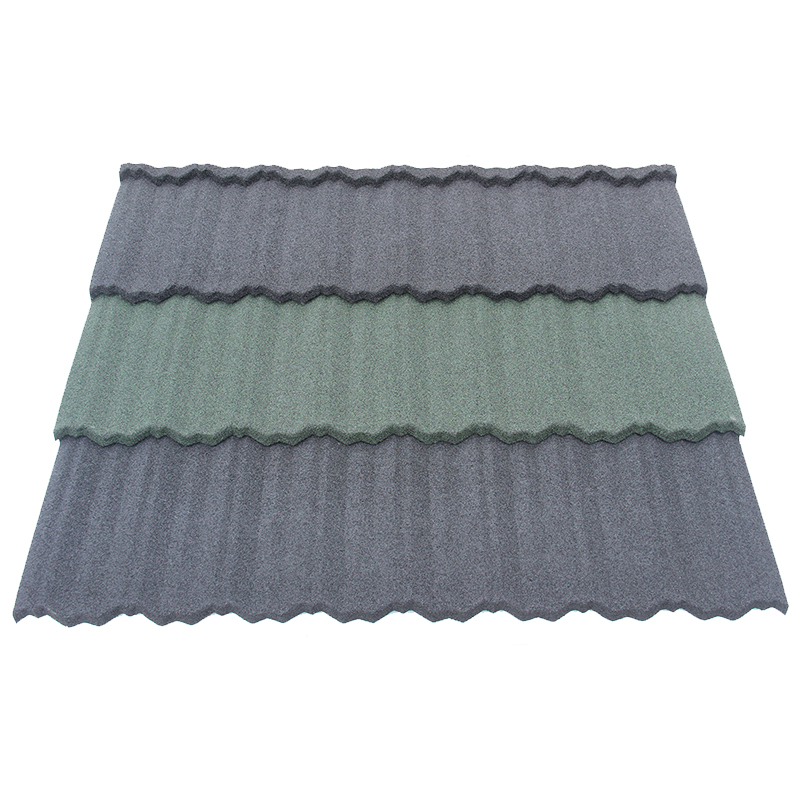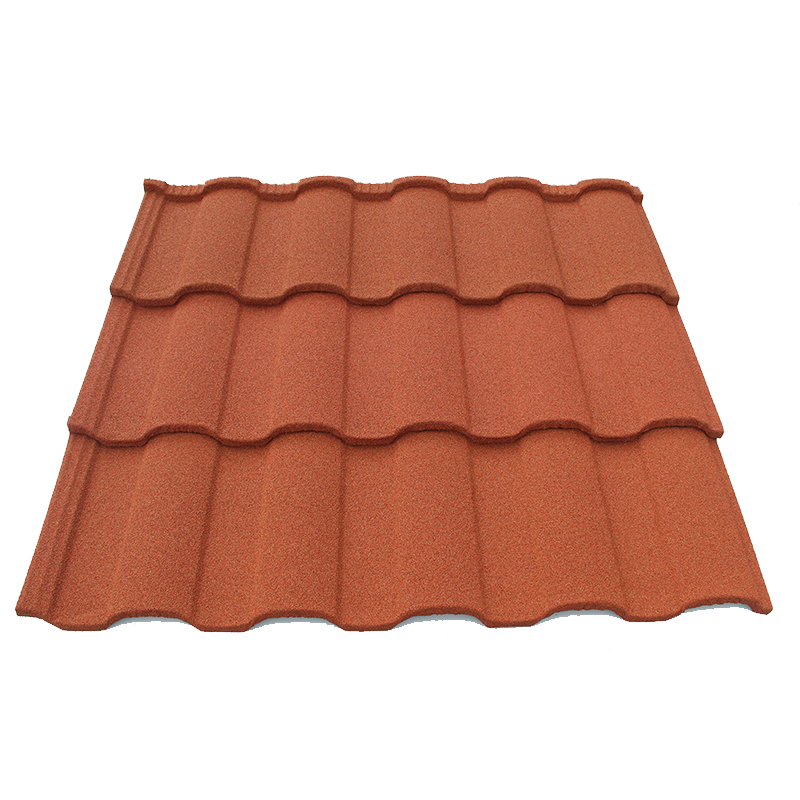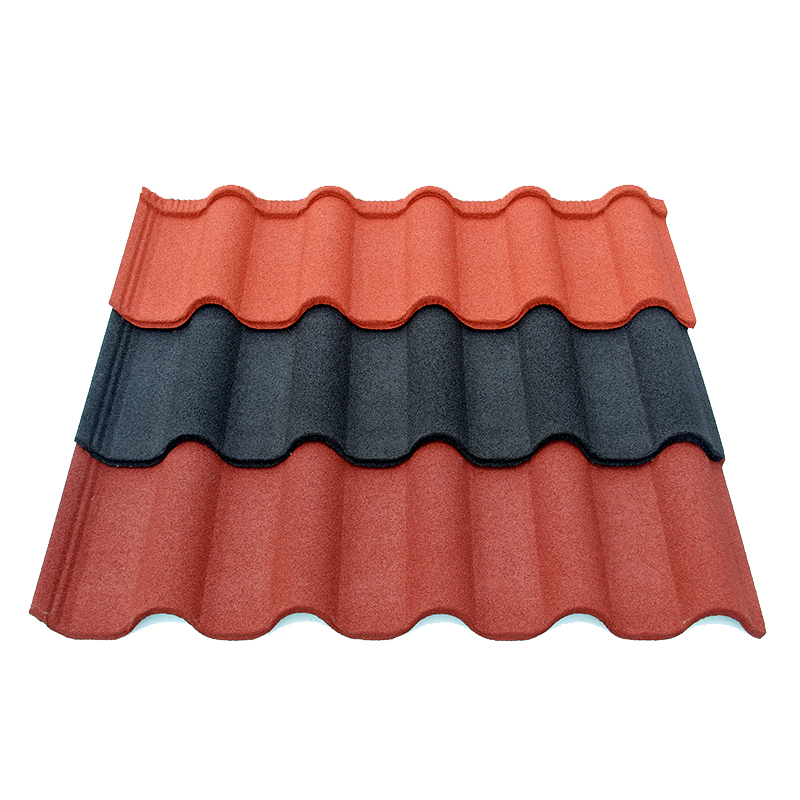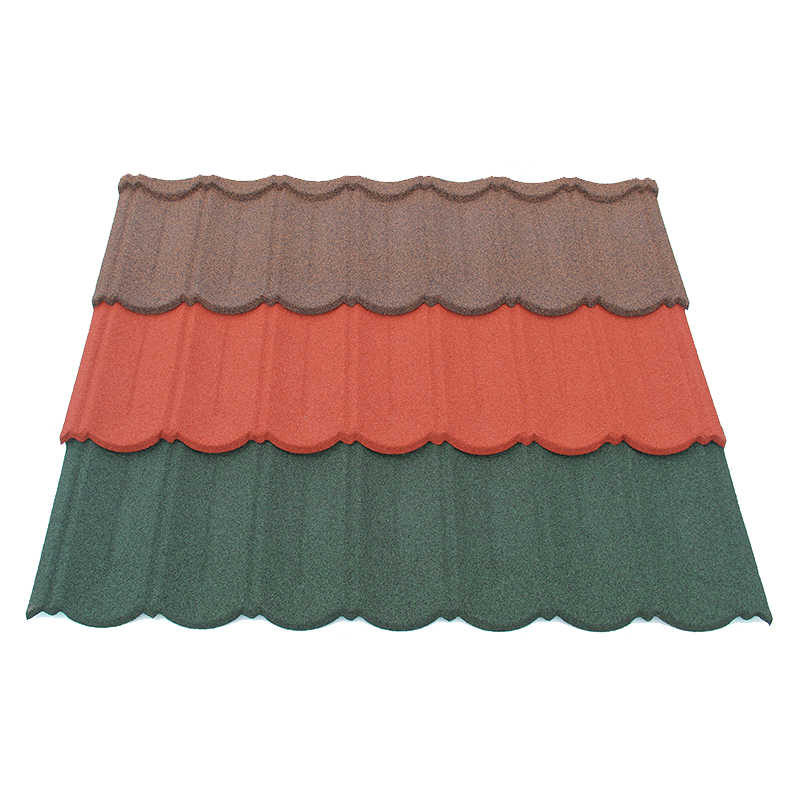

Global procurement managers must navigate a complex roofing market. Visual appearances often deceive buyers easily. Therefore, you must look past marketing claims completely. Actual durability depends entirely on raw materials. Consequently, we created this technical procurement guide. It breaks down four critical components perfectly. These specific materials determine if a roof tile lasts decades.
1. Premium Al-Zn Alloy Steel Core
Every stone-coated tile starts with a metal core. However, all steel types perform differently. Low-tier factories use standard galvanized steel frequently. They do this to cut production costs. Consequently, standard steel rusts rapidly in humid climates.
Conversely, premium tiles use an Al-Zn alloy substrate. The industry calls this material Galvalume. This advanced core combines aluminum and zinc perfectly. Specifically, aluminum blocks corrosion efficiently. Meanwhile, zinc offers sacrificial protection simultaneously.
Furthermore, a high-quality steel core provides essential rigidity. It prevents denting during difficult installations. Thus, the roof withstands severe weather events easily. Additionally, this premium core reflects solar radiation efficiently. As a result, property owners save significant energy money.
2. Flexible Acrylic Resin Base Coat
The acrylic base coat acts as connective tissue. First, it creates an impenetrable moisture barrier. Second, it binds stone granules to the steel permanently.
Cheap adhesives fail quickly under constant thermal stress. The roof expands and contracts daily. Consequently, rigid glue cracks easily under pressure. This failure causes severe granule loss quickly.
Therefore, manufacturers must use high-grade acrylic resin. Premium resin maintains flexibility over decades. It stretches safely alongside the steel core. Moreover, it seals microscopic pores completely. As a result, destructive water never reaches the metal beneath.
3. High-Temperature Sintered Ceramic Chips
Stone coatings provide essential surface protection. They also define the final aesthetic appeal. However, many suppliers use artificially dyed sand. Unfortunately, dyed sand fades quickly under sunlight. Heavy rain washes the cheap color away. Thus, the building loses curb appeal rapidly.
Reputable exporters use high-temperature sintered stone chips exclusively. First, they coat natural basalt with inorganic pigments. Next, they bake these particles in extreme heat. Specifically, kiln temperatures exceed 800 degrees Celsius.
This intense heat fuses the pigment permanently. Consequently, UV radiation cannot degrade the vibrant color. Furthermore, rough stone chips diffuse heavy rain impact. This physical trait significantly reduces interior building noise. Additionally, these ceramic chips resist fire effectively.
4. Clear Acrylic Overglaze Topcoat
Factories apply a clear acrylic overglaze last. This transparent sealant locks everything securely. Furthermore, it plays a critical role in lifecycle maintenance.
First, the smooth finish repels dust and dirt. Second, it prevents black algae growth completely. Humid climates accelerate fungal problems rapidly. However, a premium overglaze stops biological growth permanently.
Moreover, this topcoat provides ultimate physical security. It encapsulates the stone chips tightly. Therefore, strong winds cannot dislodge the granules. As a result, the roof requires minimal ongoing maintenance.
Verifying Raw Material Quality
B2B buyers face massive financial risks daily. Blindly trusting suppliers causes terrible project failures. Therefore, you must verify material integrity directly.
- First, request substrate metallurgical certifications immediately. Demand specific Al-Zn coating weight data.
- Next, test the stone chips yourself. Simply boil a sample tile in water. Dyed sand ruins the water quickly. Conversely, sintered chips remain completely unchanged.
- Finally, test the base coat flexibility practically. Bend a sample tile back and forth. Rigid resin drops stone chips immediately.
Therefore, always partner with proven manufacturers. Reliable factories maintain strict quality control standards. They also share sourcing data transparently.
Frequently Asked Questions (FAQ)
How does steel thickness impact lifespan?
Base metal thickness dictates structural rigidity entirely. Standard 0.40mm steel balances weight and strength perfectly. Conversely, thinner steel dents easily during severe hail.
Can I visually identify dyed sand?
New tiles look identical to untrained eyes. However, dyed sand fades visibly after several months. Therefore, buyers must demand laboratory sintering documentation.
Why avoid standard galvanized steel?
Standard galvanized steel features only zinc. This zinc layer degrades rapidly in humid environments. Consequently, the core rusts completely. Al-Zn alloys provide superior protection.
Secure Your Supply Chain Today
Your commercial project demands reliable materials always. Substandard steel ruins your business reputation permanently. Fading roofs upset property owners greatly. Therefore, you must source premium products carefully.
Contact our technical sales team today. We provide comprehensive factory quotes quickly. Additionally, we send free physical samples globally. Thus, you can conduct your own quality testing. Fill out the contact form below immediately.