
Finding reliable architectural solutions for freezing environments remains highly critical today. Procurement teams must identify the Top Roofing Materials for Cold Weather carefully. Extreme winter conditions easily destroy inferior building supplies quickly. Therefore, purchasing agents need proven data for their strategic decisions. Consequently, this comprehensive guide provides actionable insights for commercial buyers. We will explore various structural systems engineered for subzero temperatures. Ultimately, you will make highly informed decisions for your upcoming projects.
Understanding Thermal Dynamics in Freezing Climates
Commercial buildings face immense structural stress during harsh winter months. Extreme temperature drops alter the physical properties of building materials significantly. Therefore, engineers must understand specific thermal dynamics before finalizing specifications. For instance, melting snow creates massive moisture management challenges daily. Furthermore, trapped internal heat complicates exterior surface temperature regulation completely. Consequently, mastering these basic concepts ensures long term structural integrity perfectly.
Combating Ice Dam Formation
Ice dams represent a massive threat to commercial properties globally. Trapped internal heat escapes through the ceiling and warms the exterior deck. Consequently, accumulated snow melts and flows down toward the colder eaves. The liquid water then freezes rapidly at the cold structural edge. This solid ice block forces subsequent liquid water under the exterior surface. Therefore, specialized metal roofing features a hollow core that keeps roof temperatures stable to discourage ice damming completely[cite: 83]. Ultimately, proper material selection eliminates this severe moisture intrusion risk.
The Impact of Freeze Thaw Cycles
Materials expand and contract drastically during rapid temperature fluctuations. Porous materials absorb liquid moisture during slightly warmer afternoon hours. Subsequently, this trapped water expands violently when temperatures drop overnight. This continuous physical expansion shatters inferior structural components very quickly. Therefore, architects must specify completely nonporous solutions for northern geographic regions. Furthermore, extremely dense materials resist this microscopic water penetration perfectly. Ultimately, choosing highly resistant products prevents catastrophic midwinter building failures entirely.
Evaluating Superior Material Options for Winter
Buyers face numerous complex choices when sourcing industrial structural covers. Different products offer varying degrees of specific winter weather protection. Therefore, procurement professionals must compare technical specifications very rigorously indeed. Some options provide excellent snow shedding capabilities while others fail miserably. Furthermore, local building codes often dictate specific material usage requirements strictly. Consequently, we will analyze the most effective categories available on the market today.
Advanced Stone Coated Steel Performance
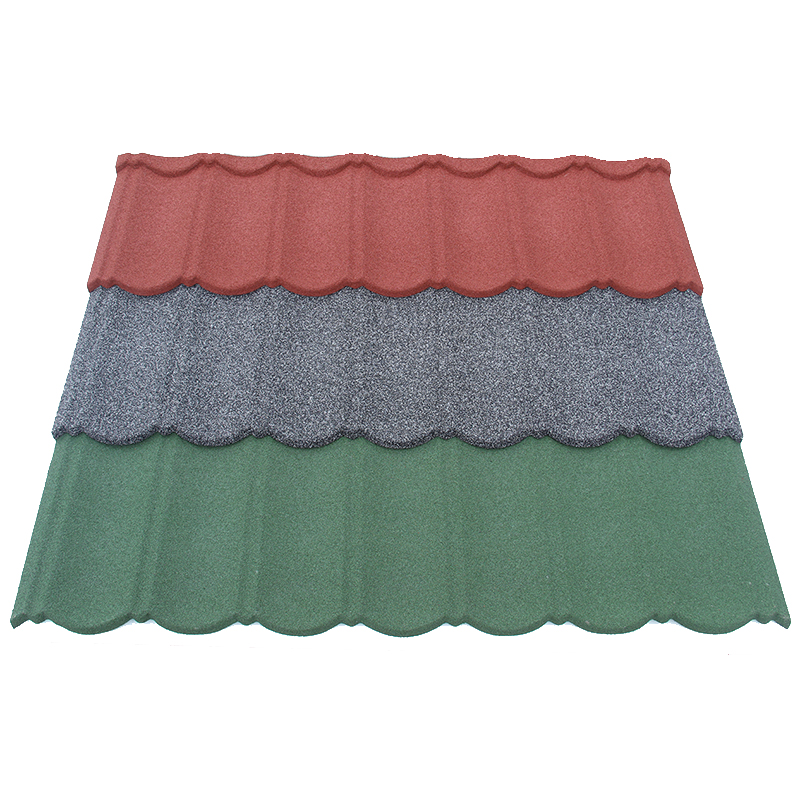
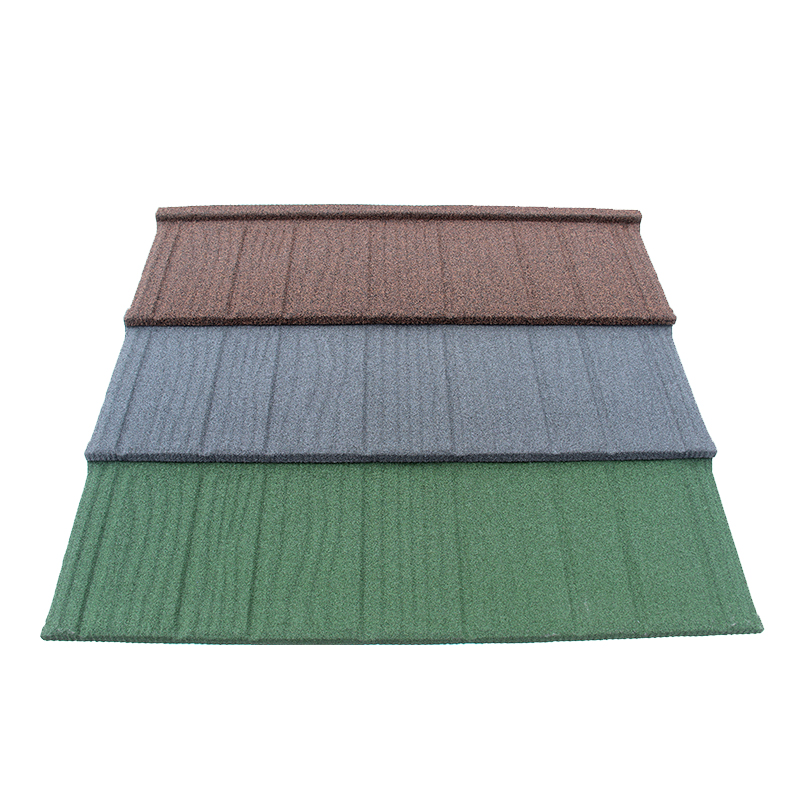
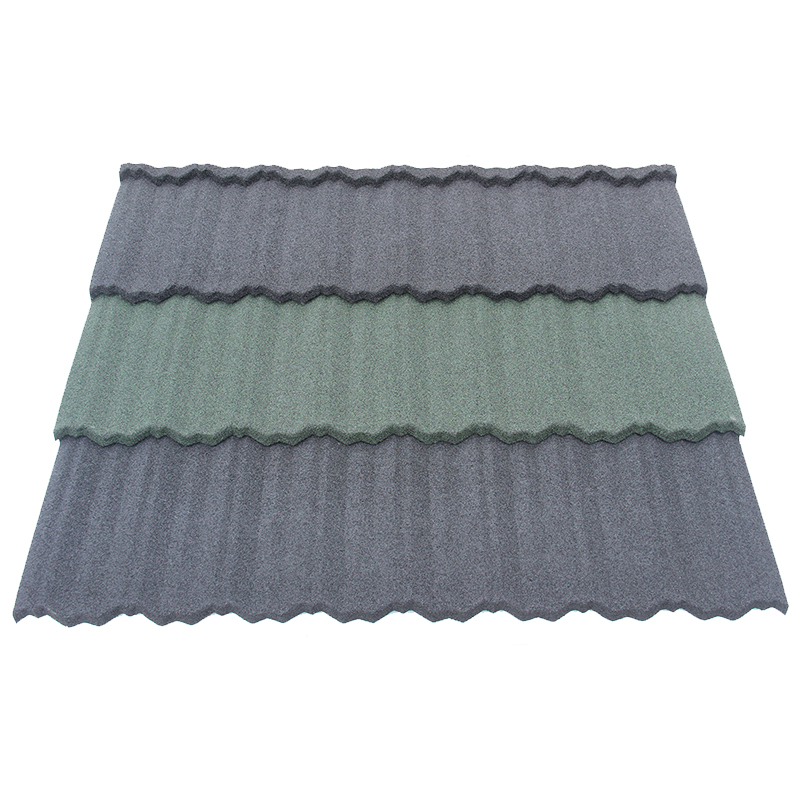
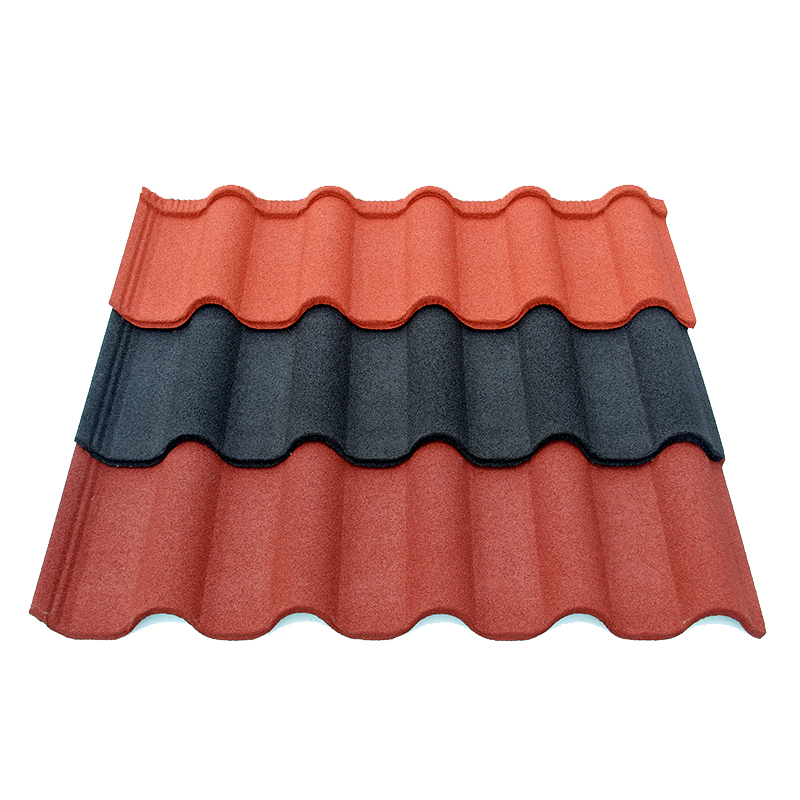
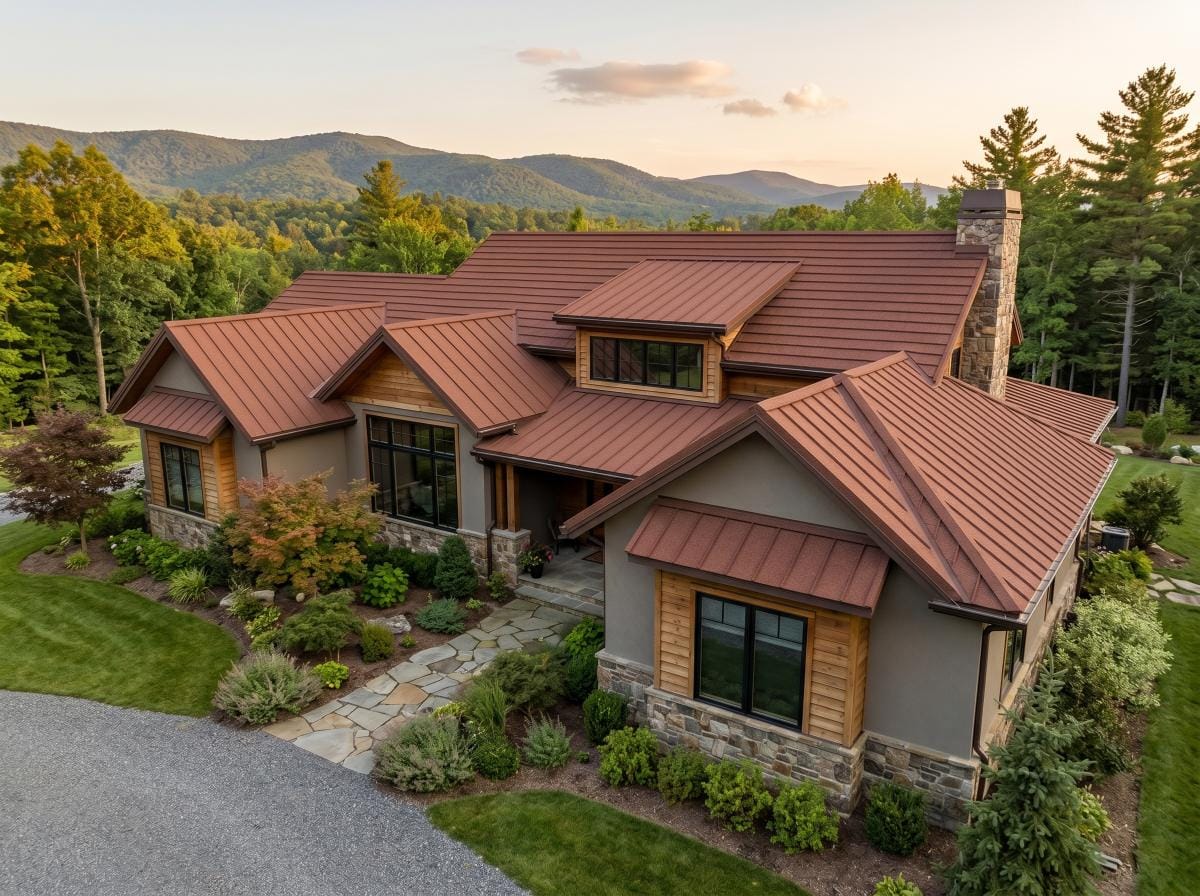
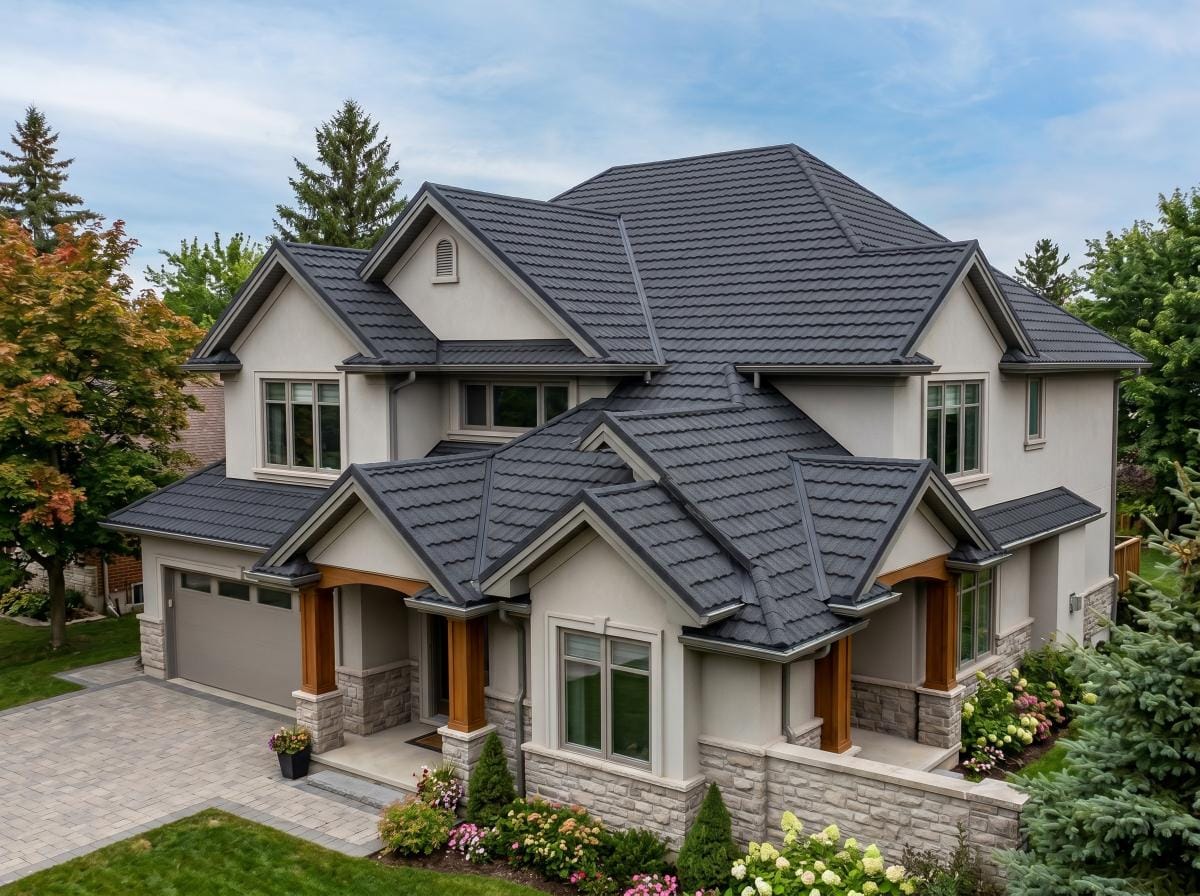
Engineered metal stands out as an exceptional choice for freezing environments. These systems provide lightweight but sturdy construction to handle heavy snowfall effortlessly[cite: 83]. Moreover, the specialized protective coatings prevent rust and corrosion completely. Commercial buyers often specify the Bond Tile for massive residential developments. This specific profile offers incredible strength against severe winter blizzards. Furthermore, projects requiring a rustic aesthetic utilize the Shake Tile successfully. This option mimics natural wood without the inherent rotting vulnerabilities.
Traditional Concrete and Clay Limitations
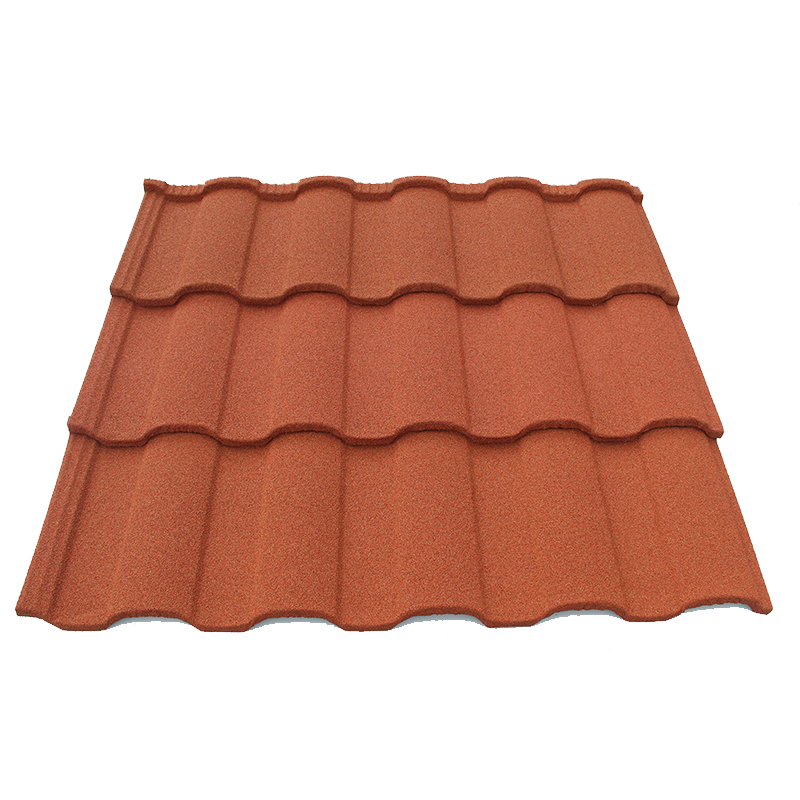
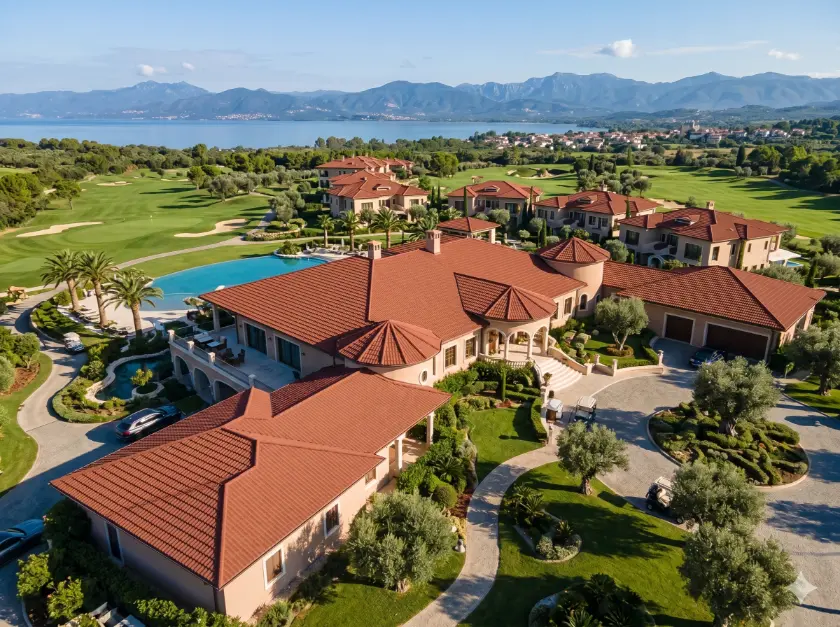
Traditional heavy materials remain highly popular in warmer coastal environments mostly. However, porous clay absorbs significant moisture during heavy winter sleet storms. Consequently, these heavy units crack easily during rapid freezing events. Therefore, maintenance costs skyrocket for property owners using these specific products. Conversely, smart developers utilize the Roman Tile for Mediterranean designs instead. This engineered metal alternative provides the exact same visual appeal. Most importantly, it completely ignores the destructive nature of expanding ice.
Asphalt and Synthetic Alternatives
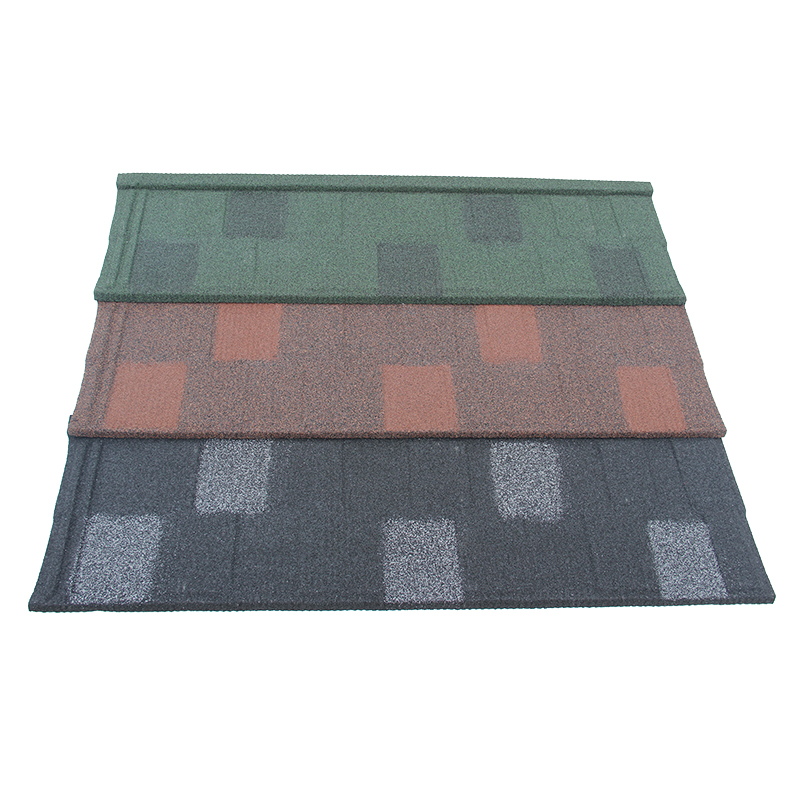
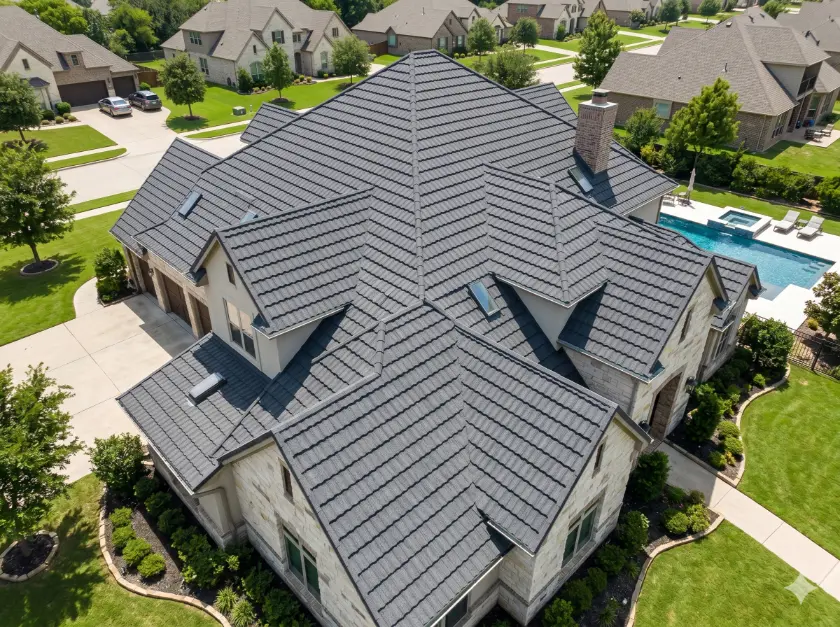
Standard asphalt products dominate the absolute lowest budget project categories globally. Unfortunately, extreme cold makes cheap asphalt extremely brittle and highly fragile. High winter winds easily snap these frozen components right off the building. Therefore, replacement cycles remain incredibly short for these budget materials. Alternatively, the Shingle Tile offers supreme durability with similar visual characteristics. Procurement teams choose this specific upgrade to ensure permanent winter security. Ultimately, this strategic upgrade drastically reduces ongoing seasonal repair expenditures.
| Material Category | Freeze Resistance | Snow Load Impact | Best Application |
|---|---|---|---|
| Stone Coated Steel | Excellent | Lightweight | Severe Winter Regions |
| Traditional Clay | Poor | Extremely Heavy | Mild Climates Only |
| Standard Asphalt | Moderate | Moderate Weight | Budget Projects |
Critical Engineering and Structural Considerations
Selecting surface materials solves only one part of the complex winter puzzle. Structural engineers must evaluate the entire building envelope comprehensively together. Specifically, heavy snow accumulation adds massive dead weight to the framing. Therefore, calculating load bearing capacities remains an absolute mandatory requirement. Furthermore, interior moisture management requires highly sophisticated airflow design strategies. Consequently, ignoring these underlying engineering factors guarantees eventual system failure completely.
Managing Heavy Snow Loads
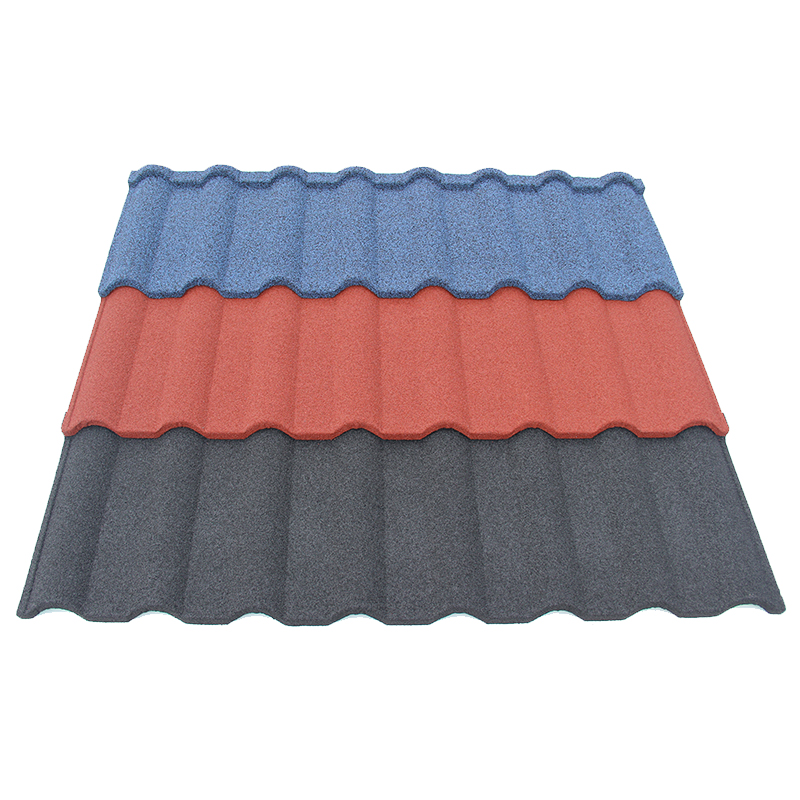
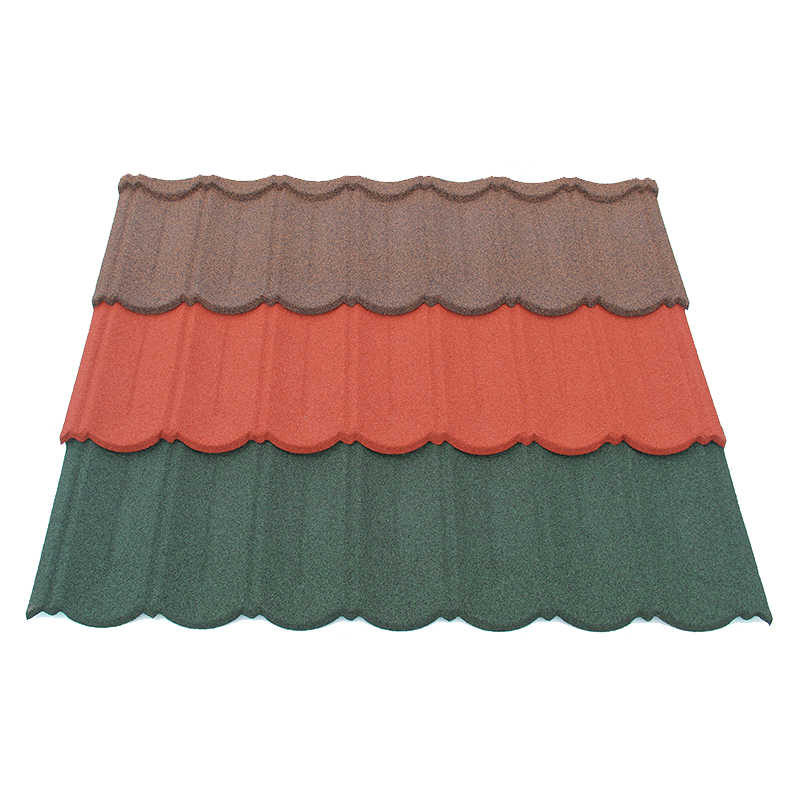
Wet snow weighs significantly more than dry powdery snow naturally. This massive weight crushes weak underlying wooden trusses very easily. Therefore, modern building codes demand incredibly strong structural framing reinforcements usually. However, using lightweight engineered materials offsets this heavy snow burden perfectly. For example, the Milano Tile provides extreme elegance without adding unnecessary dead weight. Consequently, architects save massive amounts of money on structural lumber framing. Ultimately, smart material specification prevents tragic roof collapse during record blizzards.
Importance of Proper Ventilation
Continuous fresh airflow represents the ultimate secret to winter building health. Proper ventilation constantly flushes trapped internal moisture outside the structure. Consequently, the attic temperature remains practically identical to the outside air. Therefore, snow on the exterior surface melts naturally from direct sunlight only. Furthermore, sophisticated commercial builders install massive continuous ridge venting systems standardly. This engineering choice guarantees a completely dry and highly functional attic space. Ultimately, perfect ventilation protects the incredibly valuable interior commercial assets below.
Strategic Procurement for Maximum ROI
Securing the Top Roofing Materials for Cold Weather requires sharp financial analysis. Smart buyers never focus exclusively on the initial material purchase price. Instead, they calculate the total lifetime operational cost very carefully. Furthermore, supply chain reliability greatly impacts the final project completion date. Therefore, partnering with established global suppliers mitigates massive logistical risks completely. Consequently, we must outline the best practices for highly profitable procurement operations.
Lifecycle Cost Analysis
Cheap budget materials require practically continuous expensive winter maintenance interventions. Facility managers spend absolute fortunes fixing cracked and missing pieces annually. Conversely, premium engineered solutions require literally zero ongoing maintenance throughout winter. Therefore, the higher initial investment pays off very rapidly indeed. Furthermore, enhanced energy efficiency significantly lowers monthly commercial heating utility bills. Consequently, property owners enjoy massive financial returns over several long decades. Ultimately, demanding supreme quality guarantees a highly successful commercial property investment.
Selecting the Right Manufacturing Partner
Consistent product quality separates elite manufacturers from average regional suppliers entirely. Commercial buyers must demand strict independent laboratory testing certificates always. Furthermore, reliable suppliers maintain massive inventory levels to prevent unexpected delays. Partnering directly with an industry leader like JCROOF ensures absolute perfection. They understand the severe demands of extreme winter construction completely. Therefore, their engineered solutions perform flawlessly when temperatures drop below freezing. Ultimately, choosing the right corporate partner secures your professional engineering reputation.