
Finding the right solutions for extreme weather is absolutely critical today. Buyers must select the Top Roofing Materials for Hot Climates carefully. This specific choice directly impacts overall building performance significantly. Consequently, it affects long term energy costs for the property owner. Procurement teams constantly need reliable data for their purchasing operations. Engineers require proven thermal performance from their specified building supplies. Therefore, this comprehensive guide provides actionable insights for B2B professionals. We will evaluate various systems designed specifically for extreme heat. Furthermore, we will compare their technical specifications and physical properties. Ultimately, you will make much better purchasing decisions for your commercial projects.
Understanding Thermal Dynamics in High Temperature Regions
When evaluating the Top Roofing Materials for Hot Climates, engineering teams must thoroughly understand heat transfer mechanics. Extreme ambient temperatures place massive stress on modern building envelopes daily. Consequently, the chosen structural cover must reflect incoming solar radiation effectively. It also needs to release any absorbed heat rapidly after sunset. Furthermore, choosing an incorrect material increases mechanical cooling workloads significantly. Therefore, procurement teams must evaluate specific thermal performance metrics before finalizing any major contract.
The Role of Solar Reflectance Index
The Solar Reflectance Index represents a crucial metric for commercial buyers. Specifically, it measures how well a surface rejects intense solar heat. Materials with high values stay much cooler in direct summer sunlight. Therefore, procurement managers should always demand official testing certificates from suppliers. Standard asphalt typically scores very low on this specific thermal scale. Conversely, cool colored premium systems score significantly higher in laboratory tests. Subsequently, higher scores directly translate to massive energy savings for commercial buildings.
Furthermore, testing laboratories evaluate products using very strict standardized testing protocols. They assign numerical values ranging from zero to one hundred typically. Consequently, materials scoring closer to one hundred reject massive amounts of heat. Therefore, architects specify high scoring materials for green building certification projects. Additionally, this simple metric helps procurement teams compare completely different material categories easily. Ultimately, demanding high values ensures your clients receive the most efficient thermal protection available today.
Thermal Emissivity and Heat Dissipation
Reflecting incoming sunlight is only one part of the cooling equation. Importantly, structural materials must also possess high thermal emissivity physical properties. This means they release stored heat back into the atmosphere quickly. For instance, bare metal reflects light but retains structural heat poorly. However, specialized coated metals perform exceptionally well in releasing trapped energy. Consequently, buildings cool down much faster during the early evening hours. Ultimately, this rapidly reduces the nighttime burden on expensive climate control systems.
Moreover, modern urban environments suffer greatly from the trapped heat island effect. Concrete streets and dark buildings absorb immense heat during the long day. Consequently, this trapped energy severely elevates local temperatures throughout the entire night. Therefore, selecting highly emissive materials helps mitigate this dangerous environmental phenomenon. Furthermore, municipal governments frequently mandate specific emissivity ratings for new commercial constructions. Importantly, proactive B2B suppliers always stock materials exceeding these strict municipal regulatory standards.
Analyzing the Most Effective Roofing Systems
Evaluating the vast array of available products requires a highly systematic approach. Consequently, buyers must analyze the Top Roofing Materials for Hot Climates dominant in the market. Procurement professionals must balance upfront costs with long term structural durability. Additionally, the specific architectural style of the project dictates certain material choices. Furthermore, commercial buildings often require completely different solutions compared to residential developments. Therefore, we will break down the primary options engineered specifically for extreme heat environments.
Advanced Stone Coated Metal Systems
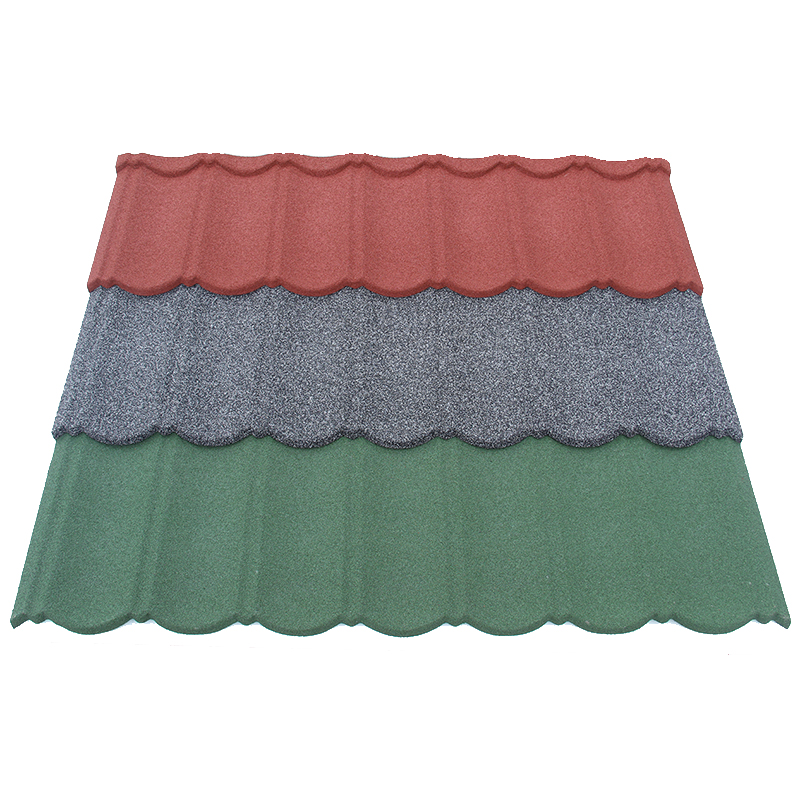
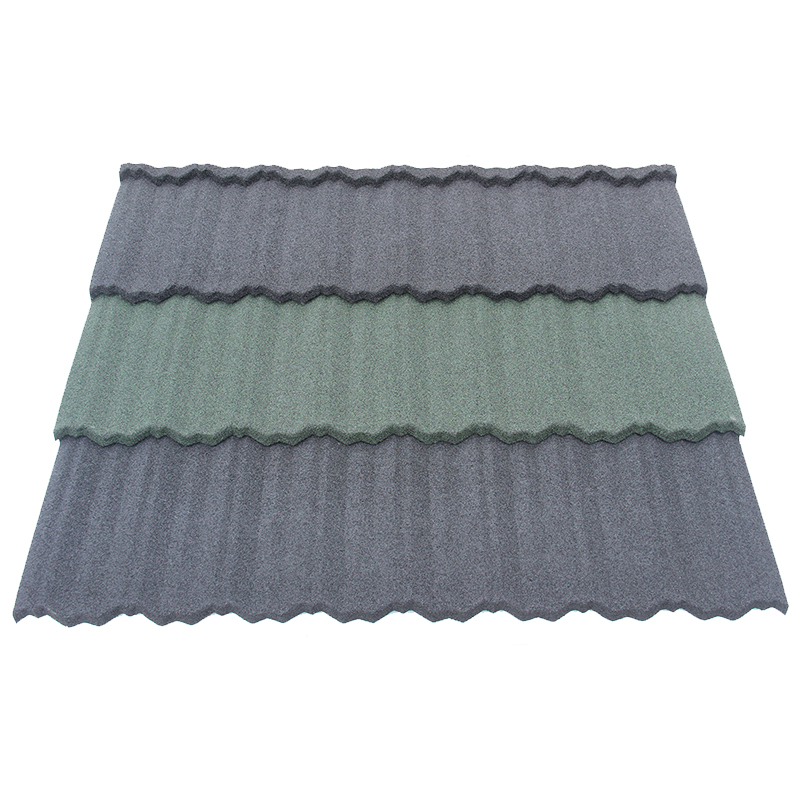
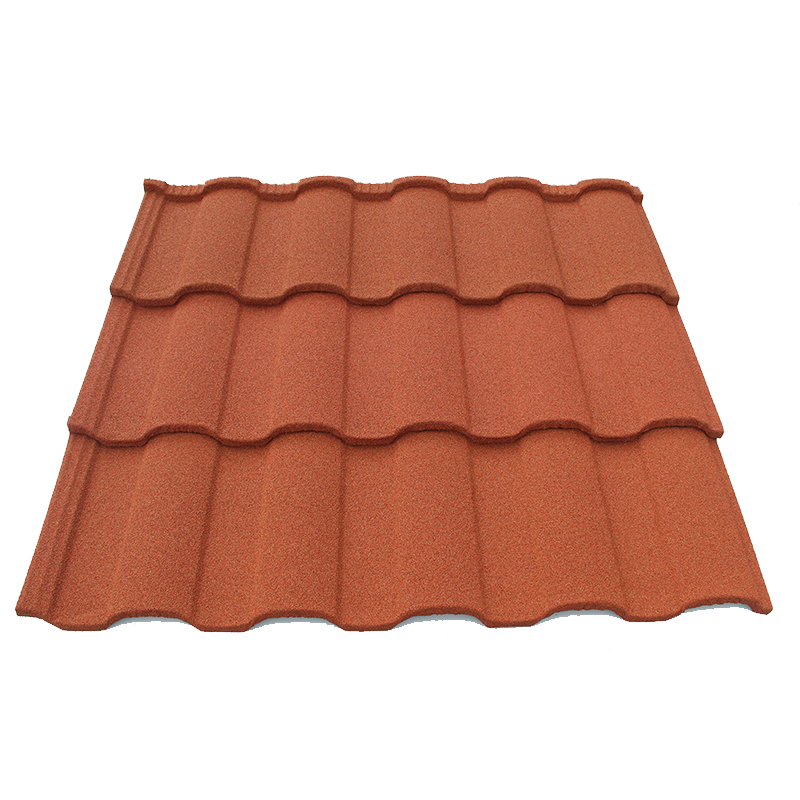
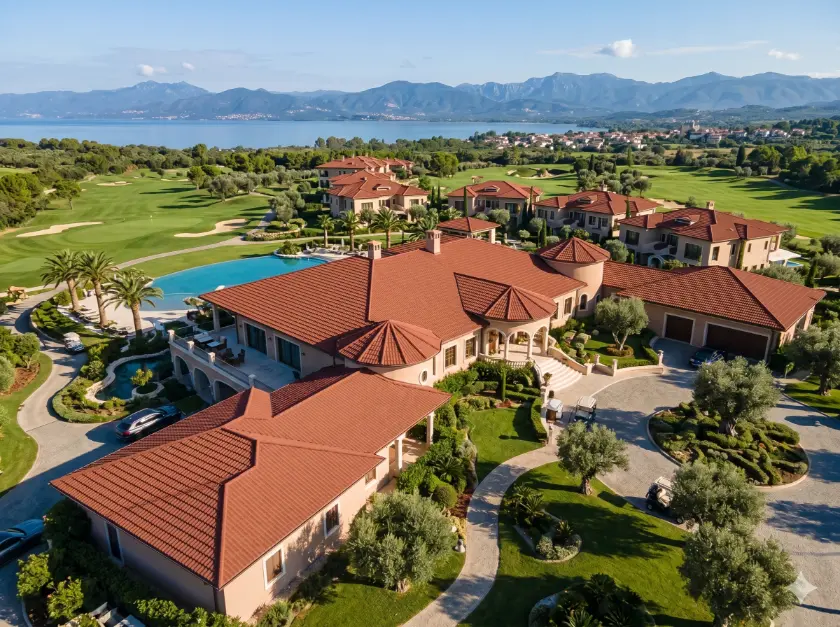
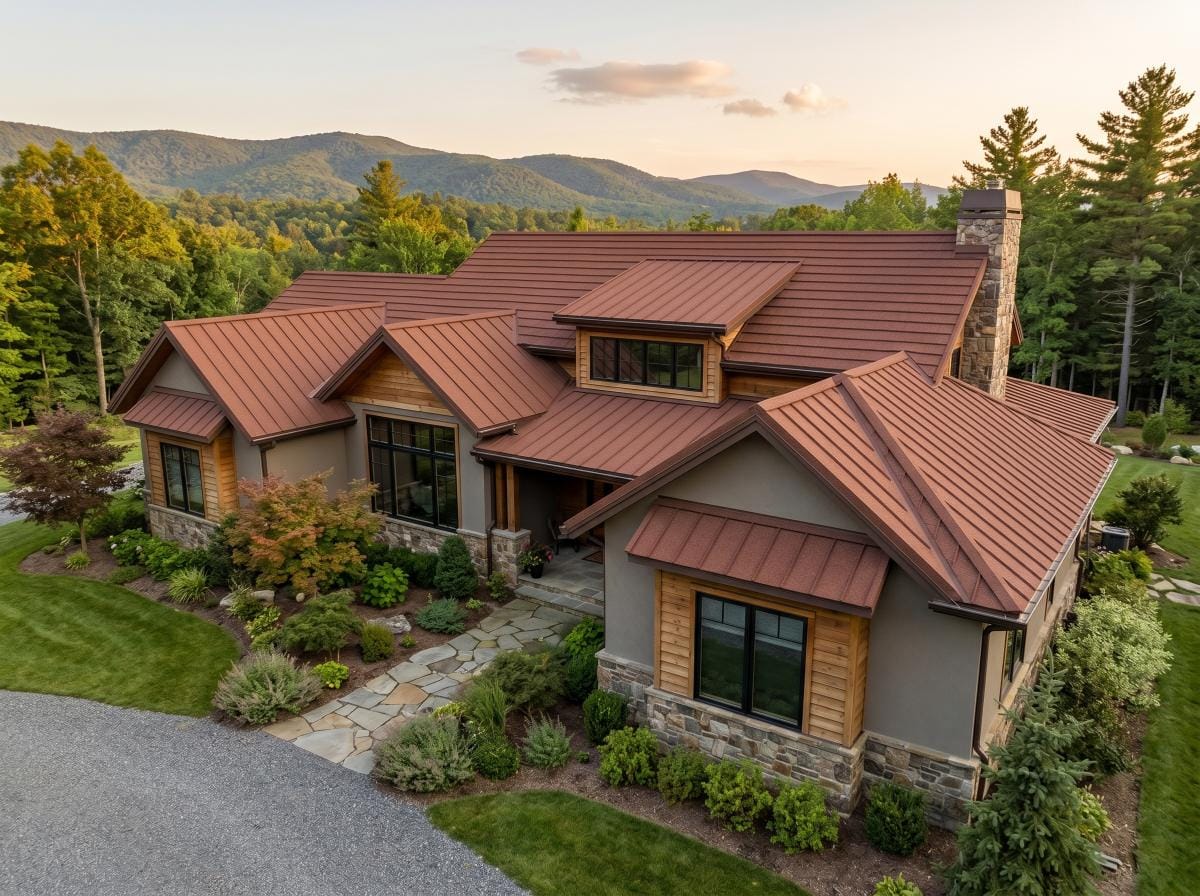
Metal structures stand out as premier choices for high temperature geographic regions. Specifically, stone coated steel offers unparalleled thermal performance and lasting durability. It reflects solar radiation efficiently while maintaining structural integrity over several decades. Furthermore, these systems resist severe weather events like heavy hail and high winds. For projects requiring a traditional Mediterranean aesthetic, the Roman Tile provides excellent heat dissipation. Naturally, partnering with a reliable global manufacturer like JCROOF ensures consistent product quality and supply chain stability.
Additionally, modern manufacturing techniques allow these metals to mimic traditional luxury materials perfectly. Buyers no longer need to sacrifice beautiful aesthetics for required thermal efficiency. Furthermore, the specialized acrylic factory coatings resist fading even under intense tropical sunlight. Consequently, commercial properties maintain their pristine curb appeal for decades without expensive repainting. Therefore, smart procurement teams increasingly shift their operational budgets toward these advanced engineered solutions. Ultimately, this strategic shift reduces costly post installation callbacks and client complaints significantly.
Traditional Clay and Concrete Options
Natural clay has served as a reliable barrier against heat for centuries. Indeed, its massive thermal weight absorbs environmental heat very slowly throughout the day. Consequently, the interior living spaces remain highly comfortable during peak sunlight hours. However, this massive physical weight requires significant underlying structural roof reinforcement. Therefore, structural engineers must calculate load bearing capacities carefully before ordering bulk materials. Furthermore, concrete alternatives offer similar thermal benefits at a much lower price point. Unfortunately, both heavy materials remain highly susceptible to impact damage during transit and installation.
Moreover, the distinctive curved shape of traditional clay creates natural ventilation channels automatically. Hot air flows upward and escapes rapidly from beneath the curved exterior surface. Consequently, this passive cooling mechanism drastically reduces the heat transferred into the attic. Therefore, Mediterranean style architectures rely heavily on this specific physical design characteristic. Furthermore, these dense materials provide excellent acoustic insulation against heavy tropical rainstorms. However, finding skilled local contractors to install them properly remains a significant logistical challenge.
Reflective Membranes for Flat Surfaces
Commercial facilities with flat structures require entirely different moisture and heat barriers. Specifically, Thermoplastic Polyolefin synthetic membranes dominate this specific industrial market sector. These bright white surfaces reflect massive amounts of solar radiation every single day. Consequently, they lower urban heat island effects in dense modern metropolitan areas. Moreover, commercial installation proceeds very rapidly on massive industrial warehouse facilities. However, buyers must ensure they specify adequate membrane thickness during the procurement phase. Otherwise, intense continuous ultraviolet exposure will degrade the synthetic material prematurely.
Additionally, membrane seams require specialized heat welding equipment for proper secure installation. A poor seam weld will fail quickly under extreme thermal expansion stress. Consequently, massive water leaks will destroy the valuable commercial inventory stored inside the facility. Therefore, procurement managers must partner exclusively with highly certified local installation contractors. Furthermore, regular foot traffic on these roofs requires the installation of dedicated walkway pads. Ultimately, protecting the delicate membrane surface guarantees the long term success of the entire system.
| Material Category | Heat Resistance Rating | Structural Weight Factor | Expected Lifespan | Best Application Scenario |
|---|---|---|---|---|
| Stone Coated Steel | Excellent | Lightweight | 50+ Years | Commercial and High End Residential |
| Traditional Clay Tiles | Excellent | Very Heavy | 75+ Years | Premium Luxury Villas |
| TPO Synthetic Membrane | Very Good | Lightweight | 20 to 30 Years | Flat Industrial Facilities |
| Standard Asphalt | Poor | Moderate | 15 to 20 Years | Low Budget Projects |
Crucial Factors for Procurement and Engineering Teams
Procuring the Top Roofing Materials for Hot Climates extends far beyond just checking specifications. Buyers must evaluate the complete financial and operational impact of their strategic decisions. Specifically, logistical challenges and structural weight requirements often dictate the final product choice. Furthermore, strict building codes in desert regions mandate absolute regulatory compliance standards. Consequently, failure to address these critical elements leads to massive project budget overruns. Therefore, purchasing agents must consider several crucial operational factors during their selection process.
Evaluating Lifecycle Costs and Return on Investment
The initial purchase price represents only a small fraction of the total cost. Importantly, buyers must calculate the expected lifespan of the specifically chosen material. Cheaper budget options often require complete structural replacement within fifteen short years. Conversely, premium engineering systems easily last for five decades or more continuously. For instance, the Bond Tile provides exceptional long term value for massive residential developments. Furthermore, enhanced energy efficiency provides continuous monthly financial returns for property managers. Ultimately, commercial buyers must prioritize long term value over immediate upfront budget savings.
Moreover, building owners heavily factor future maintenance expenses into their strict operational budgets. Premium materials demand practically zero ongoing maintenance over their incredibly long operational lifespan. Consequently, facility managers allocate their restricted budgets toward other critical infrastructure upgrades instead. Therefore, B2B sales professionals must clearly articulate these hidden financial benefits to hesitant clients. Furthermore, properties featuring premium heat resistant materials command much higher resale values in the open market. Ultimately, the initial capital investment transforms seamlessly into a highly profitable long term physical asset.
Addressing Structural Load and Weight Constraints
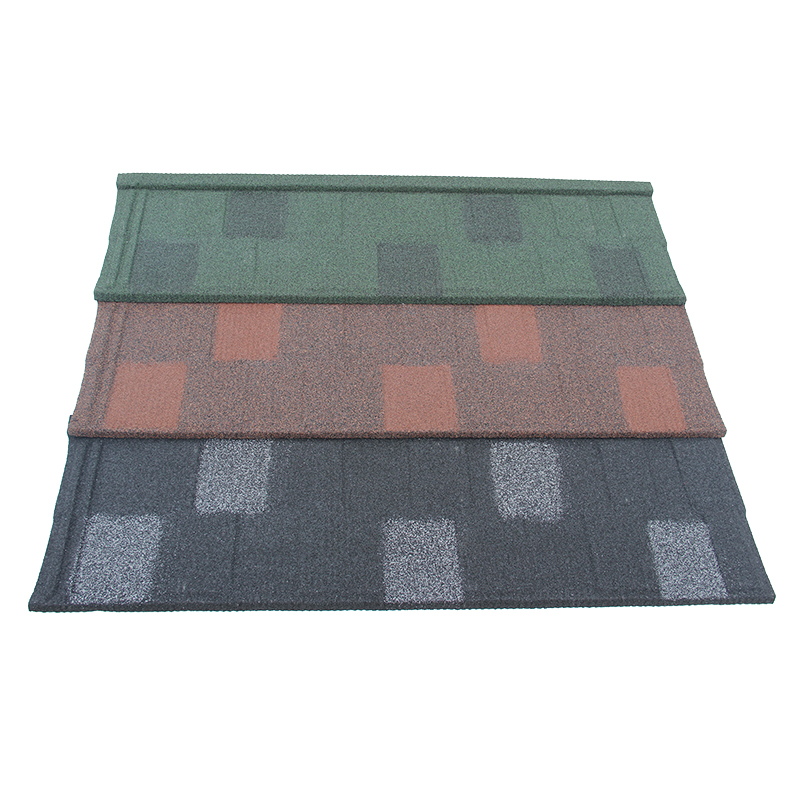
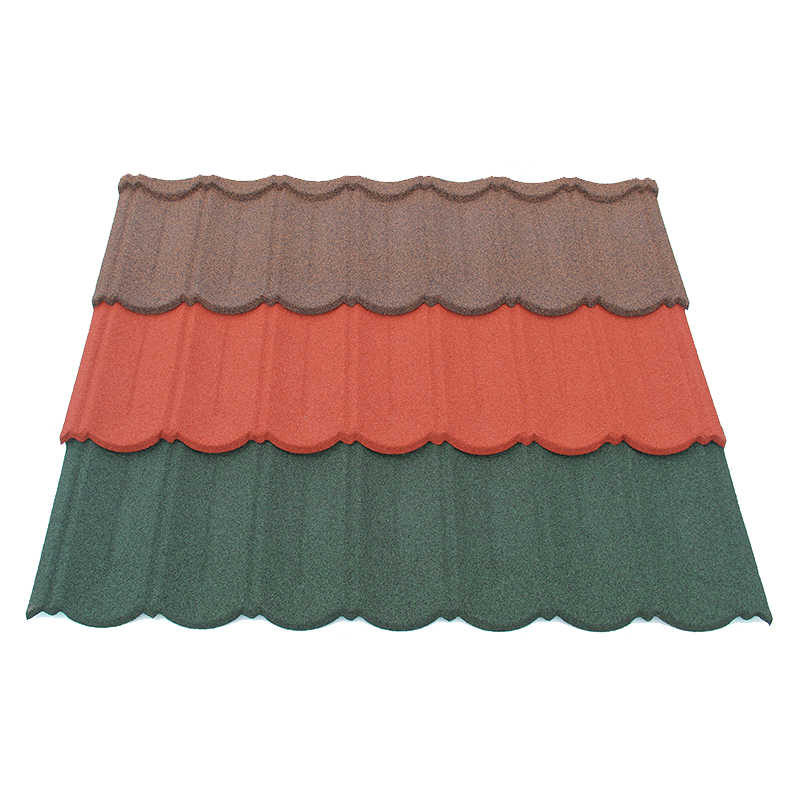
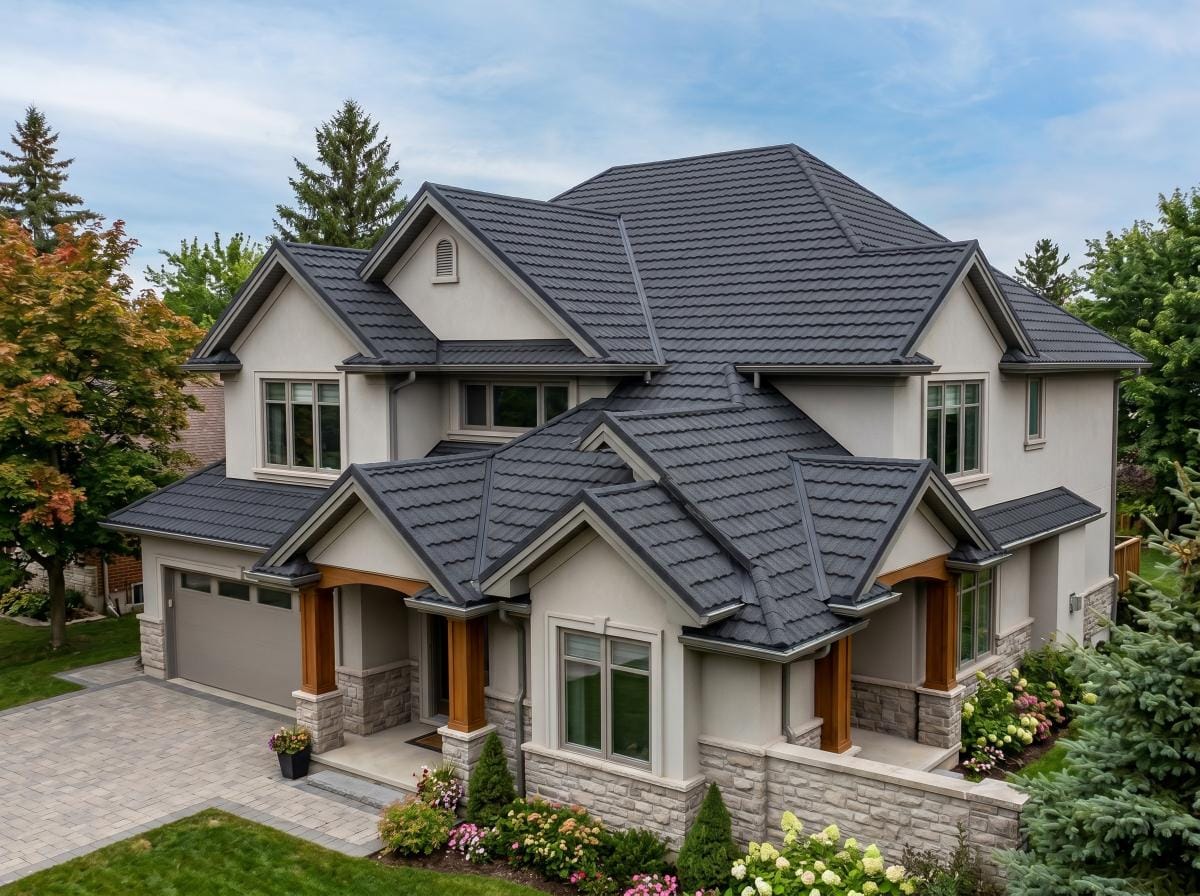
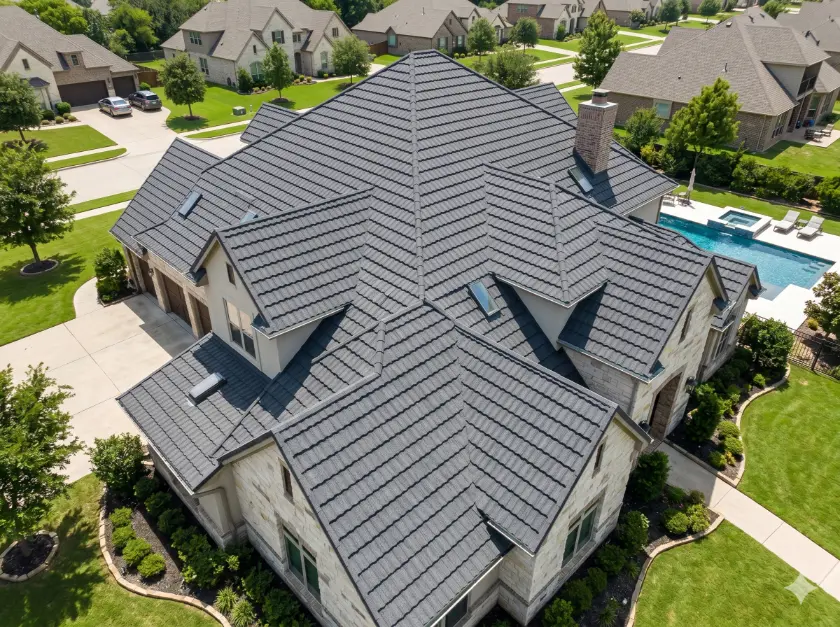
Heavy traditional materials drastically increase the hidden engineering costs of any construction project. Specifically, heavy clay requires much thicker roof trusses and significantly stronger supporting walls. This mandatory requirement heavily inflates the total budget for raw framing lumber purchases. Therefore, modern builders increasingly prefer lightweight highly engineered alternative structural solutions. For example, the Shingle Tile offers the exact appearance of traditional materials without the excessive weight. Consequently, property developers save massive amounts of money on structural engineering reinforcement.
Furthermore, older historical buildings cannot support heavy modern replacement materials safely at all. Retrofitting old structural supports costs an absolute fortune in specialized skilled labor fees. Consequently, structural engineers strictly specify lightweight options for all major historical renovation projects. Therefore, offering a diverse portfolio of lightweight designs gives suppliers a massive competitive advantage. Additionally, lighter shipping pallets dramatically reduce international freight and local transportation costs simultaneously. Ultimately, smart logistics management directly increases the final profit margin for regional material distributors.
Energy Certifications and Building Codes
Local government agencies continuously implement stricter energy efficiency building codes globally today. Consequently, uncertified imported materials simply cannot pass mandatory municipal engineering safety inspections. Therefore, procurement teams must request official independent testing documentation from their overseas suppliers. Look for industry standard laboratory certifications regarding solar reflectance and thermal emissivity ratings. Furthermore, installing officially certified products often qualifies property developers for lucrative government tax incentives. Importantly, these substantial financial rebates significantly offset the somewhat higher initial procurement material costs.
Moreover, modern commercial clients demand sustainable products to meet their corporate environmental goals. Many multinational corporations now require LEED certification for all their newly constructed operational facilities. Consequently, specifying uncertified materials instantly disqualifies suppliers from bidding on massive lucrative building contracts. Therefore, distributors must actively curate their product catalogs to include certified eco friendly options. Furthermore, government building inspectors readily approve projects utilizing well documented and certified building supplies.
- LEED Certification: Crucial for major commercial property developments globally.
- Energy Star Ratings: Validates exceptional solar reflectance performance completely.
- Local Fire Codes: Mandatory for dry and exceptionally hot geographic regions.
- Wind Uplift Standards: Essential for coastal areas experiencing extreme summer heat.
Avoiding Common Purchasing Mistakes in Hot Environments
Even when ordering the Top Roofing Materials for Hot Climates, procurement teams occasionally make costly errors. These mistakes usually stem from prioritizing visual aesthetic appeal over functional thermal performance. Additionally, ignoring the complete structural ecosystem leads directly to premature system failures. Furthermore, selecting the wrong underlying technical components ruins the performance of premium surface materials. Consequently, building contractors face angry clients and incredibly expensive warranty claim legal disputes. Therefore, we must highlight the most frequent purchasing mistakes to help you avoid them completely.
Overlooking Proper Attic Ventilation Systems
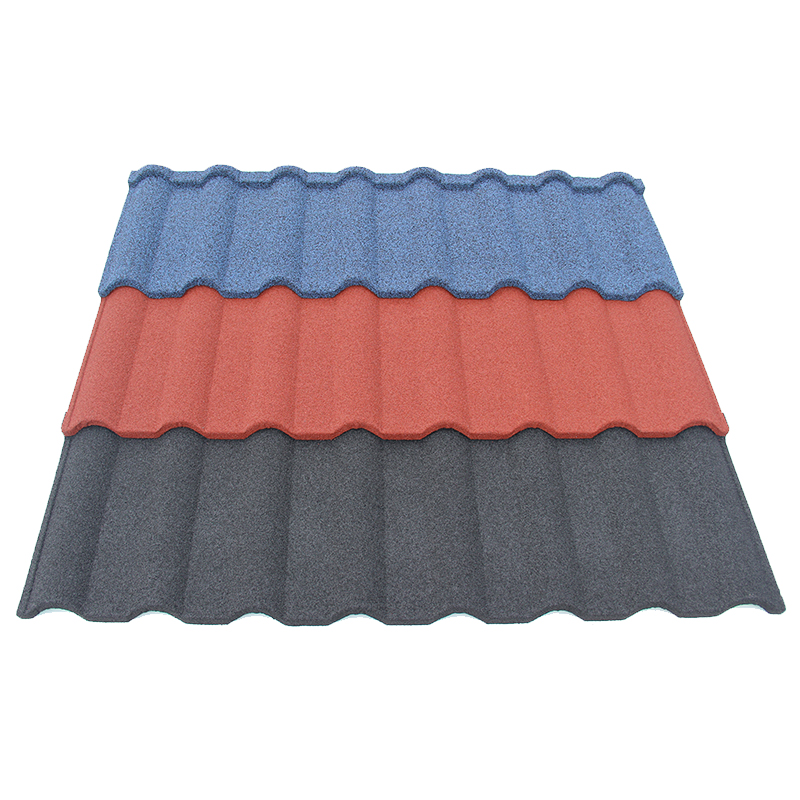
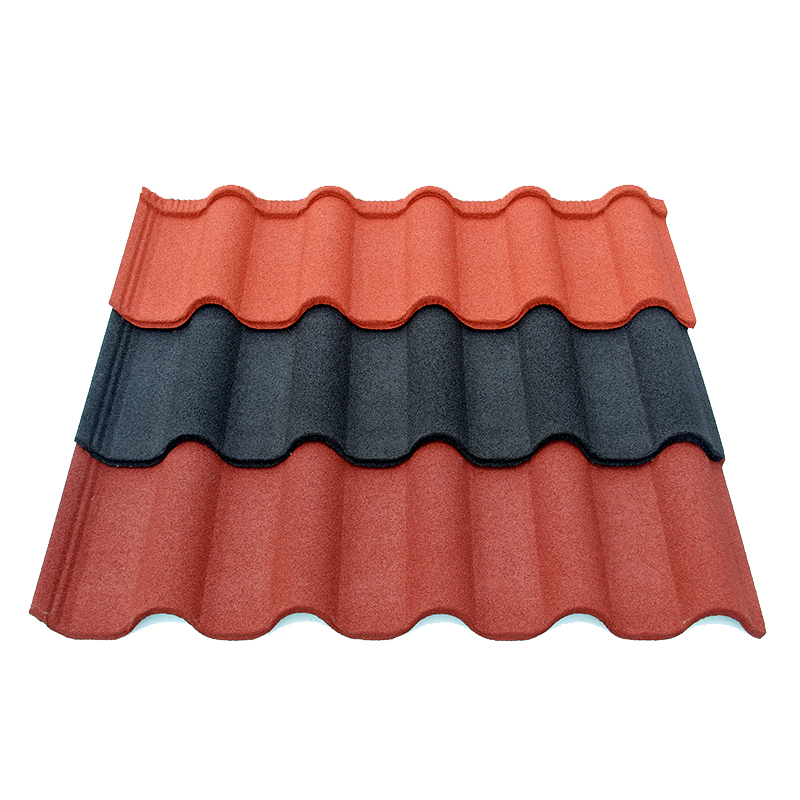
A premium exterior surface material cannot compensate for terrible internal attic ventilation. Specifically, trapped hot air literally cooks the underlying building structure from the inside out. Consequently, monthly cooling costs skyrocket regardless of the expensive exterior material chosen initially. However, pairing proper ventilation with a highly engineered Milano Tile creates an incredibly efficient cooling envelope. Furthermore, adequate continuous airflow prevents harmful internal moisture accumulation during extremely humid summer nights. Importantly, most material warranties become completely void if structural ventilation remains inadequate.
Moreover, sophisticated commercial builders utilize continuous ridge vents combined with ample soffit intake vents. This specific engineering configuration ensures a constant and perfectly balanced flow of fresh air. Consequently, the internal attic temperature remains remarkably close to the outside ambient temperature always. Therefore, trapped heat cannot radiate downward through the ceiling into the primary living spaces. Furthermore, proper environmental ventilation significantly extends the physical lifespan of the underlying wooden deck. Ultimately, educating your purchasing clients about ventilation secures your professional reputation as a trusted advisor.
Sacrificing Durability for Initial Cost Reductions
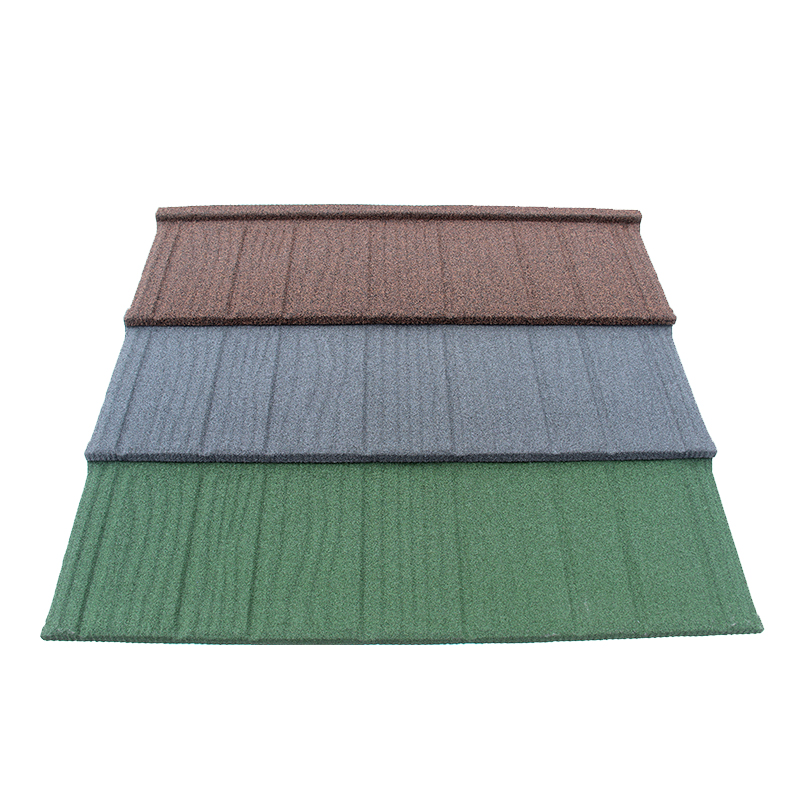
Strict budget constraints often tempt commercial buyers to select the absolute cheapest material option. However, extreme environmental heat rapidly destroys low quality organic construction materials completely. Specifically, daily thermal expansion and contraction cause cheap materials to crack prematurely and fail. Therefore, replacing a failed system costs far more than buying premium quality initially. For instance, choosing a durable Shake Tile eliminates the constant maintenance associated with real natural wood. Furthermore, durable engineered systems withstand the severe summer storms that often accompany extreme heat.
Moreover, severe regional heat often accompanies other extreme environmental hazards like devastating spreading wildfires. Cheap organic materials provide absolutely no protection against flying burning embers during a fire. Consequently, entire commercial structures can burn down rapidly during a severe local summer drought. Therefore, specifying fire resistant materials protects massive capital investments from total physical destruction. Furthermore, insurance companies offer substantial premium discounts for buildings utilizing completely non combustible exterior elements. Ultimately, these annual insurance savings quickly recover any extra initial procurement capital expenditures.
Selecting Inadequate Synthetic Underlayment
The exterior surface material acts only as the absolute first line of environmental defense. Importantly, the hidden underlying material provides the final critical waterproof barrier for the building. Unfortunately, extreme ambient heat can actually melt cheap asphalt based underlayment products completely. Consequently, the melting material creates massive functional and aesthetic problems for the property owner. Therefore, commercial buyers must specify high temperature synthetic underlayment for extremely hot climates. Furthermore, these advanced synthetic barriers resist ultraviolet degradation completely during the initial installation process.
Moreover, modern polymer based underlayments provide exceptional slip resistance for professional installation crews. Roofers can walk safely on steep pitches even during dangerously hot summer afternoons. Consequently, this dramatically reduces serious workplace accidents and expensive workers compensation insurance claims. Therefore, smart project managers insist on premium underlayments to protect their highly valuable labor force. Furthermore, these advanced engineered materials remain completely waterproof even if left exposed for several months. Ultimately, this buys building contractors critical time when facing unexpected supply chain material shortages.
Strategic Maintenance for Maximum Long Term Value
Maintaining the Top Roofing Materials for Hot Climates requires a highly proactive approach after installation. Buyers should educate their end users on proper system maintenance protocols thoroughly. Furthermore, extreme heat environments demand regular visual inspections to identify minor structural issues. Consequently, early detection prevents minor problems from becoming catastrophic building failures later. Additionally, establishing a clear maintenance schedule protects the validity of the manufacturer warranty completely. Therefore, understanding these post purchase requirements remains absolutely essential for B2B material suppliers.
Implementing Routine Visual Inspections
Severe seasonal heat waves cause significant physical expansion and contraction across large architectural surfaces. Therefore, building owners must inspect their commercial properties after major temperature spikes occur. Specifically, professional inspectors should look for loose mechanical fasteners or displaced overlapping material sections. Furthermore, checking the physical integrity of all waterproof sealants remains absolutely critical for safety. Consequently, immediate minor repairs prevent massive moisture intrusion during subsequent heavy summer thunderstorms. Importantly, professional certified contractors should perform these detailed inspections to ensure complete structural safety.
Moreover, modern facility managers utilize advanced drone technology for these routine structural inspections today. Drones capture high resolution images of the surface without requiring dangerous physical ladder climbing. Consequently, safety managers eliminate the severe fall risks associated with standard manual building inspections. Therefore, large commercial property portfolios benefit massively from this rapid and highly efficient technological approach. Furthermore, thermal imaging cameras mounted on drones easily detect hidden moisture trapped beneath the surface. Ultimately, proactive technology adoption saves commercial property owners thousands of dollars in emergency repair costs.
Maintaining High Solar Reflectance Over Time
Reflective exterior surfaces naturally accumulate environmental dirt and airborne debris over several years. Unfortunately, this dark layer of dirt significantly reduces the critical solar reflectance index score. Consequently, the building gradually absorbs much more heat as the exterior surface gets increasingly dirtier. Therefore, periodic gentle surface cleaning restores the original highly energy efficient thermal performance completely. However, aggressive mechanical pressure washing can actually destroy protective specialized factory acrylic coatings instantly. Furthermore, maintenance crews must strictly follow the specific detailed cleaning guidelines provided by the manufacturer.
Moreover, some geographic locations experience heavy industrial pollution or frequent severe environmental dust storms. These specific harsh environments demand much more frequent cleaning schedules to maintain thermal efficiency. Consequently, building owners must budget appropriately for these mandatory ongoing maintenance service contracts annually. Therefore, suppliers should recommend specific environmentally safe cleaning solutions to their commercial purchasing clients. Furthermore, applying a fresh reflective topcoat every decade revitalizes the performance of flat membrane systems completely. Ultimately, consistent professional care guarantees the building envelope performs efficiently throughout its entire designed lifespan.
Conclusion and Final Procurement Advice
Selecting the Top Roofing Materials for Hot Climates directly secures the long term success of your project. Procurement teams must prioritize thermal emissivity and high solar reflectance indices always. Furthermore, buyers must balance initial capital investments against expected lifecycle maintenance costs carefully. Consequently, partnering with reliable global manufacturers eliminates dangerous supply chain bottlenecks completely. Therefore, apply these engineering principles to elevate your next major commercial construction development safely. Ultimately, informed purchasing decisions build stronger businesses and highly satisfied corporate B2B clients.