
In real procurement scenarios, especially when dealing with metal roofing systems used in commercial and industrial projects, the difference between Aluzinc (also called Galvalume) and traditional galvanized steel is not just technical—it directly affects lifespan, corrosion resistance, and long-term maintenance cost. Many buyers in the stone coated roofing supply chain only discover the truth after installation failures begin to appear years later. This is why understanding how to verify material composition on-site or through documentation has become a critical competency for contractors, importers, and project engineers.
The confusion is more common than most expect, especially in markets where stone coated roofing is aggressively cost-optimized. Some suppliers may label galvanized steel as Aluzinc-equivalent, or mix terminology in a way that makes procurement decisions harder. If your project involves stone coated steel roofing systems, verifying the substrate is not optional—it is a risk control step that directly determines whether the system performs for 20–30 years or starts degrading within a decade.
1. Why the Difference Between Aluzinc and Galvanized Steel Directly Impacts Roofing Performance
At the procurement level, many buyers focus heavily on surface aesthetics or stone coating quality, especially when evaluating stone coated roofing systems. However, the real structural performance is determined underneath the stone chips. The steel substrate—whether Aluzinc or galvanized—controls corrosion resistance, thermal stability, and adhesion performance of coatings.
In long-term outdoor exposure, especially in coastal or high-humidity regions, galvanized steel tends to corrode faster once the zinc layer is compromised. Aluzinc, with its aluminum-zinc alloy structure, provides a more stable protective barrier. This is why most premium stone coated roofing specifications rely on Aluzinc substrates rather than standard galvanized steel.
1.1 Material Behavior in Real Environments
- Galvanized steel relies primarily on sacrificial zinc protection
- Aluzinc combines aluminum’s barrier protection with zinc’s sacrificial effect
- Thermal reflectivity of Aluzinc is significantly higher under sun exposure
- Stone coated roofing lifespan is strongly dependent on substrate stability
1.2 Procurement Risk Perspective
For importers and contractors, misidentifying galvanized steel as Aluzinc often leads to warranty disputes. In projects where stone coated roofing is used for warehouses, villas, or public infrastructure, early corrosion under the coating layer is one of the most expensive failure modes.
2. Visual and Surface-Level Indicators Used in Real-World Inspection
On-site verification is often the first step before deeper testing. While it is not 100% conclusive, experienced inspectors can often distinguish between Aluzinc and galvanized steel based on surface behavior, coating texture, and edge appearance. This is particularly useful when evaluating incoming stone coated roofing shipments.
However, visual inspection should never be treated as final proof. It is only a preliminary filter used in combination with documentation and testing. Many experienced procurement teams use it to flag suspicious batches before accepting delivery.
2.1 Spangle Pattern Observation
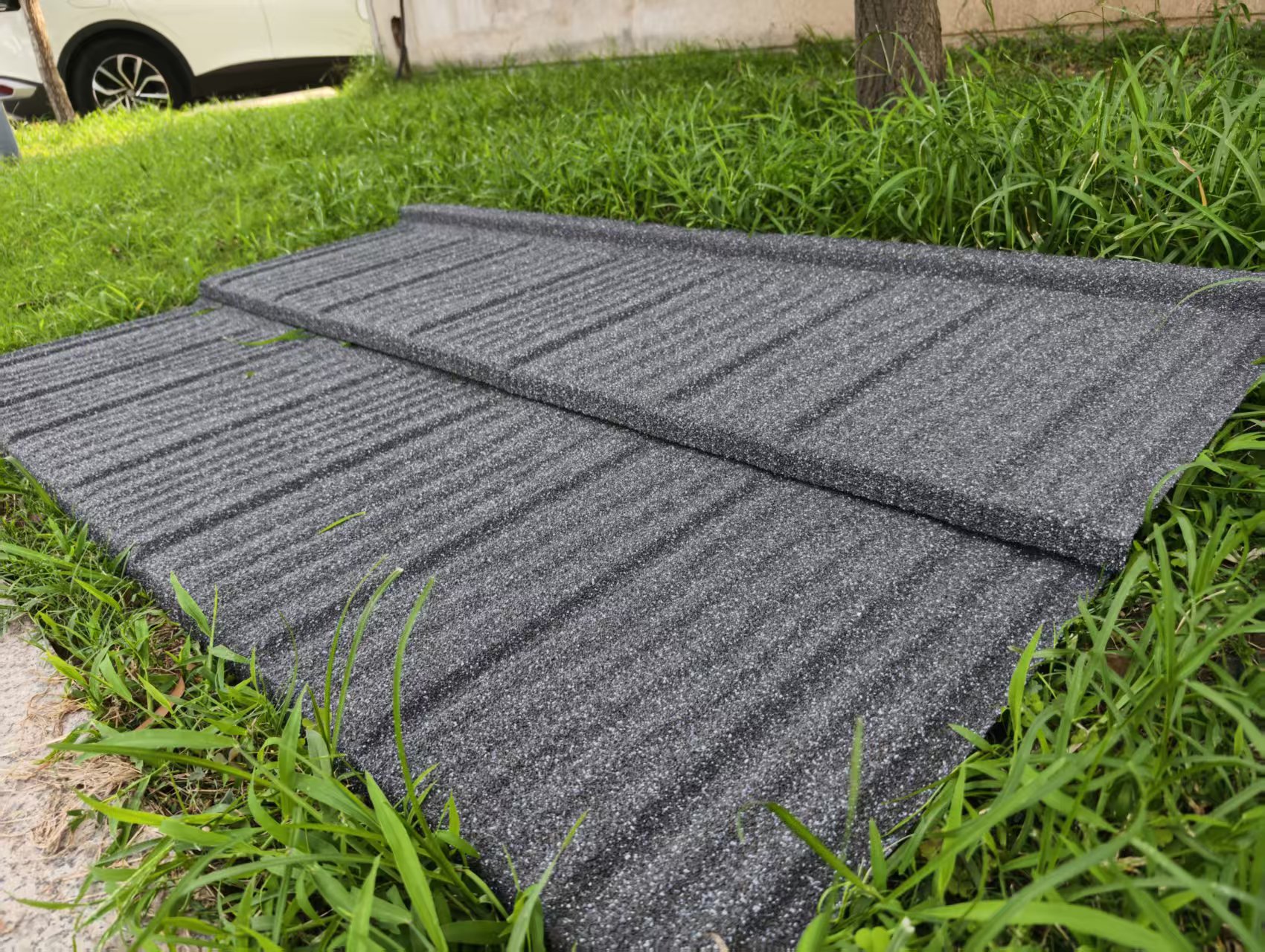
Galvanized steel often shows a visible “spangle” crystalline pattern on the surface. Aluzinc, by contrast, typically appears smoother and more uniform. In stone coated roofing substrates, this difference is sometimes partially hidden by pre-coating treatments, but edge samples still reveal it.
2.2 Edge and Cut Section Inspection
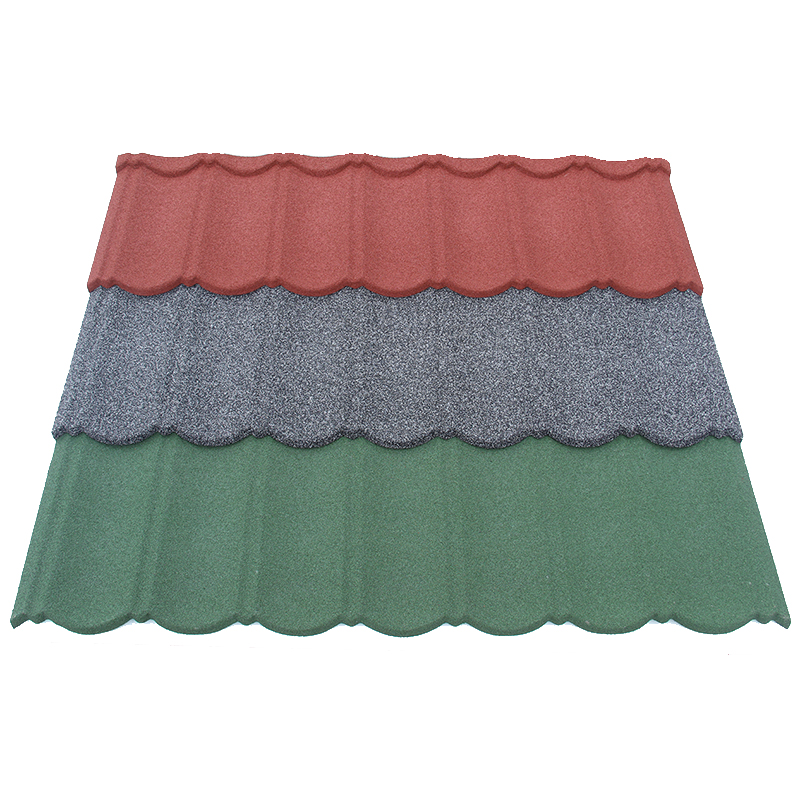
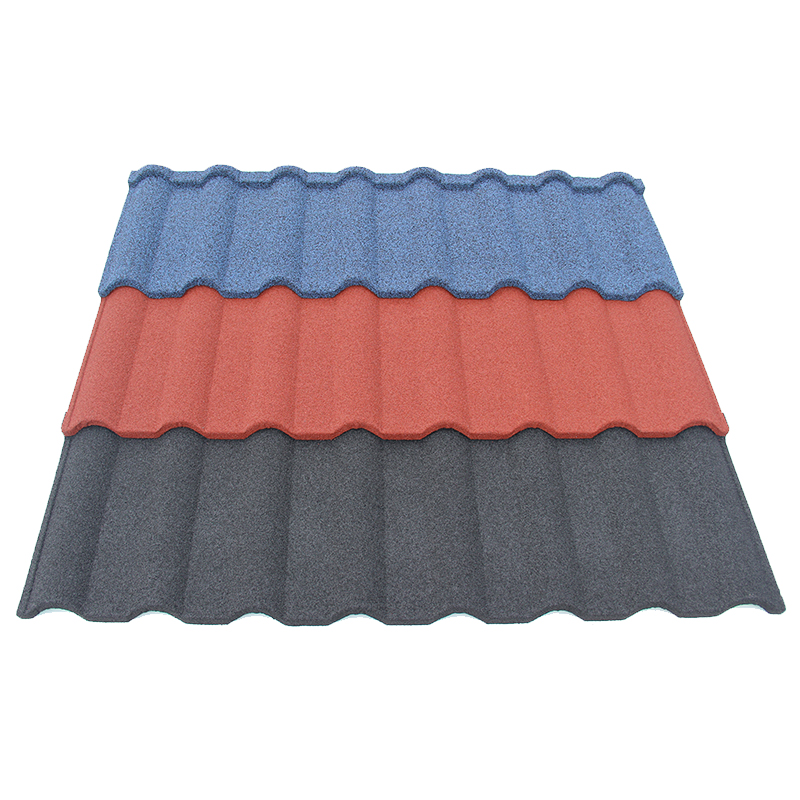
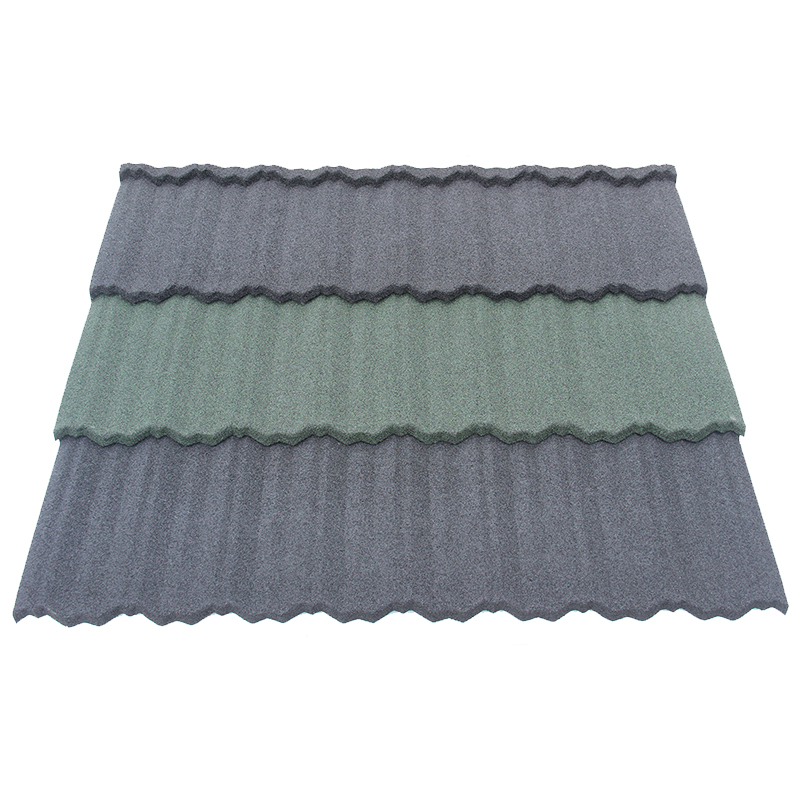
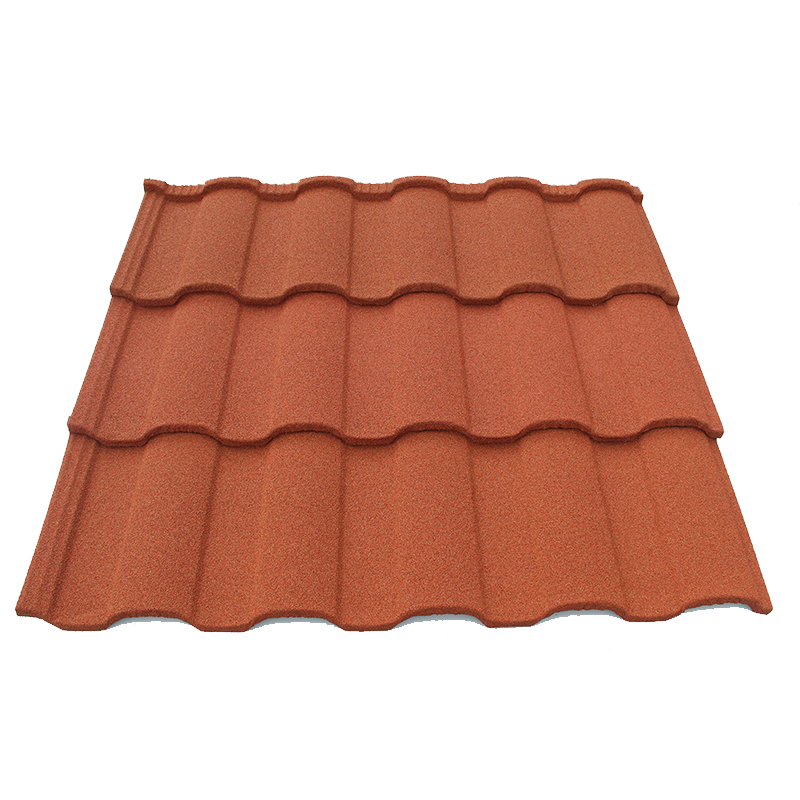
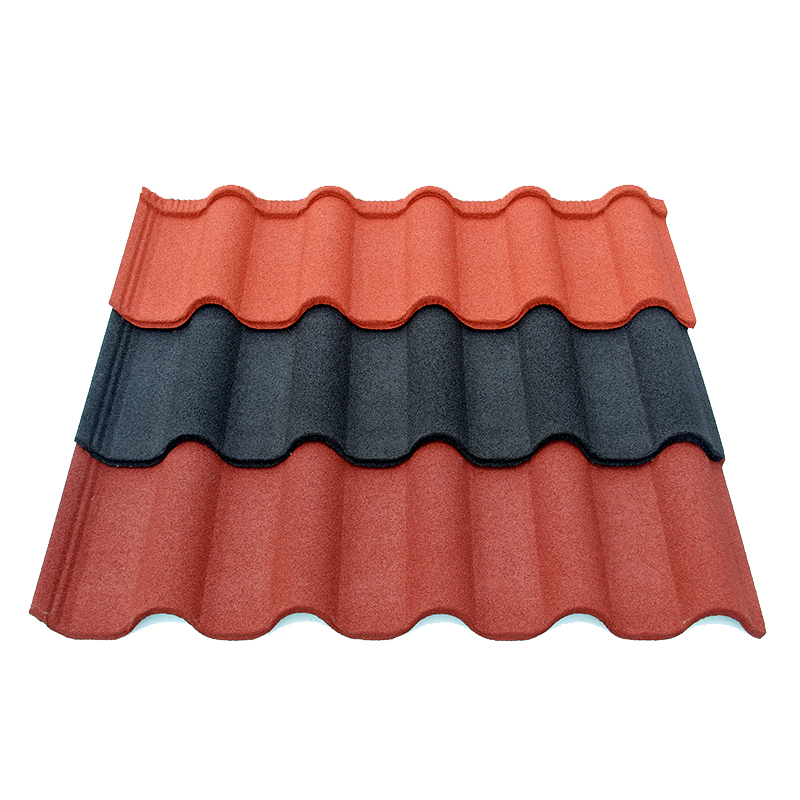
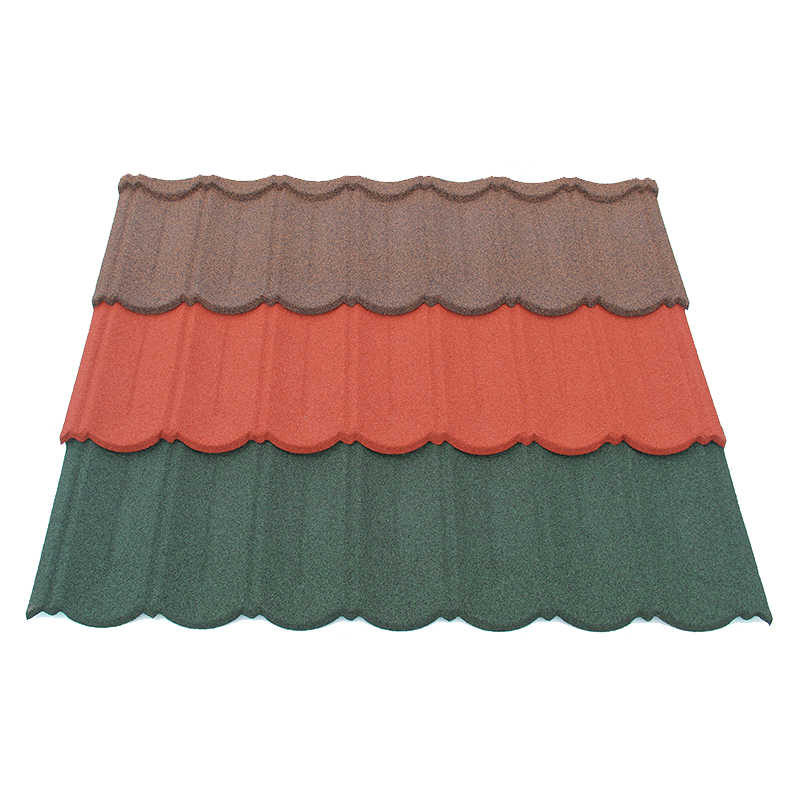
Cut edges provide more reliable clues. Aluzinc tends to show a more consistent matte metallic finish, while galvanized layers may show uneven crystallization. In production lines used for systems like Bond Tile or Roman Tile, manufacturers often standardize substrate finishes to reduce confusion.
3. Field Testing Methods Used by Contractors and Inspectors
Beyond visual inspection, field testing provides more practical confirmation. These methods are widely used in construction sites dealing with stone coated steel roofing installations. While not as precise as laboratory testing, they are effective for quick validation before installation begins.
Experienced site engineers often combine multiple methods rather than relying on a single test. This reduces the risk of misclassification and helps ensure the stone coated roofing system meets expected durability standards.
3.1 Common On-Site Tests
| Test Method | What It Reveals | Reliability |
|---|---|---|
| Magnet Test | Confirms steel presence but not coating type | Low |
| Scratch Test | Observes layer composition and adhesion | Medium |
| Edge Corrosion Check | Indicates protective behavior of coating | Medium |
| Weight Comparison | Estimates coating thickness differences | Medium-High |
3.2 Practical Interpretation
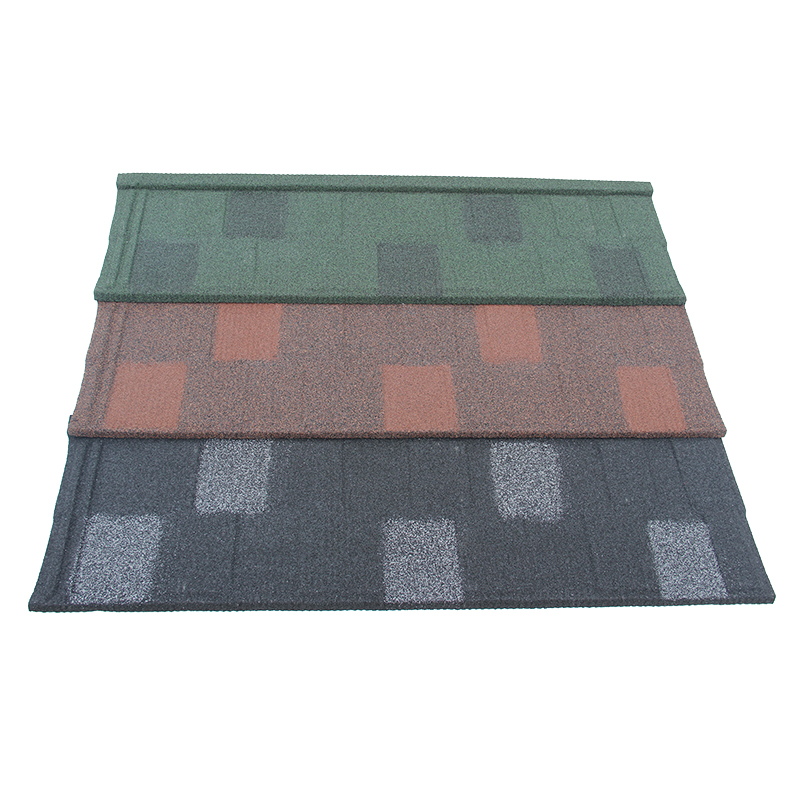
For example, if a stone coated roofing sheet scratches easily and reveals uneven zinc flaking, it is more likely galvanized steel. Aluzinc typically shows more stable wear behavior. Products such as Shingle Tile and Milano Tile are often manufactured with tighter substrate controls, making field inconsistencies easier to detect.
4. Laboratory Verification and Supply Chain Documentation Control
When procurement scale increases, especially for distributors or large engineering contractors, field testing alone is not enough. Laboratory verification and mill certification become essential. This is where most disputes are ultimately resolved.
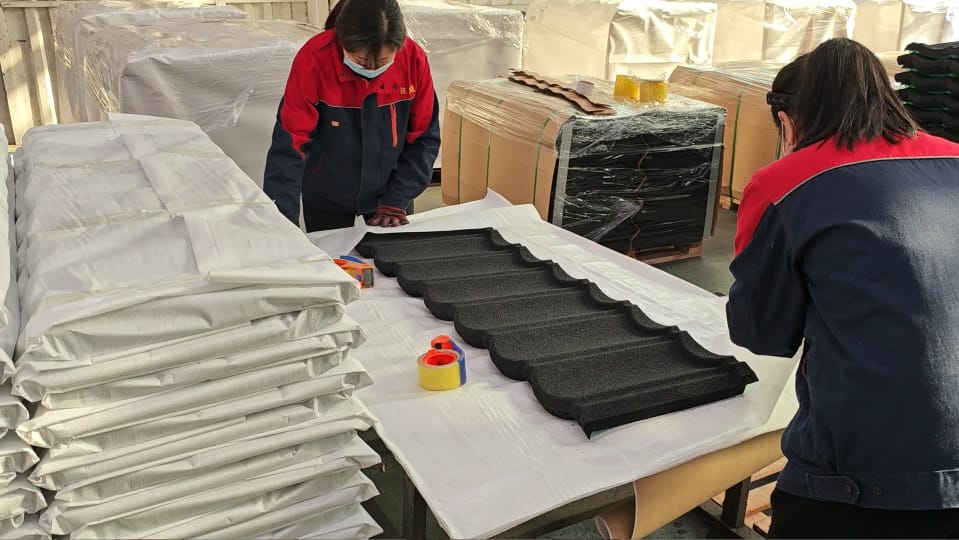
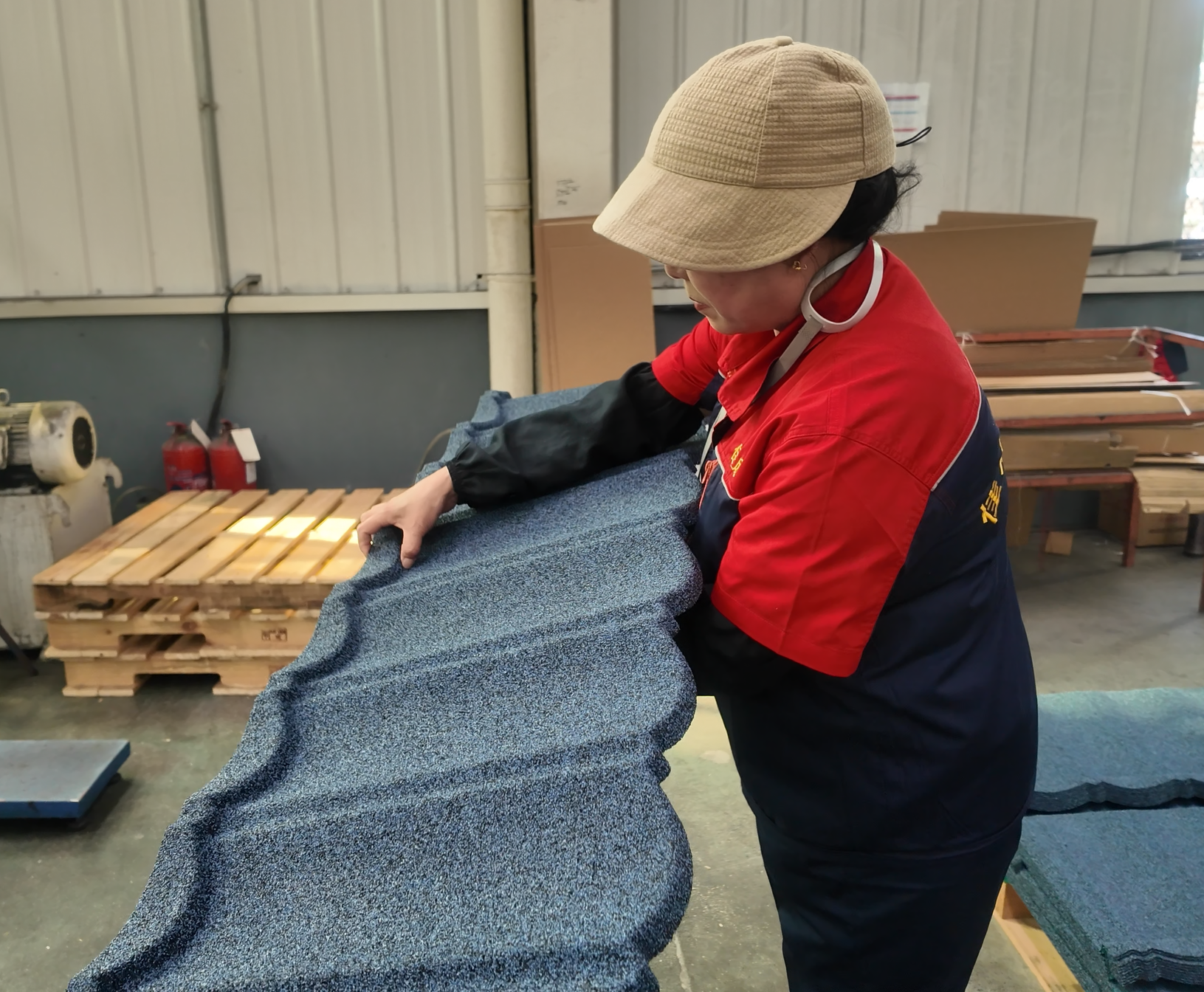
In high-quality production environments, such as those managed by **JCROOF**, substrate specifications are controlled through strict incoming material inspection and coating mass verification. This ensures consistency across stone coated roofing batches delivered to international projects.
4.1 Mill Test Certificate (MTC) Review
A legitimate supplier should provide MTC documents indicating coating type such as:
- Aluzinc / Galvalume: typically labeled AZ coating (e.g., AZ150)
- Galvanized steel: typically labeled Z coating (e.g., Z275)
4.2 Spectrometer and Coating Composition Testing
Spectrometer analysis is the most reliable method to confirm aluminum and zinc ratios. Aluzinc typically contains approximately 55% aluminum, 43.4% zinc, and trace silicon. This composition cannot be faked through surface treatment alone.
5. How Material Choice Impacts Stone Coated Roofing System Performance and Selection Strategy
Once the substrate is confirmed, the next step is understanding how it influences the final stone coated roofing system performance. Many procurement teams mistakenly focus only on color or stone granule quality, ignoring substrate behavior. In reality, the steel layer determines the system’s structural lifespan.
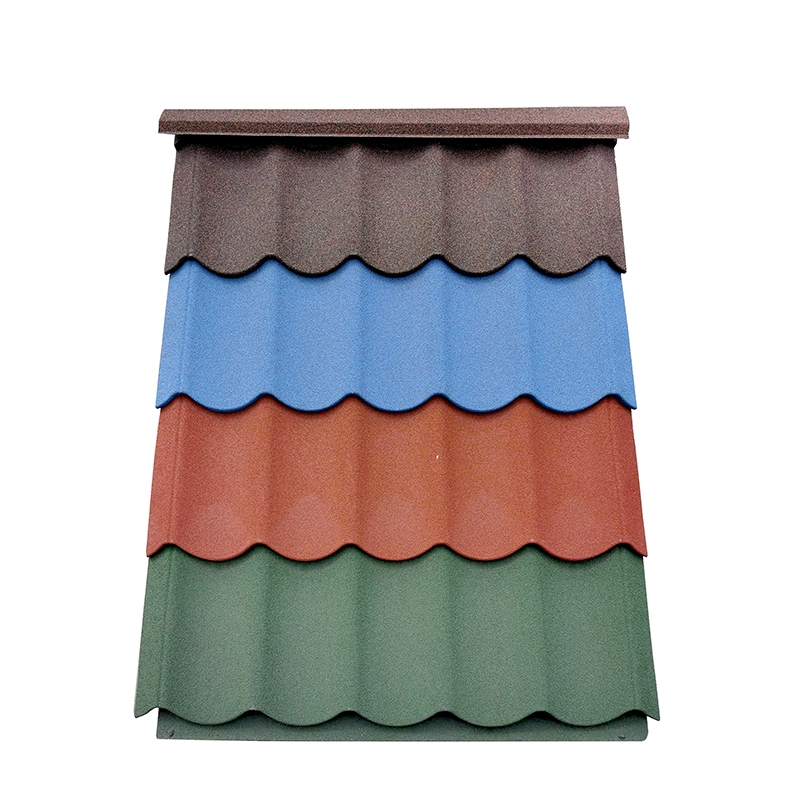
In commercial projects, different profiles such as Shake Tile or Roman Tile respond differently under thermal expansion and corrosion stress. Aluzinc substrates generally provide more stable long-term performance, especially in humid or coastal environments.
5.1 Application-Based Selection Logic
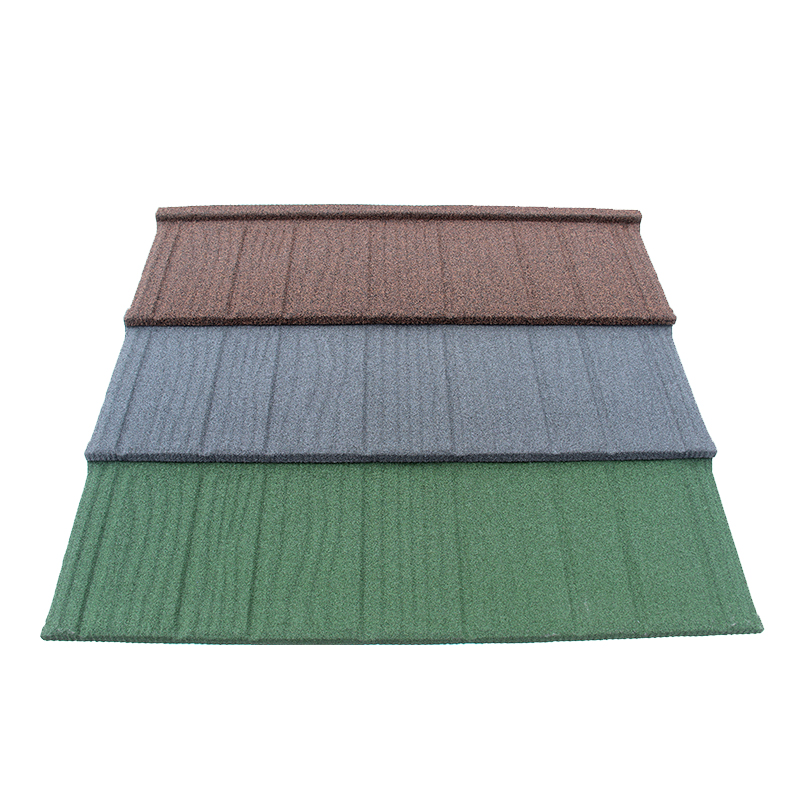
- Shake Tile: better suited for architectural villas requiring natural texture
- Roman Tile: preferred in large-scale residential developments
- Bond Tile: optimized for cost-performance balance in export markets
- Milano Tile: used in premium European-style architectural projects
- Shingle Tile: widely used in modular and fast-installation systems
When stone coated roofing systems are correctly matched with verified Aluzinc substrates, project lifespan can significantly exceed conventional galvanized alternatives. This is not a theoretical advantage—it directly affects maintenance cycles, warranty claims, and long-term asset value.
For international buyers managing multiple supply sources, aligning with stable manufacturing standards is critical. Many experienced importers prefer vertically integrated suppliers to reduce substrate uncertainty, especially when sourcing at scale.