
When planning roofing projects or sourcing materials in bulk, one of the most practical questions is what is the weight of stone coated metal roofing. For contractors, distributors, and procurement teams, weight directly affects transportation cost, structural design, installation efficiency, and even market positioning.
Understanding what is the weight of stone coated metal roofing is not just about knowing a number per square meter. It requires evaluating how weight interacts with roof structure, installation systems, and different roofing profiles. This article provides a detailed, real-world breakdown to help you make better purchasing and project decisions.
What Is the Typical Weight of Stone Coated Metal Roofing?
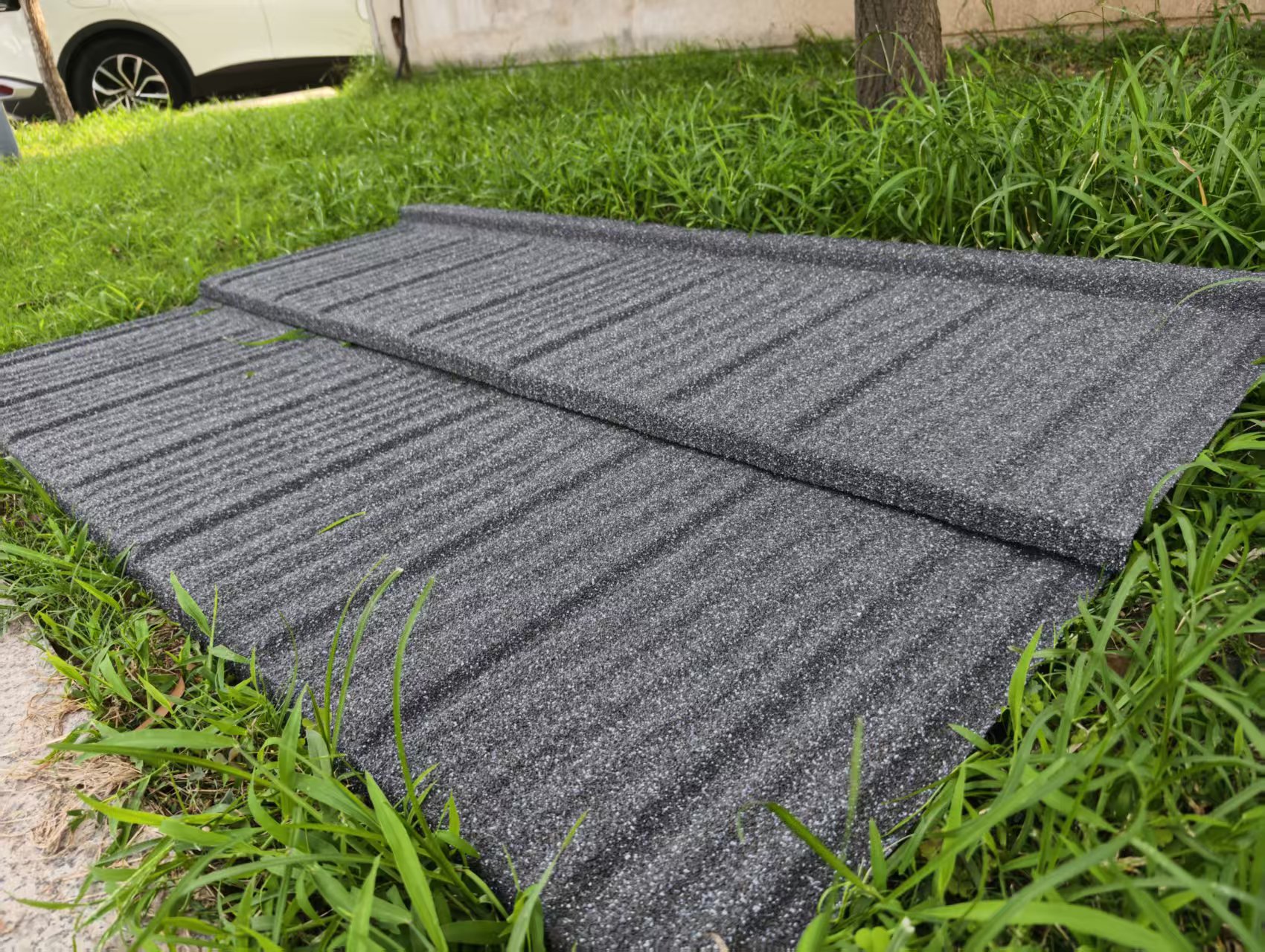
In most cases, the answer to what is the weight of stone coated metal roofing falls within a relatively consistent range. Standard stone coated roofing sheets typically weigh between 6 kg to 7 kg per square meter, depending on steel thickness, coating layers, and profile design.
Compared to traditional roofing materials such as clay tiles or concrete tiles, this weight is significantly lighter. This is one of the key reasons why stone coated roofing systems are widely used in both new construction and renovation projects.
Typical Weight Range
- Lightweight range: 5.5 – 6.0 kg/m²
- Standard range: 6.0 – 7.0 kg/m²
- Heavier specification: 7.0 kg/m²+
Why Weight Varies
Differences in steel thickness, stone granule density, and coating quality all contribute to variations in total weight.
How Weight Compares to Other Roofing Materials
To fully understand what is the weight of stone coated metal roofing, it is important to compare it with other commonly used roofing materials. This comparison highlights why it is often preferred in projects where structural load is a concern.
From a contractor’s perspective, lighter roofing materials reduce the need for heavy support structures and simplify installation logistics.
| Roofing Material | Weight (kg/m²) | Structural Load | Typical Use |
|---|---|---|---|
| Stone Coated Metal Roofing | 6 – 7 | Low | Residential & commercial |
| Clay Tiles | 35 – 50 | High | Traditional buildings |
| Concrete Tiles | 40 – 60 | Very High | Heavy-duty structures |
| Asphalt Shingles | 10 – 15 | Medium | North American housing |
Factors That Influence Roofing Weight
Although the general range answers the question of what is the weight of stone coated metal roofing, the actual weight can vary depending on several technical and design factors. Buyers should understand these variables when comparing suppliers or specifications.
Ignoring these factors can lead to incorrect assumptions about performance or cost.
Steel Thickness
Thicker steel increases overall weight but also improves rigidity and durability.
Stone Granule Density
Higher-quality stone coatings may slightly increase weight but provide better surface protection and longevity.
Coating Layers
Additional protective layers enhance corrosion resistance, with minimal impact on total weight.
Tile Profile Design
Different shapes and depths can slightly affect weight distribution and installation density.
How Roofing Profiles Affect Weight and Installation
While weight differences between profiles are not extreme, they can influence installation efficiency and visual coverage. In real projects, contractors often consider both weight and profile performance together.
Rather than treating profiles as separate product categories, experienced buyers evaluate how each type fits the project requirements.
Application-Based Profile Selection
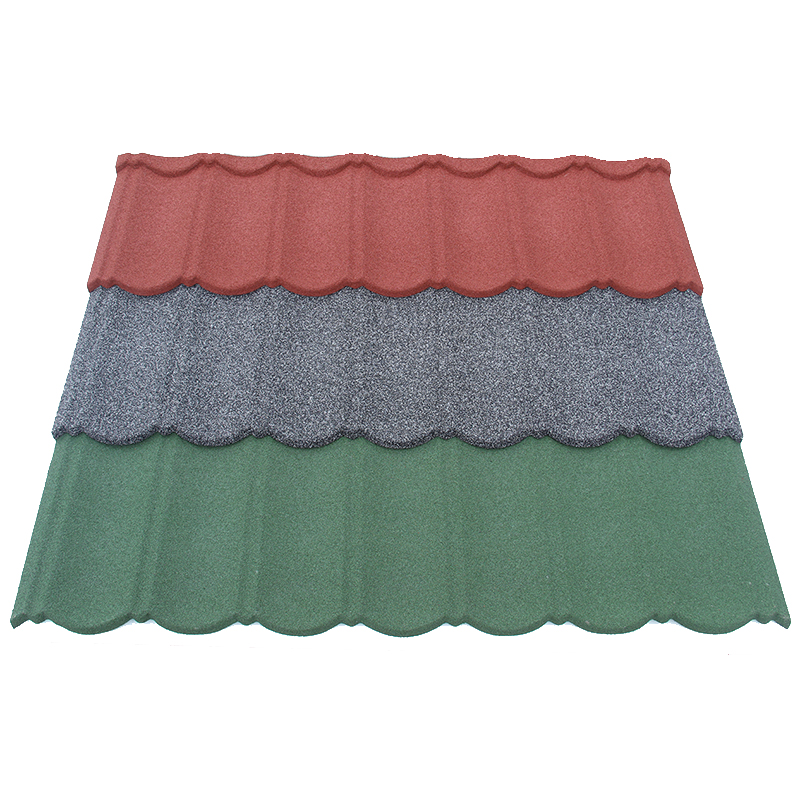
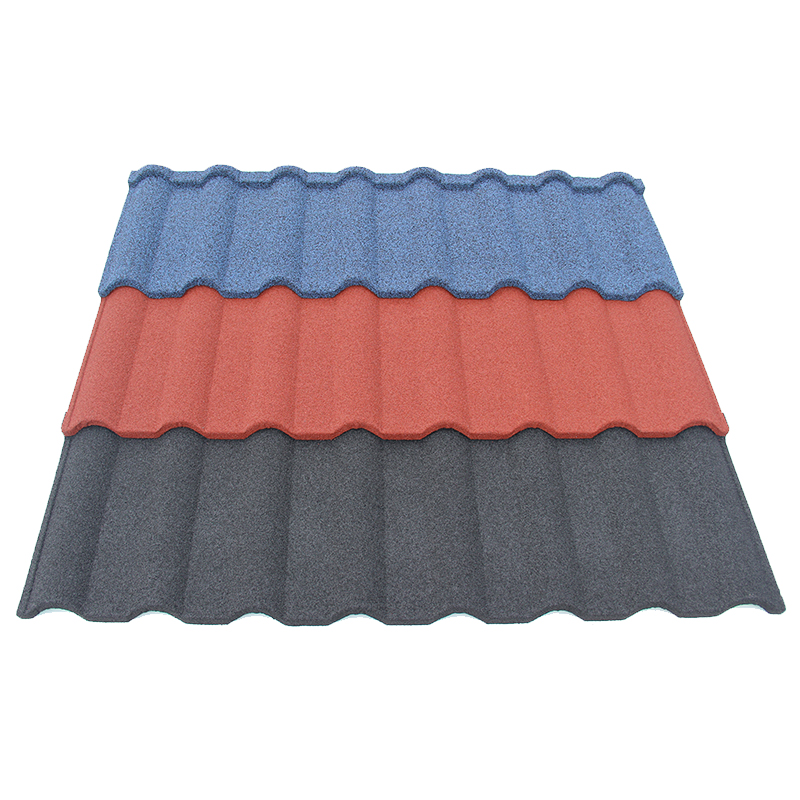
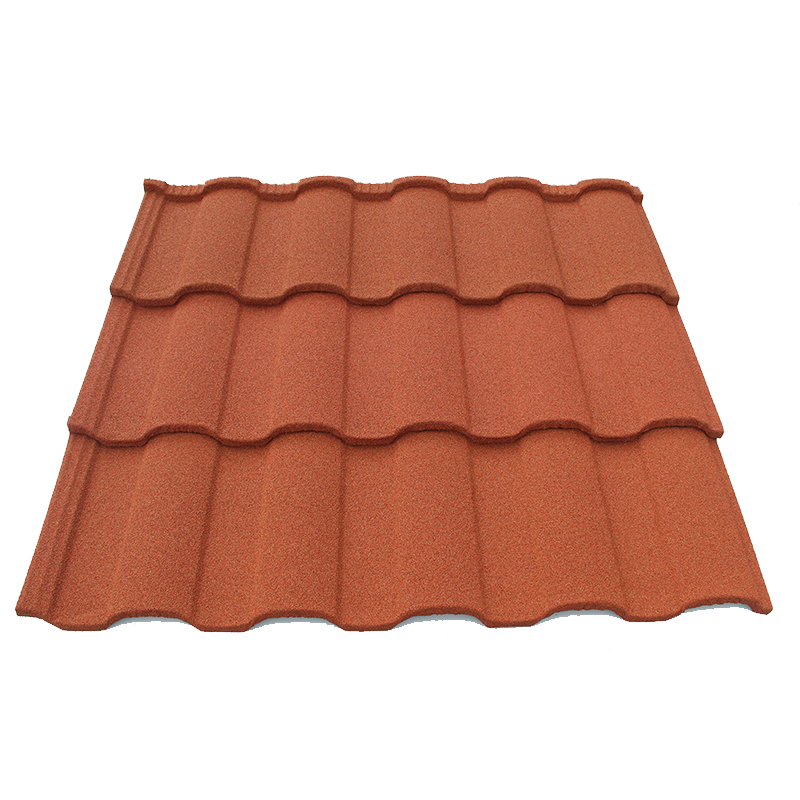
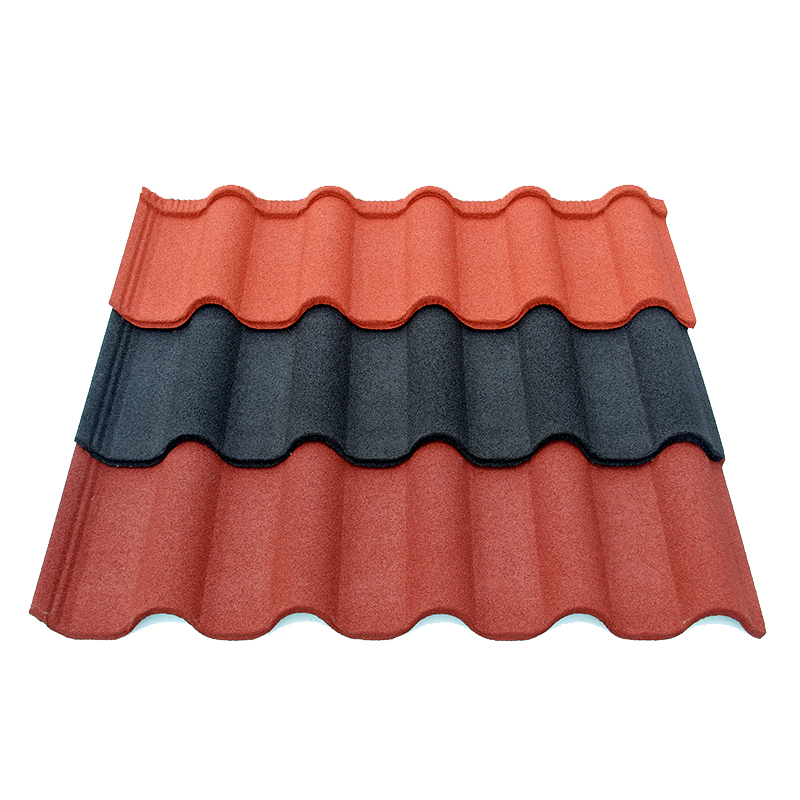
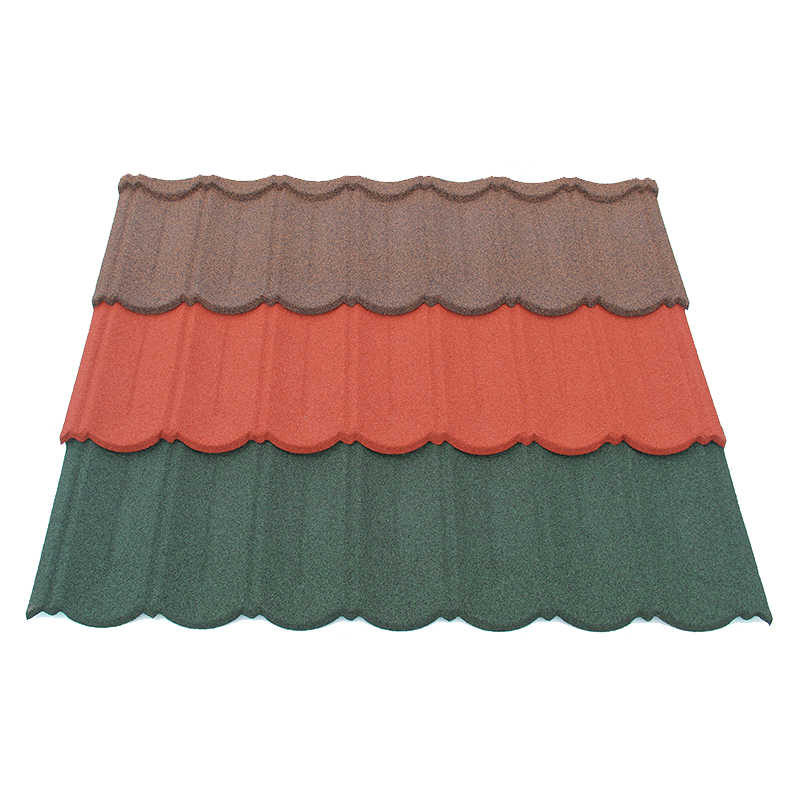
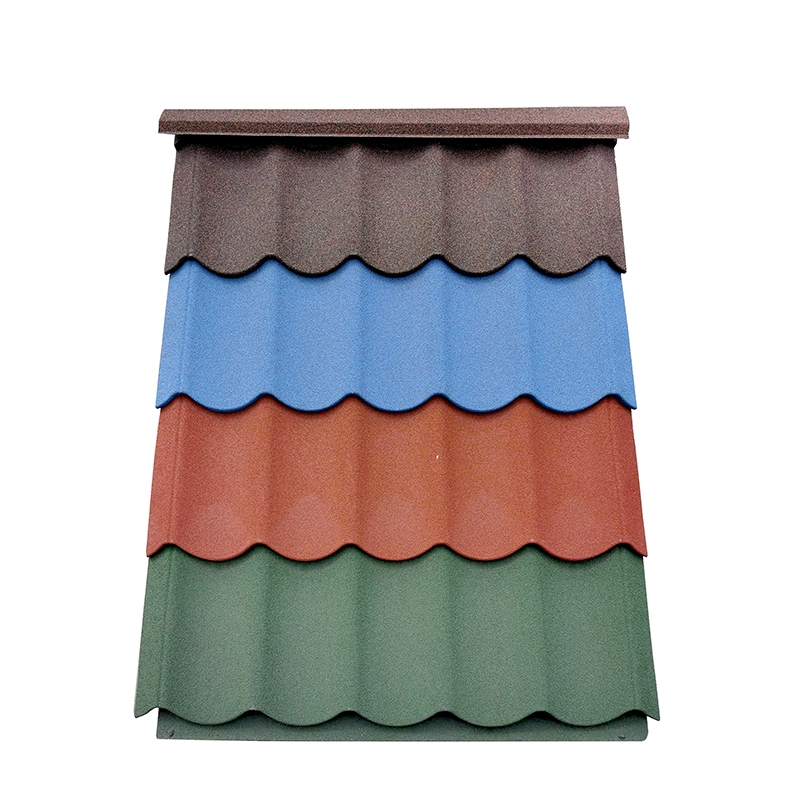
For example, in large housing developments, contractors often use Bond Tile because it offers efficient coverage and manageable weight per unit area. In contrast, Roman Tile may be selected for projects where deeper profiles enhance both aesthetics and water drainage.
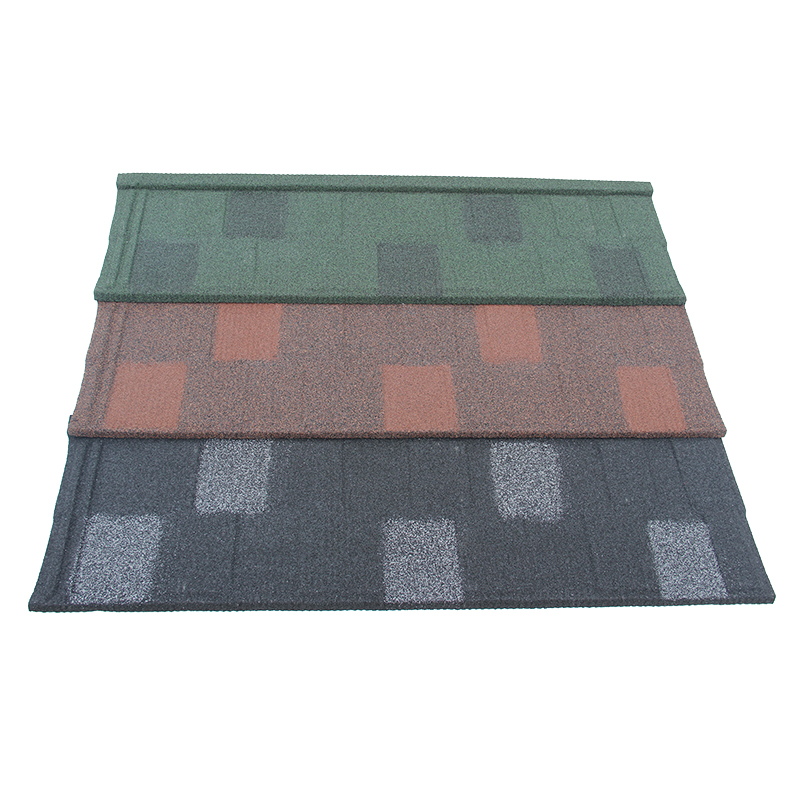
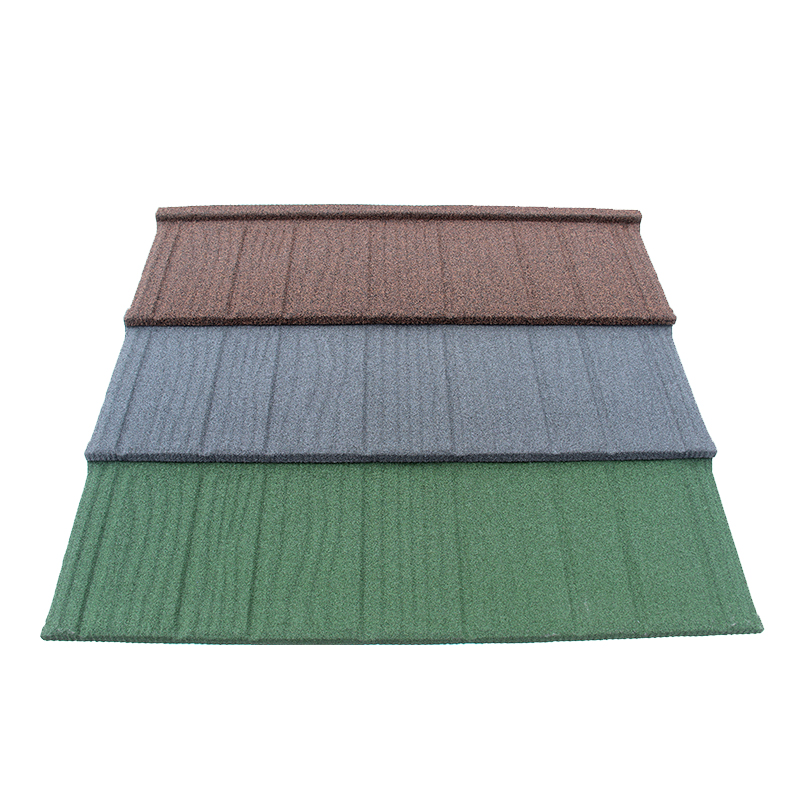
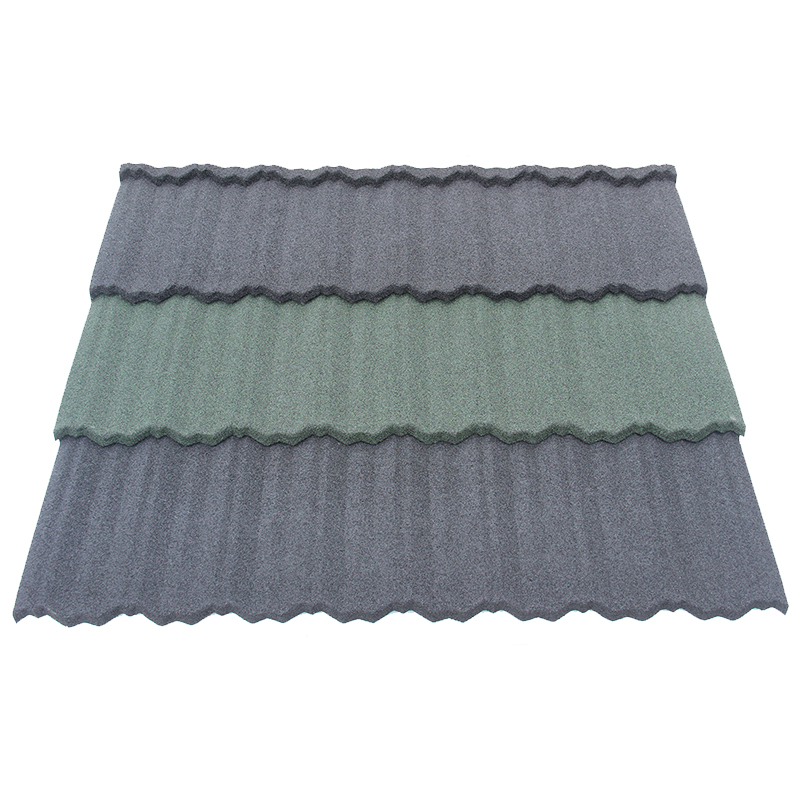
In renovation projects where reducing structural load is critical, lighter systems combined with Shingle Tile are often preferred. Meanwhile, modern architectural designs may incorporate Milano Tile, where installation precision plays a more important role than minor weight differences.
Why Weight Matters for B2B Buyers and Contractors
Understanding what is the weight of stone coated metal roofing is essential because it directly impacts multiple aspects of project execution and cost control. For distributors and contractors, weight is not just a technical parameter—it is a business factor.
In many cases, selecting a lighter roofing system can significantly improve overall project efficiency.
Transportation Efficiency
Lighter materials reduce shipping costs and increase container loading efficiency, which is critical for export businesses.
Structural Requirements
Lower weight reduces the need for heavy roof support systems, lowering construction costs.
Installation Speed
Lightweight panels are easier to handle, improving labor efficiency and reducing installation time.
Market Competitiveness
Offering lightweight yet durable products can be a strong selling point in competitive markets.
Common Misunderstandings About Roofing Weight
Many buyers misunderstand the role of weight when evaluating roofing materials. These misconceptions can lead to poor product selection or unnecessary cost increases.
“Heavier Means Better Quality”
In roofing systems, higher weight often increases structural burden without necessarily improving performance.
“All Lightweight Materials Are Weak”
Stone coated roofing combines lightweight design with steel strength, making it both durable and efficient.
“Weight Differences Between Profiles Are Significant”
In reality, differences between profiles like Bond Tile and Roman Tile are relatively minor compared to overall system benefits.
Practical Sourcing Advice for Buyers
For B2B buyers, evaluating what is the weight of stone coated metal roofing should be part of a broader procurement strategy. Instead of focusing solely on weight, it is more effective to assess the full roofing system, including coating quality, profile selection, and supplier reliability.
Manufacturers such as JCROOF are often referenced in the industry for offering consistent product specifications and stable weight control across batches. This consistency is important for distributors managing inventory and large-scale projects.
Recommended Approach
- Use standard weight range (6–7 kg/m²) as baseline
- Match product selection to project structure
- Balance weight with durability and cost
- Verify supplier consistency across shipments
Conclusion: What Is the Weight of Stone Coated Metal Roofing?
So, what is the weight of stone coated metal roofing? In most cases, it falls within the range of 6–7 kg per square meter, making it a lightweight yet durable roofing solution suitable for a wide range of applications.
For contractors and distributors, the key is not just knowing the number, but understanding how weight affects transportation, installation, and structural design. With the right balance, stone coated roofing offers an efficient and competitive solution for modern construction projects.