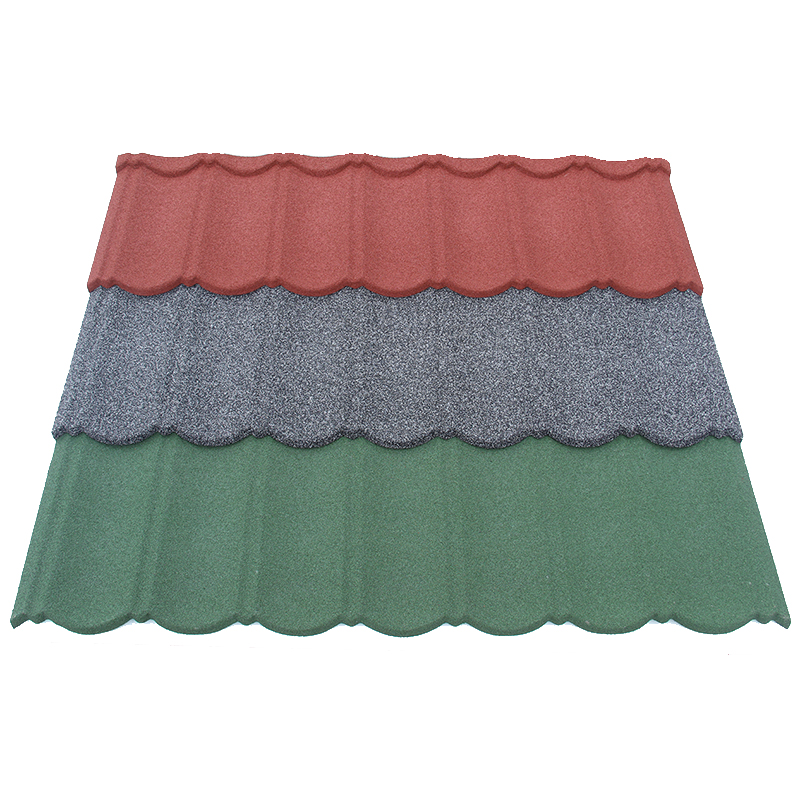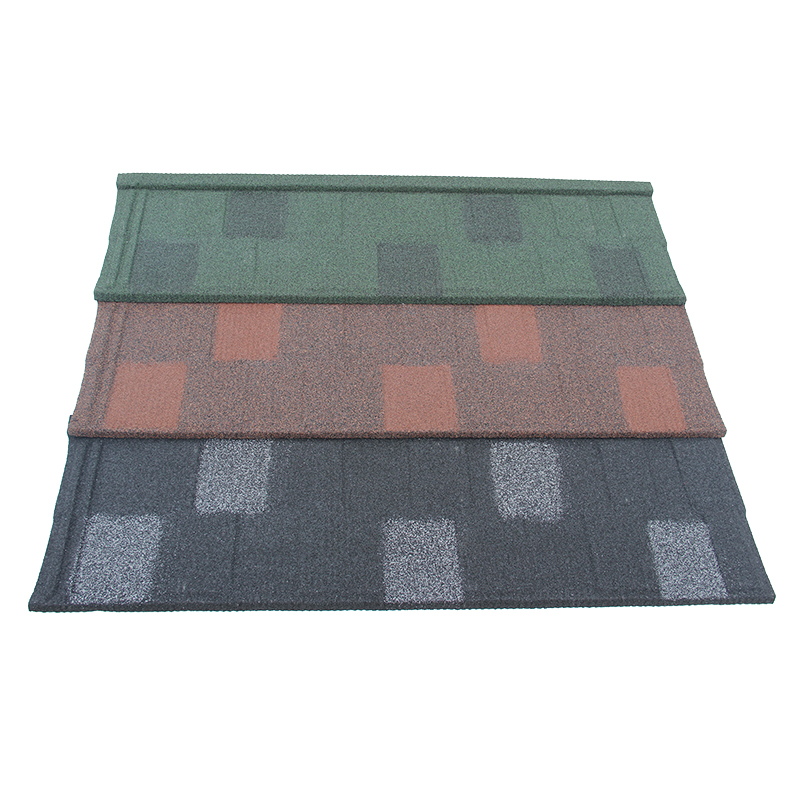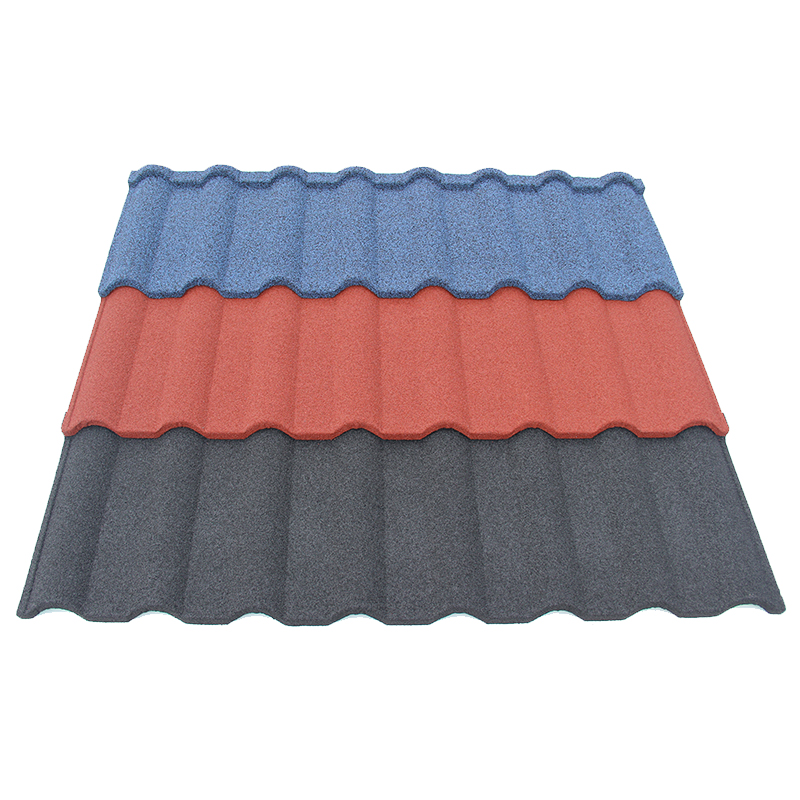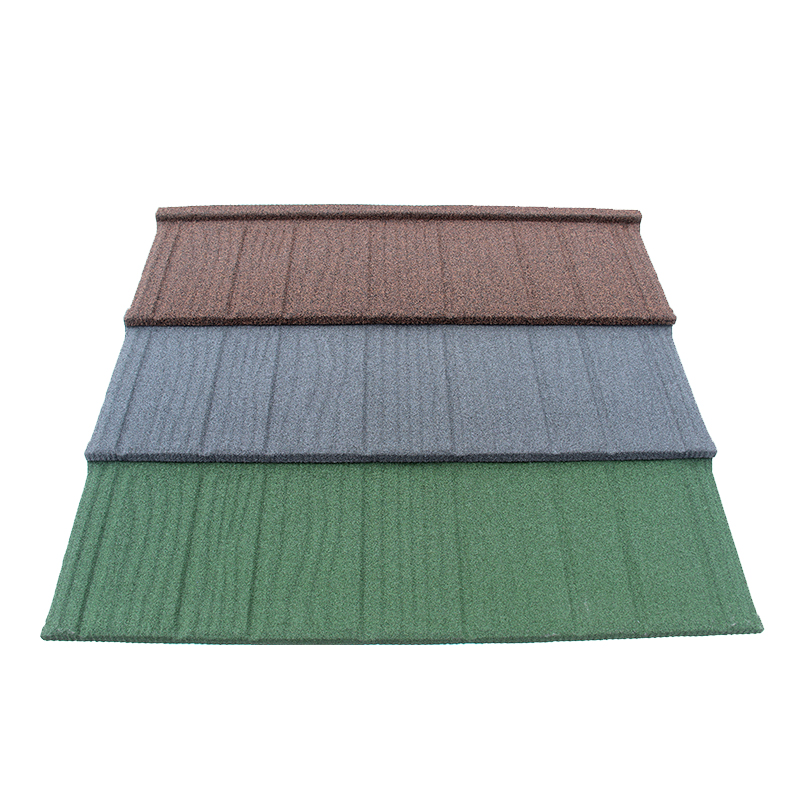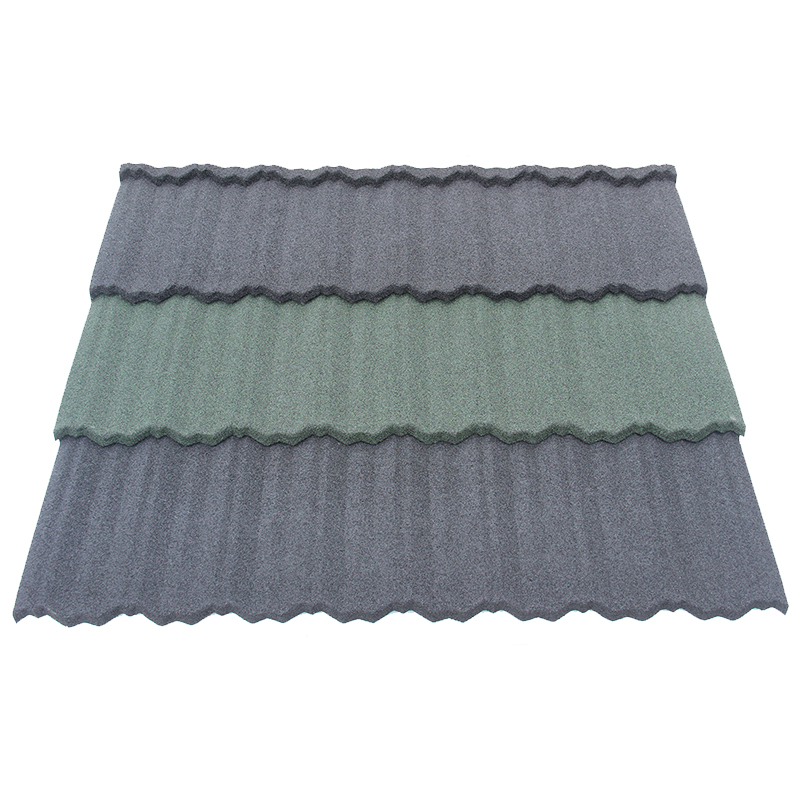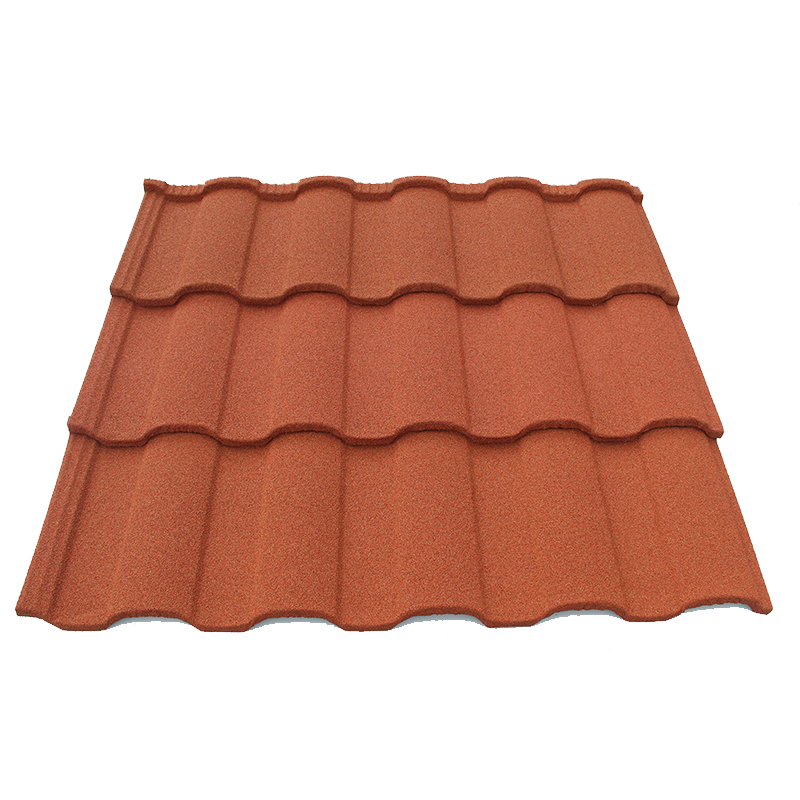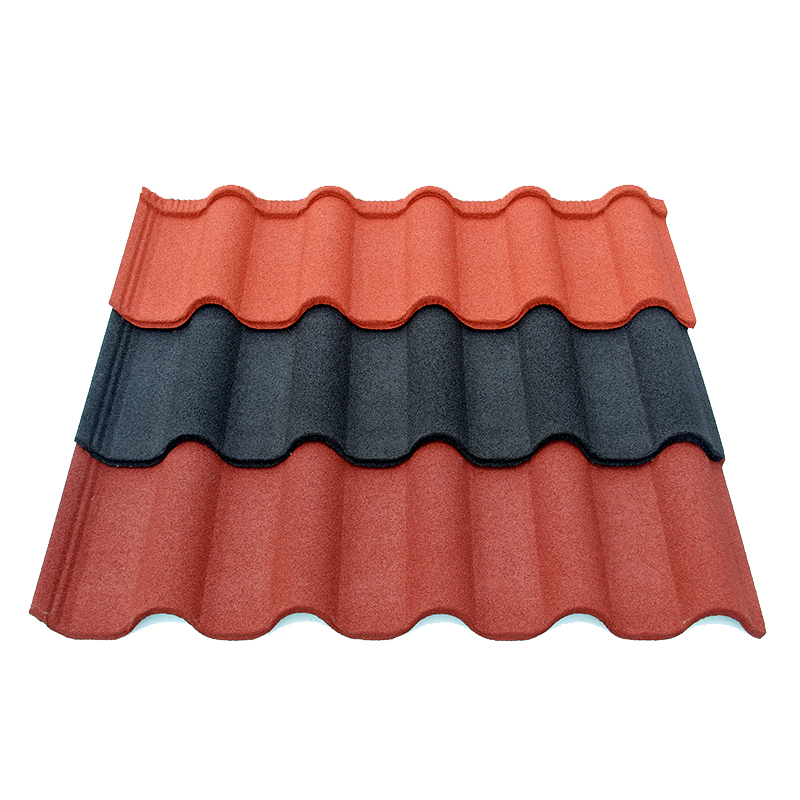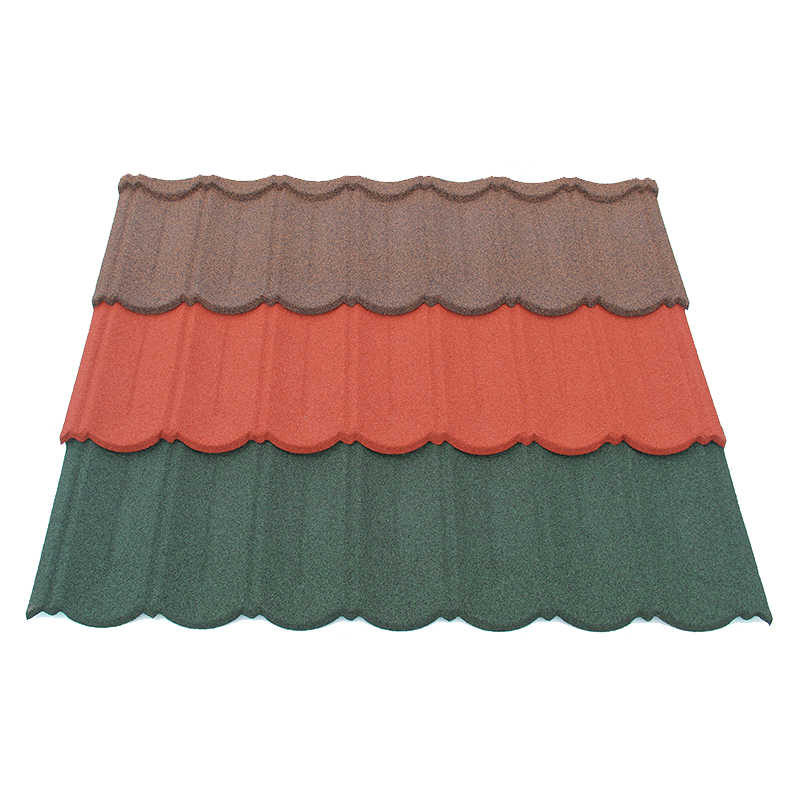


Procurement managers often fixate on the “ex-factory” price while ignoring the logistical and structural variables that dictate the final installed cost. Stone coated metal roofing cost per square foot is not a static number; it is a dynamic calculation of metallurgical density, resin chemistry, and site-specific labor complexity. While a basic corrugated sheet may seem cheaper initially, the “Total Cost of Ownership” (TCO) over a thirty-year horizon often favors the modular composite system. This technical audit dissects the pricing layers of premium metal roofing, helping B2B buyers identify hidden overheads and secure a zero-defect project budget.
Deconstructing the Bill of Quantities: Material Grade vs. Unit Price
The raw material baseline for stone-coated steel (SCS) typically ranges from $1.50 to $3.50 per square foot for the tiles alone, depending on the Aluzinc weight. However, quoting a “per square” price without specifying the G300 structural grade or the AZ150 alloy density is a significant procurement risk. Lower-tier suppliers achieve a “budget” price by thinning the steel gauge to 0.30mm, which compromises the roof’s diaphragm strength during high-wind events. You must audit the grams per square meter (GSM) of the metallic coating to ensure the cost reflects long-term atmospheric endurance.
The Impact of Sintered Stone vs. Dyed Sand on Asset Valuation
Inexpensive tiles utilize surface-dyed sand that bleeds color within twenty-four months, requiring expensive repainting or premature replacement. This “hidden cost” can double your maintenance budget over the first decade. High-performance tiles from manufacturers like jcroof utilize volcanic rock sintered at 800°C. While the initial cost per square foot may be 15% higher, the inorganic pigment stability ensures the building maintains its architectural prestige without secondary maintenance. In a professional NPV (Net Present Value) calculation, sintered stone always yields a higher return on investment.
Acrylic Cross-Linking Density and Adhesive Longevity
The adhesive layer represents a small fraction of the physical weight but a massive portion of the performance cost. Cheap water-based glues suffer from interface debonding during diurnal temperature swings, leading to stone shedding or “balding.” Engineering-grade pure acrylic resins maintain flexibility across a 100°C thermal range. When reviewing quotes, verify the “solids content” of the polymer base coat. Paying a premium for high-viscosity resin now prevents a catastrophic coating failure that could cost $5,000+ in localized remediation later.
Labor Dynamics: Why Installation Complexity Dictates the Final Invoice
In the global B2B market, the installed stone coated metal roofing cost per square foot can jump to $5.00 – $9.00 once you factor in specialized labor and sub-structures. Unlike direct-to-deck asphalt, SCS requires a precision-engineered batten system to manage thermal movement and moisture evaporation. The complexity of the roof’s geometry—hips, valleys, and dormers—can increase the labor overhead by 30% or more. You must account for the “waste factor” in your procurement plan, which typically averages 5-8% for modular tiles versus 15% for long-run standing seam.
The “Horizontal Fastening” Labor Premium
Traditional vertical nailing is fast but structurally vulnerable. The professional standard involves a horizontal “nose-fastening” protocol into the side of the structural battens. This placement protects the fastener from the weather and utilizes the metal’s shear strength against wind suction. While this takes more man-hours per square, it eliminates the “leak-callback” costs that plague low-bid projects. A correctly fastened roof can survive 200km/h winds, providing an insurance-premium discount that pays for the extra labor cost within five years.
Batten Grid Geometry and Structural Preparation
If your project involves replacing heavy clay tiles, the lightweight nature of stone-coated steel (approx. 1.5 lbs/sq. ft.) allows for significant savings on structural reinforcement. You can often reuse the existing timber rafters without adding expensive steel supports. However, if the project is a new build, you must budget for the precise 370mm centers required for the batten grid. Misaligned battens prevent the tiles from interlocking, leading to “oil canning” or gaps that invite wind uplift. Precision in the substructure is the only way to safeguard your material investment.
Comparative Cost Matrix: Stone Coated Steel vs. Alternatives
Strategic buyers use a lifecycle cost matrix to defend their material choices to finance departments. While stone-coated steel has a higher entry price than asphalt shingles, it outperforms them in fire resistance, wind rating, and lifespan. Use the following data to benchmark your roofing tender against the industry’s “Standard vs. Premium” performance tiers.
| Roofing System Type | Initial Material Cost (Sq. Ft.) | Est. Installed Cost (Sq. Ft.) | Expected Lifespan (Years) |
|---|---|---|---|
| Standard Asphalt Shingle | $0.90 – $1.50 | $3.50 – $5.50 | 12 – 18 Years |
| Bare Metal (Corrugated) | $1.20 – $2.50 | $5.00 – $7.50 | 20 – 25 Years |
| Stone Coated Steel | $1.80 – $3.80 | $6.00 – $10.00 | 50+ Years |
| Natural Slate / Clay Tile | $5.00 – $12.00 | $15.00 – $30.00 | 60+ Years |
Professional FAQ: Managing the Project Budget
Addressing the common “price shocks” during the bidding phase is essential for maintaining project momentum. Many clients assume all metal roofing is created equal until they see the technical divergence in the quotes. Providing transparency on material physics and logistical overheads builds trust and reduces the risk of “scope creep” during the construction phase. Use these insights to anchor your financial projections in engineering reality.
Does the “Color Choice” Impact the Price Per Square Foot?
In most professional lines, standard colors are priced identically. However, “premium” finishes like variegated wood-shake patterns or custom architectural blends can carry a 5-10% surcharge. This is due to the multi-stage sintering process required to achieve depth and texture in the stone layer. For large-scale B2B projects, sticking to high-volume standard colors ensures faster lead times and easier color-matching for future building expansions. Always confirm the “batch consistency” to avoid patchy roof aesthetics.
How to Reduce Shipping and Logistical Overheads
Because stone-coated steel is modular and stacks tightly, you can fit approximately 8,000 to 10,000 square feet in a single 20ft container. This high shipping density significantly lowers the “landed cost” compared to bulky clay tiles or long-run metal sheets that require specialized oversized transport. To minimize your cost per square foot, optimize your order to fill a full container and reduce port handling fees. Localized warehousing and “just-in-time” delivery to the site also prevent onsite damage and theft, further protecting your project’s bottom line.
Final Procurement Strategy
A successful roofing budget prioritizes the “Cost of Durability” over the “Price of Purchase.” When evaluating stone coated metal roofing cost per square foot, demand full transparency on Aluzinc GSM, steel grade (G300), and stone sintering temperatures. These technical benchmarks dictate whether your roof lasts fifty years or fifteen. Partner with manufacturers who provide comprehensive BOQ support and technical site audits. Investing in a high-specification system today is the most effective hedge against future labor inflation and material scarcity. Reach out to our technical team for a project-specific cost-benefit analysis.