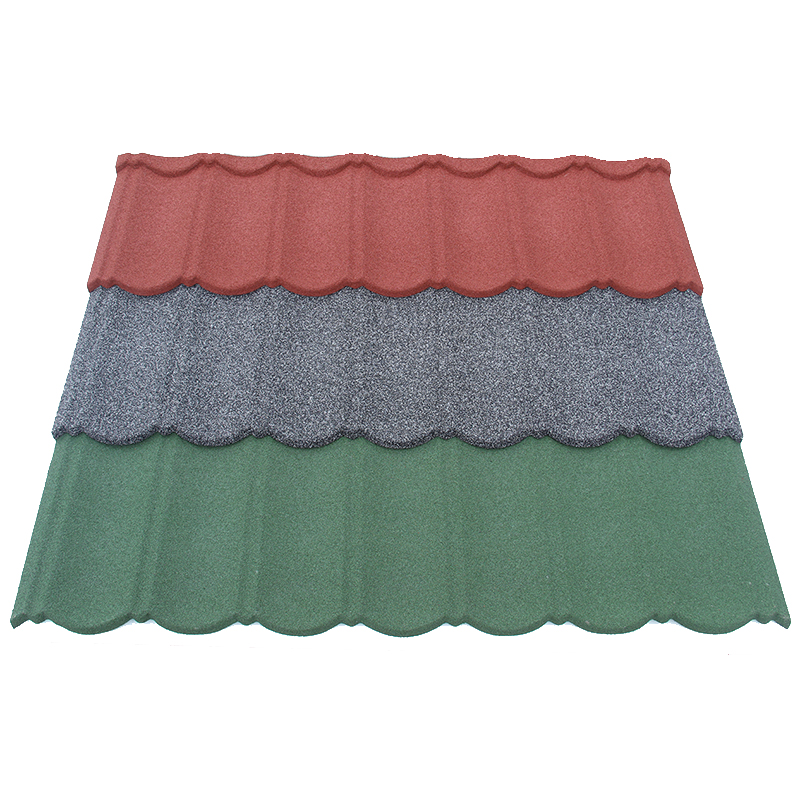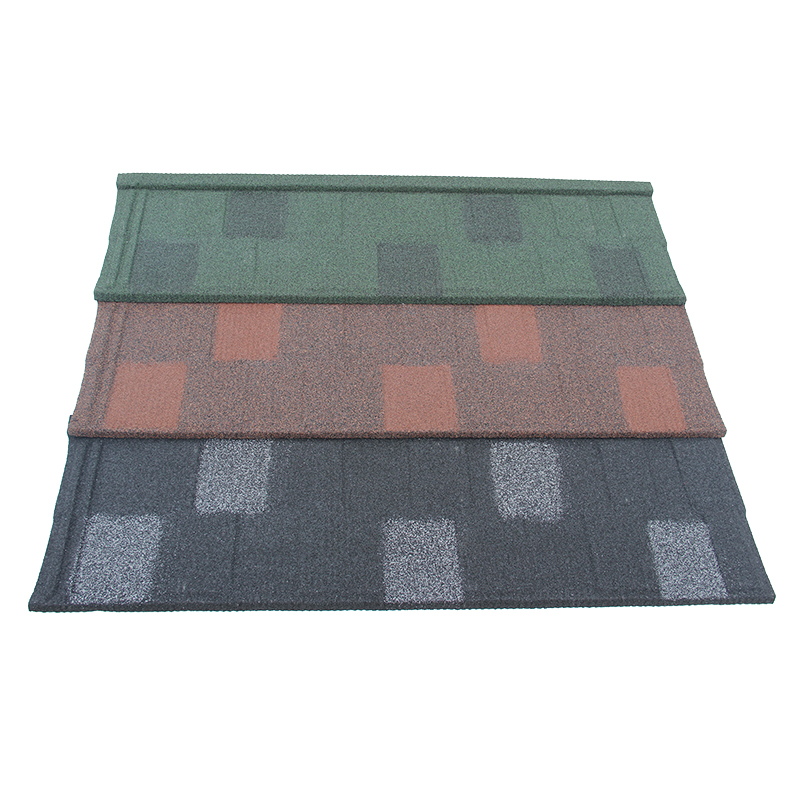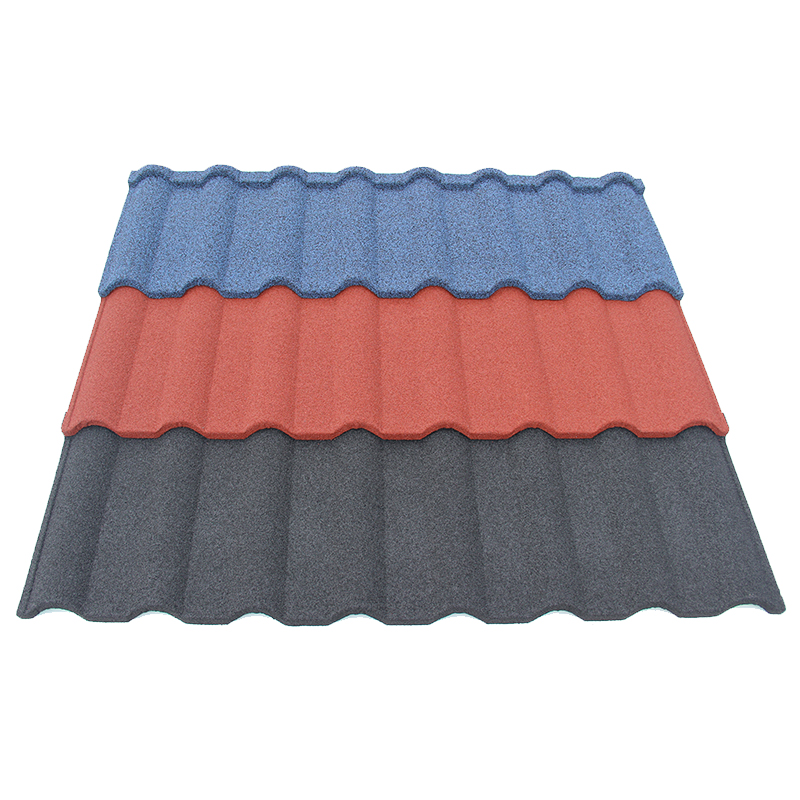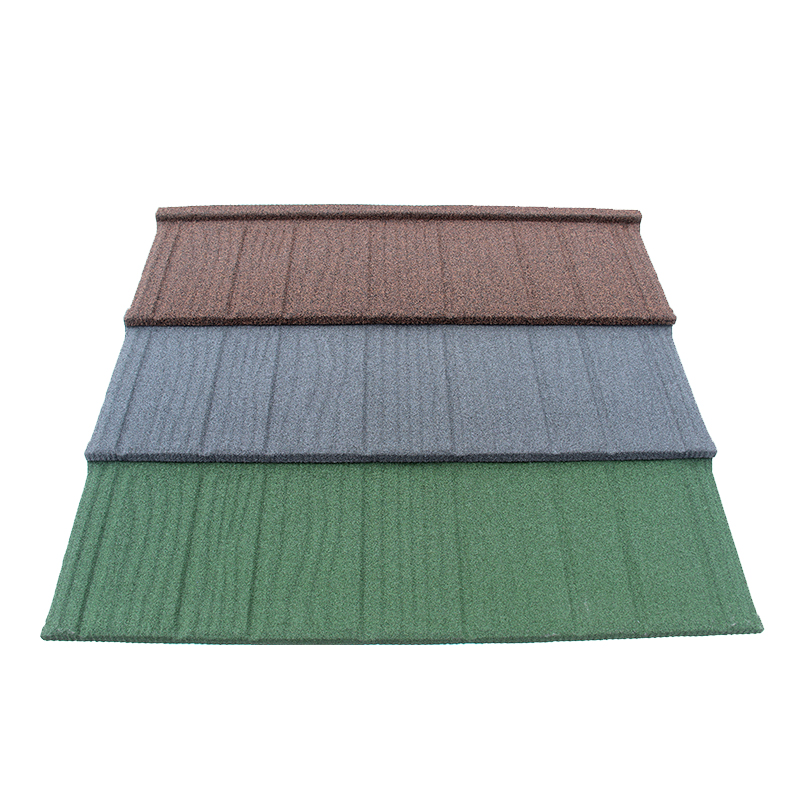

Procurement for commercial and high-end residential envelopes requires a transparent breakdown of long-term asset value. The stone coated metal roofing cost per square foot often becomes a point of friction when buyers compare it to basic corrugated iron. However, a forensic financial analysis reveals that the initial tender price is only one layer of the fiscal reality. Investing in a G300 structural steel base with an AZ150 Aluzinc shield yields a significantly higher Net Present Value (NPV) over fifty years. This audit dissects the pricing variables of premium metal systems to help project managers secure a zero-defect roofing budget.
Metallurgical Variables Impacting the Cost Per Square Foot
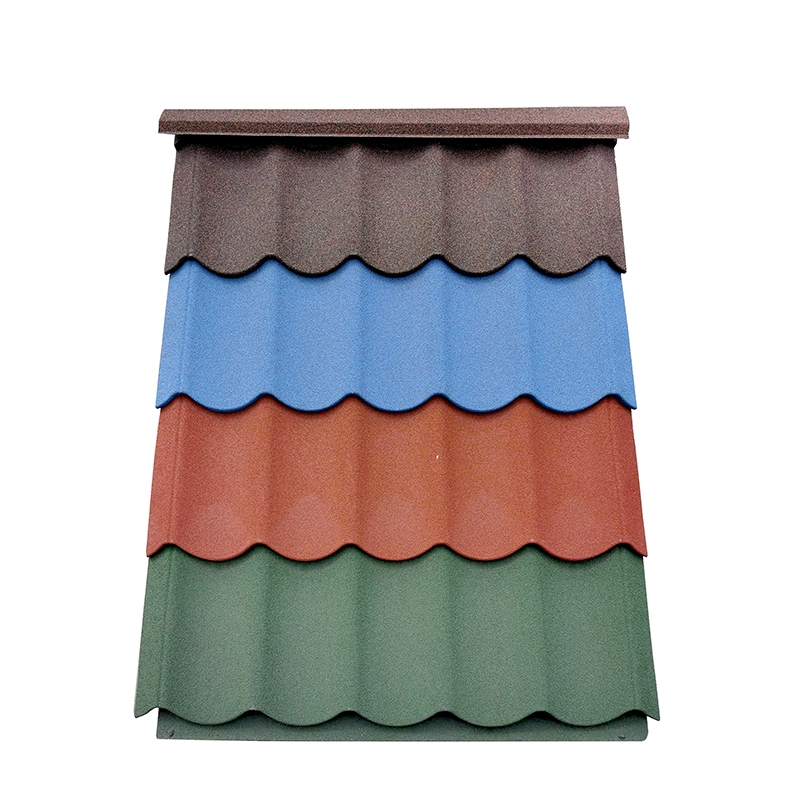
The skeletal integrity of the roof starts with the metallic envelope’s density and thickness. While a 0.35mm Bond Tile may offer a lower ex-factory price, it lacks the diaphragm strength required for high-velocity wind zones. High-performance projects typically specify 0.45mm to 0.50mm gauges to ensure structural rigidity. When evaluating the stone coated metal roofing cost per square foot, always verify the grams per square meter (GSM) of the alloy coating. Manufacturers like jcroof prioritize AZ150 Aluzinc to neutralize the threat of edge-creep corrosion, which is a common failure mode in cheaper, low-density substrates.
The Sintering Process and Long-Term Maintenance ROI
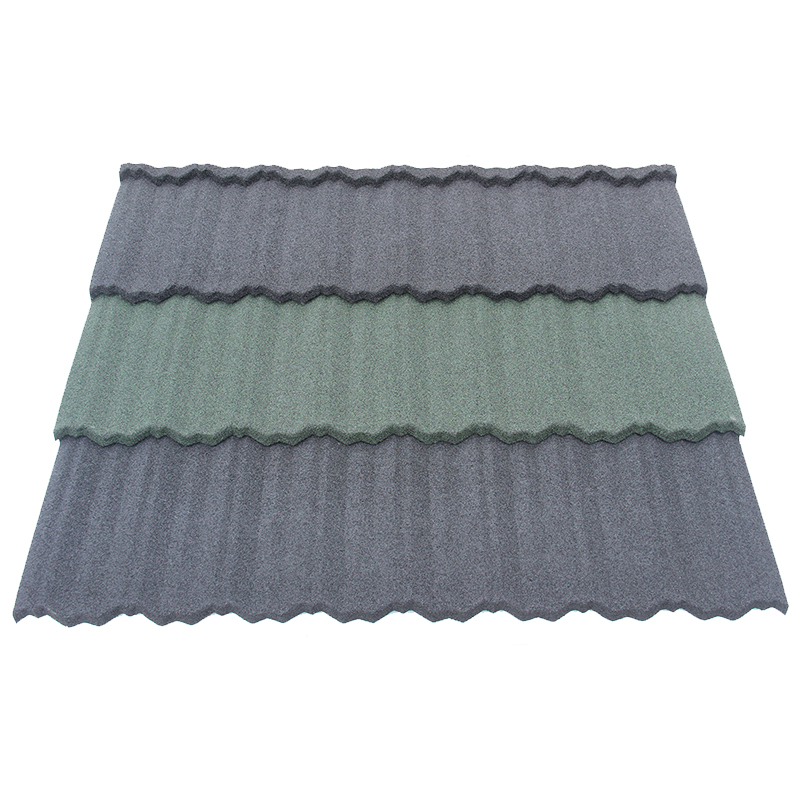
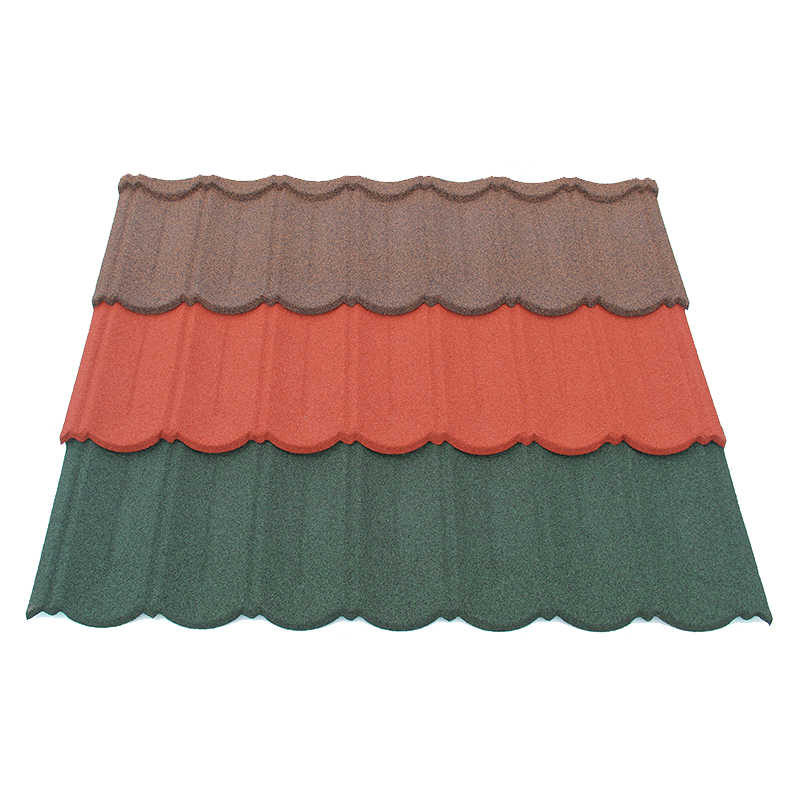
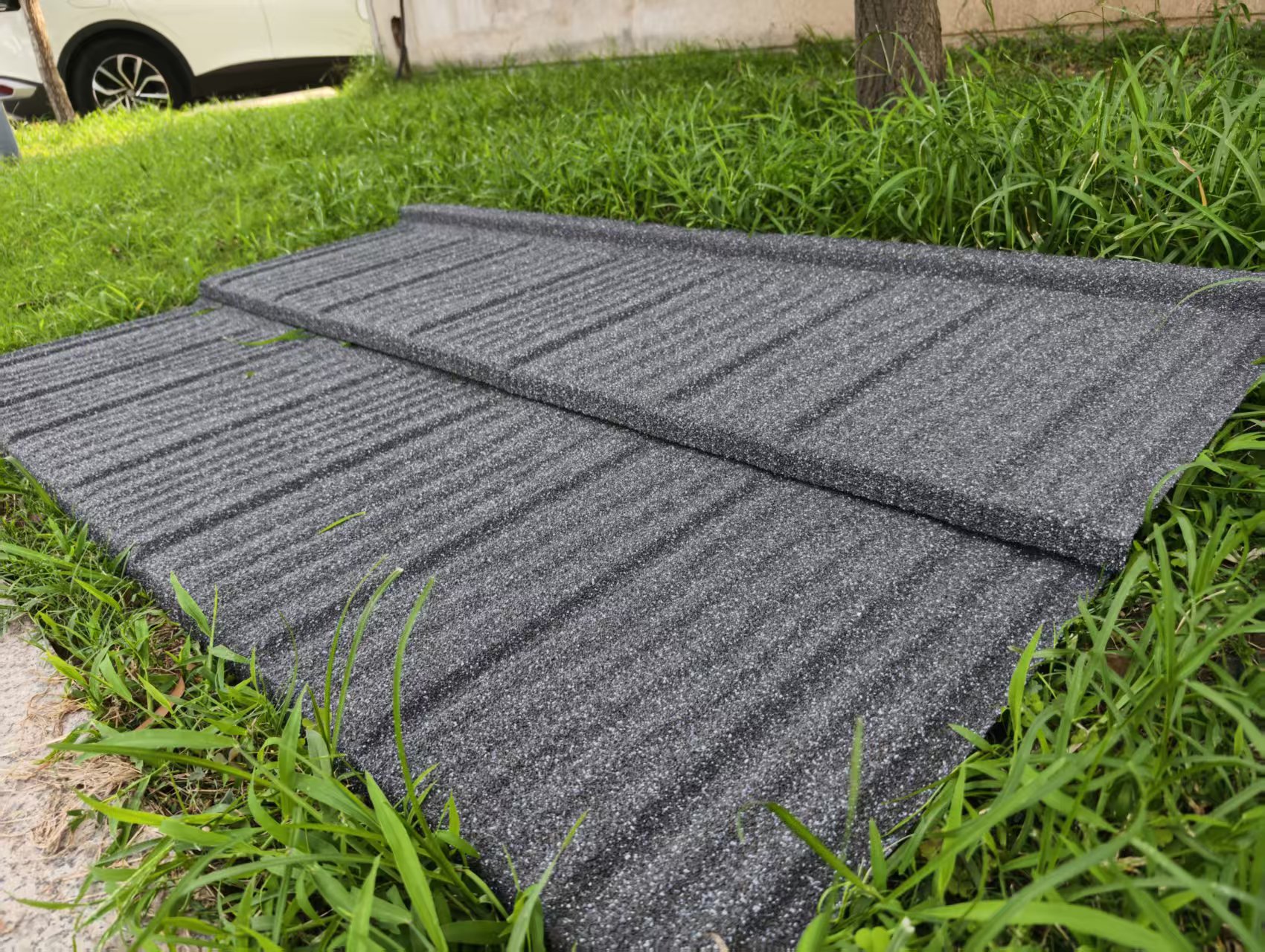
Inexpensive tiles utilize surface-dyed sand that bleeds color after only twenty-four months of intense UV exposure. This creates a hidden maintenance overhead that can double your initial cost per square foot within the first decade. Our technical standard mandates volcanic rock granules sintered at temperatures exceeding 800°C. This ceramic-fusing process makes the pigment a permanent part of the stone’s crystalline structure. For an architectural profile like the Shingle Tile, this color stability is essential for maintaining the building’s premium market valuation and resale potential.
Acrylic Cross-Linking: The Hidden Performance Buffer
The chemical bond between the stone and the steel determines the roof’s resistance to “de-granulation.” Cheap, water-diluted adhesives soften during the afternoon heat and crack in the midnight cold, leading to stone shedding. A professional-grade Stone Coated Metal Tile utilizes a high-viscosity acrylic resin with superior cross-linking density. This ensures the stone matrix remains flexible across a 100°C thermal range. When reviewing your project quotes, check the polymer’s solids content; it is the silent safeguard of your capital investment.
Installation Physics: Labor and Substructure Overheads
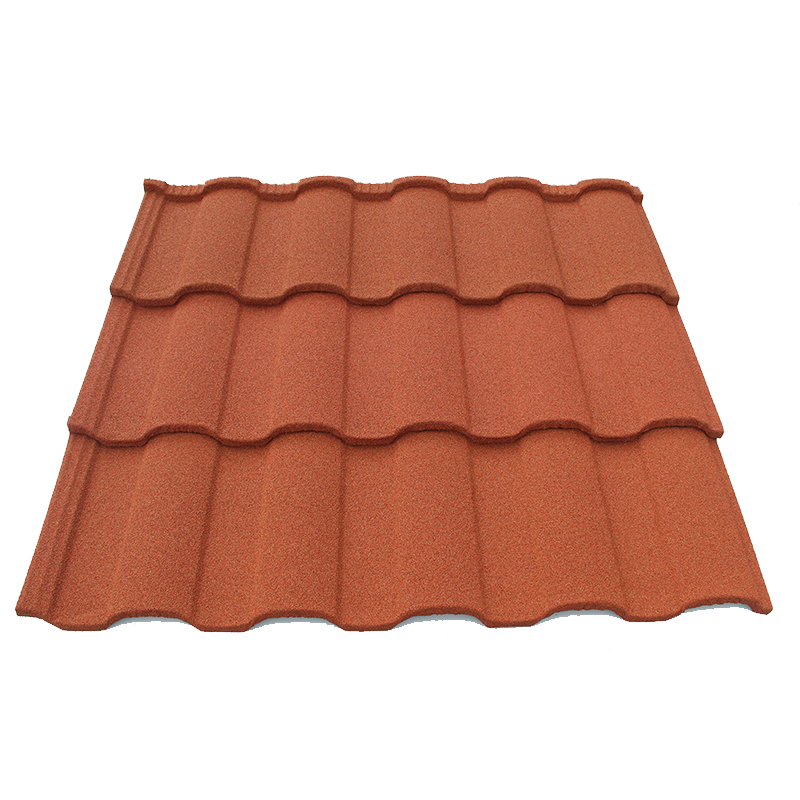
Site-level labor often dictates the final stone coated metal roofing cost per square foot more than the material itself. Unlike direct-to-deck systems, stone-coated steel requires a precision-engineered batten grid to manage thermal movement. A high-profile Roman Tile requires meticulous alignment of the wood or steel battens at 370mm centers. Any deviation in the substructure geometry prevents the tiles from interlocking correctly, leading to “oil canning” or localized water penetration points. Precision in the sub-structure is the only way to safeguard your material procurement.
The “Shear Strength” Rule of Horizontal Fastening
Vertical nailing through the tile face is an engineering failure that leads to expensive leak-callbacks. The professional standard for jcroof systems involves horizontal “nose-fastening” into the side of the batten. This technique utilizes the metal’s shear strength rather than nail tension to hold the tiles against wind suction. While horizontal fixing adds slightly to the labor cost per square foot, it creates a monolithic shield that survives 200km/h winds. For B2B buyers in storm-prone regions, this fastening logic is a non-negotiable safety specification.
Passive Ventilation and HVAC Energy Savings
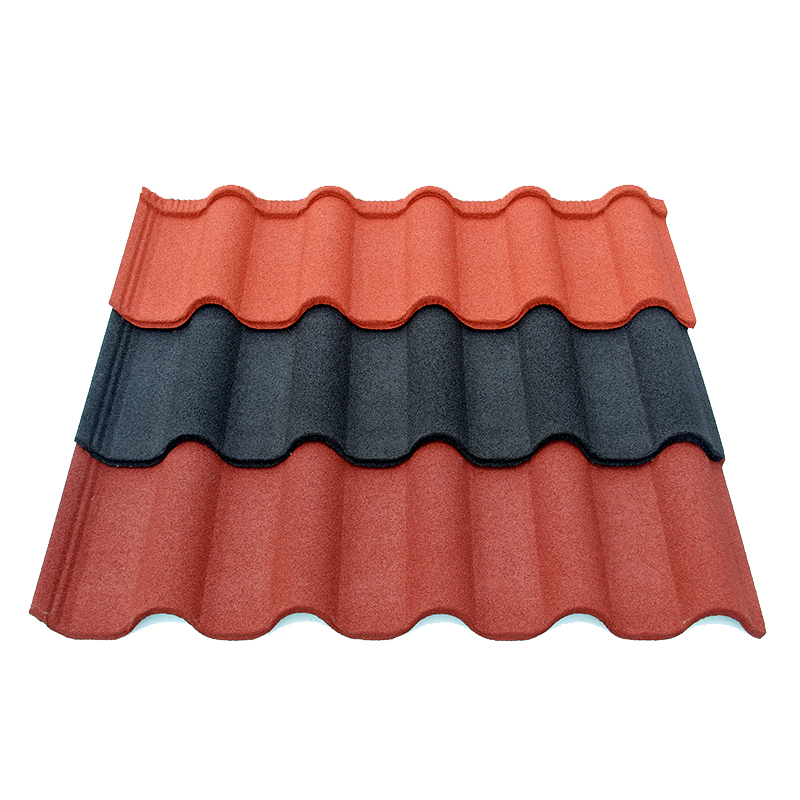
The batten-mounted design of a Bond Tile system creates a continuous air gap beneath the tiles, functioning as a “vented cold roof.” This passive ventilation allows solar heat to dissipate before it enters the attic space, lowering the building’s cooling load by up to 20%. This energy efficiency should be factored into your stone coated metal roofing cost per square foot ROI calculation. Over a fifty-year lifespan, the savings in HVAC operational costs often exceed the initial price premium over standard asphalt or clay tiles.
Comparative Financial Matrix: Steel vs. Traditional Systems
Strategic procurement requires benchmarking different material technologies against their lifecycle performance. Use the following data to justify your material choice to project stakeholders and finance departments.
| Performance Checkpoint | Standard Asphalt Shingles | Stone-Coated Metal (AZ150 Grade) |
|---|---|---|
| Core Material | Organic Bitumen / Fiberglass. | G300 Structural Aluzinc Steel. |
| UV Protection | Low (Prone to drying). | High (Inorganic Sintered Stone). |
| Wind Rating | 90 – 110 mph. | 120 – 150+ mph (Horizontal Fix). |
| Lifespan | 15 – 20 Years. | 50+ Years. |
Professional FAQ: Solving the Pricing Dilemma
Effective communication with clients requires a deep understanding of why the stone coated metal roofing cost per square foot varies so significantly between suppliers. By explaining the “Aluzinc Shield” and “Ceramic Sintering,” you shift the focus from unit price to structural longevity. This builds trust and ensures the developer understands the value of a high-performance building envelope over a low-bid alternative.
How Do Different Profiles Impact Shipping Costs?
Whether you choose a Bond Tile or a Shingle Tile, the modularity of the design ensures high shipping density. You can typically fit 8,000 to 10,000 square feet of material in a single 20ft container. This minimizes the “landed cost per square foot” compared to bulky traditional tiles that require more space and specialized handling. For large-scale projects, optimizing your container load is the most effective way to reduce logistical overheads.
Does the Foot Traffic Risk Affect Long-Term Costs?
Denting is a risk on high-profile tiles like the Roman Tile if workers are untrained. Maintenance crews must step only on the reinforced sections supported by the battens. Using soft-soled shoes is a mandatory site requirement. If a tile is deformed, it must be replaced to ensure the interlocking joint remains watertight. Providing a dedicated “walk-path” during maintenance preserves the roof’s aesthetic and structural lifespan, preventing localized repair costs decades later.
Final Procurement Action Plan
Success in roofing procurement depends on a shift from “price-buying” to “spec-buying.” Focus your audit on Aluzinc GSM, G300 steel quality, and 800°C sintering benchmarks. These three pillars support a system that will outlast the building’s first mortgage. Partner with manufacturers who provide transparent technical support for profiles like Shingle or Bond Tile. High-quality roofing is a hedge against material inflation and climate volatility. Contact our technical team today to finalize your stone coated metal roofing cost per square foot projections.