
When evaluating roofing materials for projects or distribution, one of the most frequently asked questions is stone coated roofing sheet thickness. For B2B buyers, contractors, and procurement teams, thickness is often seen as a direct indicator of quality—but in reality, it is only one part of a much larger performance equation.
Understanding stone coated roofing sheet thickness requires looking beyond numbers. Thickness affects durability, cost, transportation, and installation, but it must be evaluated together with coating quality, steel composition, and application environment. This article provides a practical breakdown to help you make informed decisions based on real project needs rather than assumptions.
What Does Stone Coated Roofing Sheet Thickness Actually Mean?
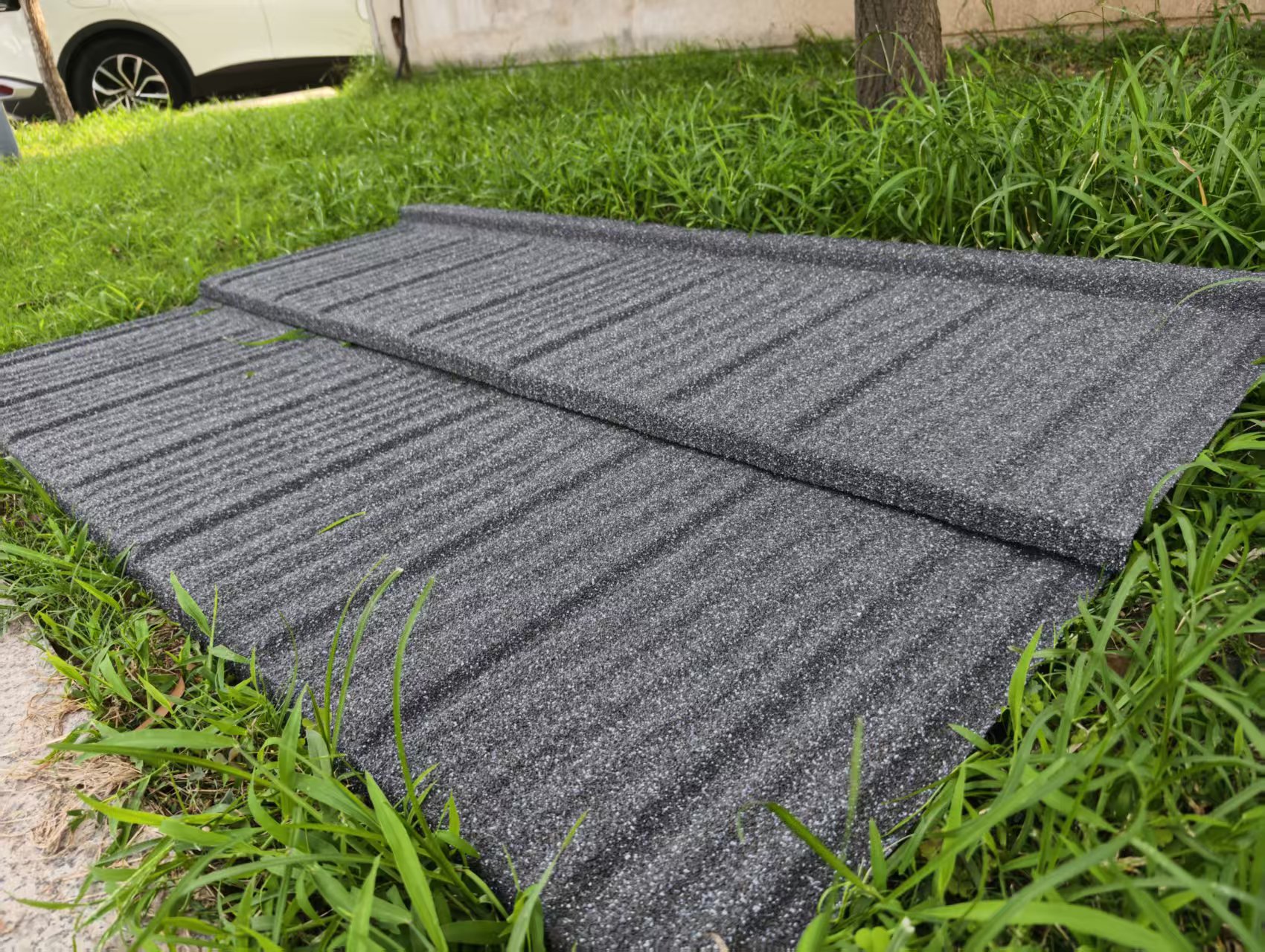
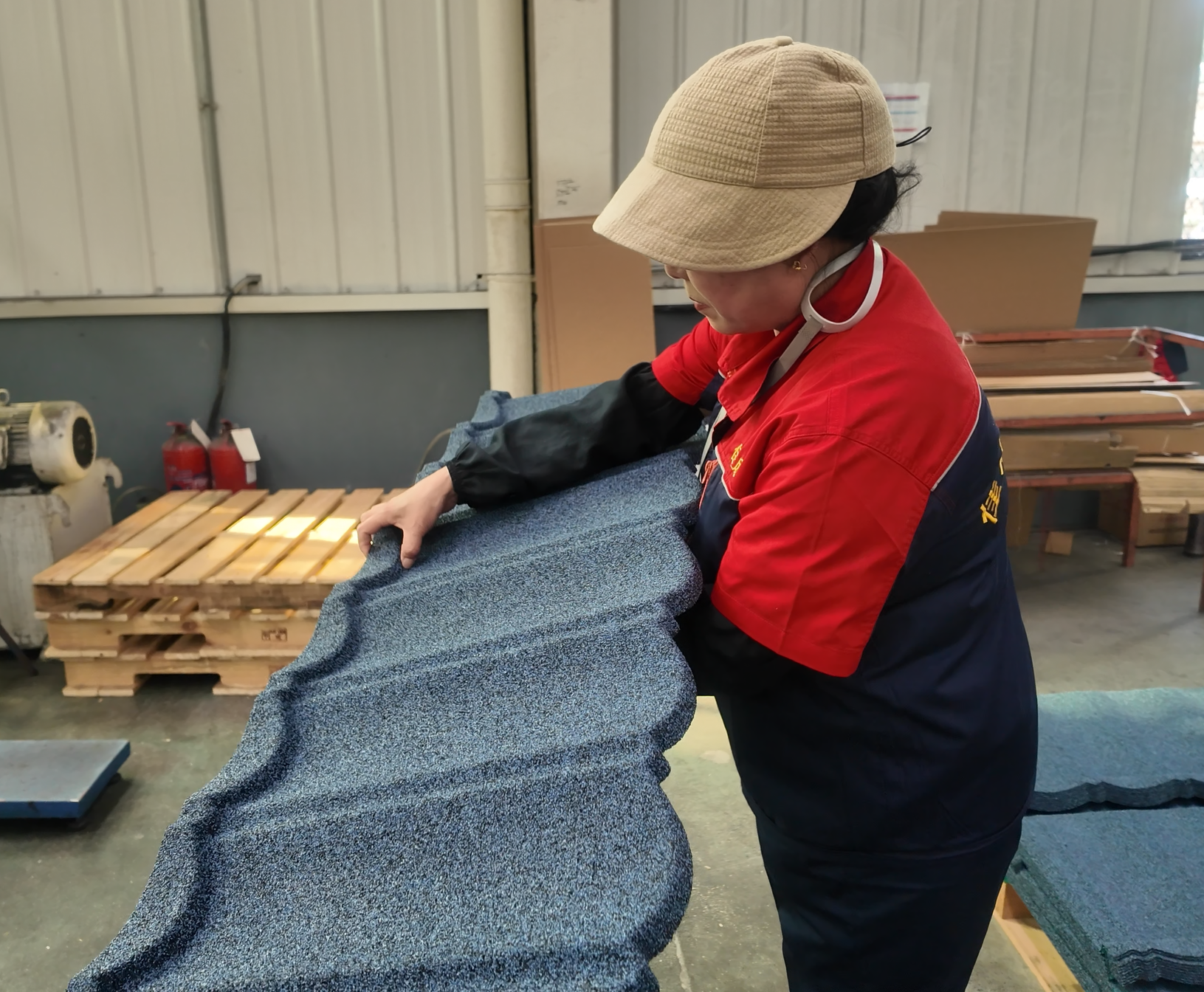
In the roofing industry, stone coated roofing sheet thickness typically refers to the thickness of the steel base material before coating layers are applied. Most commonly, this ranges between 0.35mm and 0.55mm, depending on the target market and project requirements.
However, buyers often misunderstand this specification. The total finished product includes multiple layers—steel substrate, anti-corrosion coating, adhesive, and stone granules—so focusing only on steel thickness does not provide a complete picture of performance.
Base Steel Thickness vs Total Thickness
The base steel thickness determines structural strength, while the coating layers provide protection and longevity.
Common Industry Range
- 0.35mm – Entry-level or cost-sensitive markets
- 0.40mm–0.45mm – Most commonly used range
- 0.50mm+ – Premium or heavy-duty applications
How Thickness Impacts Real-World Performance
While stone coated roofing sheet thickness plays a role in durability, its impact is often overestimated. In practice, performance depends on how thickness interacts with other factors such as coating quality and installation.
For example, in large residential projects, contractors often select mid-range thickness combined with reliable coating systems to balance cost and performance rather than simply choosing the thickest option available.
Structural Strength
Thicker steel provides better resistance to deformation, especially during transportation and installation.
Wind Resistance
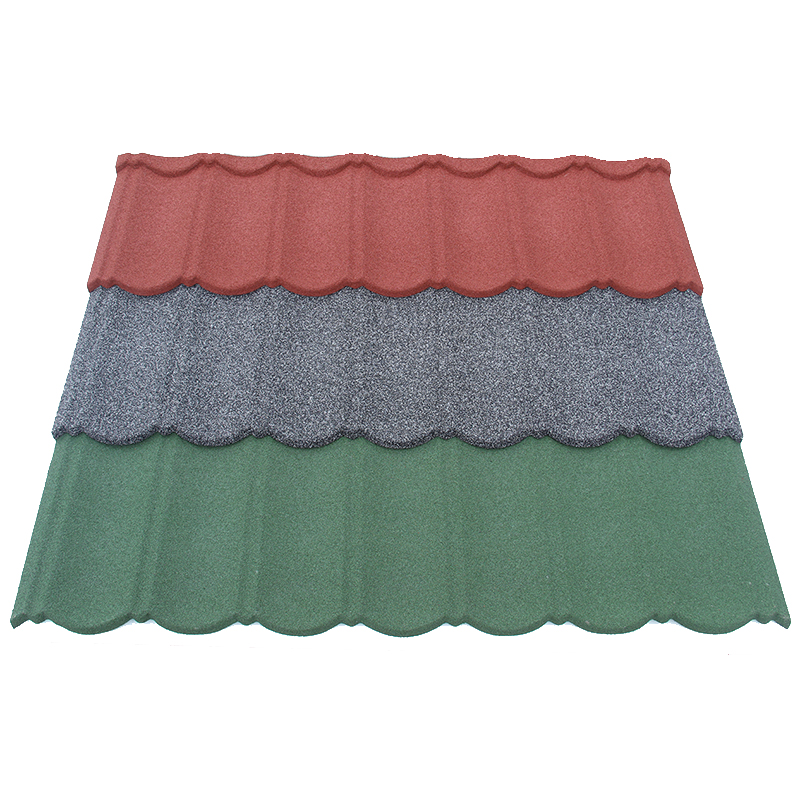
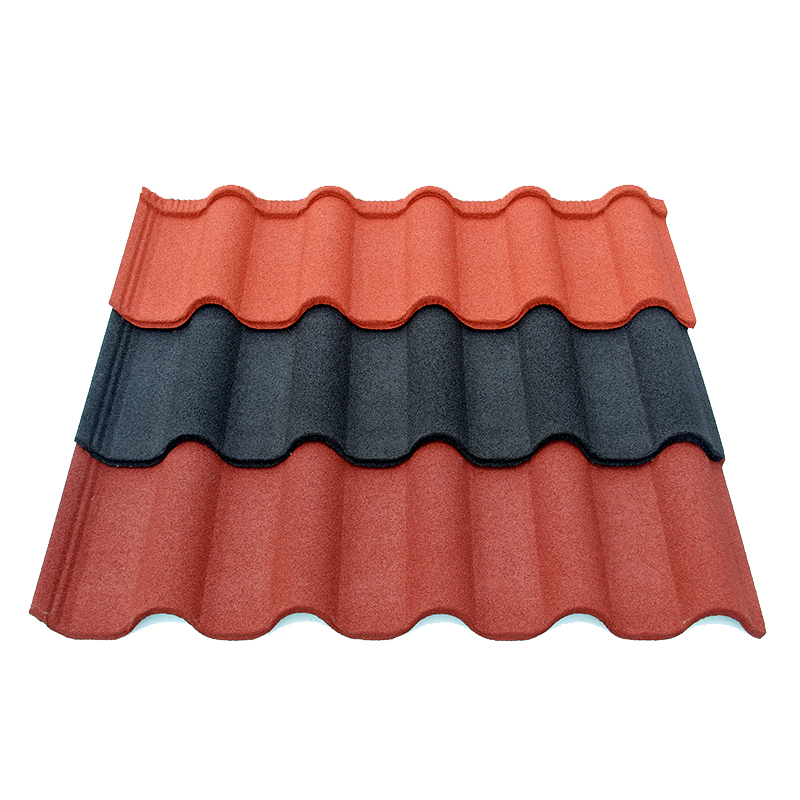
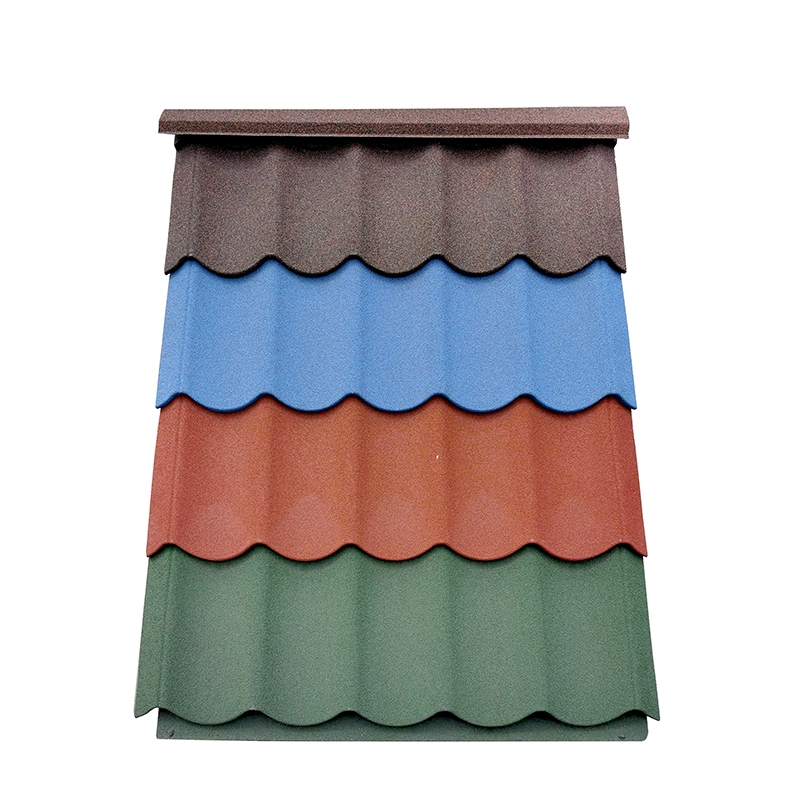
Properly installed systems using profiles like Bond Tile can achieve strong wind resistance even at moderate thickness levels due to interlocking design.
Durability Over Time
Long-term performance depends more on corrosion protection than thickness alone.
Weight Consideration
Increasing thickness adds weight, which may affect roof structure requirements in some projects.
Choosing the Right Thickness for Different Applications
There is no universal “best” thickness. The optimal stone coated roofing sheet thickness depends on project type, climate conditions, and budget constraints. For distributors and contractors, matching the right specification to the right market is key to maximizing value.
In practice, experienced buyers focus on application scenarios rather than chasing higher thickness numbers.
Residential Housing Projects
For large-scale housing, 0.40mm–0.45mm is typically sufficient. In these cases, profiles like Bond Tile are often selected because they balance installation efficiency with structural reliability.
High-End Villas and Premium Projects
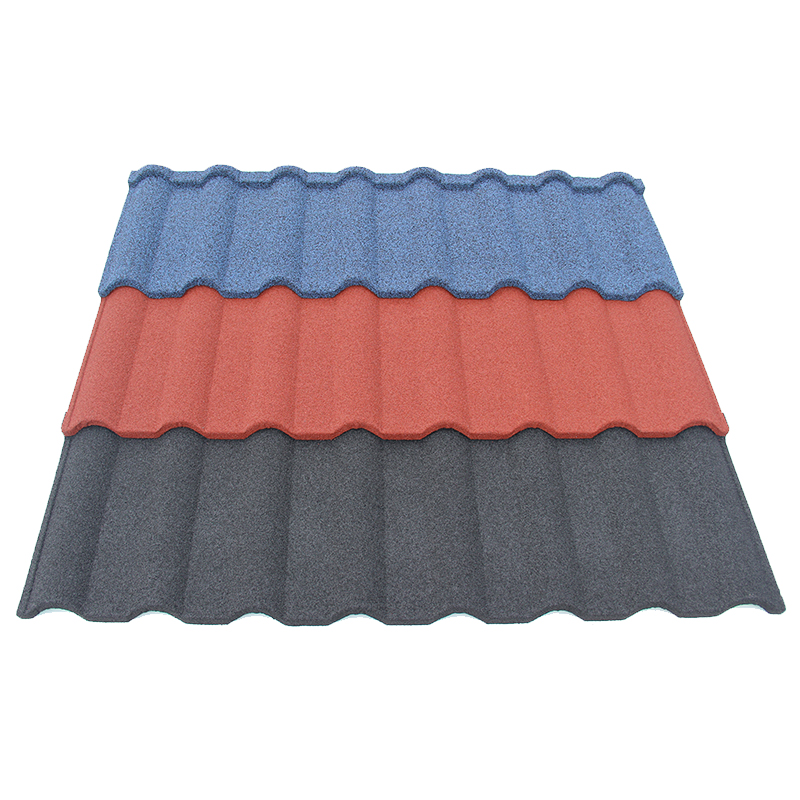
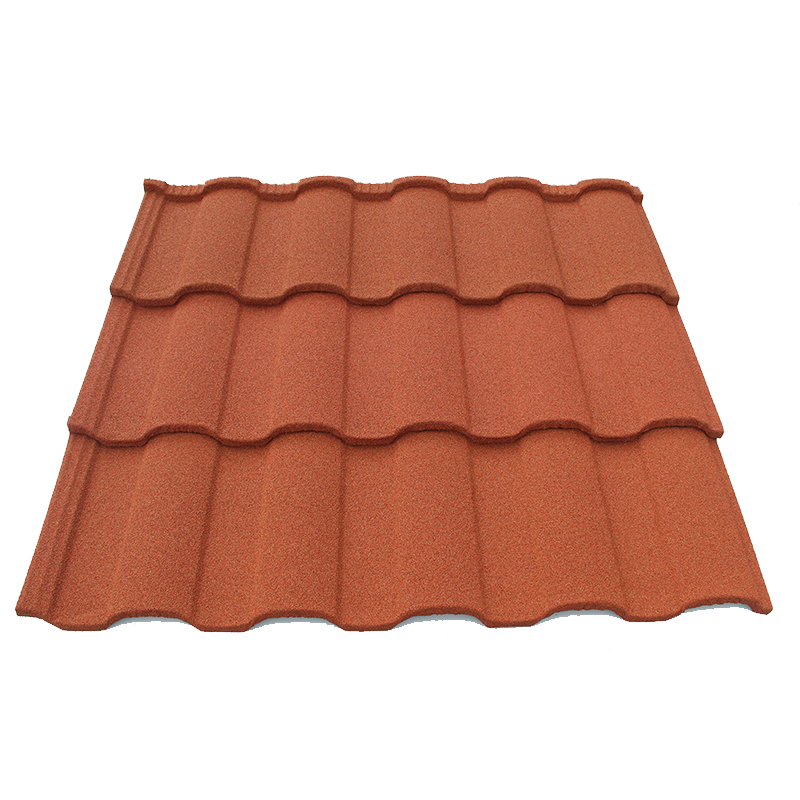
Projects requiring enhanced aesthetics and durability may opt for thicker materials combined with deeper profiles such as Roman Tile, especially in regions with heavy rainfall.
Retrofit and Lightweight Structures
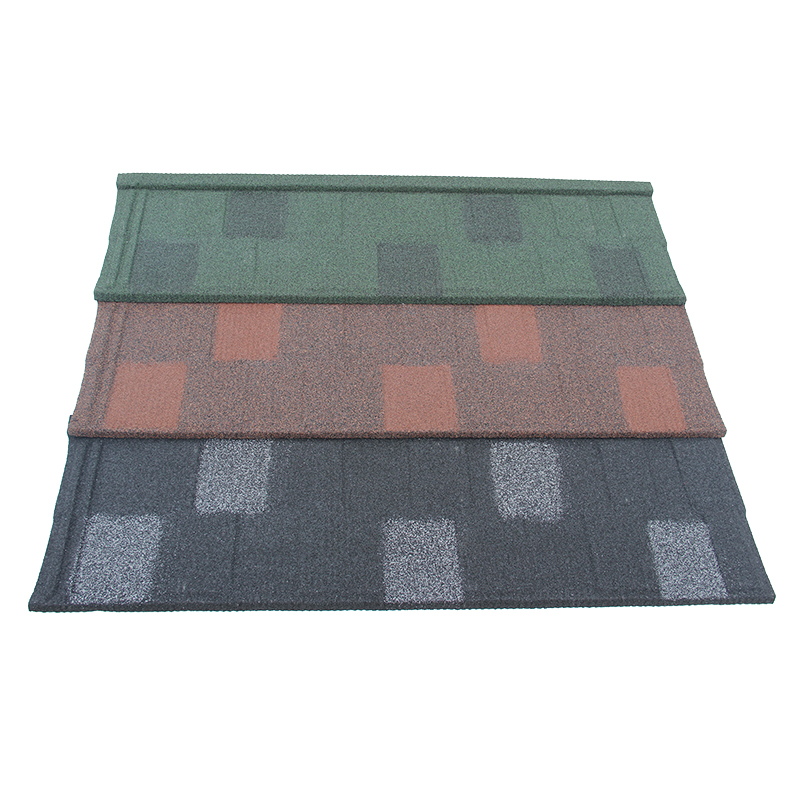
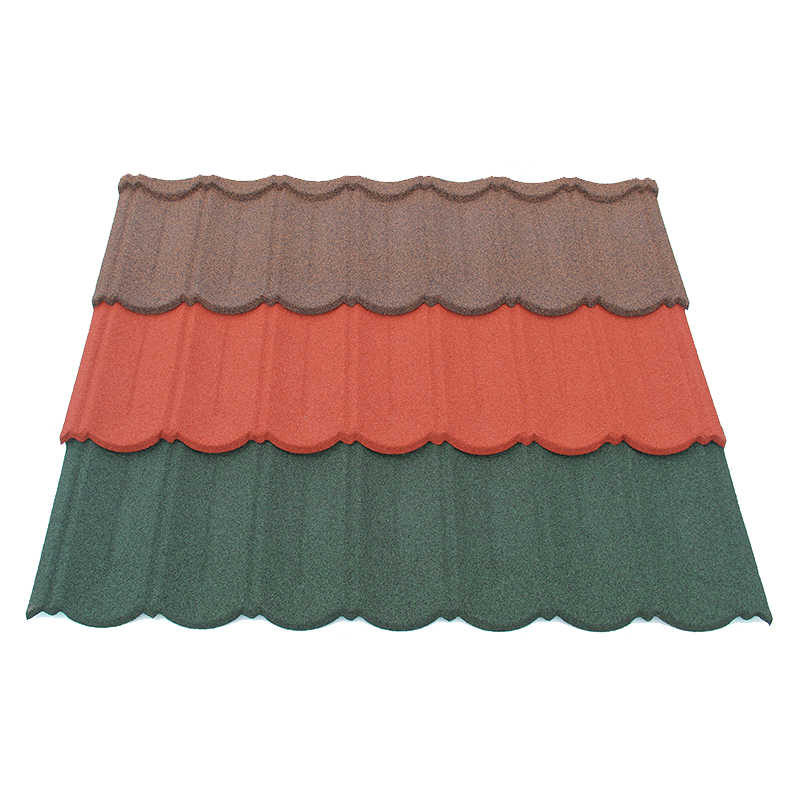
For renovation projects, lighter options are often preferred to reduce structural load. In such cases, thinner sheets combined with profiles like Shingle Tile can be more practical.
Modern Commercial Buildings
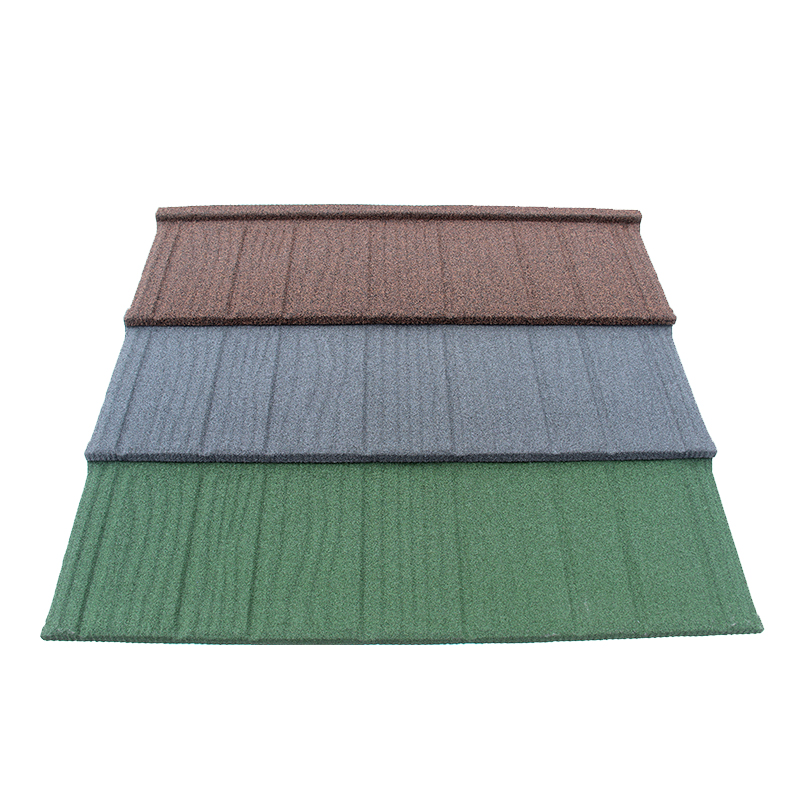
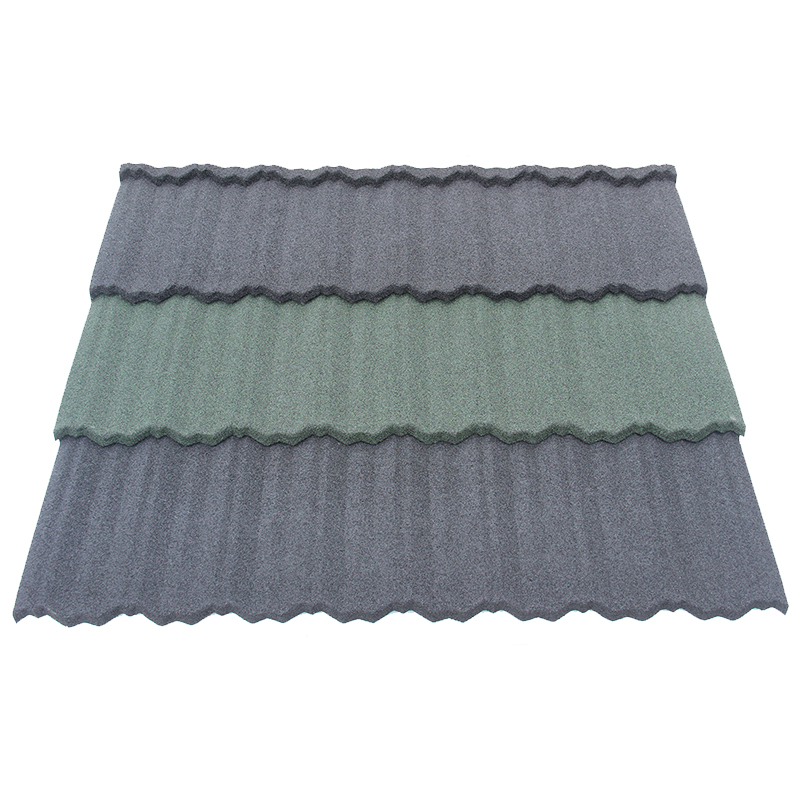
Contemporary designs often use flatter profiles, and selecting appropriate thickness is critical. For example, when using Milano Tile, ensuring proper roof pitch is often more important than increasing thickness.
Thickness vs Cost: What Buyers Should Know
One of the most important considerations when evaluating stone coated roofing sheet thickness is cost efficiency. Thicker materials increase raw material costs, shipping weight, and sometimes installation complexity.
For distributors, stocking only high-thickness products may limit competitiveness in price-sensitive markets. On the other hand, offering only thin options can raise concerns about durability.
Cost Breakdown Factors
- Steel material cost (directly linked to thickness)
- Shipping cost (affected by weight and volume)
- Installation cost (labor efficiency may vary)
Balanced Product Strategy
Most successful distributors offer a mix of mid-range and premium thickness options to serve different customer segments.
Comparison Table: Thickness Selection by Scenario
| Application | Recommended Thickness | Priority Factor | Typical Approach |
|---|---|---|---|
| Mass Housing | 0.40–0.45mm | Cost efficiency | Balanced performance |
| Luxury Projects | 0.50mm+ | Durability | Premium positioning |
| Renovation | 0.35–0.40mm | Lightweight | Structural compatibility |
| Commercial | 0.45mm | Design + performance | Project-specific selection |
Common Misunderstandings About Roofing Thickness
Many buyers rely too heavily on thickness as a quality benchmark, which can lead to incorrect purchasing decisions. Understanding these misconceptions helps avoid unnecessary costs and project risks.
“Thicker Always Means Better”
Thickness improves strength but does not guarantee better corrosion resistance or lifespan.
“All 0.4mm Products Are the Same”
Quality varies depending on steel composition and coating technology.
“Thin Sheets Will Fail Quickly”
When properly coated and installed, mid-range thickness products can perform reliably for decades.
Practical Sourcing Advice for Buyers and Distributors
For B2B buyers, evaluating stone coated roofing sheet thickness should be part of a broader sourcing strategy. Instead of focusing on a single parameter, it is more effective to assess the complete roofing system.
In the industry, manufacturers such as JCROOF are often referenced for offering multiple thickness options along with consistent coating quality. This allows buyers to tailor their product selection based on market demand rather than relying on a one-size-fits-all approach.
Recommended Procurement Approach
- Start with mid-range thickness for most markets
- Offer premium options for high-end projects
- Verify coating quality and corrosion resistance
- Align product mix with local demand
Conclusion: How to Evaluate the Right Thickness
In summary, stone coated roofing sheet thickness is an important factor, but it should never be evaluated in isolation. The right choice depends on project type, environmental conditions, and overall system quality.
For contractors and distributors, the goal is not to choose the thickest product, but to select the most suitable specification for each application. With the right balance, stone coated roofing systems can deliver both cost efficiency and long-term performance.