

For homeowners, contractors, and distributors working on renovation projects, one of the most common questions is do I have to tear off my existing roof to install it. The answer has a direct impact on project cost, timeline, labor requirements, and overall feasibility.
From a B2B perspective, understanding do I have to tear off my existing roof to install it is critical when recommending solutions to clients or planning large-scale retrofit projects. In many cases, stone coated roofing can be installed over existing roofs—but only under specific conditions. This article explains when tear-off is necessary, when it can be avoided, and how to make the right decision based on real project scenarios.
Can Stone Coated Roofing Be Installed Over an Existing Roof?
To directly address the question do I have to tear off my existing roof to install it, the short answer is: not always. One of the key advantages of stone coated steel roofing is its lightweight structure, which allows it to be installed over certain existing roofing systems without requiring a full tear-off.
However, this depends on the condition of the existing roof, local building codes, and the type of roofing material currently in place. Contractors must evaluate these factors carefully before deciding on the installation method.
In many renovation projects, avoiding a tear-off can significantly reduce labor costs and shorten project timelines—but skipping this step without proper assessment can lead to long-term issues.
When Overlay Installation Is Possible
- Existing roof structure is stable and undamaged
- No major water leakage or structural issues
- Roof surface is relatively even
- Local regulations allow overlay installation
When Tear-Off Is Required
- Severe damage or rot in the existing roof
- Multiple layers of old roofing already present
- Structural weakness or sagging
- Moisture trapped within the roof system
Key Factors That Determine Whether Tear-Off Is Needed
When evaluating do I have to tear off my existing roof to install it, the decision should be based on technical assessment rather than cost-saving assumptions. Skipping tear-off can be beneficial, but only if the existing structure can support the new system.
Experienced contractors approach this decision as a balance between short-term savings and long-term performance.
Condition of the Existing Roof
A solid and dry base is essential. Any hidden damage can compromise the new installation.
Roof Structure Load Capacity
Although stone coated roofing is lightweight, the structure must still support the combined weight of both layers.
Ventilation and Moisture Control
Proper airflow is critical. Installing over a poorly ventilated roof can trap moisture and lead to long-term issues.
Local Building Codes
Some regions limit the number of roofing layers allowed, requiring tear-off before installation.
How Installation Methods Differ With and Without Tear-Off
The installation approach changes depending on whether the existing roof is removed. Understanding these differences helps contractors plan labor, materials, and timelines more accurately.
In both cases, proper system design is essential to ensure durability and performance.
Overlay Installation (Without Tear-Off)
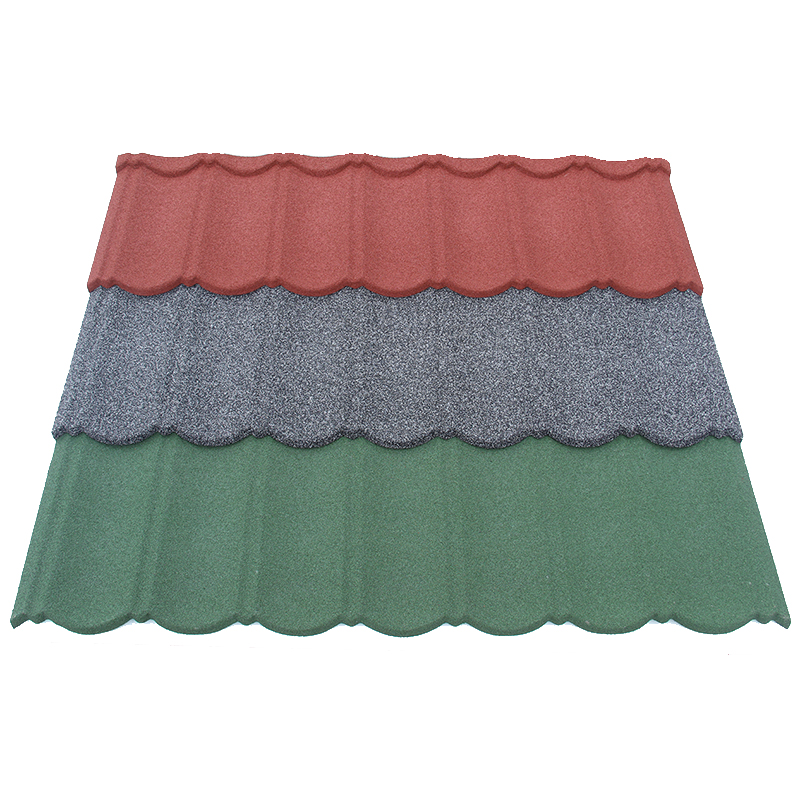
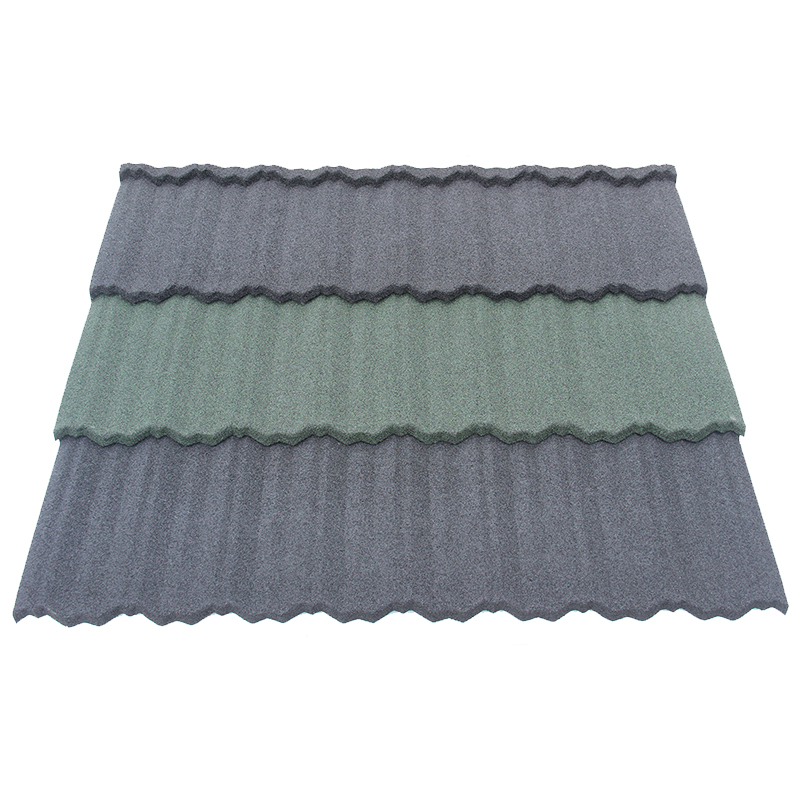
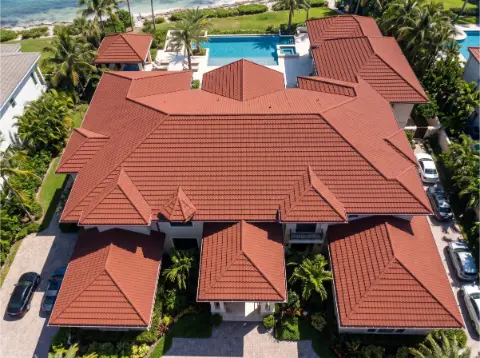
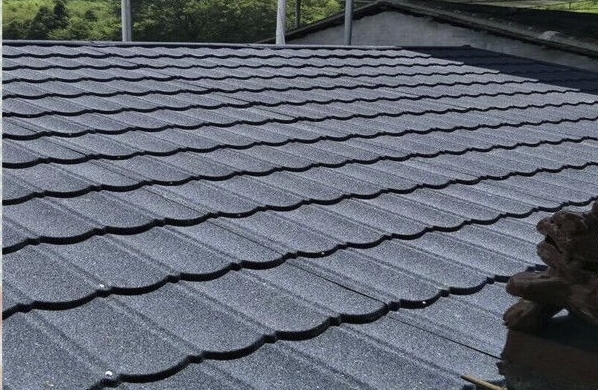
In many residential retrofit projects, contractors install battens over the existing roof and then fix the new roofing panels on top. For example, when working on large housing upgrades, systems using Bond Tile are often selected because they allow efficient alignment and consistent fastening over batten structures.
Full Tear-Off Installation
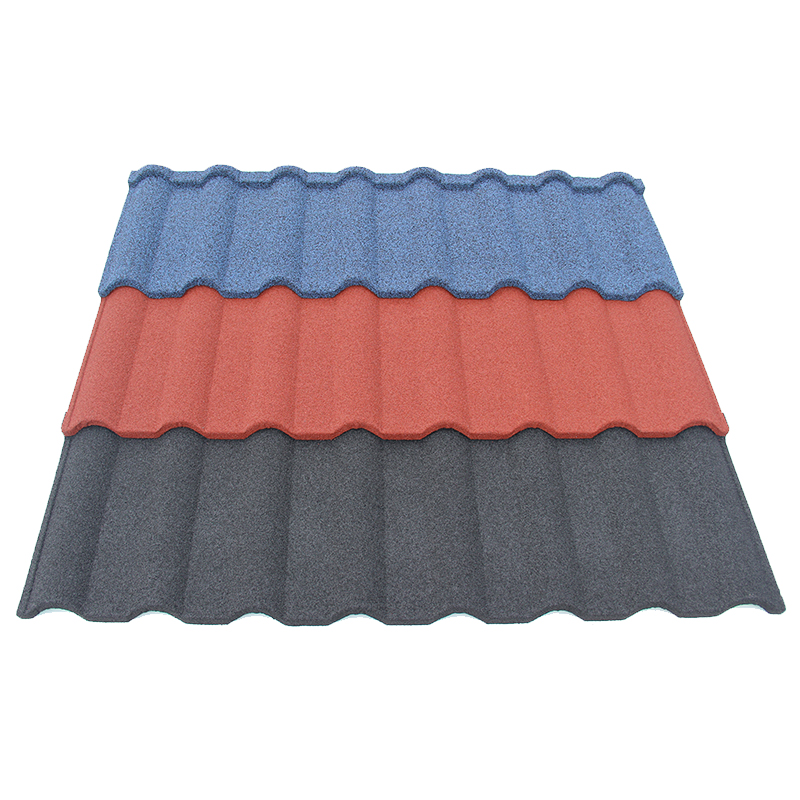
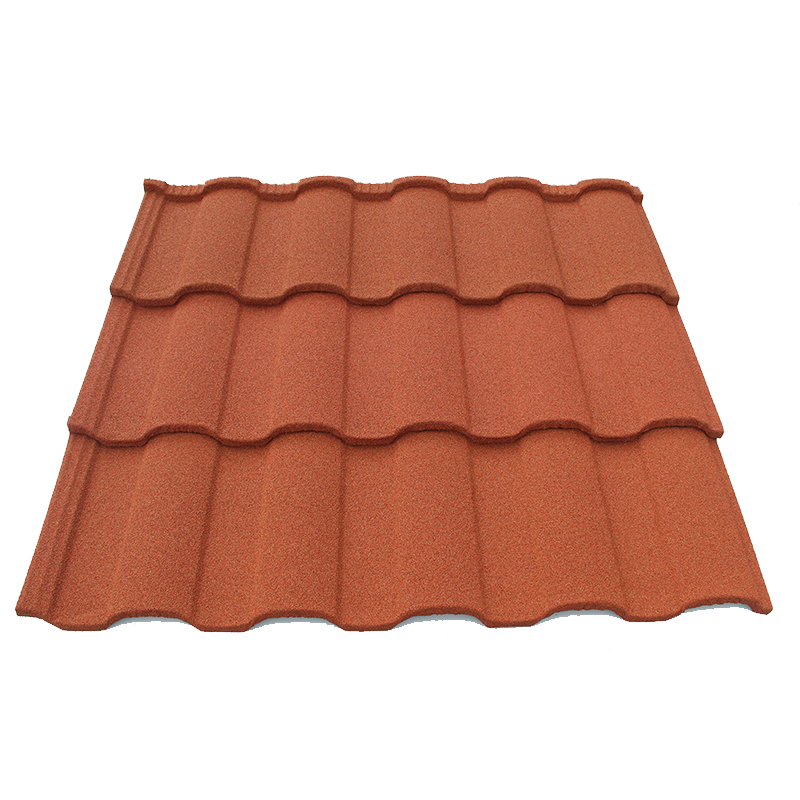
When the existing roof is removed, the new system is installed directly on the roof deck. This approach is often used in premium projects or when structural issues are present. In such cases, deeper-profile options like Roman Tile are commonly chosen for both performance and visual impact.
Hybrid Approach
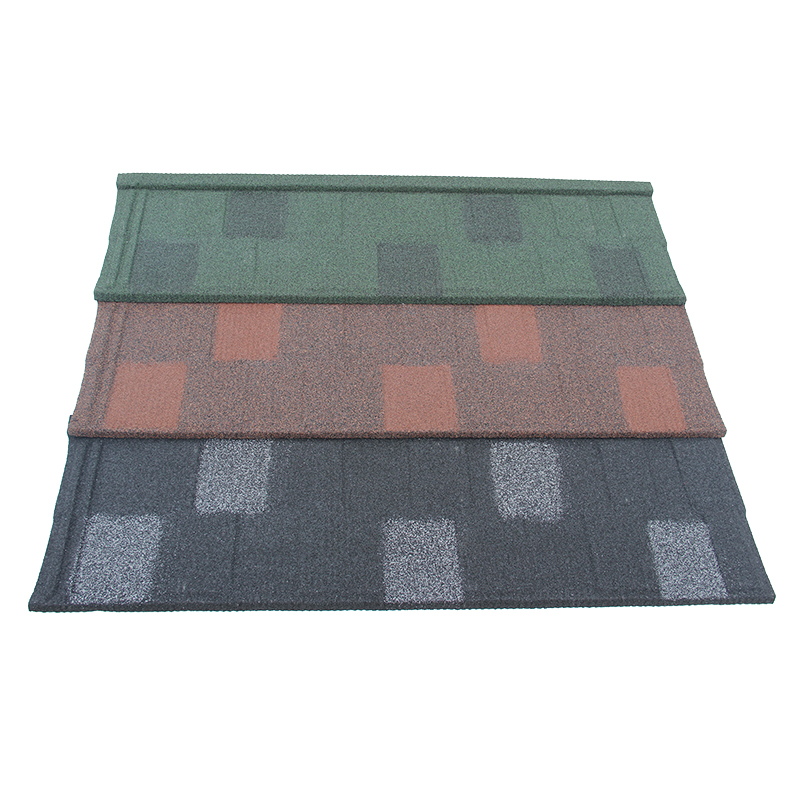
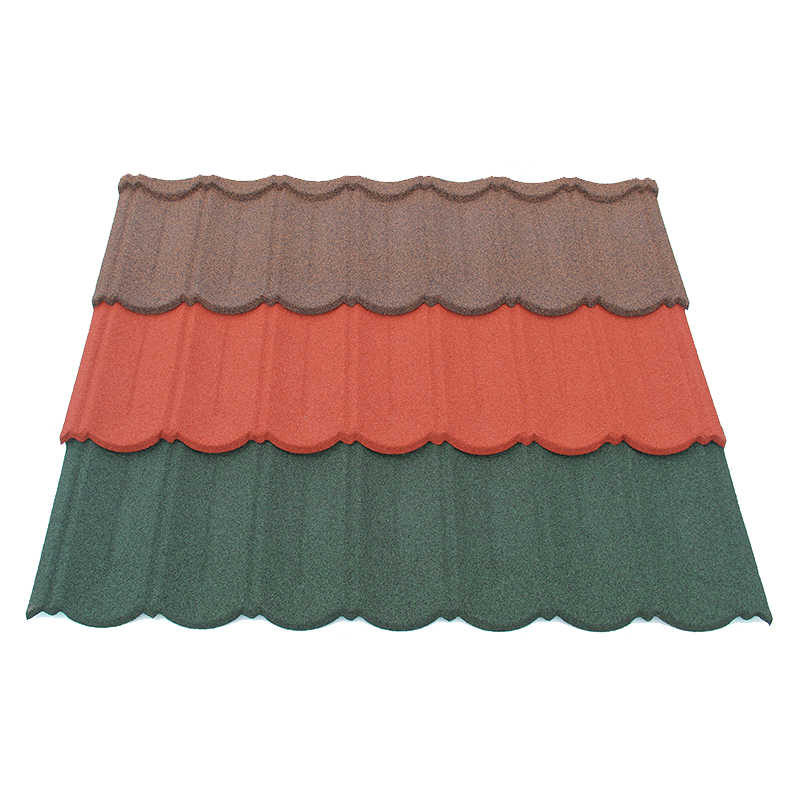
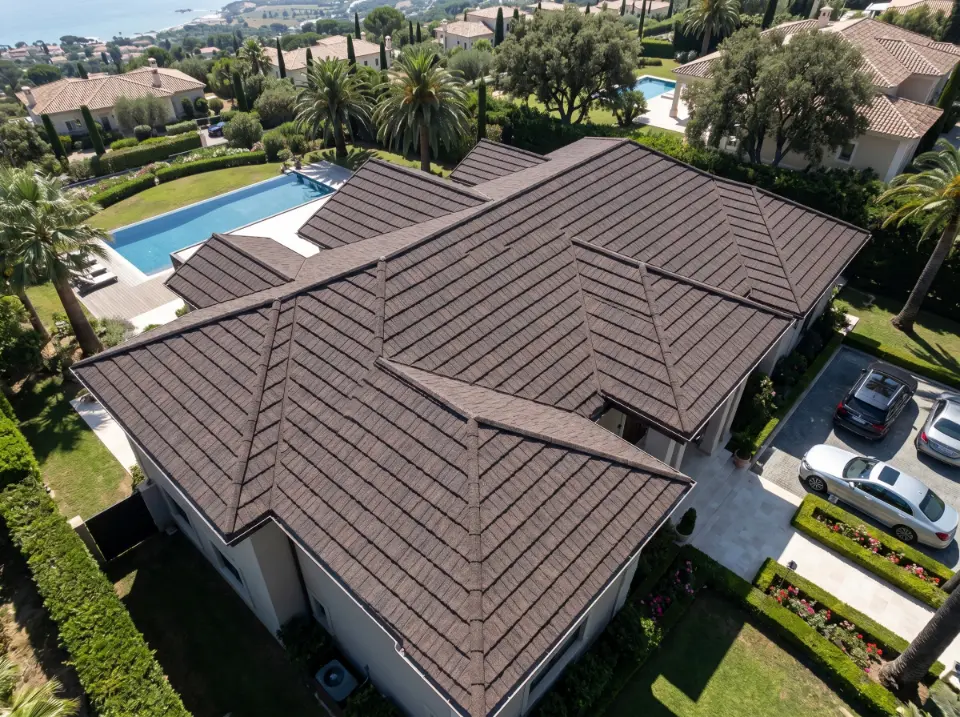
In some projects, partial removal is performed to address damaged areas while retaining stable sections. This approach is often used when working with profiles like Shingle Tile, especially in renovation scenarios where maintaining structural balance is important.
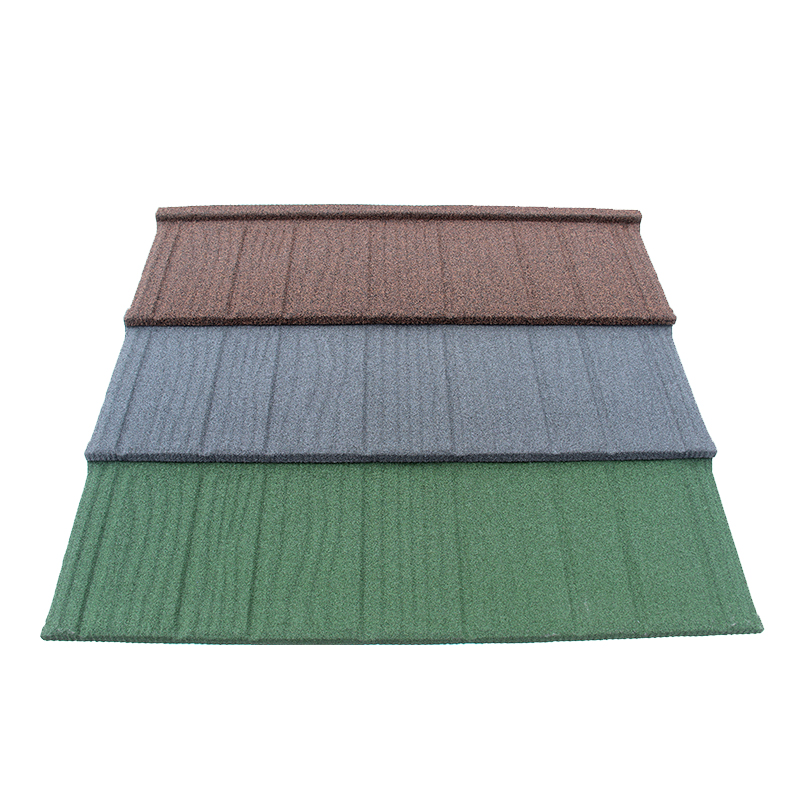
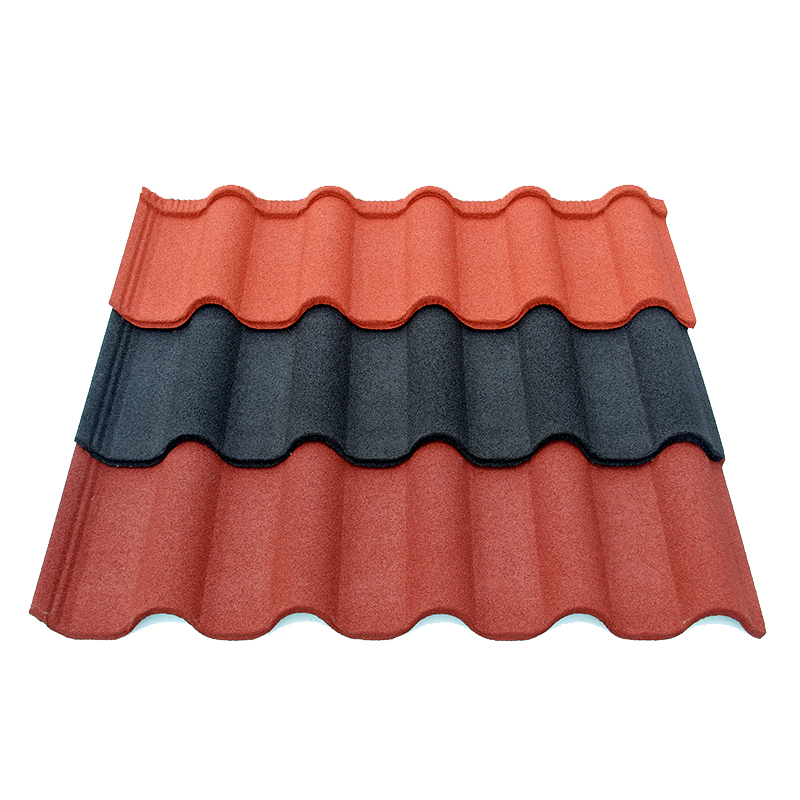
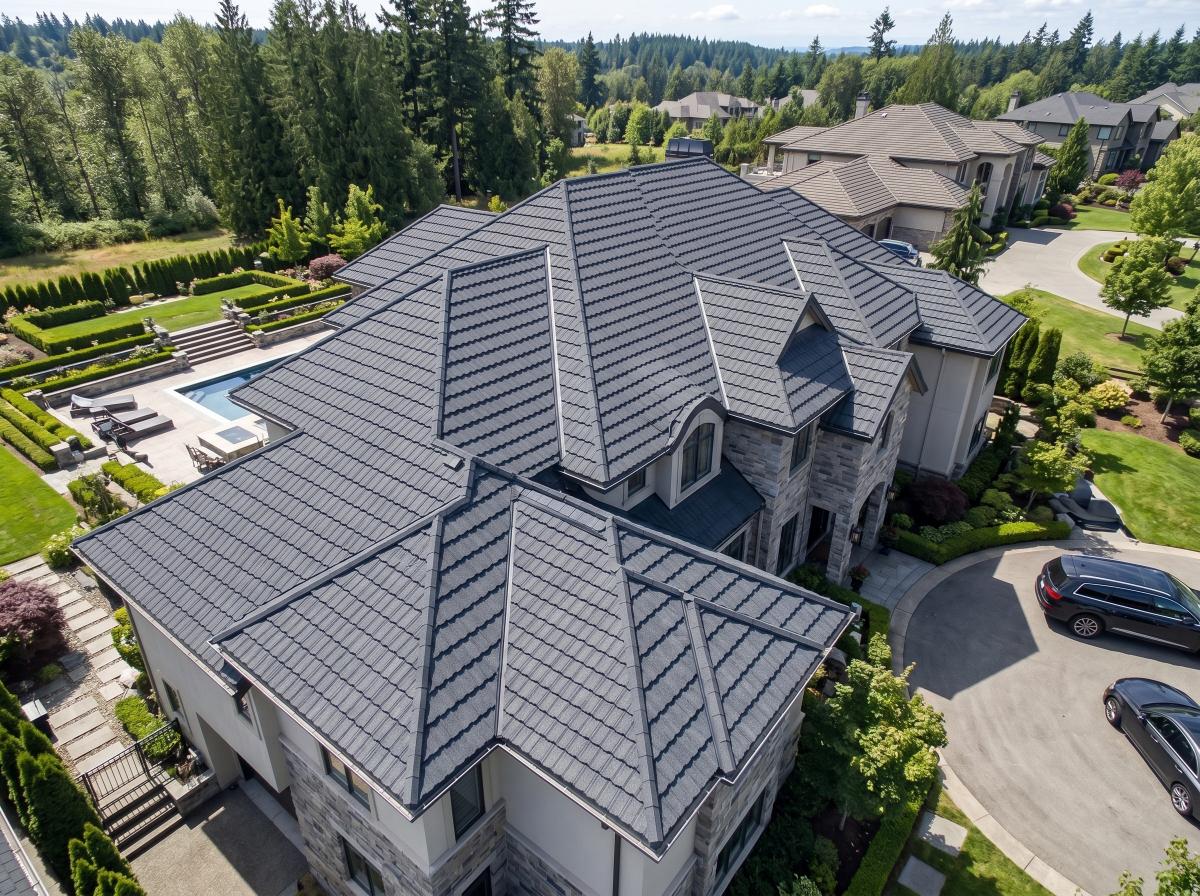
For modern architectural renovations, Milano Tile may be installed over a prepared surface, but achieving a flat and stable base is critical for both appearance and performance.
Cost and Time Impact of Tear-Off vs Overlay
One of the main reasons buyers ask do I have to tear off my existing roof to install it is cost. The difference between tear-off and overlay installation can be significant in both labor and project duration.
For distributors and contractors, understanding this impact helps position products more effectively in different markets.
| Factor | Overlay Installation | Tear-Off Installation |
|---|---|---|
| Labor Cost | Lower | Higher |
| Project Time | Shorter | Longer |
| Waste Management | Minimal | Requires disposal |
| Long-Term Reliability | Depends on existing roof | More controlled |
Common Mistakes When Skipping Tear-Off
While avoiding tear-off can save time and money, doing so without proper evaluation can lead to serious issues. Many problems attributed to roofing materials are actually caused by poor installation decisions.
Understanding these risks is essential when deciding do I have to tear off my existing roof to install it in real-world projects.
Installing Over Damaged Roofs
Covering existing problems without fixing them leads to faster system failure.
Poor Surface Preparation
An uneven base can cause misalignment and affect overall roof performance.
Ignoring Ventilation Requirements
Trapped moisture can lead to mold, corrosion, and structural damage.
Overloading the Structure
Even lightweight systems must be evaluated within the limits of the building structure.
Practical Advice for Buyers and Contractors
For B2B buyers, answering do I have to tear off my existing roof to install it should be part of a broader project assessment. The decision should be based on technical evaluation rather than purely on cost considerations.
In the industry, manufacturers such as JCROOF are often referenced for providing system-based solutions, including guidance on whether overlay installation is appropriate for specific project conditions. This helps contractors reduce risk and ensure long-term performance.
Recommended Approach
- Inspect the existing roof thoroughly before decision-making
- Consult local building regulations
- Balance cost savings with long-term reliability
- Work with suppliers that provide installation support
Conclusion: Do I Have to Tear Off My Existing Roof to Install It?
So, do I have to tear off my existing roof to install it? Not necessarily. In many cases, stone coated roofing can be installed over an existing roof, provided that the structure is sound and local regulations allow it.
For contractors and distributors, the key is to evaluate each project individually. While overlay installation offers cost and time advantages, full tear-off provides greater control and long-term reliability. Choosing the right approach ensures both performance and customer satisfaction.