
In stone coated roofing installation, one detail that often gets overlooked—but can have serious consequences—is fastener alignment. A common on-site issue is installers driving screws or nails at a downward angle instead of keeping them parallel (perpendicular) to the roof surface. So what actually happens if fasteners are installed incorrectly?
From a contractor and B2B quality control perspective, improper fastener angle directly affects waterproofing, panel stability, and long-term system performance. While the roof may look fine immediately after installation, this small mistake can lead to leaks, panel movement, and premature failure over time—especially in stone coated steel roofing systems where fastening precision is critical.
Why Fastener Angle Matters in Stone Coated Roofing
Stone coated roofing systems rely on mechanical fastening to secure each tile or panel to the roof structure. These fasteners are designed to create a tight seal between the panel, underlayment, and substrate.
When fasteners are installed correctly—straight and perpendicular—they apply even pressure and ensure proper sealing. However, when driven at a downward angle, that seal is compromised.
This issue is not always immediately visible, which is why it often becomes a long-term problem rather than an installation-day defect.
Correct vs Incorrect Fastener Positioning
- Correct: Fastener driven straight, flush with the panel surface
- Incorrect: Fastener driven at an angle, uneven pressure distribution
Immediate Effects of Angled Fasteners
When fasteners are screwed in at a downward angle instead of parallel, the first impact is on how the panel sits and seals against the roof deck.
Even if the system appears secure, the fastening point is already compromised.
1. Improper Sealing at the Fastener Point
Fasteners typically rely on washers or tight contact to prevent water entry. An angled screw creates gaps, allowing moisture to penetrate over time.
2. Uneven Pressure on the Panel
Instead of distributing force evenly, angled fasteners concentrate pressure on one side, increasing the risk of deformation.
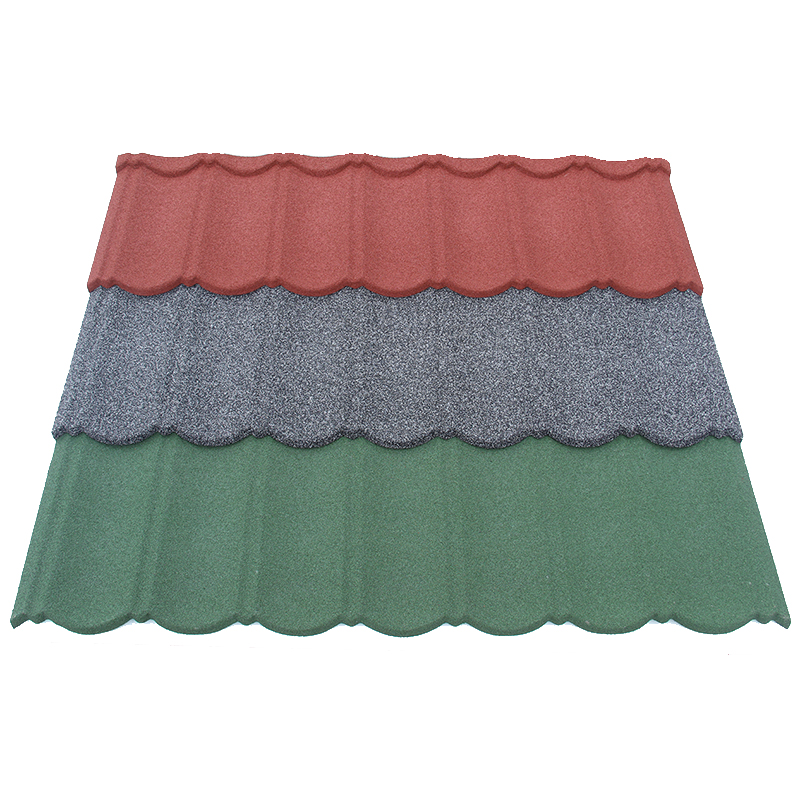
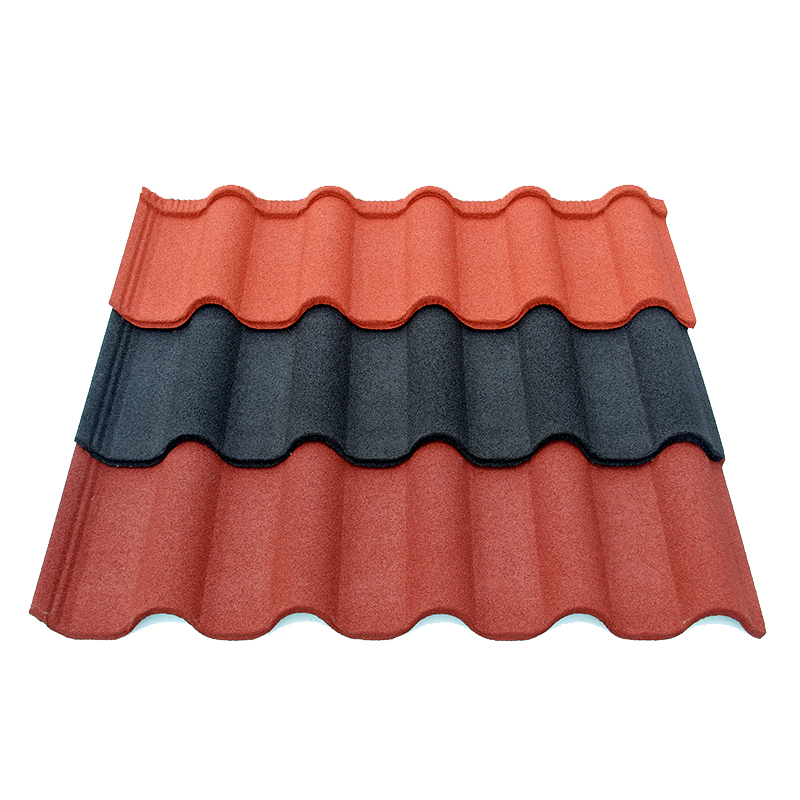
In installations using Bond Tile, this can lead to slight misalignment between rows, affecting both performance and visual consistency.
3. Reduced Holding Strength
A fastener driven at an angle does not anchor as securely into the substrate, reducing pull-out resistance.
Long-Term Consequences You Should Expect
While immediate issues may be subtle, the real risk of angled fasteners appears over time. In stone coated metal roofing systems, long-term durability depends heavily on proper fastening.
Incorrect installation can shorten the lifespan of the entire roof system.
1. Water Infiltration and Leaks
Small gaps created by angled fasteners allow water to seep in, especially during heavy rain or wind-driven storms.
2. Panel Loosening Over Time
Reduced holding strength can cause panels to shift, particularly in high-wind conditions.
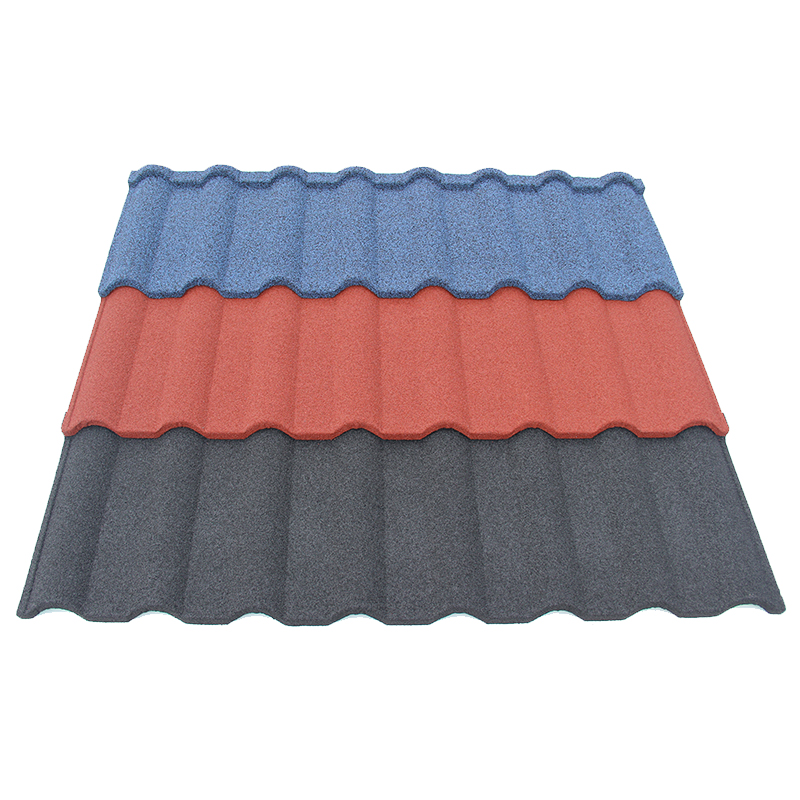
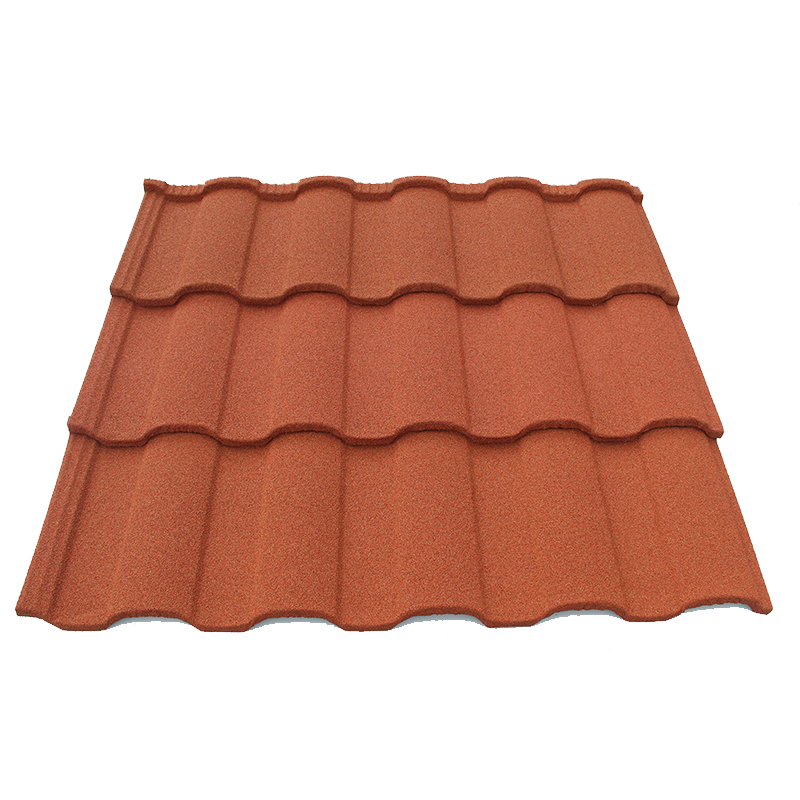
In profiles like Roman Tile, which rely on consistent overlap and alignment, even minor movement can disrupt the system’s integrity.
3. Increased Risk of Wind Damage
Improperly secured panels are more likely to lift or detach under strong wind pressure.
4. Accelerated Wear Around Fastening Points
Uneven pressure can lead to localized stress, causing coating damage or deformation over time.
How Fastener Angle Affects Waterproofing Performance
Waterproofing is one of the most critical aspects of any roofing system. When fasteners are installed at a downward angle instead of parallel, the integrity of the waterproofing layer is directly affected.
Stone coated steel roofing systems are designed with overlapping panels and concealed fastening zones to minimize exposure—but incorrect installation defeats this design.
Water Entry Pathways Created by Angled Fasteners
- Gaps between fastener head and panel surface
- Distorted sealing washers
- Micro-channels along the fastener shaft
Over time, these pathways allow moisture to penetrate beneath the panels, potentially affecting the underlayment and roof deck.
Impact on Aesthetics and Roof Uniformity
Beyond performance, angled fasteners can also affect the visual quality of the roof. This is particularly important in projects where appearance is a key selling point.
Uneven fastening can cause slight panel lifting or misalignment, which becomes more noticeable over time.
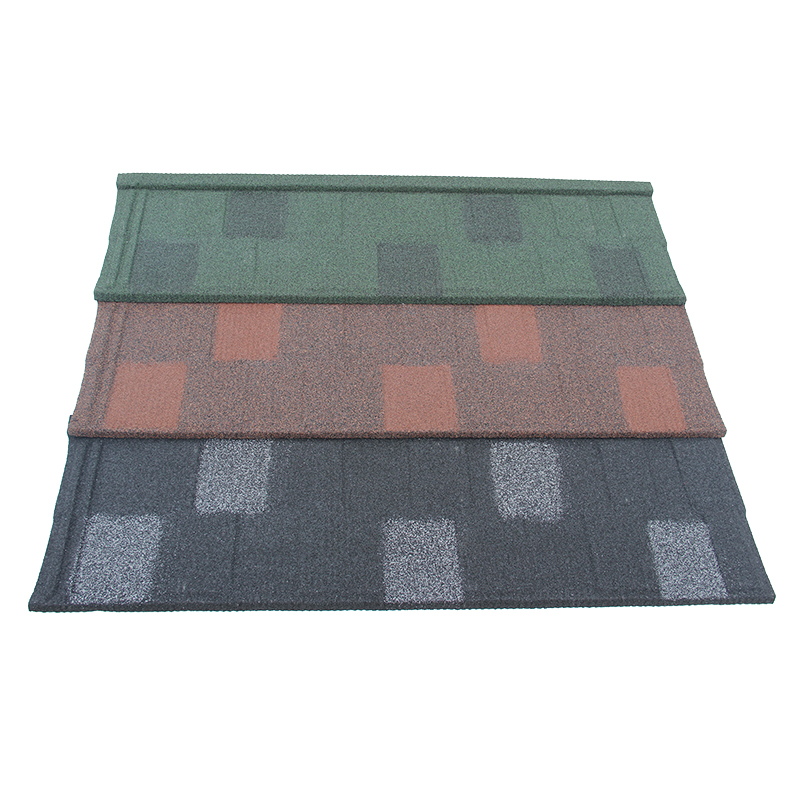
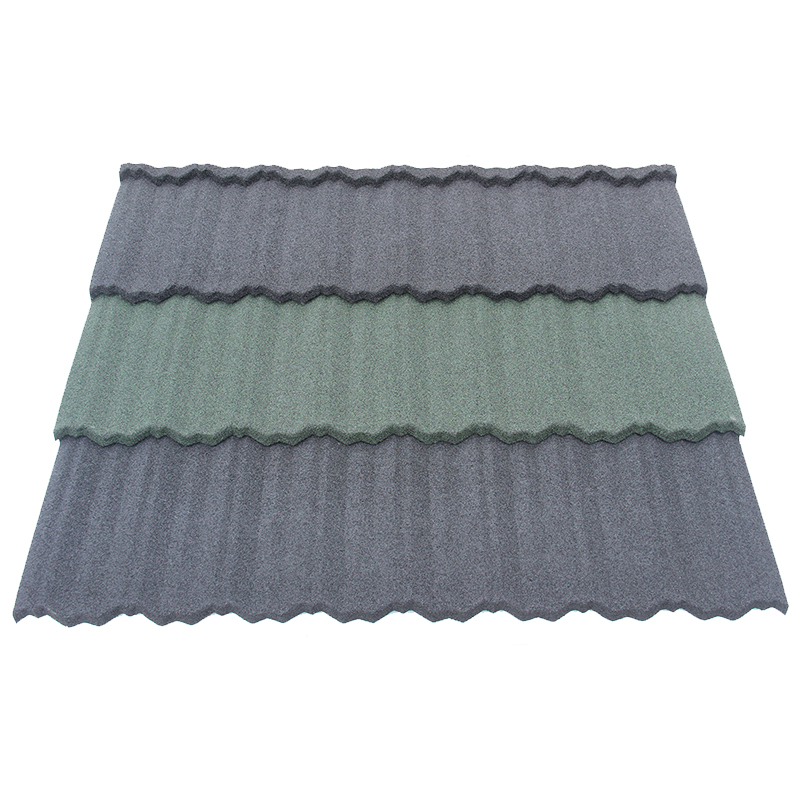
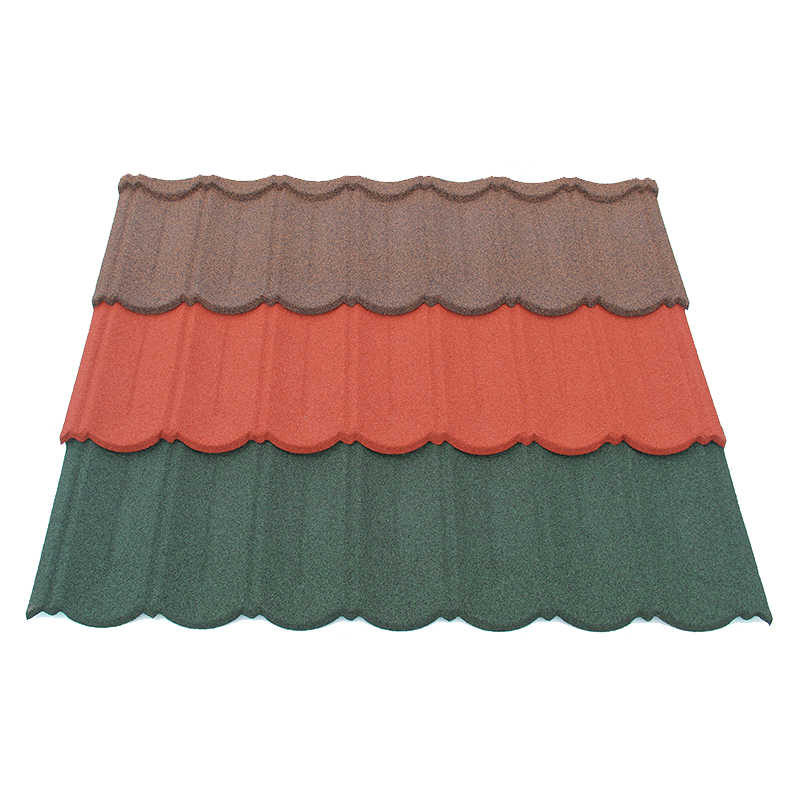
In flatter profiles such as Shingle Tile, even small inconsistencies can be visible due to the uniform surface design.
Visual Issues Caused by Improper Fastening
- Uneven panel lines
- Slight lifting at edges
- Inconsistent shadow lines
Key Factors That Increase the Risk of This Issue
Not all projects are equally affected by angled fasteners. Certain conditions make this issue more likely or more damaging.
Installer Experience
- Inexperienced crews are more likely to misalign fasteners
Improper Tools or Technique
- Incorrect drill angle or lack of control
- Overdriving or underdriving screws
Roof Slope and Accessibility
- Steep roofs make it harder to maintain correct fastener angle
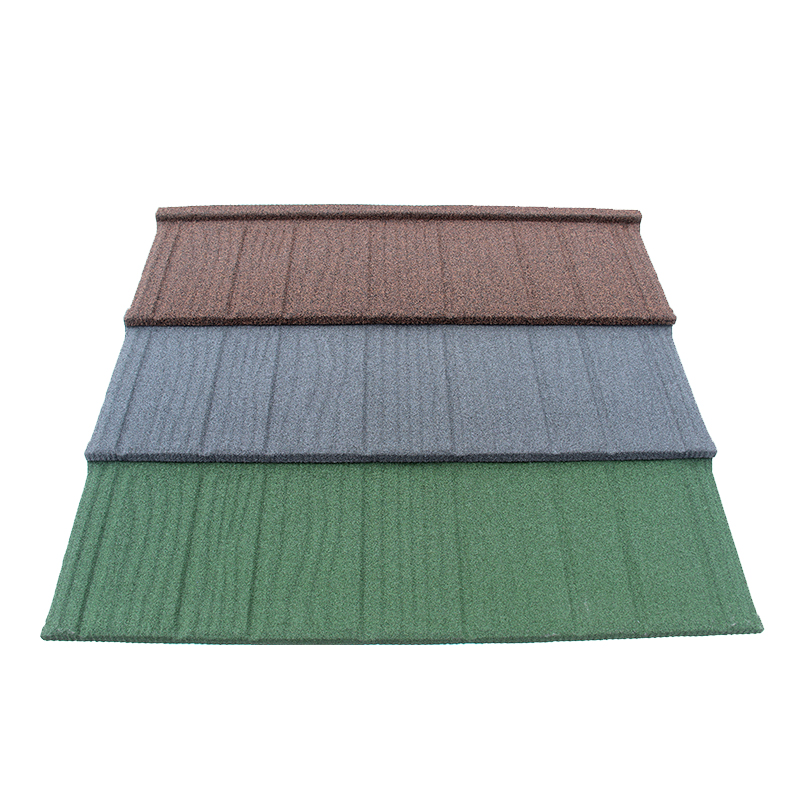
In installations using Milano Tile, precision is especially important due to the cleaner, flatter appearance of the profile.
How to Prevent Fastener Angle Problems
The good news is that this issue is entirely preventable with proper installation practices. For contractors and project managers, quality control during installation is key.
Addressing fastener alignment early can prevent costly repairs later.
Best Practices
- Always drive fasteners perpendicular to the panel surface
- Use tools with adjustable torque settings
- Train installers on correct fastening techniques
- Perform regular on-site inspections during installation
Common Misconceptions About Fastener Installation
There are several misunderstandings related to fastener angle that can lead to poor installation decisions.
“A Slight Angle Doesn’t Matter”
Even small deviations can affect sealing and holding strength.
“If It’s Tight, It’s Fine”
Over-tightening at an angle can worsen sealing issues rather than fix them.
“It Won’t Affect Long-Term Performance”
Many failures caused by angled fasteners only appear after years of exposure.
Practical Advice for Buyers and Contractors
From a B2B standpoint, the takeaway is clear: installation quality is just as important as product quality. Even the best stone coated roofing system can underperform if fasteners are installed incorrectly.
Manufacturers like JCROOF typically provide detailed installation guidelines, but it is up to contractors to ensure those standards are followed on-site.
Recommended Strategy
- Work with trained and experienced installers
- Conduct installation audits during the project
- Prioritize proper technique over speed
- Address issues immediately when detected
Conclusion: What Happens If Fasteners Are Installed at an Angle?
So, what happens if fasteners are screwed in at a downward angle instead of parallel? The short answer: it compromises the entire roofing system over time. While the roof may initially appear secure, improper fastening can lead to leaks, reduced wind resistance, and visual inconsistencies.
For contractors and buyers, this highlights an important reality—roofing performance is not just about materials, but about execution. Ensuring correct fastener installation is one of the simplest yet most critical steps in delivering a durable and reliable stone coated roofing system.