
For roofing contractors and building material wholesalers, the ability to predict a product’s performance during extreme weather is a critical survival skill. Specifically, comparing the Wood Shake vs. Shingle profile requires a forensic look at how water moves across irregular textures versus flat planes. While both systems provide aesthetic prestige, their mechanical responses to high-velocity rain and wind-driven moisture are fundamentally different. This technical audit explores the engineering benchmarks, drainage kinetics, and interfacial integrity needed to protect high-value building envelopes in storm-prone geographic zones.
Drainage Kinetics: The Roughness of the shake tile Texture
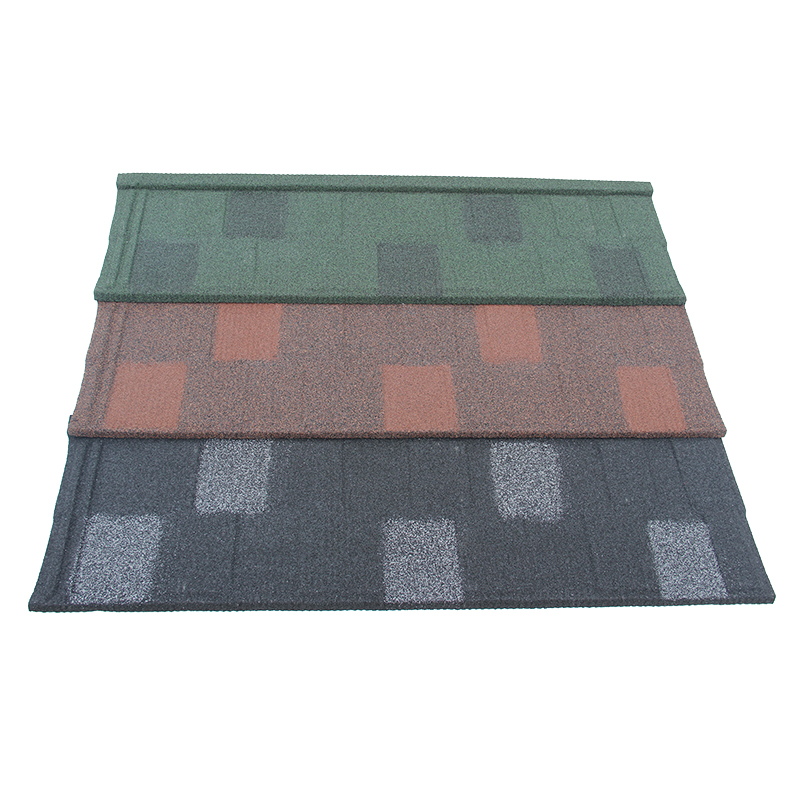
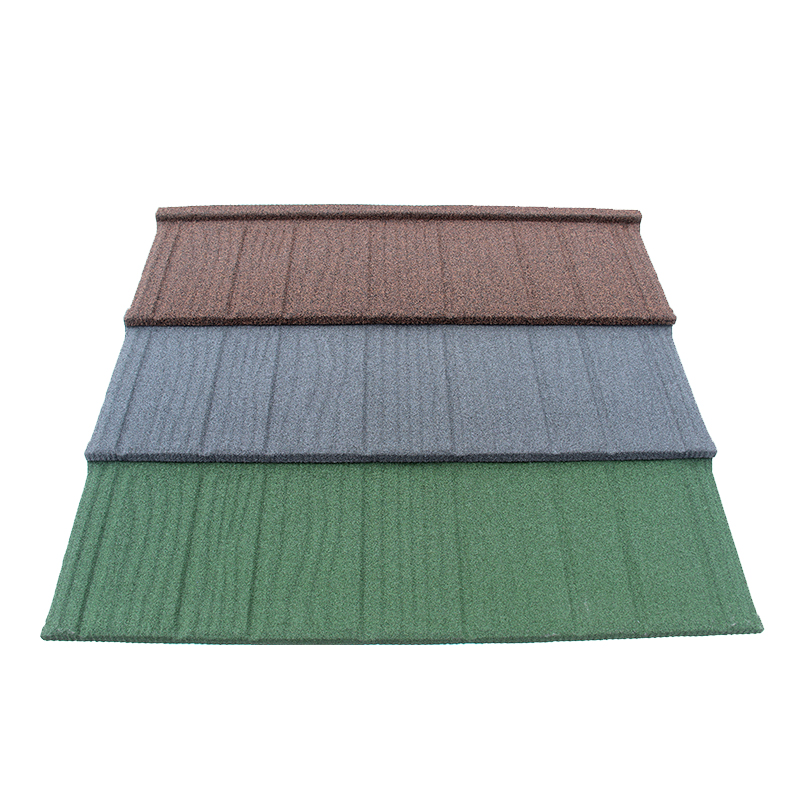
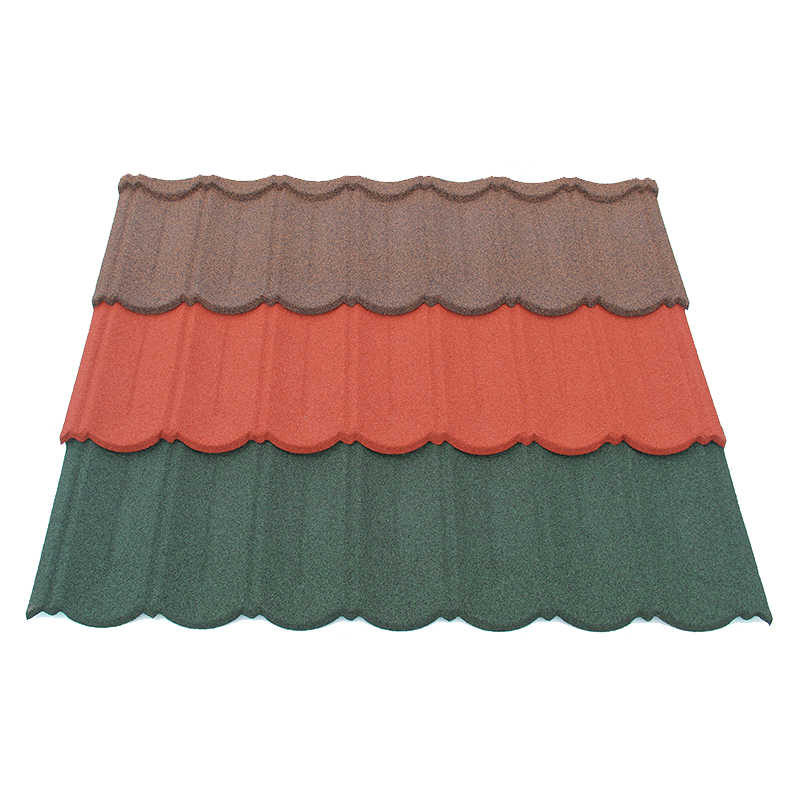
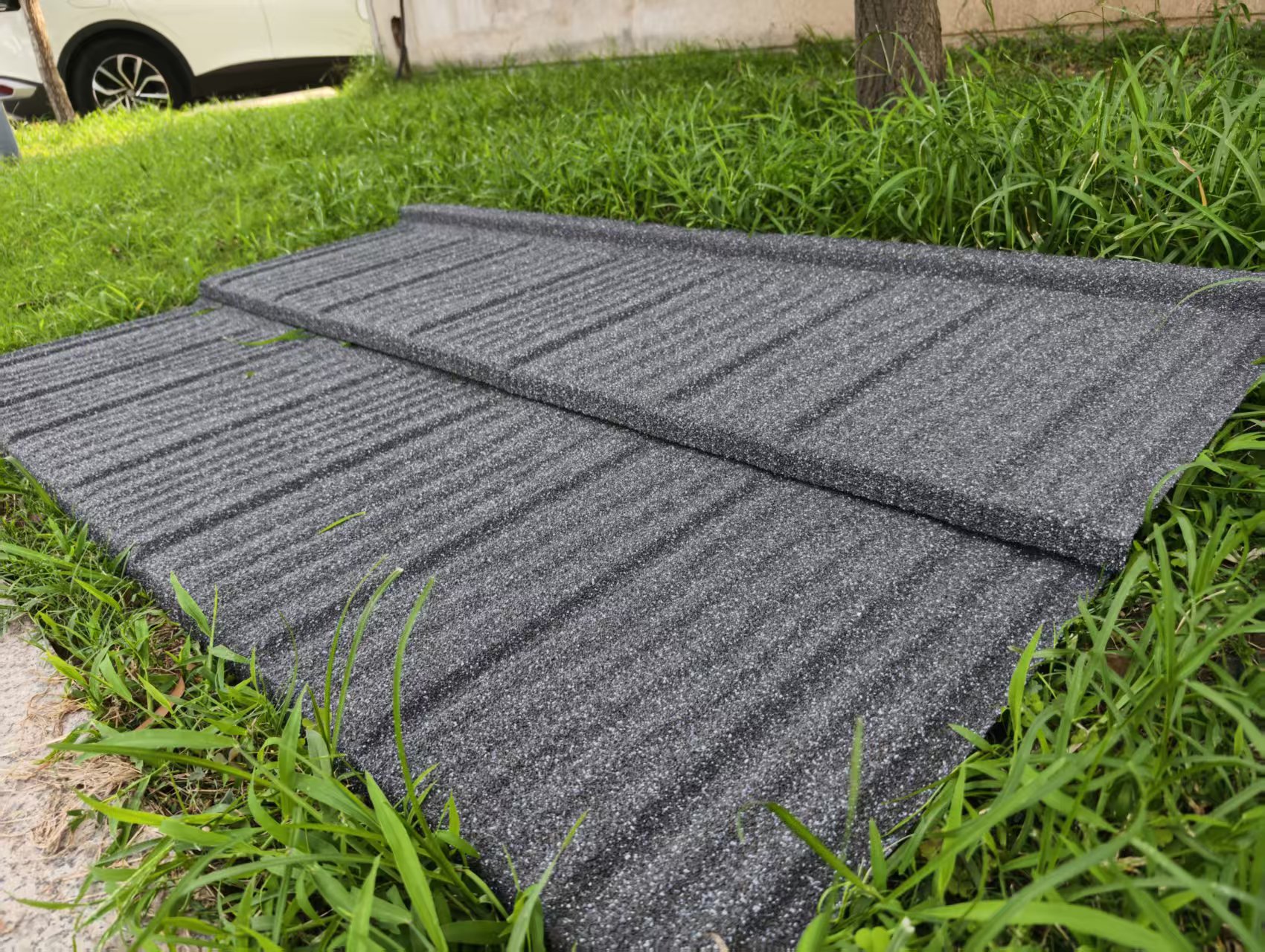
The primary engineering characteristic of the shake design is its heavy, split-timber aesthetic. When analyzing the Wood Shake vs. Shingle profile, we must account for the surface friction created by these deep grooves. For instance, a high-quality shake tile utilizes these textures to shatter large raindrops upon impact. This acoustic damping effect is a significant advantage; however, the irregular surface also slows down the initial water velocity. Consequently, a well-engineered drainage channel is required to prevent localized pooling during monsoon-intensity rainfall. JCROOF laboratory data confirms that the structural depth of the profile must be balanced with a precise pitch to ensure rapid runoff.
Capillary Action Management in the bond tile Logic
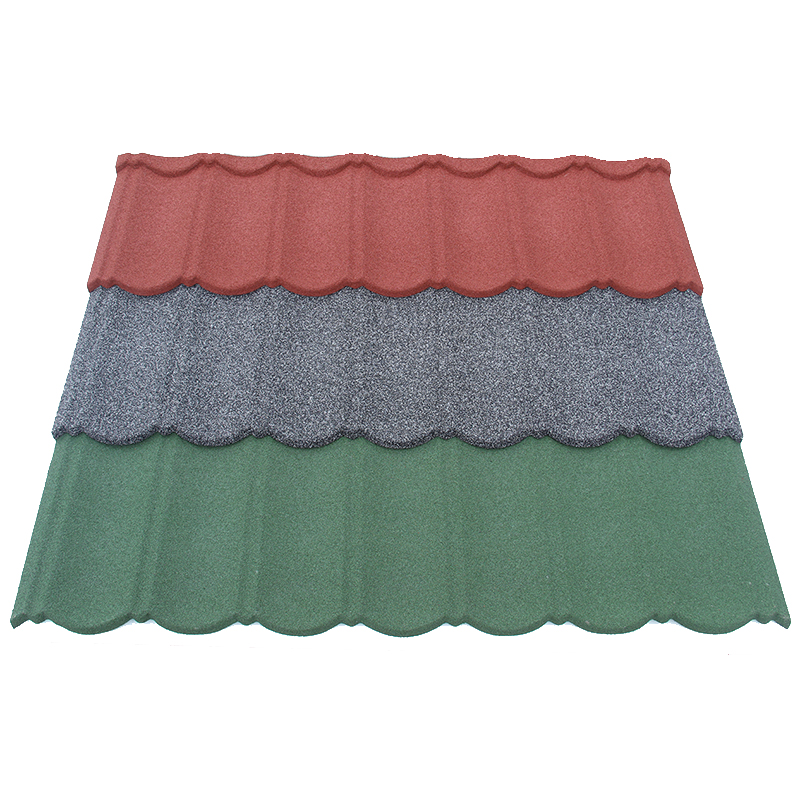
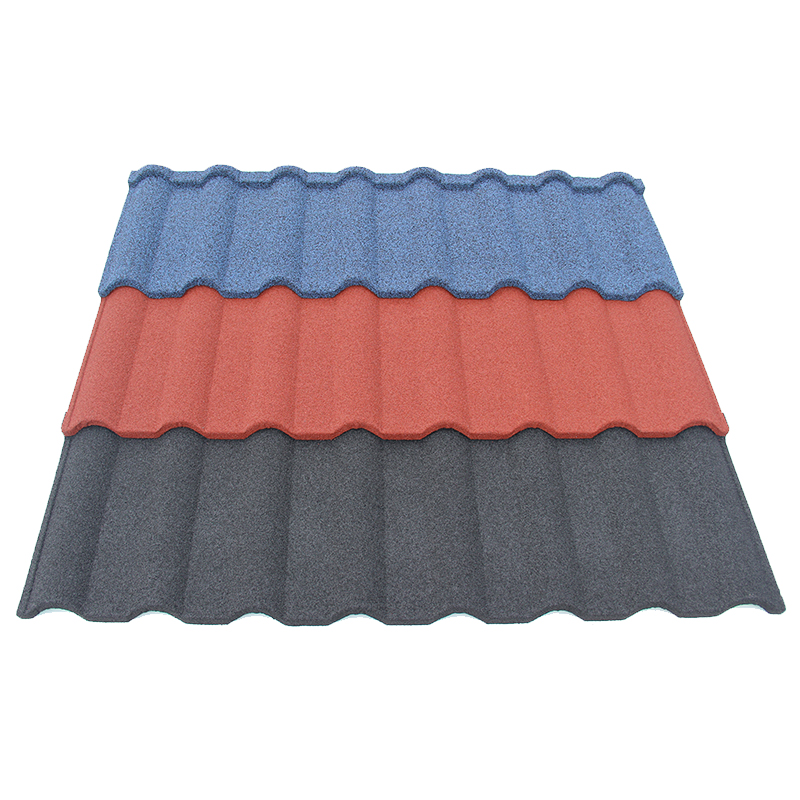
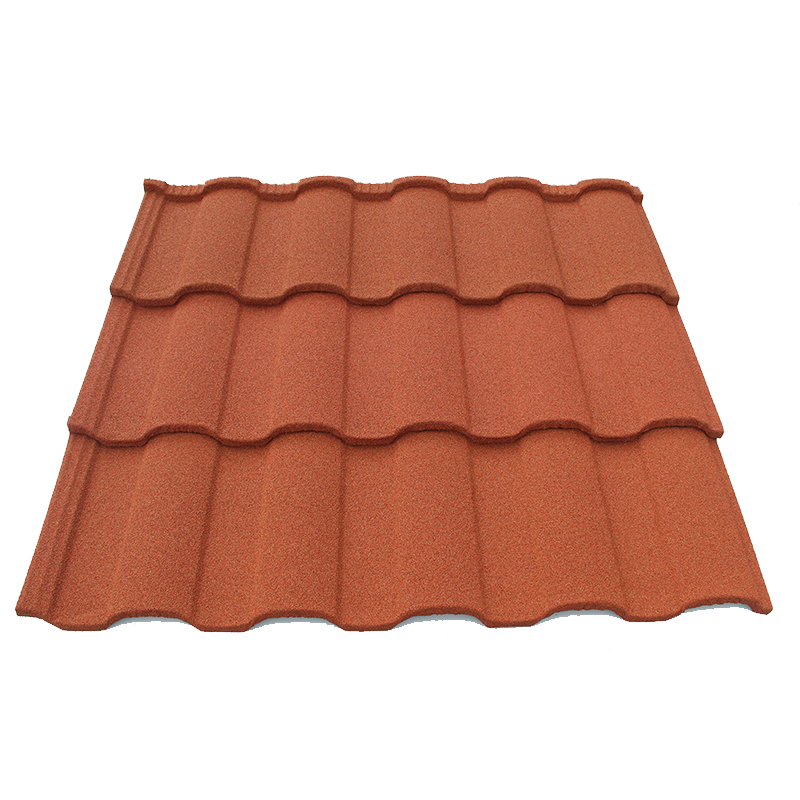
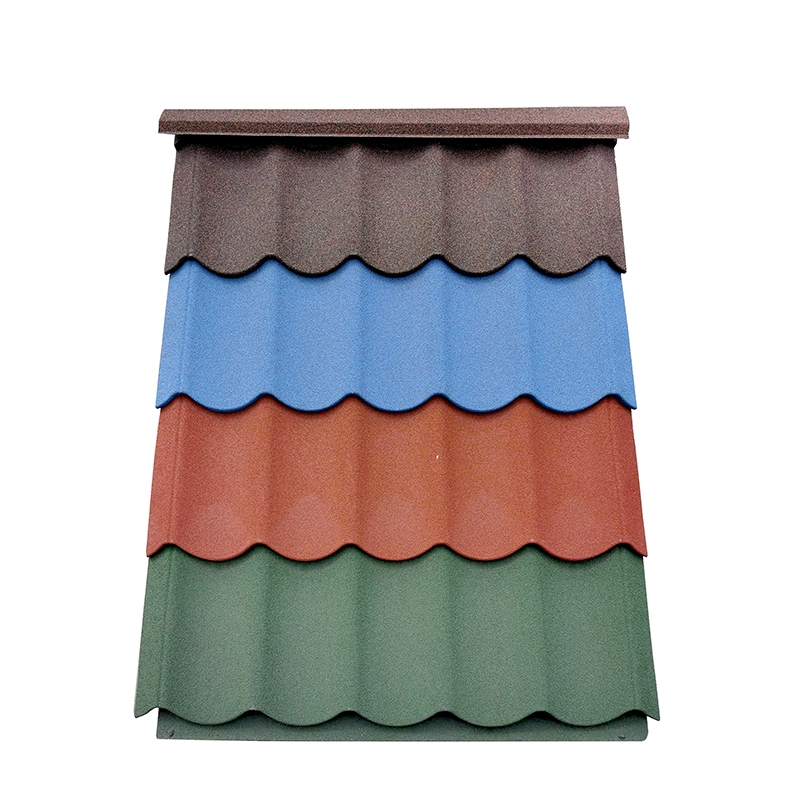
Surface tension is a silent threat in moderate-slope roofing applications. When comparing the Wood Shake vs. Shingle profile, we must investigate how moisture behaves at the horizontal laps. Specifically, the deep-curve geometry of a bond tile provides a natural drainage advantage that flat shingle designs often lack. Capillary action can pull water upward through narrow gaps if the interlock is not sufficiently elevated. Therefore, professional-grade metal shakes incorporate a “weather-stop” lip at the nose. This mechanical barrier prevents wind-driven rain from bypassing the secondary underlayment, ensuring the sub-structure remains dry for decades.
Sleek Aerodynamics: The shingle tile Speed Advantage
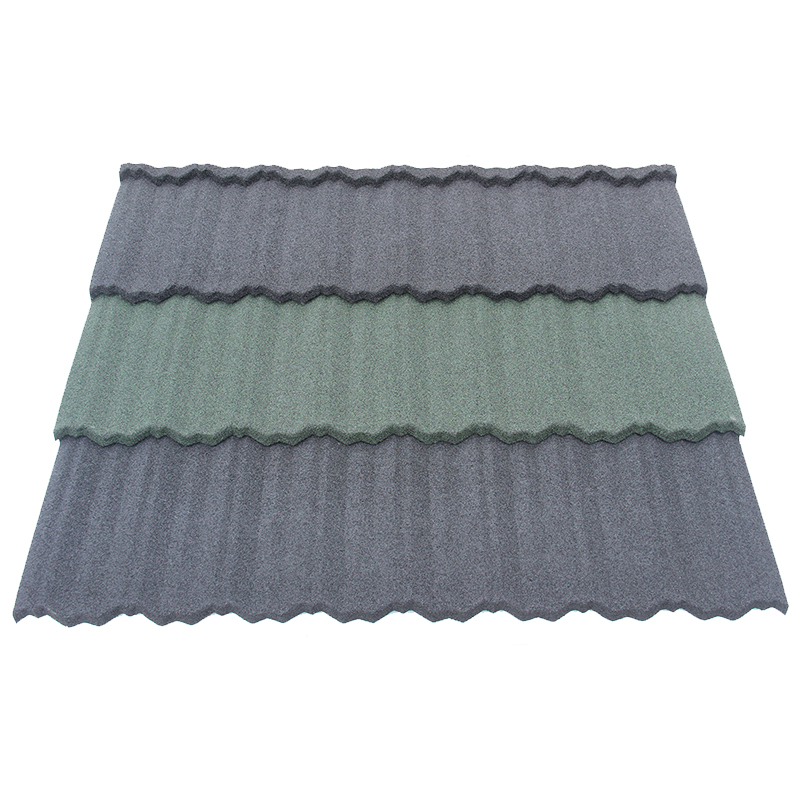
In contrast to the rugged shake, the flat design focuses on rapid fluid evacuation. A core finding in the Wood Shake vs. Shingle profile debate is that smoother surfaces facilitate a higher terminal velocity for runoff. For a minimalist shingle tile, this means that even during torrential downpours, water is moved off the roof deck almost instantly. Consequently, the static load on the building’s structural skeleton is significantly reduced. Furthermore, the low-profile design minimizes wind-resistance. Thus, the system is less prone to the “vacuum effect” that often triggers localized panel blow-off in hurricane-force conditions.
Installation Precision and the milano tile Interlock
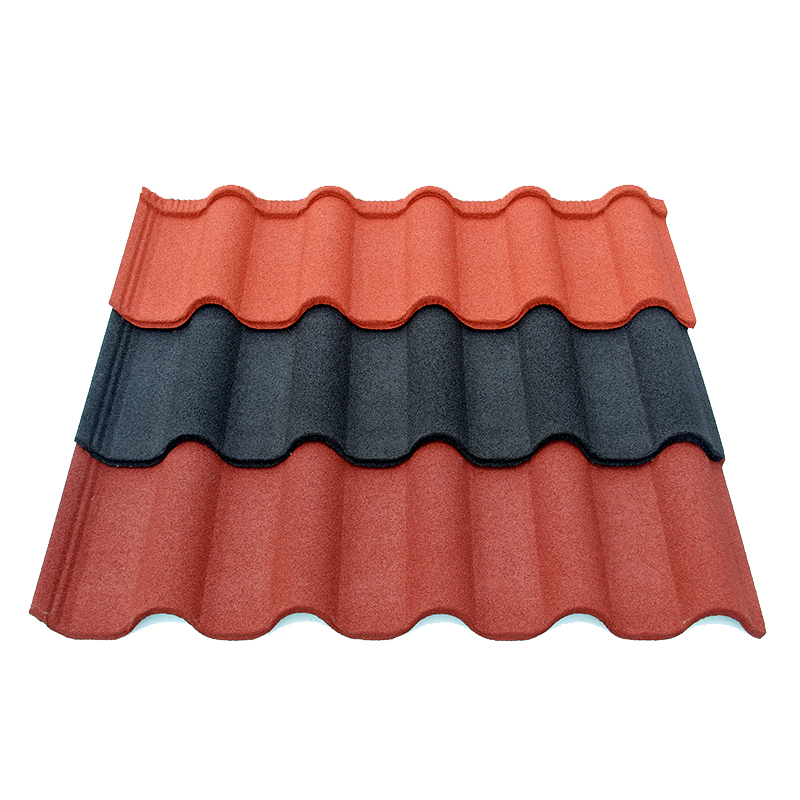
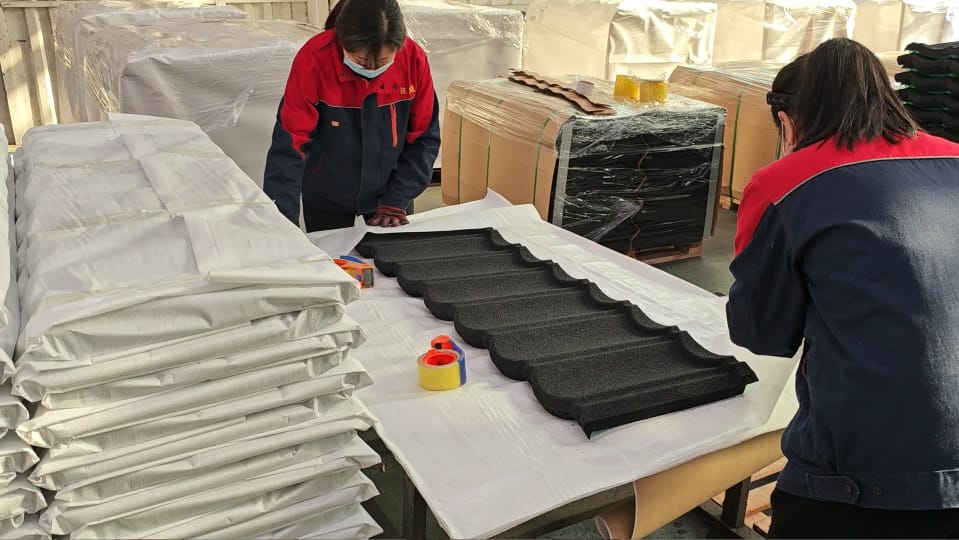
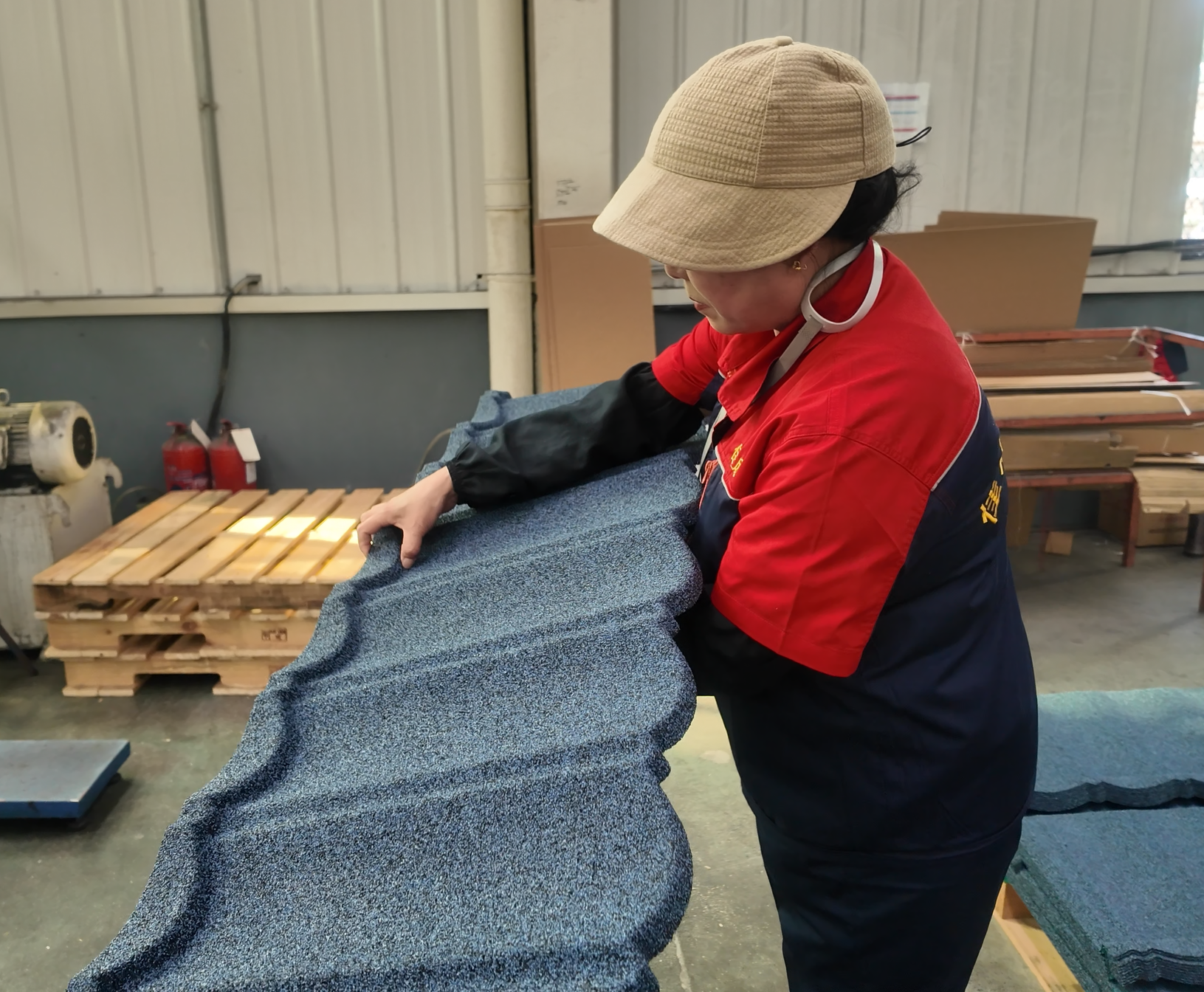
Geometric accuracy is the most critical variable for success in rainy environments. Regardless of the Wood Shake vs. Shingle profile choice, the interlocking joints must achieve a monolithic seal. For example, the sophisticated curves of a milano tile require a precision-verified batten grid to function correctly. If the center-to-center measurements are off by even 5mm, the interlock fails to engage. Therefore, the “click” heard during installation is the sound of an engineered waterproof shield being activated. This mechanical consistency is what distinguishes JCROOF technical standards from budget-tier imitations that rely on heavy sealants to hide structural gaps.
Metallurgical Endurance: Preventing Edge-Creep in Wet Climates
Constant exposure to heavy rain accelerates the corrosion of inferior substrates. When wholesalers evaluate the Wood Shake vs. Shingle profile, they must focus on the Aluzinc AZ150 core. This 55% Aluminum-Zinc alloy provides a superior self-healing boundary that neutralizes oxidation at cut edges. Because rain persists in the crevices of a shake profile longer than on a flat shingle, this metallurgical shielding is non-negotiable. Laboratory salt-spray tests indicate that engineering-grade tiles survive 1,000 hours of immersion without localized rust. As a result, the building maintains its architectural prestige even in maritime zones with persistent high humidity.
Comparative Matrix: Rain Handling vs. Profile Geometry
Strategic procurement managers use lifecycle data to justify the investment in premium building materials. Use the following technical matrix to guide your recommendations for the Wood Shake vs. Shingle profile based on regional rainfall patterns and wind-load requirements.
| Performance Metric | Textured Wood Shake Profile | Sleek Shingle Profile |
|---|---|---|
| Drainage Velocity | Moderate (Shatters drops). | High (Rapid evacuation). |
| Capillary Risk | Higher (Needs deep grooves). | Lower (Flat overlap). |
| Wind-Uplift Safety | High (Heavy-duty fix). | Extreme (Aerodynamic). |
| Acoustic Damping | Excellent (Textured). | Good (Stone-coated). |
| Service Life | 50+ Years (Steel-core). | 50+ Years (Steel-core). |
Professional FAQ: Site-Level Rain Challenges
Success in architectural project delivery depends on translating technical specs into field performance. Many contractors fail when they ignore the importance of the batten system during the Wood Shake vs. Shingle profile installation. By providing on-site technical audits, you establish your firm as a technical authority. For instance, ensuring the eave battens are slightly elevated prevents the “drooping” effect that compromises drainage. These insights help procurement managers defend high-quality building material choices and ensure a profitable, durable outcome for the property owner during storm seasons.
Can Heavy Rain Cause Stone Shedding Over Time?
Fortunately, the answer is no for high-specification systems with 100% pure acrylic resins. During the comparison of Wood Shake vs. Shingle profile, we find that the resin’s cross-linking density is the primary defense against water erosion. If the adhesive is water-diluted, the constant impact of heavy rain will trigger the “balding” effect. However, JCROOF engineering utilizes high-solid resins that maintain a permanent mechanical lock on the 800°C sintered stone. Consequently, the granules remain intact, and the underlying Aluzinc shield remains protected from UV decay and moisture intrusion.
Final Procurement Action Plan
Maximizing the ROI for projects in rainy regions requires a shift to technical “spec-buying.” Whether you choose the Wood Shake vs. Shingle profile, you must focus on Aluzinc GSM (AZ150), G300 structural ductility, and the sintering benchmarks of the granules. These engineering pillars ensure the roof remains a predictable asset rather than a liability. Partnering with professional manufacturers provides the laboratory data needed to win large-scale government tenders. Contact our technical team today for a project-specific structural audit and a material submittal guide to guarantee site-level success for decades.