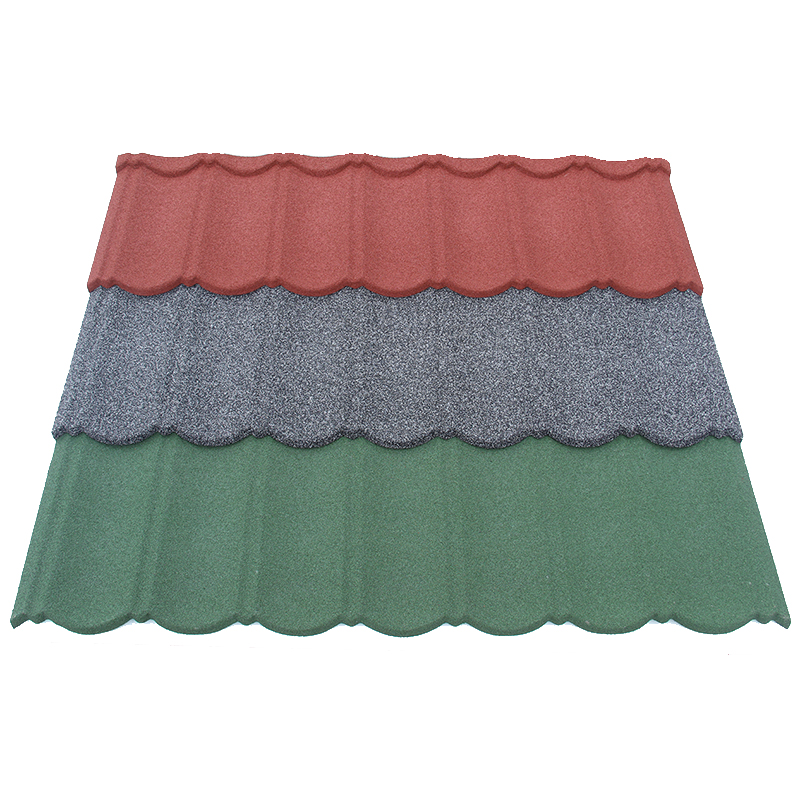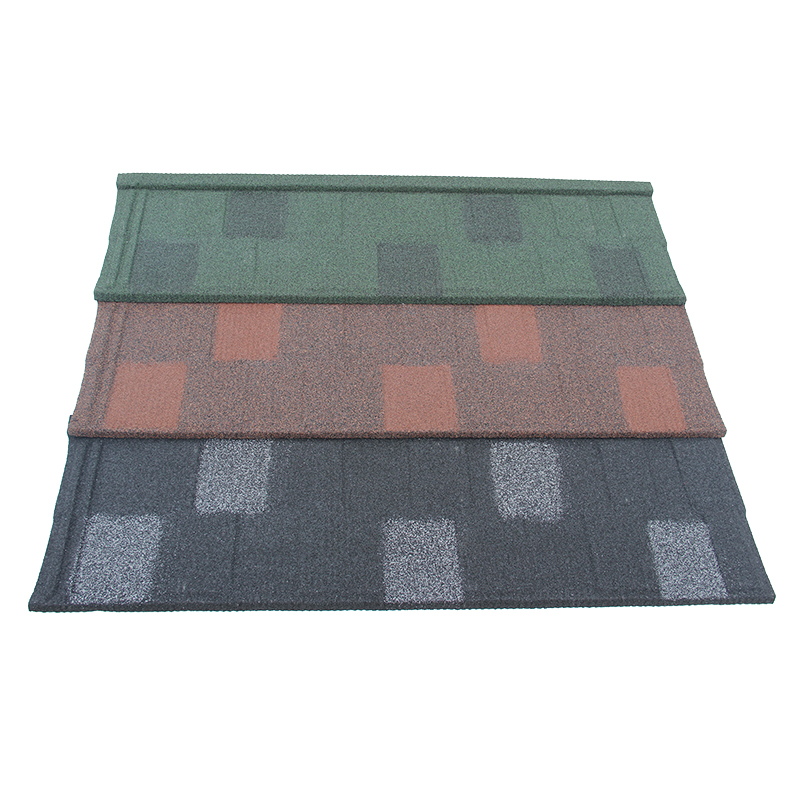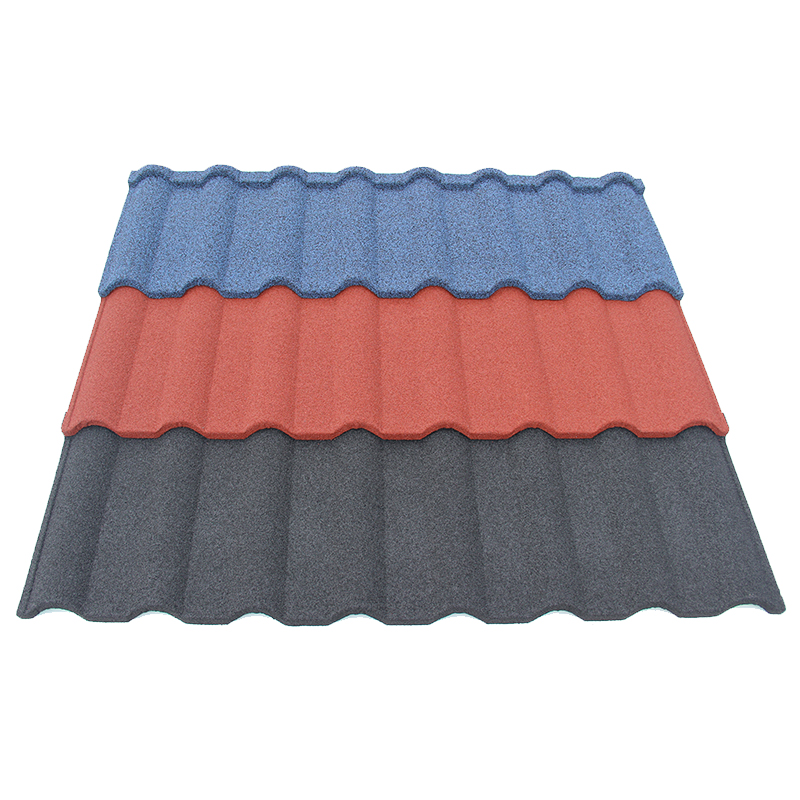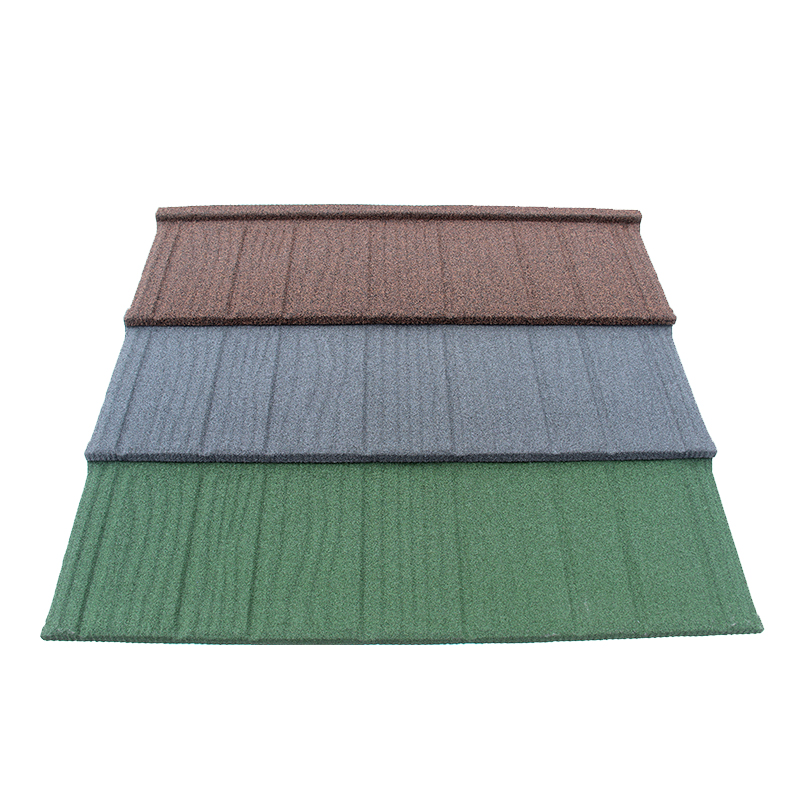


For building material distributors, the ability to recognize high-performance materials is a critical survival skill. Specifically, attempting to identify low-quality stone coated roofing requires a forensic look at the material’s metallurgical and chemical properties. Low-grade products often look identical to premium ones during the first year of exposure. However, they rapidly fail due to substrate oxidation or stone shedding in harsh climates. This technical audit explores the engineering benchmarks needed to distinguish structural-grade systems from cheap retail imitations. Consequently, procurement managers can safeguard their capital and maintain a zero-defect building envelope.
Metallurgical Scrutiny: The Aluzinc AZ150 Benchmark
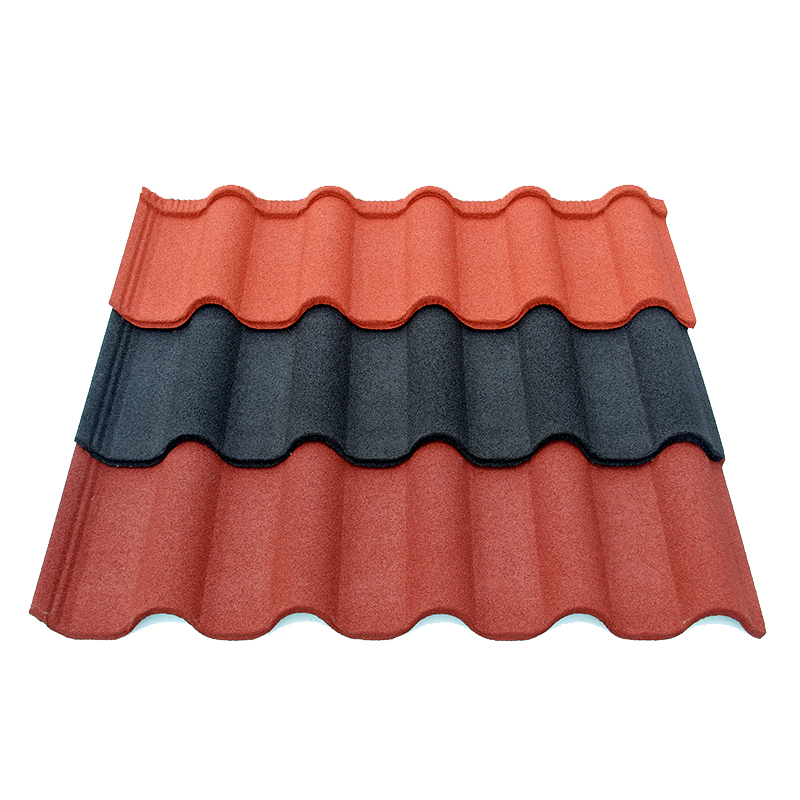
The foundation of a high-performance roof is its anti-corrosive metallic envelope. To effectively identify low-quality stone coated roofing, you must first verify the Aluzinc coating weight. For instance, JCROOF engineering standards mandate an AZ150 shield, which contains 55% Aluminum. This alloy provides a superior self-healing boundary at cut edges. On the contrary, budget-tier products often use AZ40 or standard galvanized steel. As a result, a bond tile made from inferior steel will show creeping red rust within five years of maritime exposure. Therefore, always request a laboratory mill test report to confirm the GSM weight before placing a bulk order.
Stamping Precision and the milano tile Structural Memory
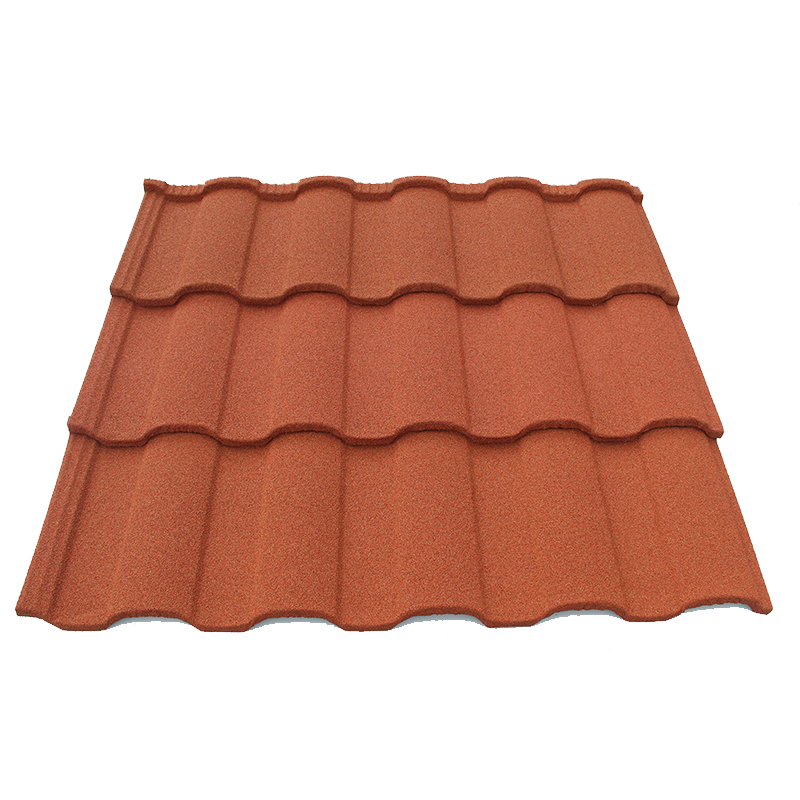
Steel ductility is another vital indicator of long-term quality. When you identify low-quality stone coated roofing, pay close attention to the deep architectural curves. For example, a high-profile milano tile requires G300 structural steel to handle hydraulic stamping without micro-fracturing. Sub-standard manufacturers often use non-structural steel that becomes brittle after the pressing phase. Consequently, invisible fractures allow moisture to bypass the metallic shield. Thus, the roof’s structural diaphragm strength is compromised long before the official warranty period ends.
Chemical Adhesion: The “Coin Scratch” and Resin Audit
The interface between the steel and the stone granules is the most common failure point. One simple way to identify low-quality stone coated roofing is to perform a physical adhesion test. Specifically, premium tiles utilize 100% pure acrylic resins with high cross-linking density. Even on a textured shake tile, the granules should remain permanently locked during extreme diurnal temperature swings. If the stone sheds easily under light pressure, it indicates the use of water-diluted adhesives. Furthermore, these cheap glues soften under solar heat. Consequently, the roof loses its UV protection and architectural hue within a few rain seasons.
Color Stability and the shingle tile Sintering Process
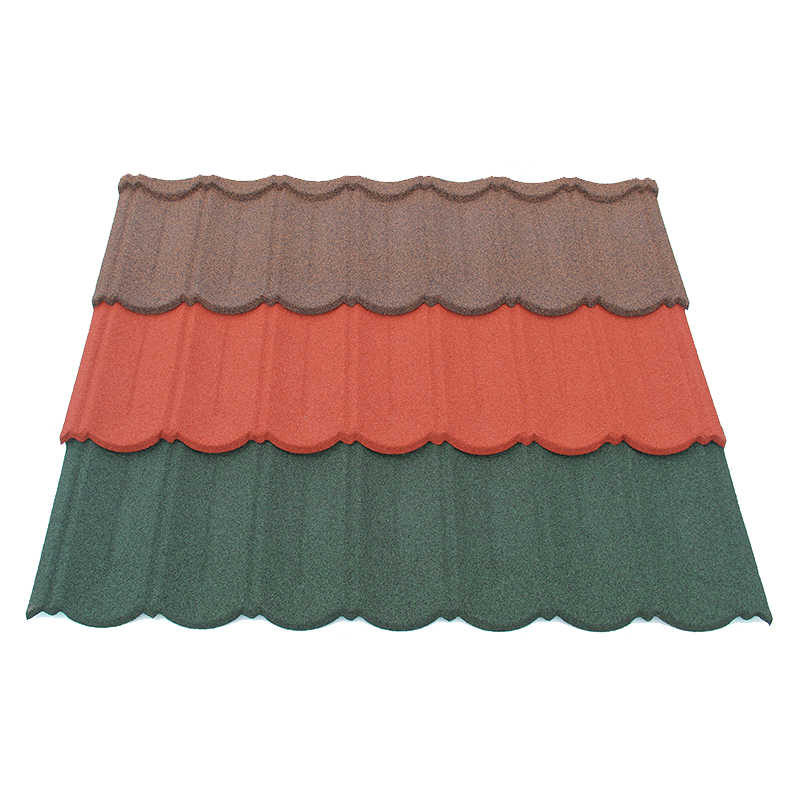
Aesthetic longevity is a primary KPI for residential developments. To identify low-quality stone coated roofing, you must investigate the granule pigmentation process. Professional-grade tiles utilize volcanic rock sintered at temperatures exceeding 800°C. For a sleek shingle tile, this ceramic-glazing process fuses the inorganic pigment into the stone’s crystalline structure. On the other hand。These granules bleed color under intense UV radiation and acid rain. Consequently, the building loses its Curb Appeal, leading to expensive localized repainting costs and owner dissatisfaction.
Comparative Matrix: Quality Indicators vs. Market Risk
Strategic procurement requires benchmarking material science against environmental reality. Use the following matrix to guide your technical recommendations and help you identify low-quality stone coated roofing during the tender process.
| Quality Indicator | Standard Retail Grade | Engineering Grade Protocol |
|---|---|---|
| Aluzinc Weight | AZ40 – AZ60 (High rust risk). | AZ150 (Marine-grade). |
| Stone Treatment | Cold-dyed sand (Fades fast). | 800°C Sintered Rock (UV stable). |
| Steel Thickness | 0.30mm – 0.35mm. | 0.45mm – 0.55mm (G300). |
| Adhesion Resin | Water-based glue (Sheds). | High-solid Pure Acrylic (Locked). |
Professional FAQ: Field Identification Techniques
Success in complex construction depends on translating technical specs into field performance. Many problems attributed to environmental damage are actually symptoms of sub-standard manufacturing. For instance, if you identify low-quality stone coated roofing at the site level, you can prevent catastrophic wind-uplift failures. By providing on-site technical audits, you establish your firm as a technical authority. Furthermore, educating crews on the “nose-fixing” protocol is vital. These insights help procurement managers defend high-quality building material choices to project stakeholders and ensure a durable outcome.
Why Does Back-Side Painting Matter for Quality?
Many wholesalers overlook the importance of the protective layer on the underside of the tile. In high-specification systems, the back-side is coated with a transparent organic film to prevent friction damage during transit. If you identify low-quality stone coated roofing, you will often find exposed steel or thin, uneven paint on the rear. This oversight leads to localized corrosion from the inside out, especially in humid attic environments. Consequently, checking the overall finish quality—including the rear coating—is a reliable way to gauge the factory’s commitment to engineering excellence.
Final Procurement Action Plan
Maximizing your ROI requires a shift from “first-cost” to “lifecycle-cost” evaluation. To effectively identify low-quality stone coated roofing, you must demand verifiable mill test reports and 800°C sintering certificates. These three engineering pillars ensure that your building envelope outlasts the competition. Partnering with professional manufacturers provides the laboratory data needed to win large-scale government tenders. Contact our technical team today for a project-specific structural audit and material submittal guide to guarantee site-level success for decades.