


Matte vs glossy roofing is an appearance comparison, not a reliable ranking of durability or cooling performance. Stone coated steel commonly has a granular, low-sheen look, while painted metal products offer other finishes. Compare the exact surface system, color, material and product evidence before choosing a roof for a project or distribution range.
Separate Surface Texture, Gloss and Solar Performance
First, define what the buyer means by matte or glossy. A surface can have visible texture, a particular sheen and a measured solar performance; these describe different properties. A visual sample is useful for appearance approval, but it cannot establish every technical characteristic of the finished roof.
What gloss describes
Gloss describes how a surface appears to reflect light under a specified viewing or measurement condition. It is not the same as total solar reflectance. A glossy-looking material does not automatically keep a building cooler, and a low-sheen surface is not automatically a poor solar performer.
The CRRC rated roof products directory provides product and color-specific radiative data. A directory entry does not by itself establish compliance with every code or a particular building’s energy saving. Use the relevant values and applicable design requirements when heat performance affects the decision.
What texture describes
Texture describes the physical appearance of the surface. Granules create a different visual effect from a smooth painted sheet. Neither a photograph nor a category label establishes adhesion, corrosion resistance or service life. Request the actual material and finish information for the product under consideration.
Judge the Installed Appearance With Real Samples
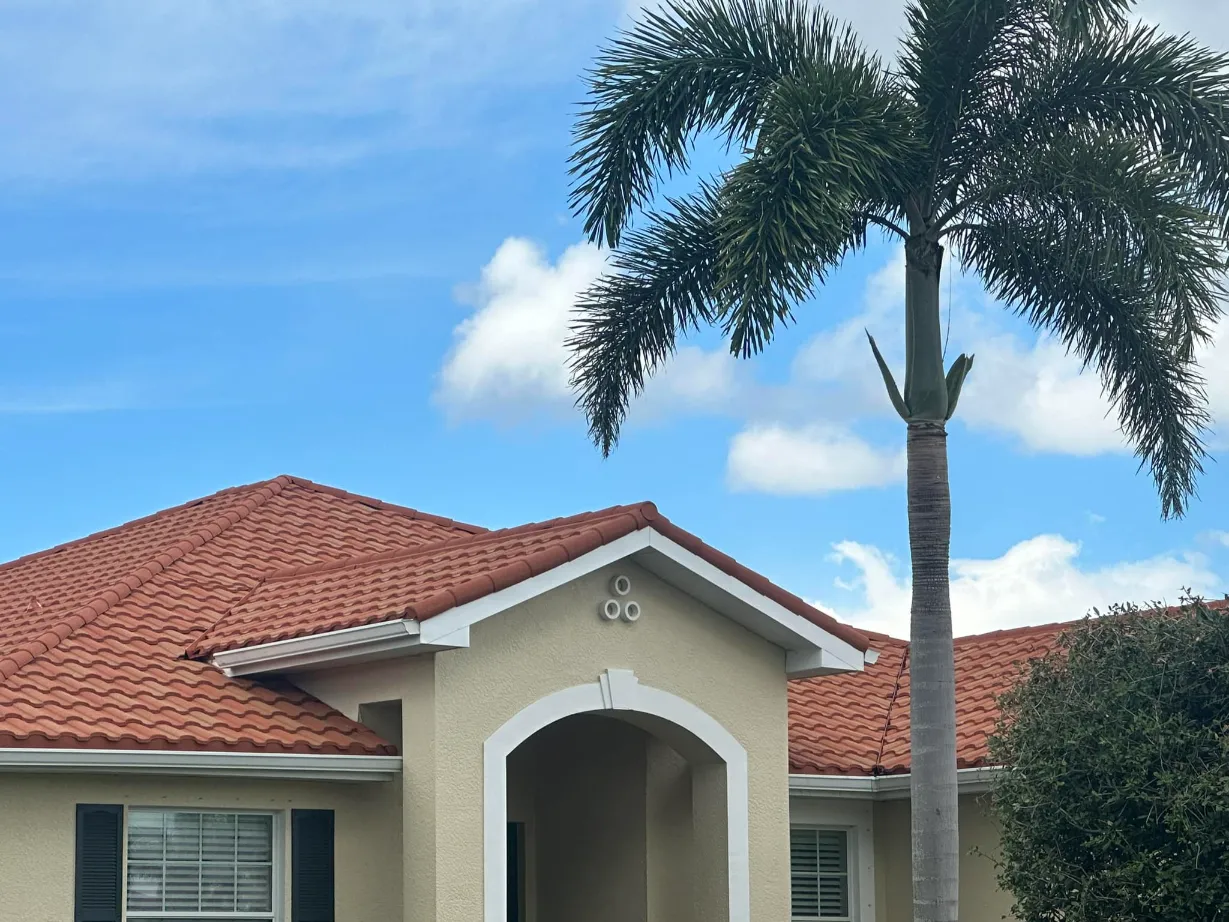
Next, view a representative sample outdoors. Angle, sunlight, color and the surrounding walls can affect perceived shine. A small flat color chip may not represent a formed roof at its installed pitch. Ask the owner or architect to approve the complete appearance rather than a finish name alone.
Match the profile and finish together
Compare Bond Tile for a curved repeated pattern and Shingle Tile for a lower-profile segmented appearance. These product links illustrate the publisher’s range; they do not rank finish performance. Confirm the available color and surface system for each actual quotation.
For a contoured tile look, review Milano Tile rather than assuming the name refers to a flat panel. The roofing type guide explains why profile names require a manufacturer reference. Similar marketing names can describe different shapes.
Use an appearance approval record
- Identify the product, profile and actual color reference.
- Record the sample source and date.
- View the finish in outdoor light and at a representative angle.
- Include visible accessories in the approval.
- Record the accepted sample before production begins.
Compare Maintenance Without Universal Finish Claims
Furthermore, dirt visibility and cleaning needs depend on the specific surface, color, local conditions and viewing distance. Avoid promising that matte always hides dirt or that glossy always cleans more easily. Ask the manufacturer for the approved care instructions and review them against the intended site.
| Buyer question | Evidence or reference | Do not assume |
|---|---|---|
| Will the owner accept the appearance? | Approved physical sample and installed reference | A finish label guarantees the desired look |
| How should the roof be cleaned? | Product-specific care instructions | Every granular or painted roof uses the same method |
| How will it respond to exposure? | Relevant finish and material documents | Shine proves durability |
| Will it reduce heat gain? | Product/color data and building assessment | Gloss alone establishes cooling performance |
| Can it match an existing roof? | Actual sample and compatibility review | The same color name guarantees a match |
Set realistic appearance expectations
Record the initial roof appearance and explain the approved maintenance route to the owner. Lighting, deposits, repairs or differing exposure can change how a surface looks. An appearance concern needs observation and assessment before the owner concludes that a finish has failed.
The granule-loss and appearance guide separates loose particles, surface damage and visual changes. A granular finish still needs appropriate care. Do not treat an inorganic surface as a guarantee that dirt or biological growth can never occur.
Keep Coating Quality and Warranty Separate From Shine
However, a finish choice also needs material and commercial checks. Request the steel and coating specification, the relevant finish documents and the applicable warranty. Assess the claimed product rather than assigning every matte roof to a premium category and every glossy roof to a lower-quality category.
Check the actual product system
Ask whether the quotation describes stone coated steel, painted steel or another material. Identify the coating and surface layers that the supplier actually offers. A general phrase such as “ceramic finish” does not establish the whole composition or the scope of any test report.
- Request current technical information for the chosen finish.
- Check what any cited test or approval identifies.
- Obtain the applicable warranty and appearance exclusions.
- Record cleaning and repair requirements before acceptance.
Plan any future color change separately
Do not assume the owner can paint the installed finish with an ordinary metal paint later. Ask the roof and coating suppliers about compatibility and warranty effects. The roof repainting guide explains why cleaning, repair and recoating are different decisions.
If a distributor stocks several finishes, keep the product and care documents distinct. Staff should be able to identify which surface belongs to each quotation. Do not transfer a maintenance instruction or a warranty promise from one product because the color looks similar.
Questions About Matte and Glossy Roof Finishes
Finally, choose the appearance that the project accepts after checking the actual product requirements. There is no universal finish winner for every building and climate.
Is matte always more durable than glossy?
No. Compare the actual material, finish system, exposure conditions and supporting evidence. A surface appearance alone cannot rank corrosion resistance, adhesion or expected life.
Does glossy roofing reflect more heat?
Visible shine and solar performance are different properties. Request the relevant product and color data and assess the whole building design rather than inferring a cooling saving from appearance.
Can a stone coated roof have a different level of sheen?
Ask the supplier to identify the offered finish and provide a physical sample. Do not assume every manufacturer uses an identical binder, top layer or surface appearance.
How do I approve a matching replacement color?
Use an actual sample and compare it with the existing roof in appropriate light. Confirm profile and accessory compatibility separately. A matching marketing color name alone cannot guarantee an exact visual match.
Make the order description unambiguous
Put the accepted product, profile, color and finish reference on the purchase order. Attach the sample record and relevant technical sheet. If the supplier changes a formulation or proposes another surface system, require a written revision and fresh approval before production.
At delivery, retain the material and packing records with the order. If appearance differs from the agreed reference, follow the inspection procedure before installation changes the evidence. Record the concern with comparable photographs and request supplier review rather than attempting to alter the finish yourself.
Review glare at the actual viewing locations
An appearance brief may need to consider neighbors, adjacent windows or a visible public frontage. Ask the designer how the proposed sample should be assessed at those locations. A small indoor display can conceal the effect of a large roof in direct sunlight. Keep the approved viewing conditions with the color reference if glare is an important decision factor.
Do not use a general glossy or matte label as the entire specification. Ask whether the supplier has a defined surface description or relevant measurement for the actual finish. The owner can still choose by appearance, but the purchase order should identify the accepted product rather than an undefined adjective that different suppliers interpret differently.
Handle substitutions without losing the appearance decision
A supplier may propose another color or finish when production or stock changes. Ask for a physical reference and a clear explanation of what differs. Keep a technical review separate from the owner’s visual acceptance. The fact that a substitute fits the material requirement does not mean the owner has approved its appearance.
Record the revised product and surface references before releasing production. Tell the installer which sample governs acceptance and how to report a mismatch on delivery. Do not ask the crew to blend visibly different supplies on the roof without the required approval. An issue is easier to review while the delivered material and packing records remain intact.
Distinguish a care promise from a care instruction
Low maintenance is a general description, not a complete procedure. Ask which cleaning products, methods and inspection points the manufacturer actually permits. Keep that information available to the owner and later contractors. The same color can appear on different coating systems that need different treatment.
If an appearance concern develops, document it before changing the surface. Tell the supplier about prior cleaning, repainting or repairs so the assessment has context. Avoid assuming that another layer of coating will restore the original finish or preserve the same warranty; those questions need product-specific review.
JCROOF publishes product information for trade enquiries. Request the documents for the exact roof system and destination before approving an order.
Compare the stone coated metal roofing range and include the selected profile, project location and quantity in your enquiry.












