
Stone coated roofing sheets have become a preferred choice in many international markets due to their balance of durability, aesthetics, and long-term cost efficiency. For B2B buyers, contractors, and distributors, understanding the different types available is not just about appearance—it directly impacts project suitability, installation efficiency, inventory planning, and long-term customer satisfaction. This guide breaks down the major types of stone coated roofing sheets from a practical industry perspective, helping you make informed procurement decisions.
What Are Stone Coated Roofing Sheets and How Do They Work?
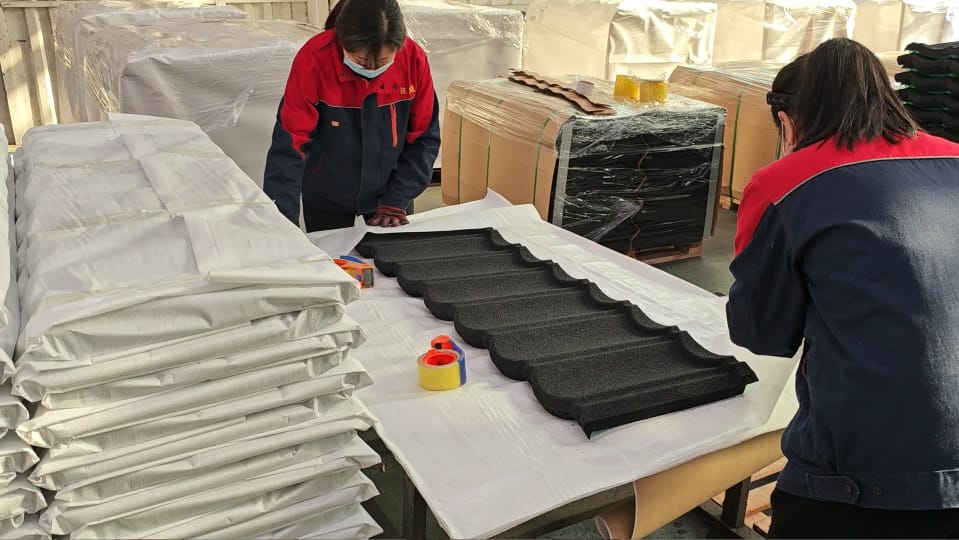
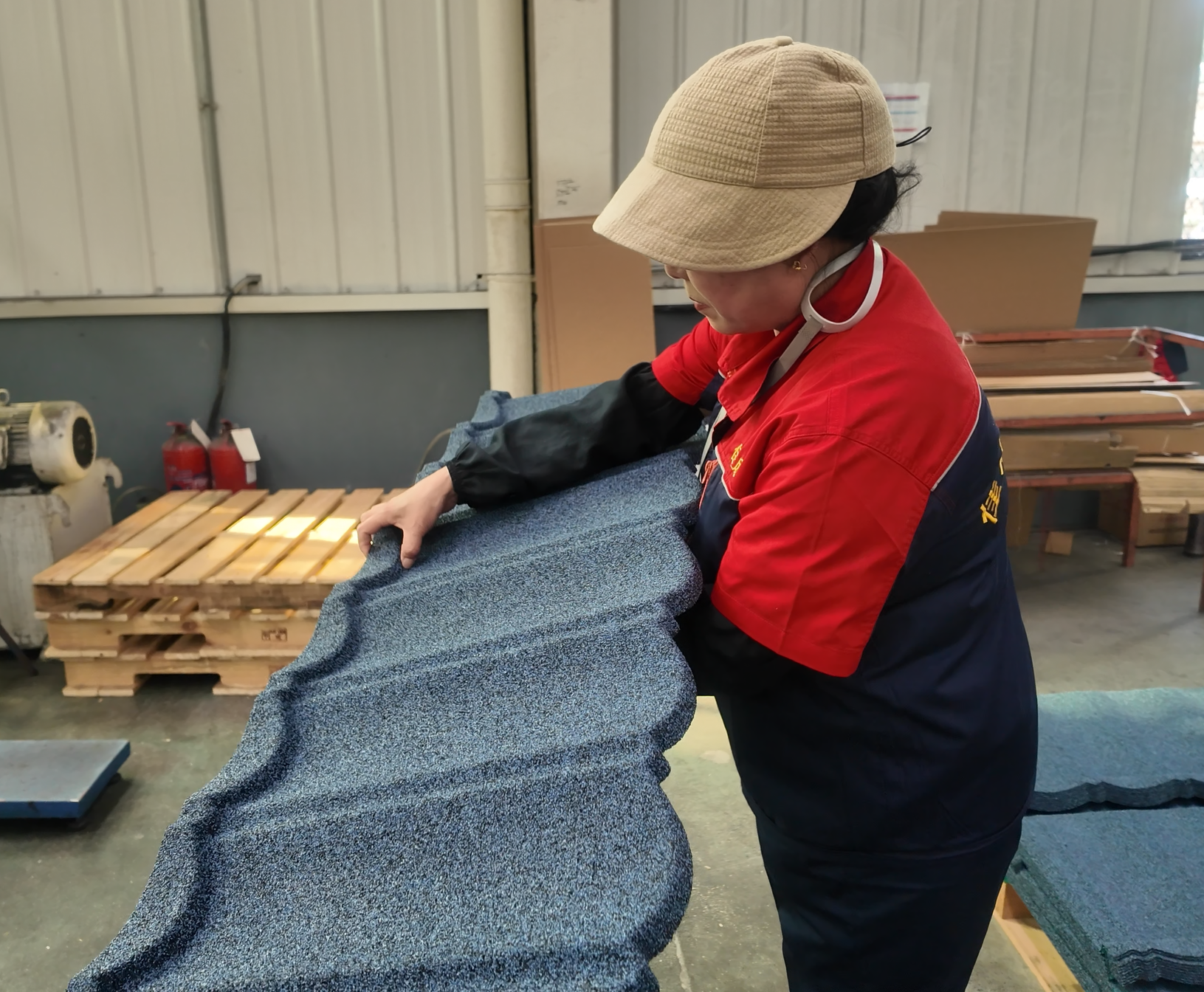
Stone coated roofing sheets are steel-based roofing products designed to combine the structural strength of metal with the visual appeal of traditional roofing materials. At their core, these sheets are made from galvanized or Galvalume steel, coated with an acrylic layer, and finished with natural stone granules. This layered structure is engineered to provide corrosion resistance, UV protection, and enhanced durability in various climates.
From a performance standpoint, the stone granules are not just decorative. They play a functional role in reducing noise, improving heat reflection, and increasing resistance to weathering. Compared to traditional roofing systems such as clay tiles or asphalt shingles, stone coated systems offer a significantly lighter weight, making them suitable for both new construction and renovation projects.
Core Material Structure
- Base layer: Galvanized steel or Galvalume steel
- Protective coating: Anti-corrosion layer
- Adhesive layer: Acrylic resin
- Surface layer: Natural stone granules
Why Buyers Prefer Stone Coated Roofing
- Long lifespan (typically 30–50 years)
- Lightweight compared to traditional tiles
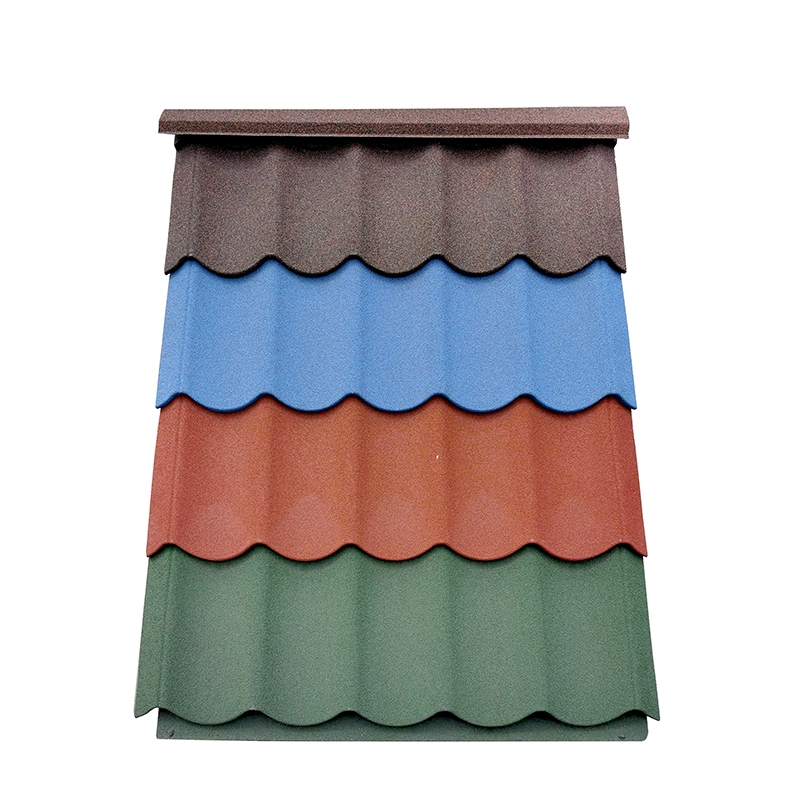
- Wide range of profiles and colors
- Lower transportation and installation costs
Main Types of Stone Coated Roofing Sheets by Profile
In the market, stone coated roofing sheets are primarily categorized based on their profile or shape. Each type is designed to mimic traditional roofing styles while offering modern performance advantages. For distributors and project planners, choosing the right profile depends on regional preferences, architectural style, and installation requirements.
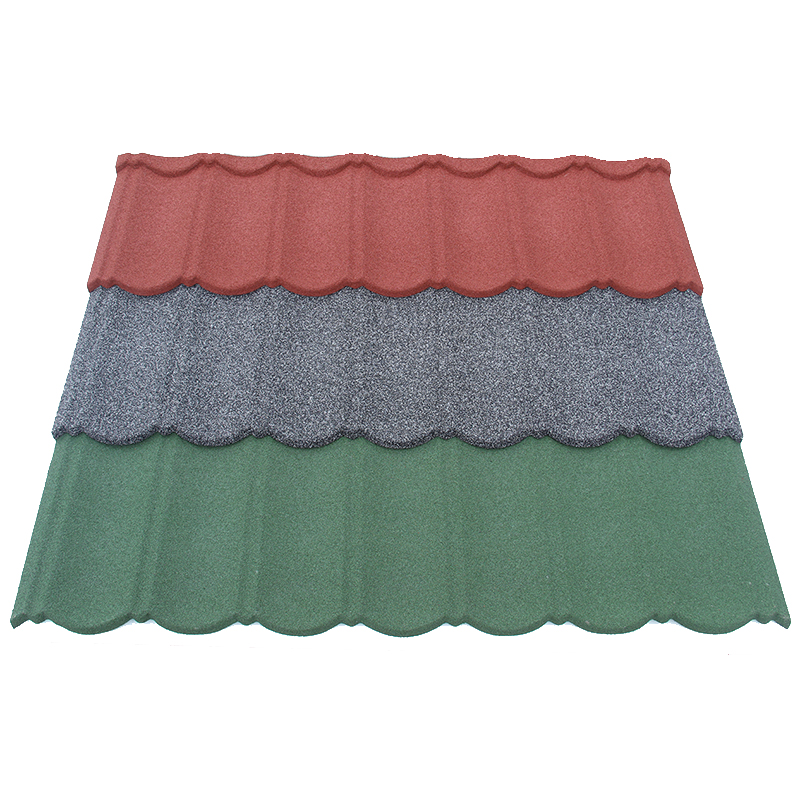
Bond Tile (Classic Tile)
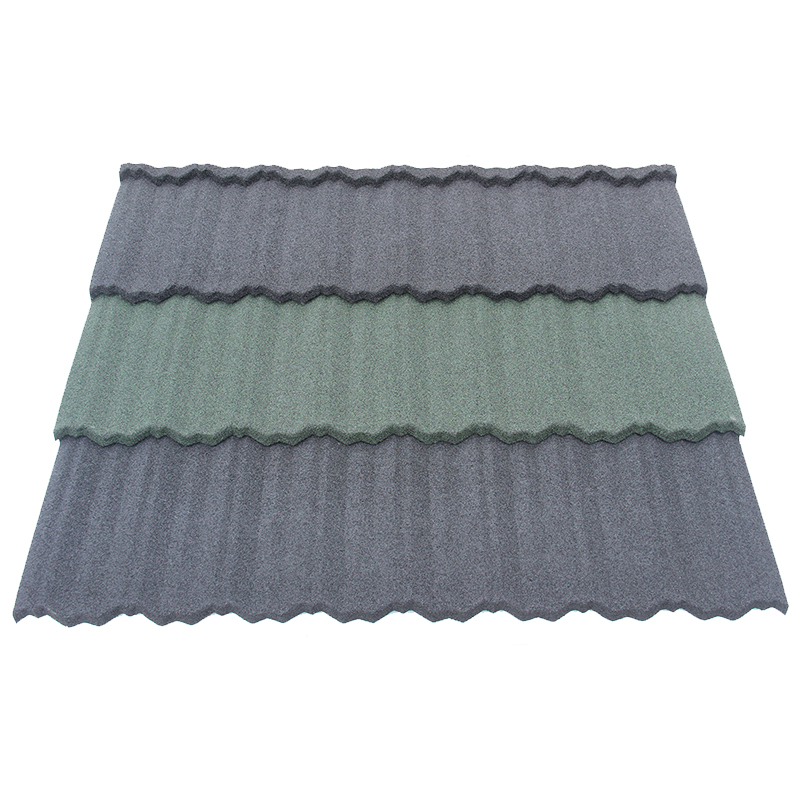
Bond Tile is one of the most widely used profiles globally. It features a wave-like pattern that provides a clean, modern look suitable for residential and commercial buildings. Its uniform design allows for efficient stacking and easier installation, making it a popular choice for large-scale projects.
- Best for: Residential housing, housing developments
- Advantages: Cost-effective, easy installation, strong market demand
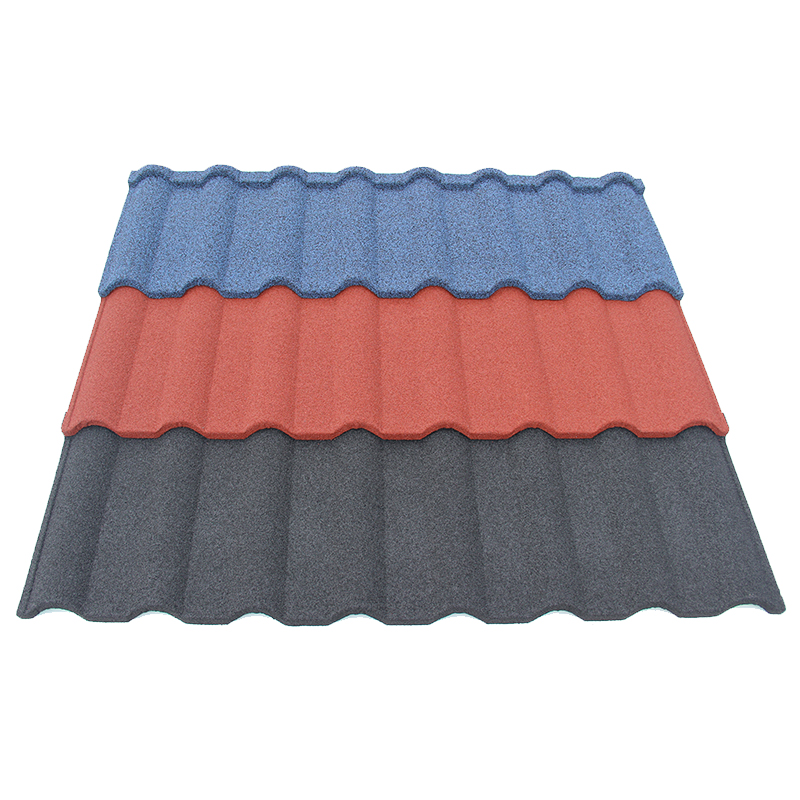
Roman Tile
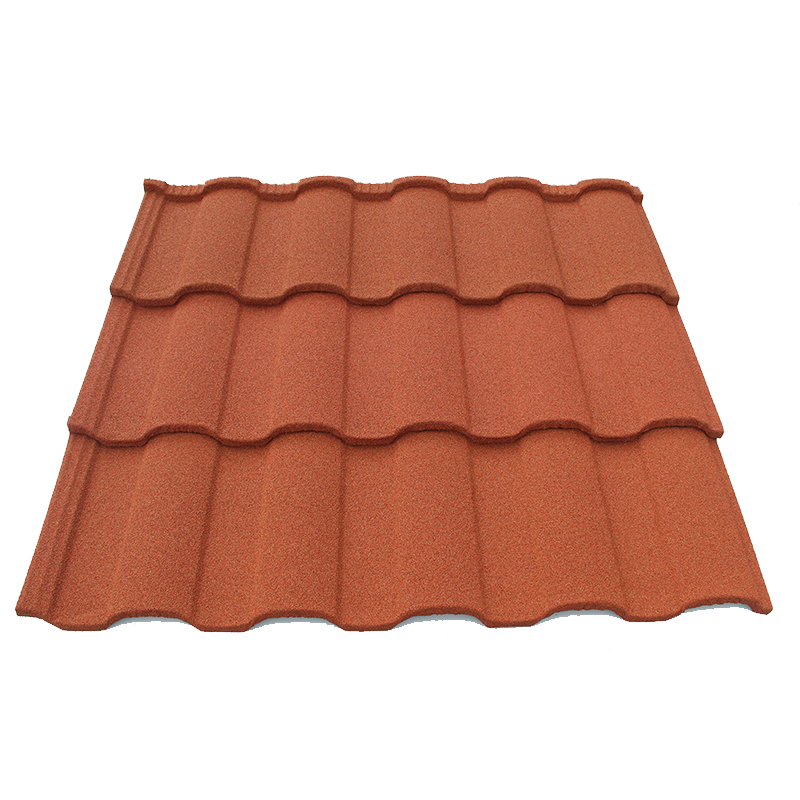
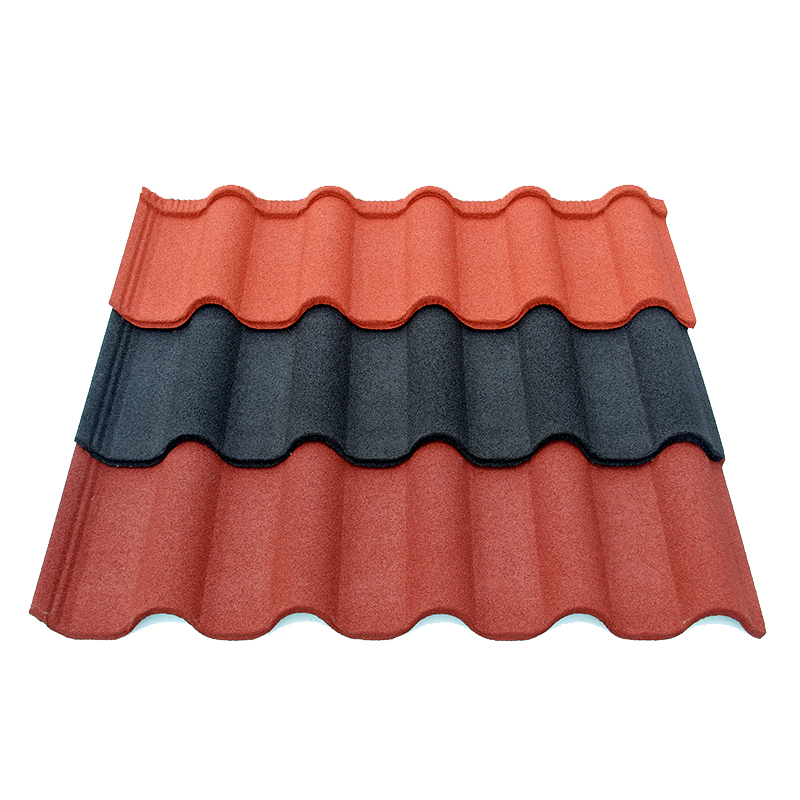
Roman Tile profiles replicate the deep curves of traditional Mediterranean roofing. This type is often used in villas, resorts, and high-end residential projects where aesthetics play a critical role.
- Best for: Luxury projects, villas, resorts
- Advantages: Premium appearance, strong visual impact
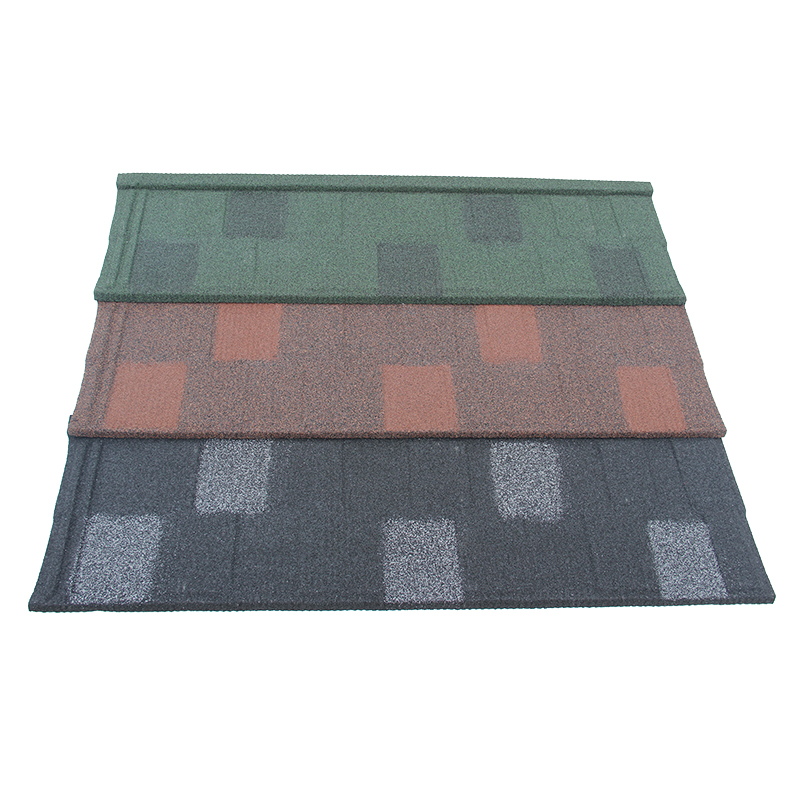
Shingle Tile
Shingle Tile is designed to resemble asphalt shingles while offering superior durability. It provides a flatter, more uniform appearance, making it suitable for markets where asphalt roofing is common.
- Best for: North American-style housing, retrofit projects
- Advantages: Lightweight, familiar look for certain markets
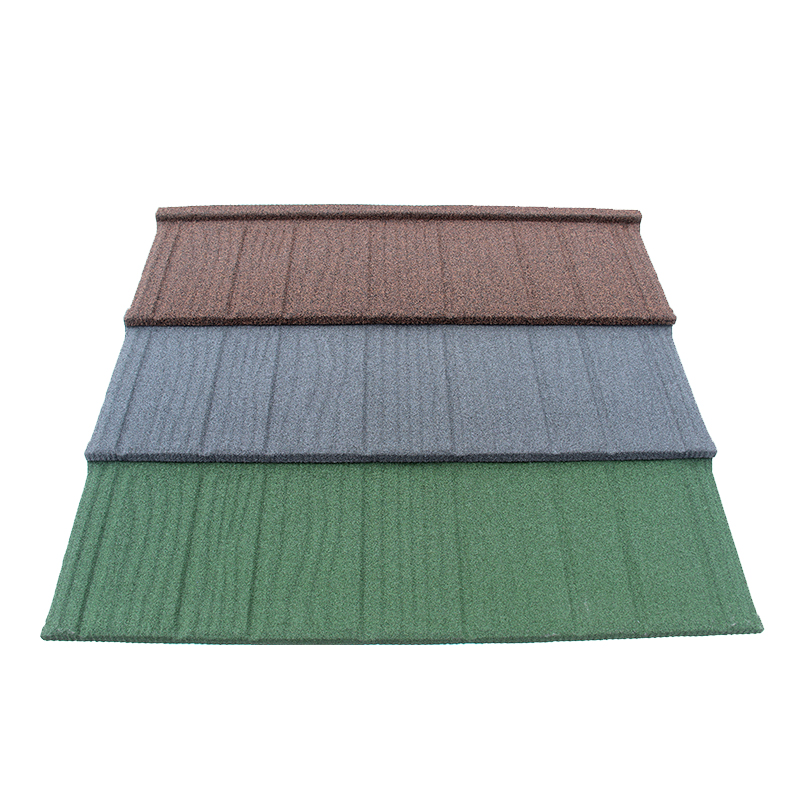
Wood Shake Tile
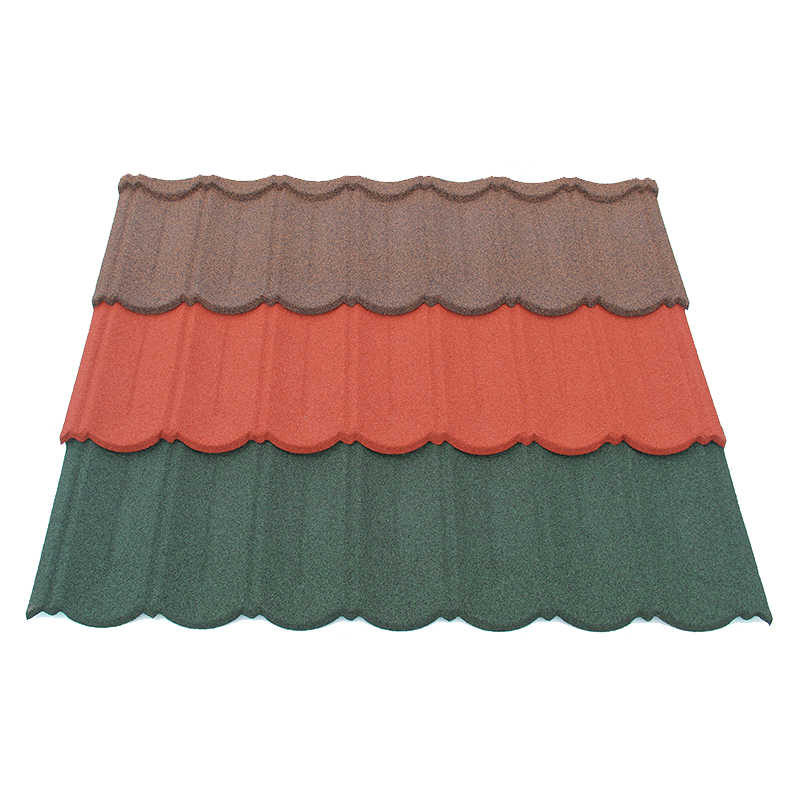
Wood Shake Tile mimics the texture of natural wood shakes but eliminates the maintenance and fire risks associated with real wood. It is particularly popular in regions where wood roofing is traditional but less practical due to climate conditions.
- Best for: Rustic-style architecture
- Advantages: Natural appearance without maintenance issues
Milano Tile (Flat Tile)
Milano Tile offers a more contemporary look with cleaner lines. This profile is increasingly popular in modern architectural projects and urban developments where minimalism is preferred.
- Best for: Modern buildings, commercial projects
- Advantages: Sleek design, fits contemporary trends
Key Factors to Consider When Choosing a Roofing Sheet Type
Choosing the right type of stone coated roofing sheet goes beyond visual preference. For procurement teams and contractors, several technical and logistical factors should be evaluated to ensure the selected product aligns with project requirements and market expectations. Ignoring these factors often leads to mismatched inventory or increased installation costs.
Climate and Environmental Conditions
Coastal regions require higher corrosion resistance, while tropical climates demand better heat reflection and UV stability. Always match product specs to environment.
Installation Efficiency
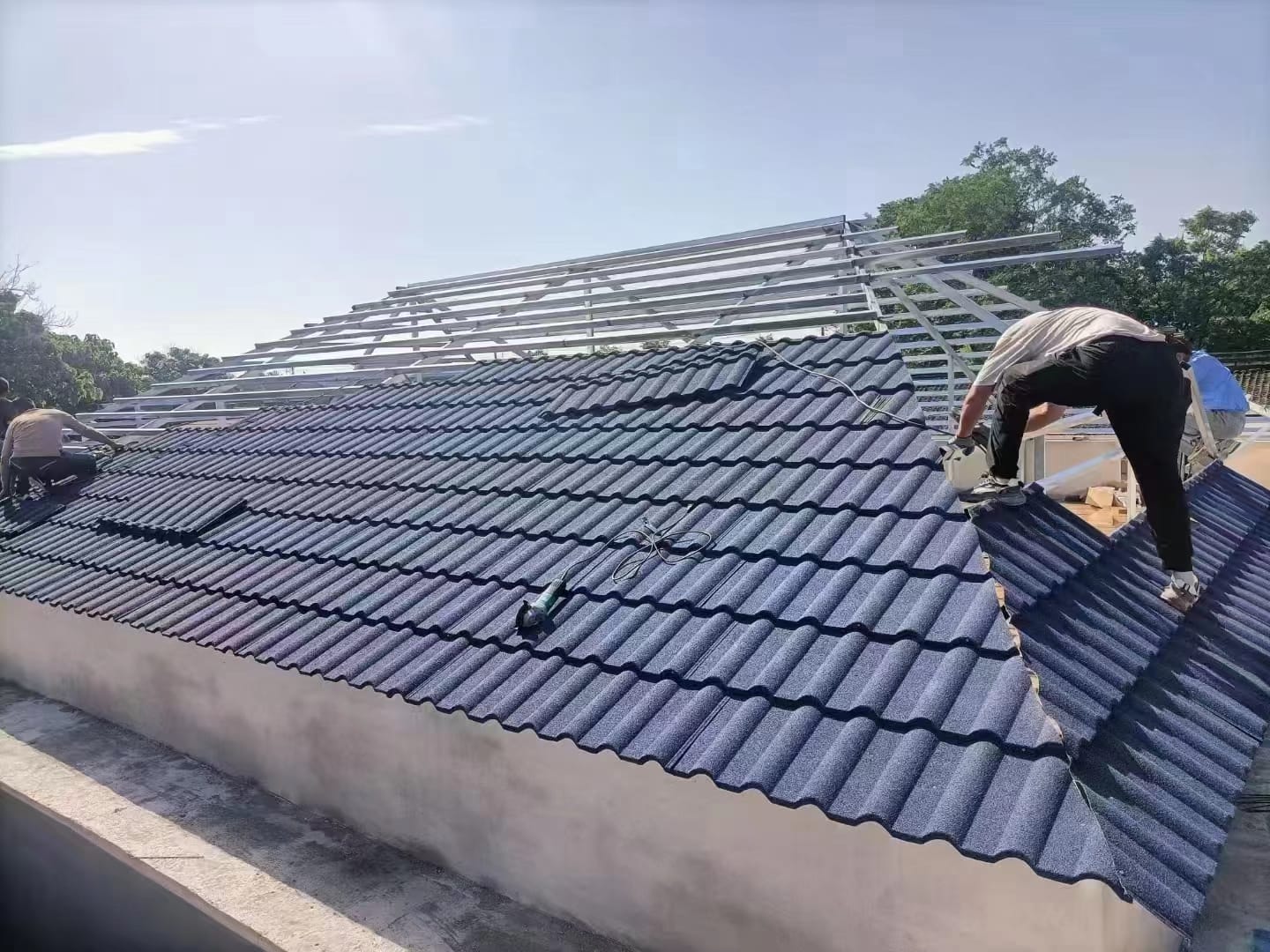
Bond Tile and Shingle Tile are typically faster to install, reducing labor costs—an important factor in large-scale projects.
Transportation and Packaging
Profiles that stack efficiently reduce container costs, which is critical for exporters and distributors working on tight margins.
Market Demand and Customer Preference
Roman Tile tends to perform better in African and Middle Eastern markets, while Shingle Tile is more suitable for North America.
Cost vs Positioning
Balance your product line between volume-driven products like Bond Tile and higher-margin options like Roman Tile.
Comparison Table of Common Stone Coated Roofing Types
| Type | Appearance | Installation Difficulty | Typical Application | Market Position |
|---|---|---|---|---|
| Bond Tile | Wave pattern | Easy | Residential | Mass market |
| Roman Tile | Deep curved | Medium | Villas, resorts | Premium |
| Shingle Tile | Flat | Easy | Housing | Mid-range |
| Wood Shake Tile | Textured | Medium | Rustic buildings | Premium niche |
| Milano Tile | Modern flat | Medium | Commercial | Mid-high |
Common Mistakes Buyers Should Avoid
In real procurement scenarios, mistakes often happen not because of lack of knowledge, but due to misaligned priorities. Many buyers focus too heavily on price or visuals while overlooking installation and long-term performance factors, which ultimately affects profitability.
Choosing Based on Price Alone
Lower-cost sheets often compromise coating quality or steel thickness, leading to higher long-term costs.
Ignoring Market Fit
Stocking the wrong profiles can slow inventory turnover significantly.
Overlooking Installation Complexity
Complex profiles increase labor cost and project risk.
Not Checking Coating Quality
The durability of stone coated roofing heavily depends on adhesive and granule quality.
Practical Sourcing Advice for Distributors and Contractors
From a sourcing perspective, working with a reliable manufacturer is just as important as selecting the right product type. Consistency, customization capability, and stable supply all directly impact your competitiveness in the market.
In practice, many experienced buyers prefer suppliers that offer a full range of profiles such as Bond Tile, Roman Tile, and Shingle Tile. Manufacturers like JCROOF are often referenced in the industry for providing multiple profile options along with OEM/ODM flexibility, which is valuable for distributors building private-label brands.
Recommended Procurement Strategy
- Start with 2–3 high-demand types (e.g., Bond Tile, Roman Tile)
- Test market response before scaling
- Balance inventory between fast-moving and premium products
- Ensure consistent quality across batches
Conclusion: Matching the Right Roofing Type to the Right Market
There is no single best option among stone coated roofing sheets. The key is alignment—between product type, target market, and project requirements. Bond Tile offers efficiency and volume, Roman Tile delivers premium appeal, and Shingle Tile provides familiarity in certain regions.
For buyers, distributors, and contractors, understanding these differences allows for better decision-making, reduced risk, and stronger long-term returns.