
For many homeowners, contractors, and distributors, a realistic concern arises after installation: imagine going with this style roof then needing to replace a few pieces and the company’s gone under or changed styles—what do I do? This is a valid question, especially for long-lifespan roofing systems like stone coated steel, where the roof may last decades but product lines evolve over time.
From a B2B and project lifecycle perspective, planning for replacement and compatibility is just as important as the initial purchase. Understanding your options in advance can prevent costly delays, mismatched repairs, or unnecessary full-roof replacements.
Why Replacement Tile Availability Becomes an Issue
To address the concern imagine going with this style roof then needing to replace a few pieces and the company’s gone under or changed styles, it’s important to understand how the roofing industry operates. Unlike commodity materials, stone coated roofing systems often involve proprietary molds, profiles, and color blends.
Over time, manufacturers may discontinue certain profiles or update designs, which can make exact matching difficult—even if the company is still operating.
This is not unique to roofing; similar challenges exist in flooring, siding, and other long-life building materials.
Main Causes of Replacement Challenges
- Manufacturer exits the market
- Product lines are discontinued or redesigned
- Color batches change over time
- Regional supply limitations
Can You Still Find Matching Tiles?
When facing the situation imagine going with this style roof then needing to replace a few pieces and the company’s gone under or changed styles, the first step is to determine whether matching tiles are still available.
In many cases, partial solutions exist—even if exact matches are no longer produced.
Check With Distributors and Stockists
Local or regional distributors may still have old inventory from discontinued lines.
Contact the Original Manufacturer
If the company still exists, they may offer compatible or replacement options.
Search Secondary Markets
Contractors sometimes source leftover materials from previous projects.
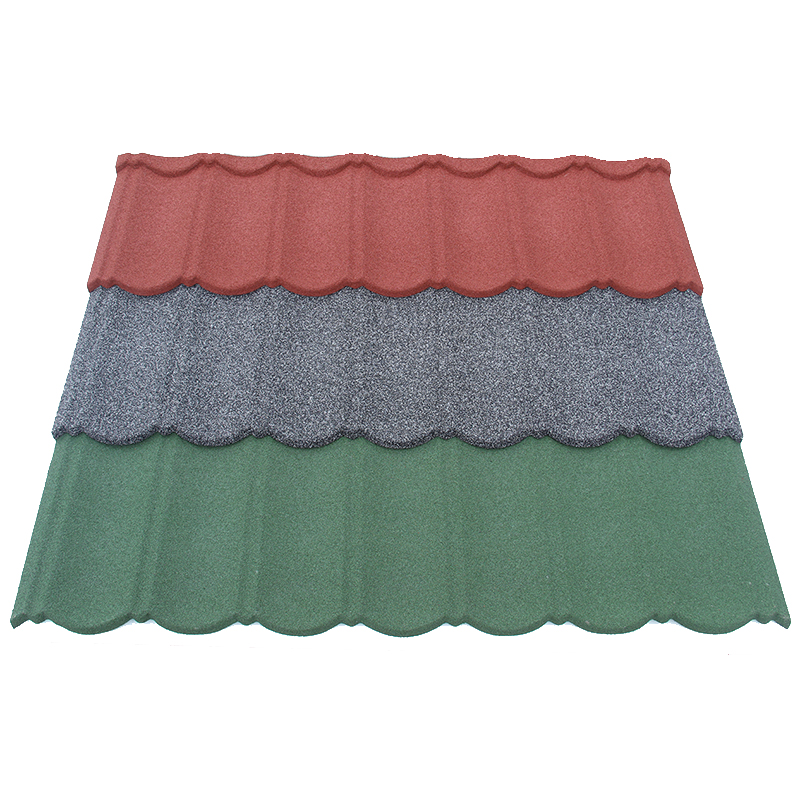
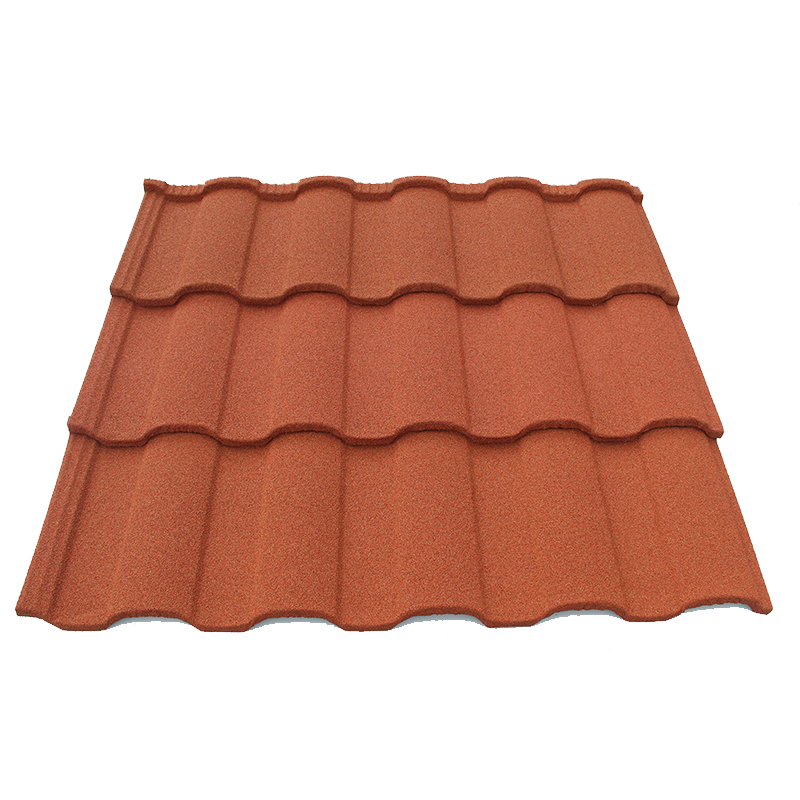
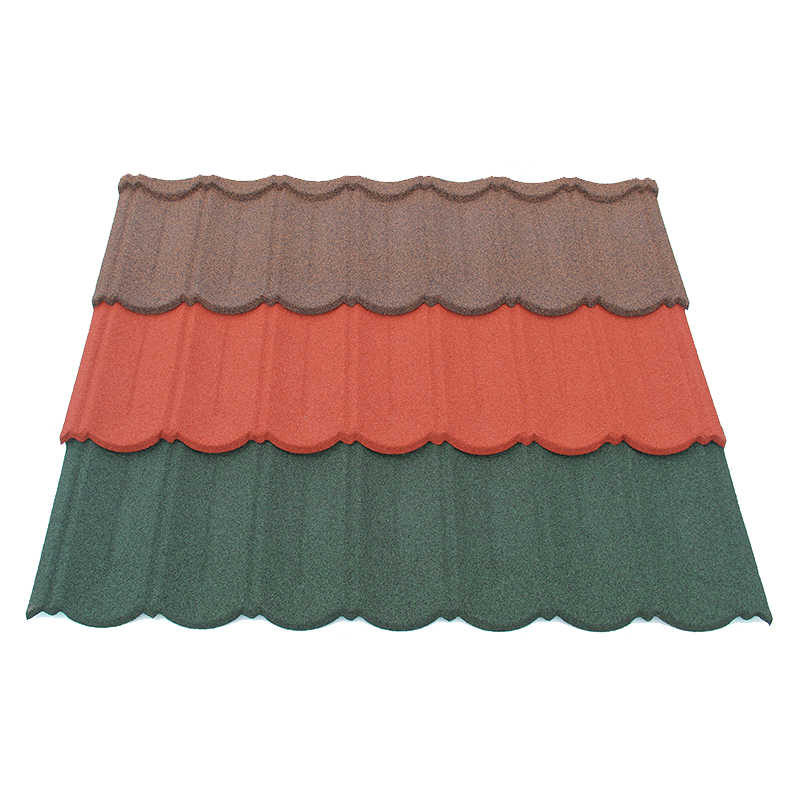
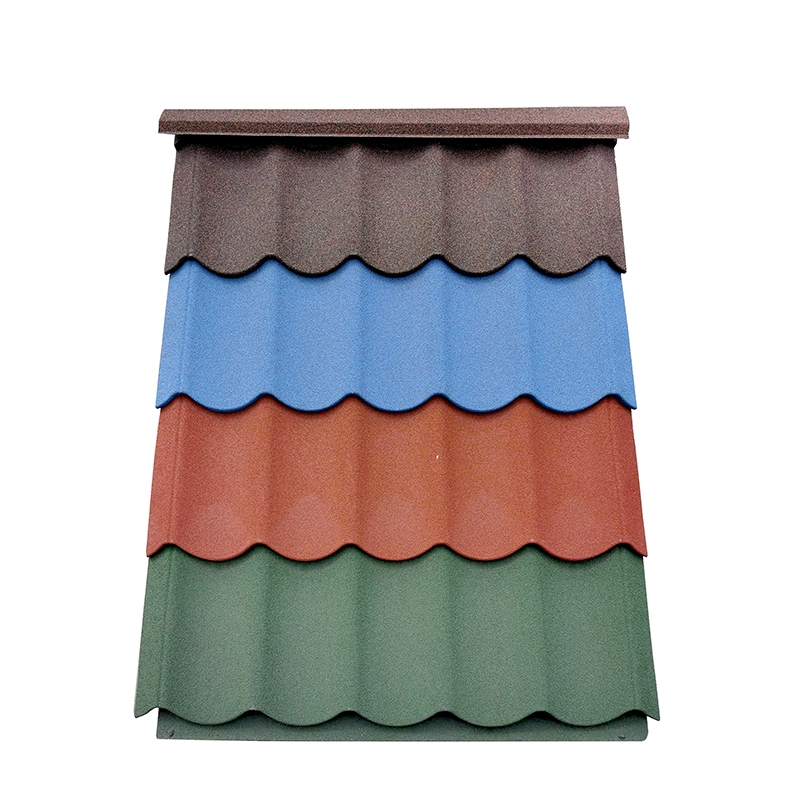
For example, if your roof uses Bond Tile, there is a higher chance of finding compatible alternatives because it is one of the most widely used and standardized profiles globally.
Using Compatible Alternatives Instead of Exact Matches
If exact replacements are unavailable, the next practical approach is to use compatible alternatives. This is often the most realistic solution when dealing with the scenario imagine going with this style roof then needing to replace a few pieces and the company’s gone under or changed styles.
The key is to match structural compatibility first, then address visual differences.
Profile Compatibility Matters Most
Tiles must fit correctly with existing interlocking systems.
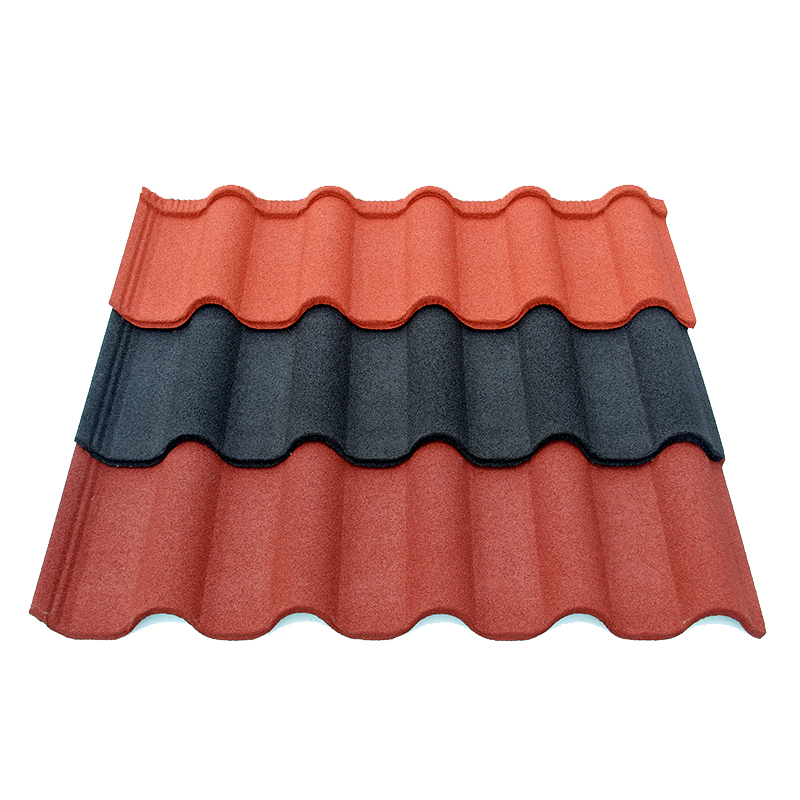
For instance, roofs built with Roman Tile may accept similar deep-profile alternatives, but exact alignment must be verified before installation.
Color Matching Is Secondary
Slight color differences are often unavoidable, especially on older roofs.
Blend Installation Techniques
New tiles can be distributed across the roof to reduce visible contrast.
Repair Strategies When Matching Is Difficult
In situations where imagine going with this style roof then needing to replace a few pieces and the company’s gone under or changed styles becomes a real issue, contractors typically apply practical repair strategies rather than aiming for perfect visual matches.
The goal is to restore functionality first, then minimize visual impact.
Localized Replacement
- Replace only damaged tiles
- Use closest available match
Sectional Replacement
- Replace an entire roof section for uniformity
- Useful for visible areas like front elevations
Full Roof Overlay (Rare Cases)
- Applied when matching is impossible and damage is widespread
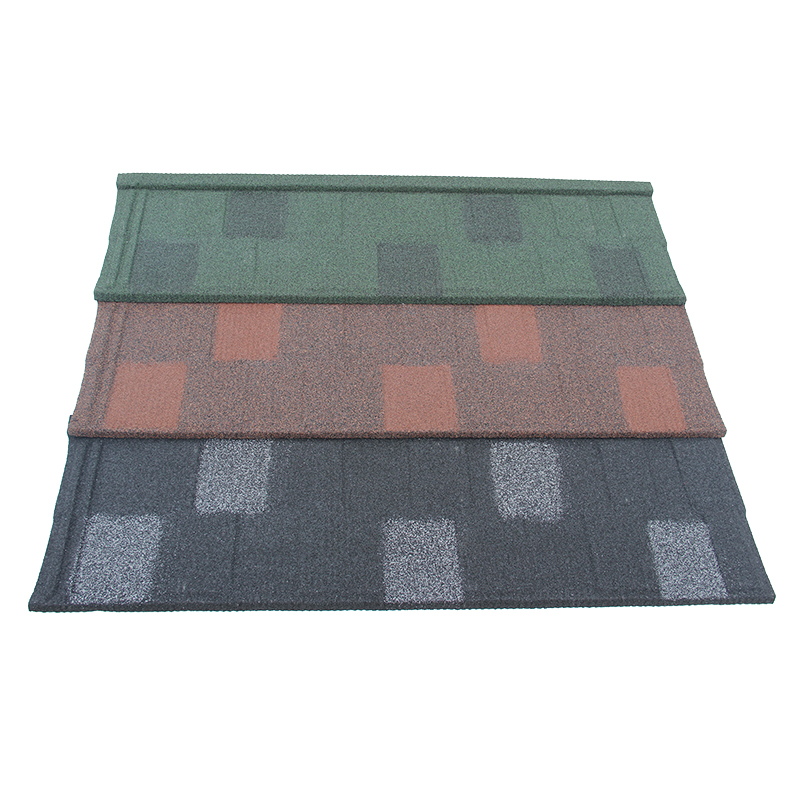
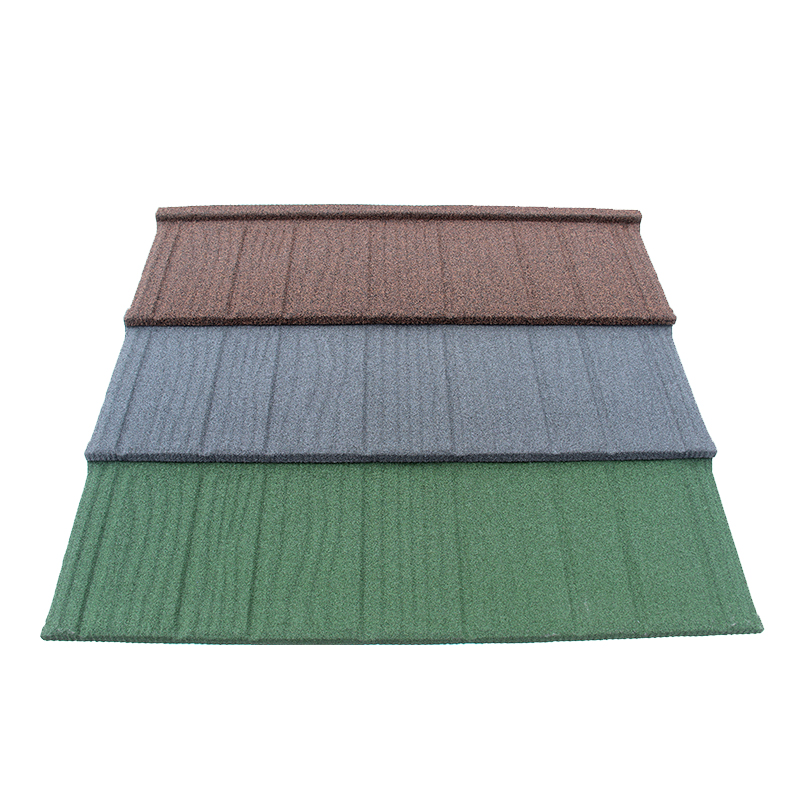
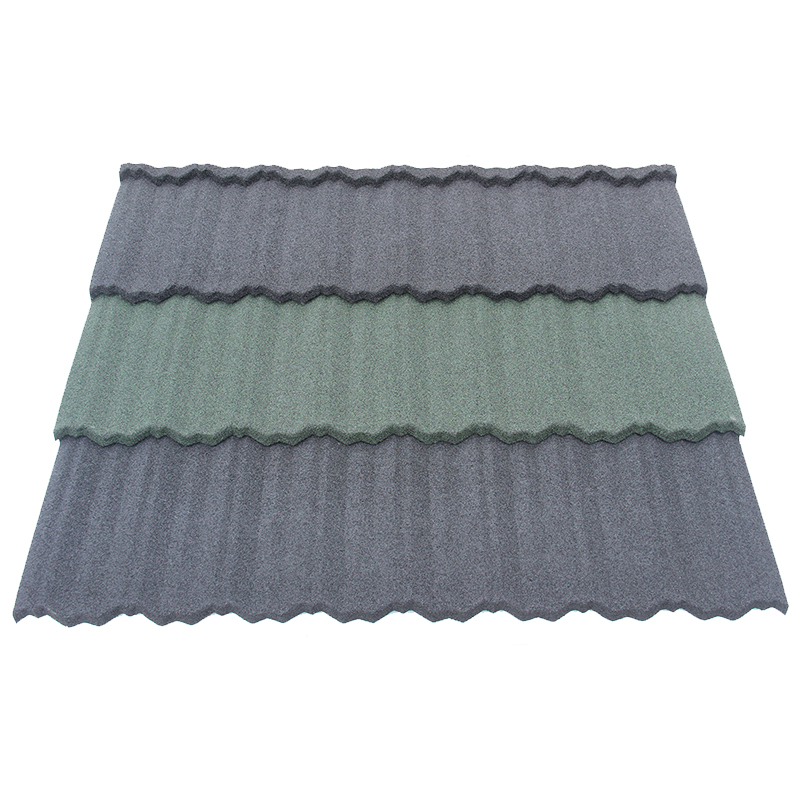
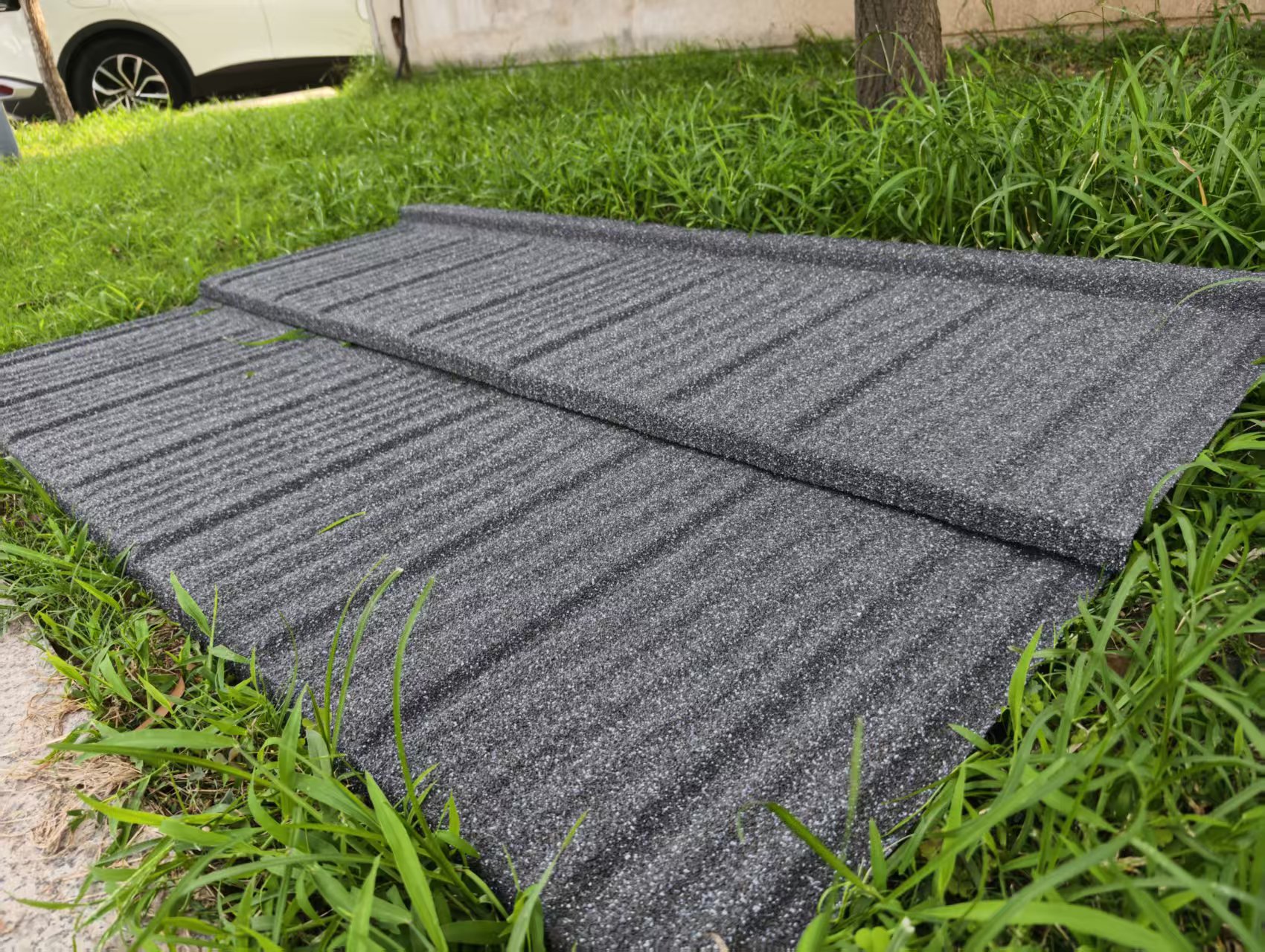
In projects using Shingle Tile, sectional replacement is often easier due to the flatter and more uniform design, which simplifies blending.
How Roof Design Affects Replacement Flexibility
Another key factor in handling imagine going with this style roof then needing to replace a few pieces and the company’s gone under or changed styles is the original roof design. Some designs are more forgiving when it comes to repairs.
Simple roof layouts allow easier replacement, while complex designs increase the difficulty of blending new materials.
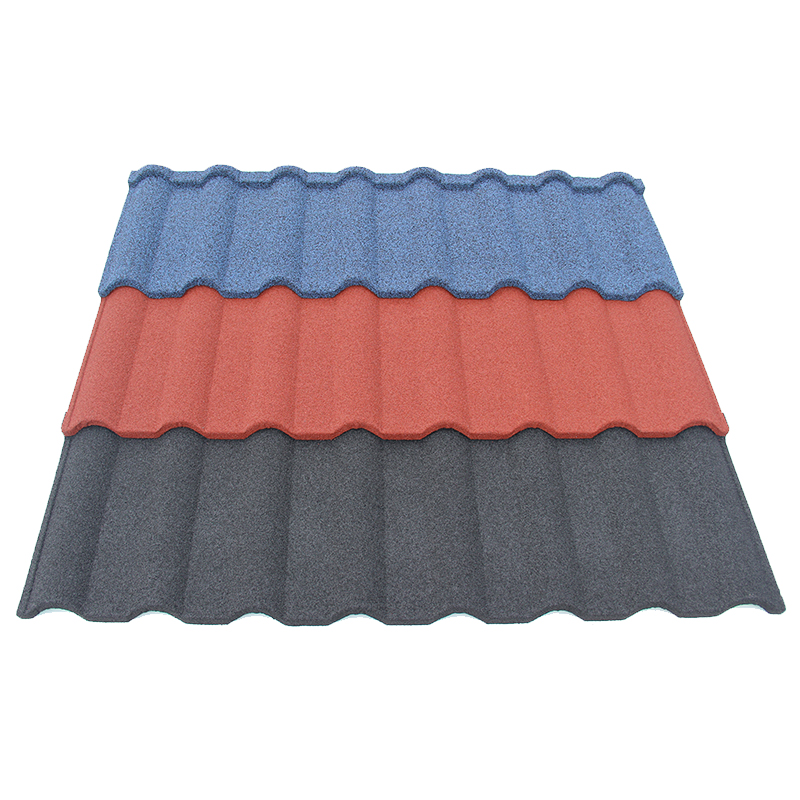
For example, roofs installed with Milano Tile in modern architectural designs often require higher precision, making mismatched replacements more noticeable compared to traditional profiles.
More Flexible Designs
- Simple slopes
- Less visible roof areas
Less Flexible Designs
- Complex geometry
- High-visibility architectural roofs
Preventive Strategies Before You Even Install
The best way to deal with imagine going with this style roof then needing to replace a few pieces and the company’s gone under or changed styles is to plan ahead during the initial purchase. This is a standard practice among experienced contractors and developers.
Proactive decisions at the beginning can eliminate most replacement challenges later.
Choose Widely Used Profiles
Standard designs are more likely to remain available over time.
Purchase Extra Tiles
Keeping 2%–5% extra material for future repairs is a common industry practice.
Work With Stable Manufacturers
Select suppliers with long-term market presence and consistent product lines.
In the industry, brands such as JCROOF are often considered for projects where supply continuity and product consistency are important over long lifecycles.
Common Misconceptions About Replacement Issues
There are several misconceptions surrounding imagine going with this style roof then needing to replace a few pieces and the company’s gone under or changed styles that can lead to unnecessary concern.
“You Must Replace the Entire Roof”
In most cases, partial repair solutions are available.
“Exact Matching Is Always Required”
Functionality and compatibility are more important than perfect visual match.
“This Problem Only Happens With Small Brands”
Even large manufacturers update or discontinue product lines over time.
Practical Advice for Contractors and Buyers
For B2B buyers, distributors, and contractors, the scenario imagine going with this style roof then needing to replace a few pieces and the company’s gone under or changed styles should be treated as a manageable risk—not a dealbreaker.
With proper planning, material selection, and repair strategies, most replacement challenges can be resolved efficiently.
Recommended Strategy
- Prioritize widely used roofing profiles
- Keep spare materials after installation
- Focus on compatibility over exact matching
- Work with experienced contractors for repairs
Conclusion: What Do You Do If Replacement Tiles Are No Longer Available?
So, what do you do if you need replacement tiles and the original manufacturer is gone or styles have changed? The key is to focus on compatibility, explore alternative sourcing options, and apply practical repair strategies such as sectional replacement or blending techniques.
For long-term projects, the best approach is proactive planning—choosing standard profiles, keeping spare tiles, and working with reliable suppliers. With the right strategy, even this common concern can be effectively managed without compromising the overall roofing system.