

In stone coated roofing installation, one of the most overlooked but critical waterproofing details is how to prevent water from collecting at the base of the screw head. This issue directly affects the long-term performance of stone coated steel roofing, especially in regions with heavy rain or wind-driven moisture.
From a contractor and B2B quality perspective, water accumulation around fasteners is not just a minor detail—it is a primary cause of leaks, corrosion, and premature system failure. The good news is that this problem is entirely preventable when proper installation techniques and materials are used.
Why Water Collects Around Screw Heads
To understand how to prevent water from collecting at the base of the screw head, you first need to understand why it happens. In stone coated metal roofing systems, fasteners penetrate the panel and create a potential entry point for water if not properly sealed.
Water accumulation typically occurs due to improper installation, incorrect fastener selection, or poor roof detailing.
Even small installation errors can create micro-gaps that allow moisture to sit or seep into the system over time.
Common Causes of Water Accumulation
- Incorrect fastener angle (not perpendicular)
- Over-tightened or under-tightened screws
- Low-quality or missing sealing washers
- Improper fastening location
Core Principle: Proper Sealing at the Fastener Point
The most effective way to prevent water from collecting at the base of the screw head is to ensure a complete and even seal at the fastening point. In stone coated roofing systems, this is achieved through a combination of correct fasteners, proper technique, and accurate positioning.
The goal is simple: eliminate any pathway for water to enter or remain around the screw head.
This principle applies across all stone coated steel roofing profiles and installation environments.
What a Proper Seal Looks Like
- Washer fully compressed but not deformed
- Screw head sitting flush with the panel surface
- No visible gaps or tilting
Use the Right Fasteners for Stone Coated Roofing
One of the most important steps in preventing water buildup is selecting the correct fasteners. Not all roofing screws are suitable for stone coated metal roofing systems.
High-quality fasteners are specifically designed with sealing washers and corrosion-resistant coatings.
Recommended Fastener Features
- EPDM rubber washers for waterproof sealing
- Corrosion-resistant coating (e.g., galvanized or stainless steel)
- Self-drilling tips for consistent installation
Using incorrect fasteners is one of the fastest ways to create leakage points in stone coated roofing systems.
Correct Installation Technique Matters More Than You Think
Even with the right materials, poor installation technique can still lead to water accumulation. Proper fastening technique is essential to ensure long-term sealing performance.
Installers must maintain consistency and precision across the entire roof.
Key Installation Guidelines
- Always drive screws perpendicular to the panel surface
- Avoid over-tightening, which can deform the washer
- Avoid under-tightening, which leaves gaps
- Use torque-controlled tools for consistency
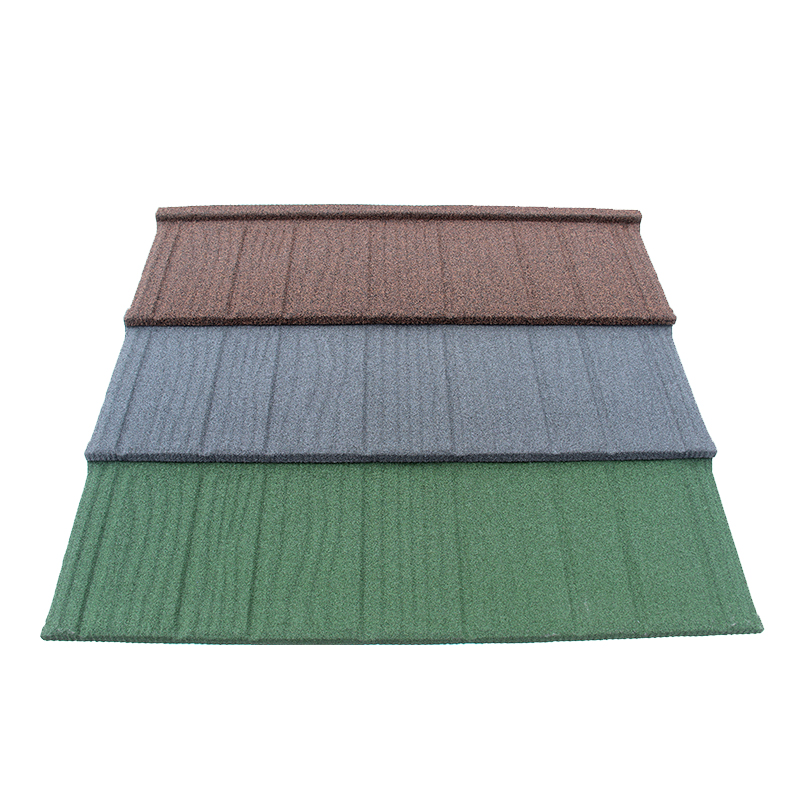
In projects using Bond Tile, maintaining consistent fastening pressure helps ensure uniform sealing across large roof areas.
Strategic Fastener Placement to Avoid Water Exposure
Another critical factor in how to prevent water from collecting at the base of the screw head is where the fasteners are placed. Stone coated steel roofing systems are designed with specific fastening zones to minimize water exposure.
Incorrect placement can expose fasteners directly to water flow.
Best Placement Practices
- Fasten in designated nailing zones or overlap areas
- Avoid placing screws in water channels or low points
- Follow manufacturer layout guidelines strictly
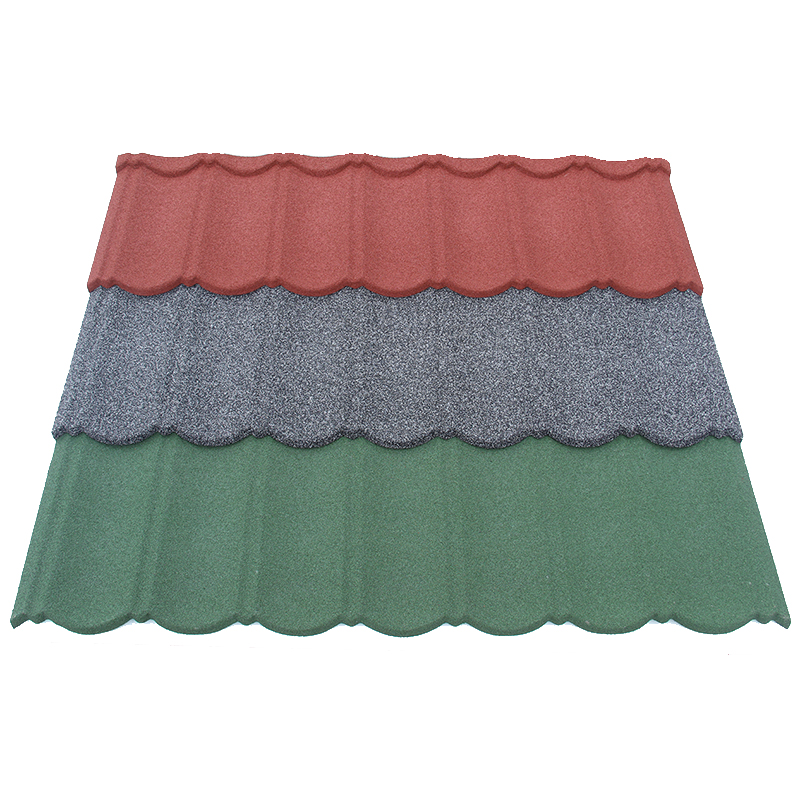
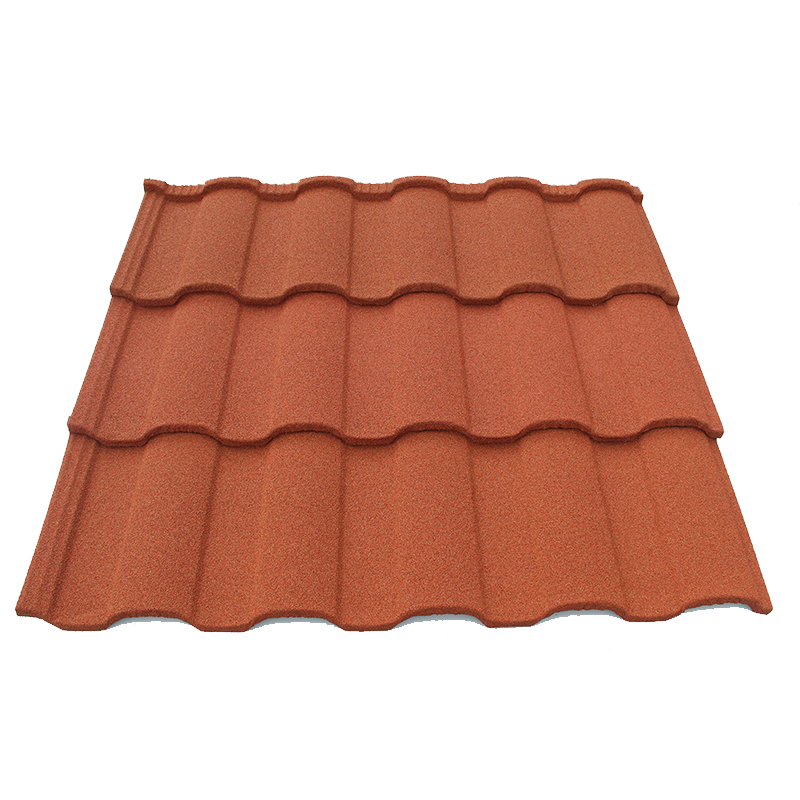
For example, in Roman Tile installations, fasteners are typically positioned in higher sections of the profile to reduce direct water contact.
How Roof Design and Slope Influence Water Behavior
Water movement across the roof surface plays a major role in whether it collects around fasteners. Understanding this helps contractors make better installation decisions.
Proper roof design reduces the likelihood of water pooling in any area, including around screw heads.
Key Influencing Factors
- Roof pitch (steeper slopes improve drainage)
- Panel alignment and overlap accuracy
- Valley and drainage design
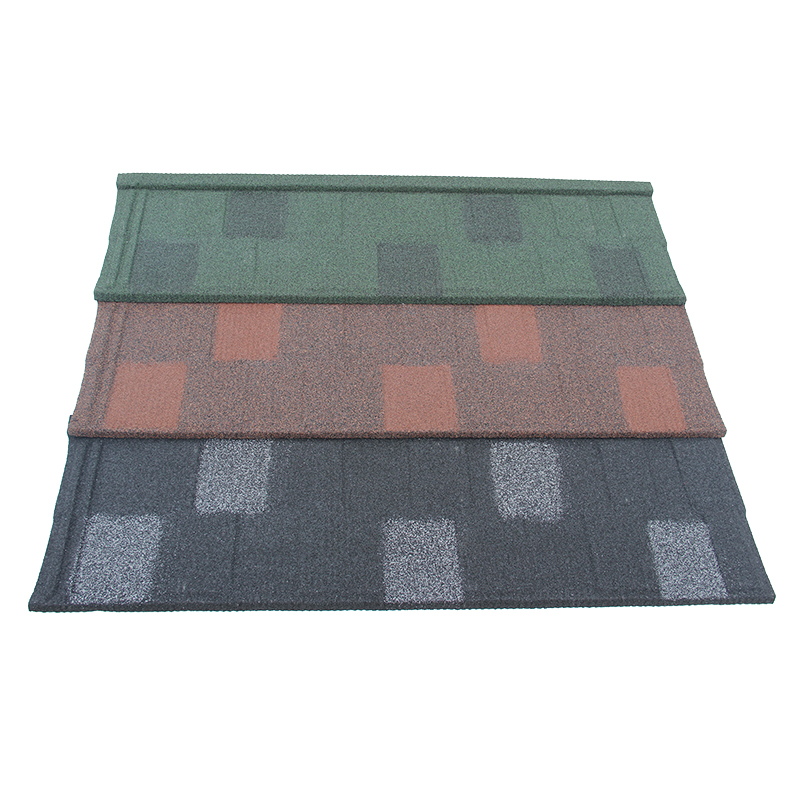
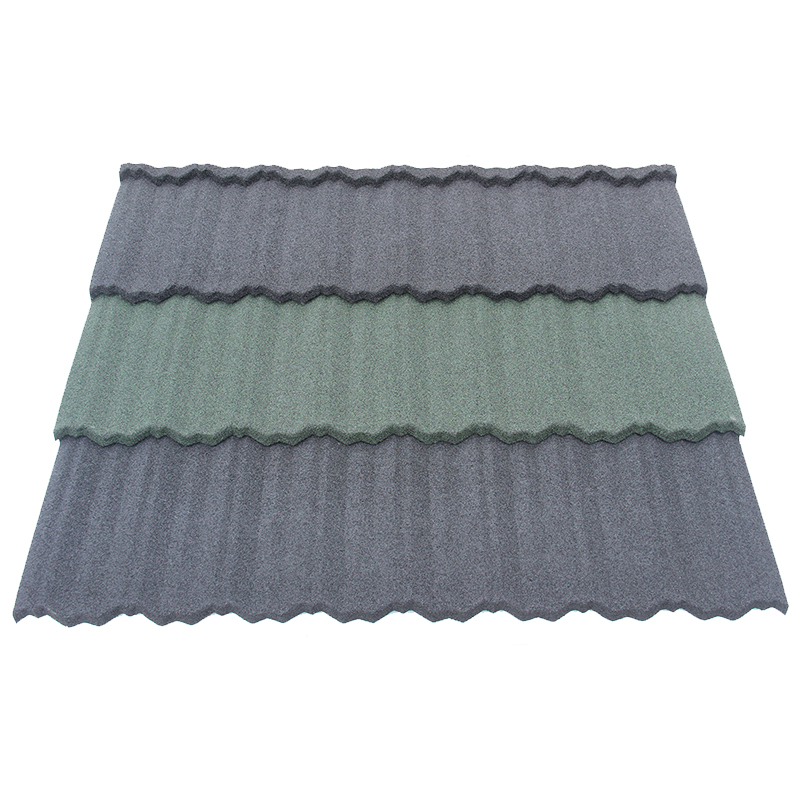
In flatter profiles like Shingle Tile, precise installation becomes even more important because water flows more evenly across the surface.
Additional Protection Methods for High-Risk Areas
In certain environments—such as coastal regions or areas with heavy rainfall—extra precautions may be necessary to prevent water accumulation at fasteners.
These methods provide an additional layer of protection beyond standard installation practices.
Optional Enhancements
- Apply sealant at critical fastening points (if specified)
- Use upgraded fasteners with enhanced sealing washers
- Increase inspection frequency in high-exposure areas
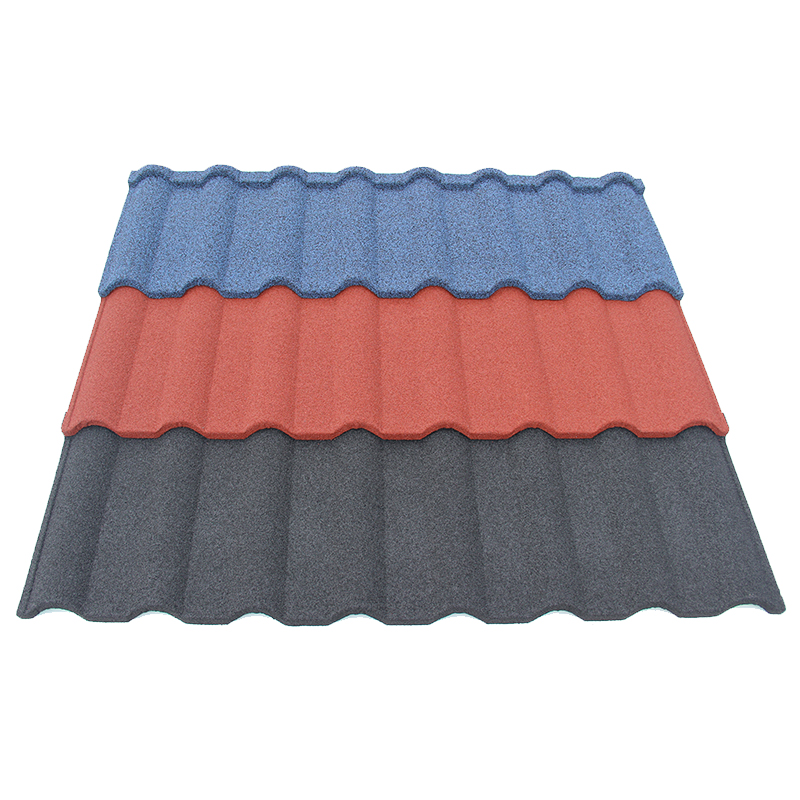
In modern designs like Milano Tile, attention to detail is especially important due to the cleaner and more visible surface.
Common Mistakes That Lead to Water Collection
Understanding what not to do is just as important as knowing best practices. Many water-related issues in stone coated roofing systems can be traced back to a few common mistakes.
Frequent Installation Errors
- Driving screws at an angle instead of straight
- Using low-quality or incompatible fasteners
- Ignoring manufacturer installation guidelines
- Failing to inspect fastening quality during installation
Inspection and Maintenance: The Final Line of Defense
Even with proper installation, periodic inspection ensures that fasteners remain secure and sealed over time. This is particularly important for long-term projects or buildings in harsh environments.
Routine checks can identify early signs of potential issues before they become serious problems.
What to Look For During Inspection
- Loose or tilted screws
- Damaged or compressed washers
- Signs of moisture or corrosion around fasteners
Practical Advice for Buyers and Contractors
From a B2B standpoint, preventing water from collecting at the base of the screw head is not just an installation detail—it is a quality control standard. Proper fastening directly impacts warranty performance and long-term reliability.
Manufacturers such as JCROOF typically provide detailed fastening specifications, but execution on-site is what ultimately determines success.
Recommended Strategy
- Use high-quality, system-compatible fasteners
- Train installation teams on proper techniques
- Follow fastening layouts precisely
- Conduct inspections during and after installation
Conclusion: How Do You Prevent Water from Collecting at Screw Heads?
So, how do you prevent water from collecting at the base of the screw head in stone coated roofing? The answer lies in three key factors: correct fasteners, proper installation technique, and accurate placement.
When these elements are properly managed, stone coated steel roofing systems can deliver excellent waterproof performance and long-term durability. For contractors and buyers, paying attention to this small detail can make a significant difference in overall roof quality.