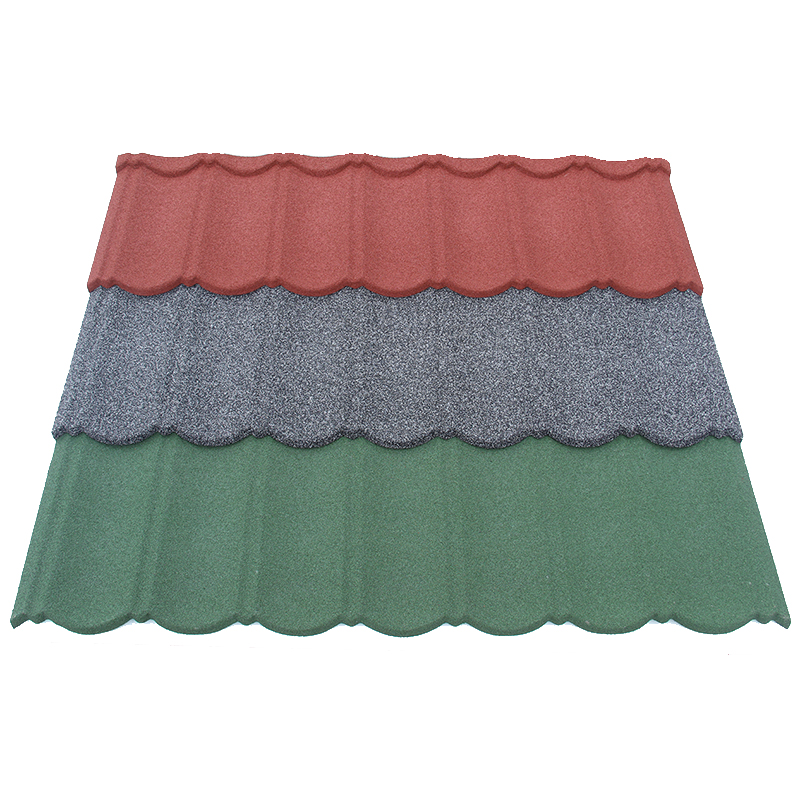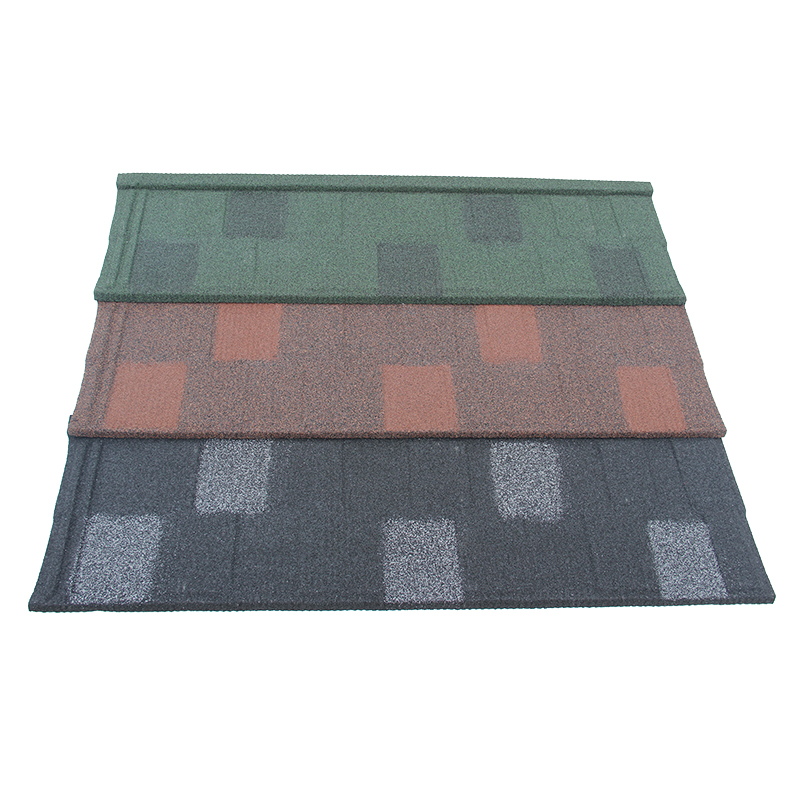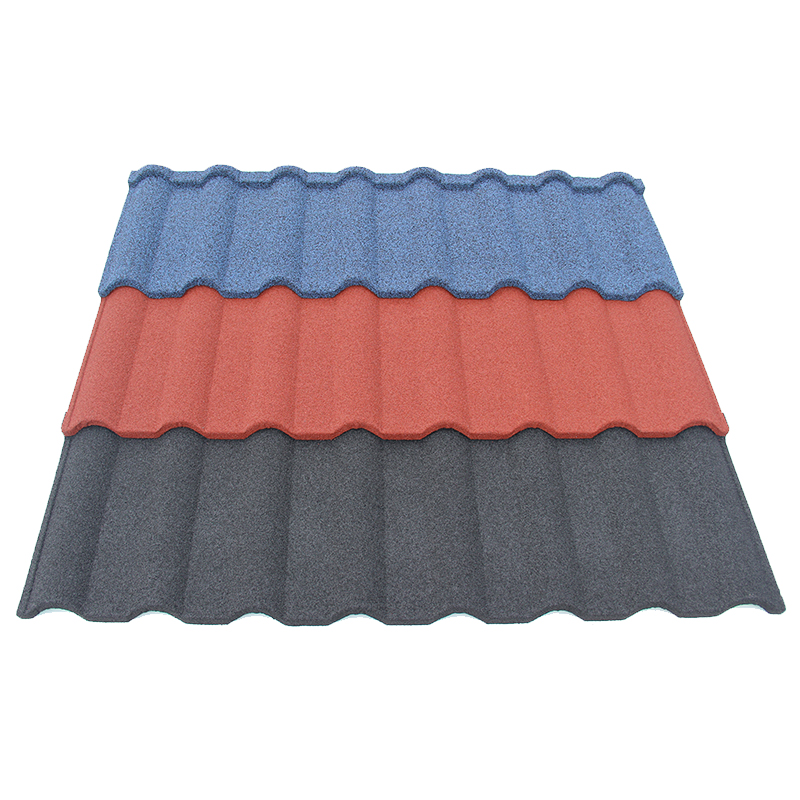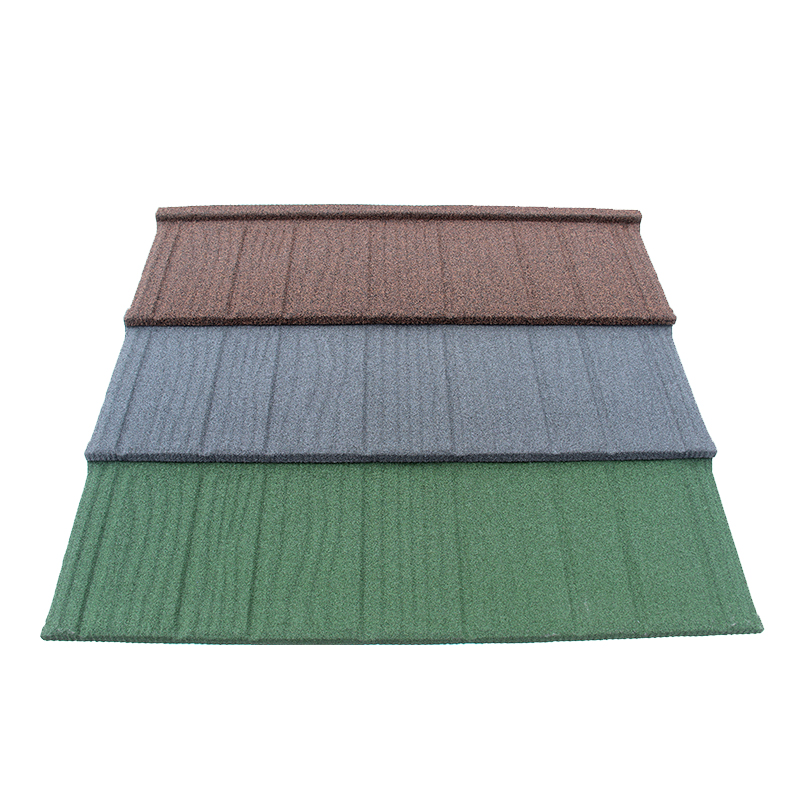


When upgrading to stone coated roofing (stone coated steel roofing), a practical question often comes up during planning: can existing 5-inch gutters handle the runoff, or is a 6-inch system necessary? This is not just a detail—it directly affects water management, façade protection, and long-term maintenance.
From a contractor and procurement standpoint, the answer depends on roof area, pitch, rainfall intensity, and how the stone coated metal roofing system is detailed. In many standard residential scenarios, 5-inch gutters can work—but for larger roofs or high-flow conditions, upgrading to 6-inch gutters is often the safer and more durable choice.
How Runoff Behavior Changes with Stone Coated Roofing
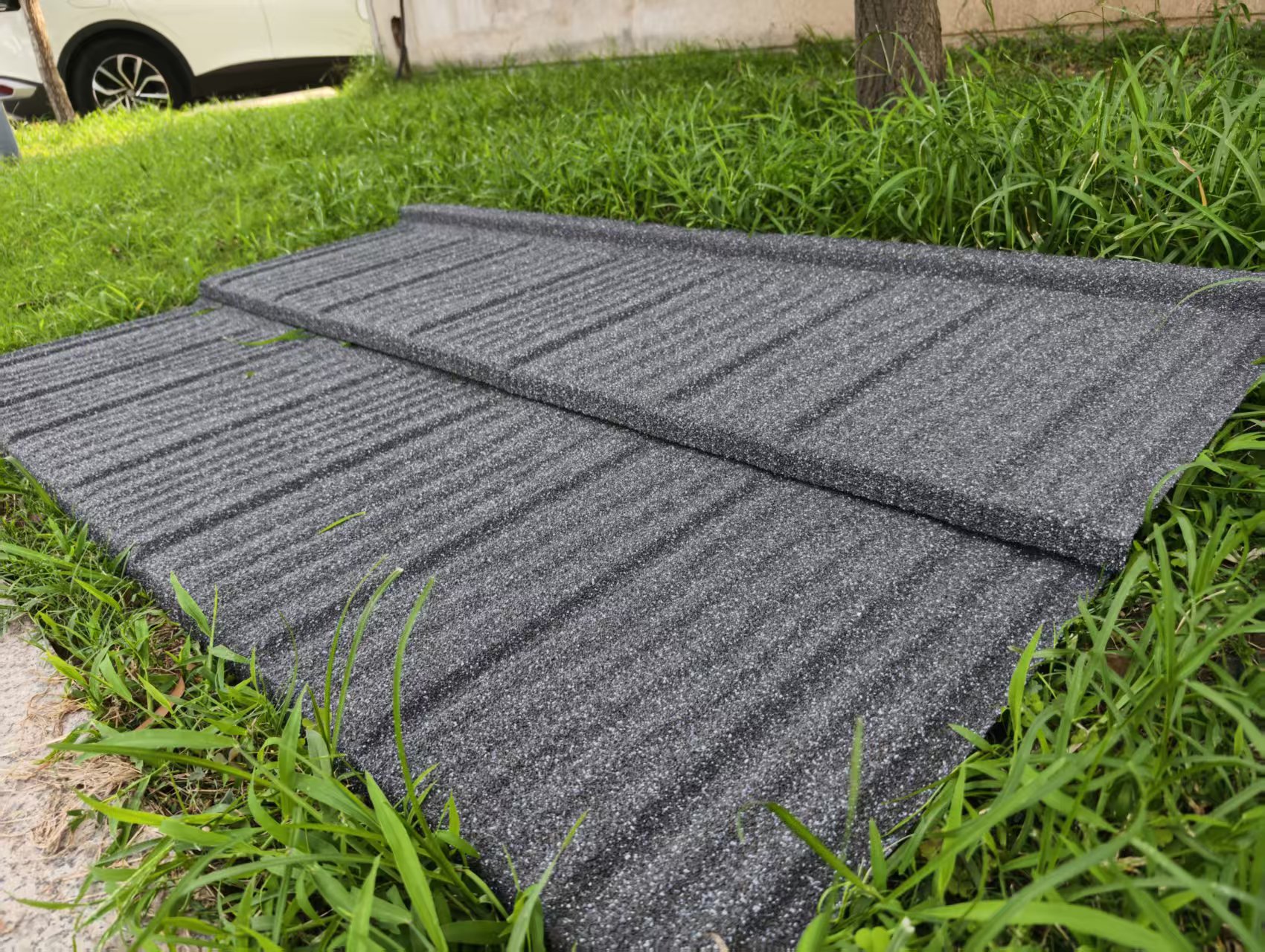
Stone coated roofing sheds water efficiently due to its steel substrate and interlocking design. Compared to rougher materials, runoff tends to be faster and more concentrated at the eaves. That means gutter capacity—and how quickly water can be captured—becomes more important.
Well-installed stone coated steel roofing systems direct water along predictable paths, but poor detailing or undersized gutters can lead to overflow during peak rainfall events.
The takeaway: you’re not just matching gutter size to roof type—you’re matching it to peak flow rate.
Why Flow Rate Matters
- Smoother shedding increases instantaneous runoff
- Large roof planes concentrate water at fewer discharge points
- Downspout capacity must match gutter size
5-Inch vs 6-Inch Gutters: Practical Capacity Differences
The difference between 5-inch and 6-inch gutters is not just one inch of width—it’s a meaningful increase in volume and handling capacity. This becomes critical when evaluating storm performance and overflow risk.
As a rule of thumb, 6-inch gutters can handle significantly more water and pair better with larger downspouts (typically 3×4 inches).
| Gutter Size | Typical Use Case | Relative Capacity | Recommended Downspout |
|---|---|---|---|
| 5-inch | Standard residential roofs | Moderate | 2×3 inch |
| 6-inch | Large or steep roofs / heavy rain areas | High | 3×4 inch |
For many projects, the decision comes down to risk tolerance: 5-inch can work under typical conditions, while 6-inch provides a larger safety margin.
When 5-Inch Gutters Are Usually Sufficient
You can often keep existing 5-inch gutters when the overall drainage demand is moderate and the system is well-configured. This is common in smaller homes or regions with average rainfall.
However, even in these cases, proper slope and downspout placement are essential.
Typical Scenarios Where 5-Inch Works
- Roof area is relatively small or segmented
- Roof pitch is moderate (not excessively steep)
- Rainfall intensity is average
- Multiple downspouts reduce load per section
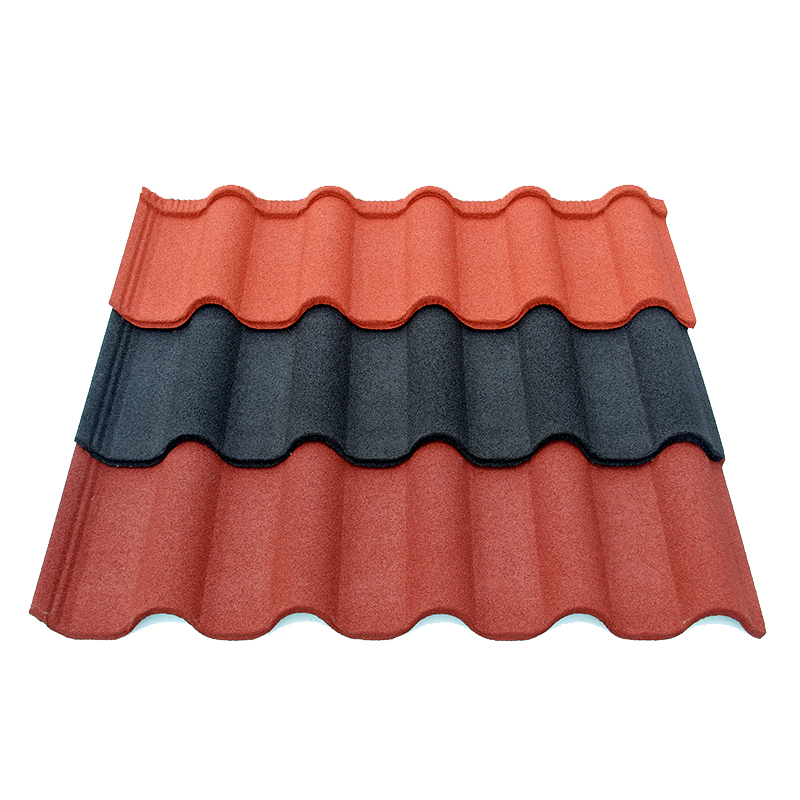
On installations using Bond Tile, the modular layout helps distribute runoff evenly, which can support the use of 5-inch gutters in standard conditions.
When Upgrading to 6-Inch Gutters Is Recommended
In many B2B projects, especially larger homes or commercial applications, upgrading to 6-inch gutters is the more reliable long-term solution. This is particularly true where peak water flow is high.
Choosing a larger system upfront often reduces maintenance issues and overflow complaints later.
Key Upgrade Triggers
- Large roof surface area
- Steep roof pitch (faster runoff)
- Heavy rainfall or storm-prone regions
- Limited number of downspouts
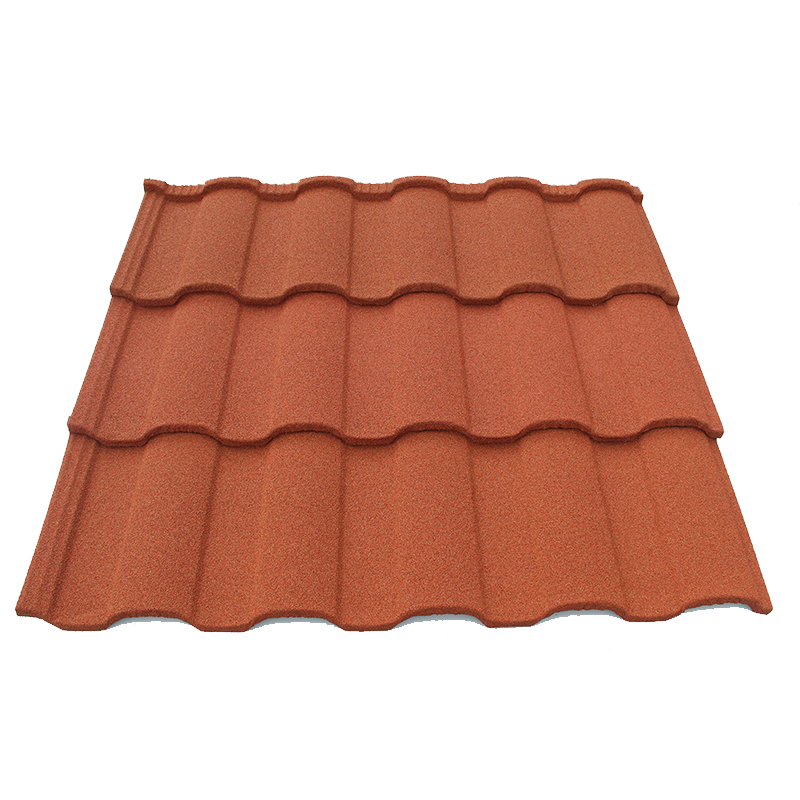
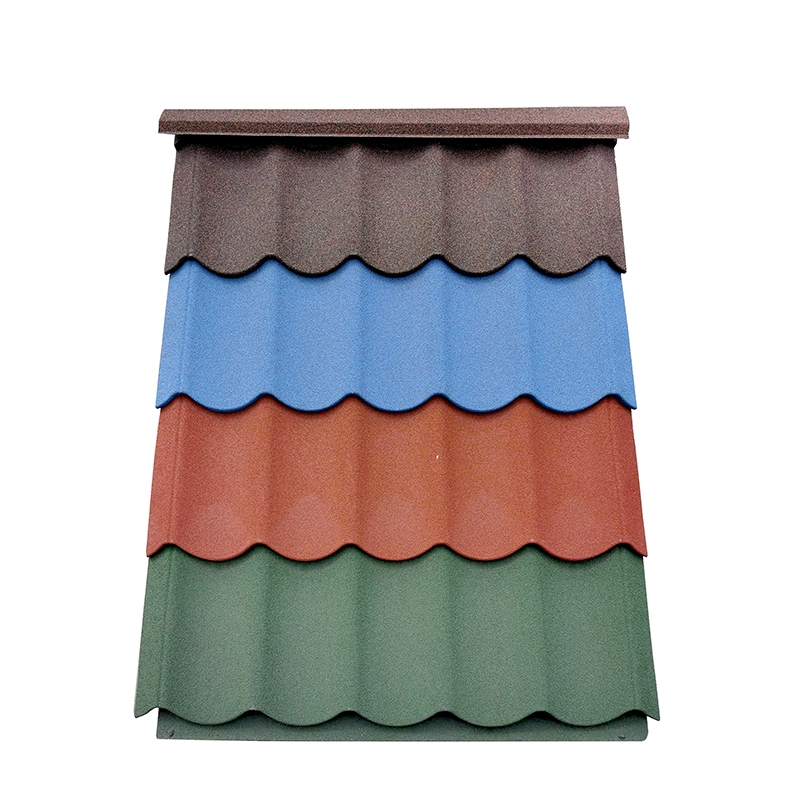
In deeper-profile systems like Roman Tile, water can accelerate through channels, increasing discharge volume at the eaves—making larger gutters a safer option.
The Role of Roof Design and Layout
Gutter sizing should never be considered in isolation. Roof geometry—valleys, hips, and long eave lines—can concentrate water into specific sections of the gutter system.
This is where many projects underestimate capacity requirements.
Design Factors That Increase Gutter Load
- Long uninterrupted eave runs
- Multiple valleys feeding a single gutter section
- Dormers or upper roofs draining onto lower roofs
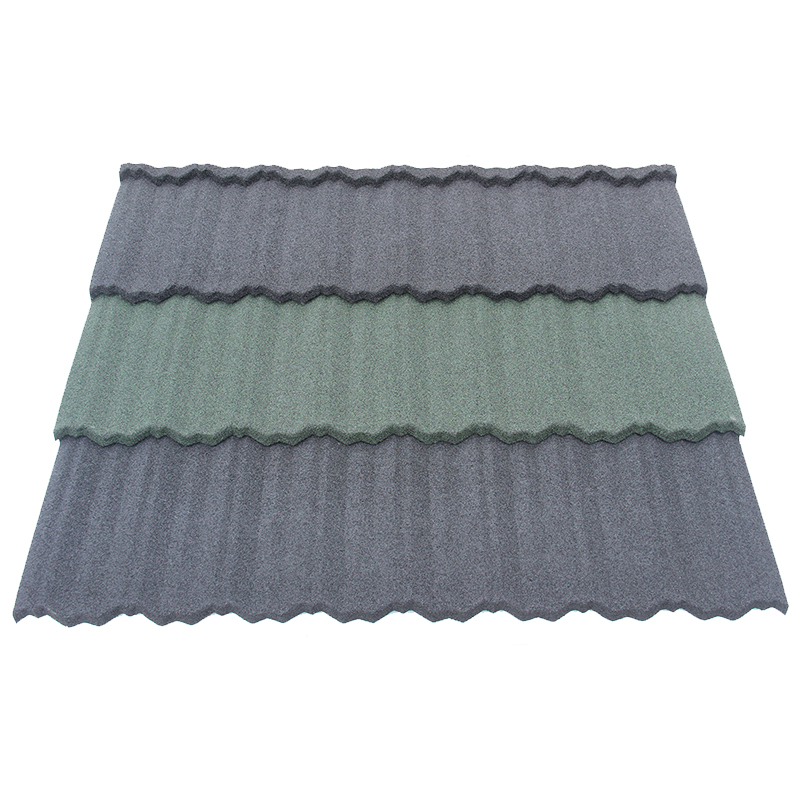
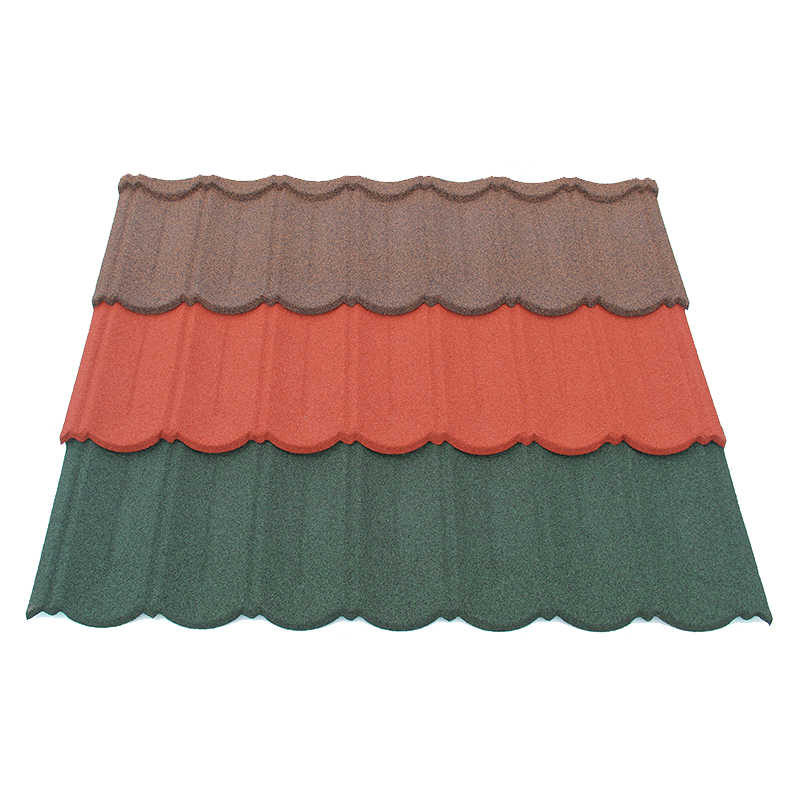
With flatter profiles like Shingle Tile, water spreads more evenly, but total volume remains the same—so capacity still matters at peak flow.
Downspouts: The Often Overlooked Bottleneck
Even with the correct gutter size, insufficient downspouts can cause backup and overflow. In practice, many overflow issues are not due to gutter width, but inadequate discharge capacity.
Upgrading gutters without addressing downspouts only partially solves the problem.
Best Practices for Downspouts
- Increase downspout size when upgrading to 6-inch gutters
- Add more downspouts for long gutter runs
- Ensure proper placement near high-flow areas (e.g., valleys)
For cleaner-profile designs such as Milano Tile, where water runs efficiently to the eaves, matching downspout capacity becomes even more critical.
Common Mistakes When Evaluating Gutter Size
Many installation issues stem from incorrect assumptions during planning. Understanding these common mistakes helps avoid costly adjustments later.
Frequent Errors
- Assuming existing gutters are always sufficient
- Ignoring local rainfall intensity
- Undersizing downspouts relative to gutter size
- Not accounting for roof layout complexity
Practical Recommendation for Buyers and Contractors
From a project management perspective, the decision should balance cost, performance, and risk. While retaining 5-inch gutters can reduce upfront cost, upgrading to 6-inch often provides better long-term reliability—especially in demanding conditions.
In industry practice, suppliers such as JCROOF typically advise evaluating the entire drainage system—not just the roofing material—when planning installations.
Recommended Approach
- Assess roof size, pitch, and rainfall data
- Calculate expected runoff volume
- Match gutter and downspout capacity accordingly
- Prioritize system balance over minimum compliance
Conclusion: Do You Need to Upgrade?
So, can you use your existing 5-inch gutters with stone coated roofing? In many standard scenarios, yes. But if your roof is large, steep, or located in a high-rainfall area, upgrading to 6-inch gutters is a smart investment.
Ultimately, the goal is not just to “catch” water—but to manage it efficiently under peak conditions. A properly sized gutter system ensures your stone coated steel roofing performs as intended without long-term drainage issues.