

When evaluating stone coated roofing (stone coated steel roofing) for residential or light commercial projects, one question that frequently comes up is whether it affects indoor cell phone reception. For buyers, developers, and contractors, this is not just a technical curiosity—it can directly impact user experience and post-installation satisfaction.
The short answer is: stone coated steel roofing can have a minor impact on cell phone signal strength, but in most real-world scenarios, it does not cause significant issues when the building is properly designed. The effect depends on multiple factors, including overall building materials, signal strength in the area, and interior layout.
How Stone Coated Steel Roofing Interacts with Wireless Signals
To understand whether stone coated steel roofing affects cell phone signals, it’s important to look at how radio frequency (RF) signals behave when they encounter metal surfaces. Steel can reflect and partially block signals, which means any metal-based roofing system has the potential to reduce signal penetration.
However, roofing is only one part of the building envelope. Walls, insulation, windows, and even interior partitions all contribute to signal attenuation.
In practice, the roofing layer alone is rarely the primary cause of poor reception.
Key Signal Behavior Factors
- Reflection of signals off metal surfaces
- Partial absorption by dense materials
- Signal path obstruction depending on angle and source
How Much Impact Does Stone Coated Roofing Actually Have?
From a practical installation and usage perspective, the impact of stone coated roofing on cell phone signal is usually limited. Most modern homes already include materials that reduce signal strength, such as concrete walls, low-E glass, and insulation layers.
Compared to these elements, the additional effect of a stone coated steel roofing system is relatively small.
In areas with strong cellular coverage, users typically notice little to no difference after installation.
Typical Real-World Outcomes
- Strong signal areas: no noticeable change
- Moderate signal areas: slight reduction possible
- Weak signal areas: performance may depend on overall building design
Why the Stone Coating Layer Matters
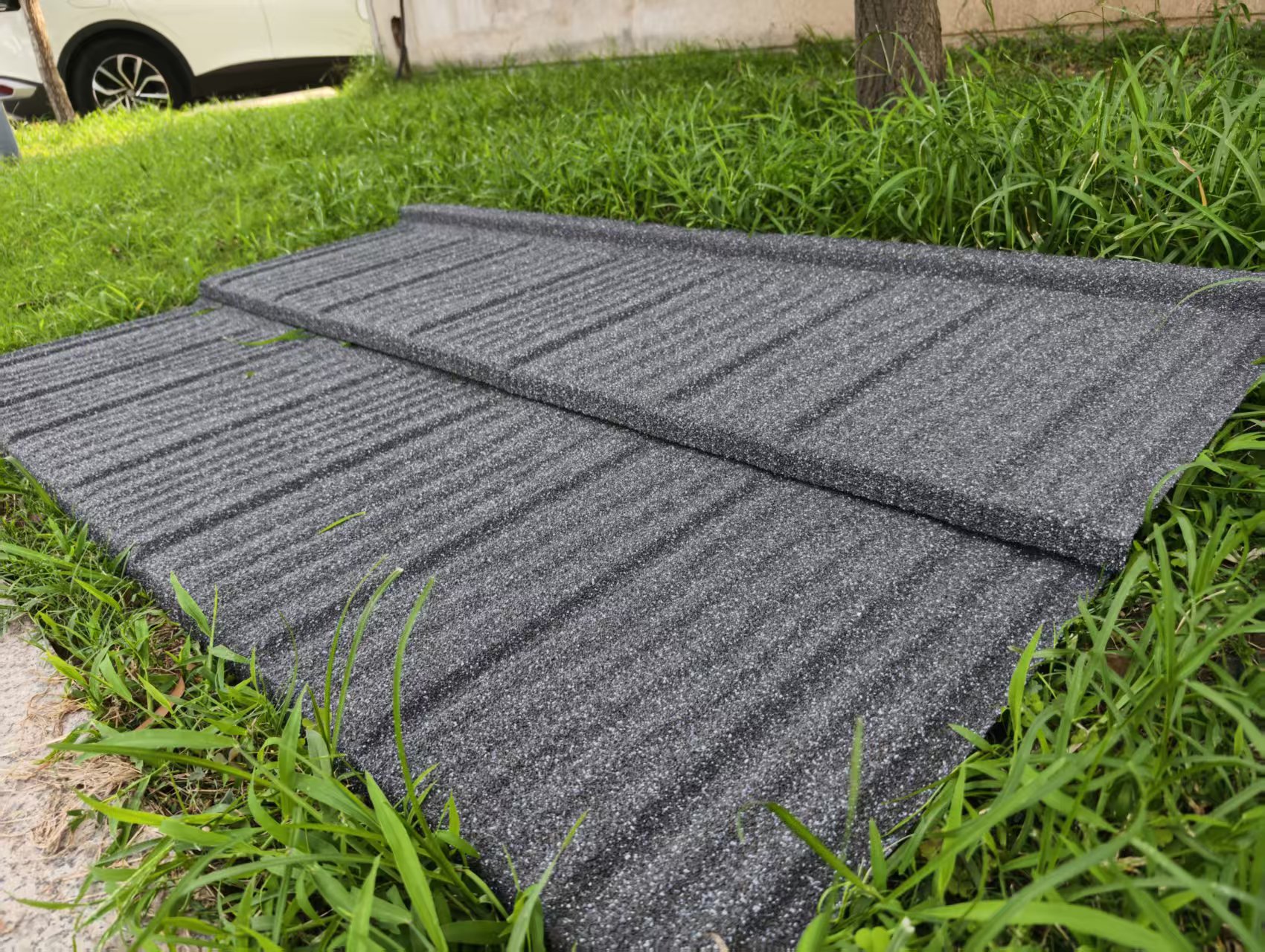
One important distinction is that stone coated metal roofing is not a bare metal surface. The stone granule layer partially disrupts the reflective properties of steel, which can slightly reduce signal reflection compared to smooth metal panels.
This means stone coated roofing systems behave differently from standing seam or exposed metal panel roofs in terms of signal interaction.
While the steel base still plays a role, the textured surface helps diffuse signal reflection to some extent.
Other Building Factors That Influence Signal Strength
When assessing whether stone coated steel roofing affects indoor reception, it is essential to consider the entire building system—not just the roof.
In many cases, other materials have a greater impact on signal performance than the roofing itself.
Major Contributors to Signal Reduction
- Concrete or brick walls
- Metal framing structures
- Energy-efficient (low-E) window coatings
- Insulation with foil backing
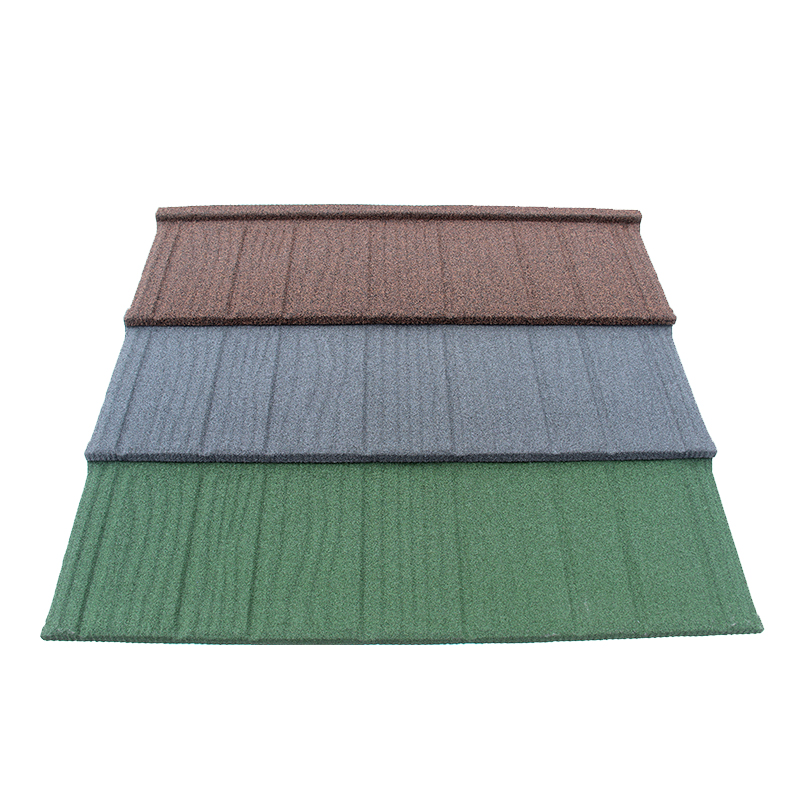
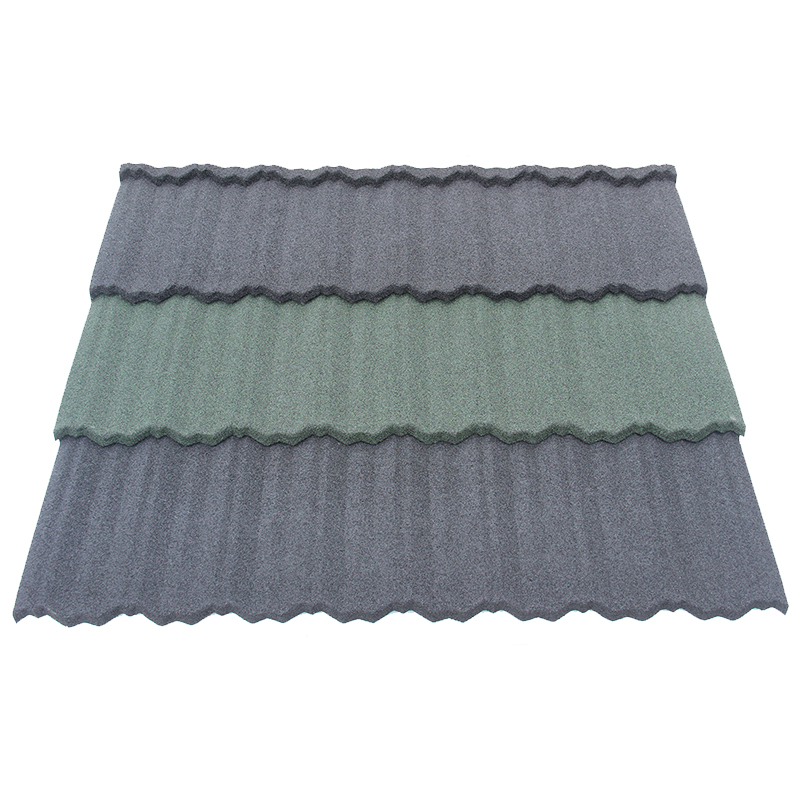
In projects using Bond Tile, the roofing profile itself has minimal influence on signal behavior compared to these structural elements.
Does Roof Profile or Design Make a Difference?
From a technical standpoint, roof profile has very limited impact on signal penetration. Whether the system uses a deeper or flatter profile, the primary factor remains the presence of the steel substrate.
That said, different profiles can slightly influence how signals reflect or scatter.
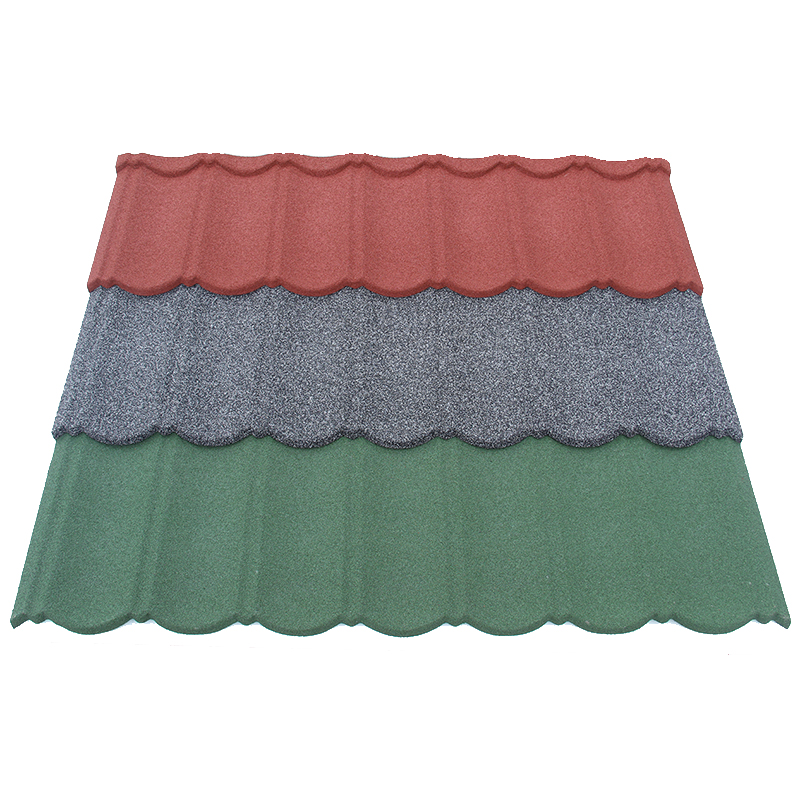
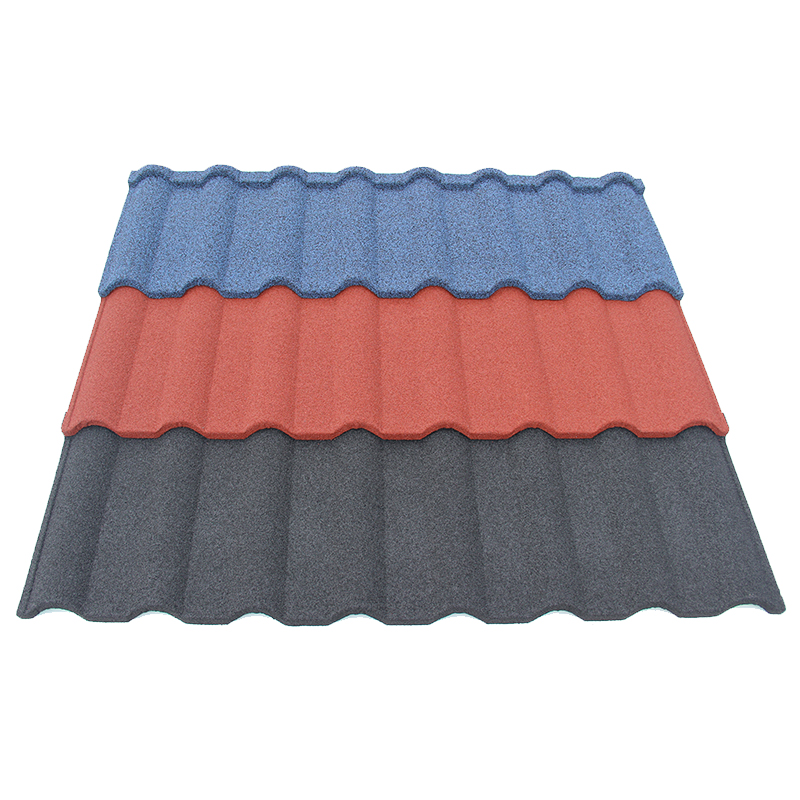
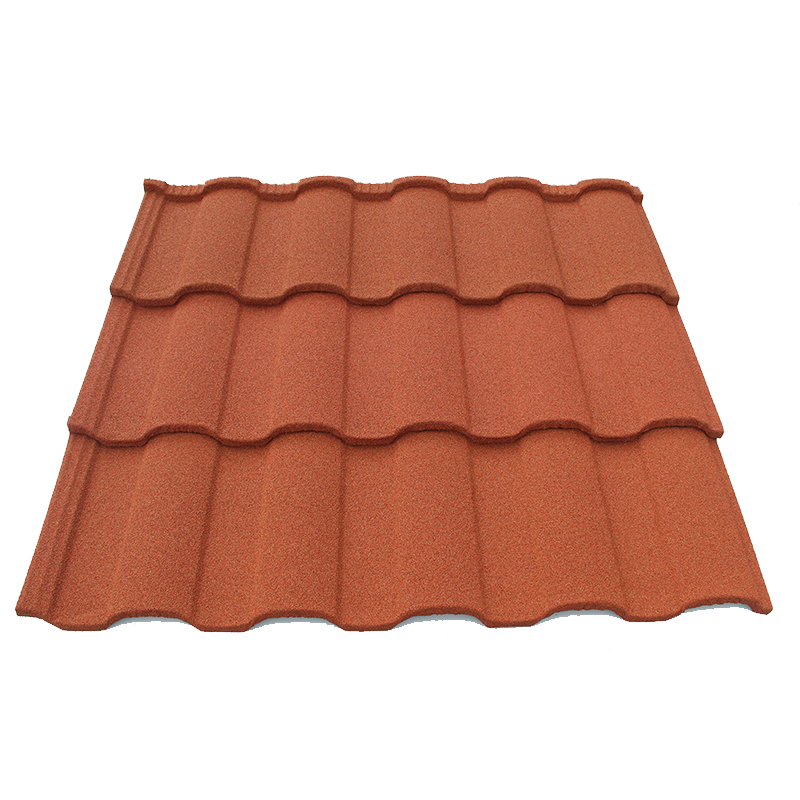
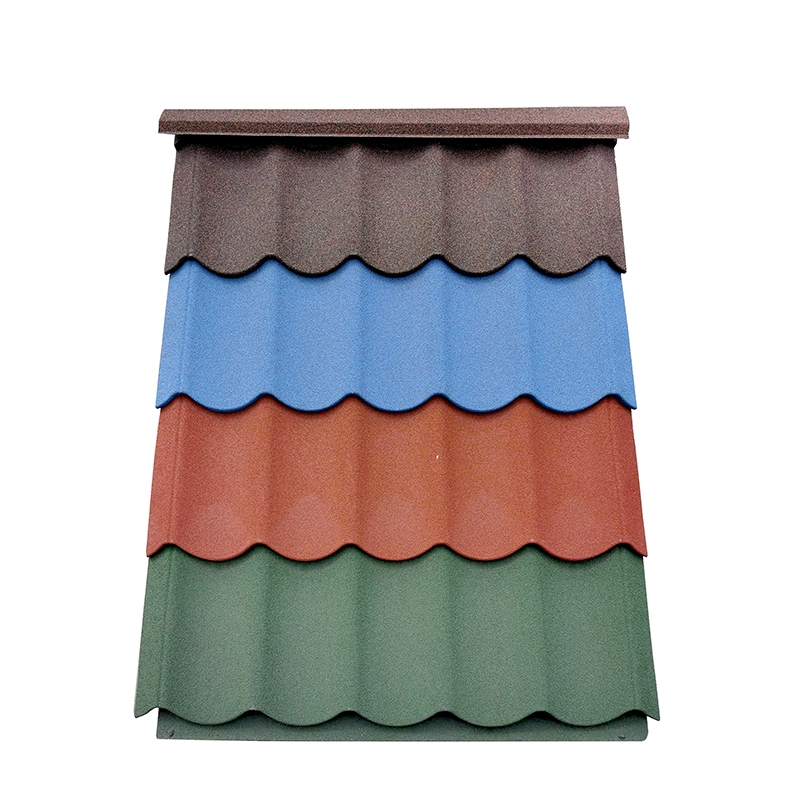
For example, installations using Roman Tile may create more varied reflection angles due to their curved geometry, but this effect is minimal in practical terms.
Profile Influence Summary
- Minimal impact on signal penetration
- Minor variation in reflection patterns
- Not a deciding factor in system selection
When Signal Issues Are More Likely to Occur
While stone coated roofing alone rarely causes major problems, certain conditions can increase the likelihood of noticeable signal reduction.
Understanding these scenarios helps contractors and buyers plan accordingly.
Higher Risk Situations
- Homes located in weak signal areas
- Buildings with multiple signal-blocking materials
- Large interior spaces with limited window openings
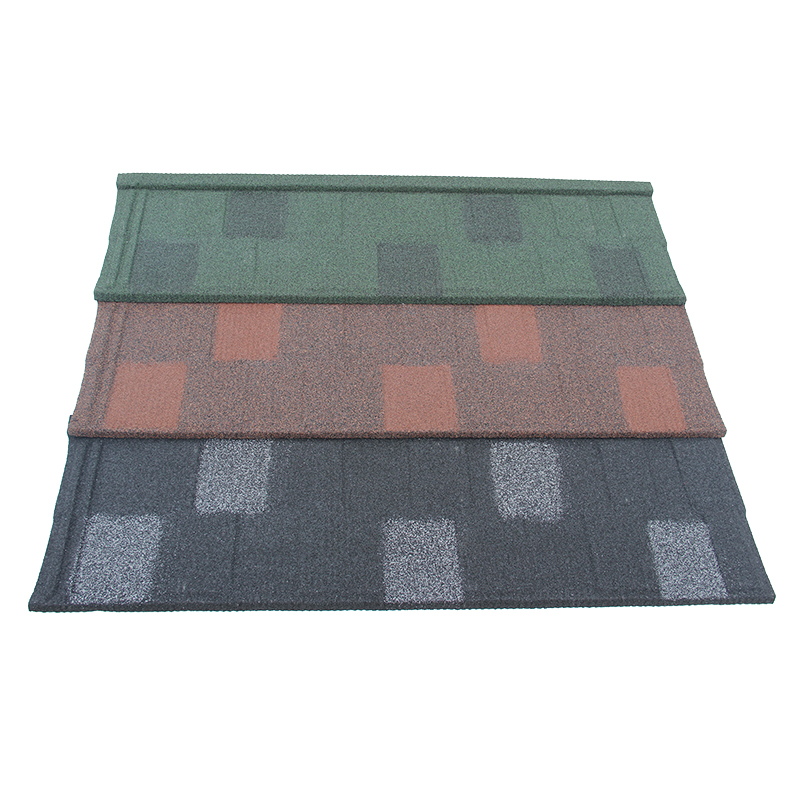
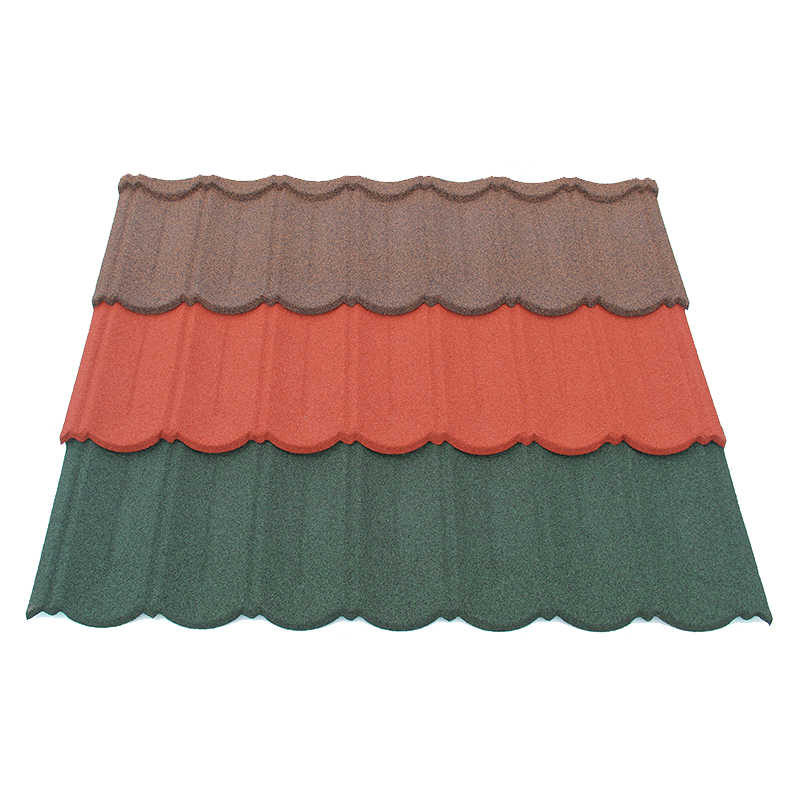
In flatter systems like Shingle Tile, the roofing profile does not significantly change this outcome—the overall building envelope remains the key factor.
How to Improve Indoor Signal If Needed
For projects where signal strength is a concern, there are several practical solutions that can be implemented without changing the roofing system.
These solutions are widely used in both residential and commercial buildings.
Effective Solutions
- Install a signal booster (cellular repeater)
- Use Wi-Fi calling for indoor communication
- Optimize router placement for better coverage
- Increase window openings or use signal-friendly materials where possible
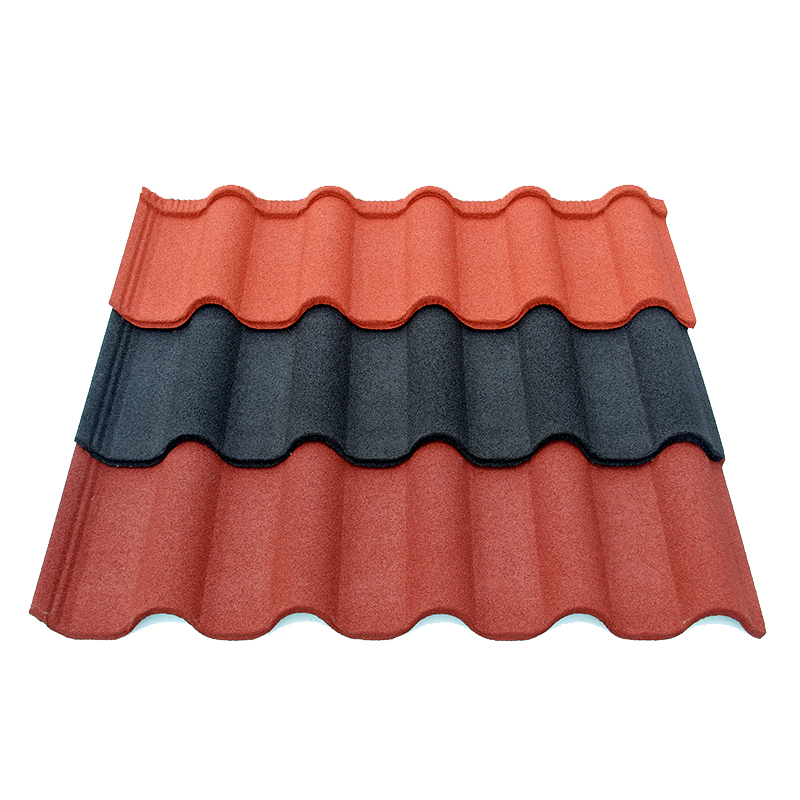
In modern designs such as Milano Tile, these solutions are often integrated into the overall building planning stage rather than treated as afterthoughts.
Common Misconceptions About Metal Roofing and Signal Blocking
There are several misconceptions surrounding the idea that metal roofs block cell phone signals entirely.
“Metal Roofs Act Like a Faraday Cage”
In reality, a full Faraday cage requires complete enclosure with conductive material, which most buildings do not have.
“Stone Coated Roofing Completely Blocks Signals”
The effect is partial and depends on multiple variables—not a total blockage.
“Roofing Is the Main Cause of Poor Signal”
In most cases, walls and windows have a greater impact than the roof itself.
Practical Advice for Buyers and Contractors
From a B2B perspective, concerns about cell phone signal should be addressed as part of overall building design rather than attributed solely to the roofing system.
Stone coated steel roofing remains a reliable and widely used solution without significant impact on indoor connectivity in most scenarios.
Manufacturers such as JCROOF typically focus on structural and weather performance, while signal considerations are managed at the building systems level.
Recommended Approach
- Evaluate signal strength at the project site before installation
- Consider building materials holistically
- Plan for signal enhancement solutions if needed
- Avoid overestimating the impact of roofing alone
Conclusion: Does Stone Coated Steel Roofing Affect Signal?
So, does stone coated steel roofing affect cell phone signal inside the house? It can have a minor impact due to the steel base, but in most cases, it is not significant enough to cause major issues.
The overall building design, location, and surrounding materials play a much larger role in determining signal strength. For most residential and commercial projects, stone coated roofing can be used without concern for noticeable communication problems.