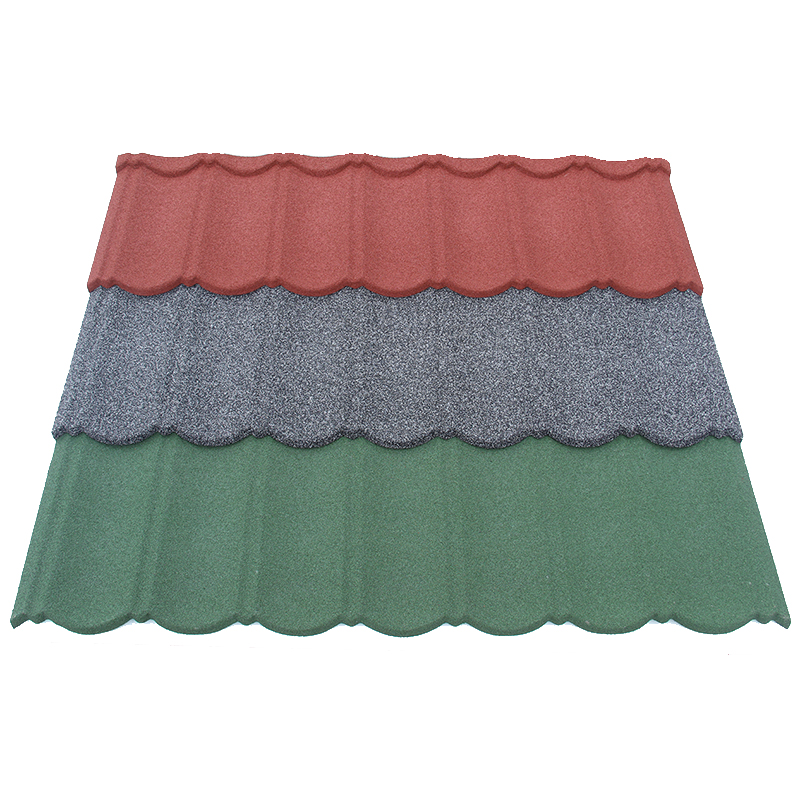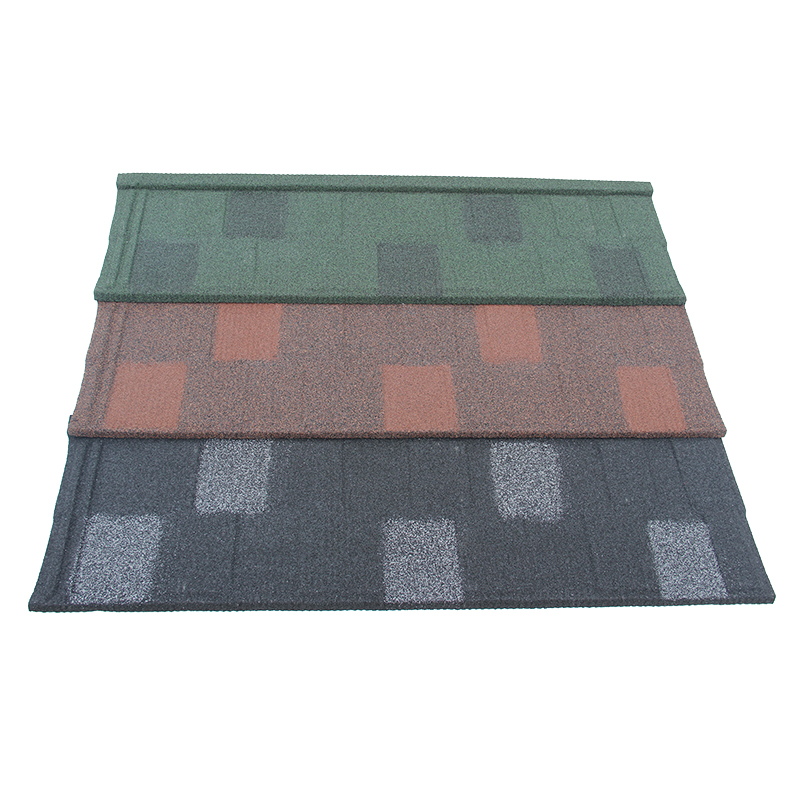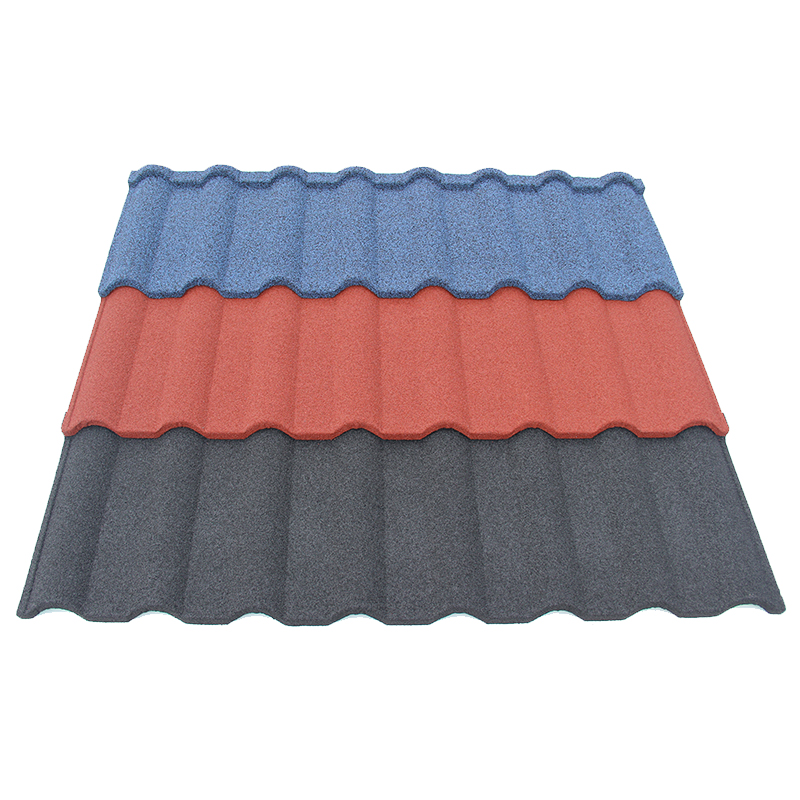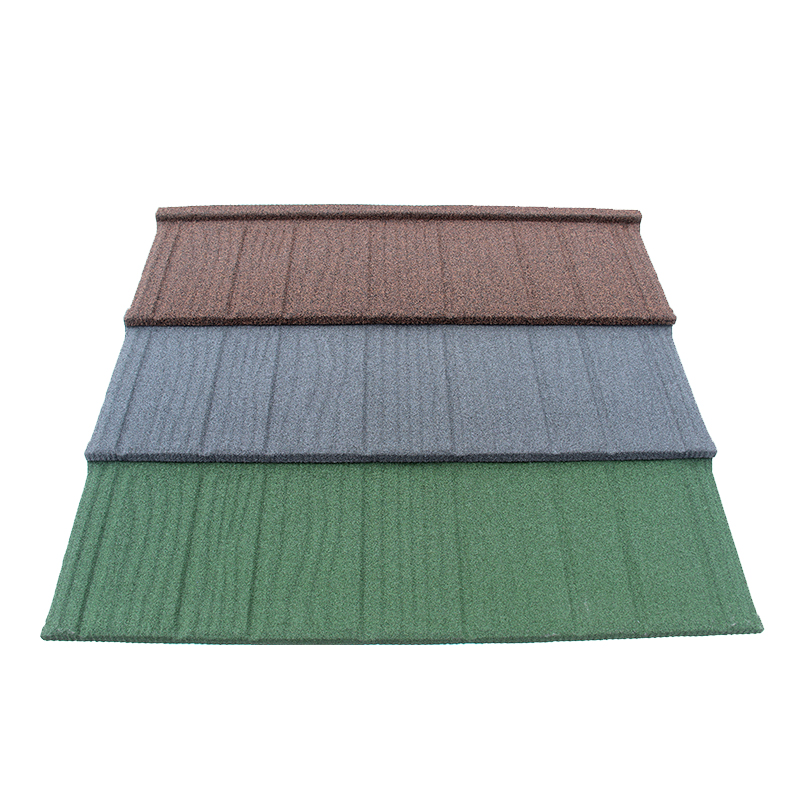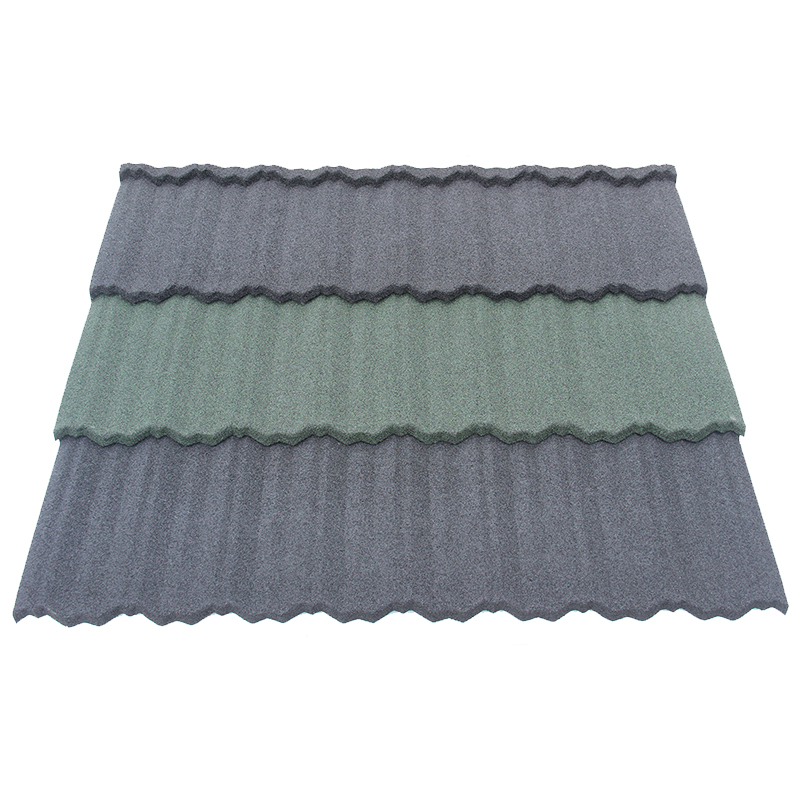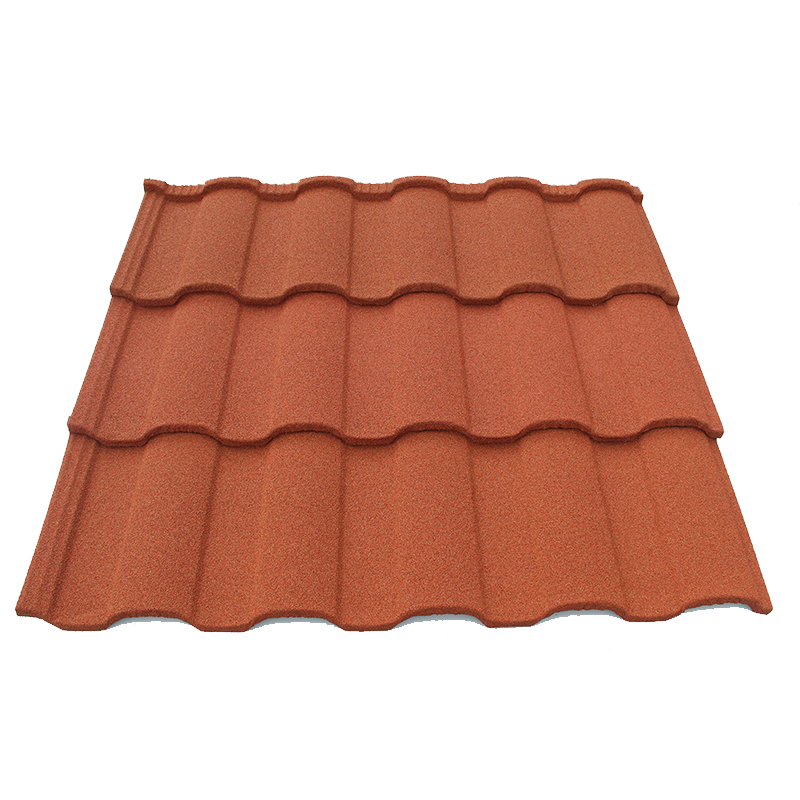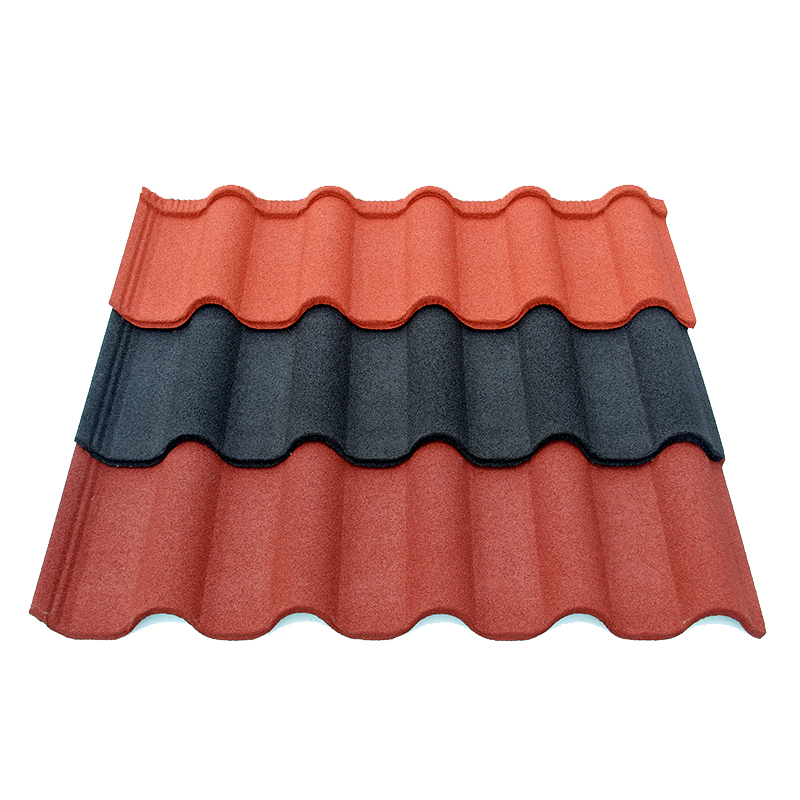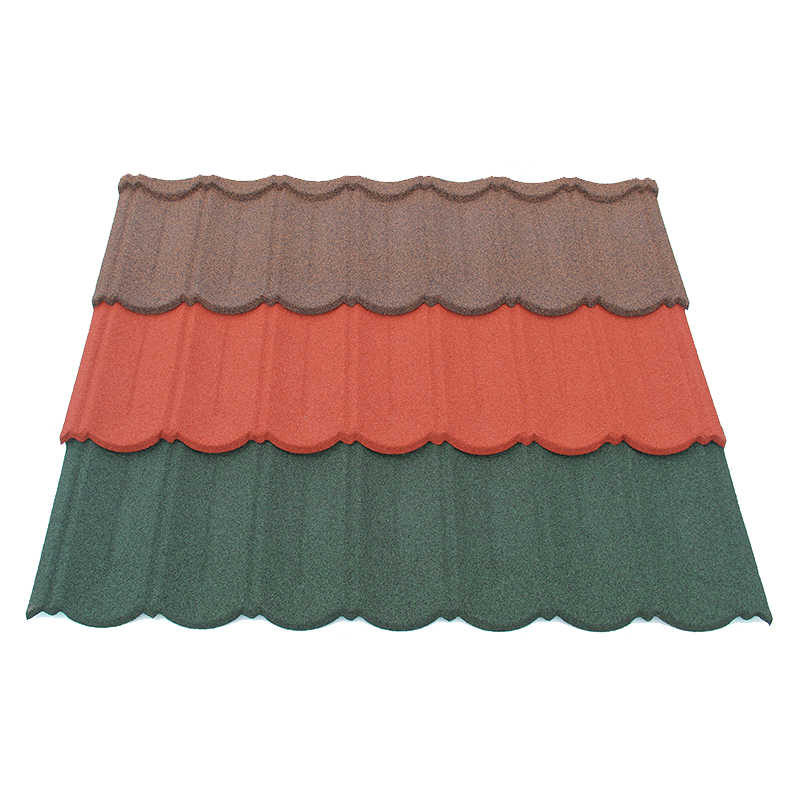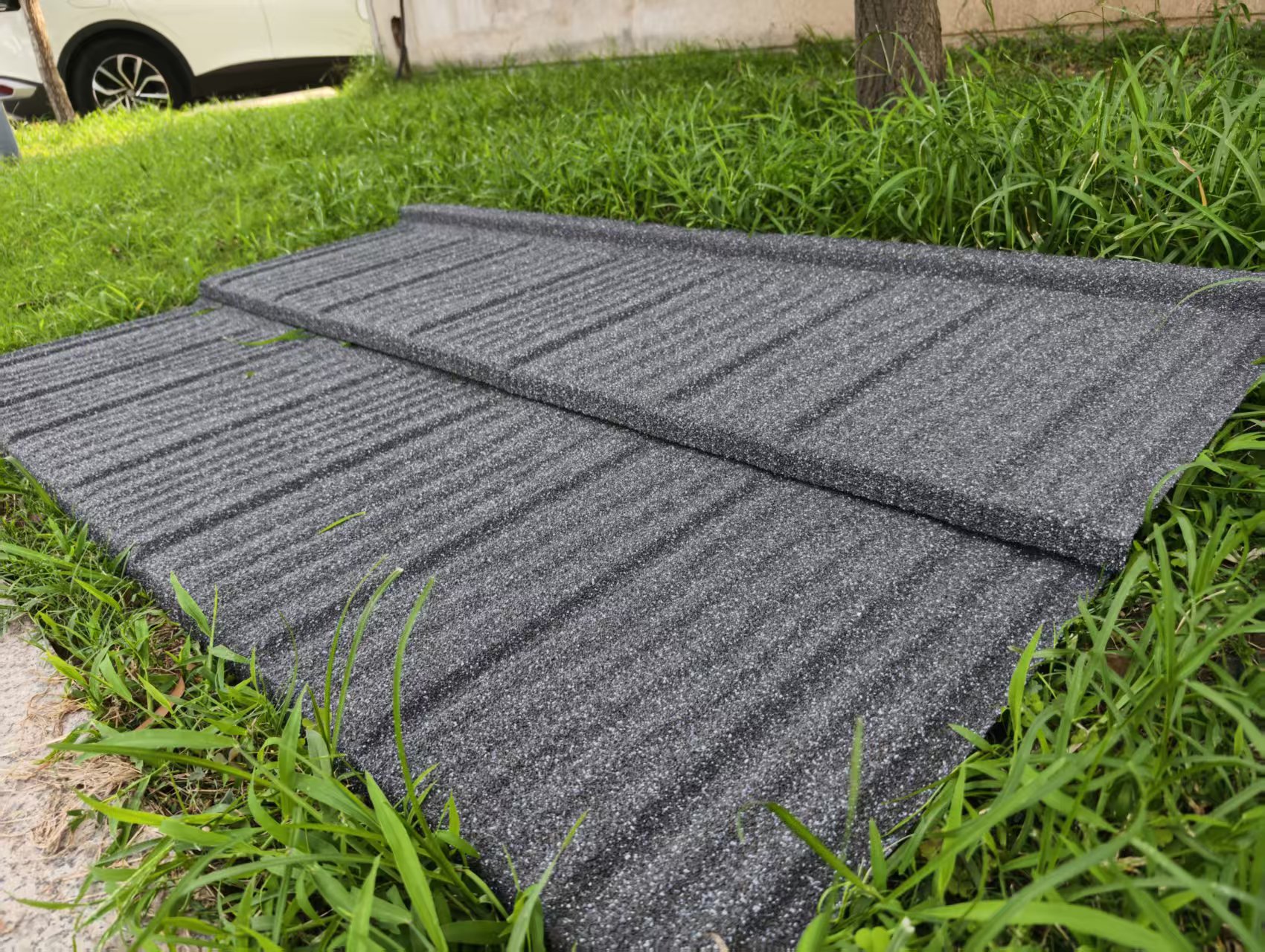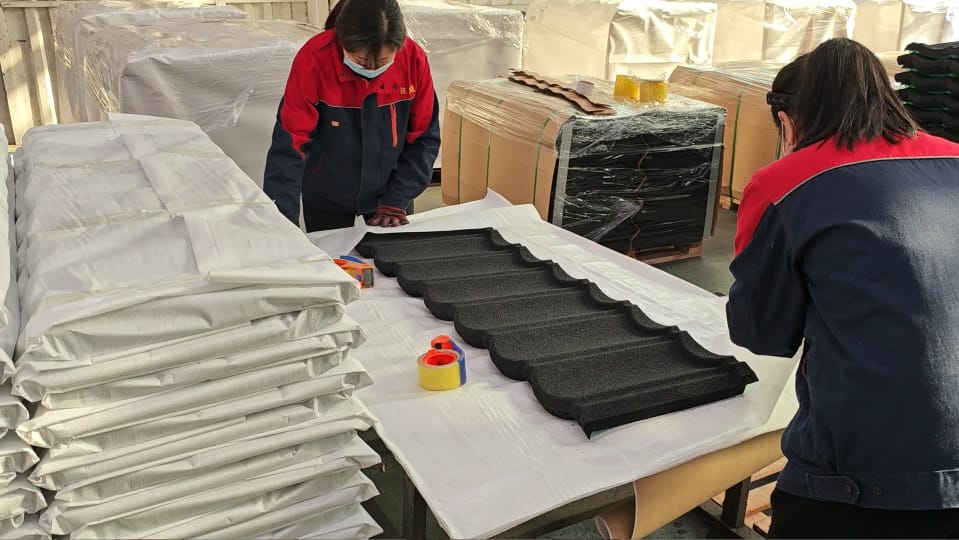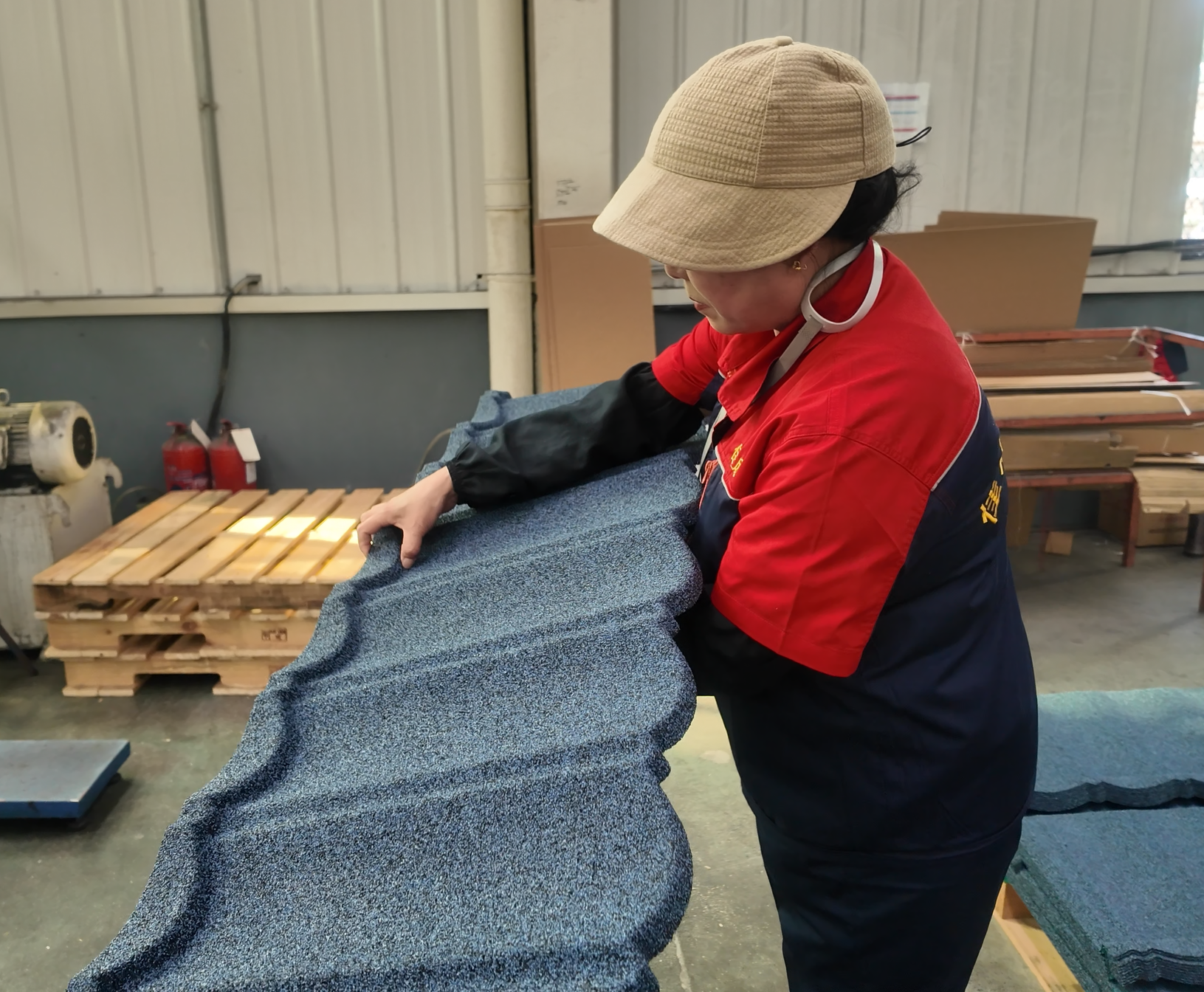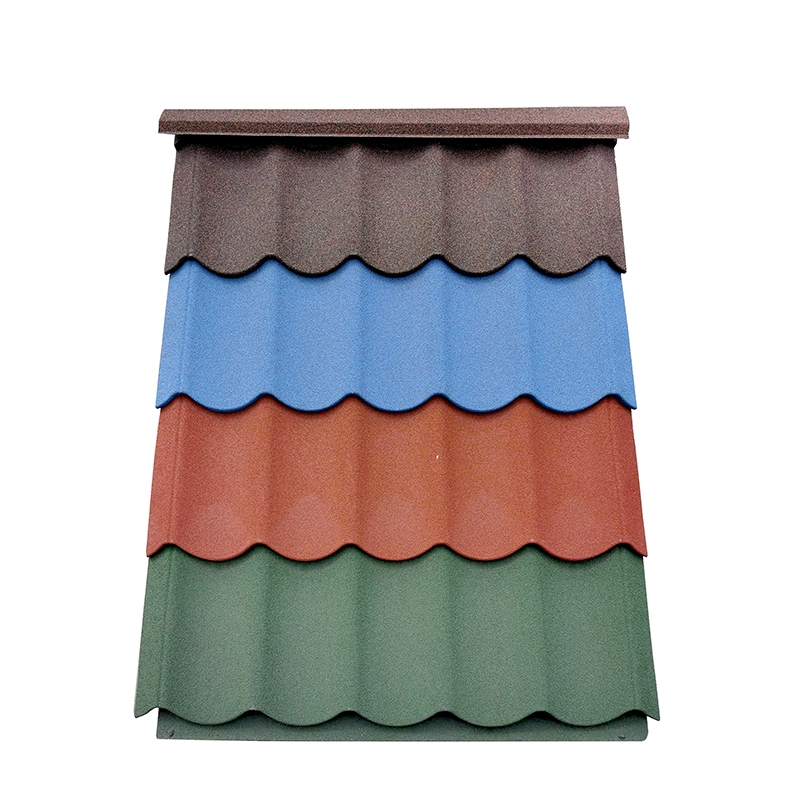

When evaluating stone coated roofing (stone coated steel roofing) for residential or commercial use, a common concern is whether it attracts lightning more than traditional asphalt shingles. This question often arises because stone coated roofing is built on a steel base, leading many buyers to assume it may increase lightning risk.
From an engineering and real-world application perspective, stone coated roofing does not attract lightning more than other roofing materials. In fact, lightning behavior is influenced primarily by building height, location, and surrounding structures—not by whether the roof is metal or asphalt.
Understanding how lightning interacts with structures is essential for making informed decisions about stone coated roofing systems.
How Lightning Actually Chooses a Strike Point
To determine whether stone coated roofing increases lightning risk, we need to understand how lightning works. Lightning does not “seek out” metal materials specifically. Instead, it follows the path of least resistance to the ground from charged clouds.
This means that factors such as elevation, isolation, and grounding conditions are far more important than roofing material.
Whether you use stone coated roofing or asphalt shingles, the likelihood of a strike is largely the same under identical conditions.
Main Factors That Influence Lightning Strikes
- Building height relative to surroundings
- Geographic location and storm frequency
- Presence of taller nearby structures or trees
- Grounding and electrical pathways
Does Stone Coated Roofing Increase Lightning Risk?
The short answer is no—stone coated roofing does not attract lightning more than asphalt roofs. This is a widely misunderstood topic.
Metal itself does not “pull” lightning. Instead, if lightning happens to strike a building with stone coated steel roofing, the material can actually help disperse electrical energy safely when properly grounded.
In contrast, asphalt shingles offer no conductive benefit and simply sit above the structure.
This is why many commercial and industrial buildings use metal roofing systems without increased lightning risk.
What Happens If Lightning Hits Stone Coated Roofing?
If lightning does strike a structure with stone coated roofing, the outcome is often safer compared to non-metal materials. The steel base helps conduct electrical energy across a wider area, reducing the chance of concentrated heat damage.
Additionally, stone coated roofing is non-combustible, which reduces fire risk compared to some traditional materials.
This is a critical advantage in high-risk storm regions.
Performance During a Strike
- Electrical energy spreads across the metal surface
- Lower risk of ignition due to non-combustible materials
- Damage typically limited if grounding is adequate
In installations using Bond Tile, the interlocking system also helps maintain structural integrity even under extreme conditions.
Comparison: Stone Coated Roofing vs Asphalt Shingles
To better understand the difference, it’s useful to compare how stone coated roofing and asphalt roofing behave in lightning scenarios.
| Factor | Stone Coated Roofing | Asphalt Shingles |
|---|---|---|
| Lightning Attraction | No increased risk | No increased risk |
| Conductivity | Conductive (can disperse energy) | Non-conductive |
| Fire Resistance | High | Moderate |
| Damage Control | Better energy distribution | Localized heat damage possible |
As shown, stone coated roofing does not increase strike probability and may offer advantages in how energy is managed.
Does Roof Design or Profile Matter?
From a lightning perspective, roof shape or tile profile has minimal impact. Whether the system uses a curved or flat design, the determining factor remains the building’s overall exposure.
However, roofing design still plays a role in structural safety and durability after a strike.
In systems like Roman Tile, the structural layout ensures stability, but it does not influence lightning attraction.
Key Takeaway
- Roof profile does not attract lightning
- Material conductivity does not increase strike probability
- Building environment is the dominant factor
Common Misconceptions About Metal Roofing and Lightning
There are several persistent myths that lead to confusion about stone coated roofing and lightning risk.
“Metal Roofs Attract Lightning”
This is false. Metal does not increase the likelihood of a strike.
“Non-Metal Roofs Are Safer”
Asphalt roofs do not reduce strike probability—they simply behave differently during impact.
“Stone Coated Roofing Is Riskier Because It’s Steel”
The steel base does not attract lightning, and may actually improve safety if properly grounded.
When Lightning Protection Should Be Considered
While stone coated roofing itself does not increase risk, certain buildings may still require lightning protection systems depending on their location and design.
This is especially relevant for large or isolated structures.
Situations Requiring Extra Protection
- Buildings in high lightning frequency مناطق
- Tall or exposed structures
- Critical infrastructure or commercial facilities
In flatter profiles such as Shingle Tile, lightning behavior remains unchanged—the key factor is still exposure, not material.
Practical Recommendations for Buyers and Contractors
From a B2B perspective, concerns about lightning should be addressed through proper grounding and building design—not by avoiding stone coated roofing.
Stone coated steel roofing is widely used globally without increased lightning-related issues.
Manufacturers such as JCROOF focus on structural durability and weather resistance, while lightning protection is handled at the building system level.
Recommended Approach
- Ensure proper electrical grounding of the structure
- Install lightning protection systems if required by code
- Evaluate site-specific risk factors
- Avoid making decisions based on misconceptions
Conclusion: Does Stone Coated Roofing Attract Lightning?
So, does stone coated roofing attract lightning more than asphalt roofs? No. Stone coated roofing does not increase the likelihood of lightning strikes. The key factors remain building height, location, and exposure—not the roofing material.
In fact, stone coated steel roofing can offer added safety benefits due to its non-combustible nature and ability to disperse electrical energy. For most projects, lightning risk should be managed through proper design and grounding, not by avoiding stone coated roofing systems.