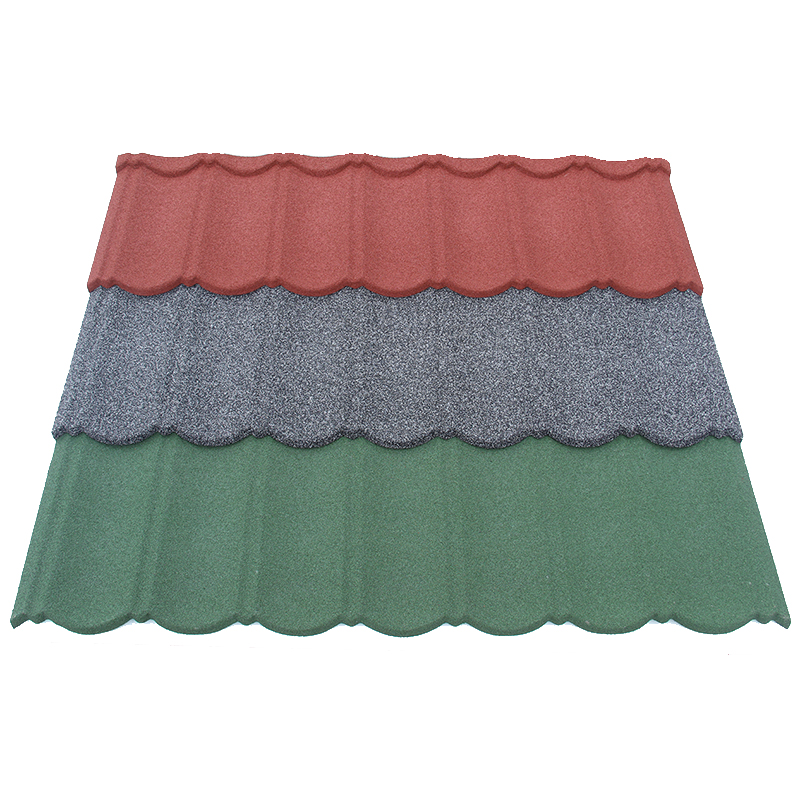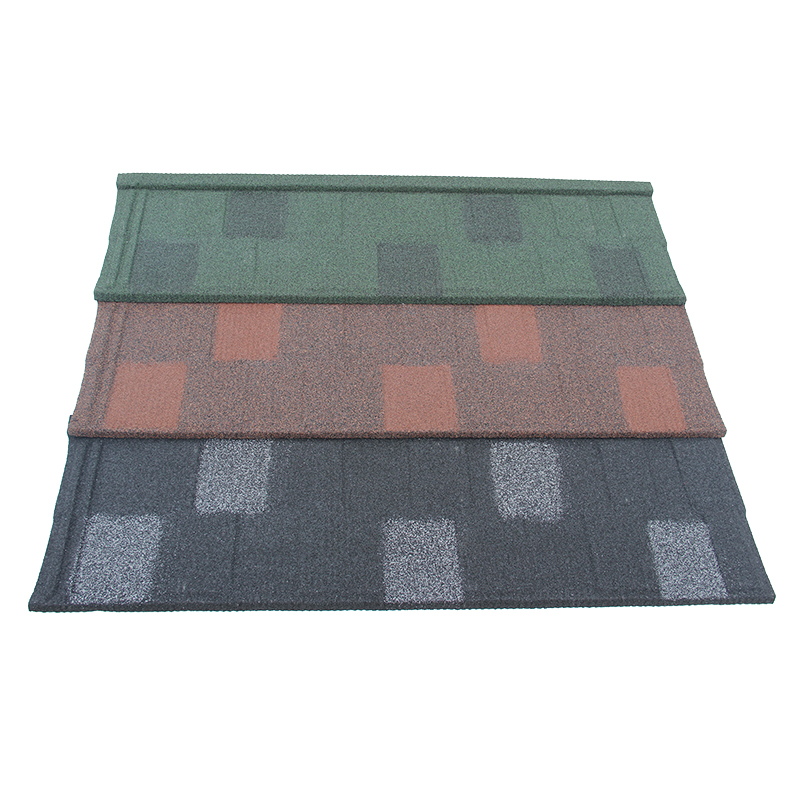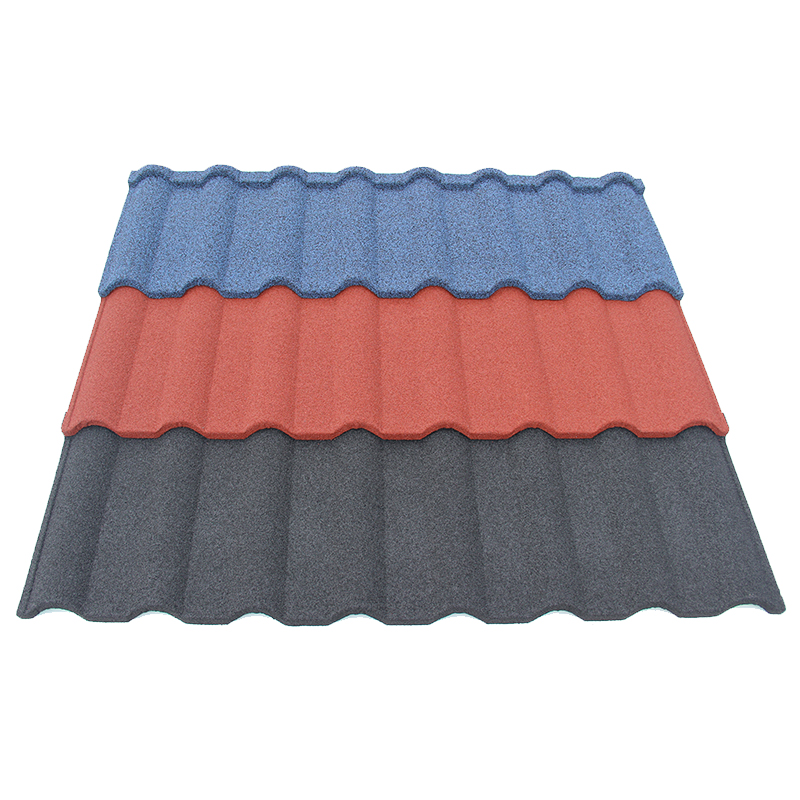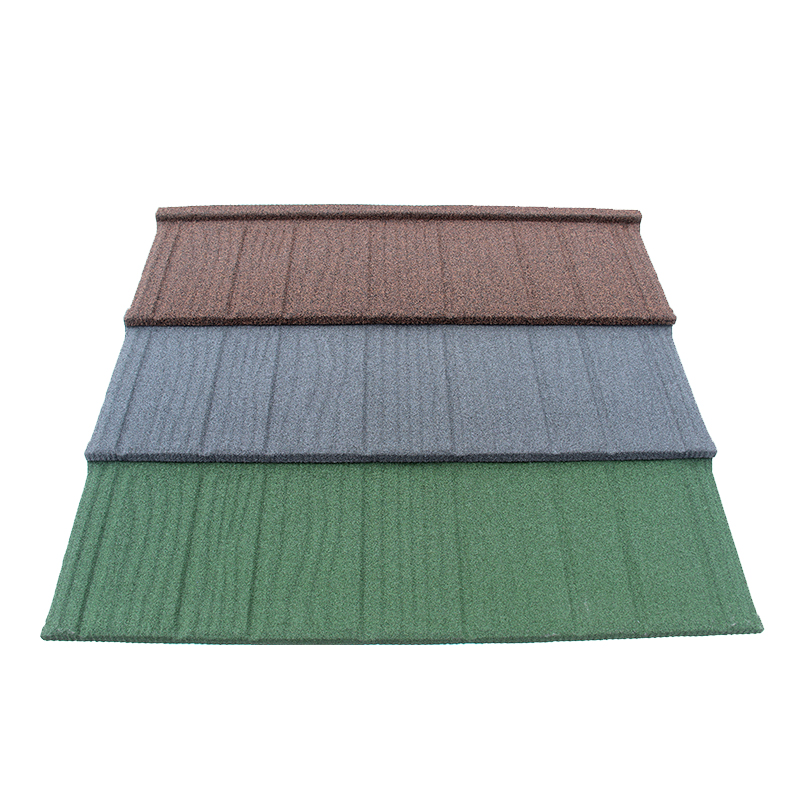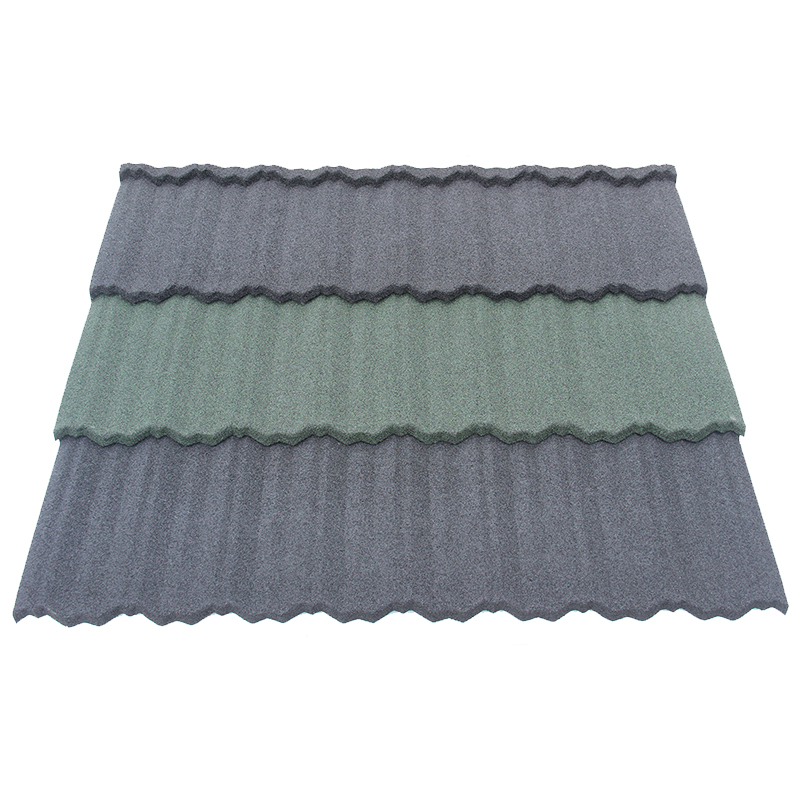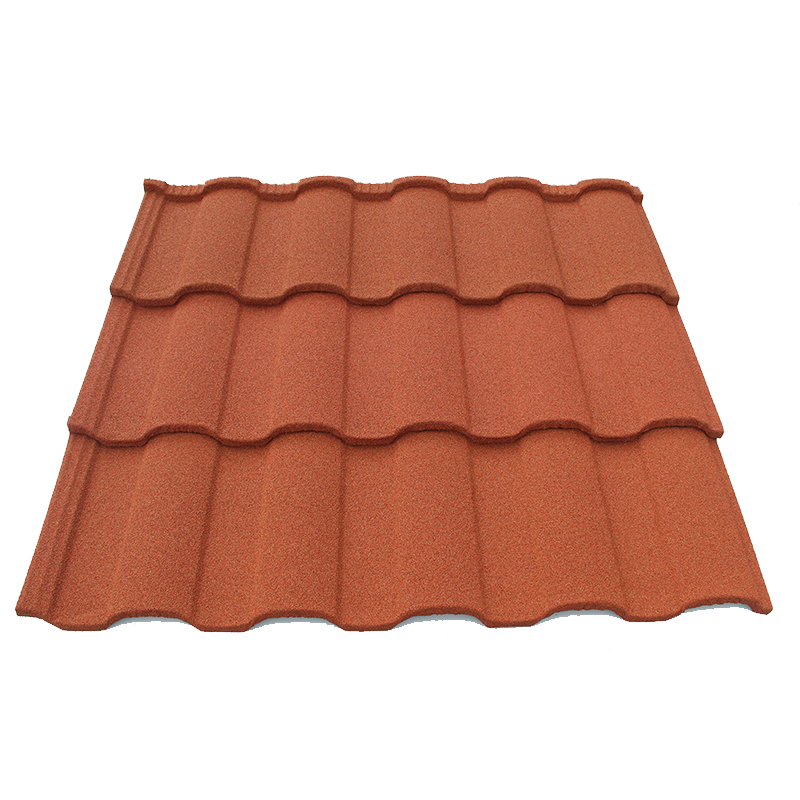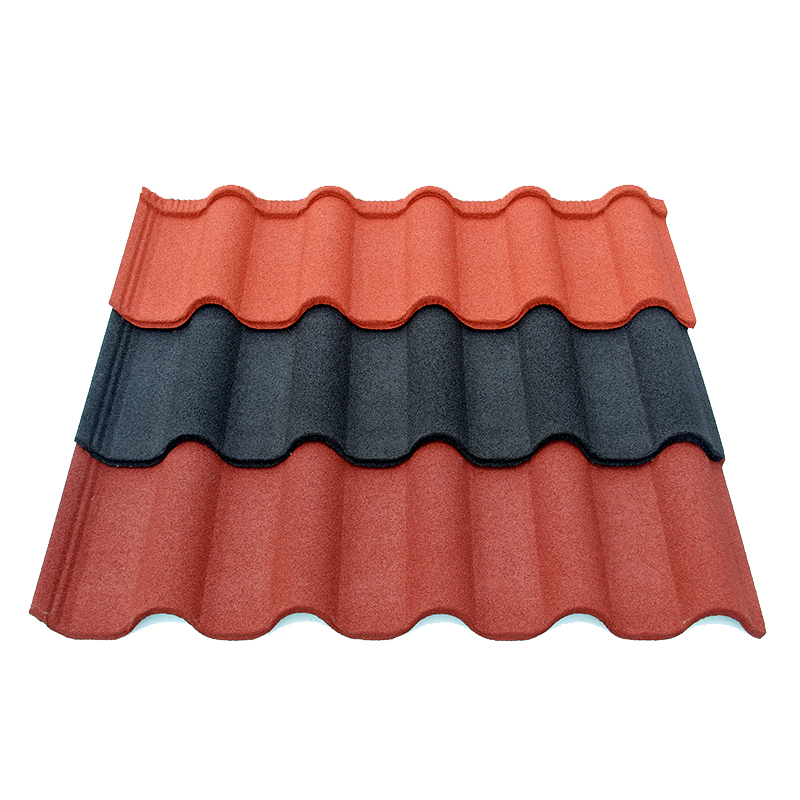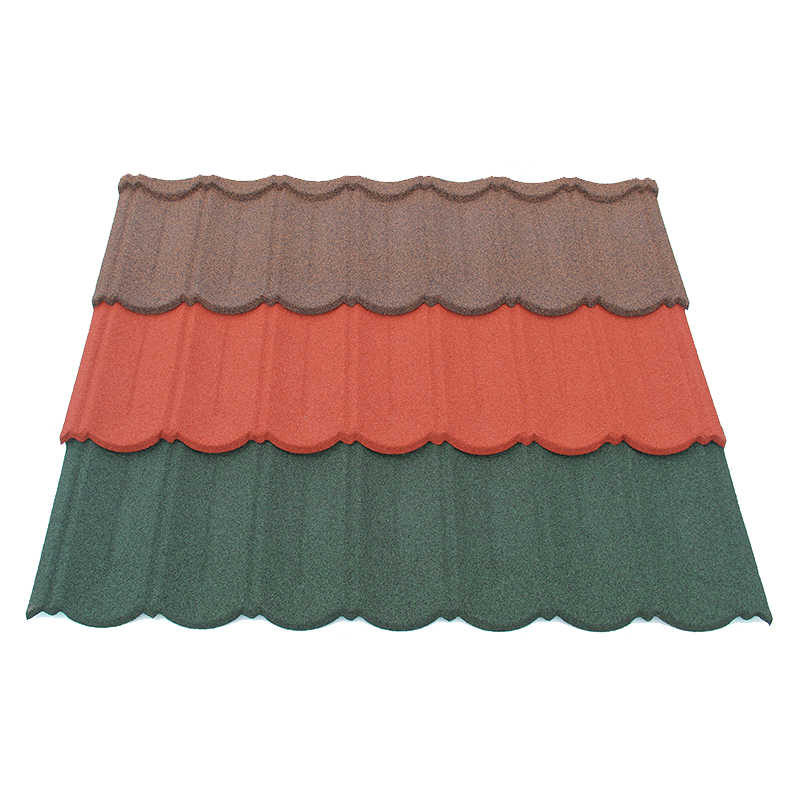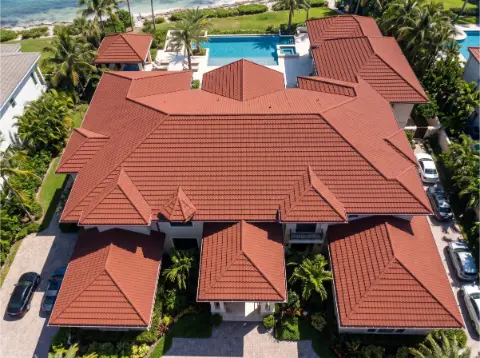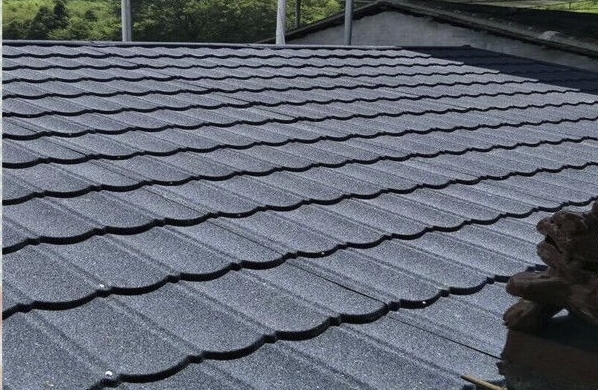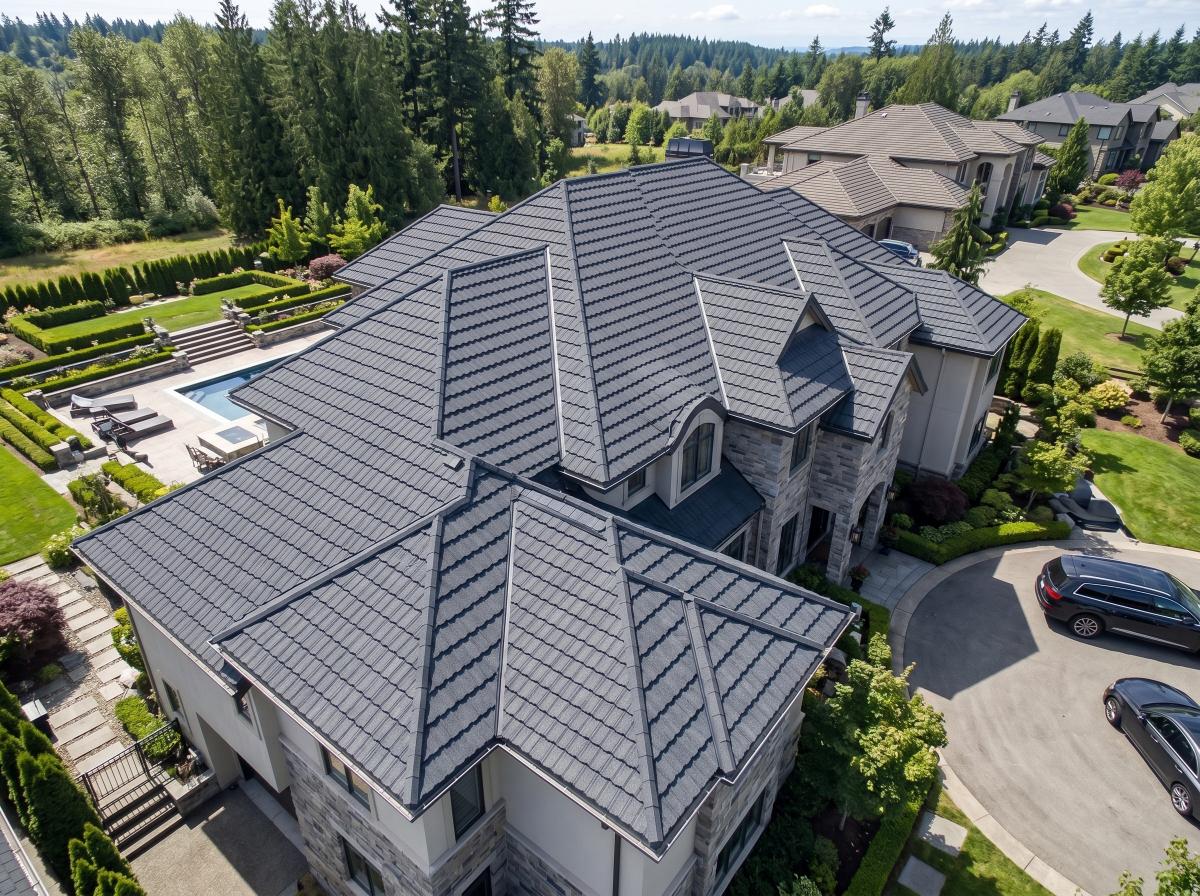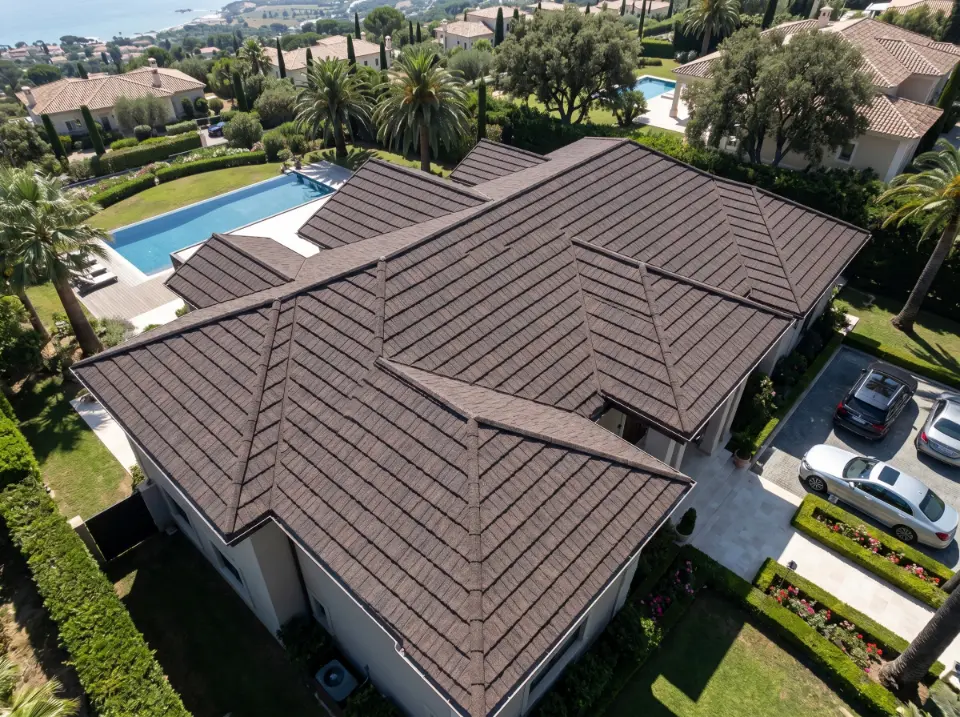

When discussing storm safety, one of the most common concerns is whether metal roofing increases the risk of lightning strikes. In reality, stone coated roofing (stone coated steel roofing) is often safer than many traditional materials during thunderstorms. The misconception comes from misunderstanding how lightning behaves and how roofing materials interact with electrical energy.
For contractors, distributors, and property owners, understanding the facts behind lightning safety is essential for making informed roofing decisions—especially in regions with frequent storms.
Does a Metal Roof Attract Lightning?
A widespread myth is that metal roofs attract lightning. In reality, lightning is not drawn to materials—it is attracted to the highest point in an area, regardless of what the structure is made of.
Height, location, and surrounding terrain are the primary factors that determine where lightning strikes.
The type of roofing material has little influence on strike probability.
Key Factors That Influence Lightning Strikes
- Building height relative to surroundings
- Geographic location and storm frequency
- Presence of taller nearby structures
Why Metal Roofing Is Actually Safer
While metal roofing does not attract lightning, it offers significant safety advantages if a strike does occur. Stone coated steel roofing is non-combustible, meaning it will not ignite when exposed to high الحرارة or electrical discharge.
This reduces the risk of fire compared to combustible materials.
Safety is enhanced at the structural level.
Safety Benefits
- Non-combustible steel core prevents ignition
- Resistant to heat and sparks
- Maintains structural integrity during impact
In systems such as Bond Tile, the interlocking design also helps maintain roof stability during extreme weather conditions.
How Lightning Interacts with Metal Roofing
If lightning strikes a metal roof, the electrical energy is quickly dispersed across the surface and directed toward the ground. Metal is a good conductor, which allows energy to move safely rather than concentrating in one area.
This reduces the risk of localized damage.
Proper grounding further improves safety.
Energy Dissipation Process
- Lightning strikes the highest point
- Energy spreads across the metal surface
- Electrical charge is directed toward the ground
Comparison with Traditional Roofing Materials
Traditional roofing materials such as asphalt shingles or wood shakes can be more vulnerable during lightning events. Combustible materials may catch fire if exposed to intense heat or sparks.
Metal roofing provides a safer alternative.
This difference is critical in storm-prone regions.
Material Comparison
| Material | Combustibility | Fire Risk During Strike |
|---|---|---|
| Wood Shingles | High | High |
| Asphalt Shingles | Moderate | Moderate |
| Stone Coated Steel Roofing | Non-combustible | Low |
In curved profiles like Roman Tile, the steel base ensures consistent fire resistance across the entire roof surface.
The Role of Grounding and Lightning Protection Systems
While metal roofing itself is safe, proper grounding and lightning protection systems can further enhance safety. These systems provide a controlled path for electrical energy to travel into the ground.
This minimizes potential damage to the structure.
It is especially important for large or high buildings.
Recommended Measures
- Install lightning rods where required
- Ensure proper grounding of the structure
- Follow local electrical and building codes
Common Myths About Metal Roofing and Lightning
Several misconceptions continue to influence decision-making in roofing selection.
“Metal Roofs Attract Lightning”
False—lightning is influenced by height and location, not material type.
“Metal Roofs Increase Electrical Risk”
False—metal safely conducts and disperses energy, reducing risk.
“Non-Metal Roofs Are Safer”
False—combustible materials can increase fire risk during a strike.
Why This Matters for B2B Projects
For developers and contractors, safety is a key factor in material selection. Roofing systems that reduce fire risk and improve structural resilience are increasingly preferred in both residential and commercial projects.
Metal roofing aligns well with these requirements.
It also supports compliance with safety standards.
In modern applications using Shingle Tile, combining safety with aesthetic appeal makes the system suitable for a wide range of projects.
Additional Storm-Related Advantages
Beyond lightning safety, stone coated roofing offers other benefits in storm conditions, including resistance to wind and impact. These features contribute to overall building protection.
This makes it a comprehensive solution for harsh weather environments.
Performance extends beyond a single factor.
Storm Performance Benefits
- High wind resistance due to secure fastening
- Impact resistance against hail and debris
- Durable structure under extreme conditions
Practical Advice for Property Owners and Contractors
When evaluating roofing options for storm-prone areas, it is important to consider both material properties and installation quality. A well-installed system provides the best protection.
Working with experienced suppliers and installers improves outcomes.
Planning ahead reduces risk.
Recommended Approach
- Choose non-combustible roofing materials
- Verify compliance with fire and safety standards
- Consider adding lightning protection systems if needed
- Ensure proper installation and grounding
Manufacturers such as JCROOF typically design roofing systems that combine fire resistance, durability, and structural stability, supporting safer performance in storm conditions.
Conclusion: Safer by Design
Metal roofing does not increase the likelihood of lightning strikes—in fact, it offers a safer response when strikes occur. Through its non-combustible nature and ability to disperse electrical energy, stone coated steel roofing provides a reliable solution for storm protection.
For B2B buyers and contractors, choosing the right roofing system is about understanding real risks, not myths. In storm-prone environments, metal roofing stands out as a practical and safety-focused choice.