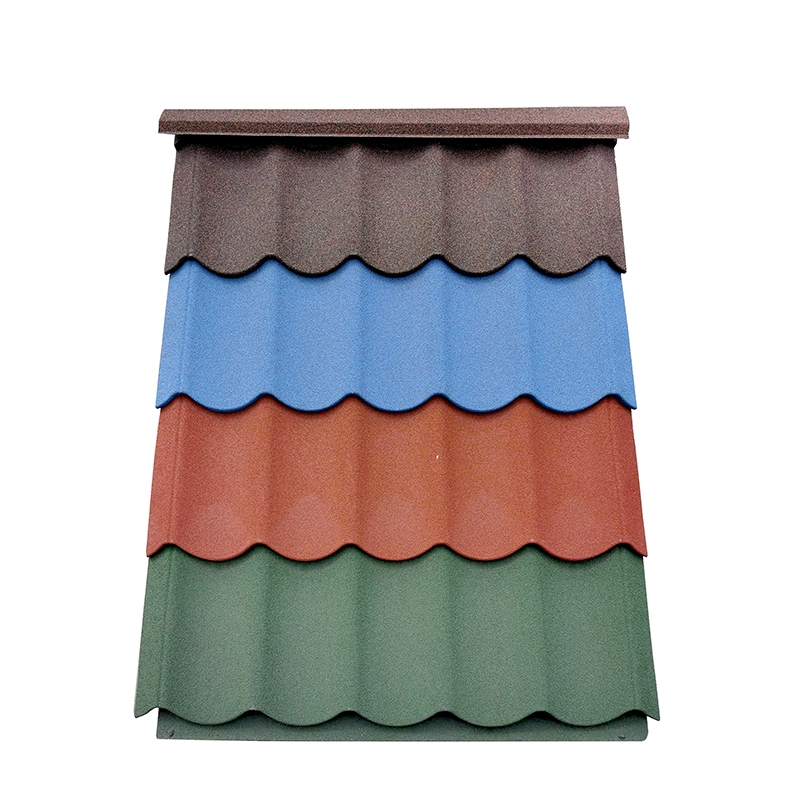


Choosing the right roof profile is more than an aesthetic decision—it directly affects the overall visual harmony, market positioning, and perceived value of a property. In stone coated roofing (stone coated steel roofing), different tile shapes are designed to match specific architectural styles while maintaining consistent performance.
For contractors, developers, and distributors, selecting the appropriate profile is essential for meeting client expectations and aligning with regional design trends. Understanding how each tile shape complements different building styles can help you make more strategic product choices.
Why Roof Profile Matters in Design
The roof is one of the most visible elements of any building. Its shape, texture, and proportions can significantly influence the overall appearance of the structure.
A well-matched roof profile enhances architectural coherence, while a mismatched one can disrupt the visual balance.
Design consistency is key in both residential and commercial projects.
Key Design Factors
- Architectural style of the building
- Roof pitch and structure
- Regional design preferences
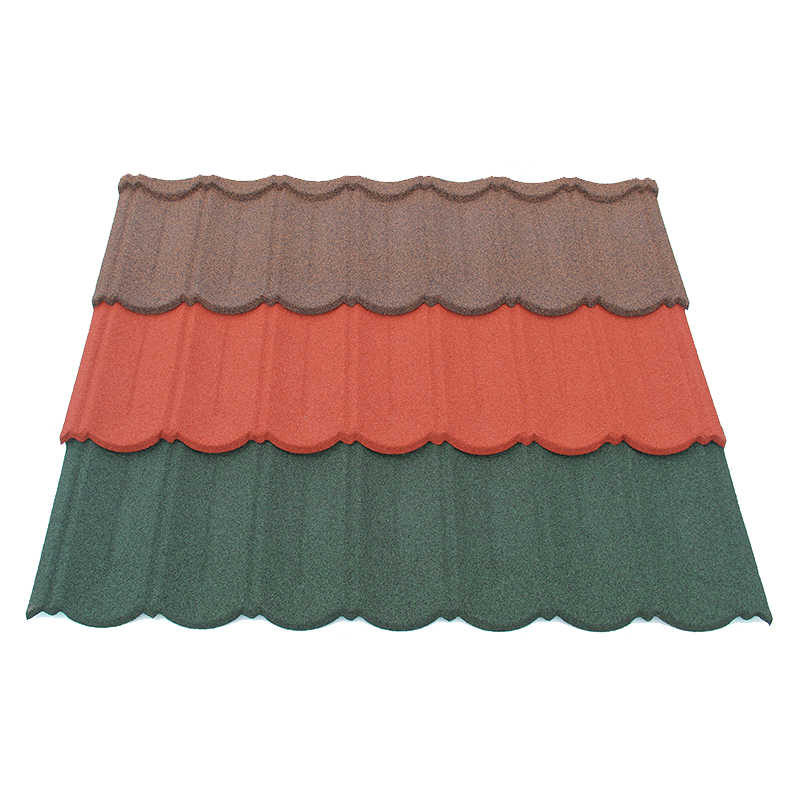
Classic Tile: Balanced and Versatile
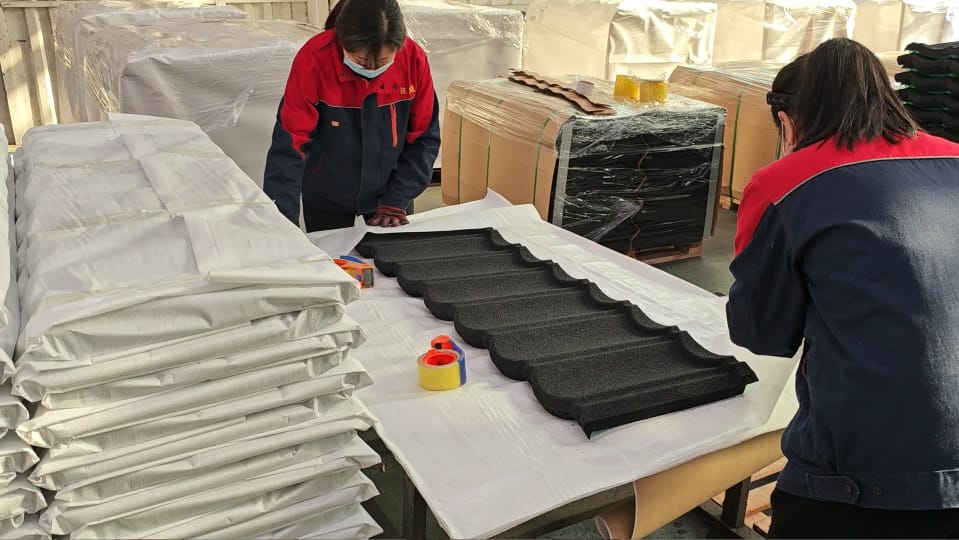
Classic Tile profiles are among the most widely used in stone coated roofing due to their balanced appearance and adaptability. They offer a traditional look that works well across a variety of building types.
This makes them a safe and flexible choice for many projects.
They are especially suitable for standard residential developments.
Best Applications
- Suburban homes
- Mixed-style neighborhoods
- Projects requiring broad market appeal
Classic Tile profiles provide a neutral design base that integrates easily with different architectural elements.
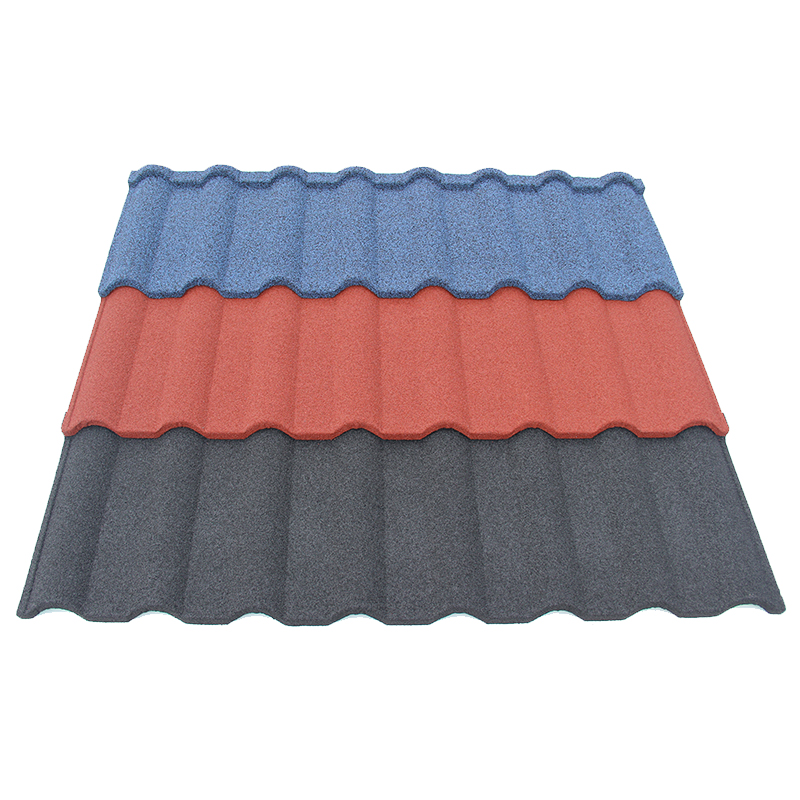
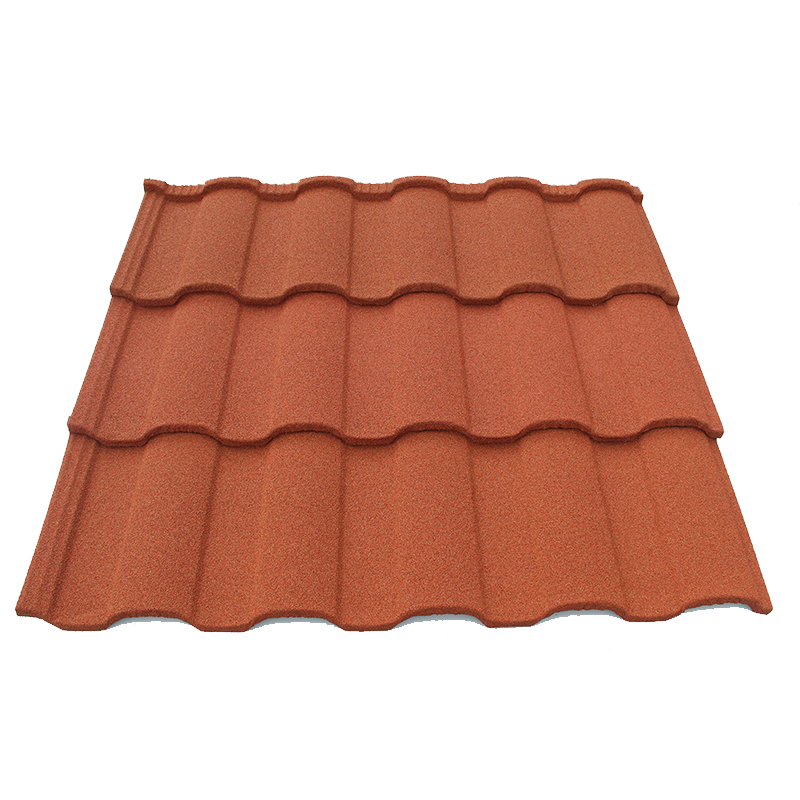
Roman Tile: Traditional and Elegant
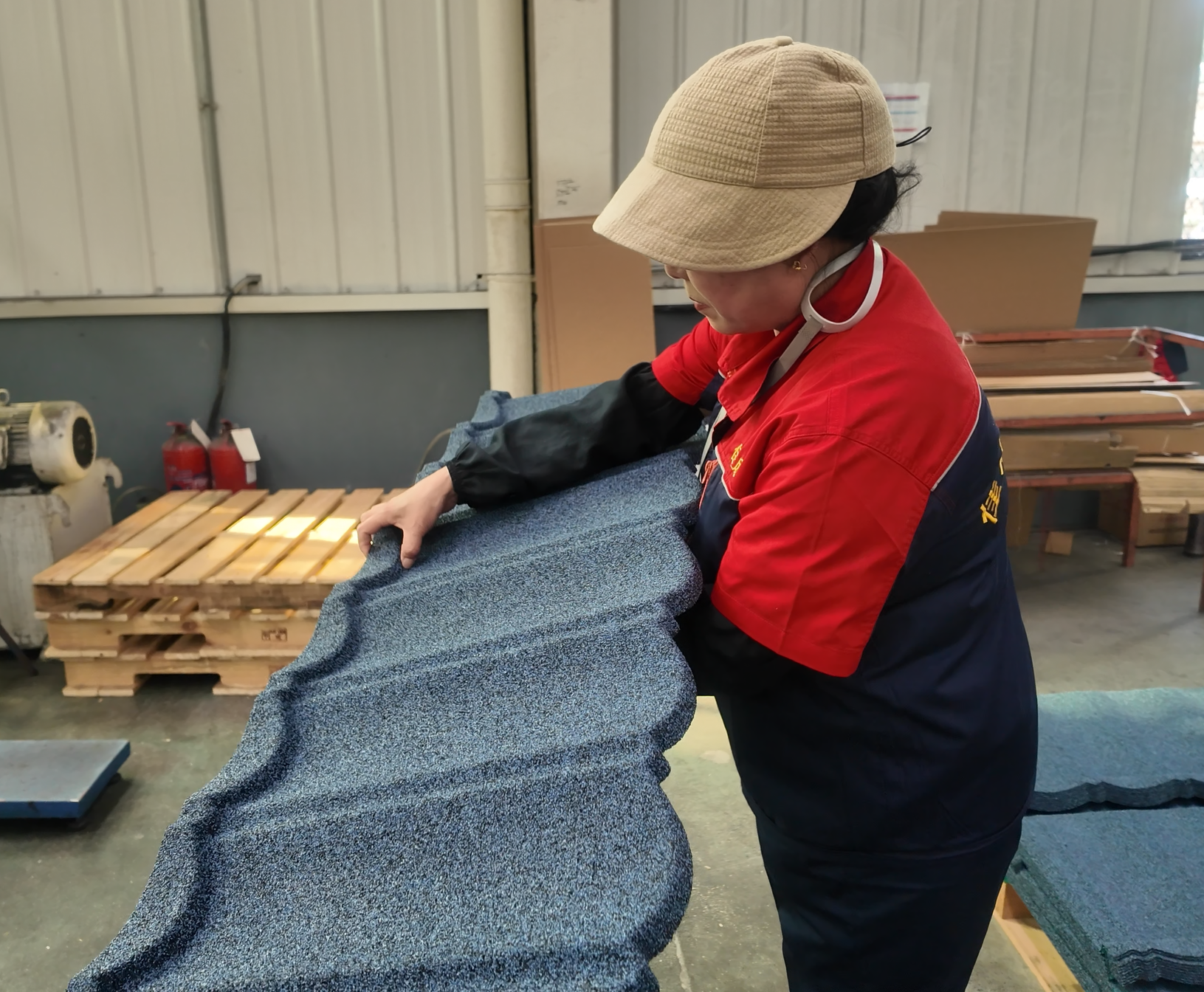
Roman Tile profiles are characterized by their deep curves and pronounced waves, creating a strong visual identity. This style is often associated with Mediterranean and European-inspired architecture.
It adds depth and elegance to roof design.
It is ideal for projects aiming for a premium or classic aesthetic.
Best Applications
- Villas and luxury homes
- Mediterranean-style buildings
- High-end residential projects
The distinctive shape of Roman Tile enhances shadow lines, giving the roof a more dynamic appearance.
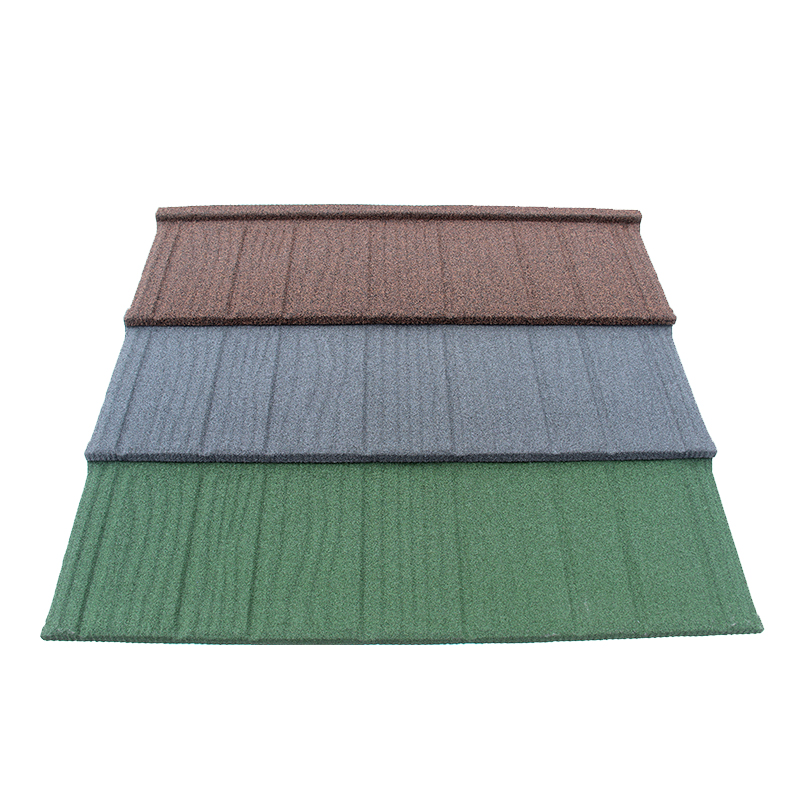
Bond Tile: Modern and Structured
Bond Tile profiles offer a more structured and symmetrical design compared to curved styles. This makes them suitable for modern and contemporary architecture.
The clean lines create a neat and organized visual effect.
They are widely used in urban developments.
Best Applications
- Modern residential projects
- Urban housing developments
- Projects requiring a clean, uniform look
Bond Tile balances aesthetics and practicality, making it a popular choice for both residential and light commercial use.
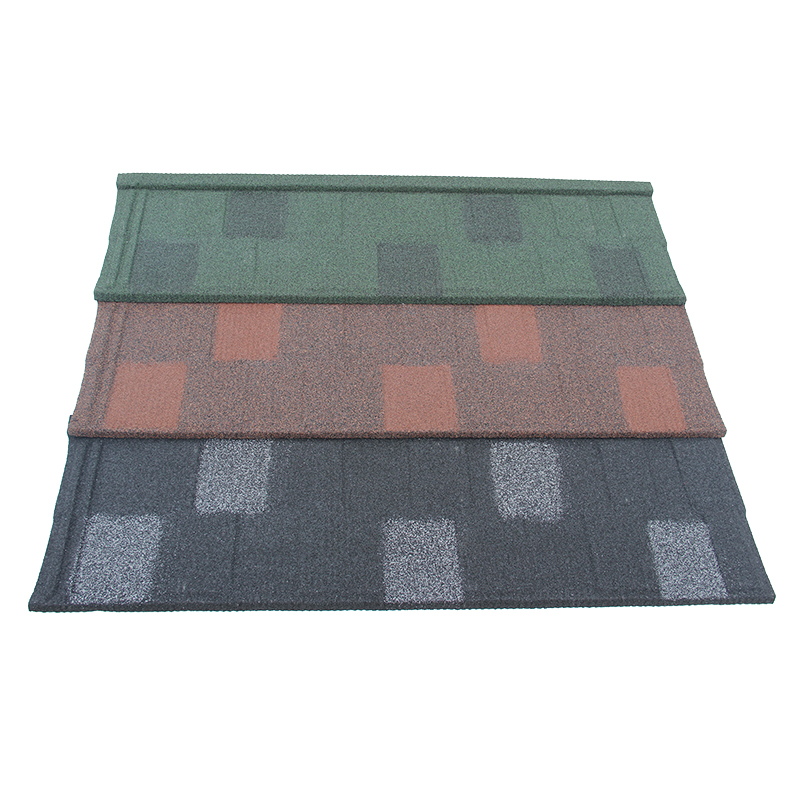
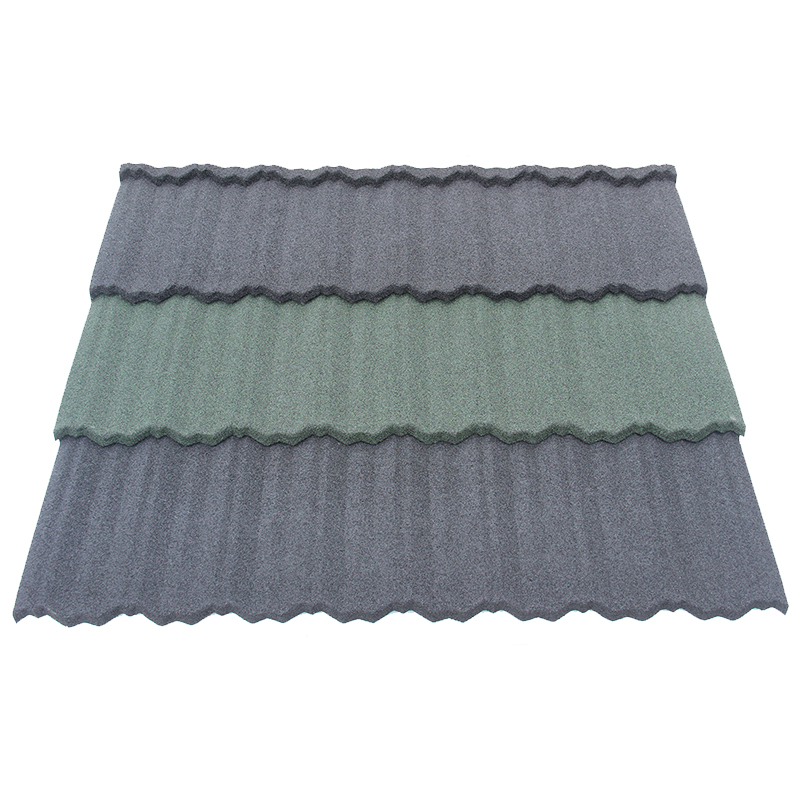
Shingle Tile: Simple and Contemporary
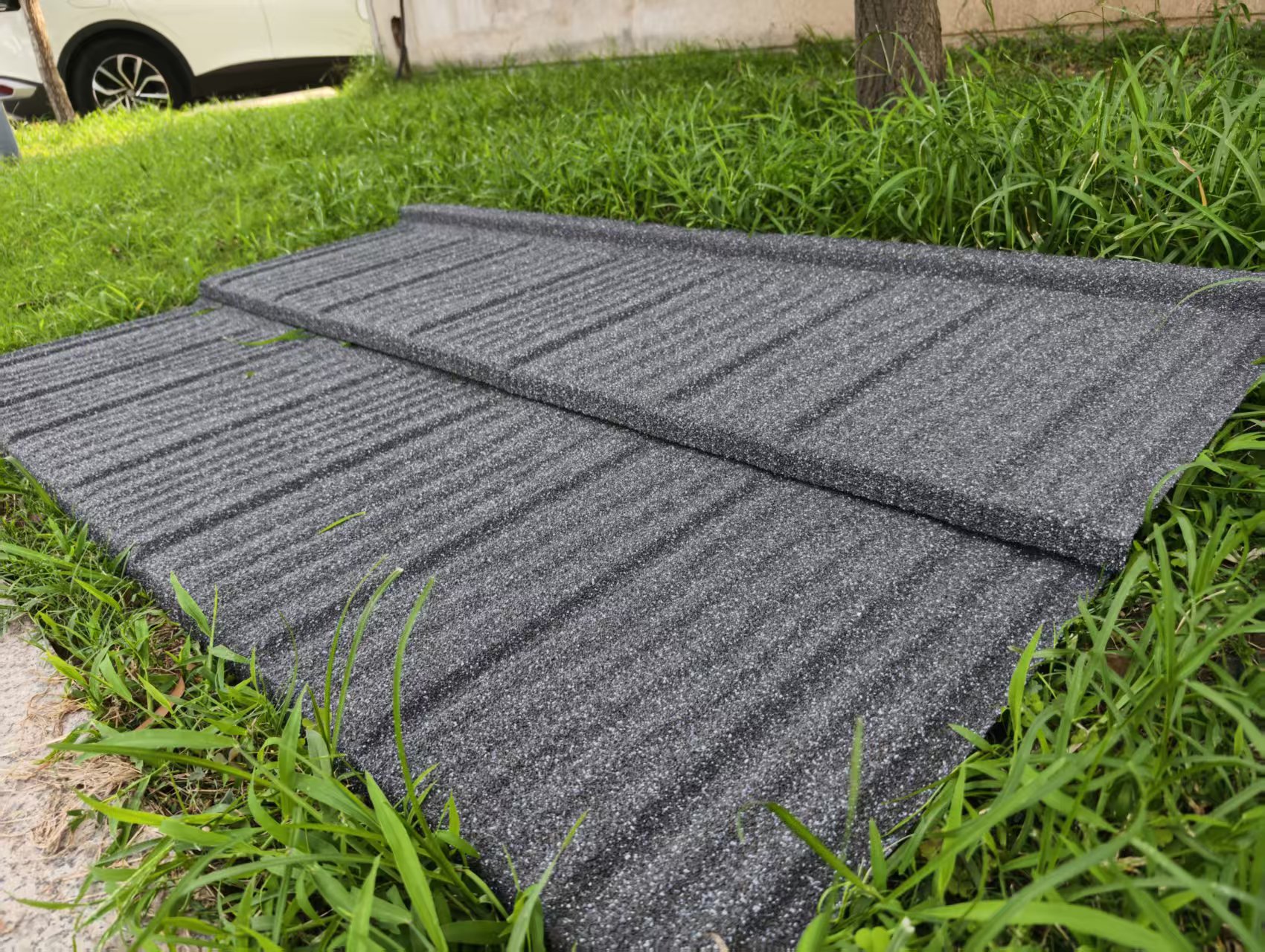
Shingle Tile profiles provide a flat, minimalist appearance that aligns with modern design trends. They are often used in projects that emphasize simplicity and clean geometry.
This style works well with contemporary architecture.
It also supports a sleek visual identity.
Best Applications
- Contemporary homes
- Minimalist architectural designs
- Commercial buildings with modern styling
Shingle Tile profiles are ideal for projects where subtle design and uniform texture are preferred.
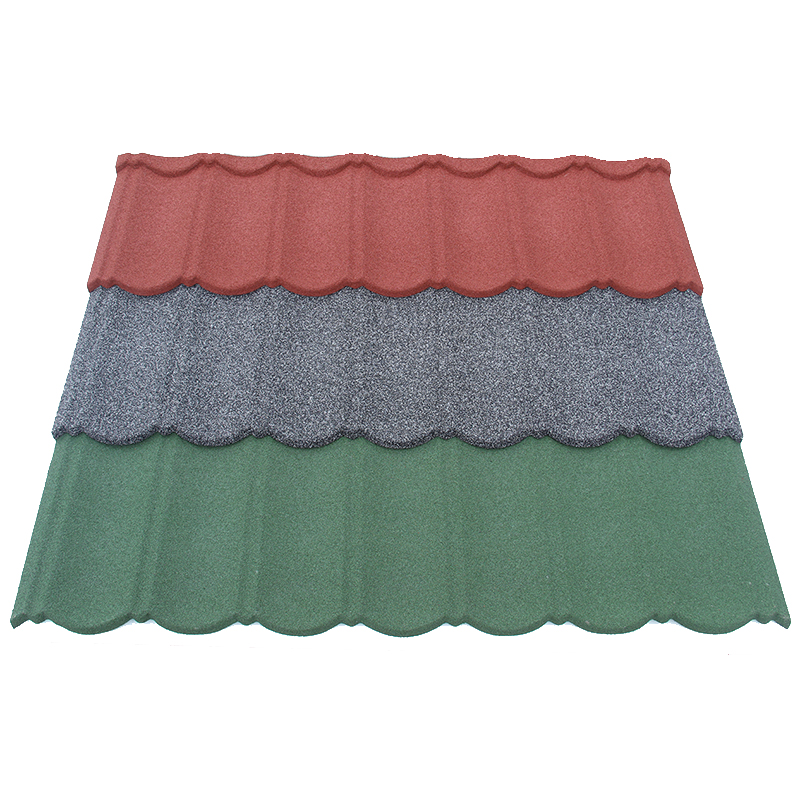
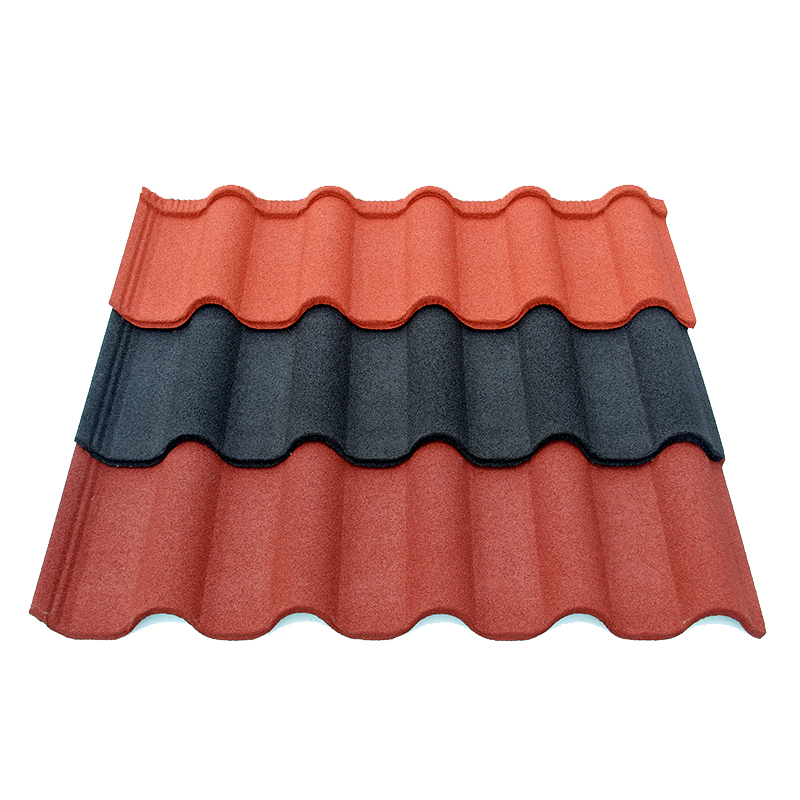
Milano Tile: Premium and Distinctive
Milano Tile profiles combine elements of traditional and modern design, offering a unique visual identity. They are often used in premium projects where differentiation is important.
This profile provides a refined and upscale appearance.
It is suitable for high-value developments.
Best Applications
- Luxury residential projects
- High-end developments
- Architectural showcase buildings
Milano Tile adds character to the roof while maintaining the durability of stone coated steel roofing.
How to Match Tile Shape with Roof Structure
Beyond architectural style, roof structure plays a key role in profile selection. Factors such as pitch, complexity, and size influence how a tile shape performs visually and practically.
Choosing the right profile ensures both aesthetic and functional compatibility.
It also improves installation efficiency.
Structural Considerations
- Steep roofs enhance curved profiles
- Low-pitch roofs suit flatter designs
- Complex roofs require adaptable profiles
Regional Preferences and Market Trends
Different regions have distinct architectural traditions and customer preferences. Understanding local trends can help ensure that the selected profile aligns with market expectations.
This is particularly important for distributors and developers.
Market alignment improves sales potential.
Examples
- Mediterranean regions: preference for curved profiles
- Urban areas: demand for modern, flat designs
- Mixed markets: need for versatile options
Common Mistakes in Profile Selection
Incorrect profile selection can lead to design inconsistencies and reduced project appeal. These mistakes are often avoidable with proper planning.
Typical Errors
- Choosing style without considering architecture
- Ignoring roof pitch and structure
- Overlooking regional preferences
Balancing Aesthetics and Practicality
While appearance is important, practical factors such as installation, maintenance, and cost should also be considered. The best choice balances visual appeal with functional performance.
This ensures long-term satisfaction.
It also supports project efficiency.
Why Profile Selection Matters for B2B Buyers
For contractors and distributors, offering the right mix of profiles is essential for meeting diverse project requirements. A well-planned product range can improve customer satisfaction and increase sales opportunities.
This is particularly important in competitive markets.
Flexibility is a key advantage.
Manufacturers such as JCROOF typically provide multiple profile options to support different architectural styles and market needs.
Practical Advice for Choosing the Right Profile
Selecting the right tile shape requires a combination of design understanding and market awareness. Working closely with clients and evaluating project requirements helps ensure the best outcome.
Clear communication is essential.
Planning ahead reduces risk.
Recommended Approach
- Match profile to architectural style
- Consider roof structure and pitch
- Align with regional market preferences
- Balance design with practical factors
Conclusion: The Right Shape Makes the Difference
Profile selection in stone coated roofing is a key factor in achieving both visual appeal and project success. By choosing a tile shape that aligns with architectural design, structural requirements, and market trends, contractors and buyers can deliver better results and enhance property value.
In today’s construction market, the right roofing profile is not just a detail—it is a defining element of the entire building.