
Not all stone coated roofing (stone coated steel roofing) products are created equal. While high-quality tiles can last decades with minimal maintenance, low-quality versions may fail prematurely, leading to costly repairs and reputational risks for contractors and distributors.
Knowing how to identify low-quality stone coated tiles before purchase is essential for making a smart investment and ensuring long-term performance.
Why Quality Differences Matter
At a glance, most stone coated tiles look similar. However, differences in raw materials, coating technology, and manufacturing standards can significantly impact durability and performance.
Low-quality tiles may look fine initially.
Problems often appear after installation.
Potential Risks
- Premature corrosion
- Granule shedding
- Color fading
- Reduced lifespan
Check the Steel Core Thickness
The steel substrate is the foundation of the tile. If it is too thin, the tile will lack structural strength and durability.
Some manufacturers reduce thickness to cut costs.
This directly affects performance.
What to Look For
- Standard thickness: typically 0.35mm–0.55mm
- Uniform thickness across the tile
- No visible warping or deformation
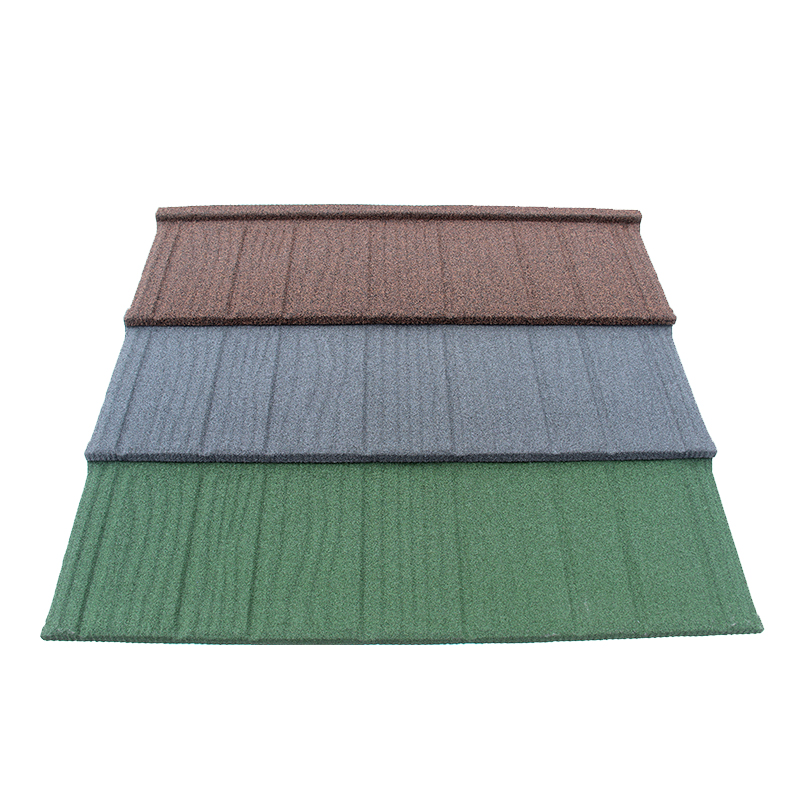
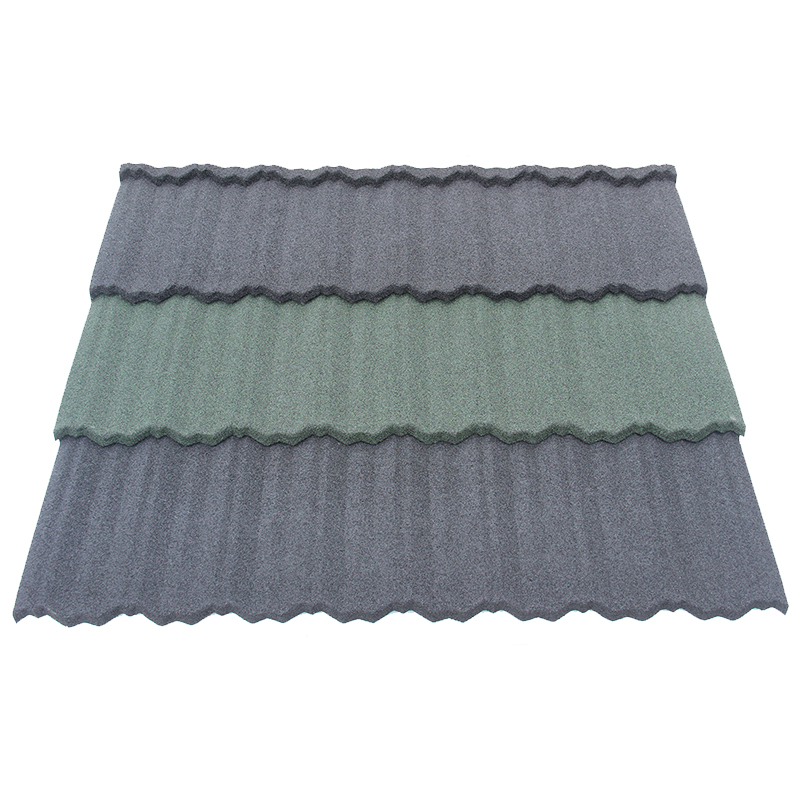
In structured profiles like Bond Tile, consistent thickness is especially important for proper interlocking and stability.
Inspect the Stone Granule Adhesion
The stone coating is not just decorative—it protects the surface and enhances durability. Poor adhesion is a clear sign of low-quality manufacturing.
Granules should be firmly bonded to the surface.
Loose particles indicate weak adhesive or poor processing.
Simple Test
- Rub the surface with your hand
- Light shedding is normal
- Excessive loss indicates poor quality
Examine the Coating System
High-quality stone coated steel roofing uses multiple protective layers, including anti-corrosion coatings and acrylic bonding agents.
Low-quality products often skip or reduce these layers.
This leads to faster deterioration.
Key Coating Features
- Aluzinc or galvanized base coating
- Strong acrylic resin adhesive
- Even and consistent surface finish
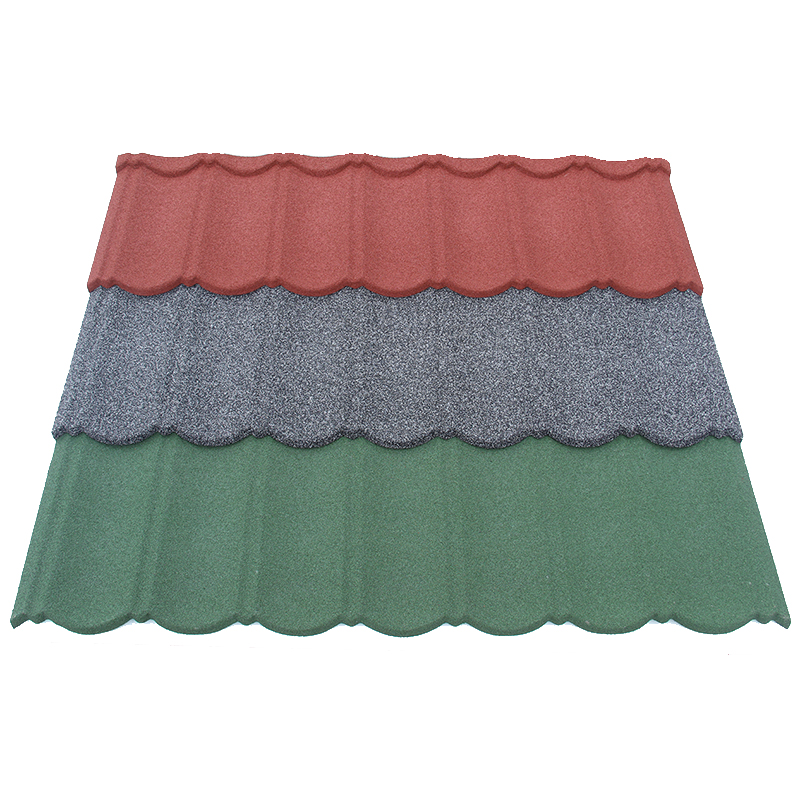
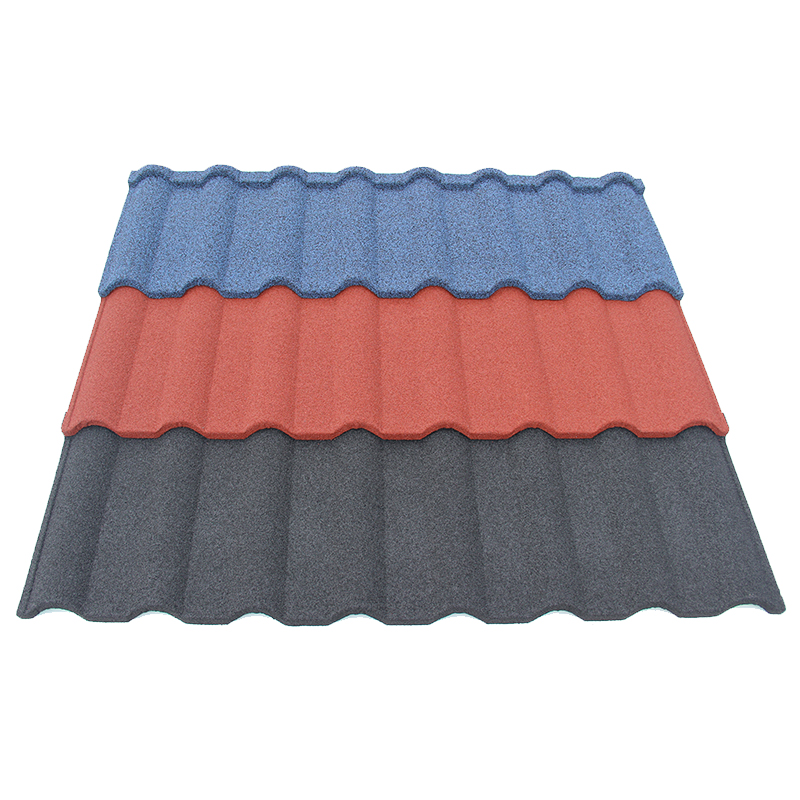
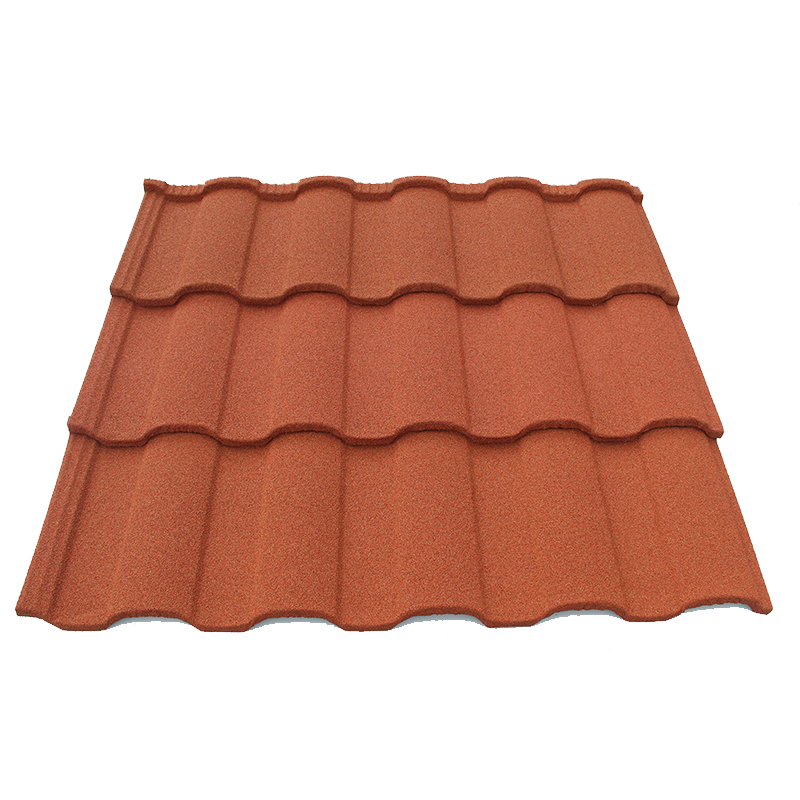
In curved designs like Roman Tile, coating consistency is critical to maintaining both appearance and durability over time.
Look for Color Consistency
Color quality is another indicator of manufacturing standards. Uneven or inconsistent coloring often signals poor production control.
High-quality tiles have uniform color distribution.
They also resist fading over time.
Warning Signs
- Patchy or uneven color
- Visible differences between tiles
- Dull or washed-out appearance
Check the Backside Finish
The underside of the tile is often overlooked, but it plays a role in corrosion resistance and overall quality.
Low-quality tiles may have minimal or uneven backside coating.
This increases the risk of rust over time.
What to Inspect
- Uniform protective coating on the back
- No exposed raw steel
- Smooth and consistent finish
Evaluate the Interlocking Design
The interlocking system is essential for both installation efficiency and weather resistance. Poorly designed edges can lead to alignment issues and water leakage.
Precision matters in tile connections.
Loose or inconsistent edges are a red flag.
Inspection Points
- Clean, well-defined edges
- Secure fit between tiles
- No visible gaps when connected
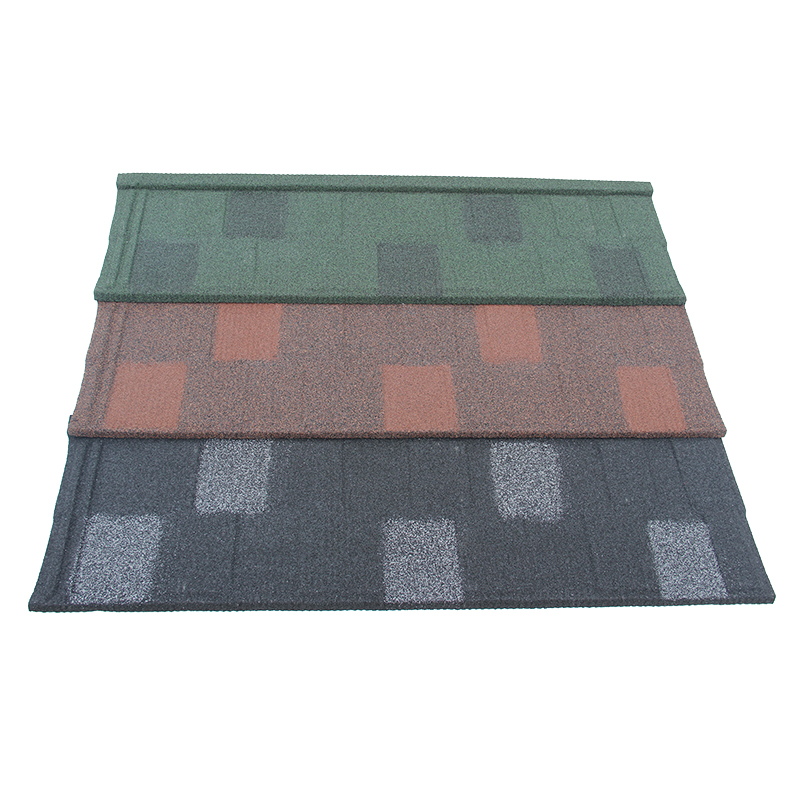
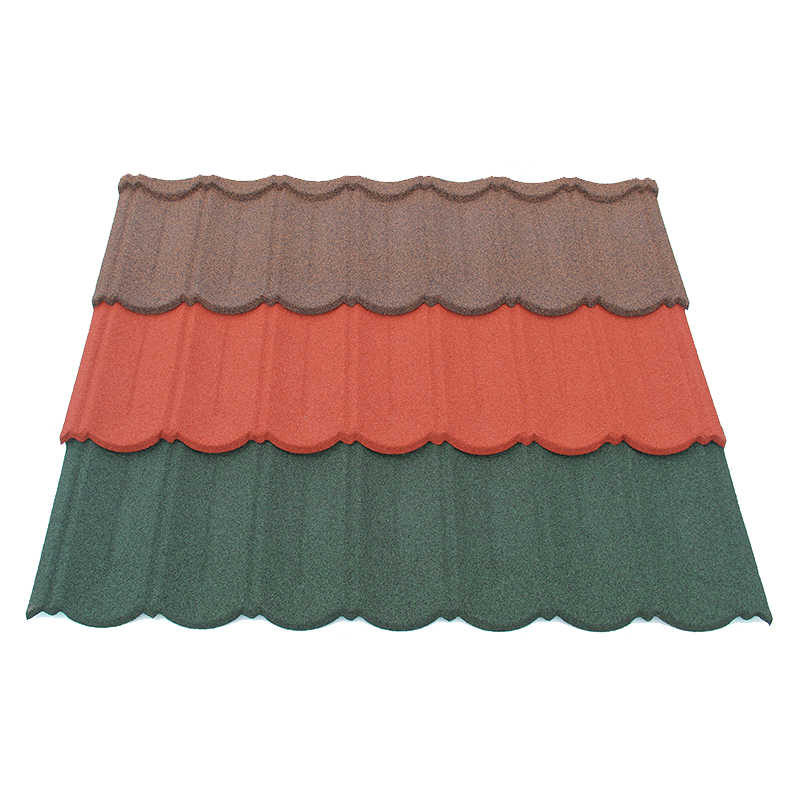
In modern applications using Shingle Tile, precise interlocking ensures both aesthetic alignment and functional performance.
Ask About Certifications and Testing
Reliable manufacturers provide certifications and test reports to verify product performance. Low-quality suppliers may lack proper documentation.
Always request technical data.
Verification reduces risk.
Important Certifications
- Fire resistance ratings
- Wind resistance testing
- Corrosion resistance standards
Compare Weight and Feel
While stone coated steel roofing is lightweight, extremely thin or flimsy tiles may indicate poor quality.
Tiles should feel solid despite being lightweight.
Excessive flexibility can be a warning sign.
Supplier Reputation and Consistency
Choosing a reliable supplier is just as important as inspecting the product itself. Established manufacturers typically maintain consistent quality standards.
Unknown suppliers may offer lower prices but higher risk.
Consistency is key in large projects.
Working with trusted brands like JCROOF helps ensure stable quality, reliable supply, and consistent product performance across different batches.
Common Mistakes Buyers Make
Many buyers focus only on price, which can lead to poor decisions.
Typical Errors
- Choosing the cheapest option without inspection
- Ignoring technical specifications
- Not verifying supplier credibility
Conclusion: Quality First, Cost Second
Spotting low-quality stone coated tiles before purchase requires attention to detail and a clear understanding of what defines a reliable product. From steel thickness and coating quality to granule adhesion and supplier reputation, each factor plays a role in long-term performance.
For contractors, distributors, and project owners, prioritizing quality over short-term cost savings is the key to avoiding future problems and ensuring a durable, high-performing roofing system.