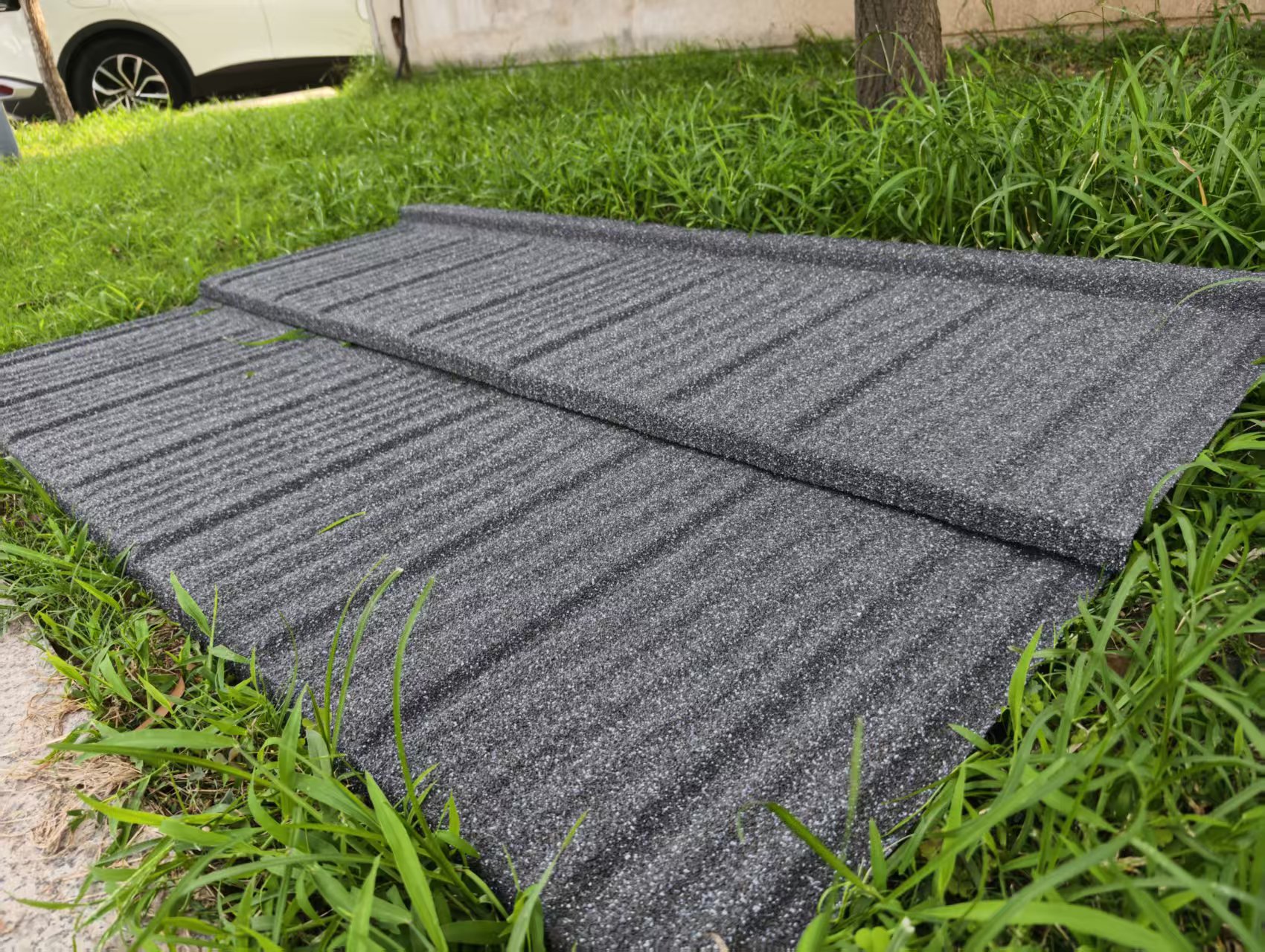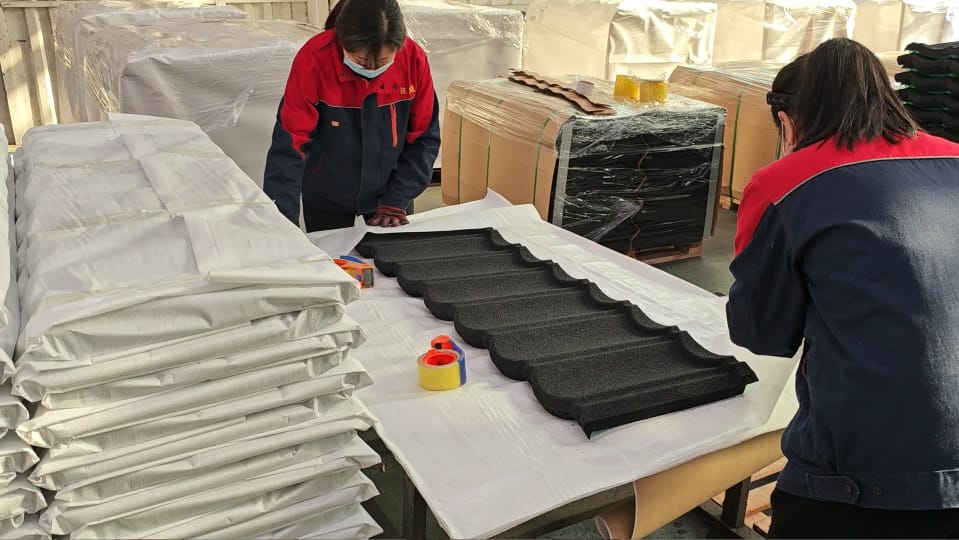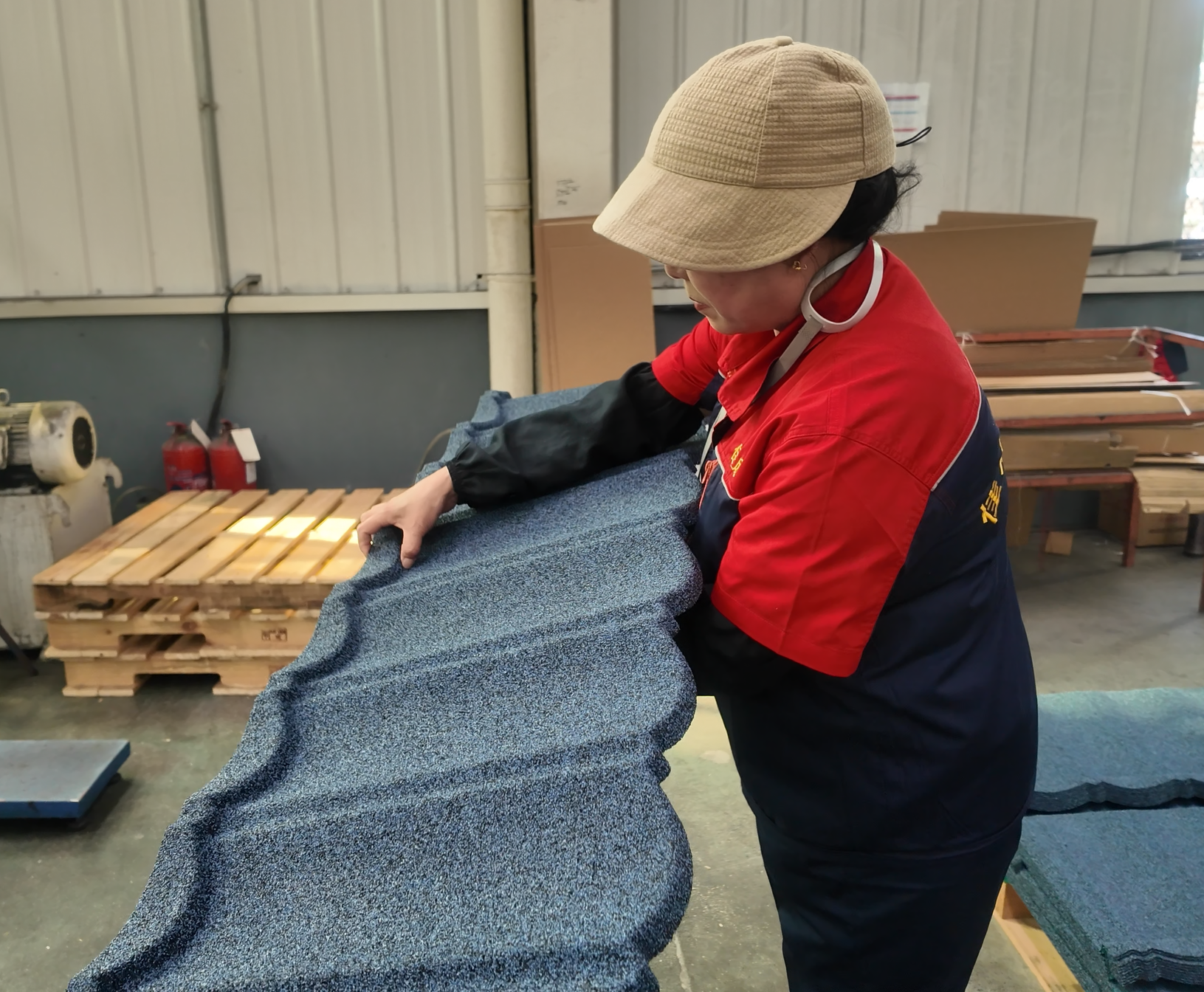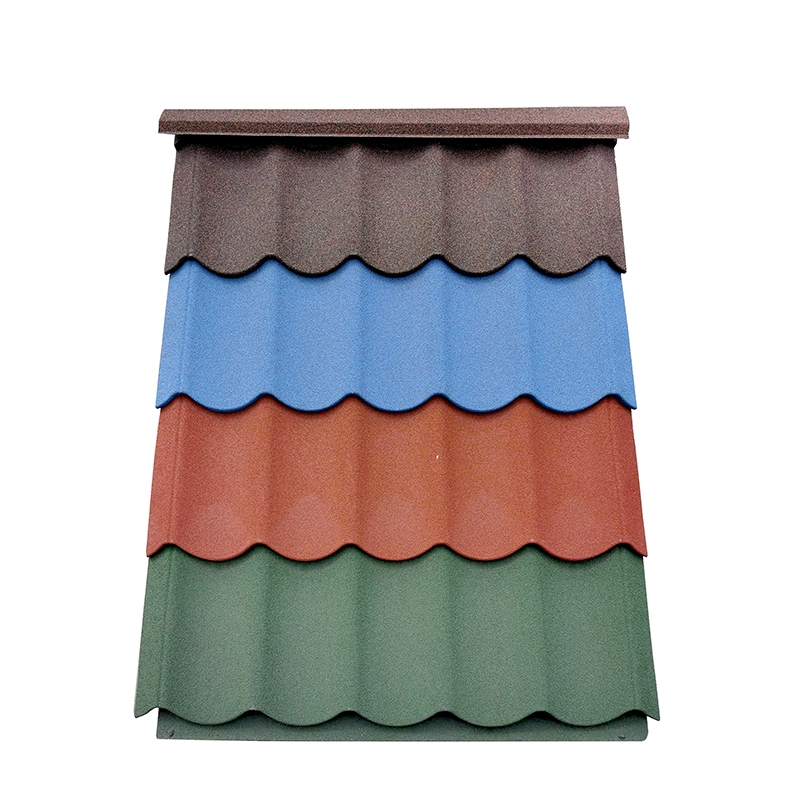

In real construction and maintenance scenarios, one of the most practical concerns around stone coated metal roofing tile is whether it can safely support foot traffic without surface deformation. This question usually comes from contractors, inspectors, and maintenance teams who need to access roofs for installation checks, HVAC servicing, or post-installation inspections. The concern is valid, because many metal roofing systems in the market behave very differently under point load.
The short answer is: yes, you can walk on a properly installed system without denting it—but only under the right structural conditions. The more accurate answer is that walkability is not defined by the steel sheet alone, but by the full roofing assembly, including substrate thickness, support spacing, and the stone coating protection layer. Misjudging this often leads to unnecessary damage during site operations.
In practice, stone coated metal roofing tile systems are designed to distribute load across multiple structural points, which significantly reduces the risk of localized deformation compared to exposed metal sheets or thin-profile roofing panels.
Why Some Metal Roofs Dent Easily While Others Don’t
The assumption that all metal roofs dent easily comes from experience with thin corrugated sheets or low-gauge steel panels used in temporary structures. Those systems have minimal load distribution capacity and no surface reinforcement, making them vulnerable to point pressure such as stepping or tool impact.
Modern stone coated roofing systems behave differently because they are engineered as composite systems. The steel substrate is reinforced by both structural profiling and an external stone layer, which helps distribute force over a wider area instead of concentrating it at a single point.
However, even within stone coated metal roofing tile systems, performance varies depending on steel thickness, batten spacing, and installation quality. This is why field behavior cannot be generalized across all products.
Key Difference Between Weak and Reinforced Metal Roofs
- Thin sheet roofs: point load concentrated → high dent risk
- Stone coated systems: load distributed → reduced deformation
- Structural support spacing is the real controlling factor
What Actually Determines Walkability in Stone Coated Roofing Systems
Walkability is primarily a structural engineering outcome. When someone steps on a roof, the load is transferred through the surface layer into the steel substrate and then distributed across supporting battens or purlins. If this load transfer is properly designed, the risk of denting is extremely low.
In a well-installed stone coated metal roofing tile system, the combination of steel profile geometry and underlying support grid ensures that weight is spread across multiple structural points. The stone coating itself also plays a minor protective role by reducing direct point impact on the steel surface.
This is why the same roofing product can perform very differently depending on installation quality and structural spacing.
Structural Load Distribution Mechanism
- Stone surface disperses initial contact pressure
- Steel profile transfers load across wider area
- Battens and roof framing absorb structural stress
Where Most Damage Actually Happens
In real project inspections, denting rarely occurs in the middle of properly supported panels. Instead, damage is usually concentrated in unsupported edges, ridge transitions, or areas where installers step between structural supports.
Field Experience: When Roofs Get Damaged During Installation or Maintenance
In practice, most cases of deformation are not caused by normal walking but by improper movement patterns on the roof. Contractors unfamiliar with stone coated systems sometimes step directly between support points, creating localized pressure that exceeds design assumptions.
High-quality systems like those manufactured under strict production standards, including JCROOF, are tested for structural load resistance, but even the best materials can be damaged if installation practices are incorrect.
This is particularly relevant in export projects where different labor teams may not be trained in proper walking paths on metal roofing systems.
Common Causes of Roof Denting in Real Projects
- Stepping between purlins or battens instead of on support lines
- Dropping tools or equipment during installation
- Using insufficient roof thickness for commercial loads
- Ignoring recommended walking paths during maintenance
Profile Influence in Real Applications
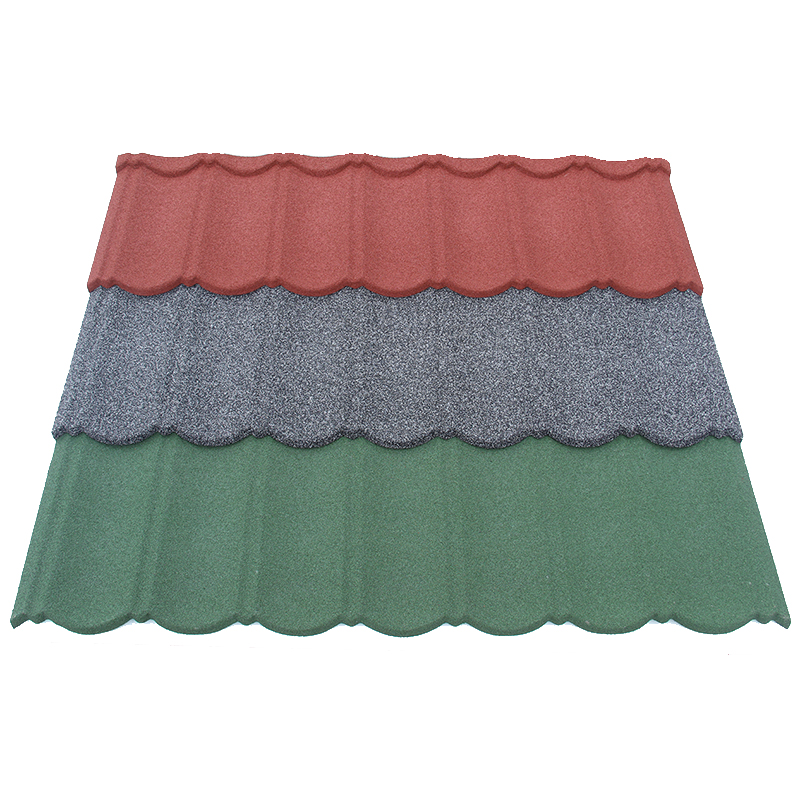
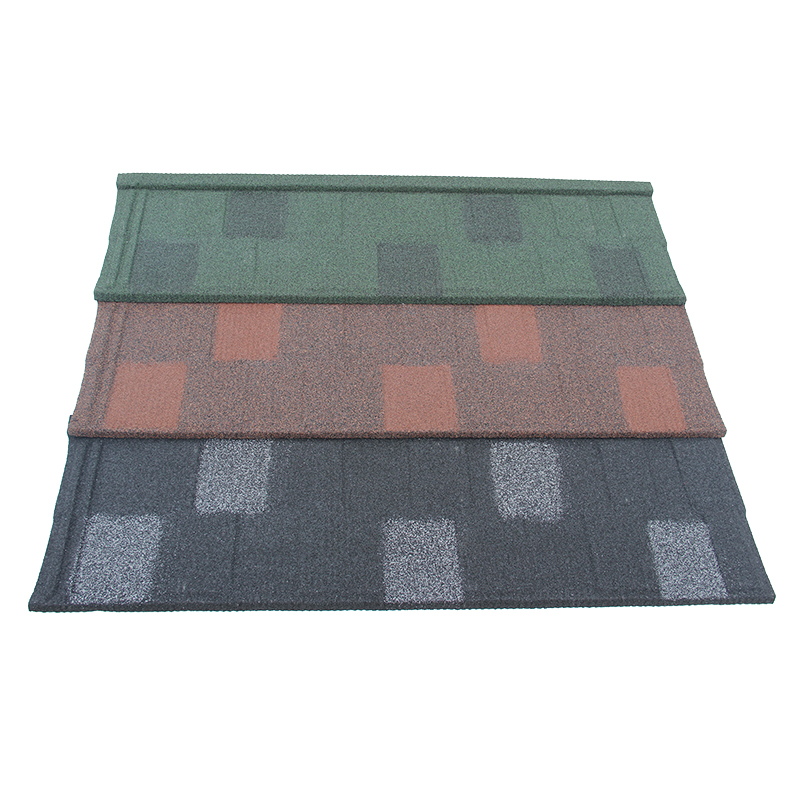
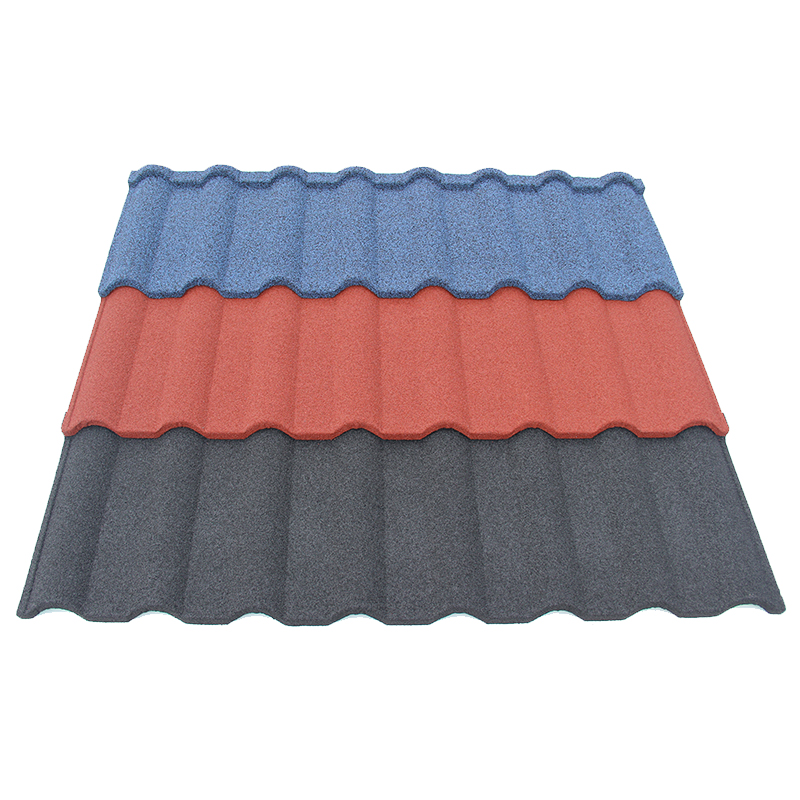
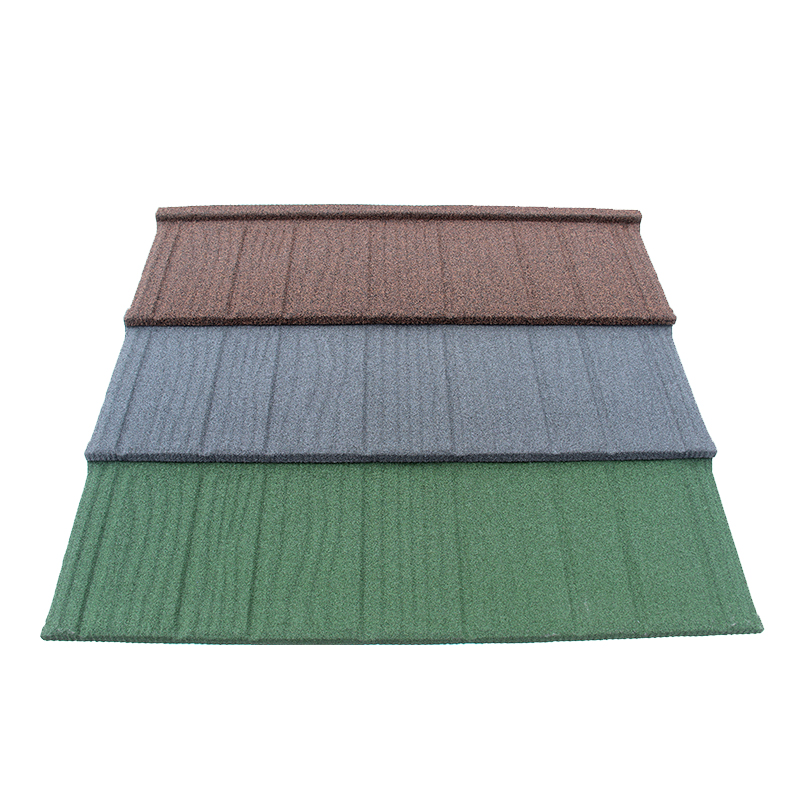
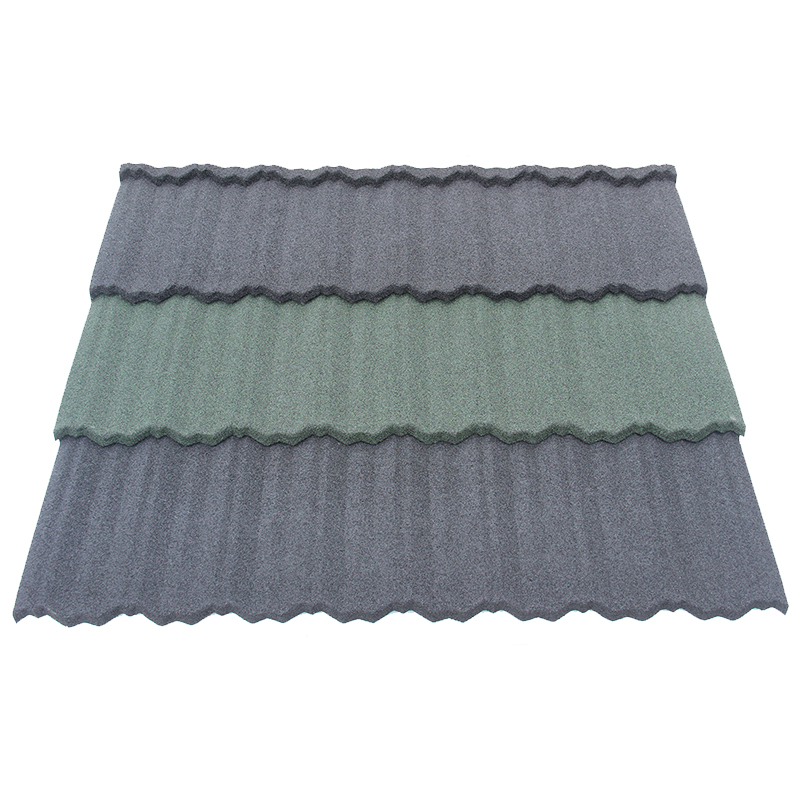
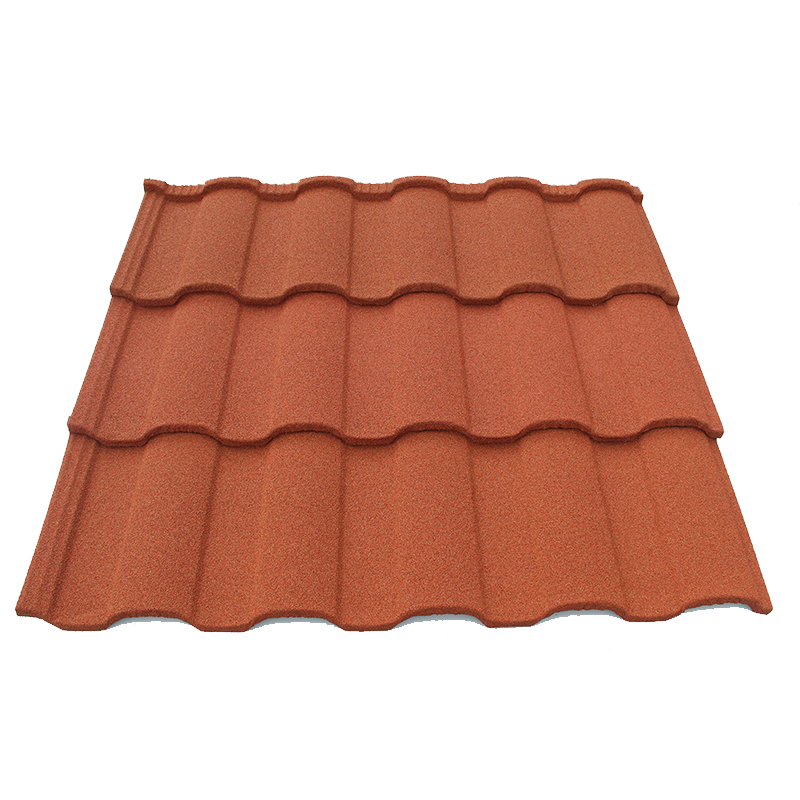
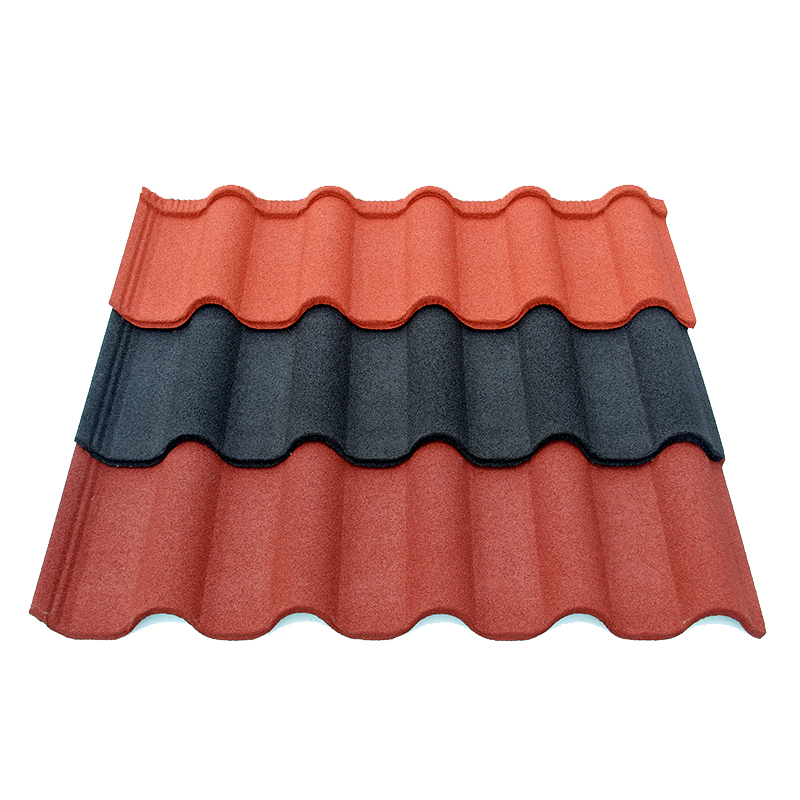
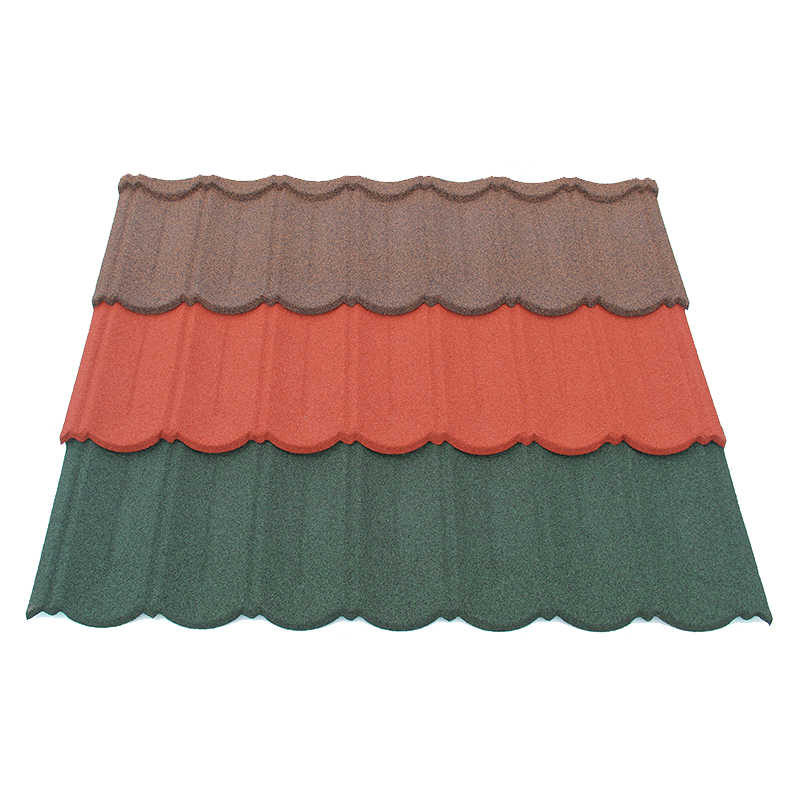
Different tile designs such as Shake Tile or Roman Tile do not significantly change walkability, but they can influence how clearly structural support lines are visually identifiable during installation, which indirectly affects worker movement behavior.
How to Safely Walk on Stone Coated Roofing Systems
Safe roof access is less about material strength and more about movement discipline and structural awareness. In engineered roofing systems, safe walking zones are predictable and repeatable if support layouts are properly designed and communicated.
For stone coated metal roofing tile systems, installers are typically advised to step directly on battens or structural ribs rather than unsupported mid-span areas. This ensures that load is transferred efficiently without localized stress.
When these guidelines are followed, roof access for inspection, cleaning, or maintenance can be performed safely without affecting long-term surface integrity.
Best Practice for Roof Movement
- Always step on structural support lines
- Avoid mid-span pressure between battens
- Distribute weight evenly during movement
- Use soft-soled footwear for maintenance work
Design Factors That Improve Walkability
Higher steel gauge, closer batten spacing, and well-defined structural grids significantly improve walkability. In commercial systems, these parameters are often specified in advance to match maintenance requirements.
Conclusion: Is It Safe or Not?
A properly engineered stone coated metal roofing tile system is not only walkable but also designed to withstand routine maintenance traffic when used correctly. Denting is not a material inevitability—it is almost always a result of improper load placement or insufficient structural support design.
From a procurement and engineering perspective, the key is not to ask whether the roof can be walked on, but whether the system is designed with predictable load paths and installation discipline in mind. When these conditions are met, roof durability and serviceability both remain stable over the long term.
In professional supply chains, manufacturers like JCROOF ensure that substrate strength and system consistency are controlled to support real-world construction demands, especially in large-scale international projects where maintenance access is unavoidable.