
For many B2B buyers entering the roofing market, the first shock often comes from pricing. Compared with standard corrugated sheets or basic metal roofing, stone coated metal roofing tile systems appear significantly more expensive at first glance. This price gap usually triggers the same question: what exactly are you paying for, and is the cost justified in real projects?
In practice, the cost difference is not just about branding or surface aesthetics. It comes from material engineering, multi-layer production processes, and performance expectations under long-term exposure. Understanding these factors is essential for importers, distributors, and contractors who need to position products correctly in their local markets.
More importantly, the “expensive vs cheap” comparison is often misleading if you only look at upfront material cost instead of lifecycle performance, installation behavior, and maintenance demand.
Multi-Layer Structure vs Single-Layer Metal Sheets
Traditional metal roofing is typically a single-layer steel or aluminum sheet with a painted or coated surface. Stone coated systems, however, are engineered as multi-layer products designed for long-term environmental resistance rather than just basic weather protection.
This structural difference is the primary reason for the price gap. You are not just paying for metal—you are paying for a composite roofing system that integrates adhesion layers, protective coatings, and surface granules.
What makes the structure more expensive
- High-tensile steel substrate with corrosion-resistant coating
- Acrylic bonding layer for stone granule adhesion
- Natural stone granule surface for UV and impact protection
Real-world implication
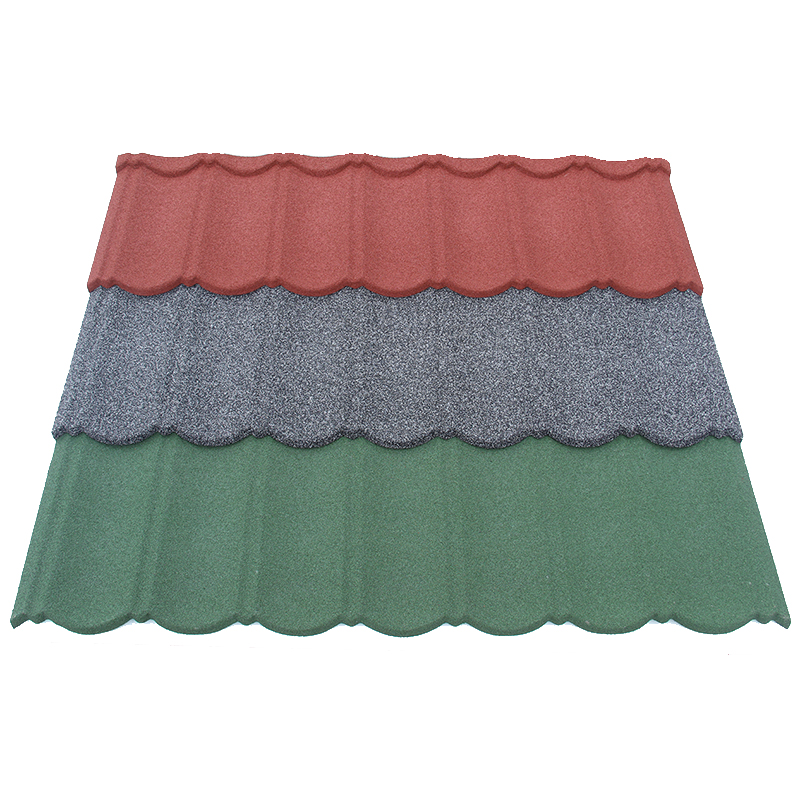
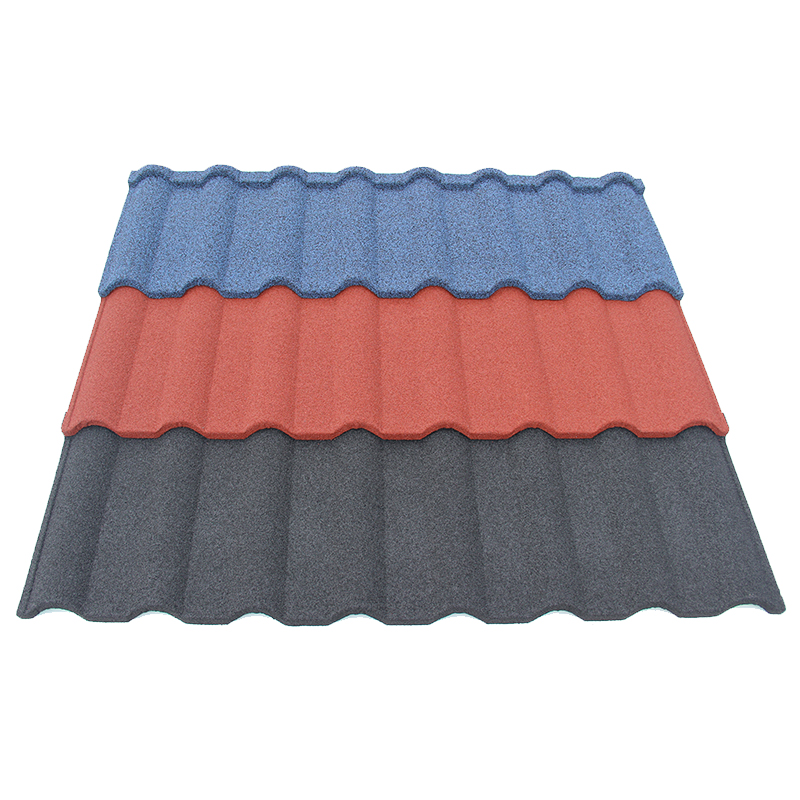
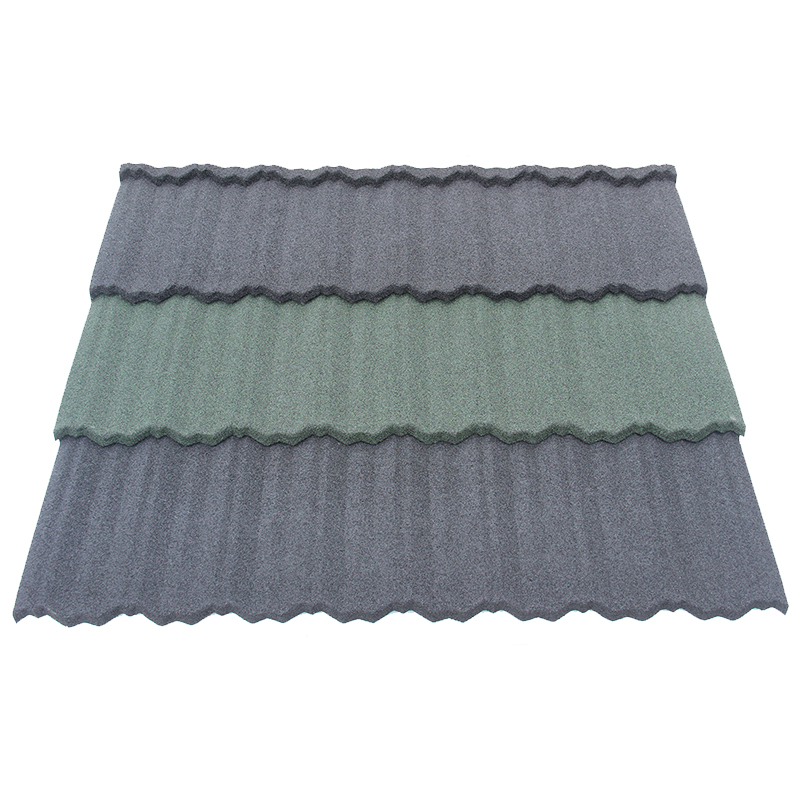
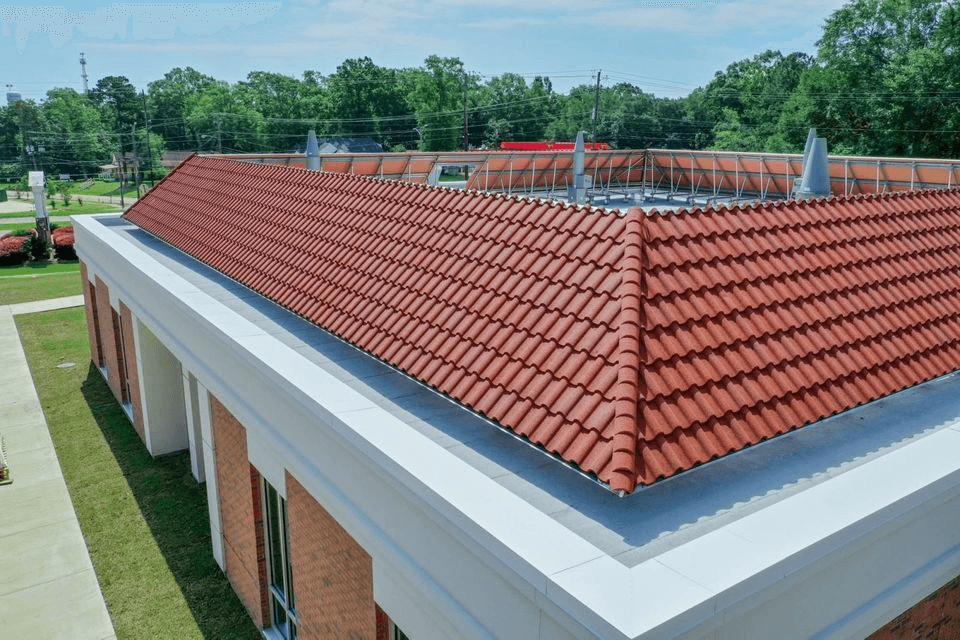
Profiles such as Bond Tile are designed for standardized efficiency in large-scale projects, while Milano Tile requires more detailed surface forming, which increases production complexity and cost.
Higher Manufacturing Complexity and Process Control
The production process of stone coated roofing is significantly more complex than traditional metal roofing. It involves multiple controlled stages where precision directly affects product performance.
Each stage adds cost—not because of waste, but because of quality control requirements and equipment investment.
Key cost-driving production stages
- Steel coil preparation and surface treatment
- Anti-corrosion coating application (often Aluzinc or galvanized base)
- Stone granule application under controlled adhesion conditions
- High-temperature curing and surface stabilization
Why this increases price
Unlike simple roll-forming in traditional metal roofing, stone coated systems require stable environmental conditions and strict process timing. This reduces production flexibility and increases operational cost.
Manufacturers such as JCROOF typically invest in automated coating and curing systems to ensure batch consistency, which further increases production cost but improves long-term reliability.
Performance Expectations in Real Construction Environments
The pricing of roofing systems is closely tied to expected performance. Stone coated roofing is designed to perform under harsher conditions, including high wind zones, heavy rainfall, and long UV exposure cycles.
This higher performance expectation directly influences material selection and quality standards, which in turn affects cost.
Performance-driven cost factors
- Wind resistance up to hurricane-level conditions
- Improved impact resistance from stone surface layer
- Extended service life compared to painted metal sheets
Profile performance differences
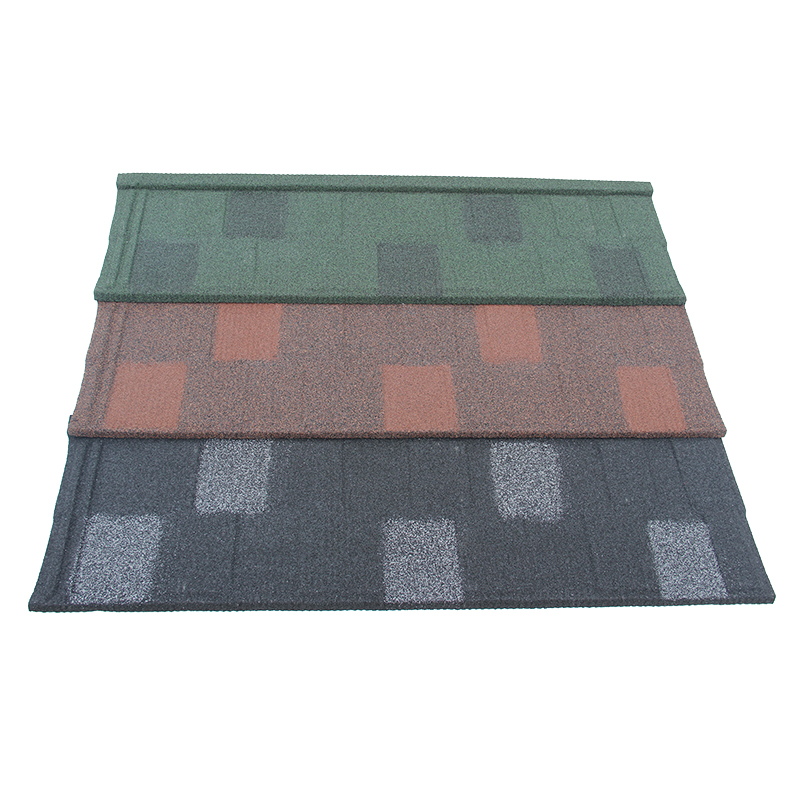
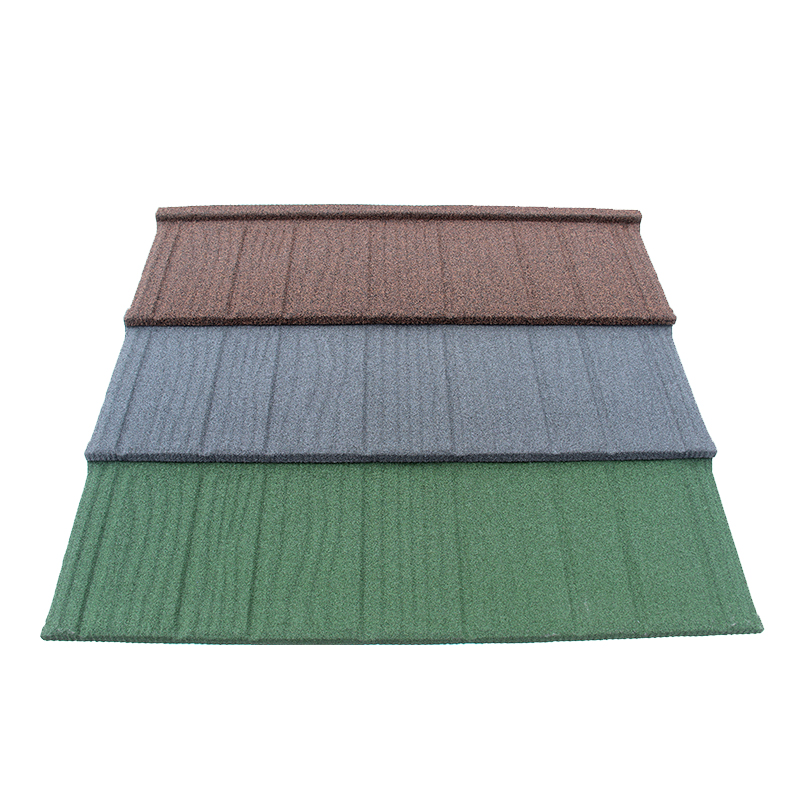
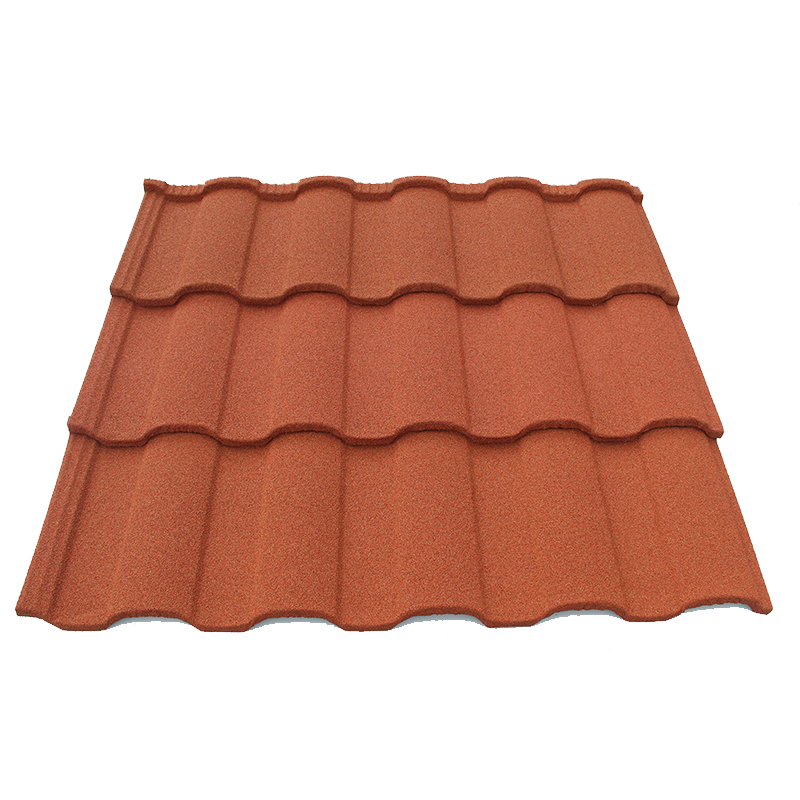
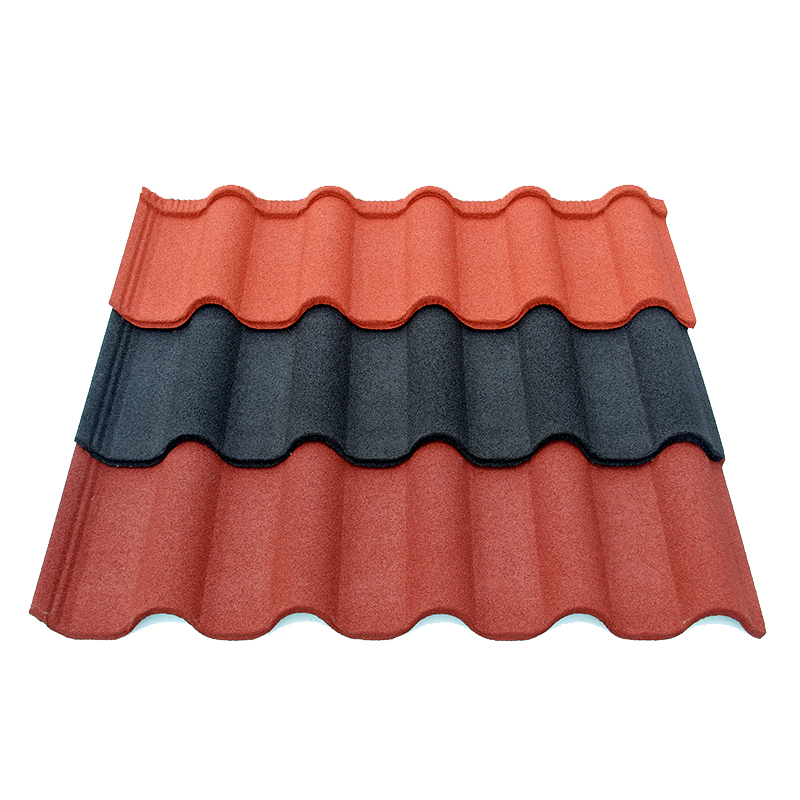
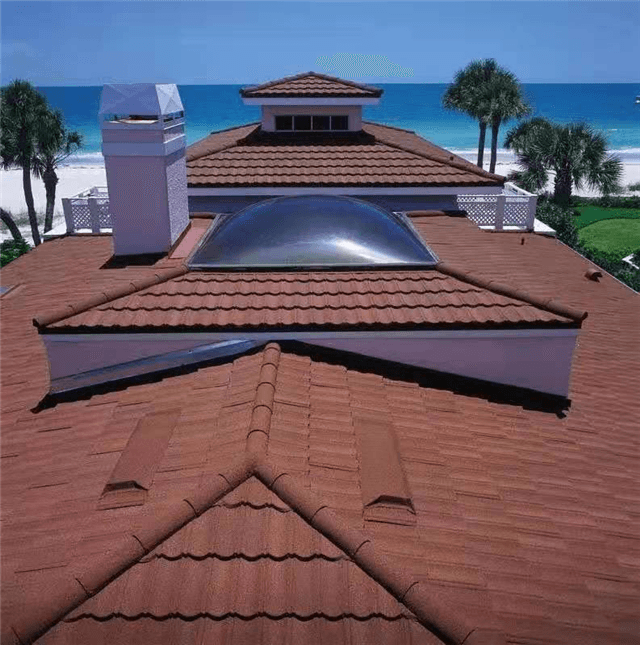
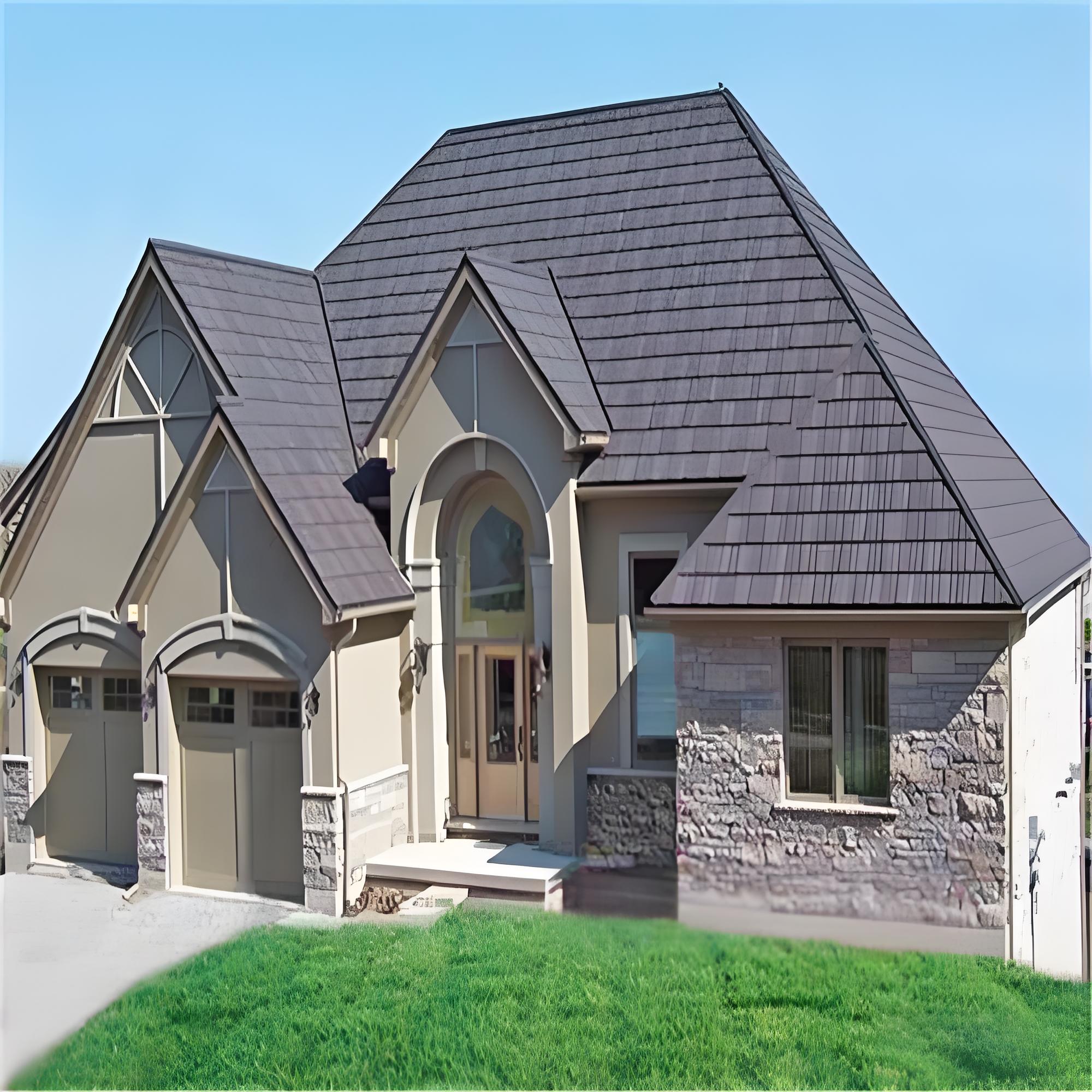
For example, Shake Tile is often used in high-end residential projects where visual depth and weather resistance are both critical, while Roman Tile is more commonly used in large housing developments requiring balanced aesthetics and durability.
Installation Value and System-Level Cost Difference
Although stone coated systems are more expensive per square meter at the material level, they often reduce system-level costs in real projects. This includes labor efficiency, installation speed, and long-term maintenance savings.
Traditional metal roofing may appear cheaper initially, but can require more frequent replacement, repainting, or repair in demanding environments.
Hidden value factors
- Lower maintenance frequency over time
- Reduced need for repainting or surface treatment
- Longer replacement cycle compared to basic metal roofing
System thinking perspective
In B2B procurement, the real cost is not material price—it is total lifecycle cost. This is where stone coated systems often outperform cheaper alternatives.
Material Density, Design Flexibility, and Market Positioning
Another factor influencing price is product design flexibility. Stone coated systems are not just functional—they are architectural products used in residential, commercial, and premium construction segments.
This requires multiple profiles, surface finishes, and aesthetic variations, which increase tooling and production complexity.
Design-driven cost elements
- Multiple profile molds and forming systems
- Color blending and granule selection processes
- Customized OEM/ODM production requirements
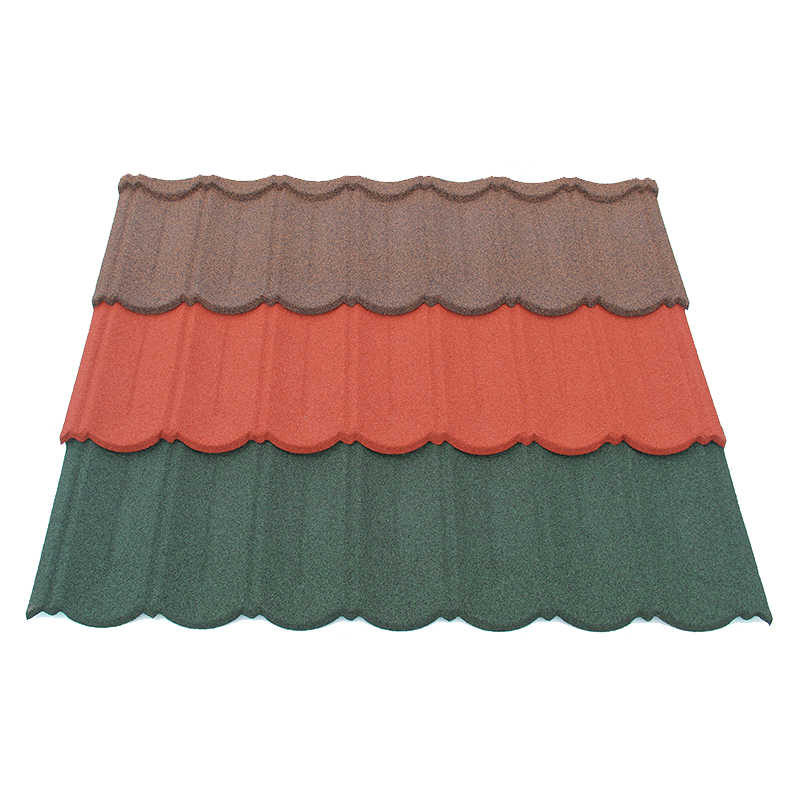
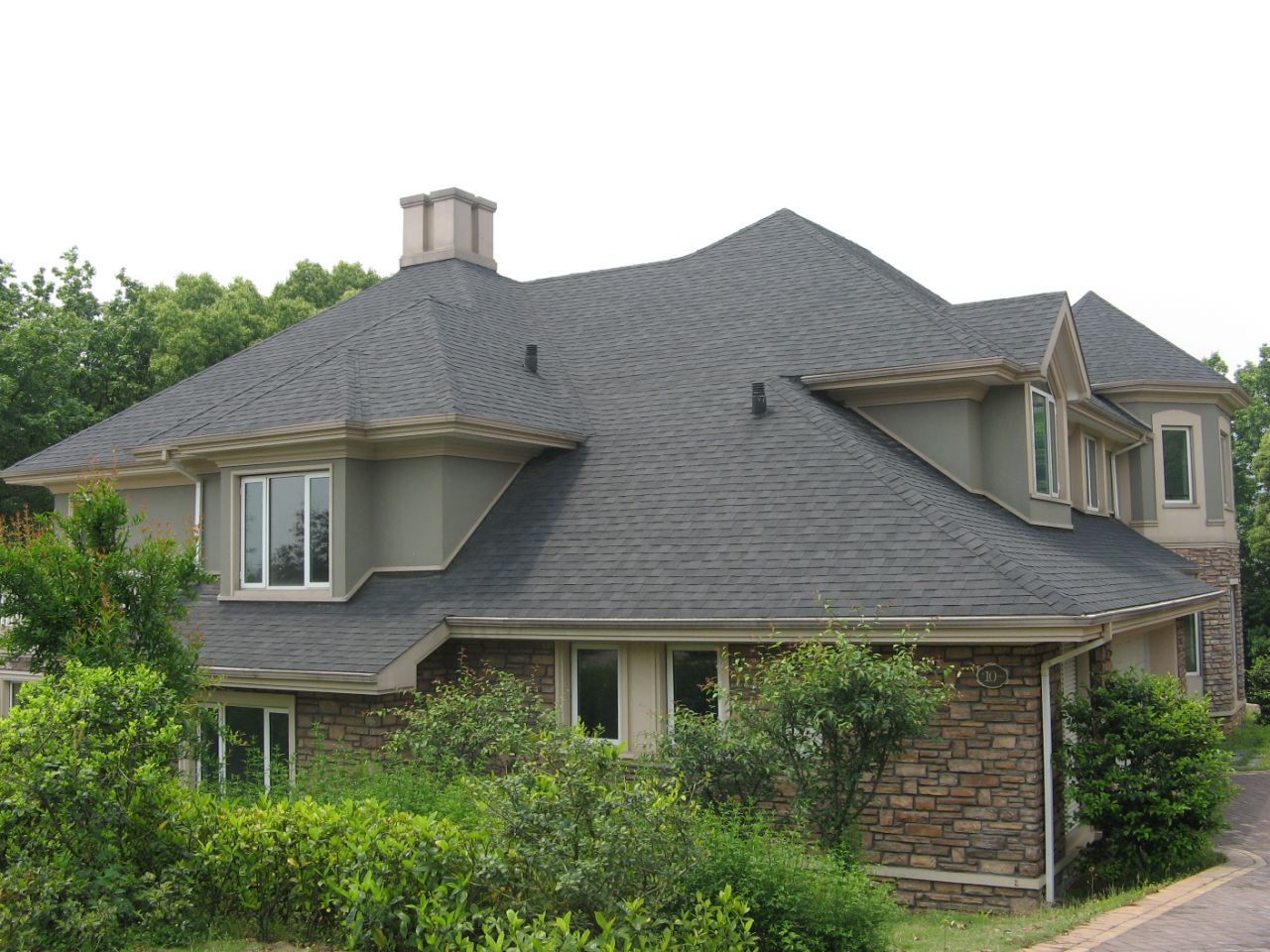
For instance, Shingle Tile is widely used in modular and fast-installation projects, while Milano Tile is often selected for architectural projects where visual texture and design consistency are critical.
Conclusion: Higher Price, but Different Value Logic
The higher cost of stone coated metal roofing tile compared to traditional metal roofing is not arbitrary. It reflects a combination of material engineering, production complexity, performance expectations, and system-level lifecycle value.
For B2B buyers, the key decision is not whether it is more expensive, but whether it delivers better total cost efficiency across the lifespan of the project.
When properly manufactured and installed, systems produced under controlled standards such as JCROOF offer significantly longer service life and lower maintenance requirements, which often offsets the initial price difference in real-world applications.