
For developers, distributors, and procurement teams, the real decision between roofing systems is not about upfront price—it is about long-term return on investment. Comparing asphalt shingles with stone coated metal roofing tile systems over a 50-year period reveals a very different cost structure than what most initial quotations suggest.
While asphalt shingles dominate short-term budget projects, stone-coated steel systems are increasingly chosen in projects where lifecycle cost, durability, and maintenance predictability matter. The challenge for B2B buyers is understanding how these systems perform not in the first 5 years—but over decades of real use.
This guide evaluates both options through a practical ROI lens, combining field experience, replacement cycles, and maintenance realities to support better procurement decisions.
Initial Cost vs Lifecycle Cost: Where Most Decisions Go Wrong
At the quotation stage, asphalt shingles typically appear 40%–60% cheaper than stone-coated systems. This often drives early-stage decisions, especially in cost-sensitive markets. However, this comparison ignores replacement cycles, maintenance, and performance degradation over time.
Stone-coated roofing is engineered for longevity, while asphalt shingles are designed for shorter service cycles. This fundamental difference shifts the cost curve significantly over long-term ownership.
In B2B projects, focusing only on initial cost often leads to underestimating total expenditure across the building lifecycle.
Typical cost structure comparison
| Factor | Asphalt Shingles | Stone-Coated Steel Roofing |
|---|---|---|
| Initial material cost | Low | Medium–High |
| Installation cost | Low | Moderate |
| Average lifespan | 15–25 years | 40–60 years |
| Maintenance frequency | Medium–High | Low |
Key takeaway
Lower upfront cost does not equal lower total cost. Over multiple decades, replacement cycles become the dominant factor in ROI calculations.
Durability and Replacement Cycles Over 50 Years
The most significant cost driver in roofing ROI is how often the system needs to be replaced. Asphalt shingles typically require 2–3 full replacements within a 50-year period, while a properly installed stone-coated system may last the entire duration with minimal intervention.
Each replacement cycle involves not only material cost, but also labor, disposal, and operational disruption—factors that are often underestimated in early planning.
For large-scale developments, these repeated cycles can significantly impact long-term profitability.
50-year replacement scenario
- Asphalt shingles: 2–3 full replacements
- Stone-coated steel roofing: 0–1 replacement
Profile application insight
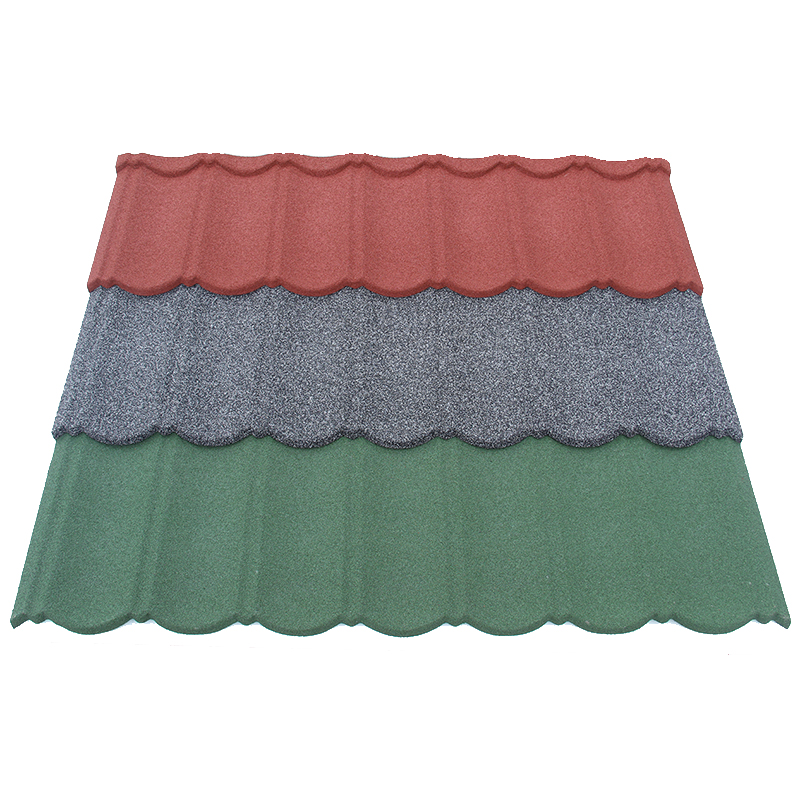
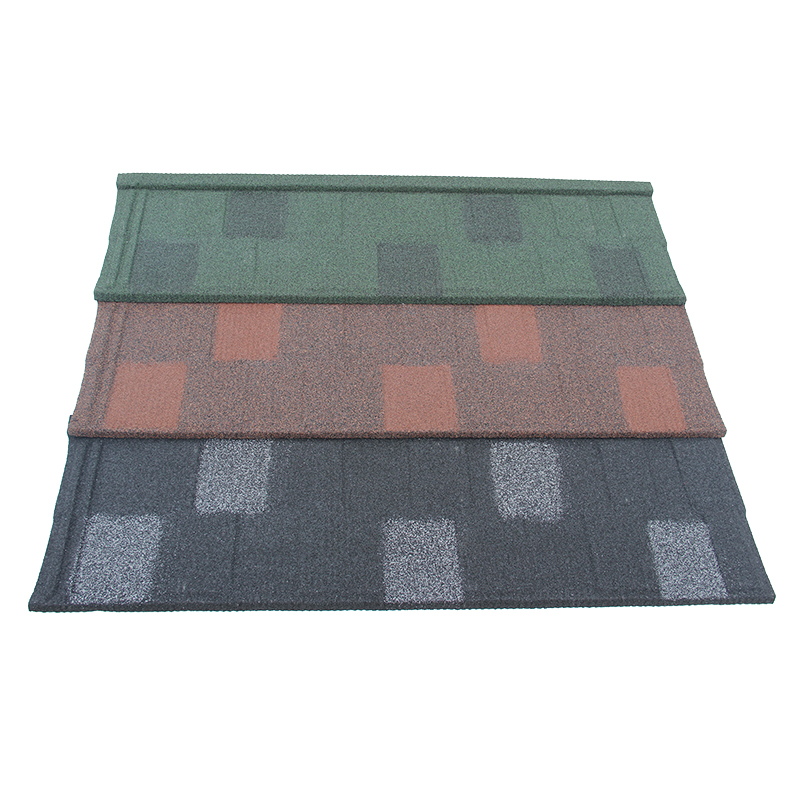
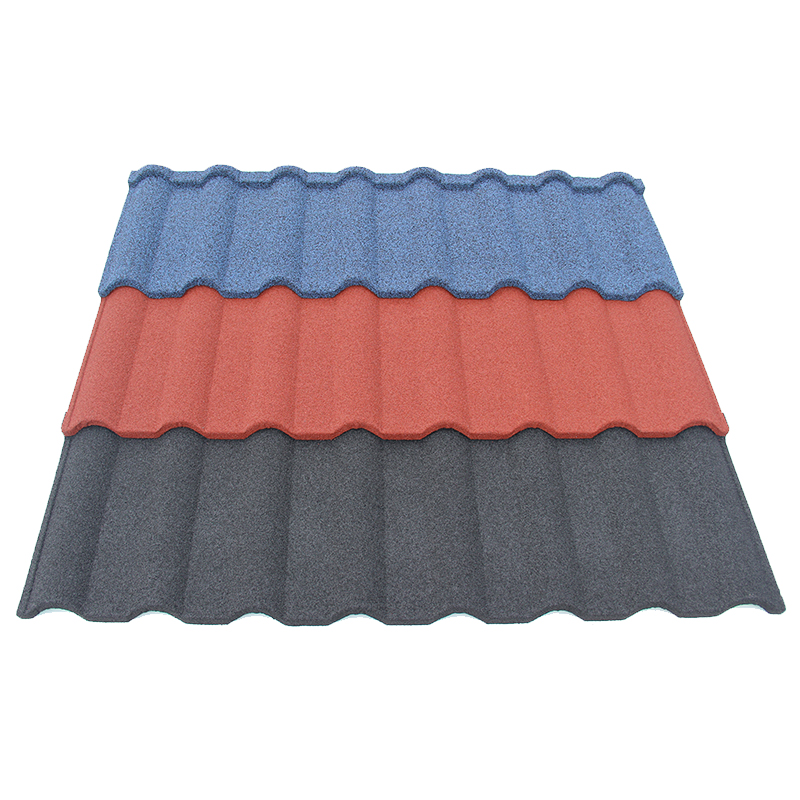
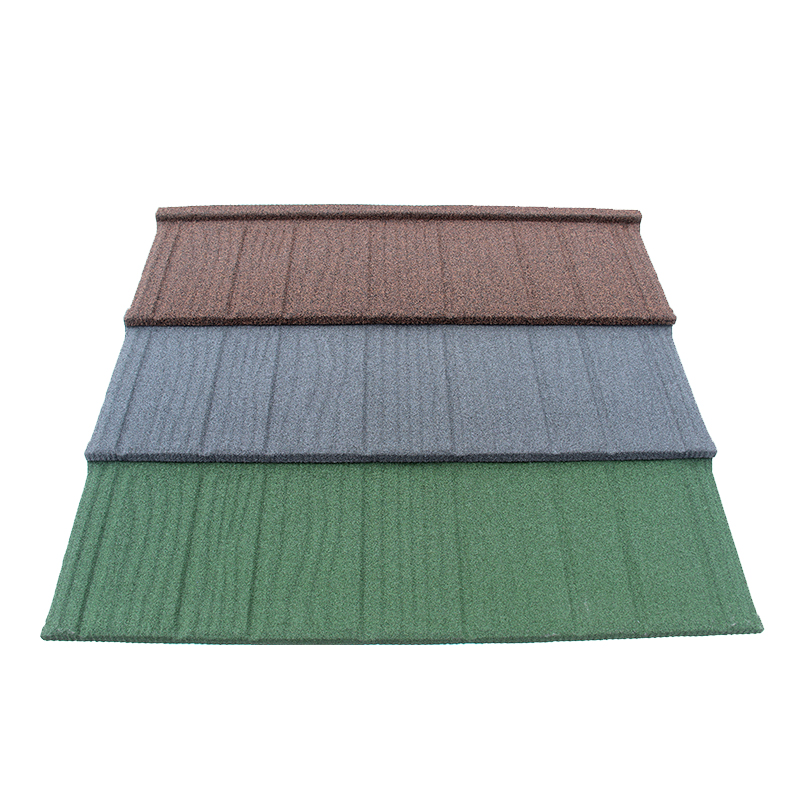
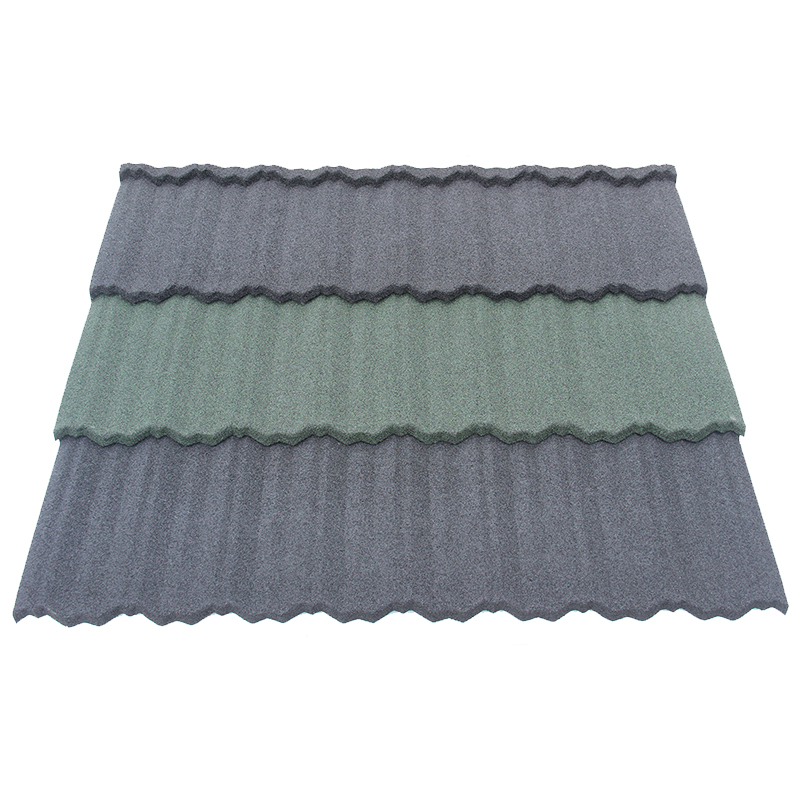
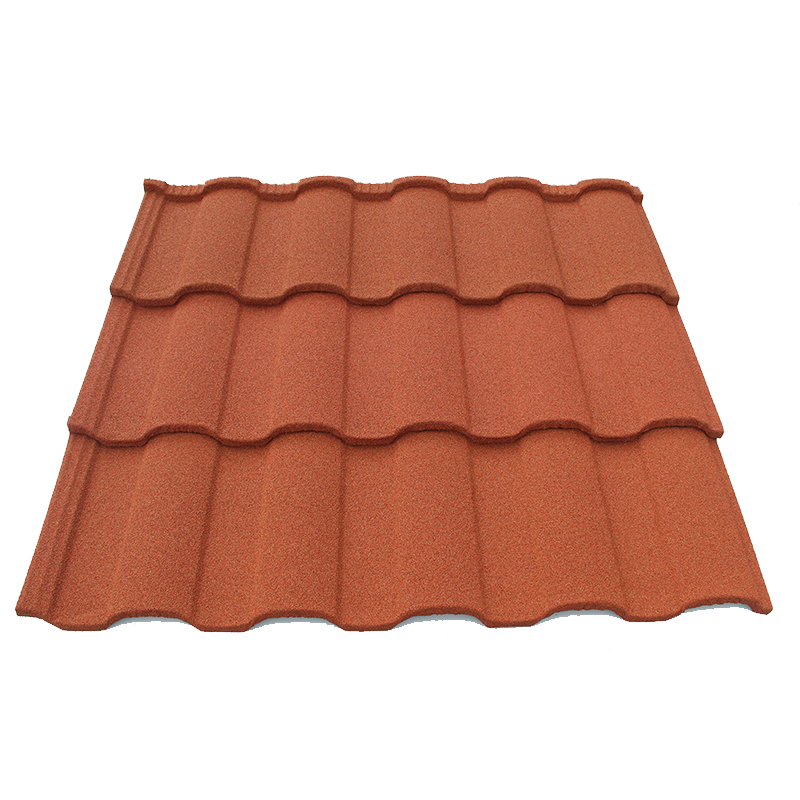
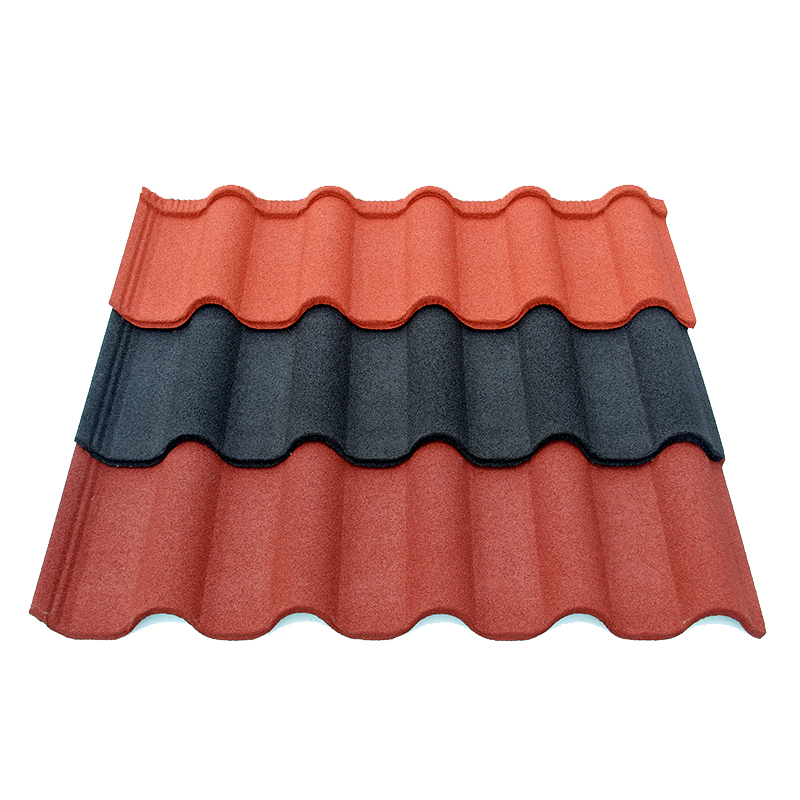
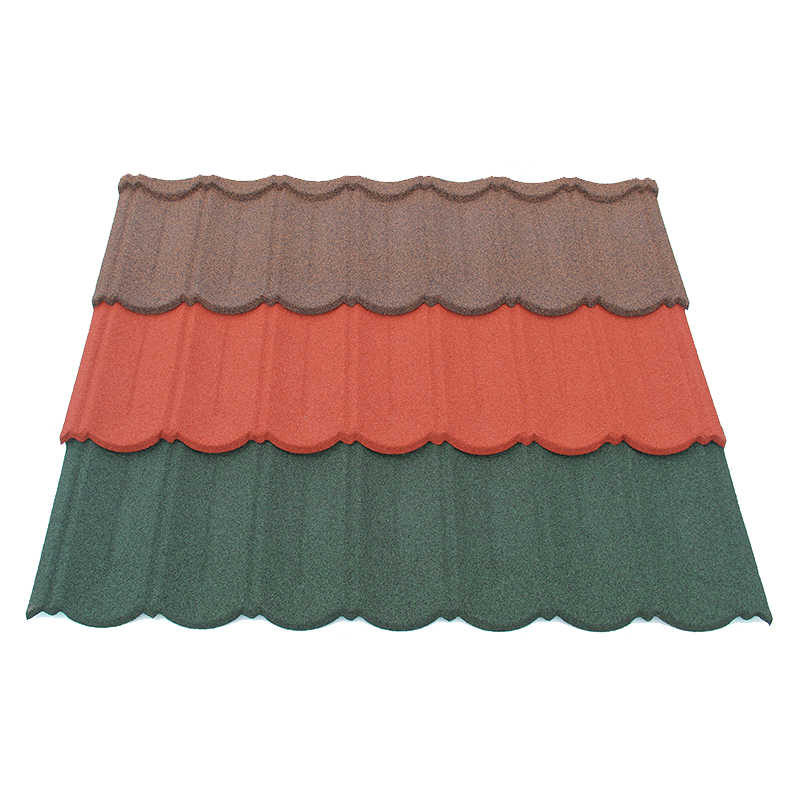
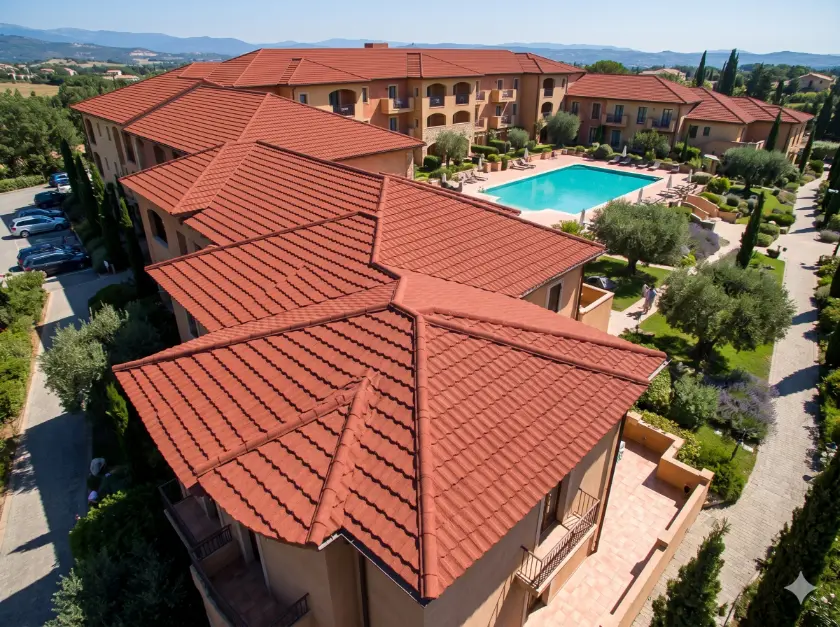
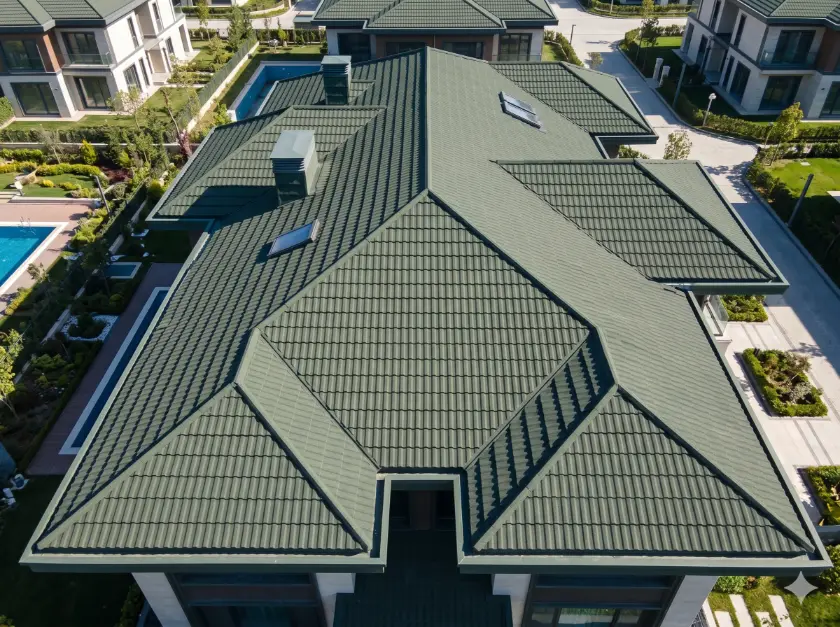
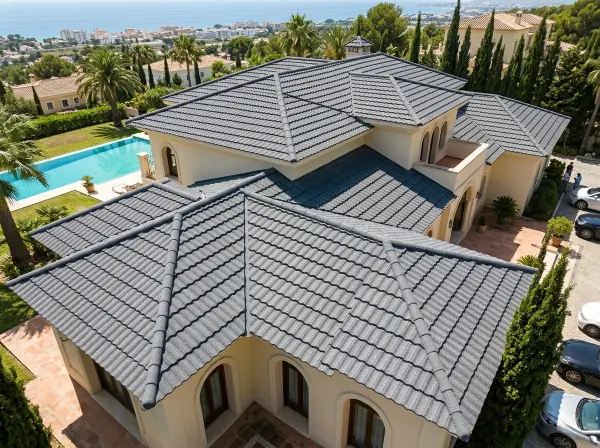
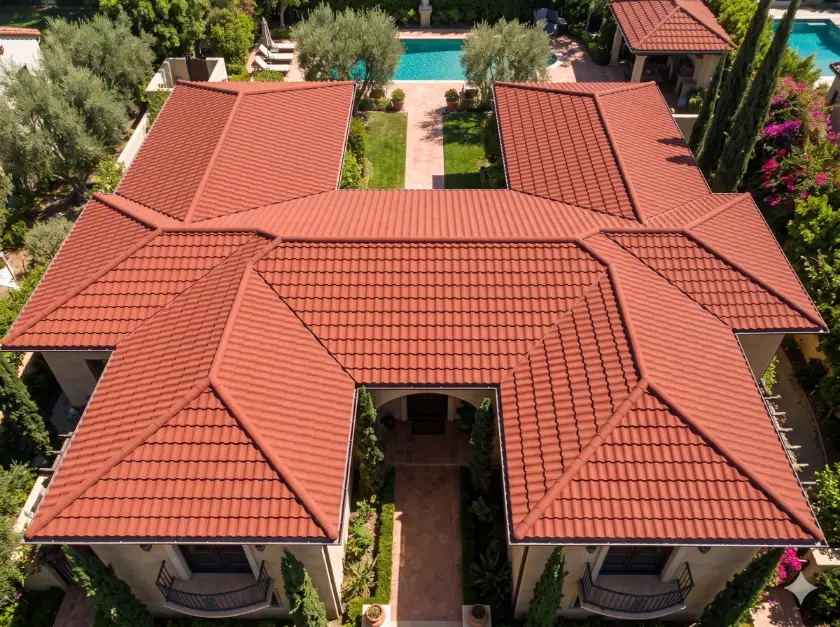
Profiles such as Bond Tile are widely used in large-scale housing due to installation efficiency, while Roman Tile is often selected for projects requiring a balance between durability and architectural appearance. Premium designs like Milano Tile and Shake Tile are typically used in long-term residential or commercial developments where extended lifespan is a priority. Shingle Tile is also favored in modular construction for its predictable installation pattern.
Maintenance, Repair Costs, and Operational Impact
Maintenance is where the cost gap between the two systems becomes more visible. Asphalt shingles are more vulnerable to wind damage, UV degradation, and granule loss, which leads to more frequent repairs and inspections.
Stone-coated systems, by contrast, are designed for low maintenance and higher resistance to environmental stress. This reduces both direct repair costs and indirect operational disruptions.
For commercial properties, reduced maintenance frequency translates into lower long-term operational expenses.
Maintenance comparison
- Asphalt shingles: regular inspection, patch repairs, partial replacements
- Stone-coated roofing: minimal maintenance, mainly inspection-based
Operational advantage
Fewer maintenance interventions mean less labor scheduling, reduced downtime, and lower long-term management costs—especially important for large property portfolios.
Performance Under Extreme Conditions
Environmental performance is another key factor influencing ROI. Roofing systems that fail under extreme weather conditions can lead to unexpected repair or replacement costs.
Stone-coated steel systems are designed to withstand high winds, heavy rain, and impact, while asphalt shingles are more susceptible to uplift, cracking, and material degradation.
In regions with severe weather conditions, this difference directly affects long-term cost stability.
Performance comparison
- Wind resistance: higher in stone-coated systems
- Impact resistance: better due to stone granule layer
- UV stability: longer-lasting surface protection
Risk perspective
Lower failure risk reduces unexpected expenses, which is a critical factor in long-term ROI calculations.
Total Cost of Ownership Over 50 Years
When all factors are combined—initial cost, replacement cycles, maintenance, and performance—the total cost of ownership becomes the most accurate measure of ROI.
While asphalt shingles may appear cost-effective initially, repeated replacements and higher maintenance costs often result in higher total expenditure over time.
Stone-coated systems, despite higher upfront investment, provide more stable and predictable long-term costs.
Estimated 50-year cost comparison
| Cost Category | Asphalt Shingles | Stone-Coated Steel Roofing |
|---|---|---|
| Initial installation | 100% | 150%–180% |
| Total replacements | 200%–300% | 0%–50% |
| Maintenance cost | High | Low |
| Total 50-year cost | Higher overall | Lower overall |
Procurement insight
For B2B buyers, focusing on total cost rather than unit price leads to more accurate financial planning and better long-term margins.
Conclusion: ROI Is About Time, Not Just Price
The comparison between asphalt shingles and stone coated metal roofing tile systems ultimately comes down to time horizon. Asphalt offers short-term savings, while stone-coated systems deliver long-term value.
For projects where durability, low maintenance, and cost predictability are priorities, the higher upfront investment is often justified. For short-term or budget-limited projects, asphalt shingles may still be a viable option.
Working with consistent manufacturing partners such as JCROOF further improves long-term performance reliability, helping buyers maximize ROI across the full lifecycle of the roofing system.