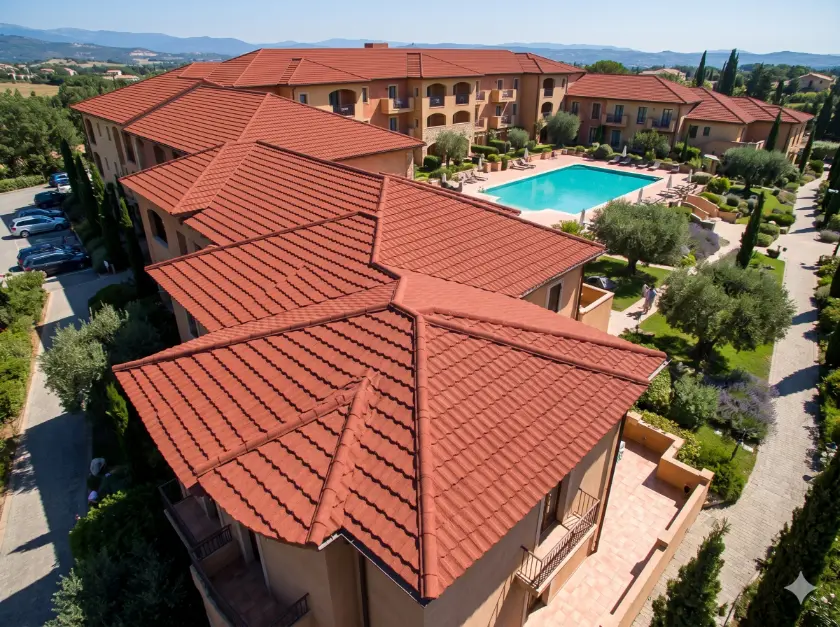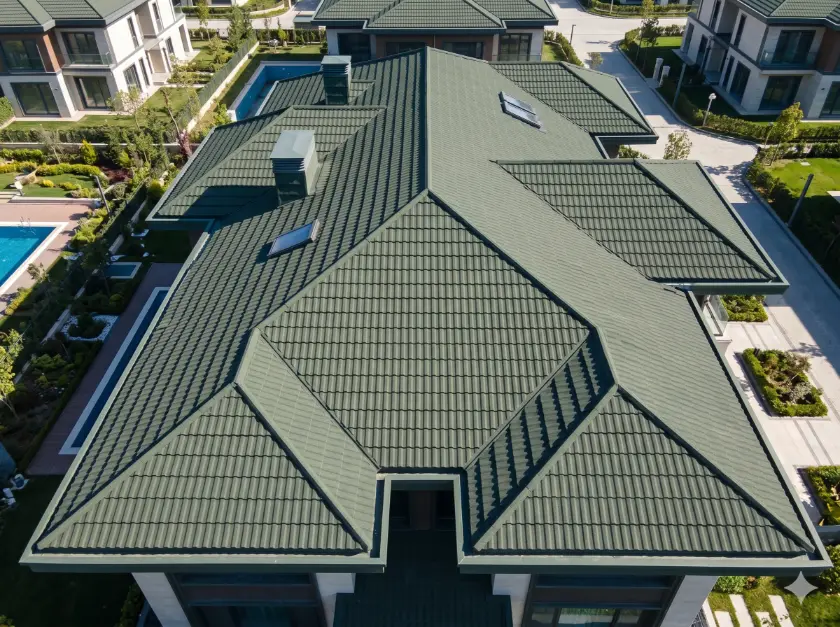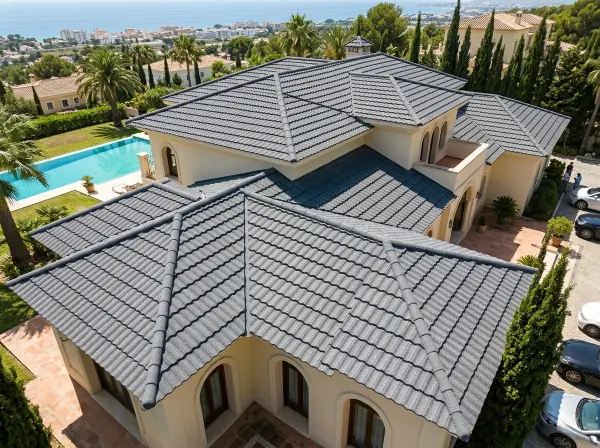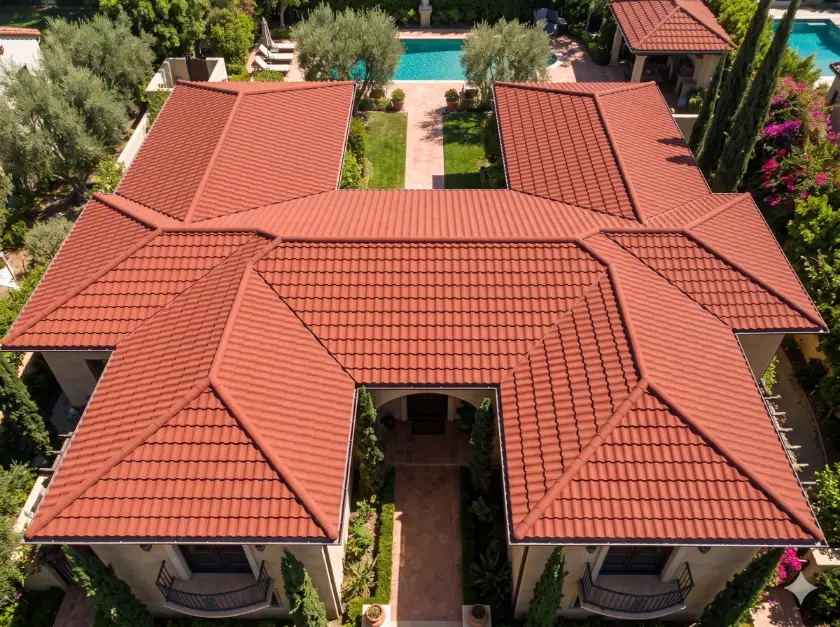

For contractors, developers, and procurement teams, the decision between traditional roofing materials and stone coated metal roofing tile systems often comes down to cost versus value. While the upfront price may be higher, the long-term benefits of stone-coated steel often outweigh initial investment, especially in large-scale projects where durability and lifecycle cost are key considerations.
This analysis explores the practical realities of stone coated roofing, examining performance, maintenance, environmental resilience, and financial implications for B2B decision-makers.
Understanding the Cost Premium
Stone coated metal roofing is priced higher than asphalt shingles or standard metal panels due to its multi-layer construction. The steel substrate, protective coatings, and stone granules all contribute to manufacturing complexity and improved longevity.
Beyond raw material costs, installation requires attention to detail, proper fastening techniques, and sometimes specialized equipment—factors that influence project budgets.
Yet, while the cost is higher upfront, considering the roof’s lifecycle often reveals a different financial picture.
Factors contributing to the premium
- Durable steel core with anti-corrosion treatments
- Stone granule layer for UV and impact resistance
- Advanced coatings for fire and weather protection
Profile note
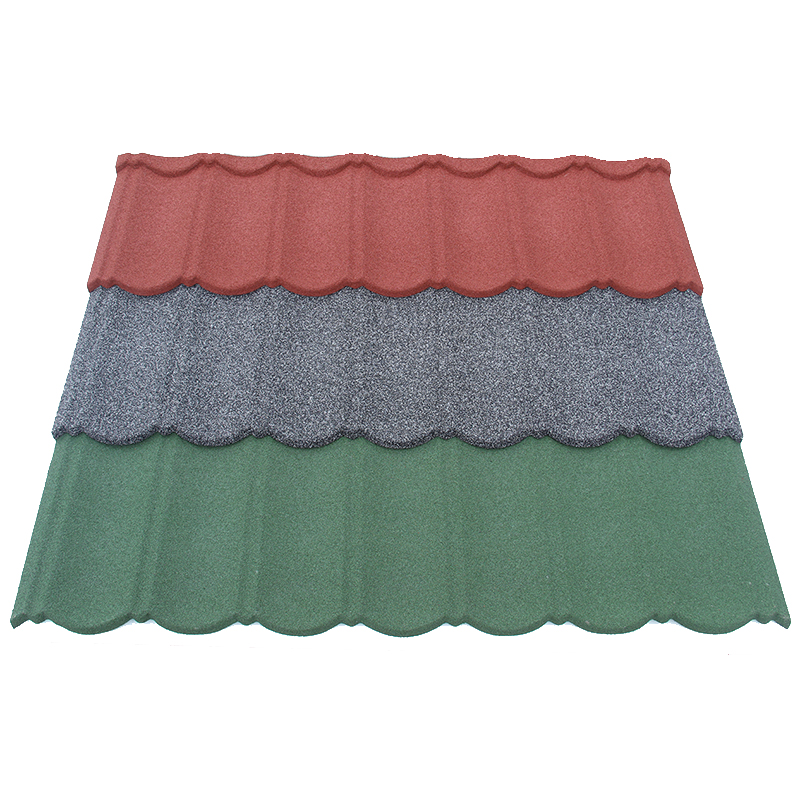
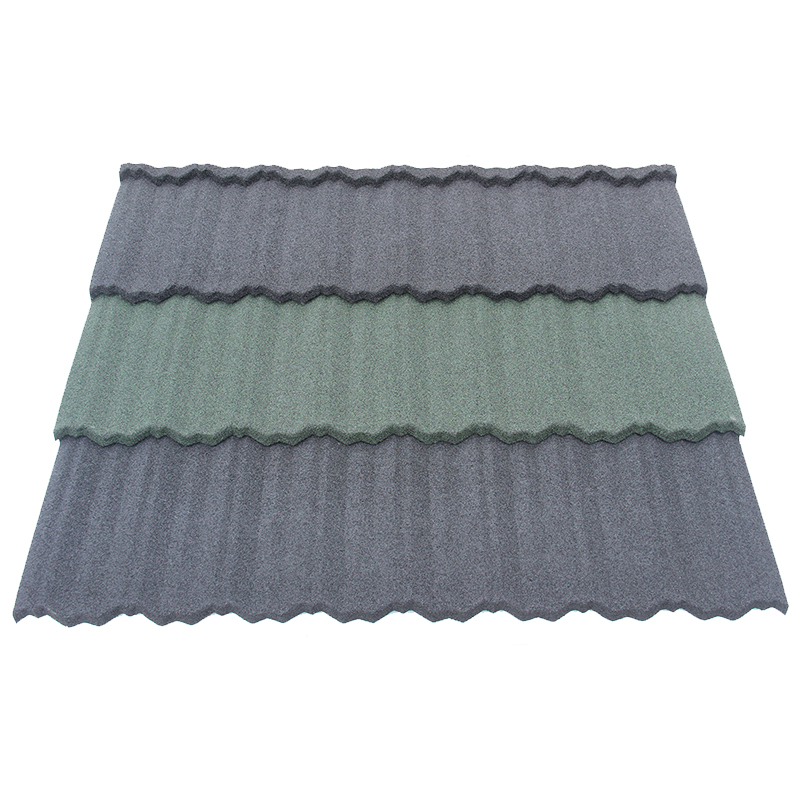
Profiles such as Bond Tile are engineered for even weight distribution and efficient installation, slightly offsetting labor costs on large projects.
Durability and Lifecycle Value
Where stone coated metal roofing shines is in long-term durability. These roofs can last 40–60 years without the replacement cycles common with asphalt shingles, significantly reducing long-term costs.
By resisting cracking, wind damage, and granule loss, stone-coated systems minimize both repair expenses and operational disruptions, which is especially important for commercial developments.
For project managers, this translates into a predictable maintenance schedule and lower unexpected expenditures.
Performance highlights
- Impact resistance reduces hail damage risk
- High wind tolerance prevents uplift in storms
- UV-resistant coatings minimize fading
Profile placement
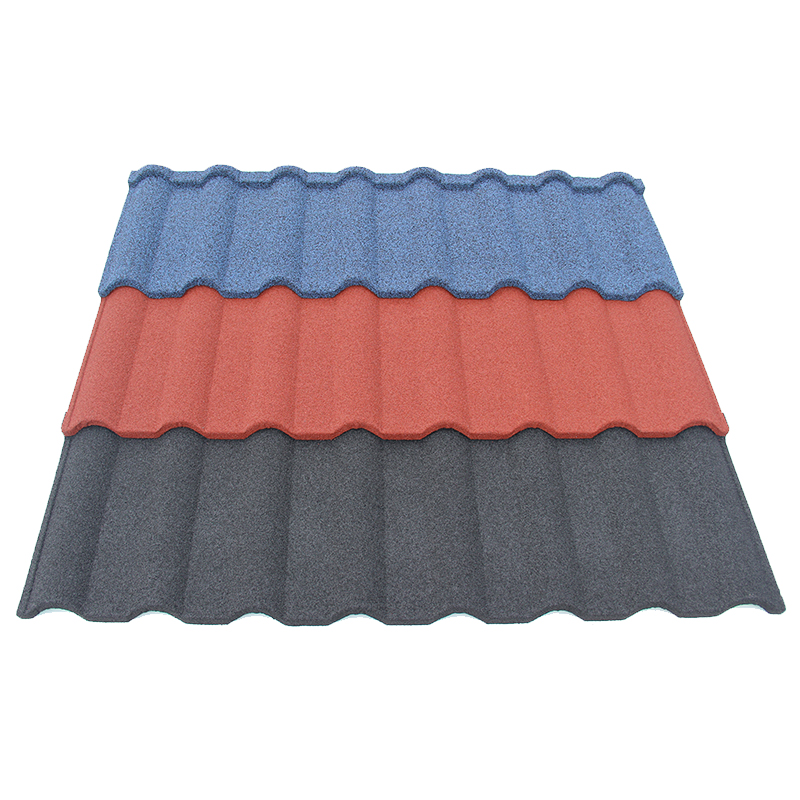
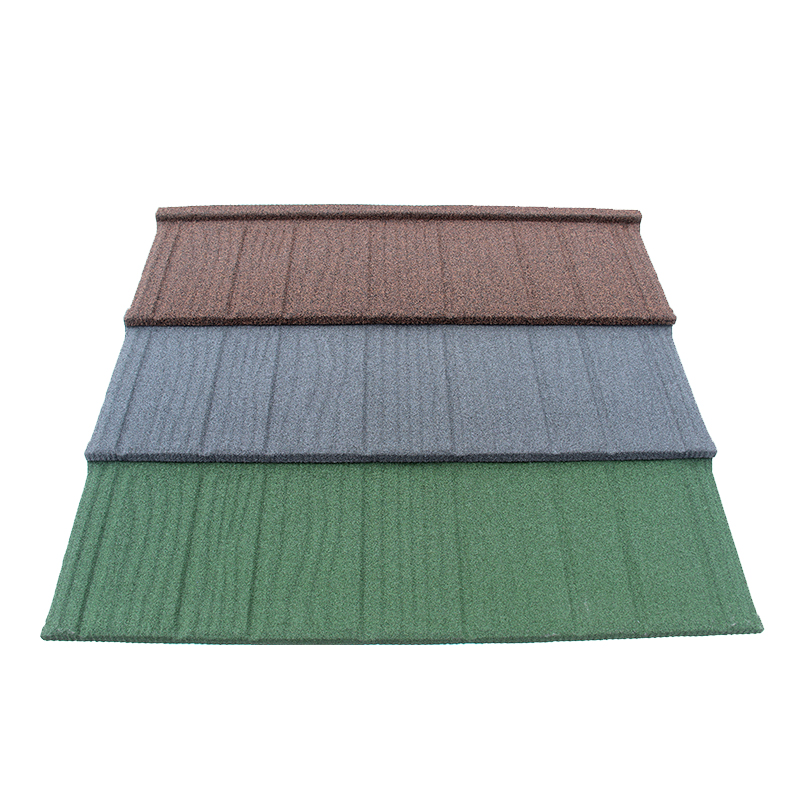
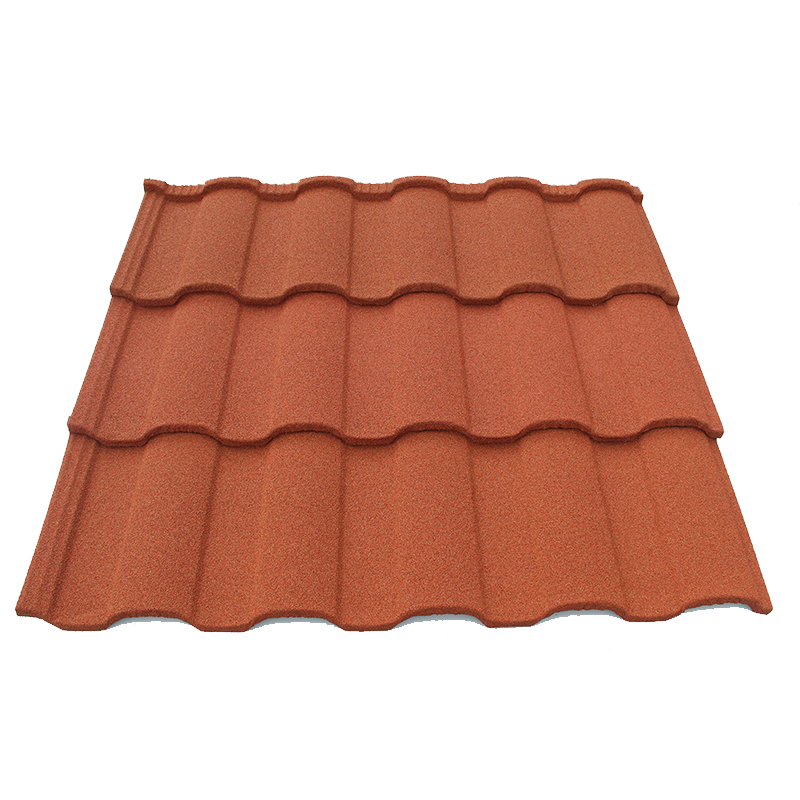
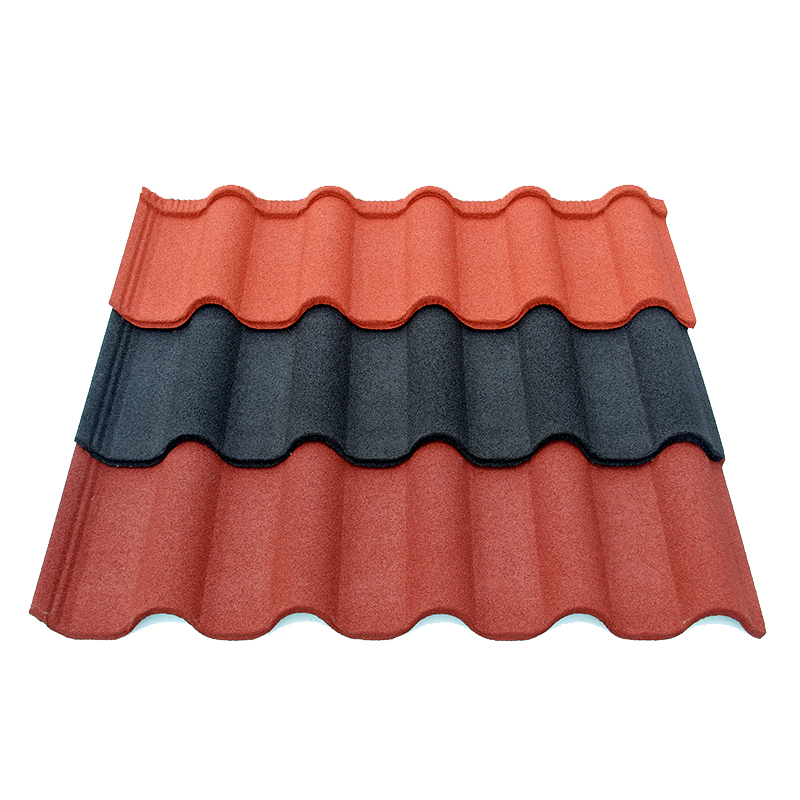
Decorative options such as Roman Tile and Shake Tile not only improve aesthetics but also maintain durability through reinforced panel designs, allowing them to endure challenging environmental conditions.
Maintenance Costs and Practical Considerations
Traditional roofing materials often require frequent inspections, minor repairs, or partial replacements. Stone-coated steel systems, on the other hand, need only periodic inspection and light cleaning, dramatically lowering total maintenance effort.
Facilities managers can schedule maintenance strategically, avoiding interruptions and labor costs associated with frequent roof servicing.
Maintenance strategy
- Soft cleaning to remove debris and bird droppings
- Occasional inspection for granule wear
- Minimal repair interventions unless damage occurs from extraordinary events
Profiles in maintenance context
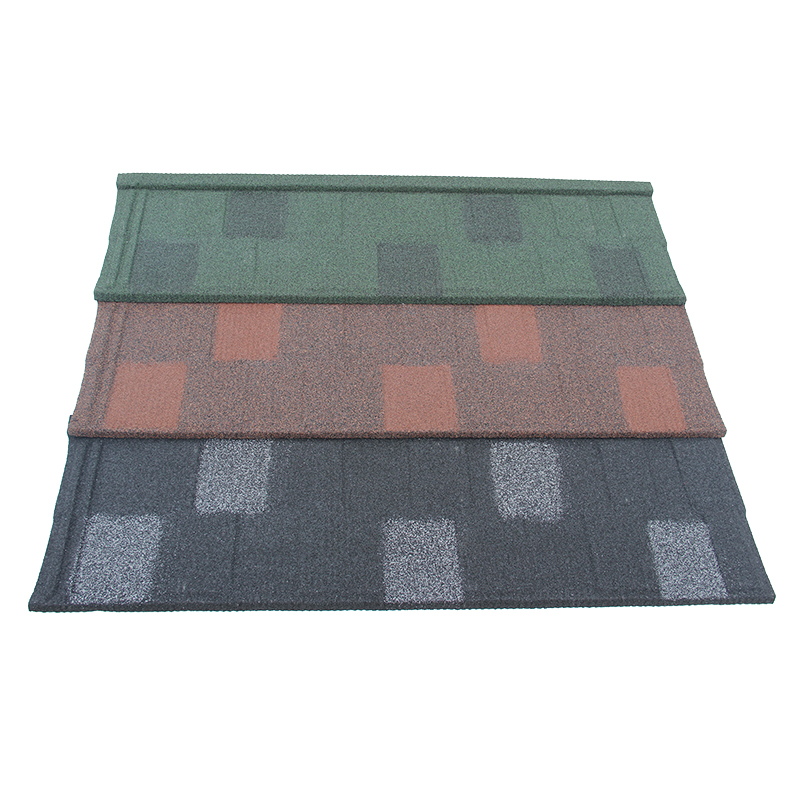
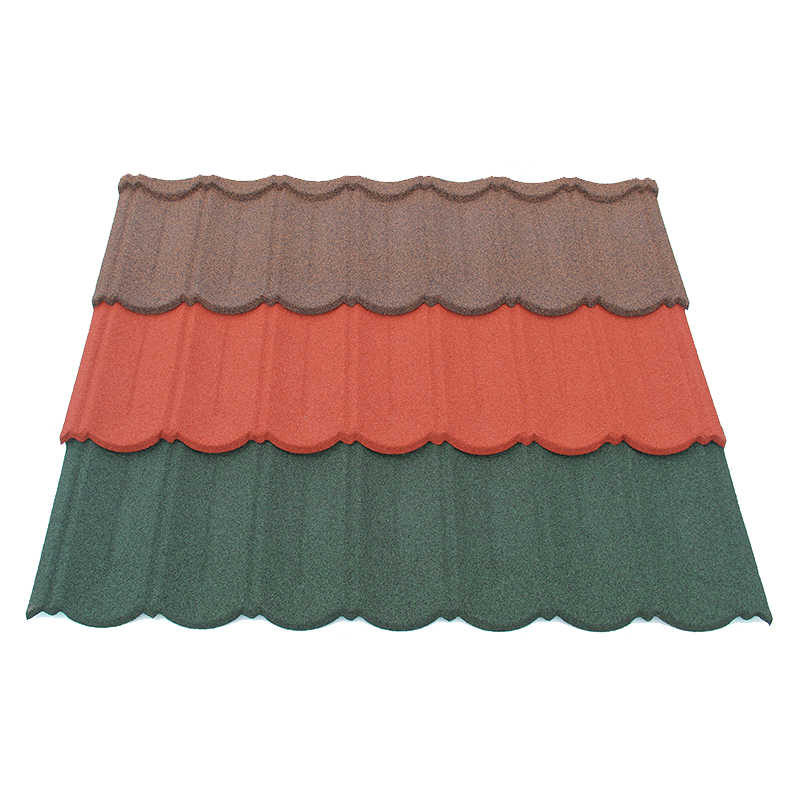
Flatter panels such as Shingle Tile are easier to inspect and clean, while intricate profiles like Milano Tile require careful handling to preserve granule integrity during routine maintenance.
Environmental and Operational Benefits
Stone coated metal roofing provides additional operational advantages that justify the higher upfront cost. Lightweight panels reduce structural load, reflective coatings improve thermal efficiency, and the long lifespan reduces landfill contributions from repeated replacements.
For commercial and industrial projects, these benefits enhance sustainability metrics, regulatory compliance, and energy savings.
Operational impact
- Reduced structural stress due to lighter weight
- Lower energy costs thanks to heat-reflective surfaces
- Long-term environmental footprint reduction
Strategic procurement note
Choosing high-quality suppliers, such as JCROOF, ensures consistent material performance and helps maximize the operational and environmental benefits of the system.
Conclusion: Beyond Upfront Cost
While stone coated metal roofing carries a higher initial price tag, its extended lifespan, minimal maintenance requirements, and environmental advantages make it a strong investment. For large-scale, long-term projects, this roofing system often provides a lower total cost of ownership and improved lifecycle ROI.
By selecting the right profiles—Bond Tile, Shingle Tile, Roman Tile, Shake Tile, and Milano Tile—and sourcing from reputable manufacturers like JCROOF, buyers can ensure durability, aesthetic appeal, and predictable long-term performance.