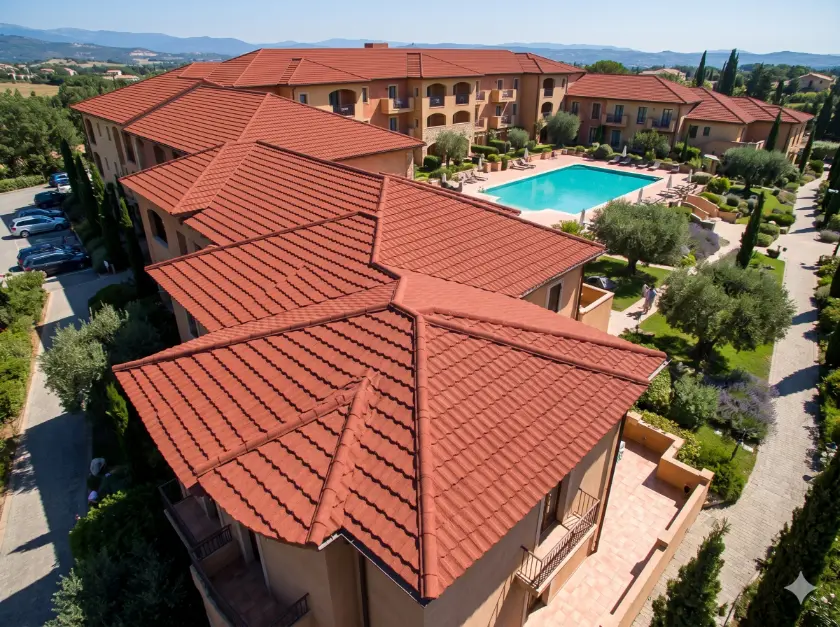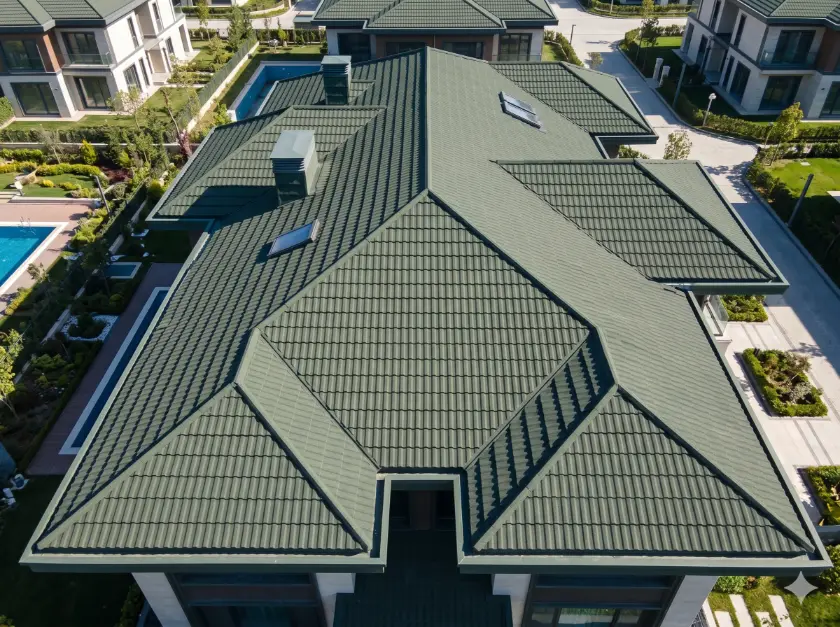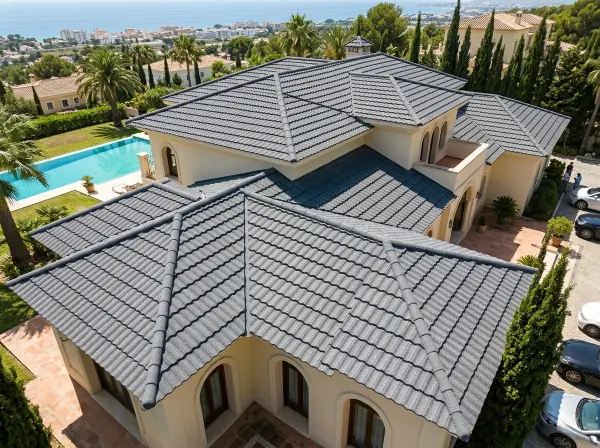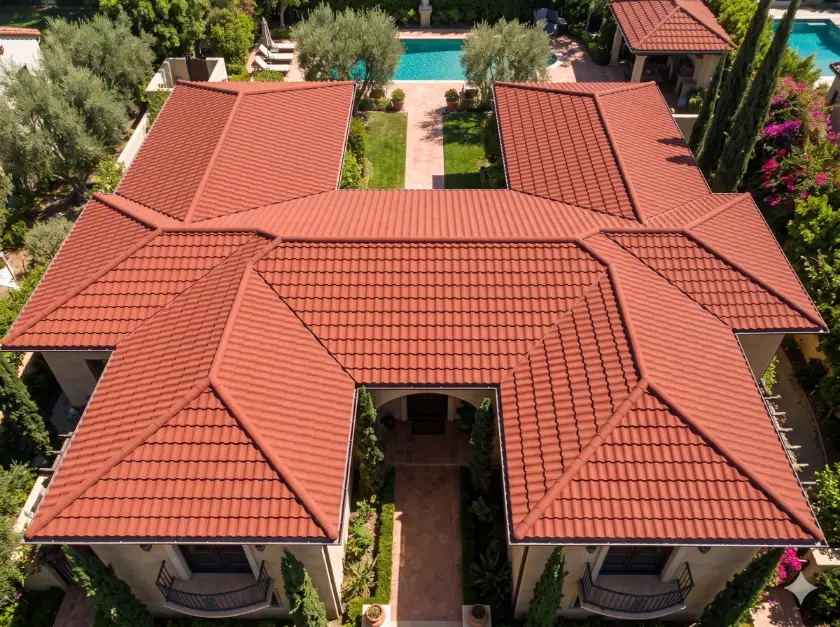

Sustainable construction is no longer a niche trend; it is a fundamental requirement for modern B2B procurement and global engineering standards. As carbon taxes and green building certifications like LEED become more prevalent, developers must scrutinize every material in the building envelope. Conventional roofing materials, particularly asphalt and concrete, carry heavy environmental costs due to their high energy production and short lifecycles. In contrast, Zinc-Alloy Coated Roofing Sheets offer a circular-economy solution that combines durability with extreme resource efficiency. This guide explores the quantifiable ecological benefits of transitioning to stone-coated metal systems.
Sustainable Material Lifecycle and Recyclability
The environmental impact of a roofing material begins at the extraction phase and ends at its disposal. Traditional asphalt shingles are petroleum-based and contribute millions of tons to landfills annually. Zinc-Alloy Coated Roofing Sheets disrupt this waste cycle because steel is the most recycled material on the planet. Consequently, most metal tiles contain a significant percentage of post-consumer recycled content. Therefore, choosing metal is a direct step toward a closed-loop construction model. This recyclability ensures that the material never becomes a permanent burden on the environment.
The Circular Economy of Steel
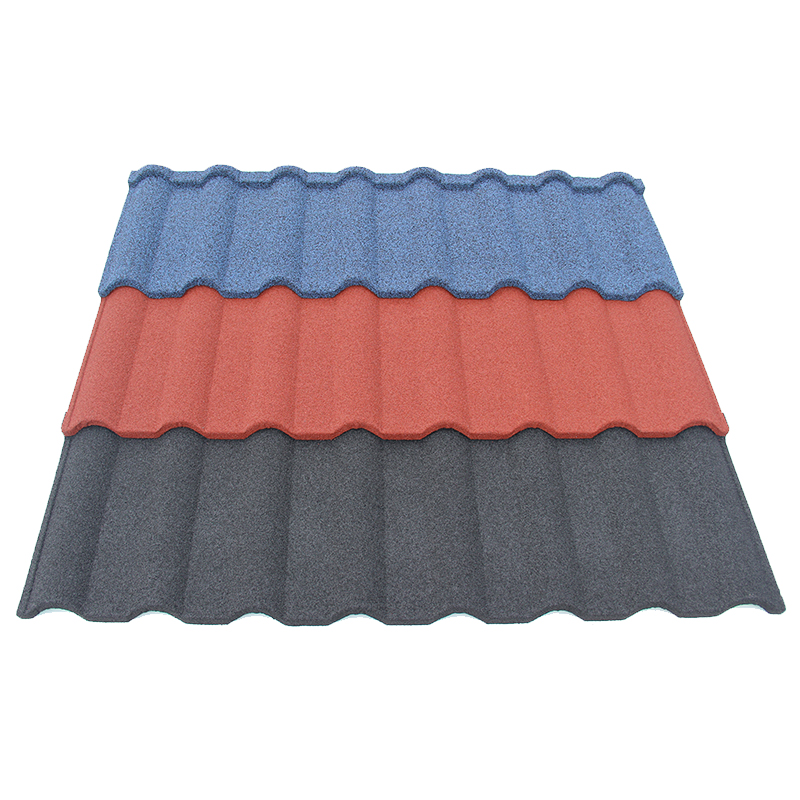
Steel remains unique because it can be recycled infinitely without losing its structural properties. When a building reaches the end of its life, the Bond Tile panels can be removed and melted down to create new steel products. This reduces the demand for virgin iron ore mining, which is an energy-intensive and ecologically damaging process. Furthermore, the recycling infrastructure for metal is well-established worldwide. Consequently, procurement officers can satisfy sustainability mandates by providing documentation of the material’s end-of-life recovery potential.
Minimizing Landfill Contribution
Waste management is a significant overhead cost for large-scale demolition and renovation projects. Because asphalt shingles degrade and become brittle, they are almost never recycled. In contrast, metal roofing systems are exceptionally durable. Specifically, JCROOF designs products that last over 50 years, which is three times the lifespan of cheap alternatives. This longevity means that over a century, you only use one roof instead of three. Consequently, you reduce the total volume of construction debris by 66%, significantly lowering the project’s carbon footprint.
Energy Efficiency through Above-Sheathing Ventilation
A roof is a dynamic component of a building’s thermal management system. Zinc-Alloy Coated Roofing Sheets are known as “cool roofs” because of their ability to reflect solar radiation away from the structure. Traditional dark roofs absorb heat and transfer it directly into the attic space, forcing HVAC systems to work harder. By using stone-coated metal, developers can achieve significant energy savings. This efficiency is enhanced by the specialized installation methods used for high-performance profiles.
Reflective Properties of Sintered Stone
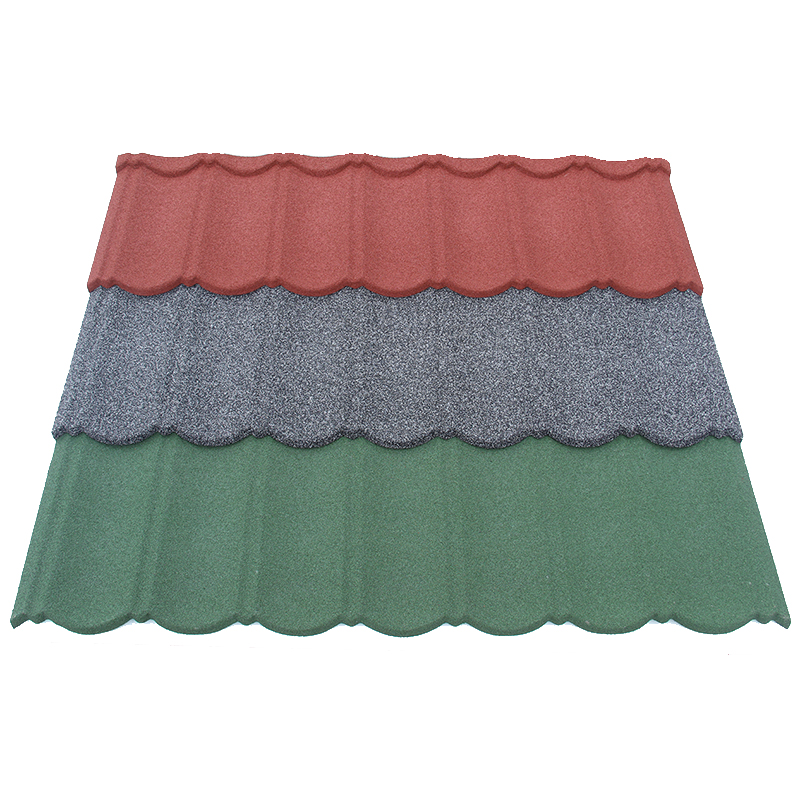
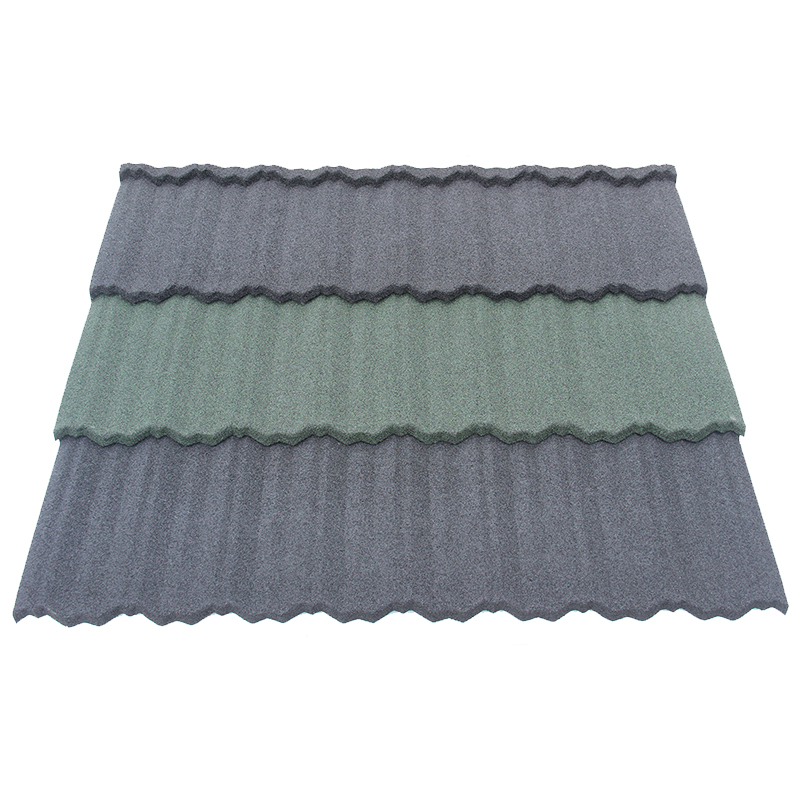
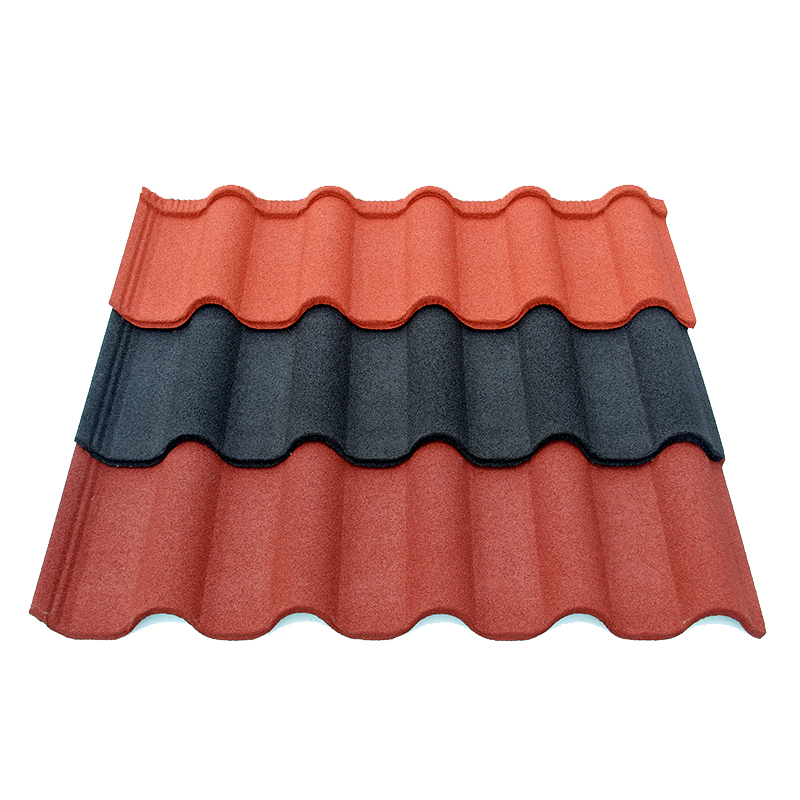
The volcanic stone granules on the surface of the tile act as millions of tiny prisms. These granules reflect infrared light while the zinc-alloy coating provides a high emissivity rating. Consequently, the roof surface stays much cooler than asphalt or concrete under direct sunlight. For instance, the Milano Tile profile, with its elegant curves, increases the surface area for heat dissipation. Therefore, the building maintains a more stable internal temperature. This directly translates to lower utility bills and a reduced reliance on fossil-fuel-powered air conditioning.
The ASV Thermal Buffer Effect
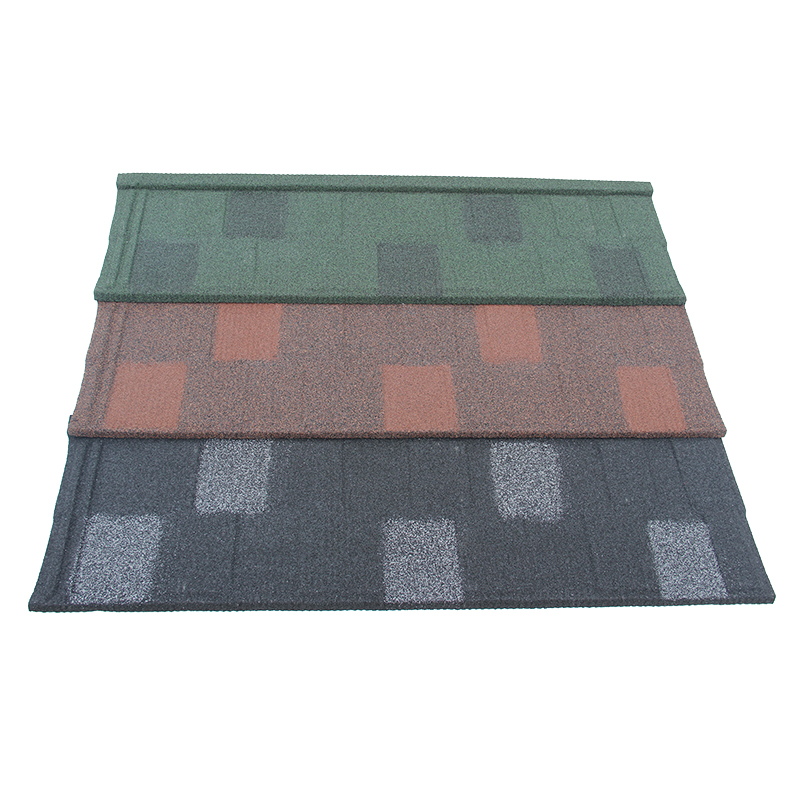
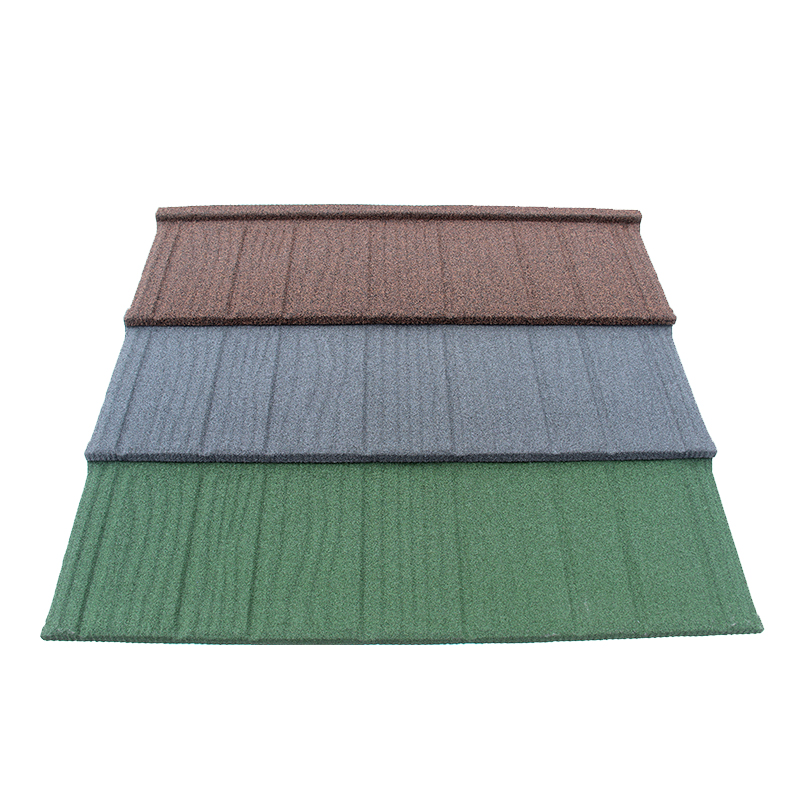
- Natural Convection: Systems like the Shingle Tile are installed on battens, creating a dedicated air gap.
- Heat Decoupling: This air gap, known as Above-Sheathing Ventilation (ASV), prevents conductive heat transfer.
- Reduced Carbon Load: Lower cooling demands lead to fewer greenhouse gas emissions from the building’s operations.
- Condensation Control: Continuous airflow prevents moisture buildup, extending the life of the wooden rafters.
Reducing the Environmental Cost of Logistics
Transportation is a major contributor to a project’s total carbon emissions, especially for international developments. Heavy roofing materials require more trucks, more fuel, and more shipping containers, which increases the “embodied carbon” of the building. Zinc-Alloy Coated Roofing Sheets solve this problem through their extreme lightweight nature. Because they are light and stackable, they represent the most carbon-efficient roofing option from a logistics perspective.
Fuel Consumption and Shipping Efficiency
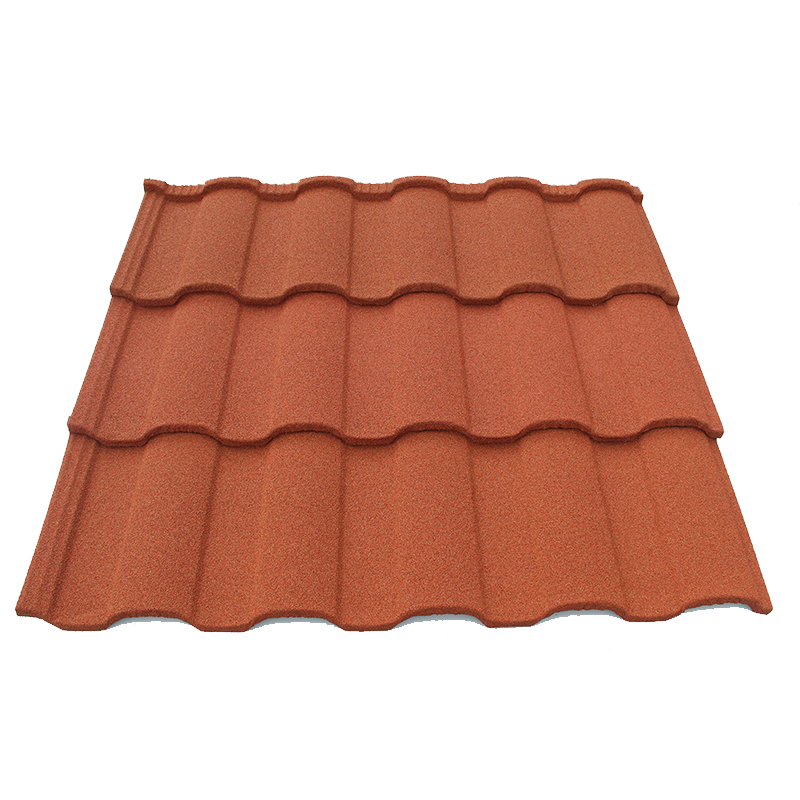
Consider the logistical requirements for a 10,000-square-meter project. Concrete tiles would require dozens of heavy-duty trucks to transport. In contrast, the same area can be covered by metal sheets using only a few containers. Specifically, the Roman Tile profile is designed for high-density stacking. Consequently, you can fit more square meters of roofing into a single shipment. This reduction in shipping volume directly slashes the fuel consumption and CO2 emissions associated with the procurement process.
Lowering the Carbon Footprint of On-Site Operations
| Logistic Variable | Conventional Concrete | Zinc-Alloy Coated Metal |
|---|---|---|
| Weight per m² | ~45 – 52 kg | ~5 – 7 kg |
| Truckloads Needed | 8 – 10 Trucks | 1 – 2 Trucks |
| Installation Speed | Slow (Manual Labor) | Fast (Systemic Assembly) |
| Transport Emissions | High (Heavy Load) | Low (Lightweight/High Volume) |
Water Conservation and Chemical Safety
In many regions, roof runoff is collected for irrigation or greywater use. The chemical composition of a roof determines the safety of this water. Traditional roofing materials often leach harmful chemicals or petroleum byproducts into the runoff. Zinc-Alloy Coated Roofing Sheets are non-toxic and inert. This makes them the safest choice for developers who want to implement rainwater harvesting systems as part of their sustainability strategy.
Eliminating Toxic Leaching
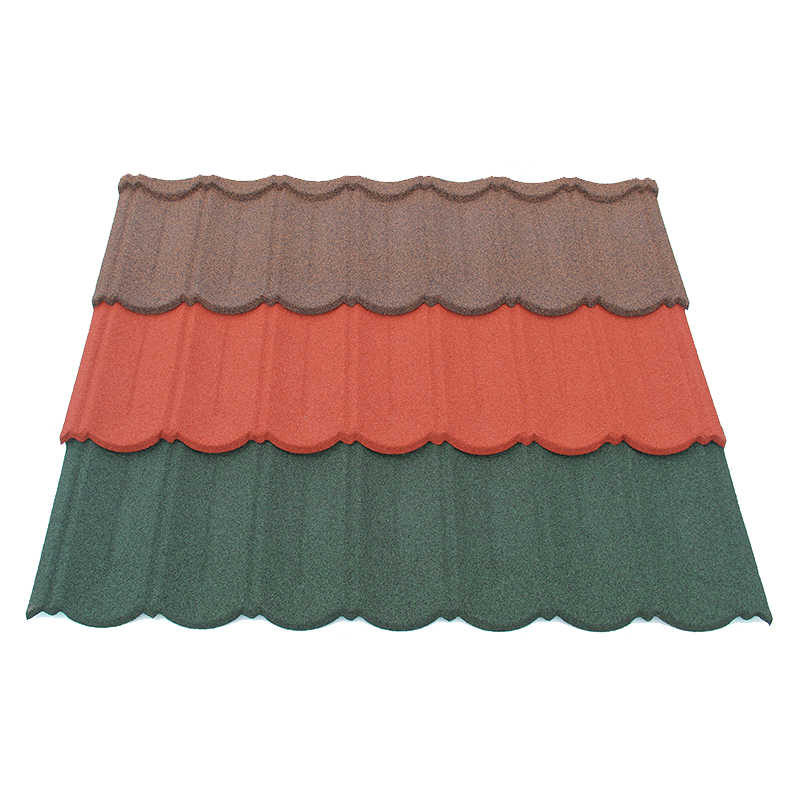
Asphalt shingles contain bitumen and other volatile organic compounds (VOCs) that can contaminate water supplies. In contrast, the stone and acrylic used in metal tiles are environmentally stable. Specifically, the Shake Tile provides a natural look without the chemical treatments often used on real wood to prevent rot. Consequently, the water flowing off a stone-coated metal roof is clean and safe for secondary use. Therefore, metal roofing supports the water conservation goals of eco-friendly architectural designs.
Maintenance-Free Lifecycle Benefits
Sustainability also means reducing the need for chemical maintenance. Concrete and clay roofs often require pressure washing with biocides to remove moss and algae. Because Zinc-Alloy Coated Roofing Sheets are non-porous and treated with anti-fungal agents in the base coat, they stay clean naturally. Consequently, you avoid introducing harsh cleaning chemicals into the local ecosystem. This maintenance-free nature ensures that the roof’s environmental impact remains low for its entire 50-year lifespan.
Sourcing Sustainably: B2B Procurement Checkpoints
To ensure your project meets its environmental targets, you must verify the manufacturing standards of your supplier. Not all metal roofing is created equal. Some factories use low-grade coatings that fail prematurely, negating the sustainability benefits. High-quality procurement involves auditing the production process for energy efficiency and waste reduction. Furthermore, check for certifications that guarantee the steel was sourced from responsible mills that prioritize carbon-neutral technologies.
Technical Verification for Green Projects
Always request an Environmental Product Declaration (EPD) if available. This document provides a transparent look at the lifecycle impact of the product. Specifically, verify that the Zinc-Alloy Coated Roofing Sheets meet ISO14001 environmental management standards. These certifications ensure that the manufacturer is actively reducing its own carbon footprint during production. Moreover, choosing a supplier that offers a long-term structural warranty is essential. A roof that lasts twice as long is inherently twice as sustainable for the planet.